🚨 Please note: BikePortland is currently on hiatus and only publishing guest articles. Learn more here. Thank you. - Jonathan 🙏

Bike box coming to fatal crash site as part of ‘critical fixes’ to 82nd Ave

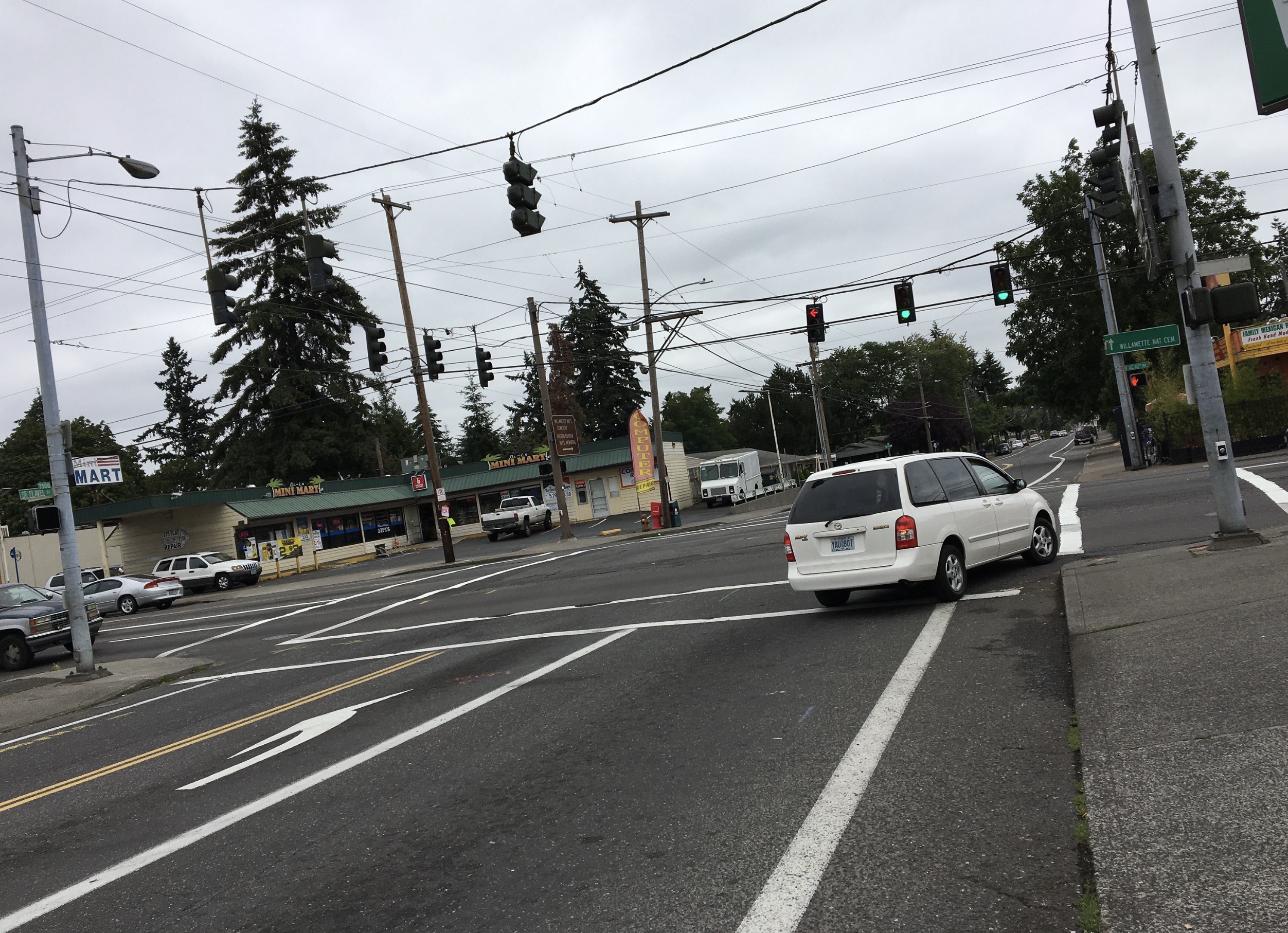
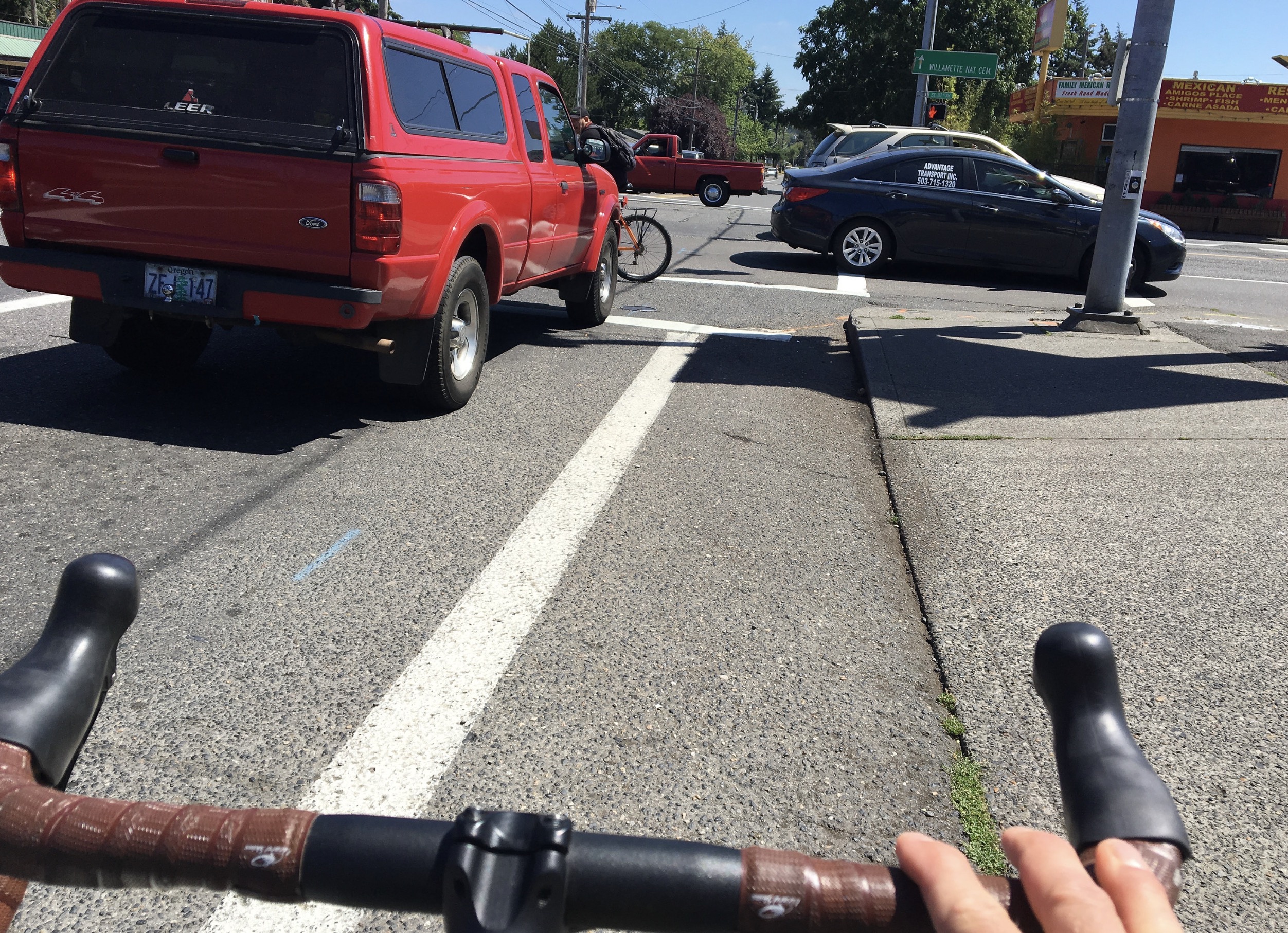
Riding on SE Flavel eastbound toward 82nd Ave. (Photo: Jonathan Maus/BikePortland)
Lydia Johnson (Photo: Johnson Family)

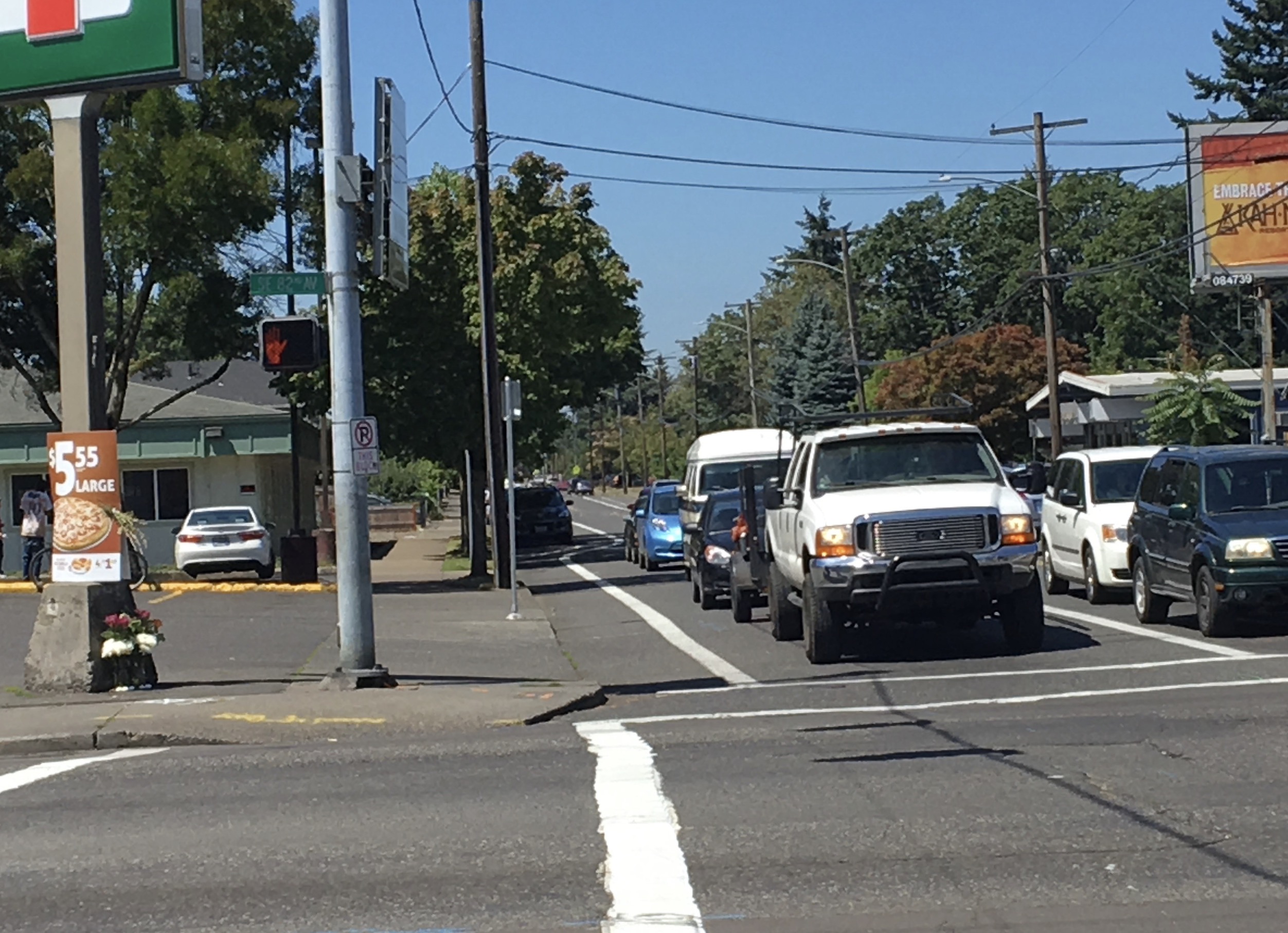
On the morning of July 30th, 2016, 25-year-old Lydia Johnson was biking eastbound on Southeast Flavel Street. As she came to the intersection with 82nd Avenue, Joel Silva was driving a large box truck in the same direction. When he got to 82nd, Silva turned his truck right, collided with Johnson, and she was killed.

I visited the site a few days later and observed how the narrow, unprotected bike lane got pinched by driver after right-turning driver. It made me sick to think that another right-hook claimed another life.

Seven years later, the Portland Bureau of Transportation will install a bike box at this intersection. It’s a treatment first used locally in 2008 after a spate of right-hook tragedies. Bike boxes don’t add physical protection, but they give bike riders a safe space to wait in front of drivers during red signal phases and the green coloring and buffer sends a signal to drivers that they should use caution while turning.

The bike box coming to SE Flavel and 82nd is just one of several striping and signage updates PBOT is doing as part of their $80 million “critical fixes” project. This particular chunk of work is funded with a $750,000 federal grant and is scheduled to be completed by the end of this summer. In addition to Flavel, as part of this project, PBOT will install bike boxes at SE Woodstock and SE Duke streets. They’ll also update street signage and provide spot fixes to existing median islands to improve visibility.

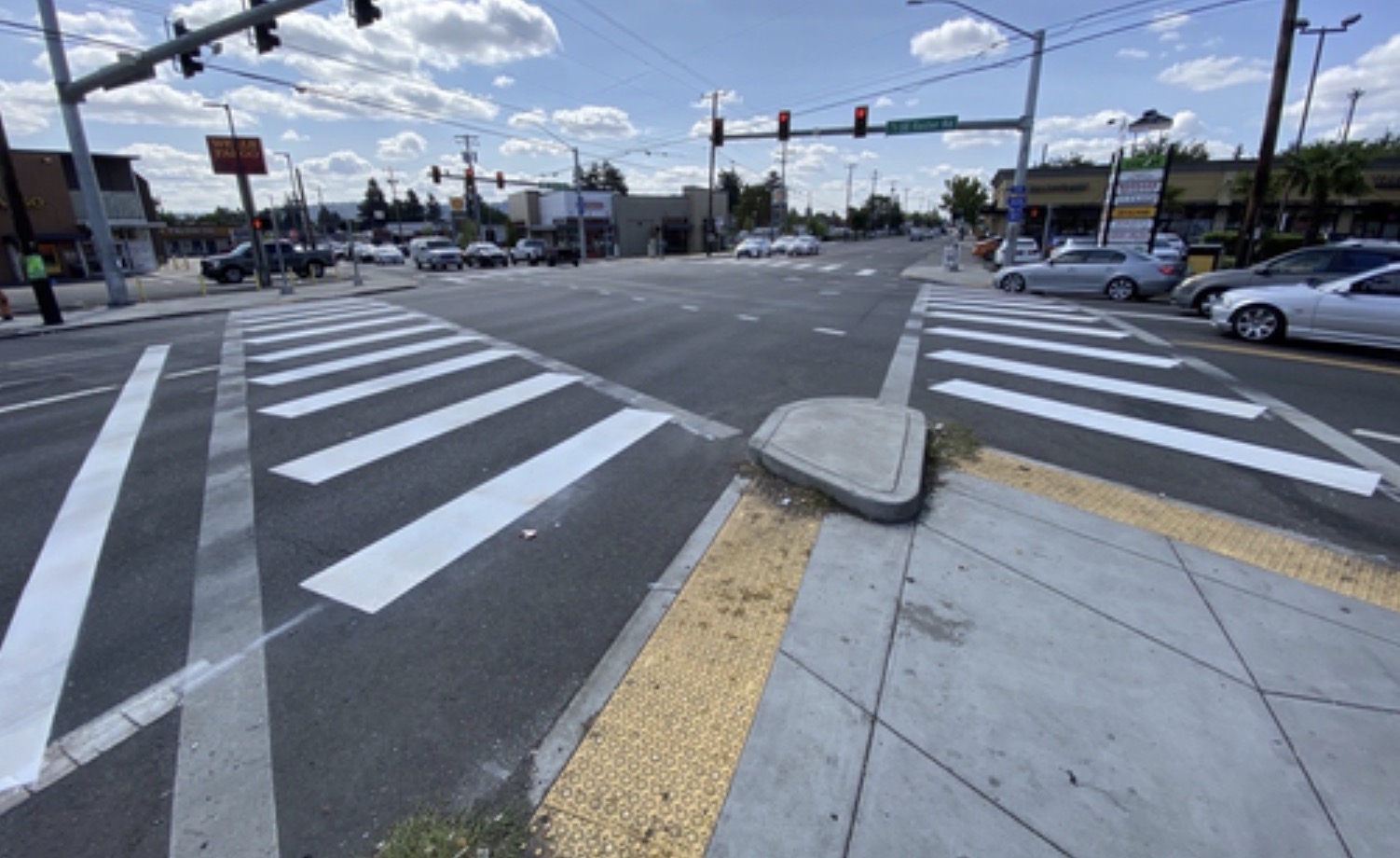
Recently installed high-visibility crosswalk at SE 82nd and Foster. (Photo: PBOT)

This week, PBOT also began installation of high-visibility crosswalks (above) at 21 signalized intersections along 82nd Ave between SE Foster and NE Lombard. “High-visibility crosswalks (sometimes called “continental-style” crosswalks) have thick lines parallel to traffic flow that allow drivers to see the crosswalk from further away,” PBOT said in a project email today.

Once the most urgent repairs are made, PBOT will move into the next phase of the project. As per their 82nd Avenue Civic Corridor Investment Strategy, PBOT will invest $105 million into more safety and maintenance projects, efforts to mitigate displacement impacts, and future transit planning.

These updates come after PBOT took over ownership of 82nd from the Oregon Department of Transportation in April 2022.

With over 5,000 attendees, MADE Bicycle Show largest ever, organizers say

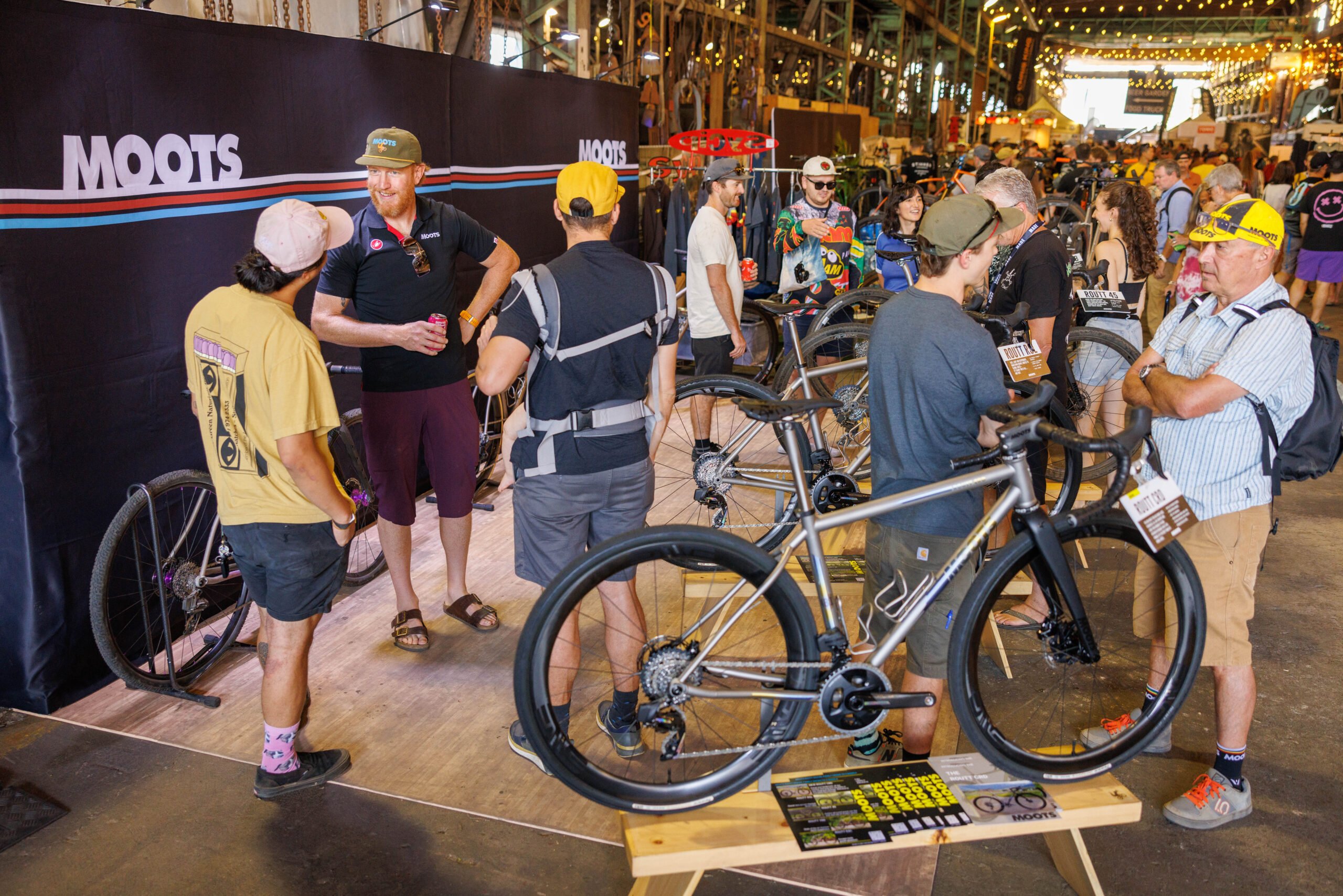
(Photo: MADE Bicycle Show)

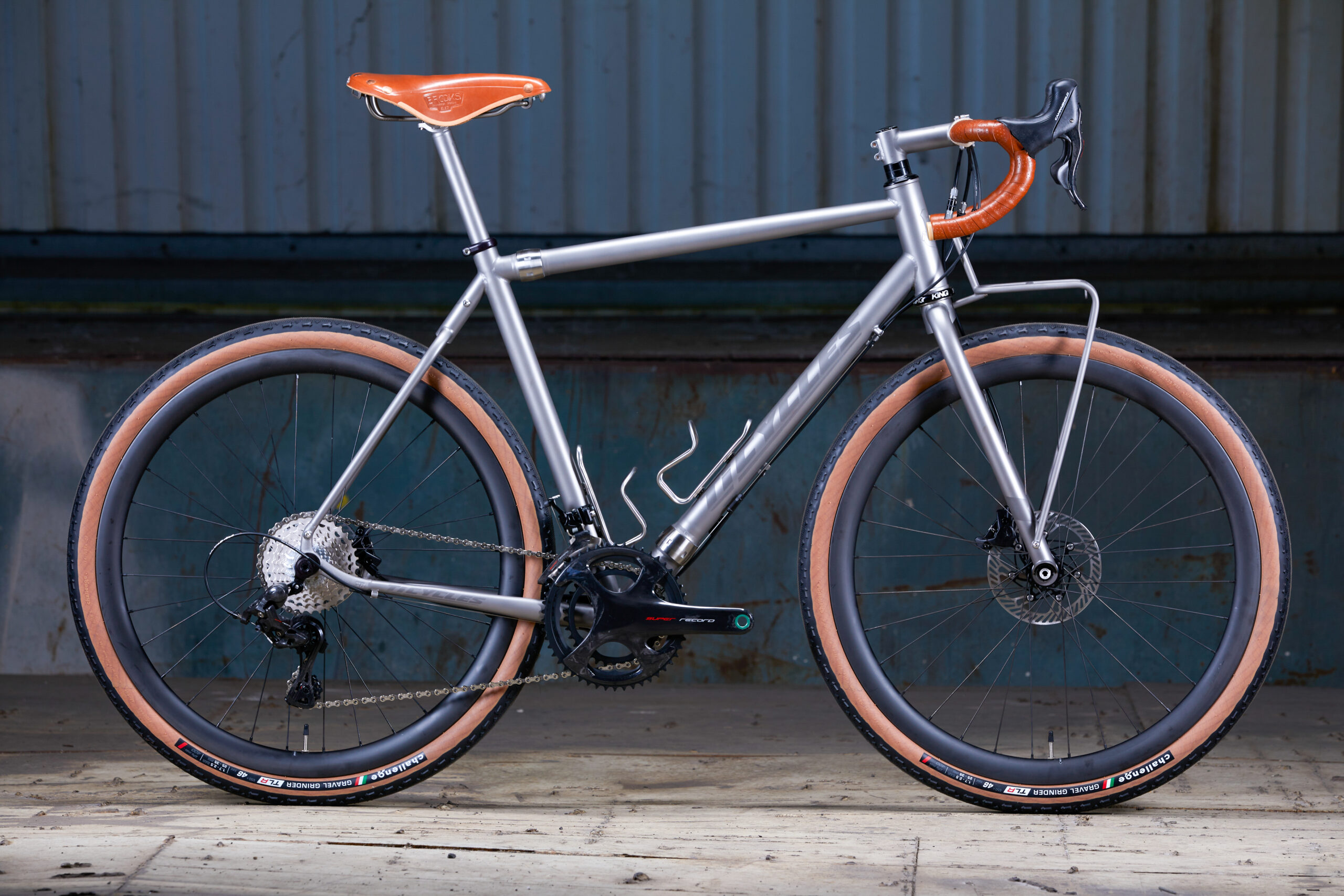
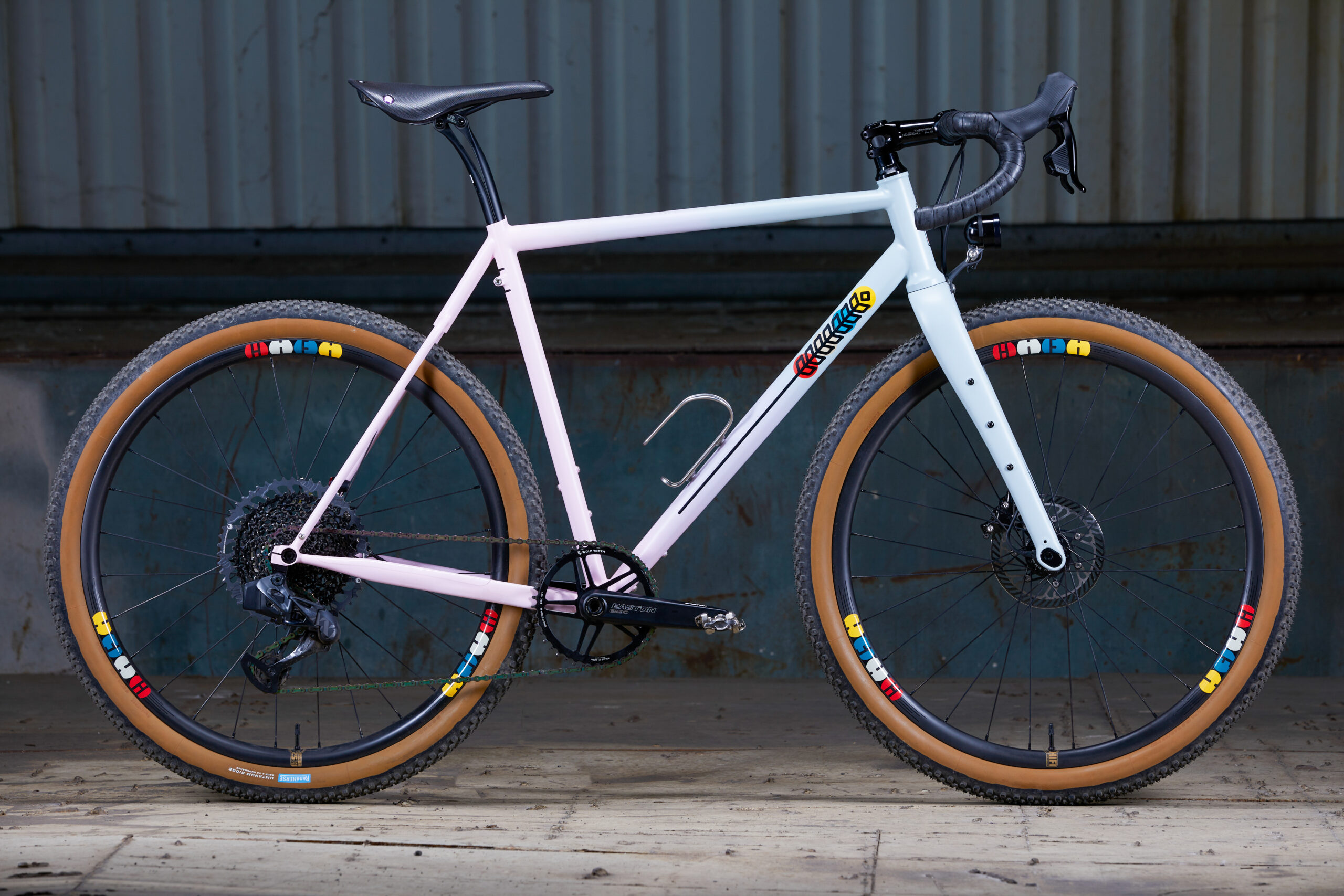
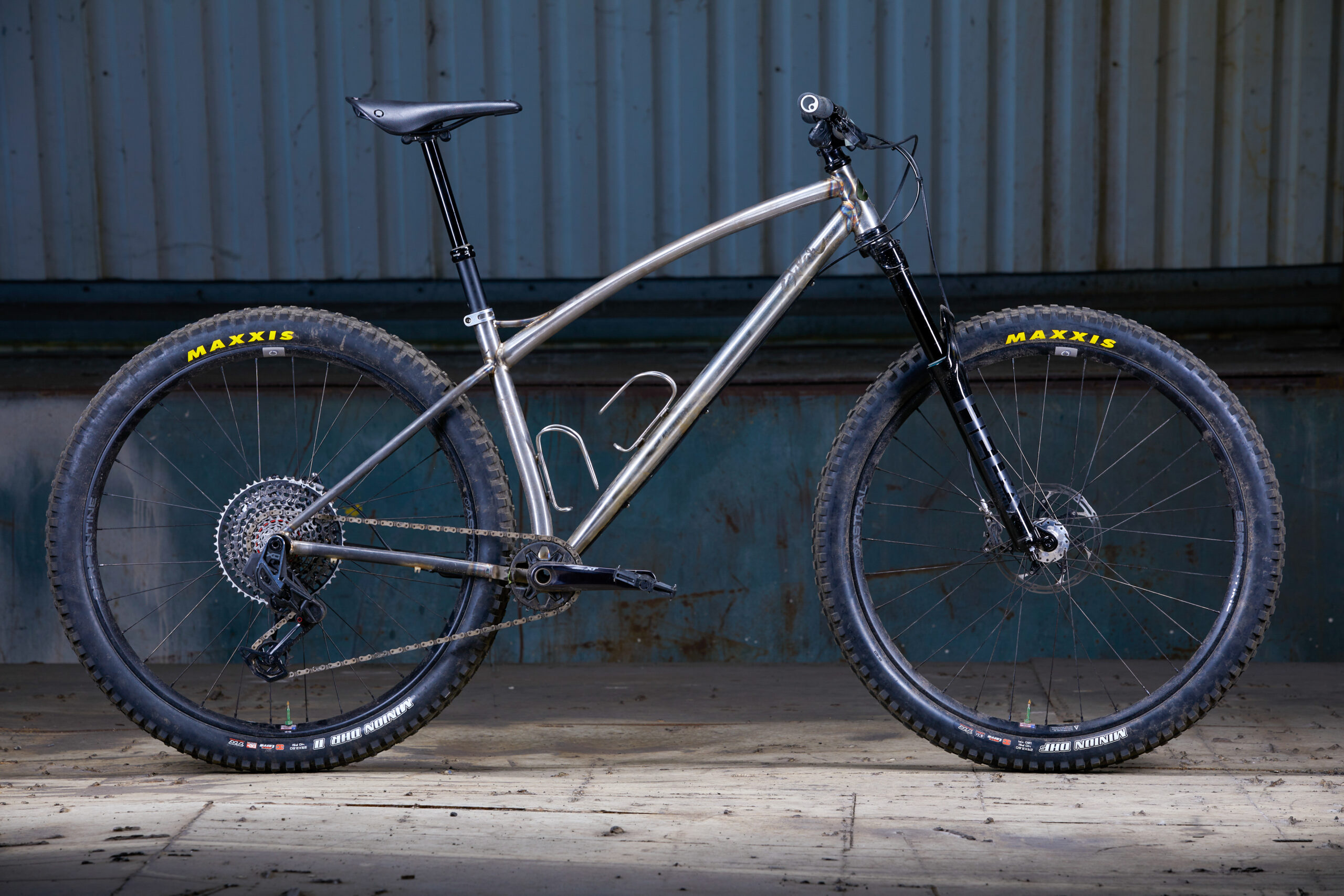
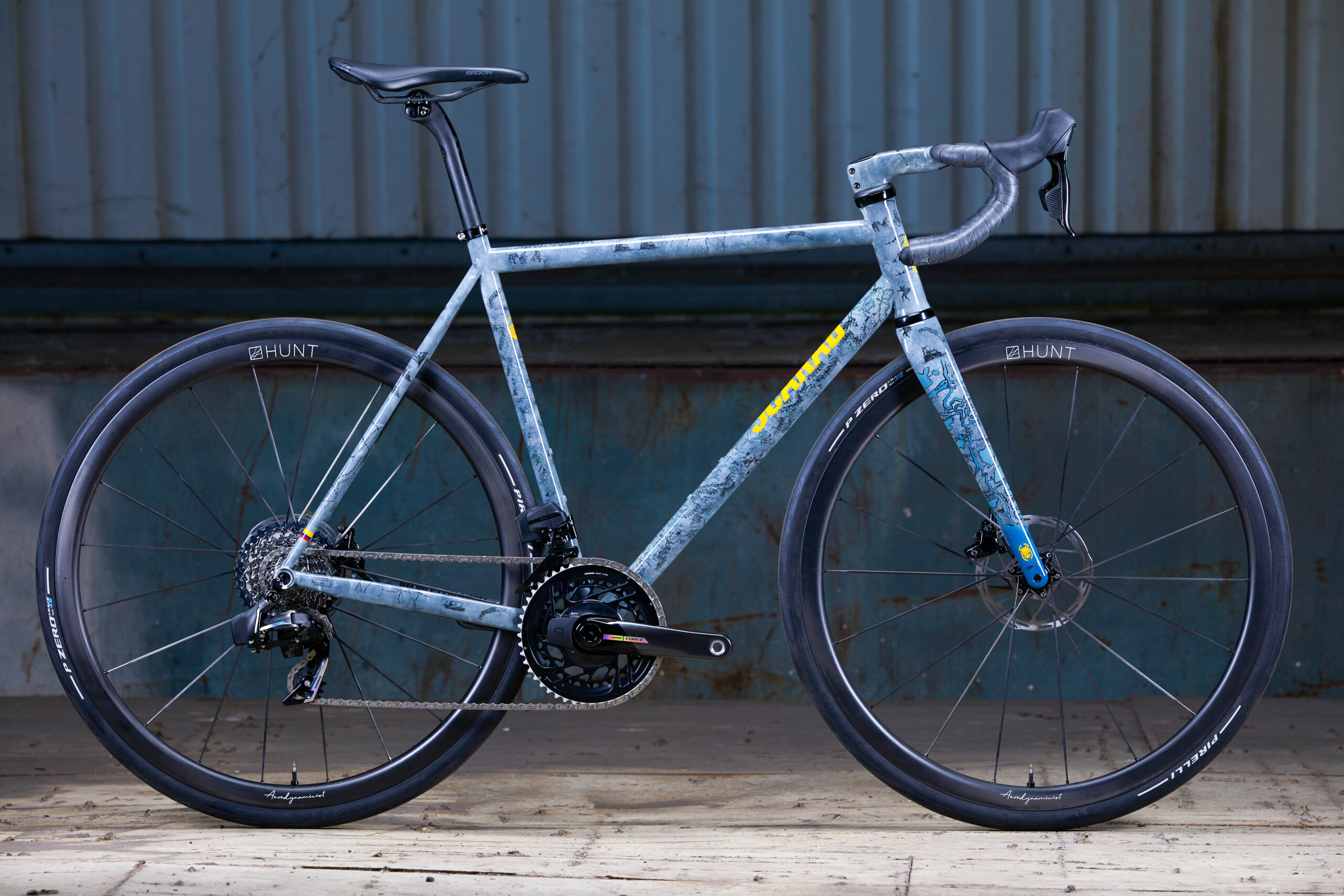
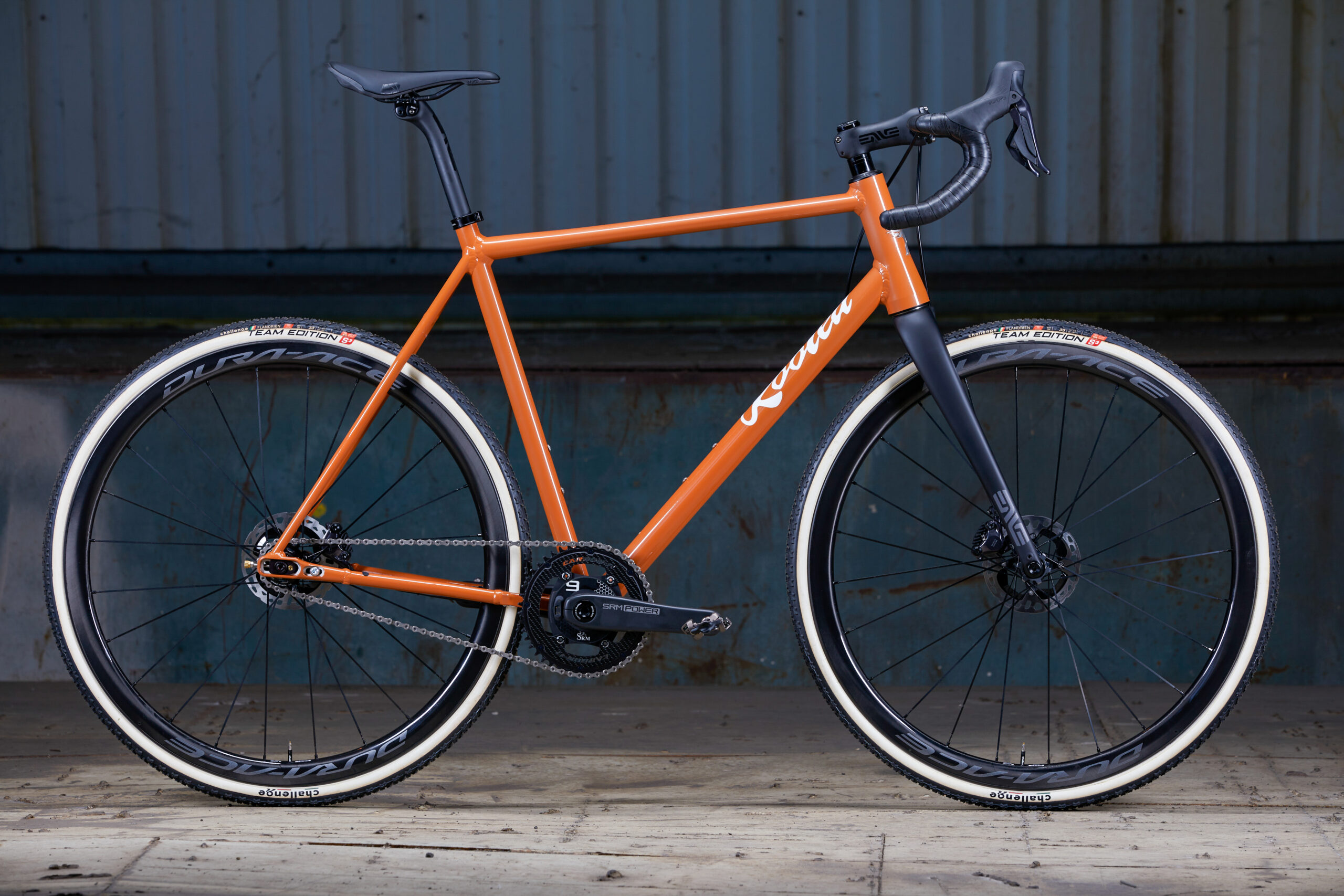
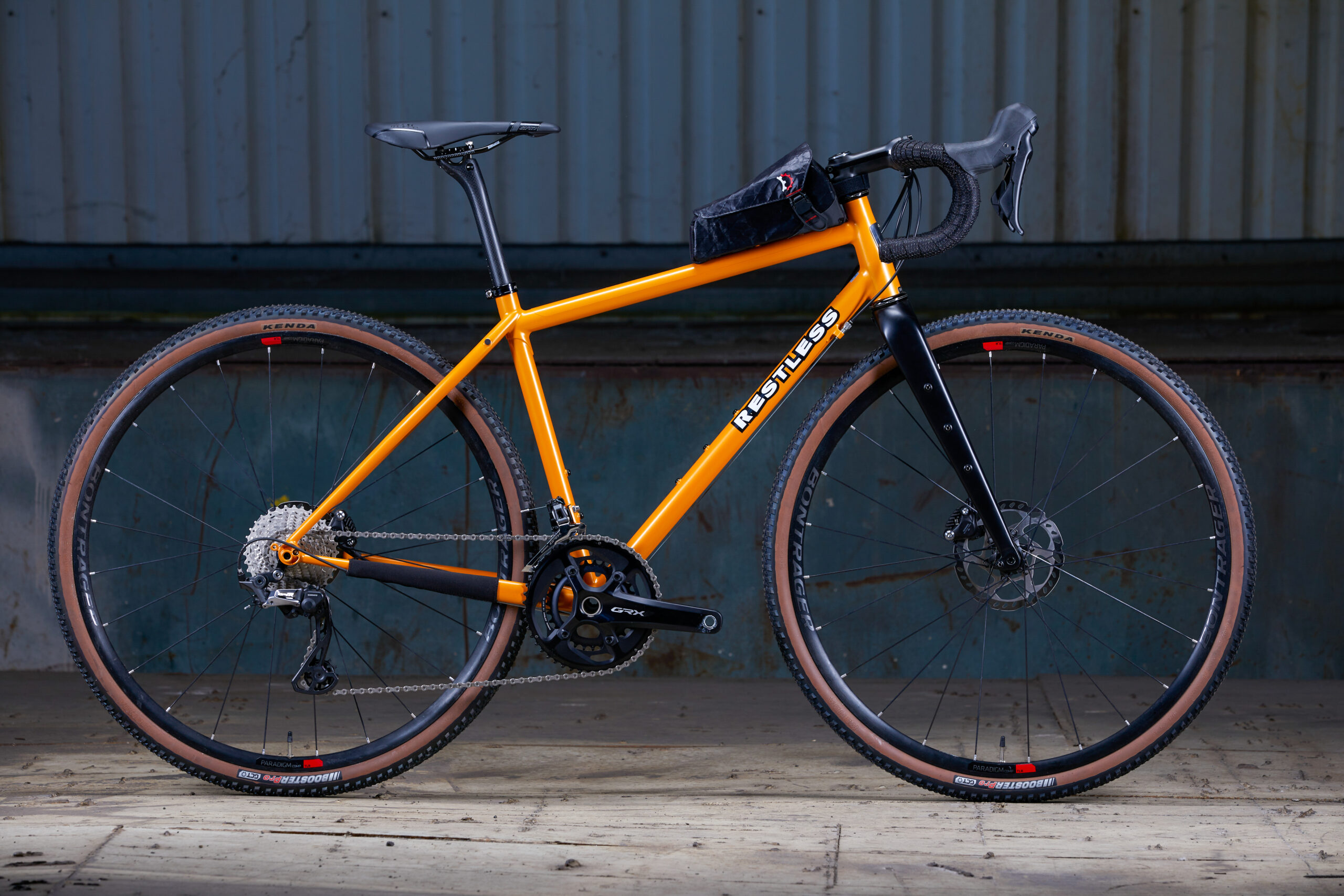
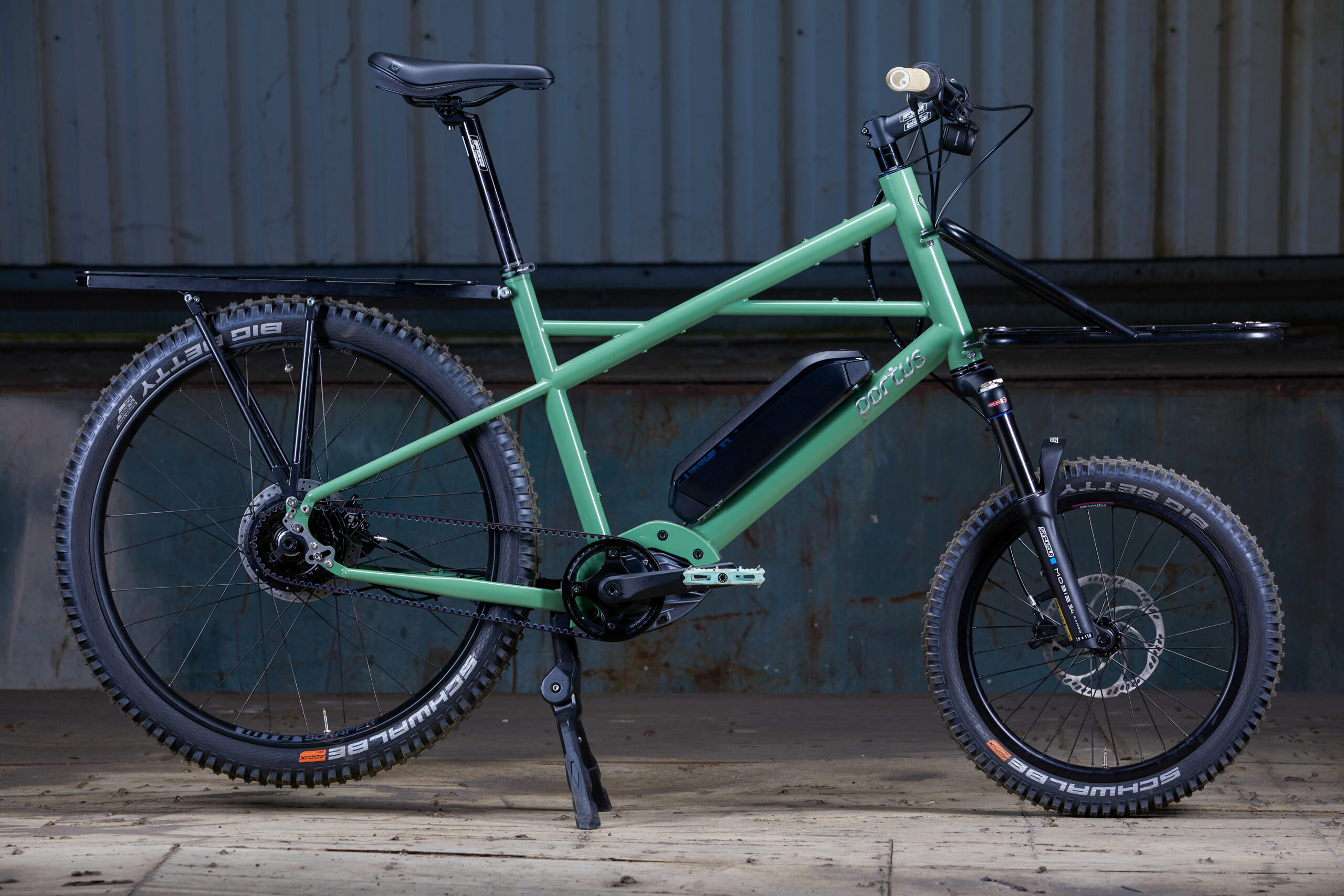
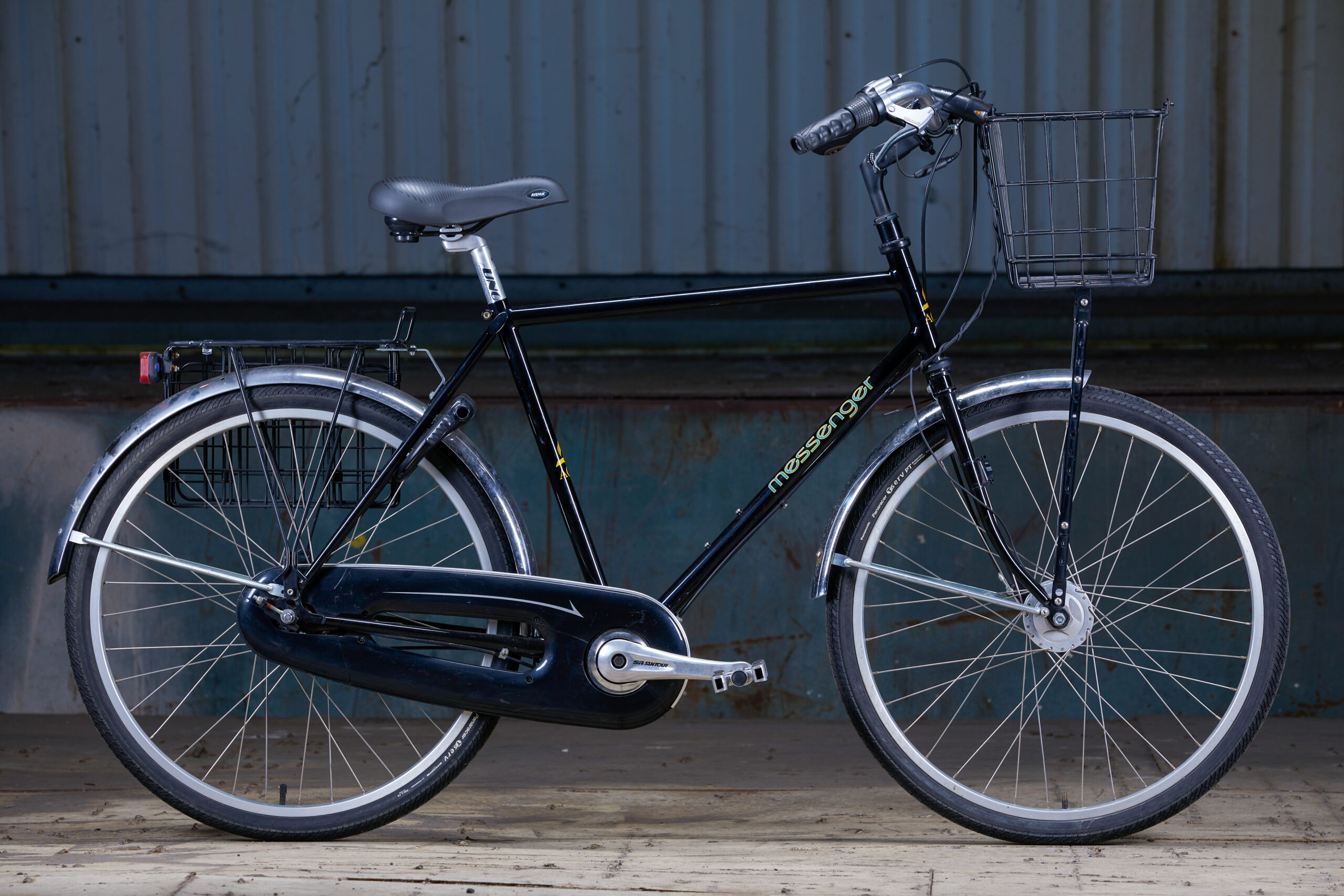
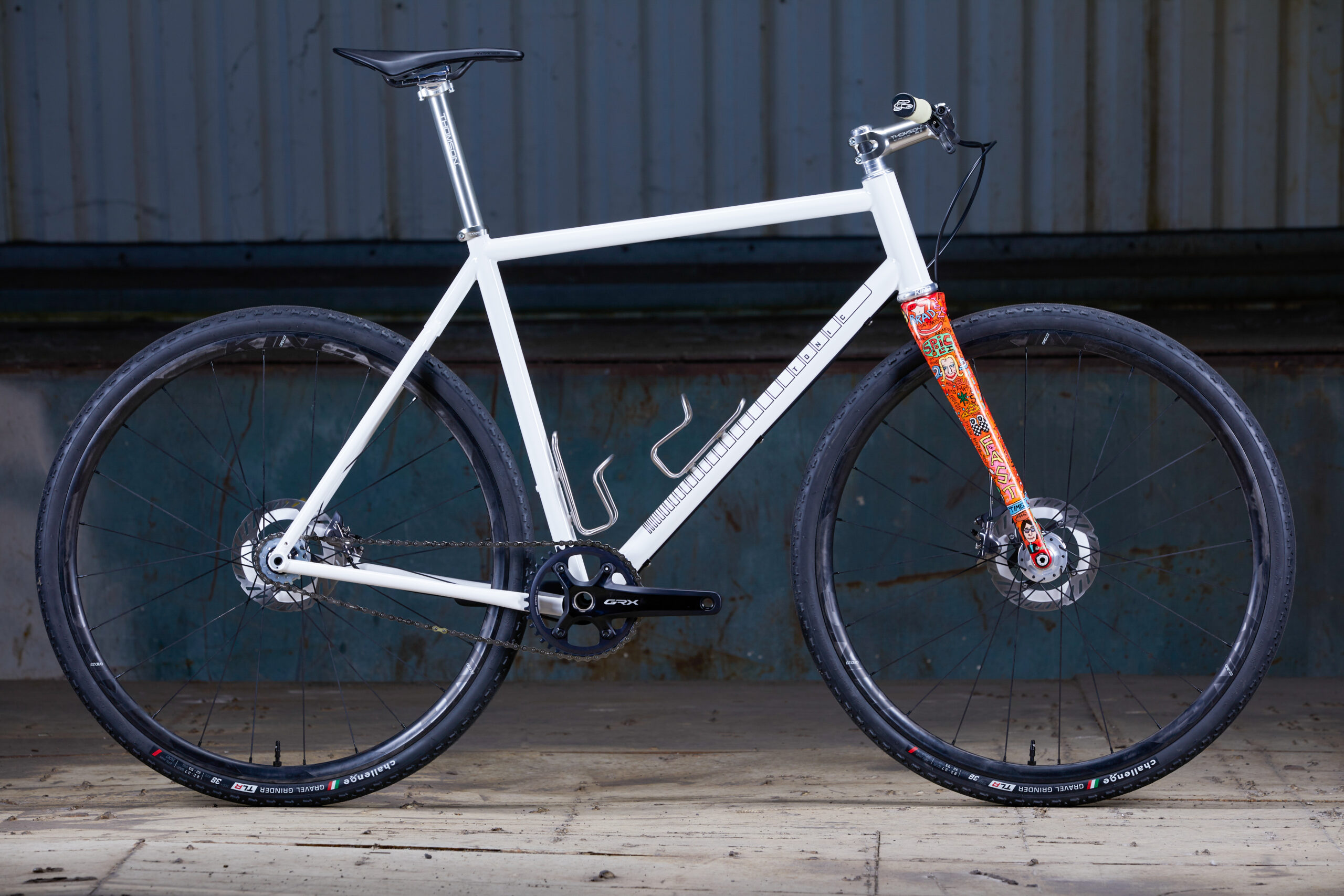
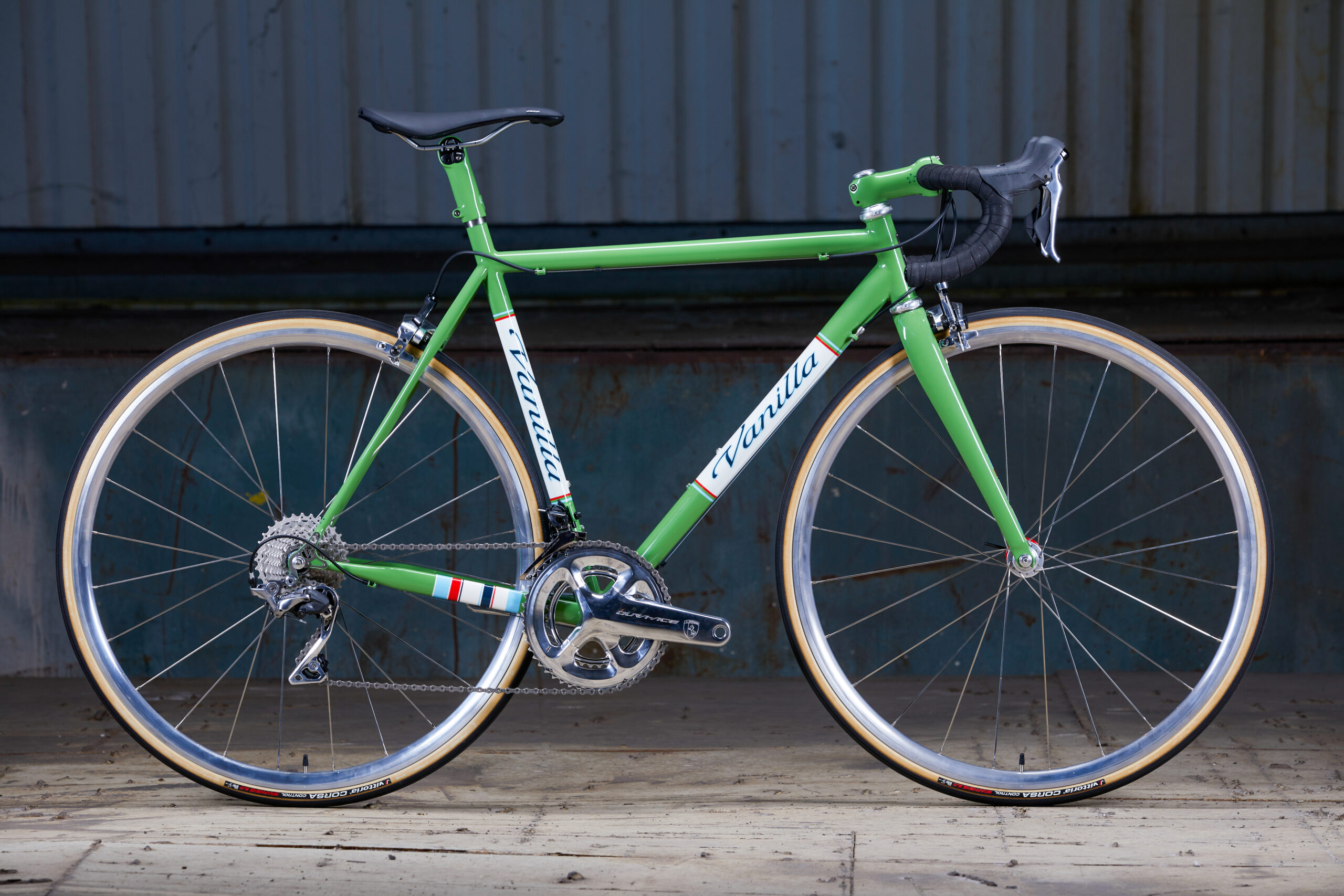
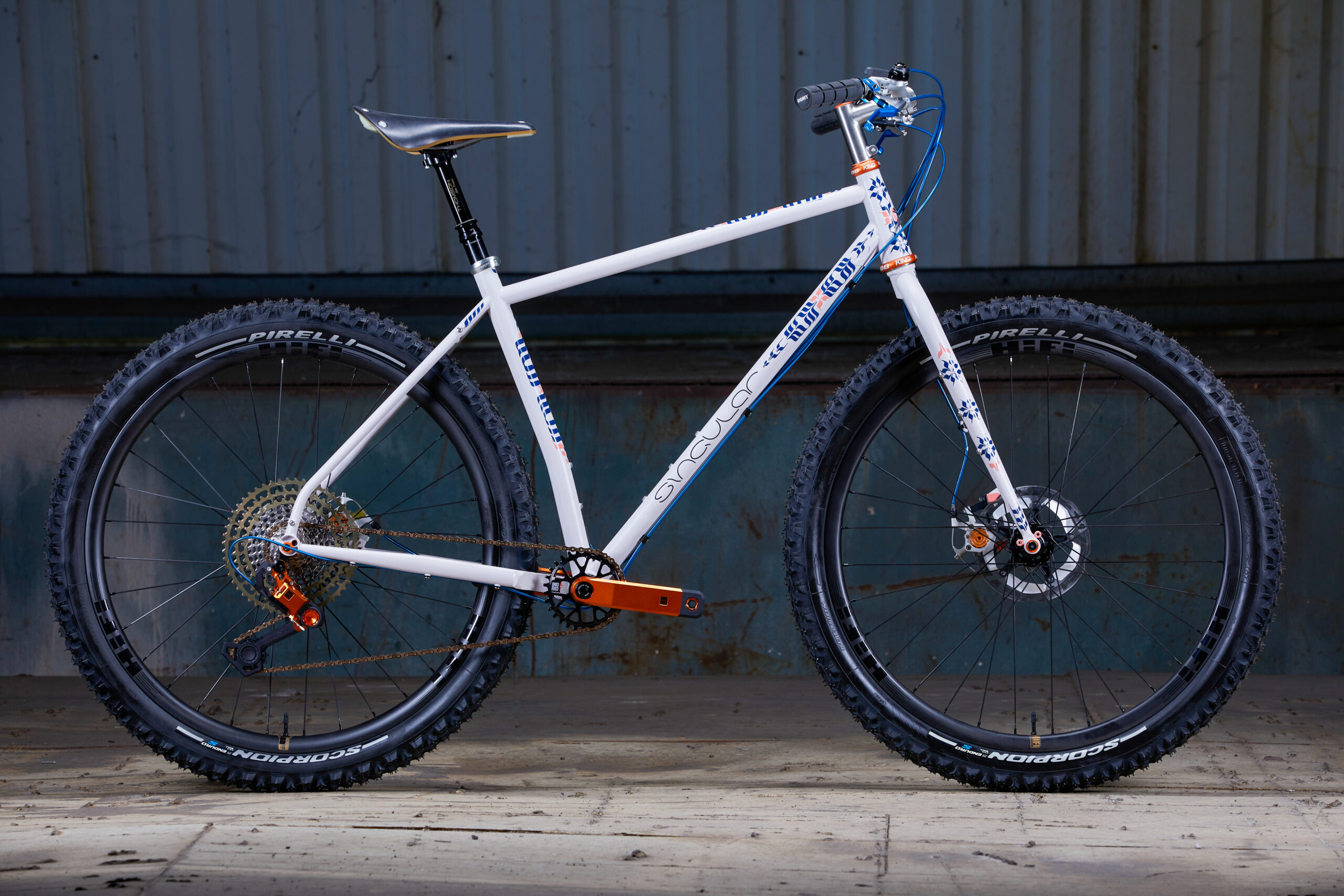
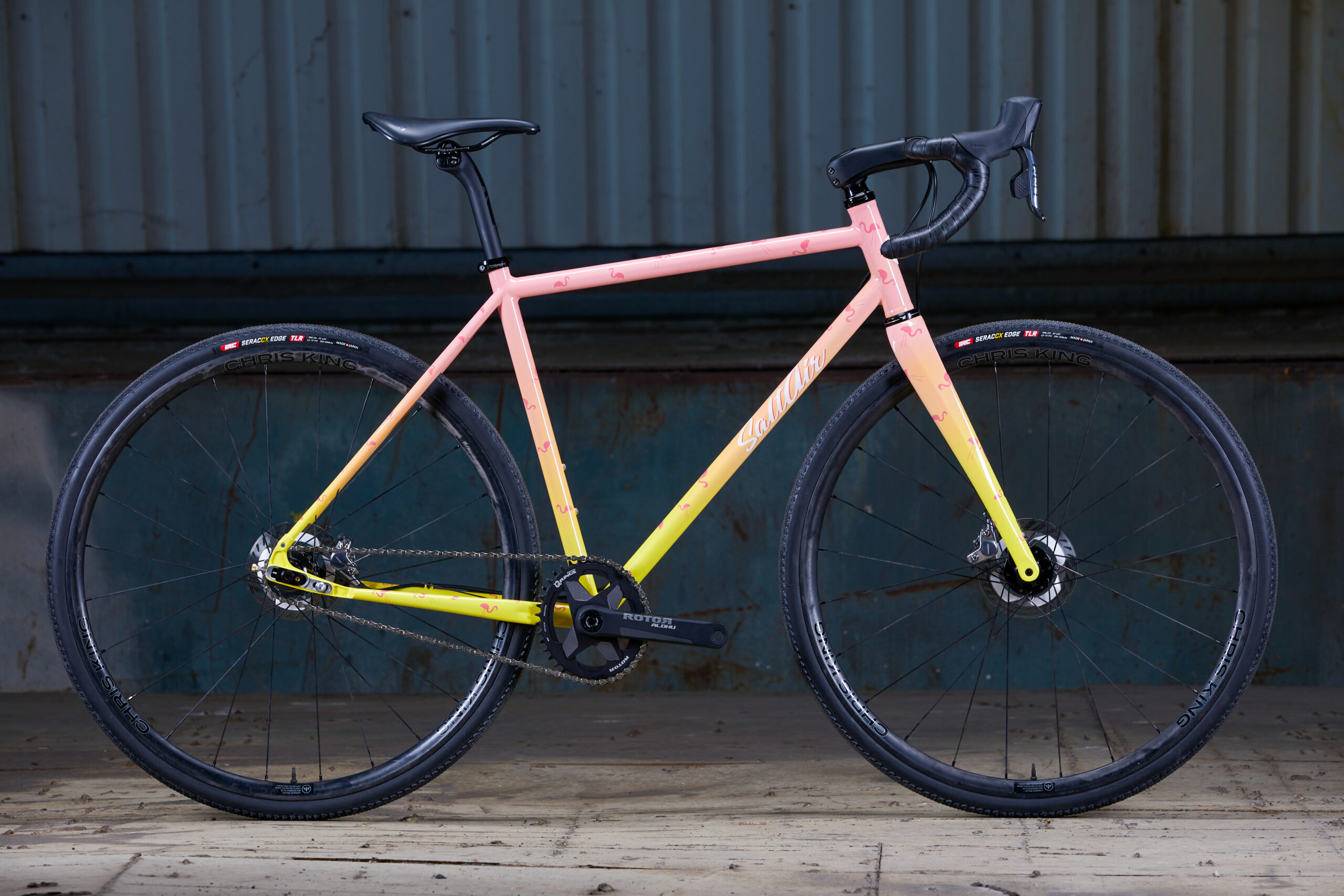
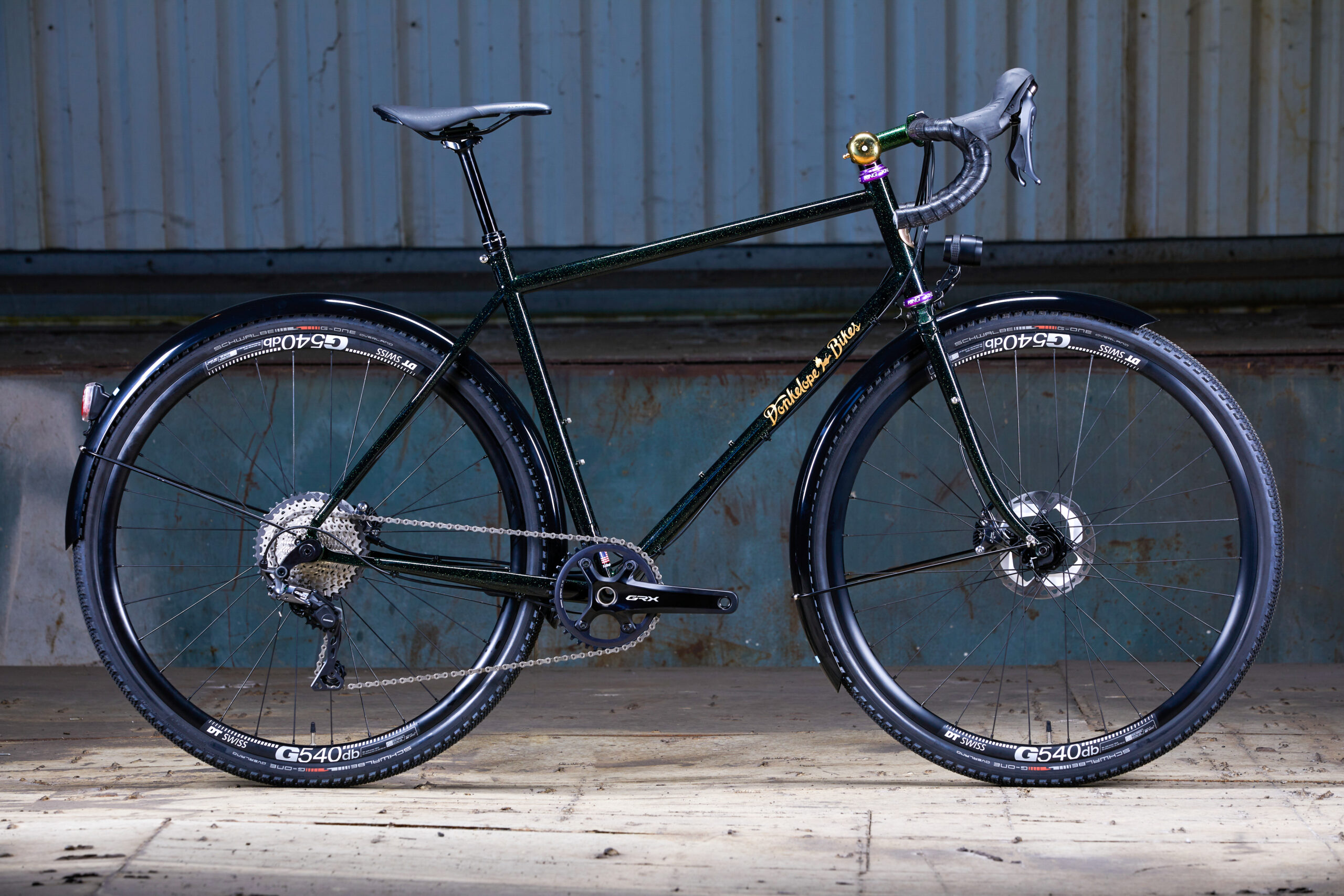
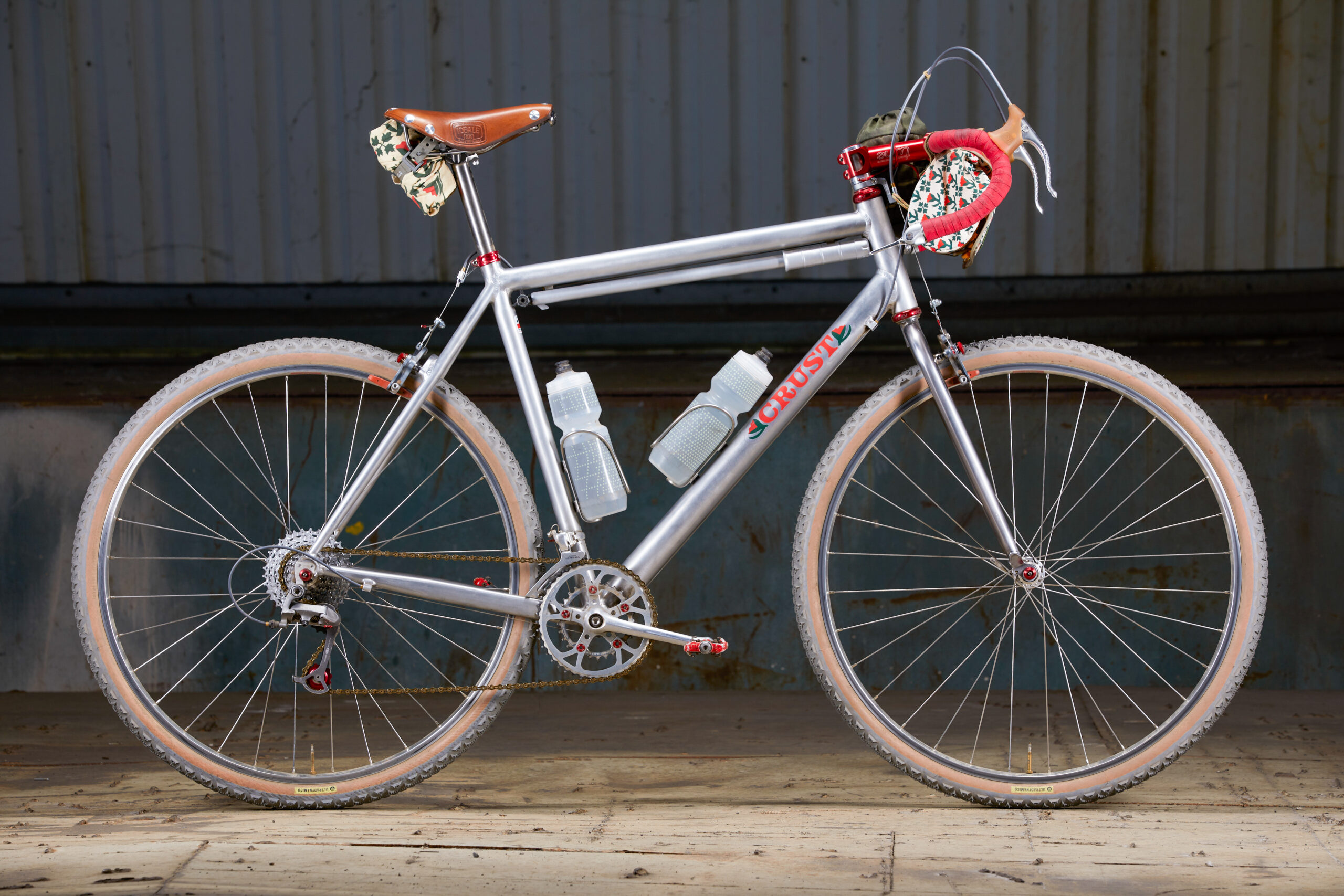
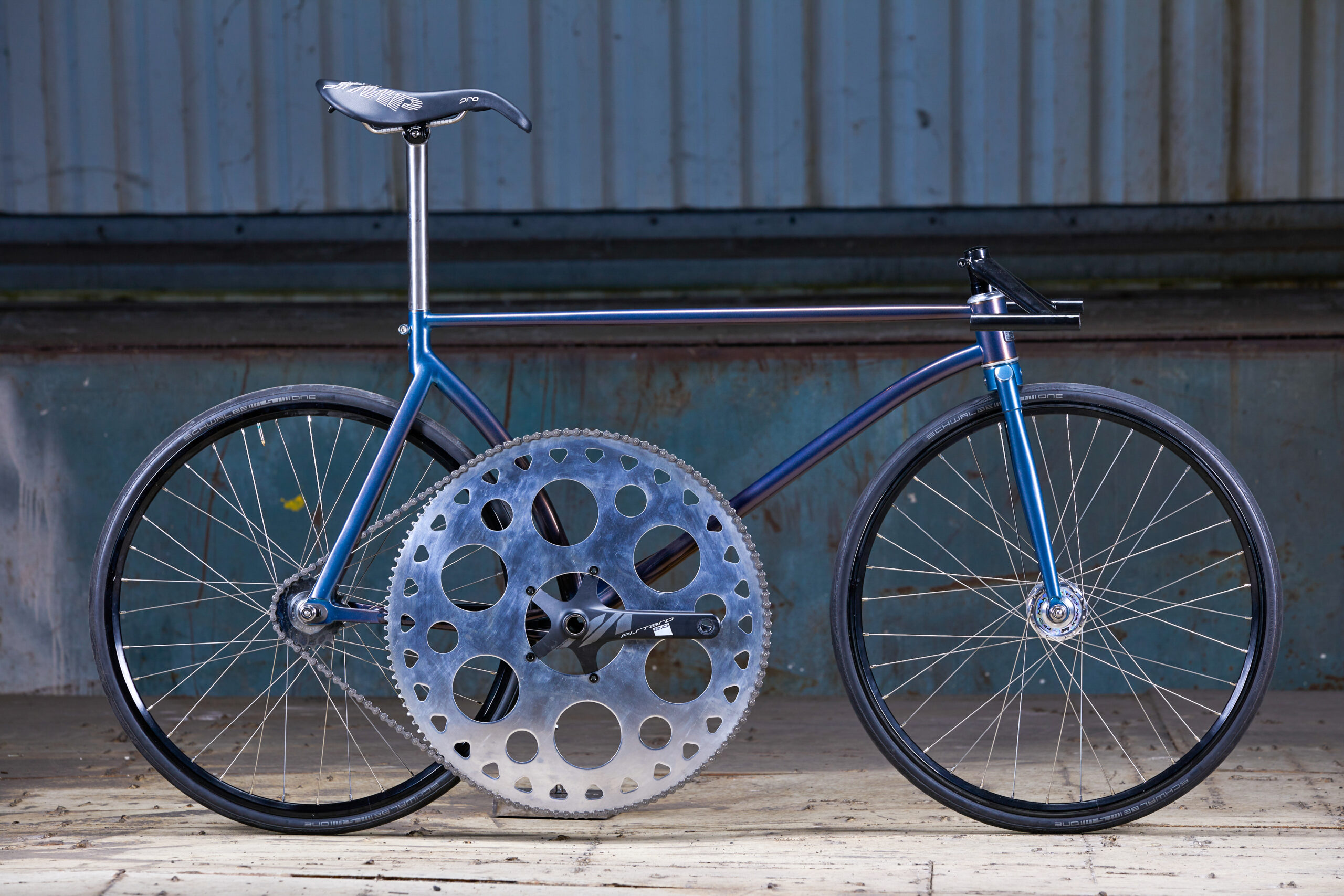
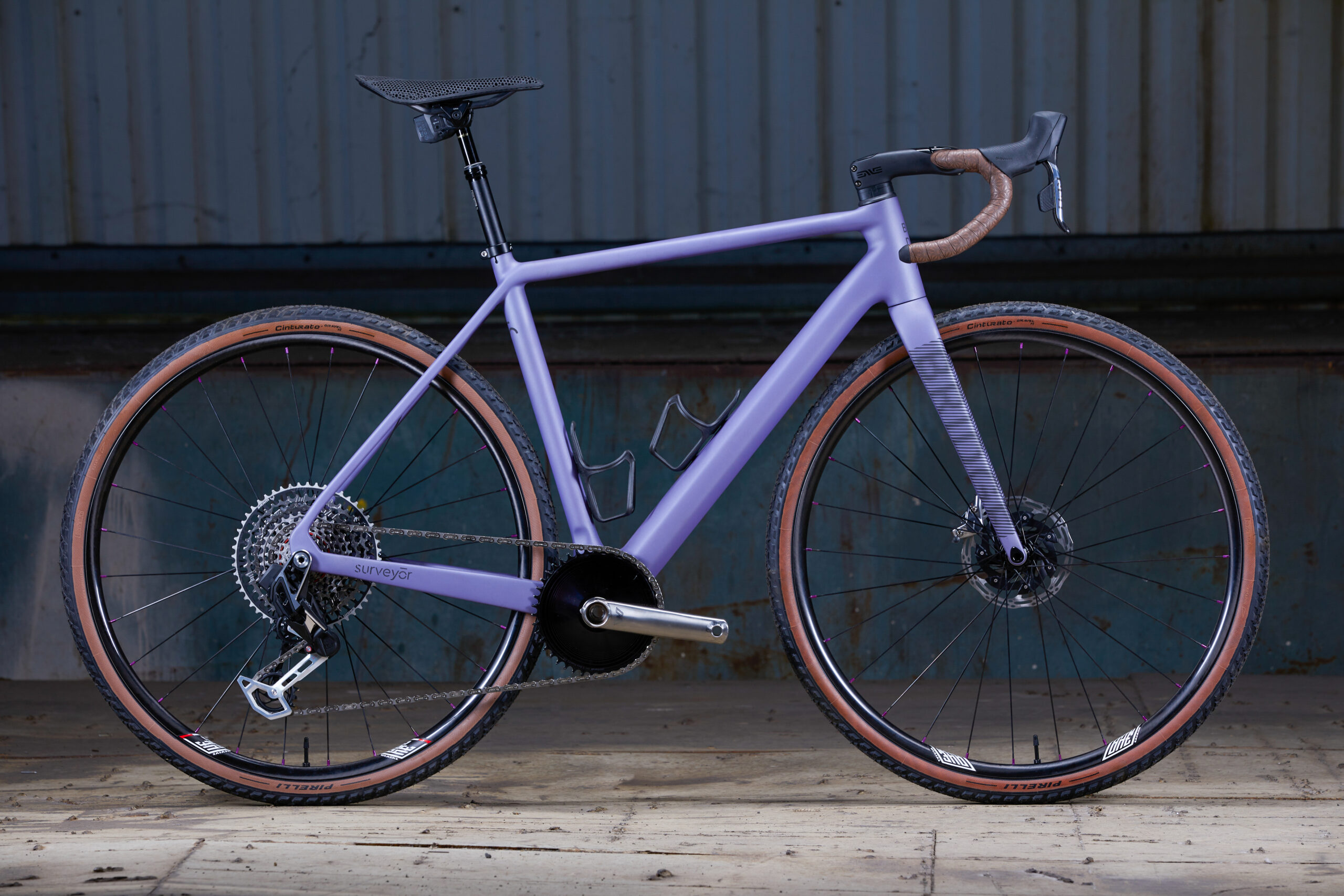
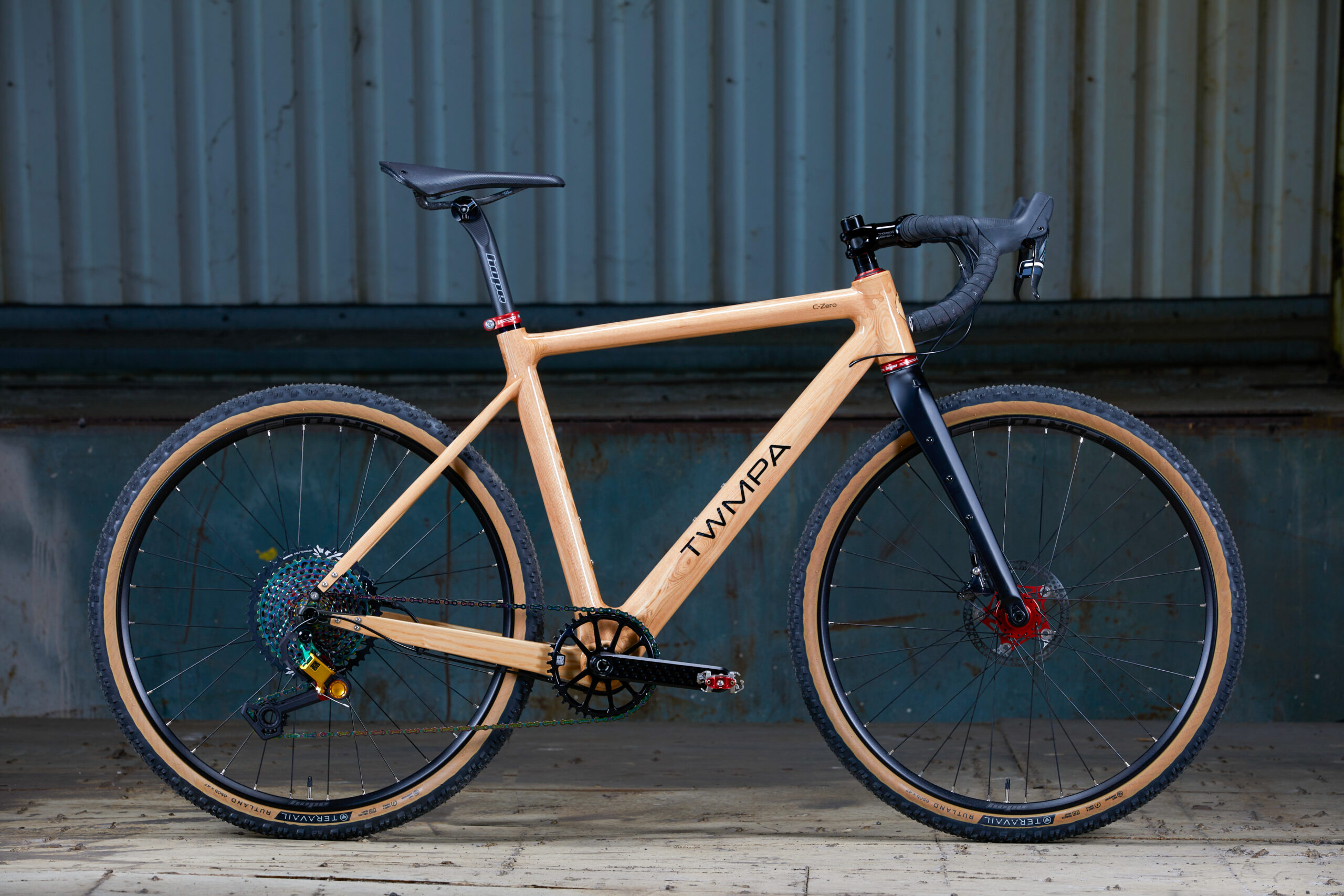
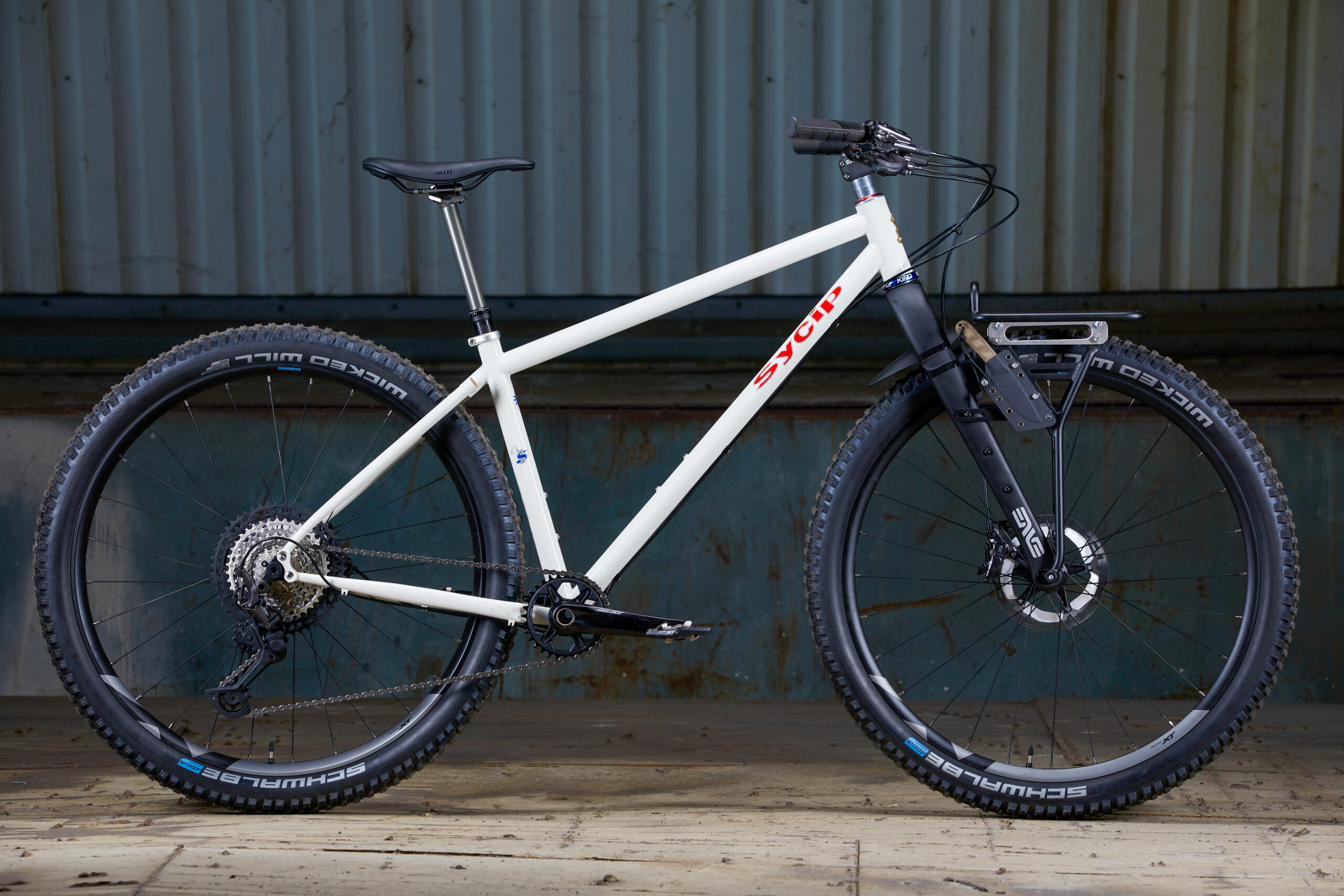
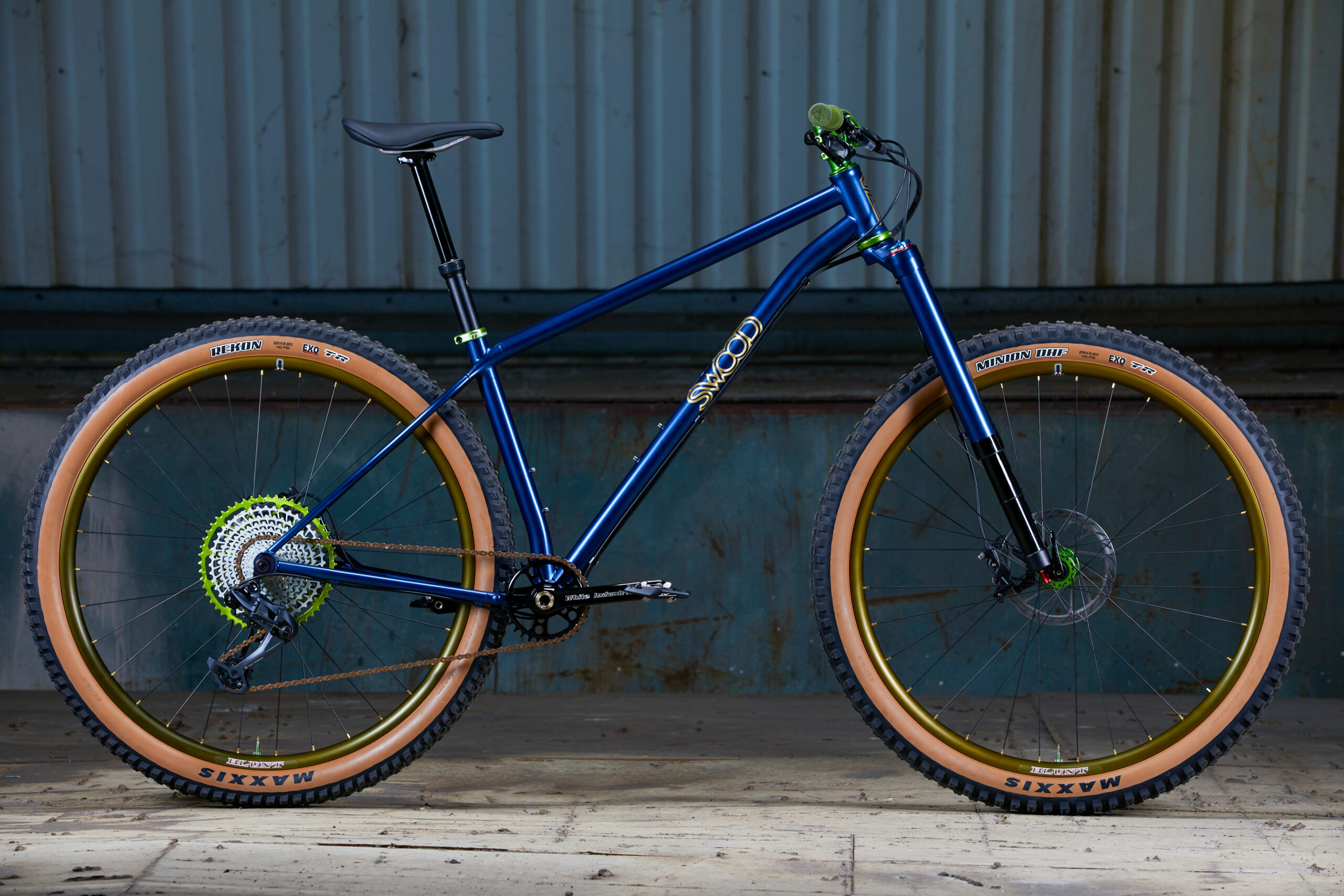
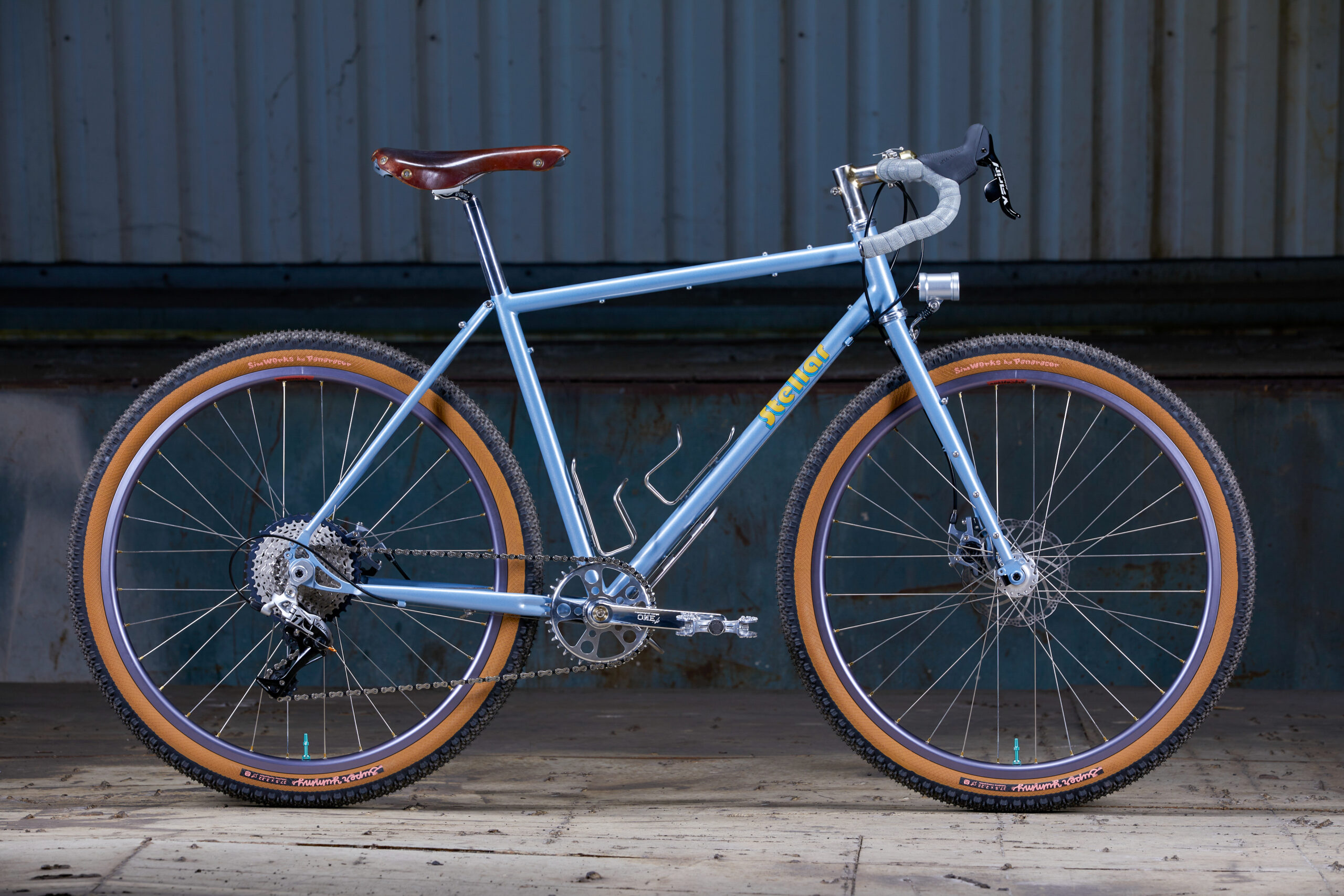
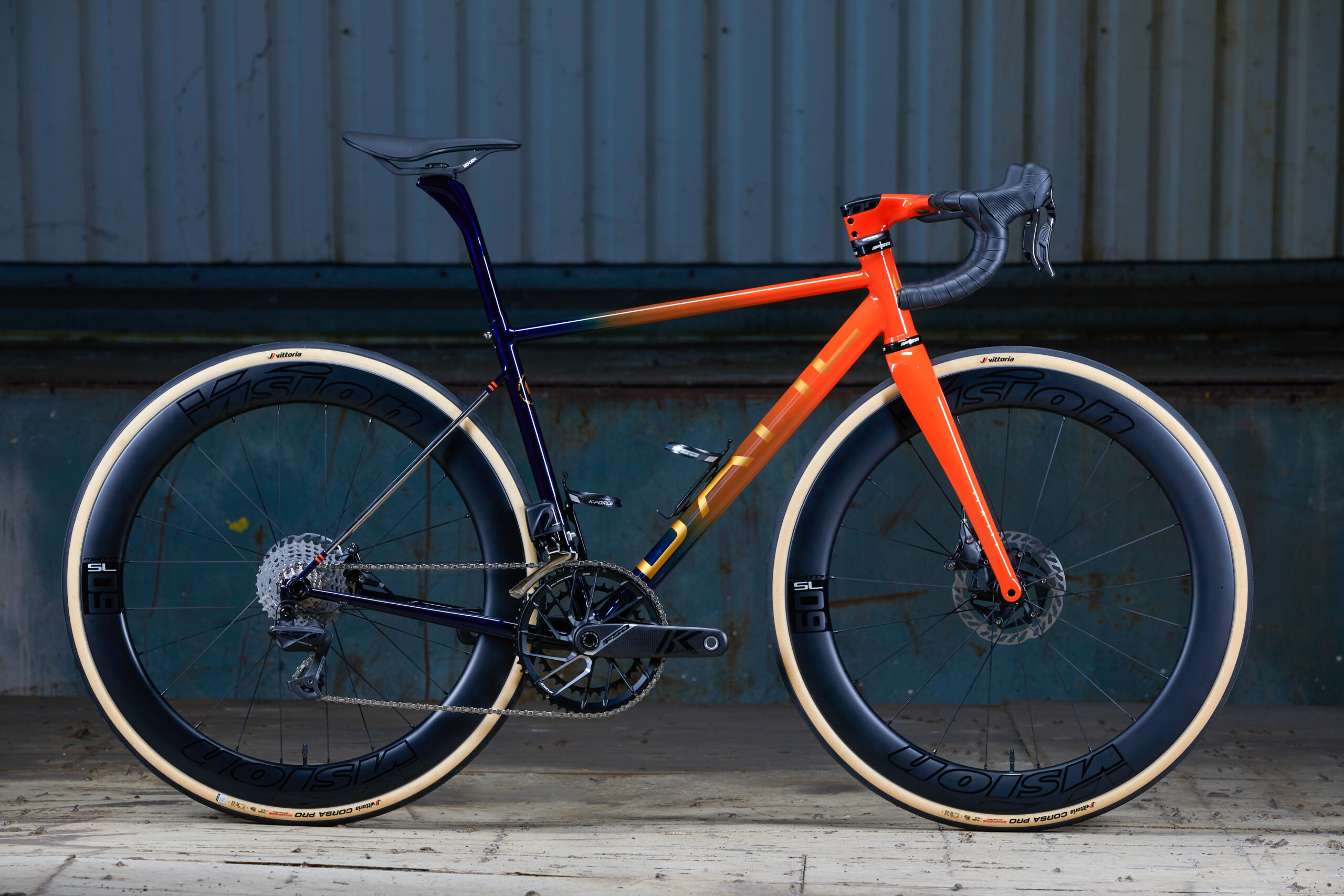
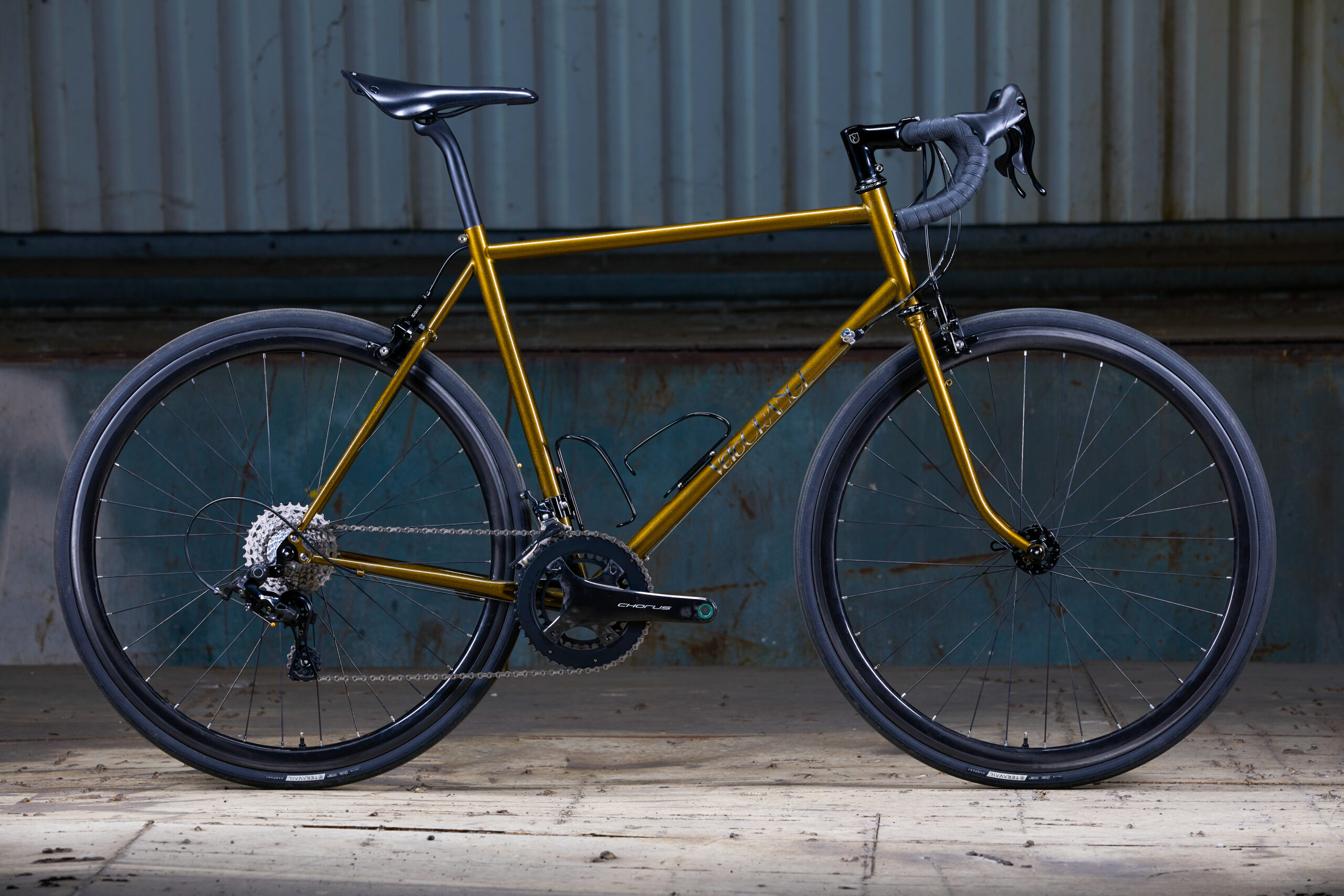
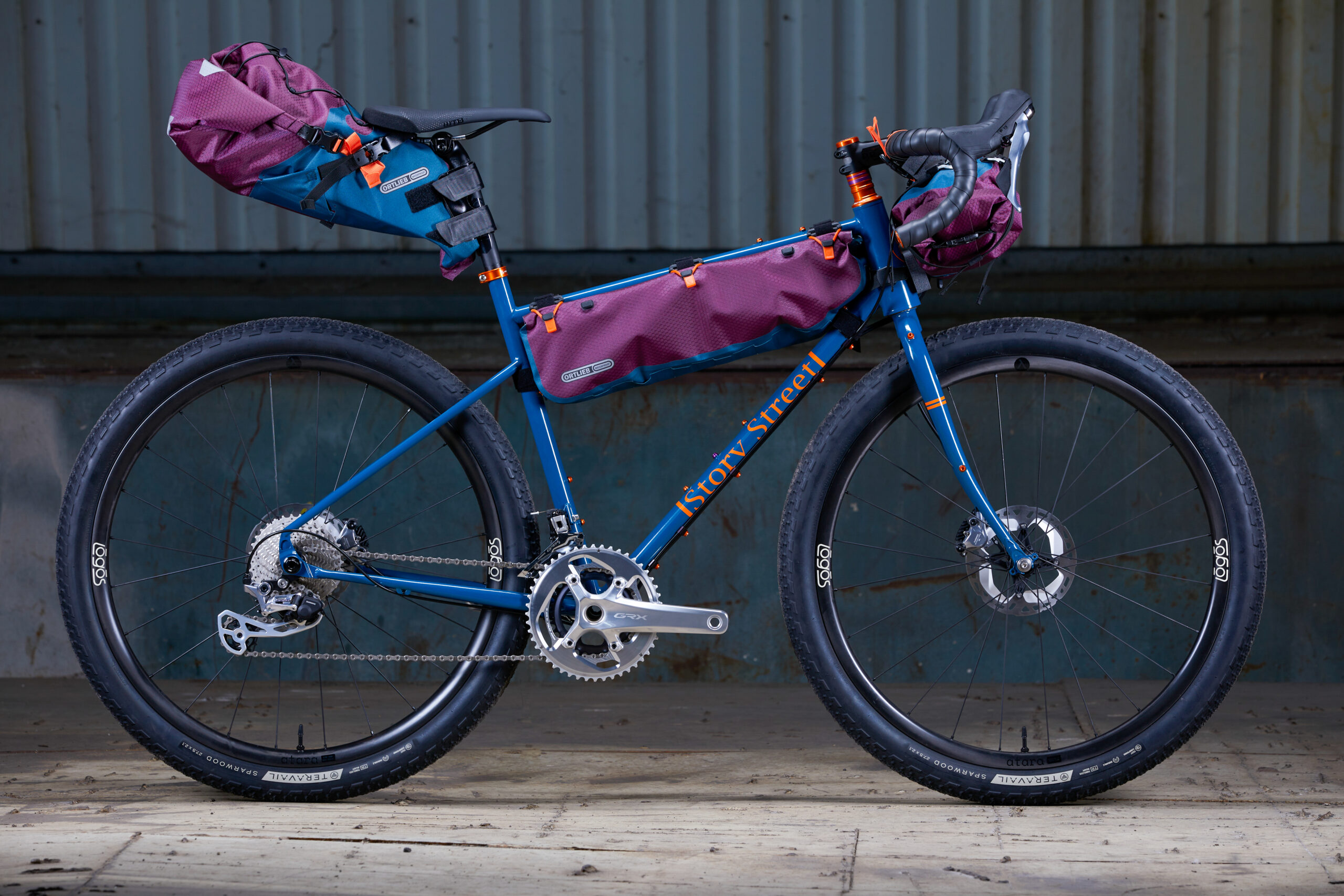
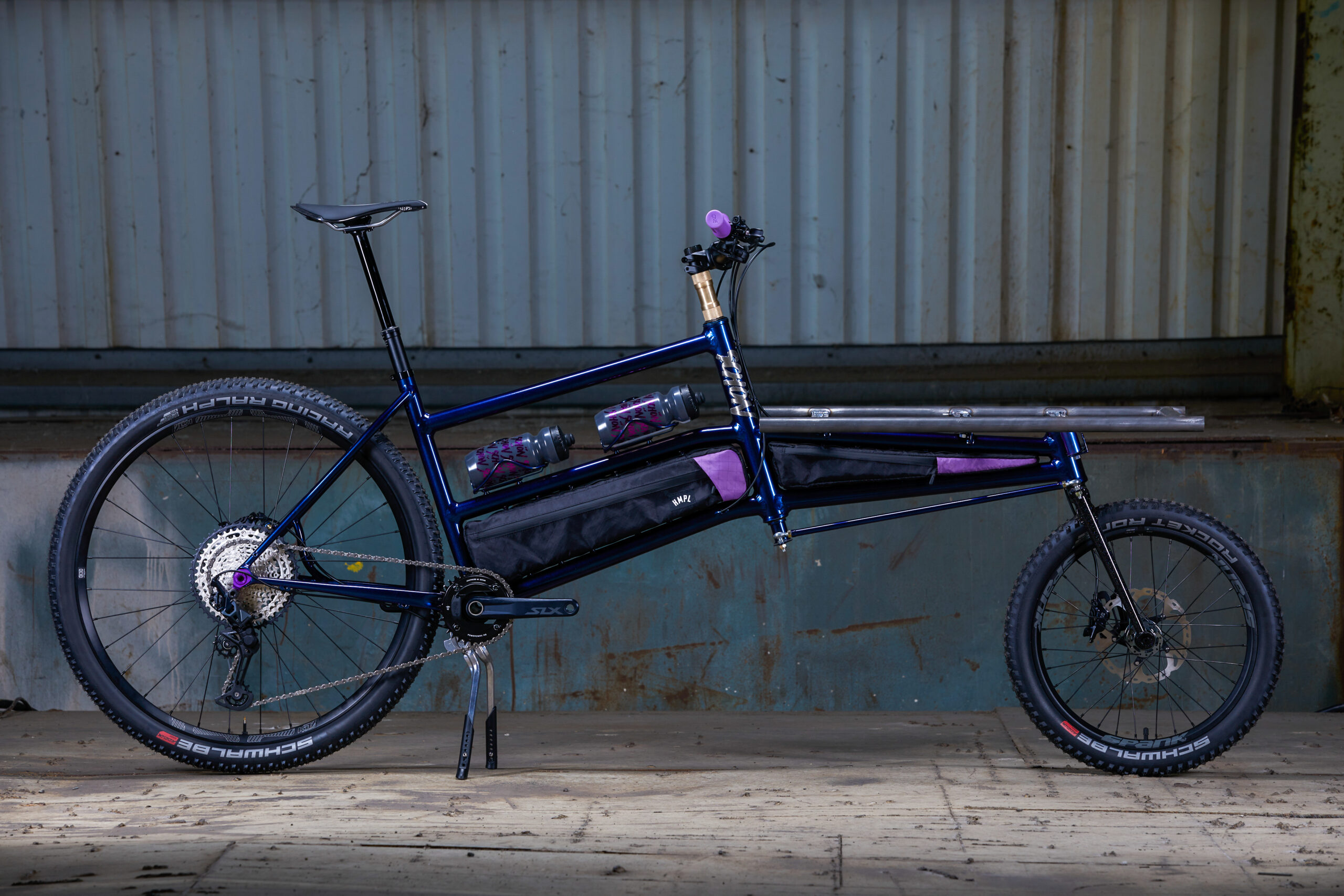
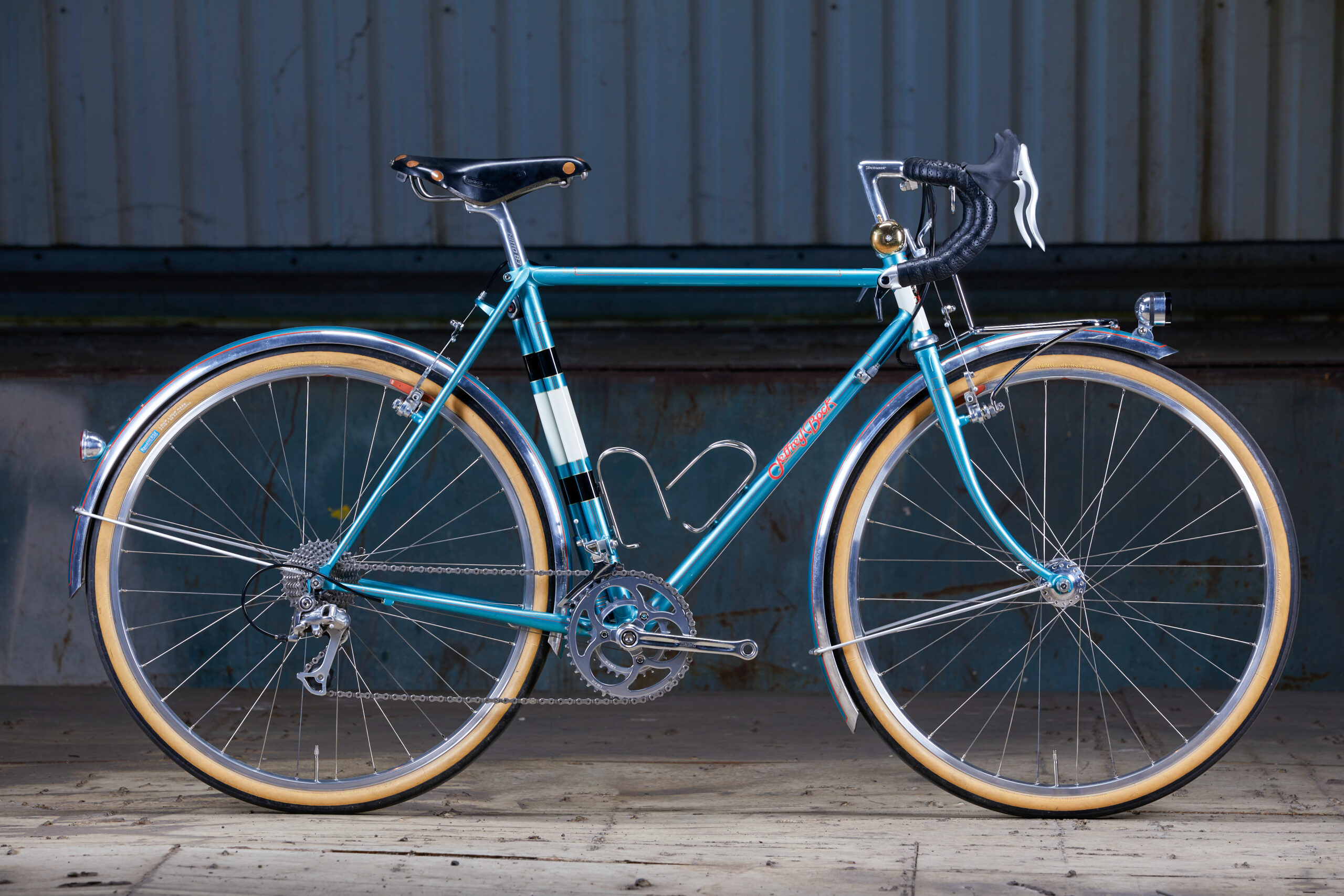
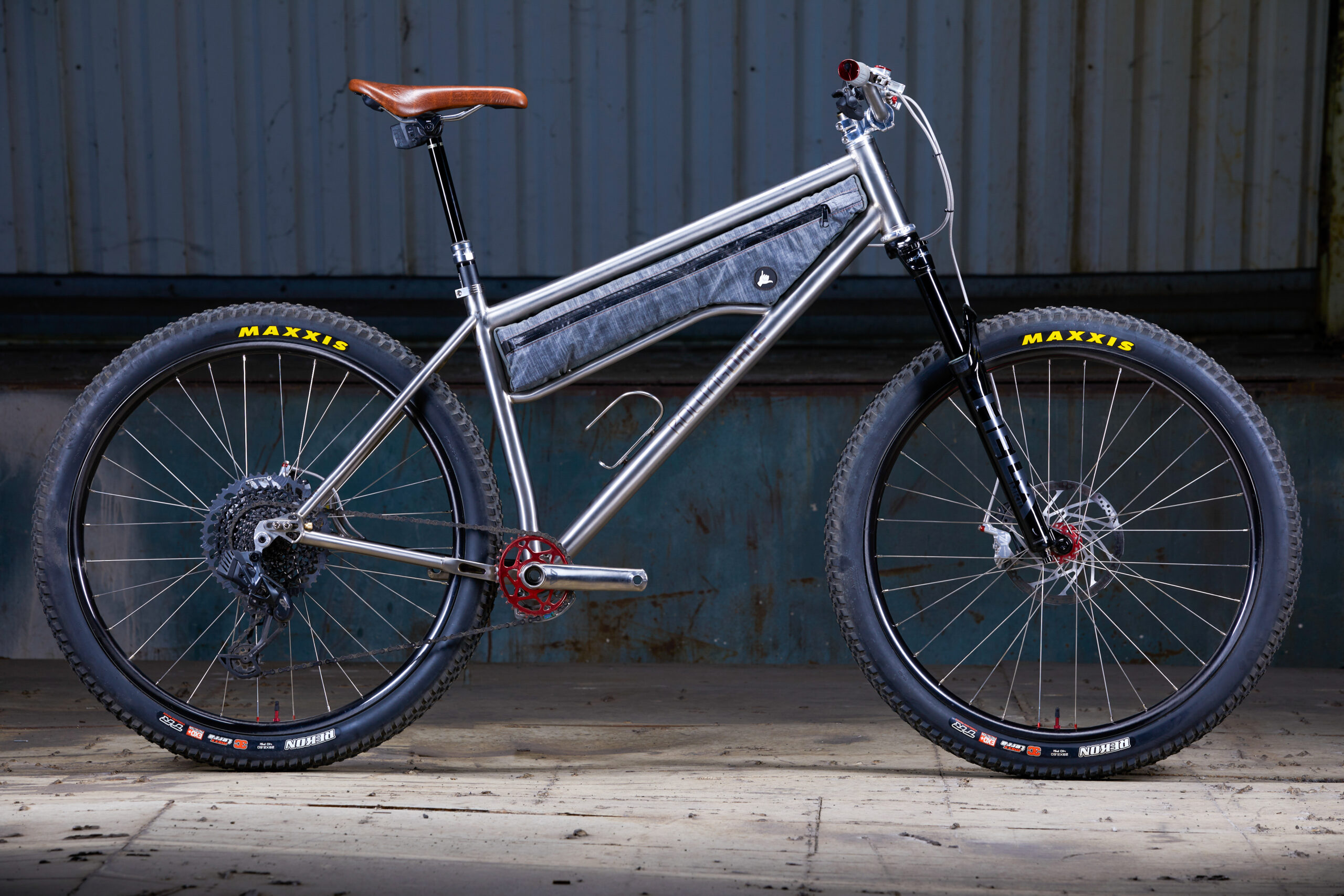
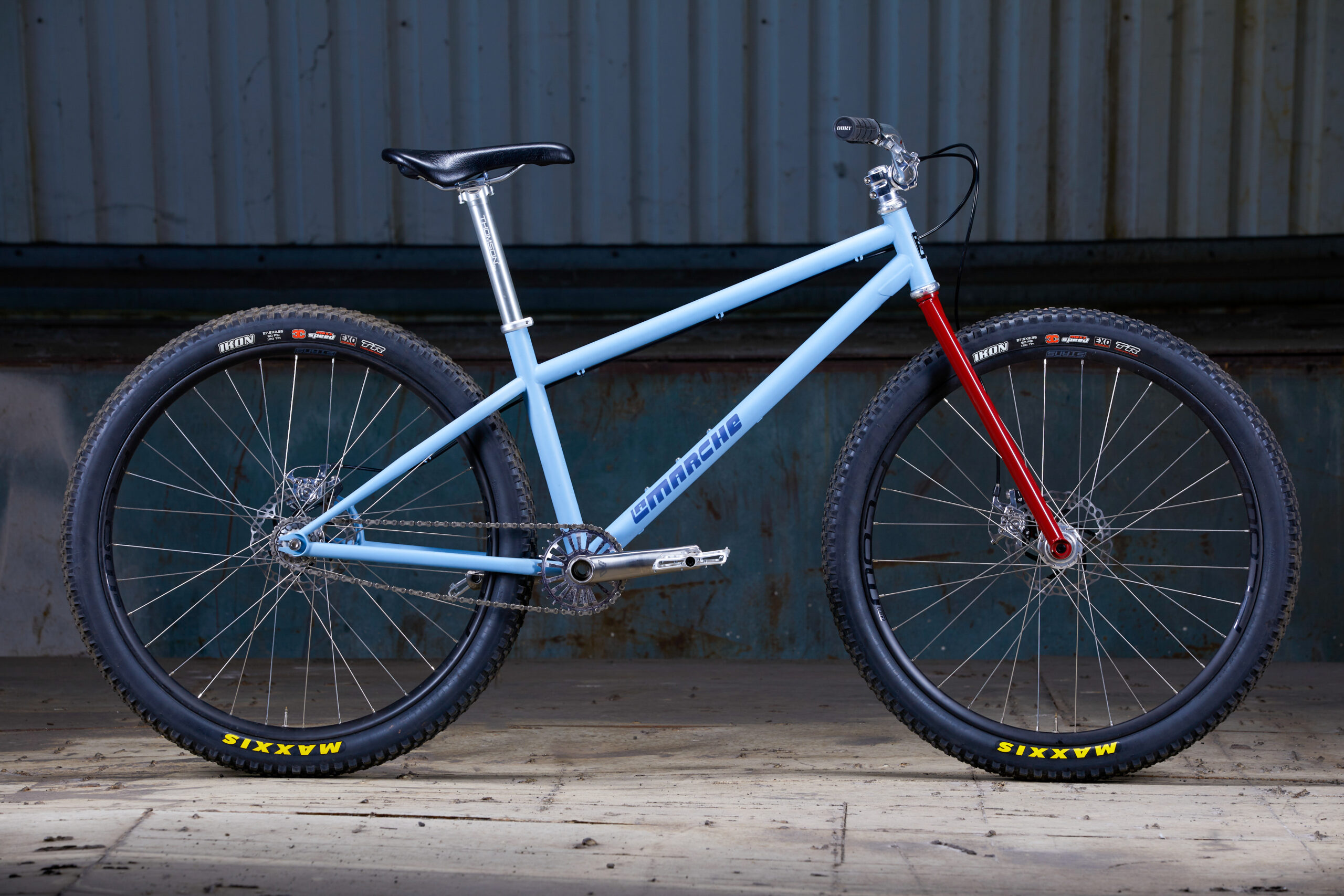
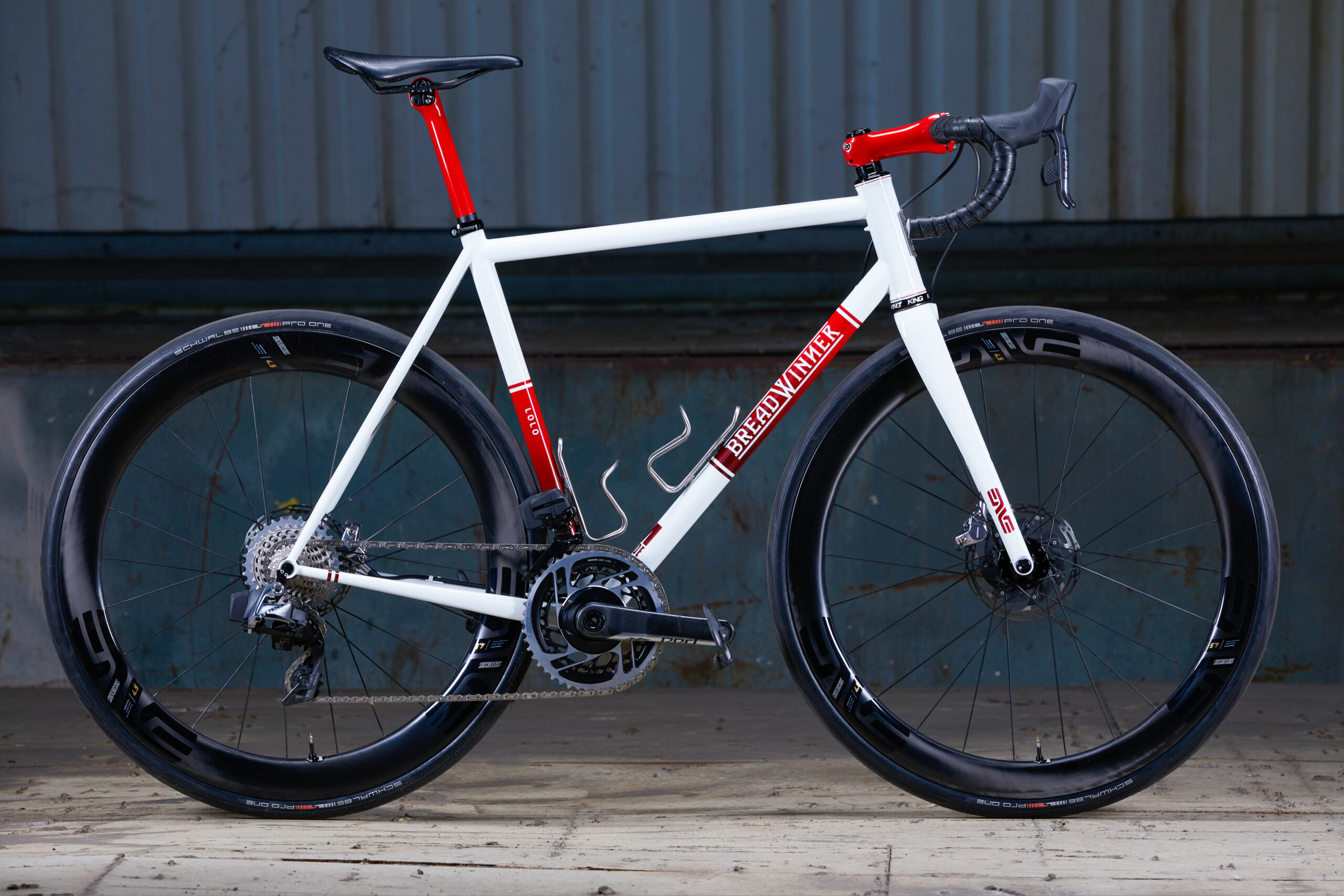
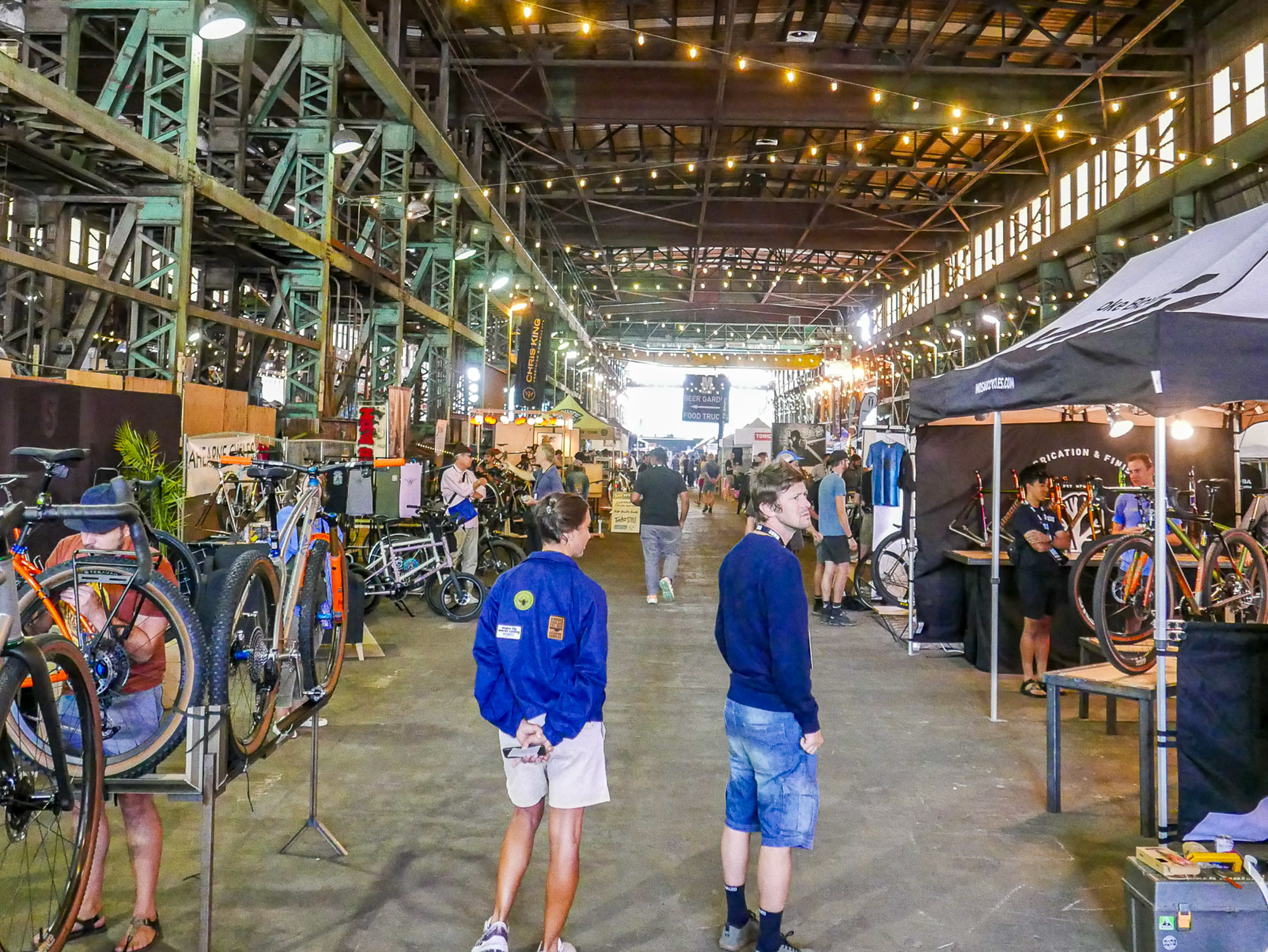
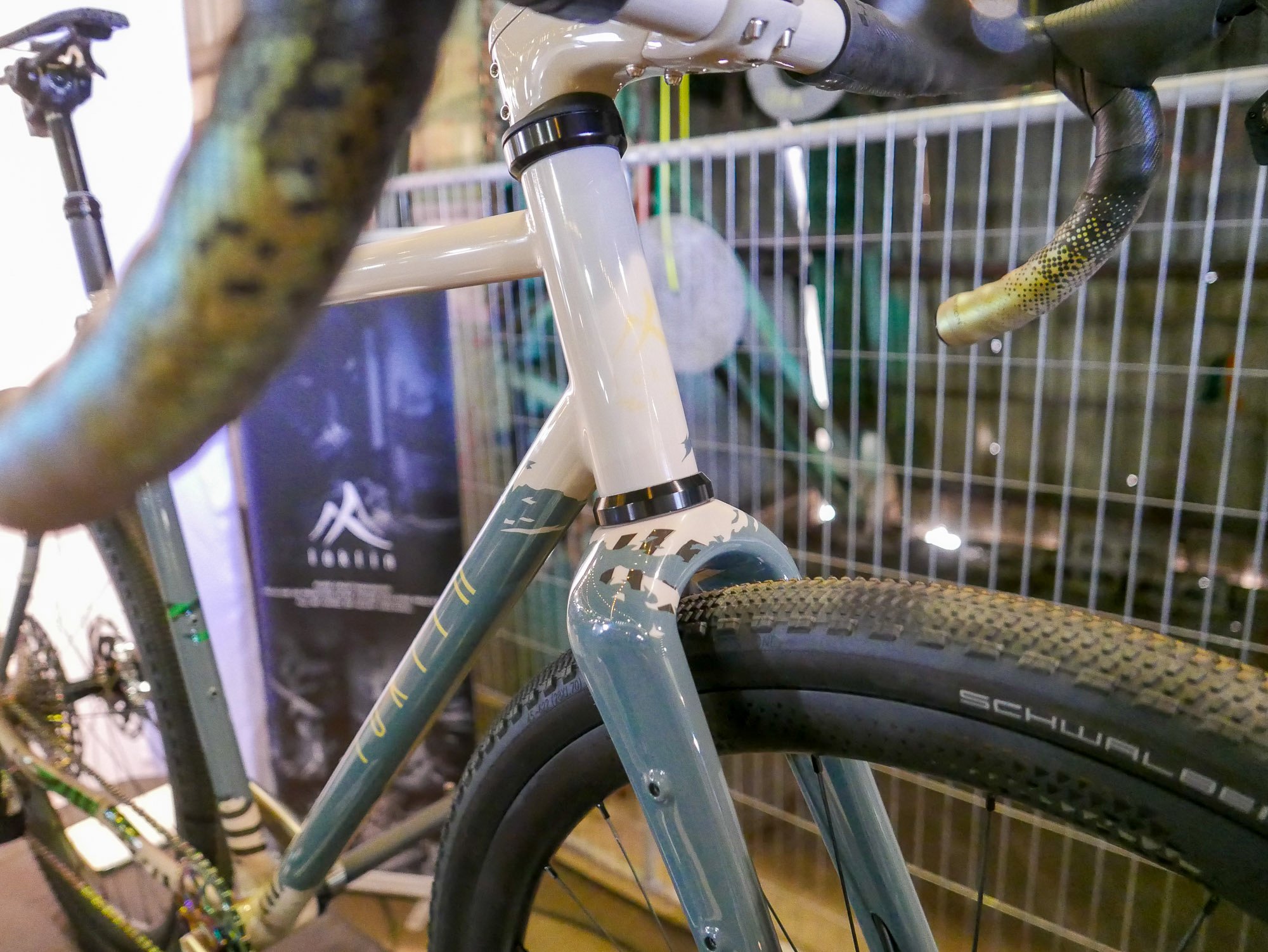
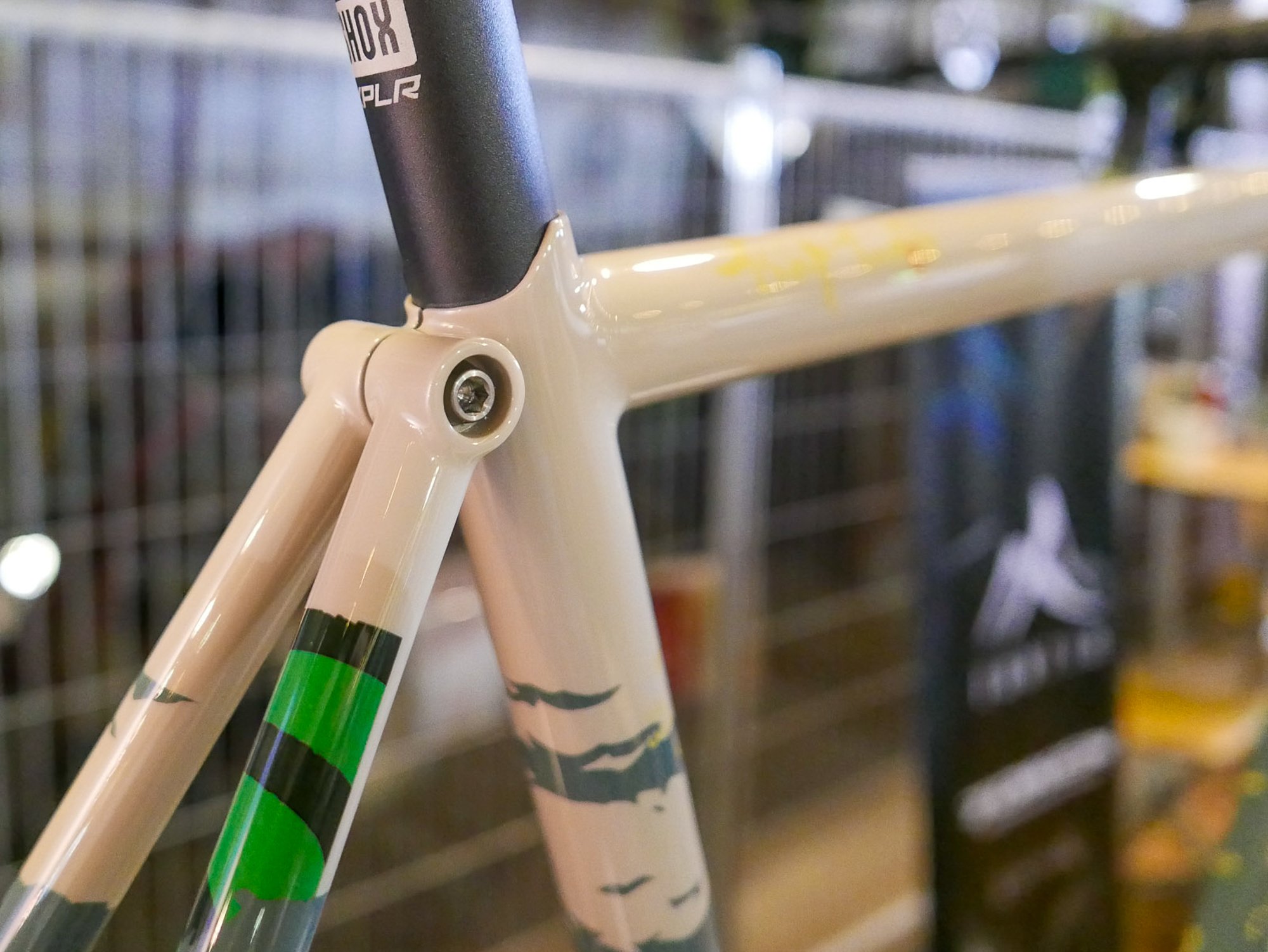
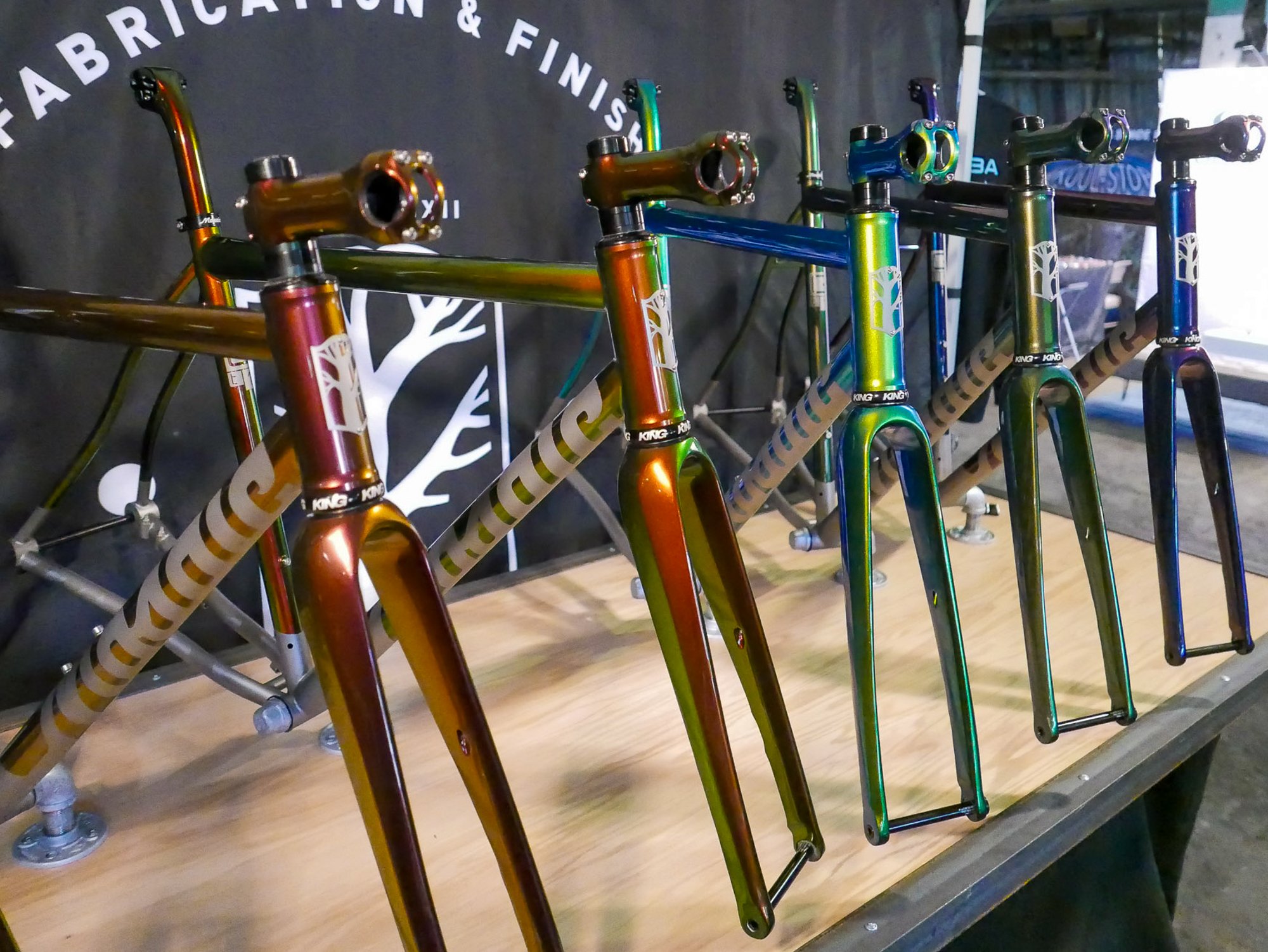
What happens when you bring over 200 of the best bicycle builders and brands in the world and 400 handmade bikes under one roof and host a four-day show in the most bike-loving city in America? You get the largest-ever handmade bike show this country has ever seen.

At least that’s what organizers of the inaugural MADE bicycle Show said in a statement yesterday.

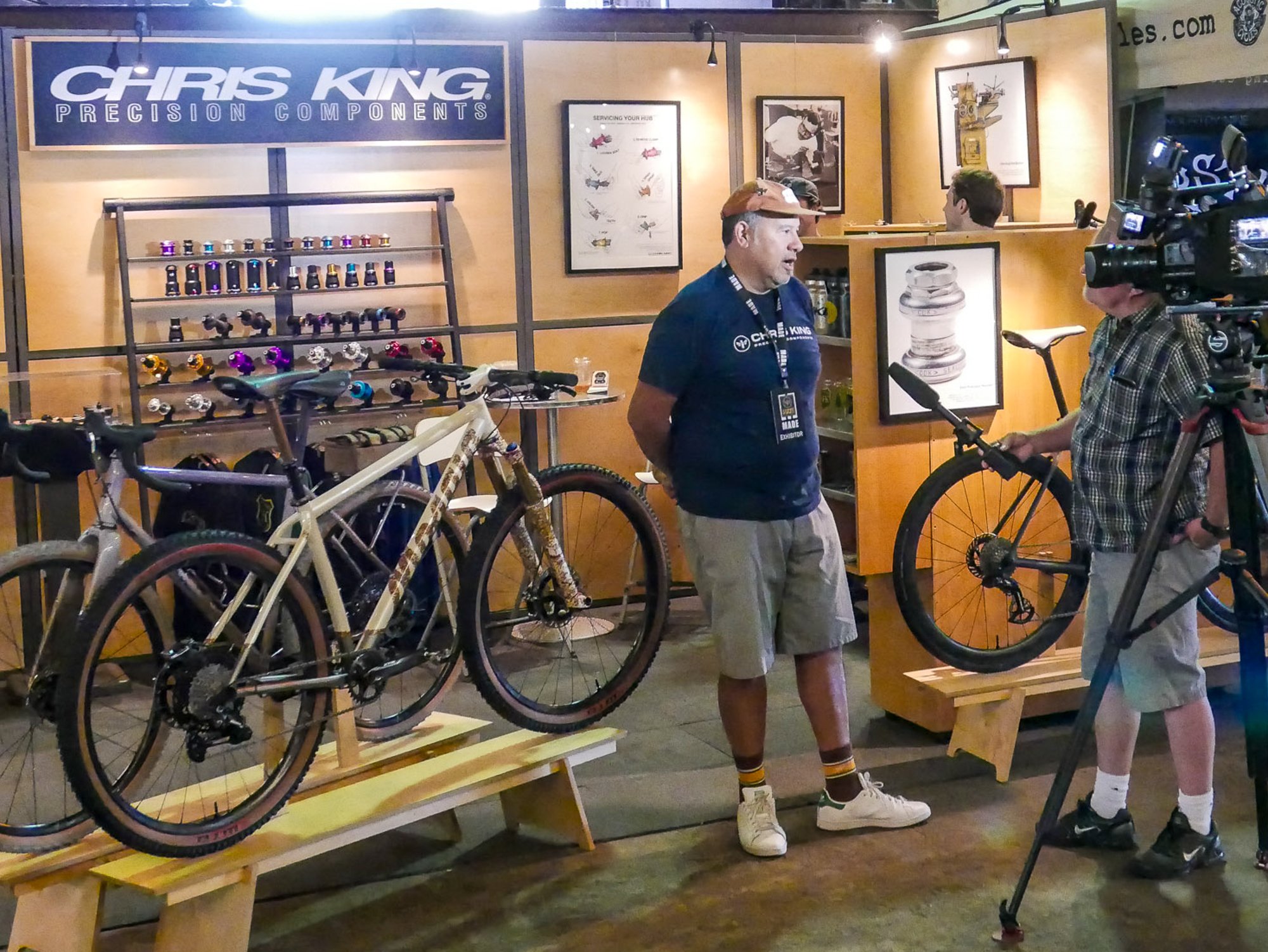
According to Echos Communications, over 5,000 people walked through the doors between August 24th and 27th and over 50 media outlets showed up to document and amplify it.

Here’s more from Echos (followed by a photo gallery of over 100 of the show bikes!):

“By providing a platform for artisans, designers, and enthusiasts to convene, MADE succeeded and will continue to emphasize the integral role that collaborative engagement plays in the evolution of this vibrant community. MADE’s legacy as a hub of creativity and camaraderie is destined to reverberate through the industry.”

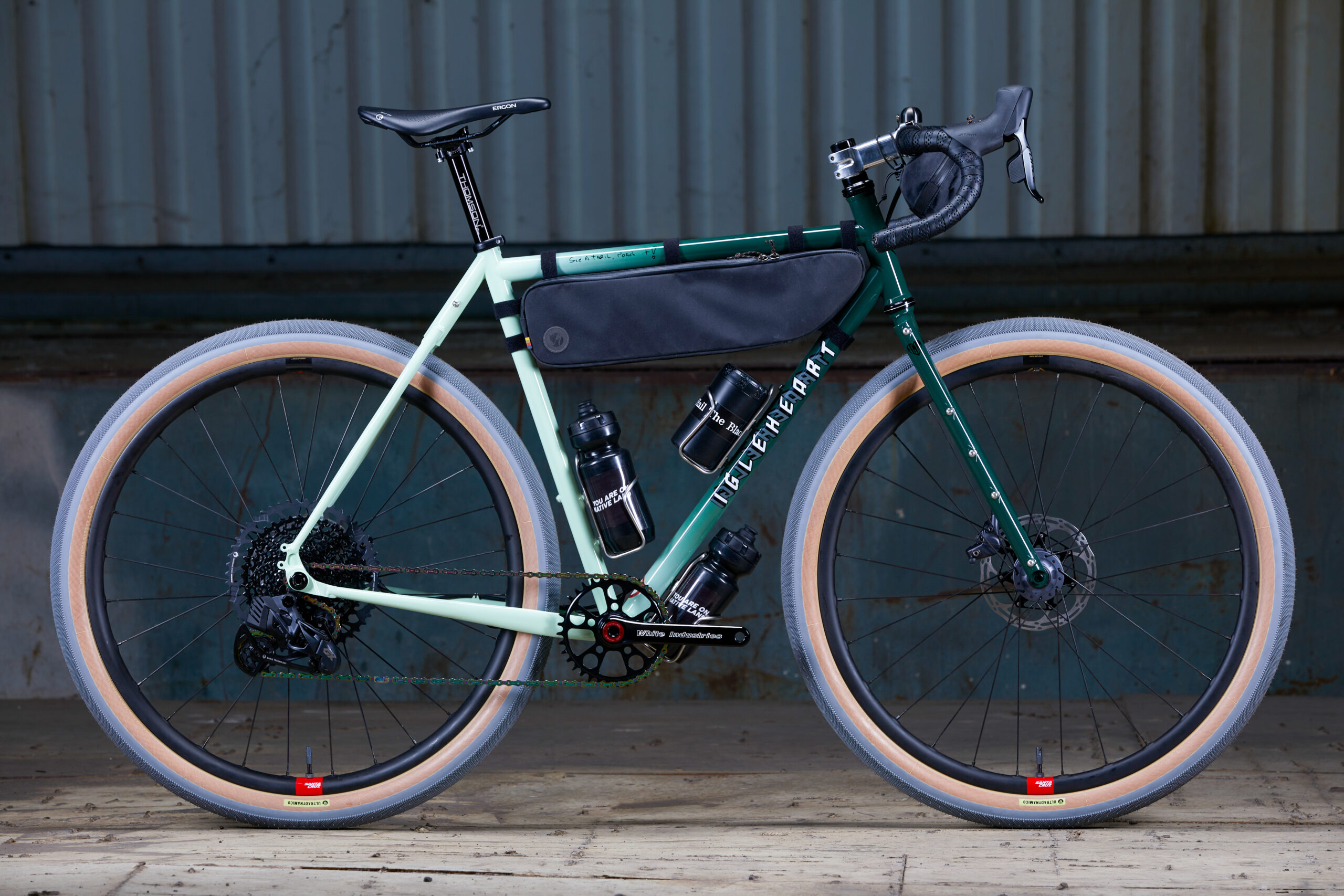
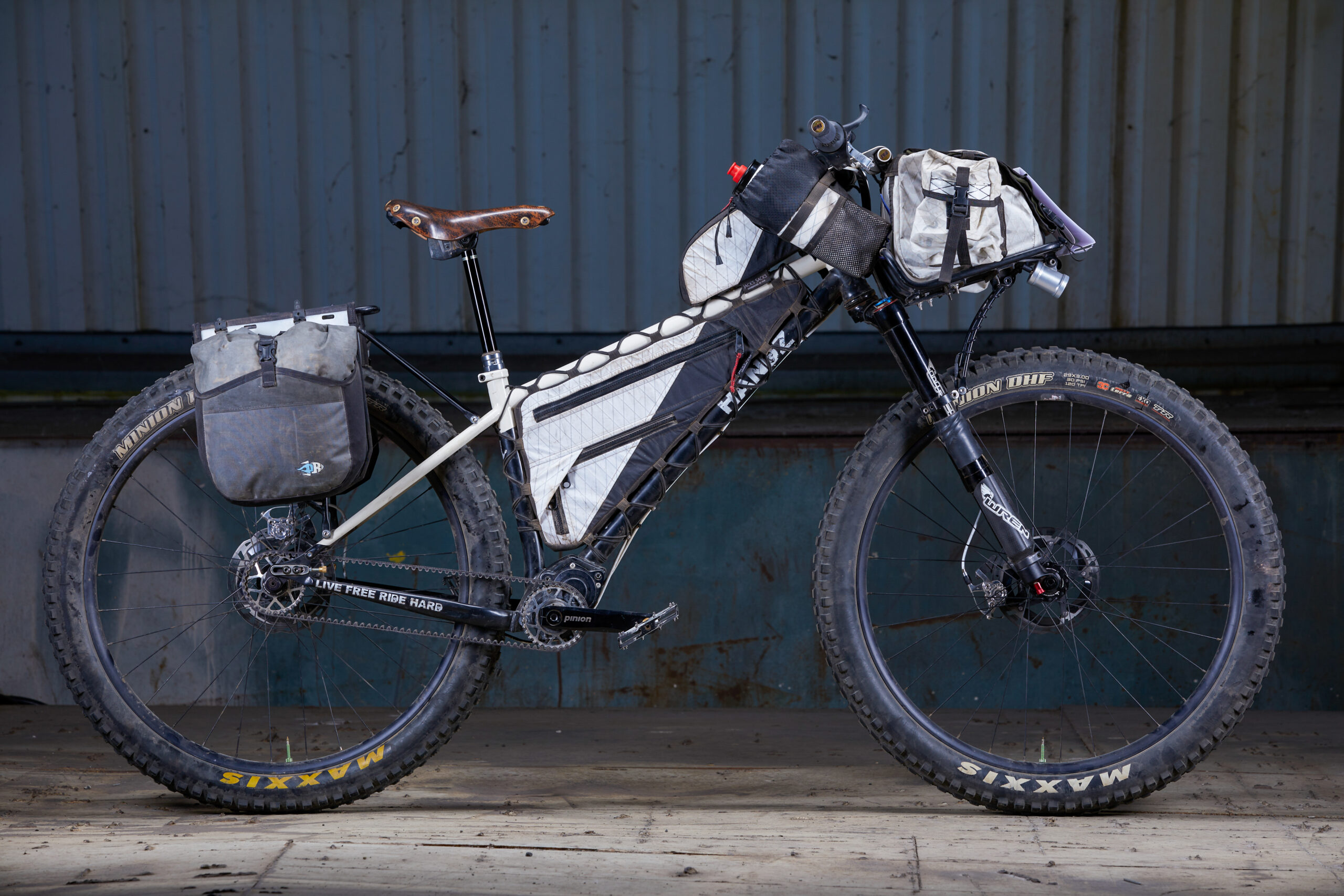
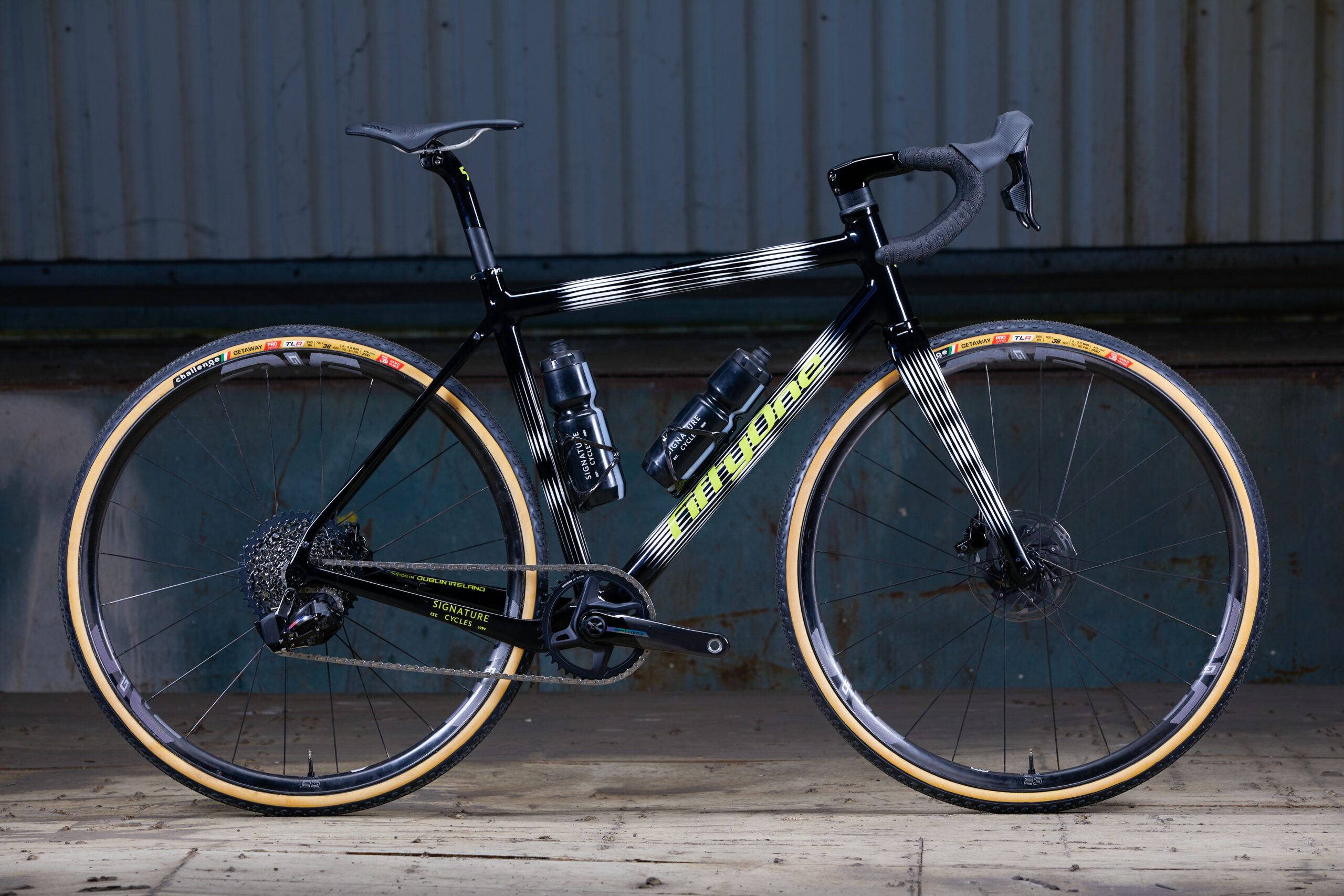
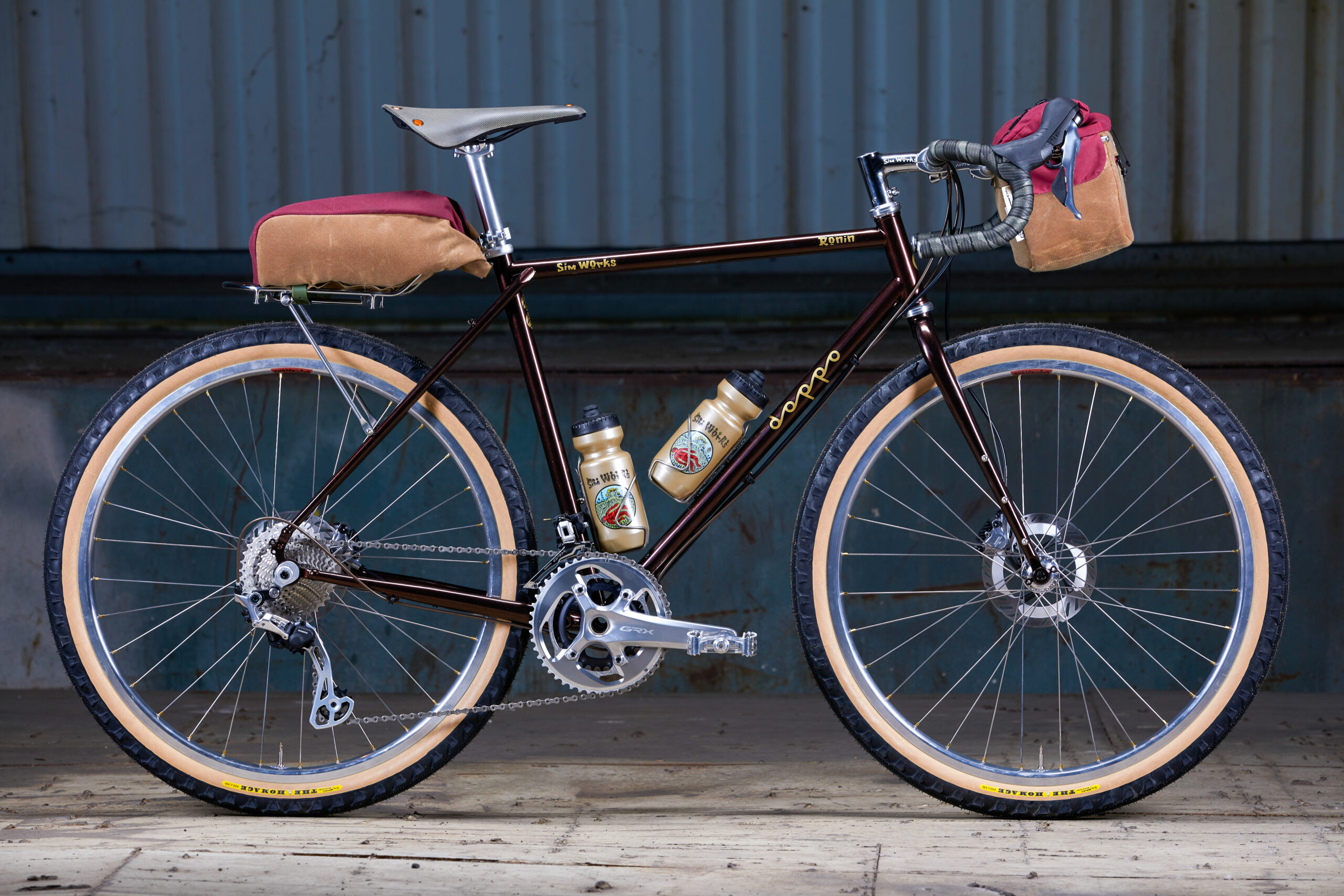
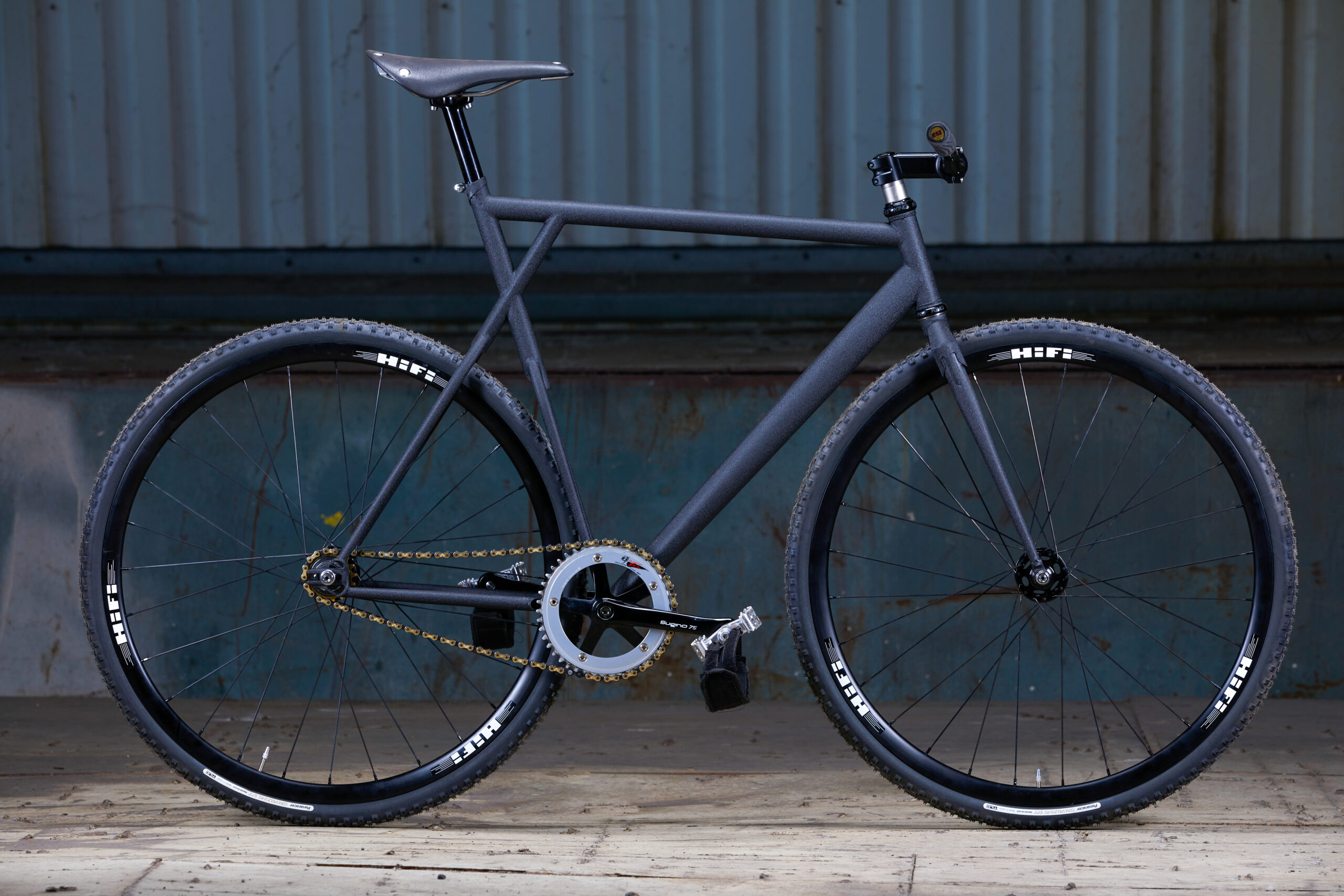
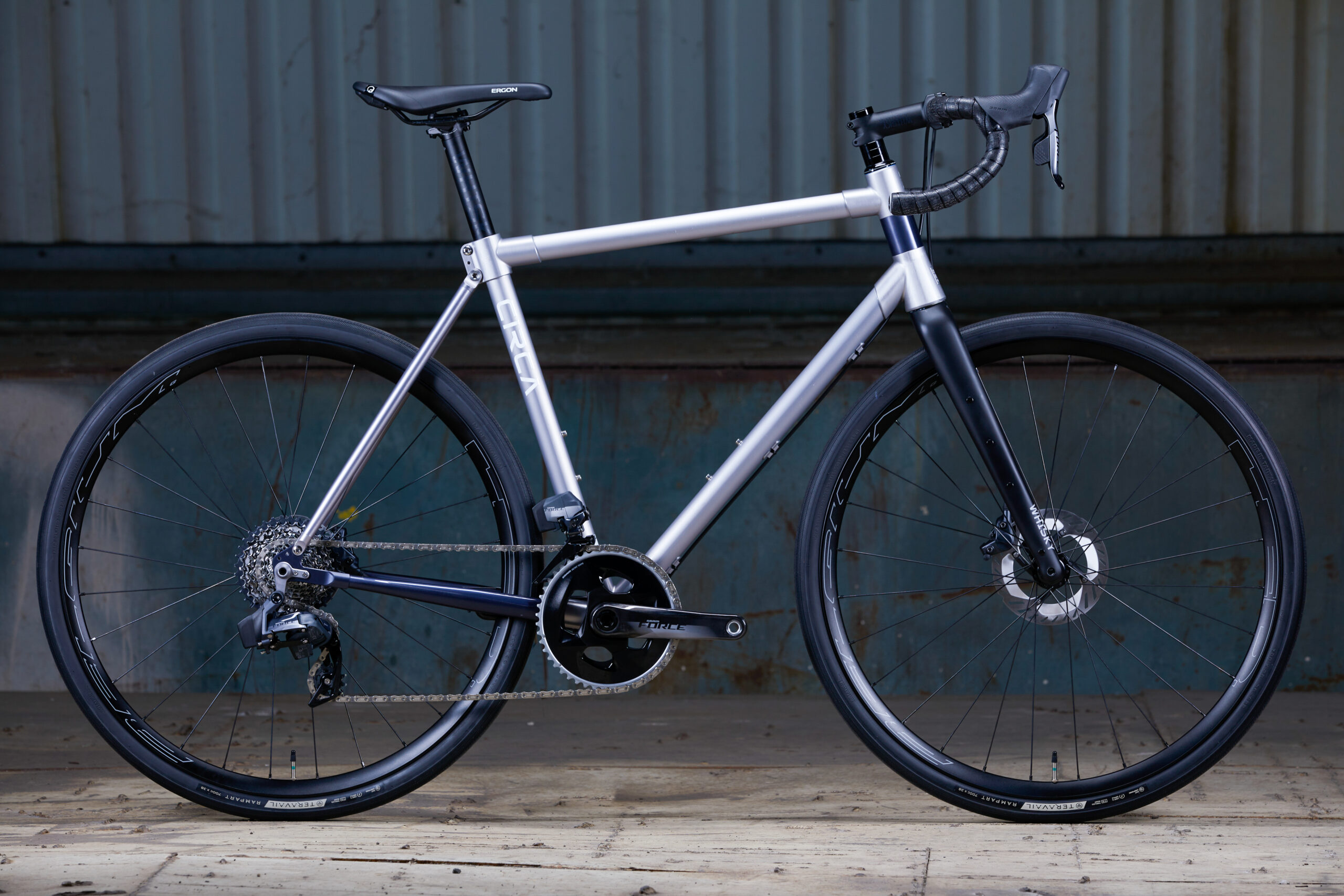
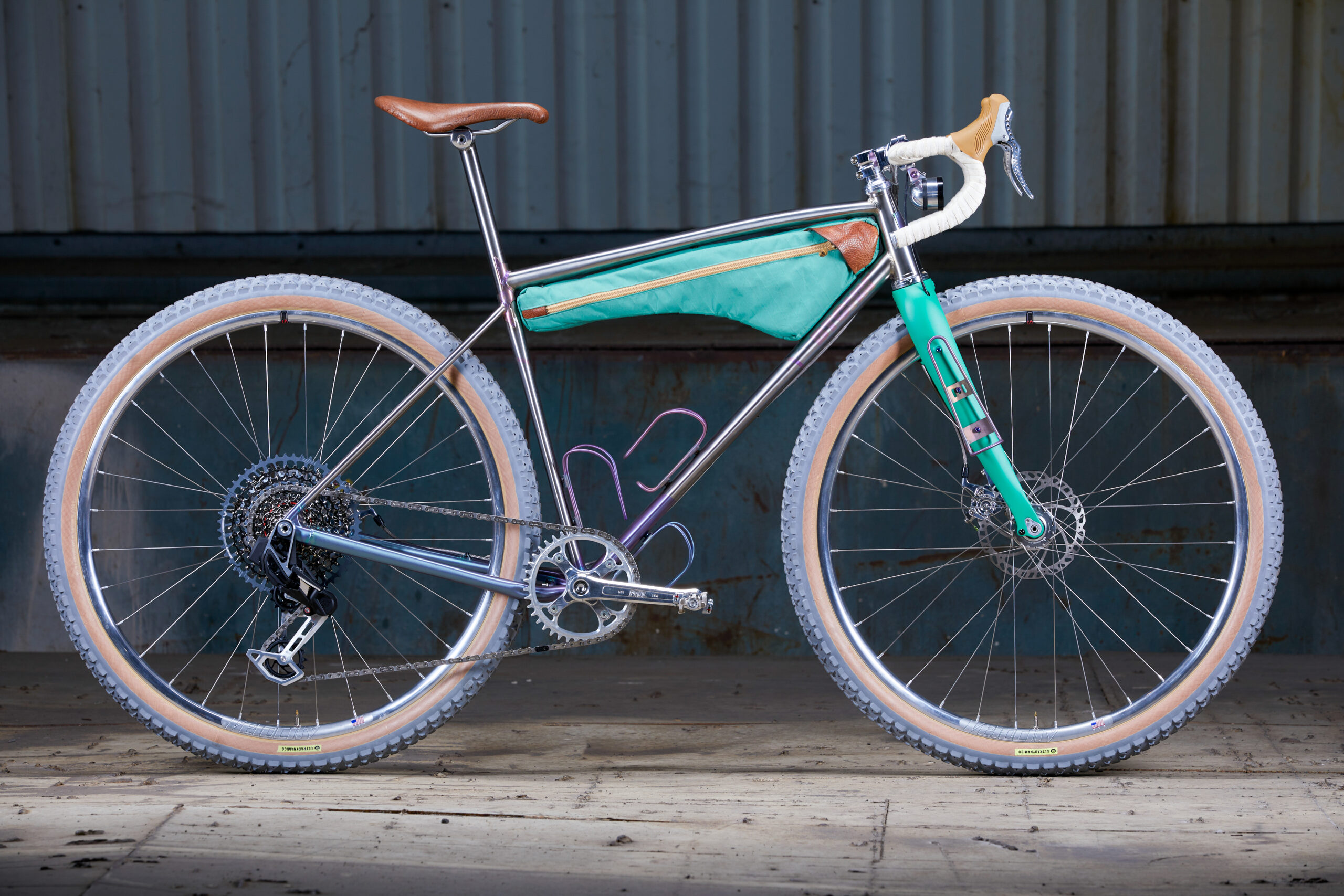
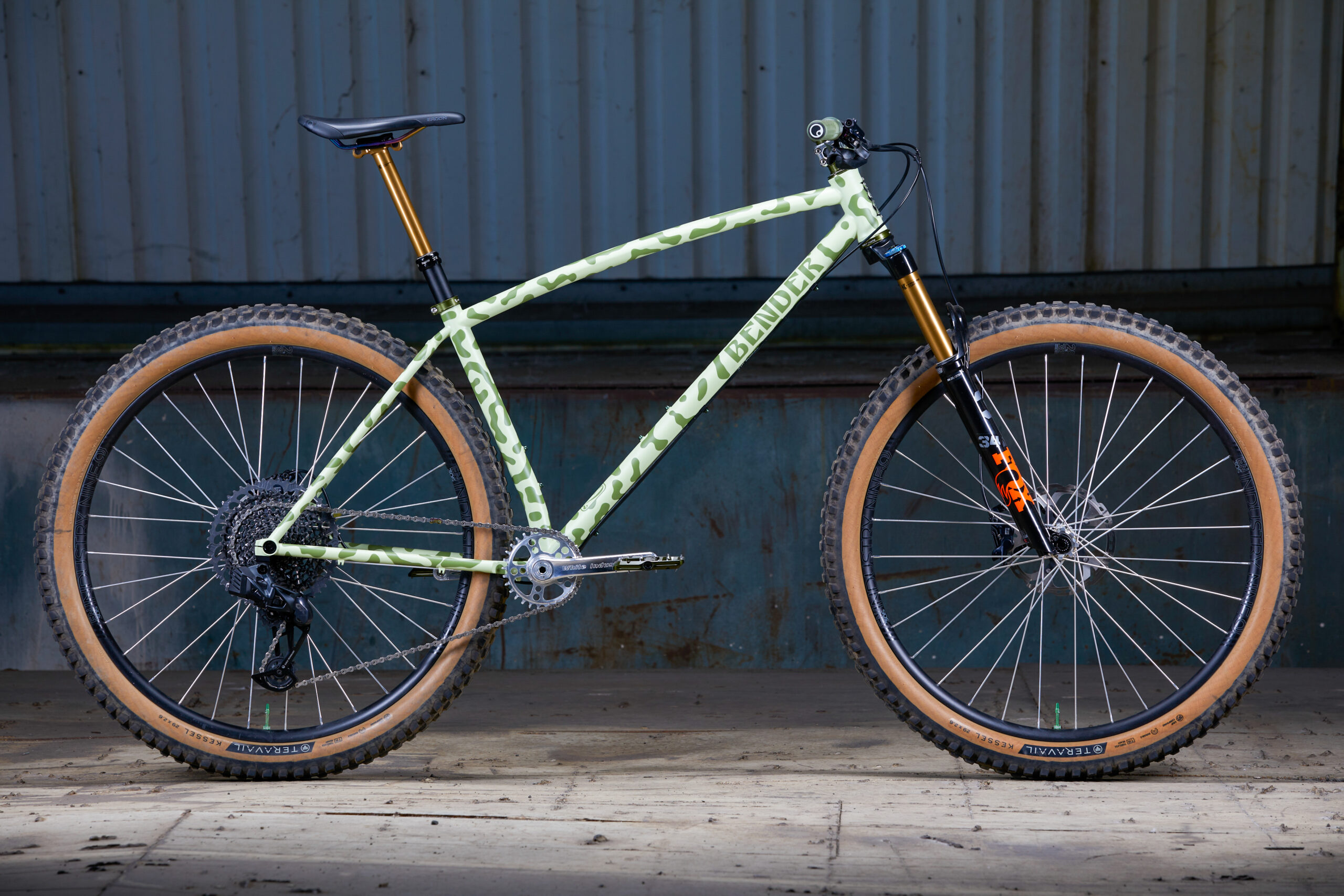
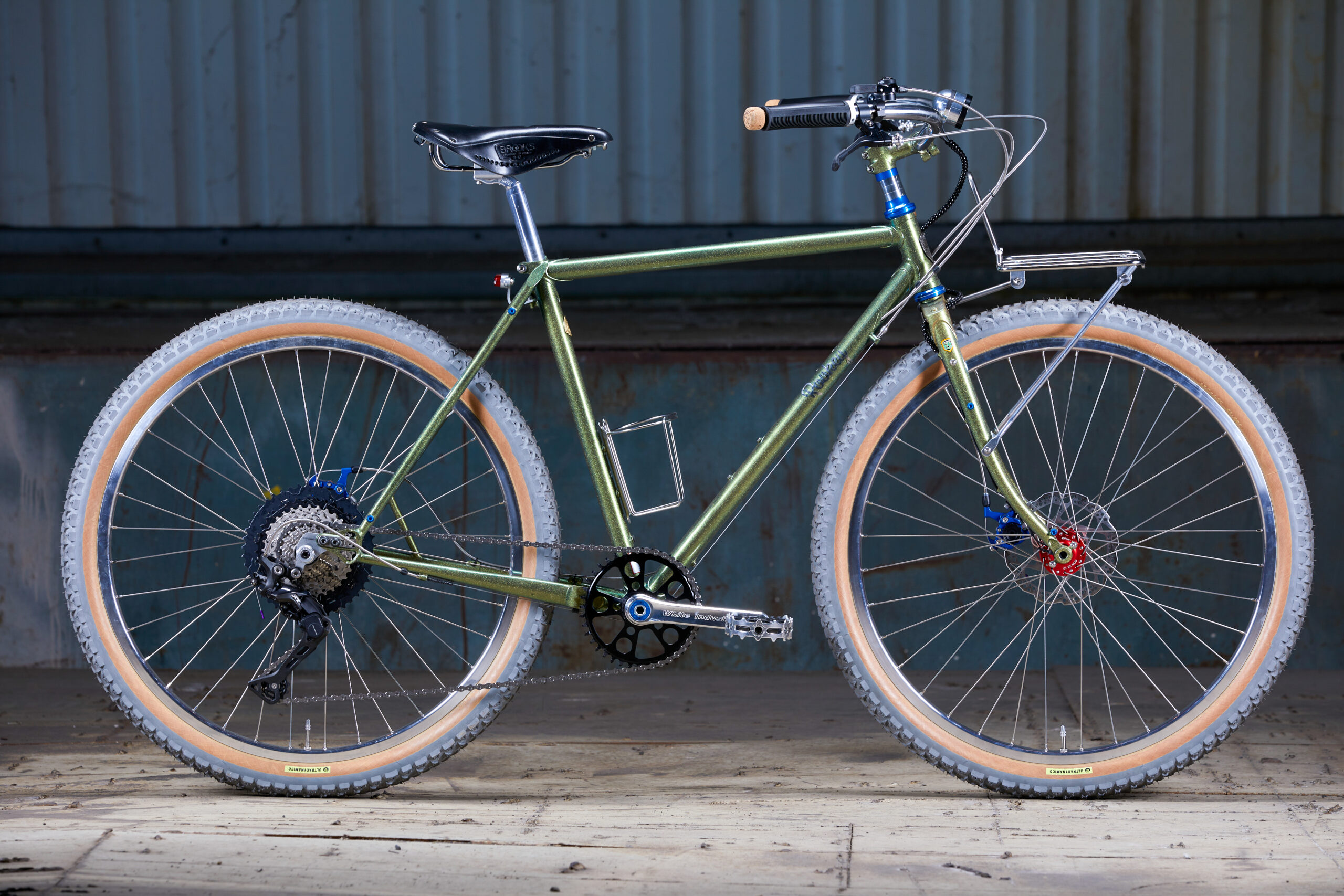
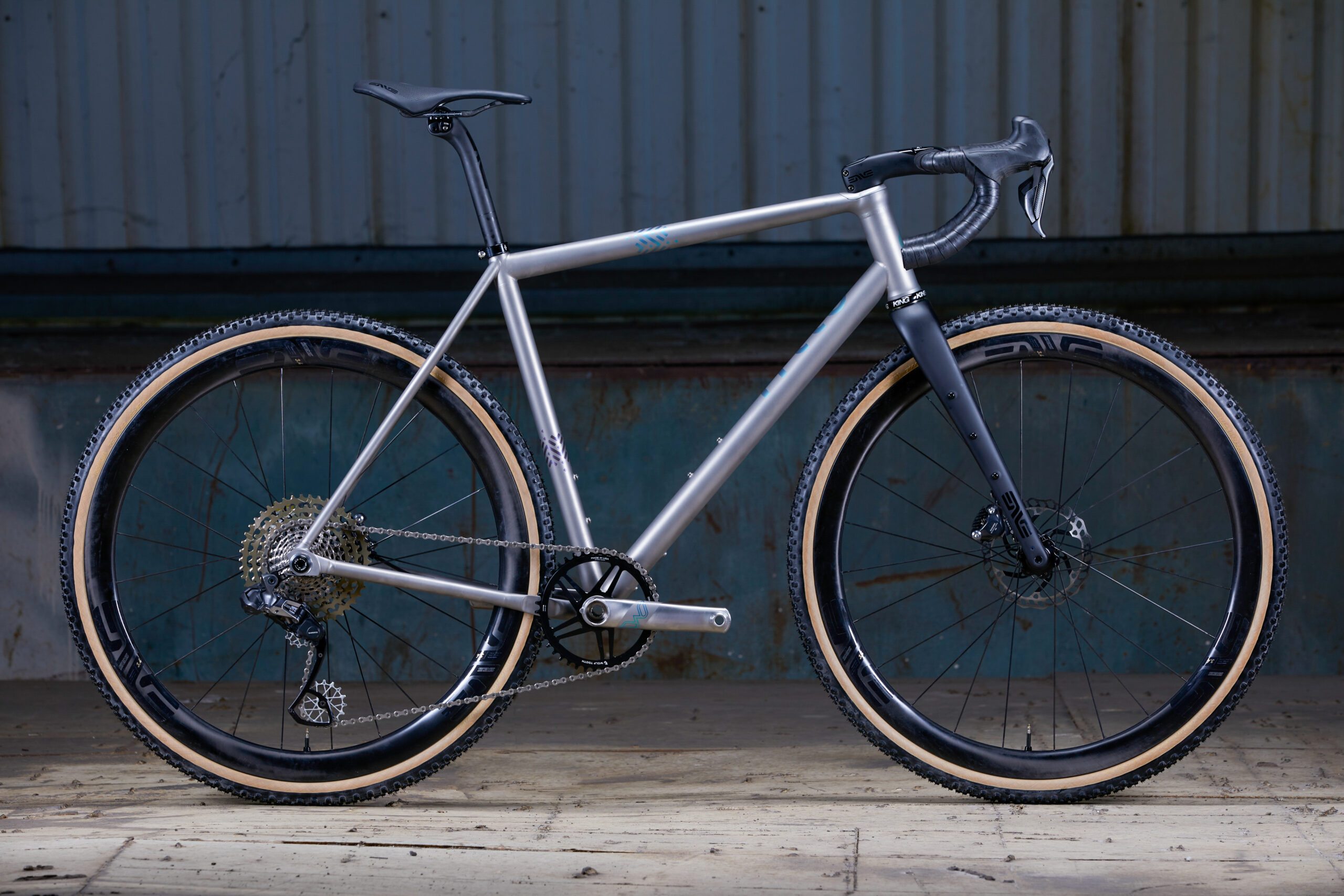
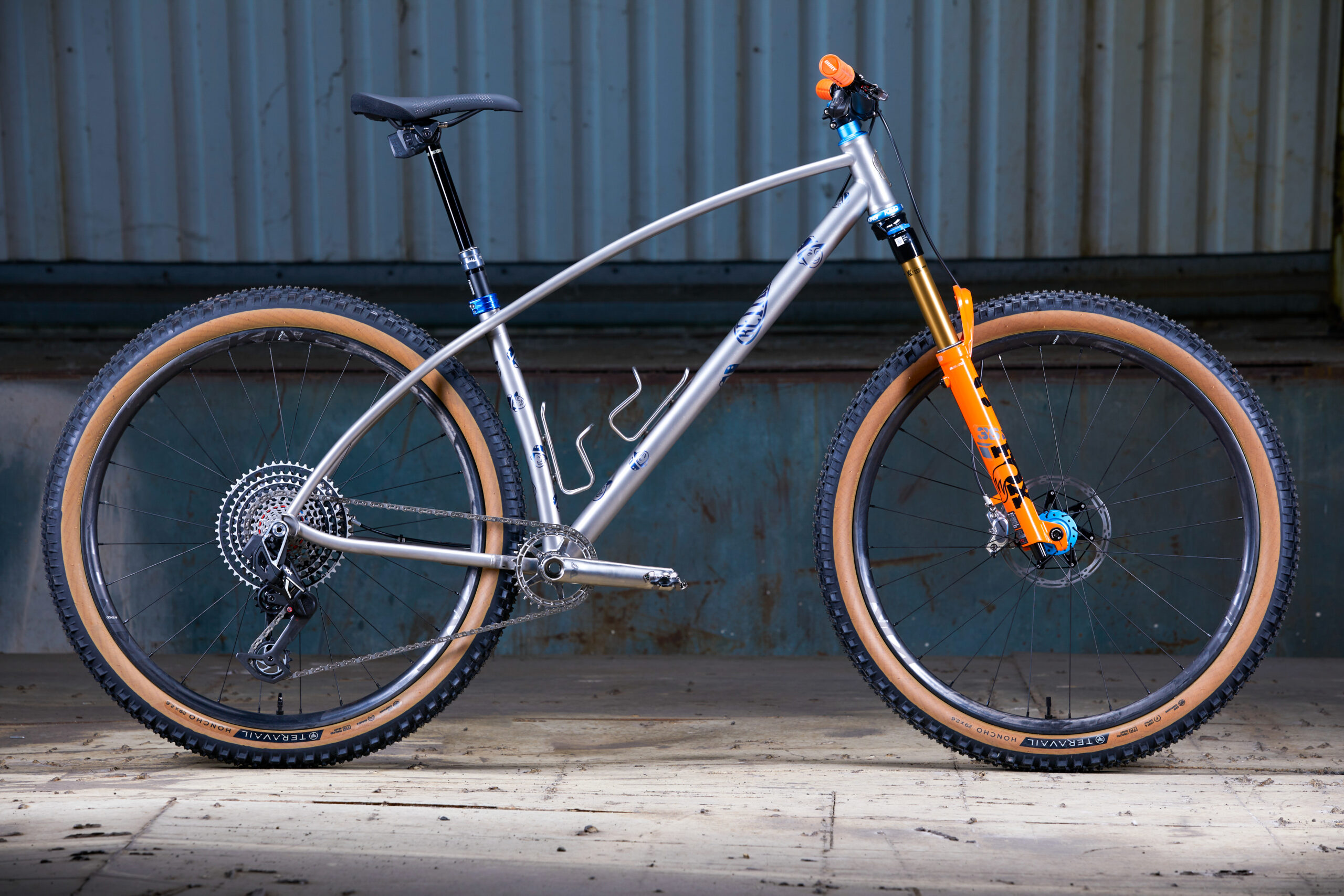
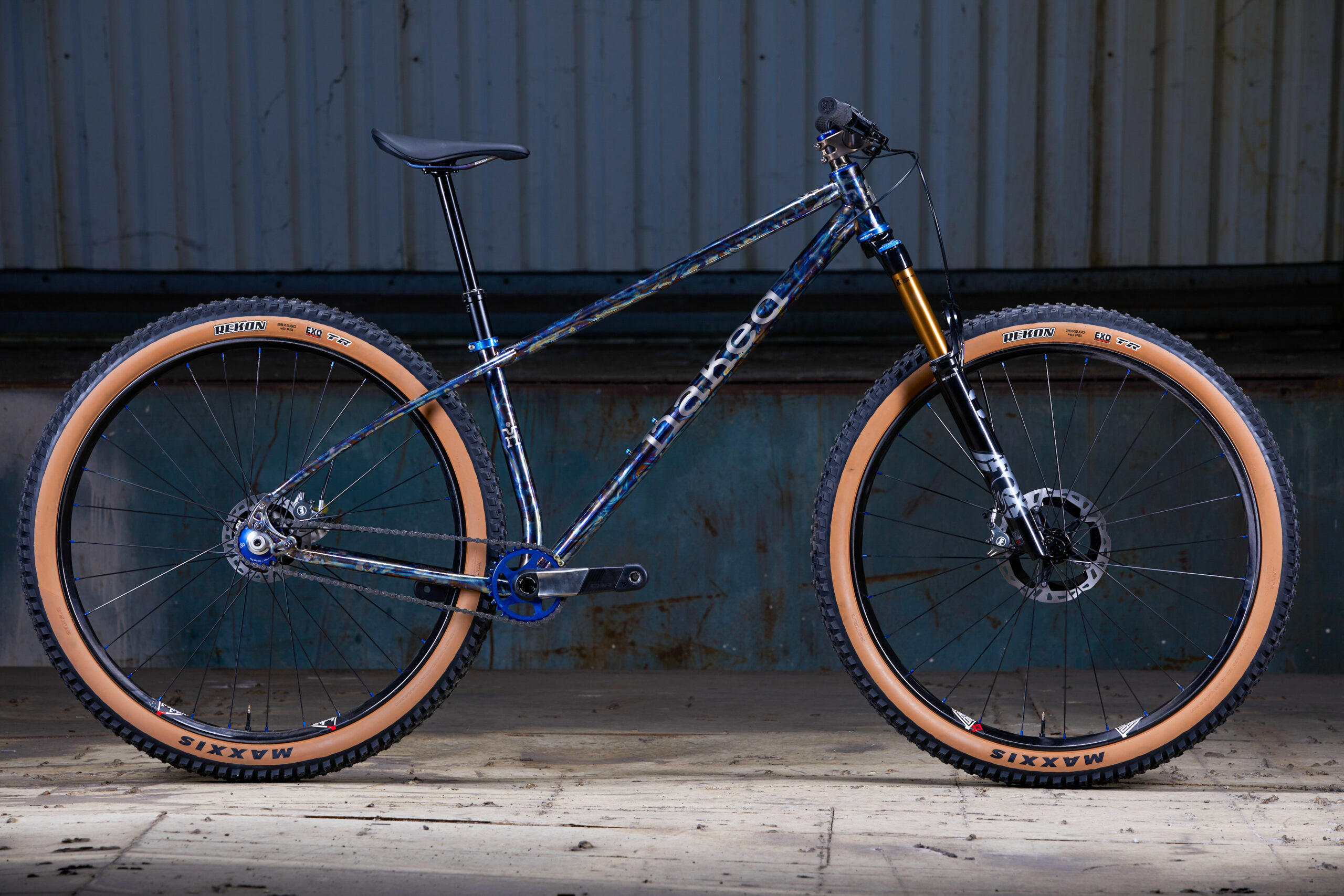
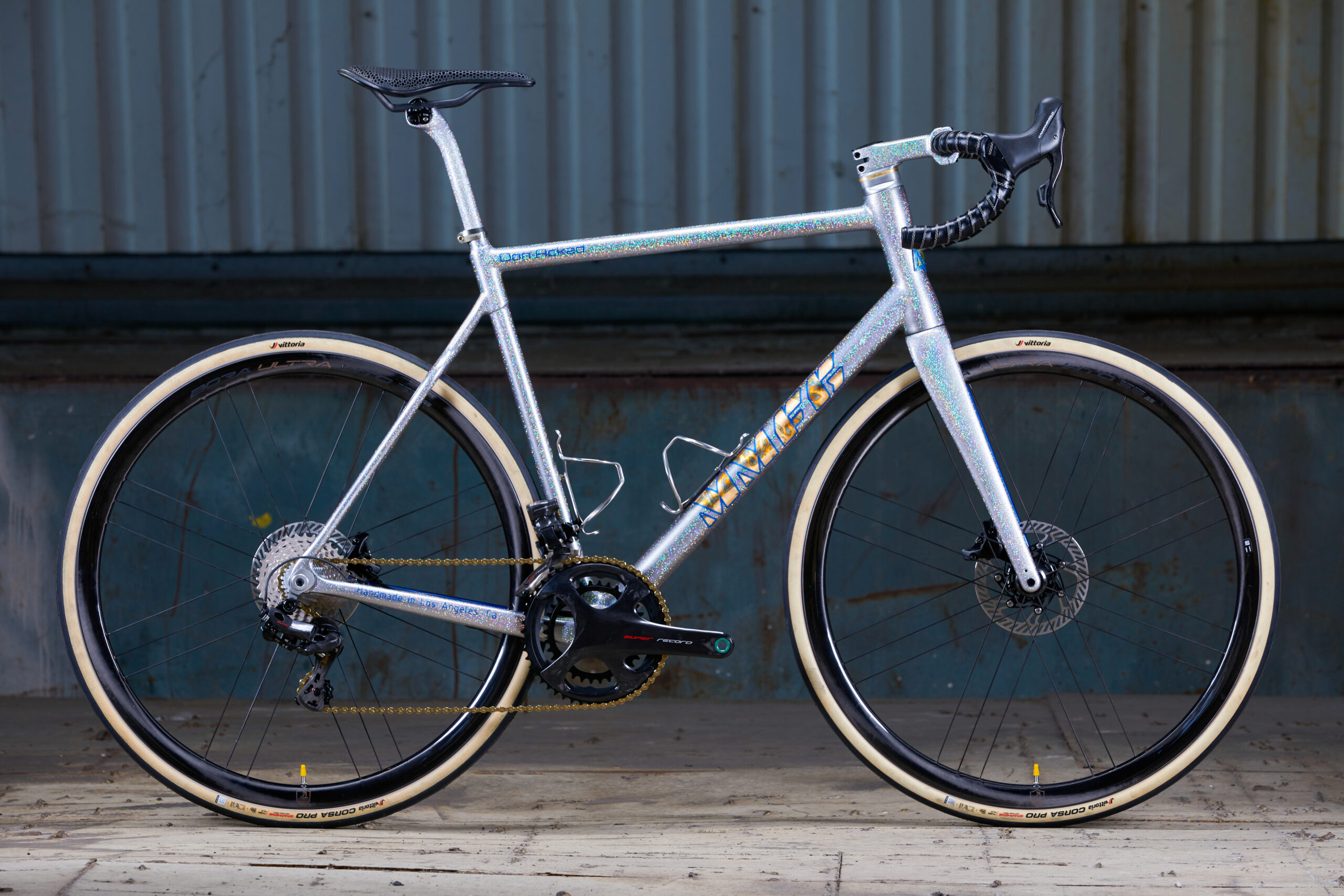
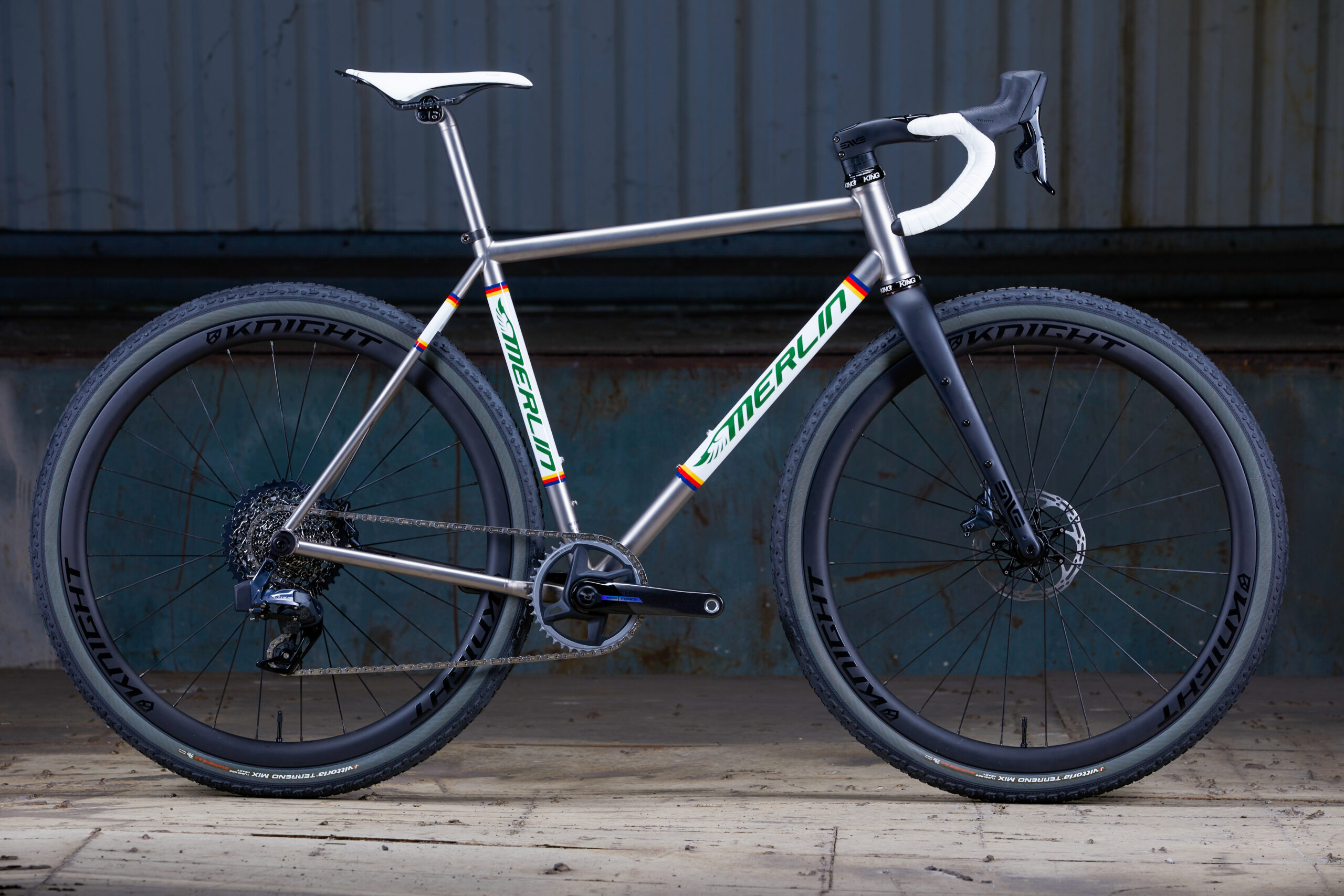
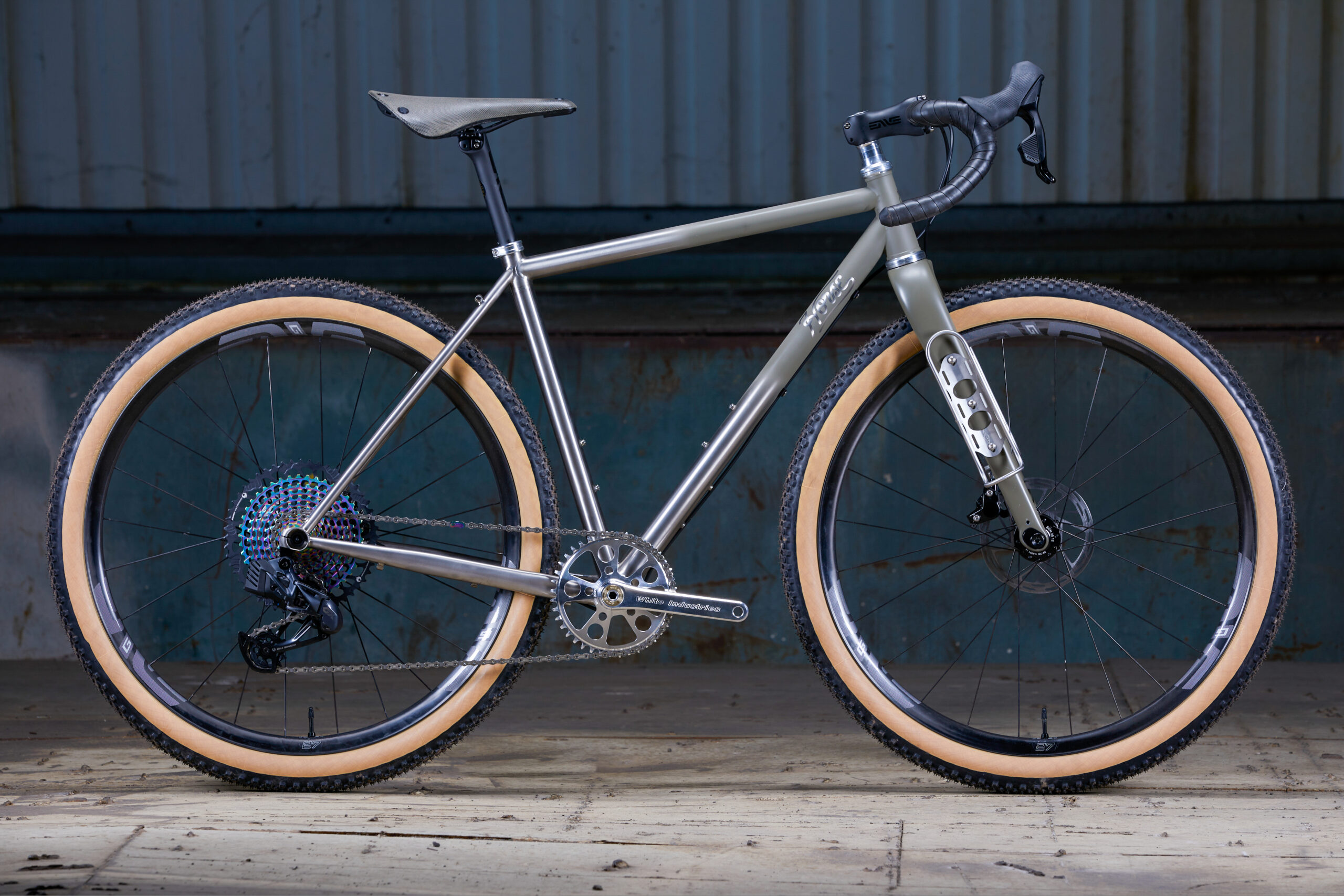
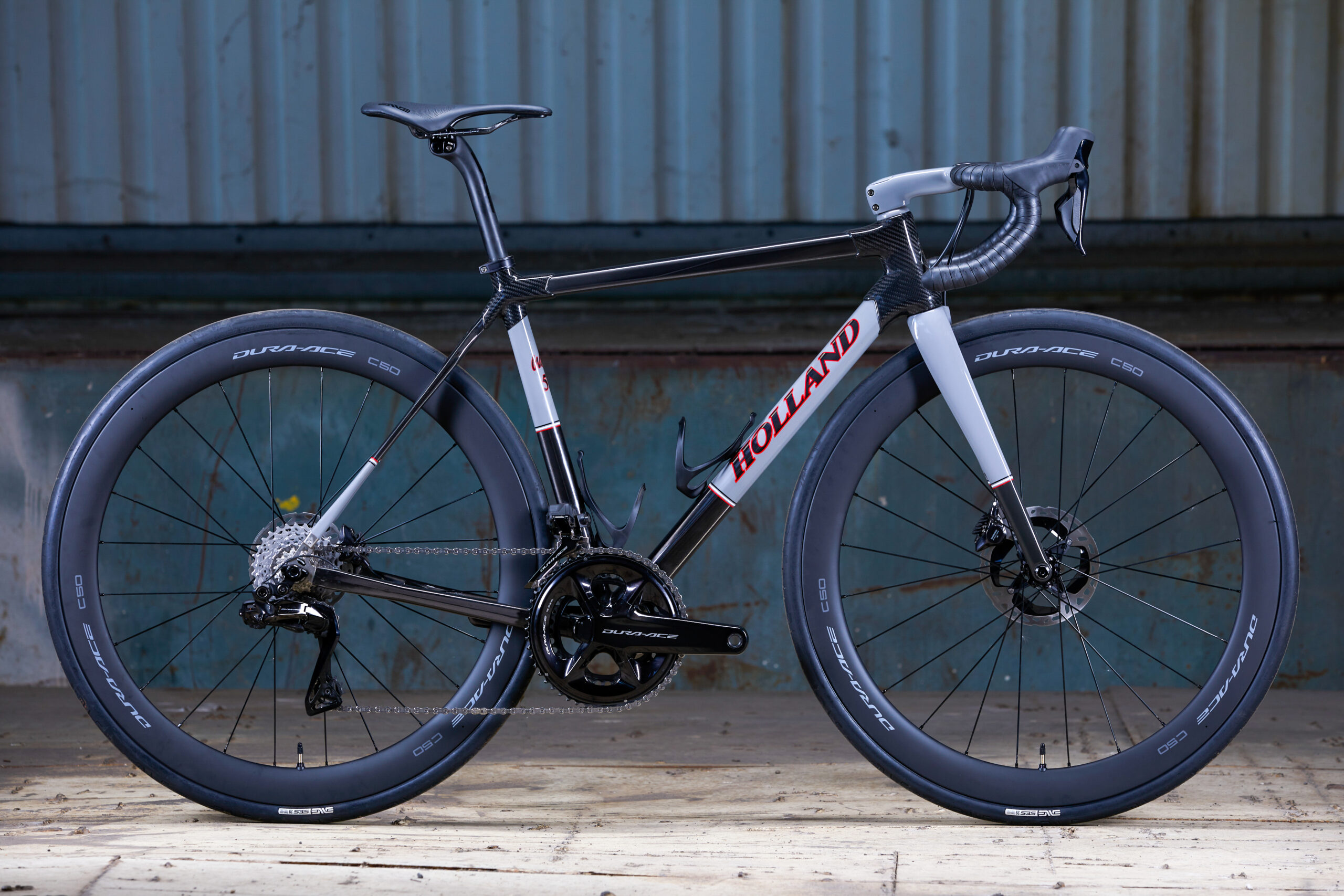
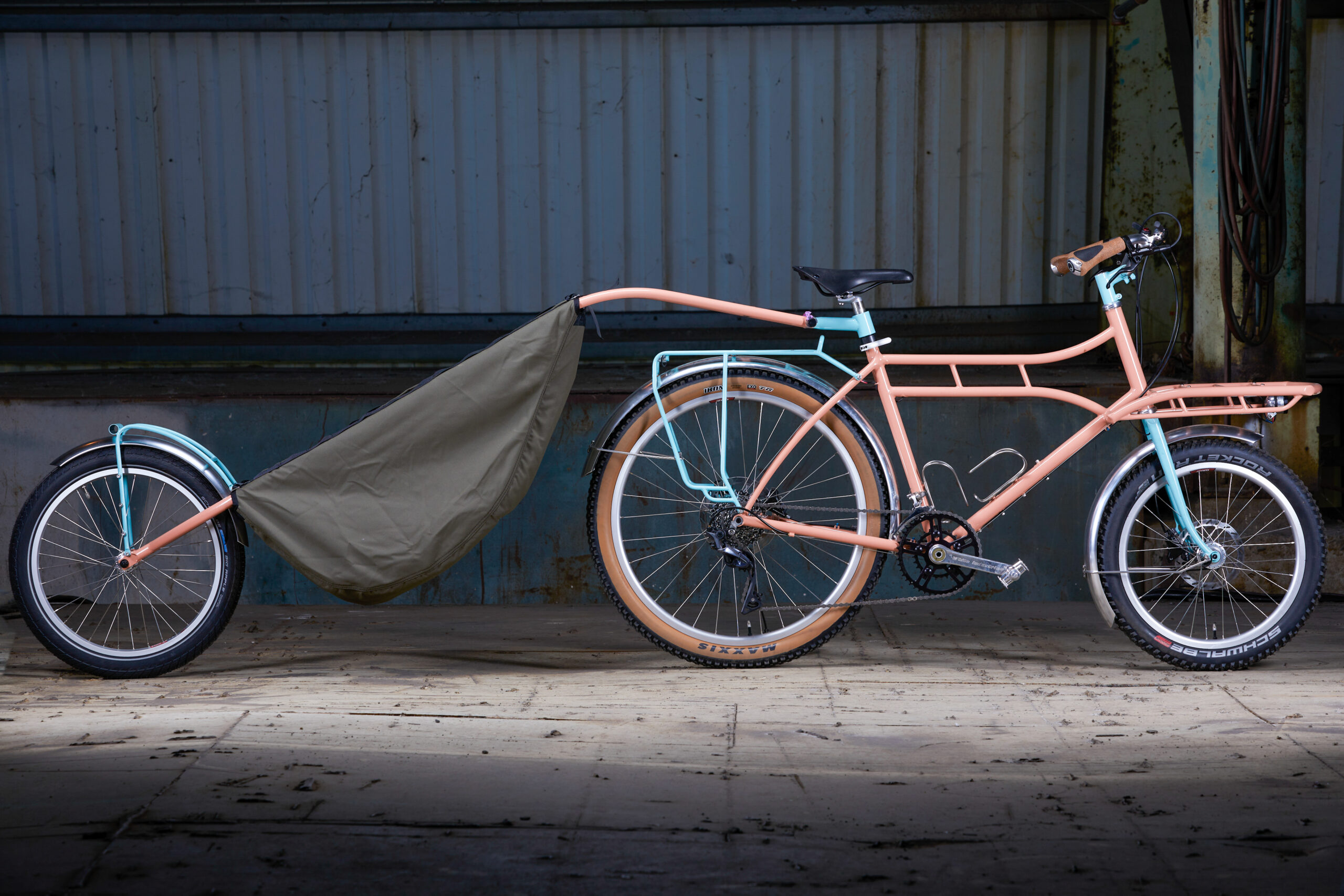
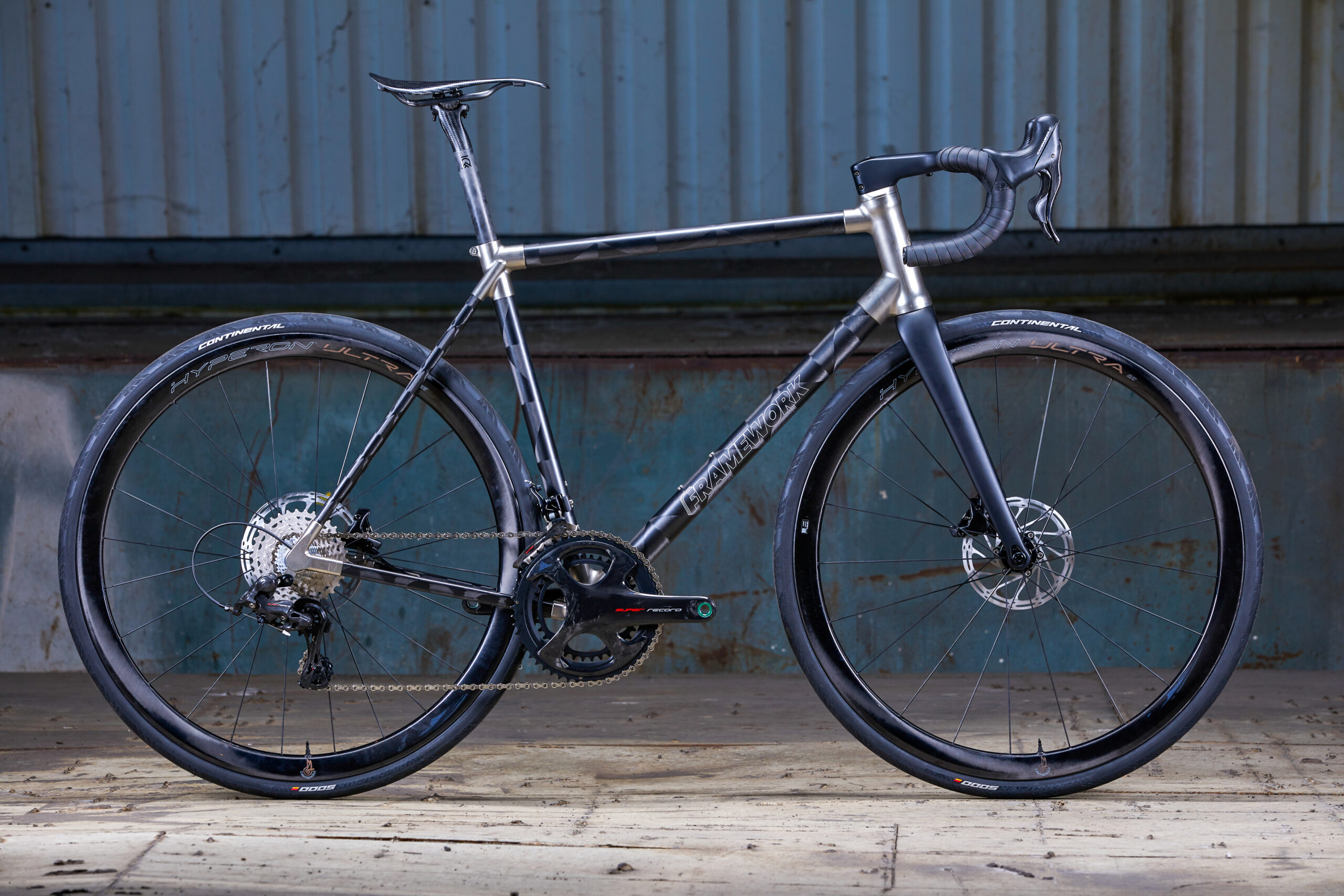
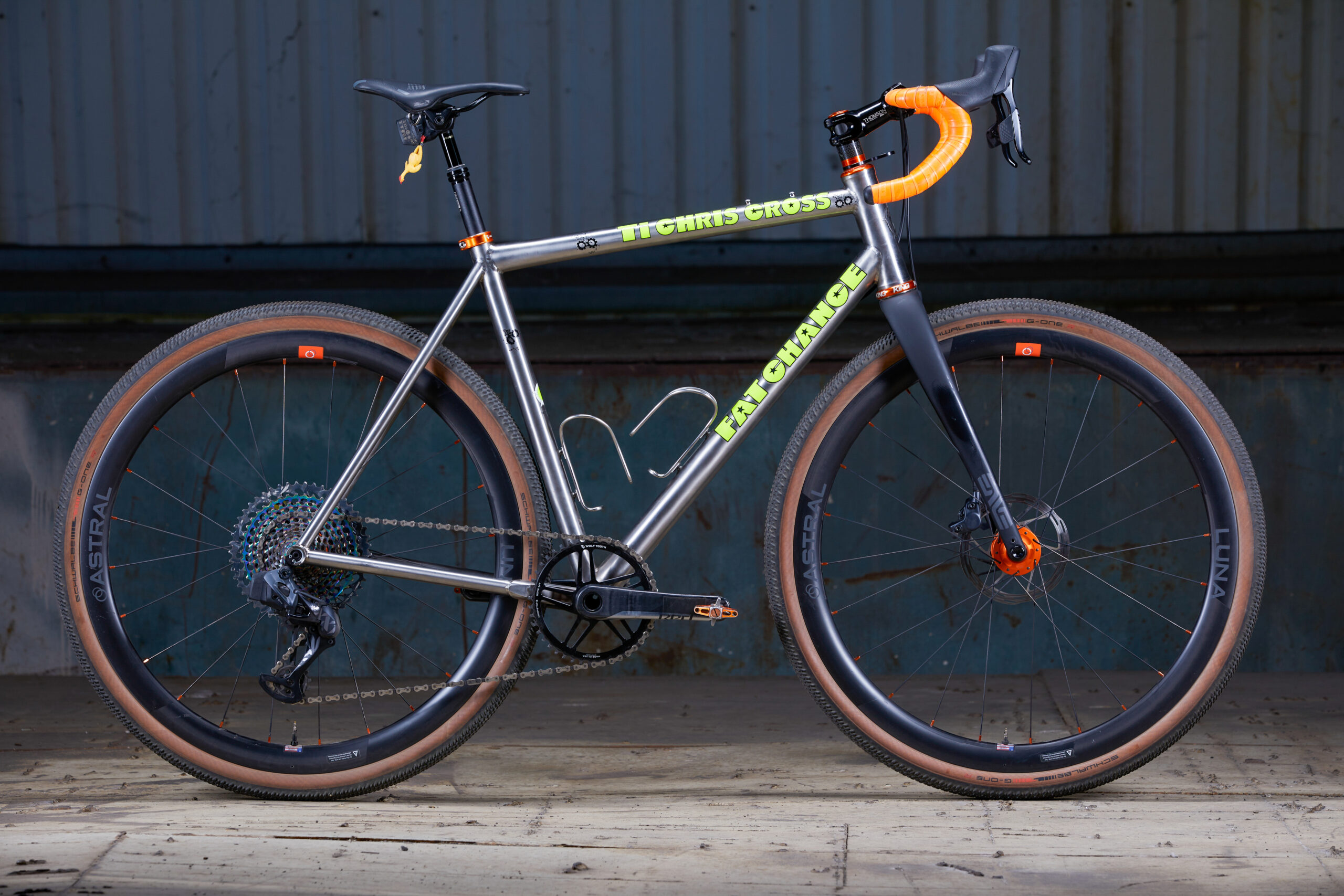
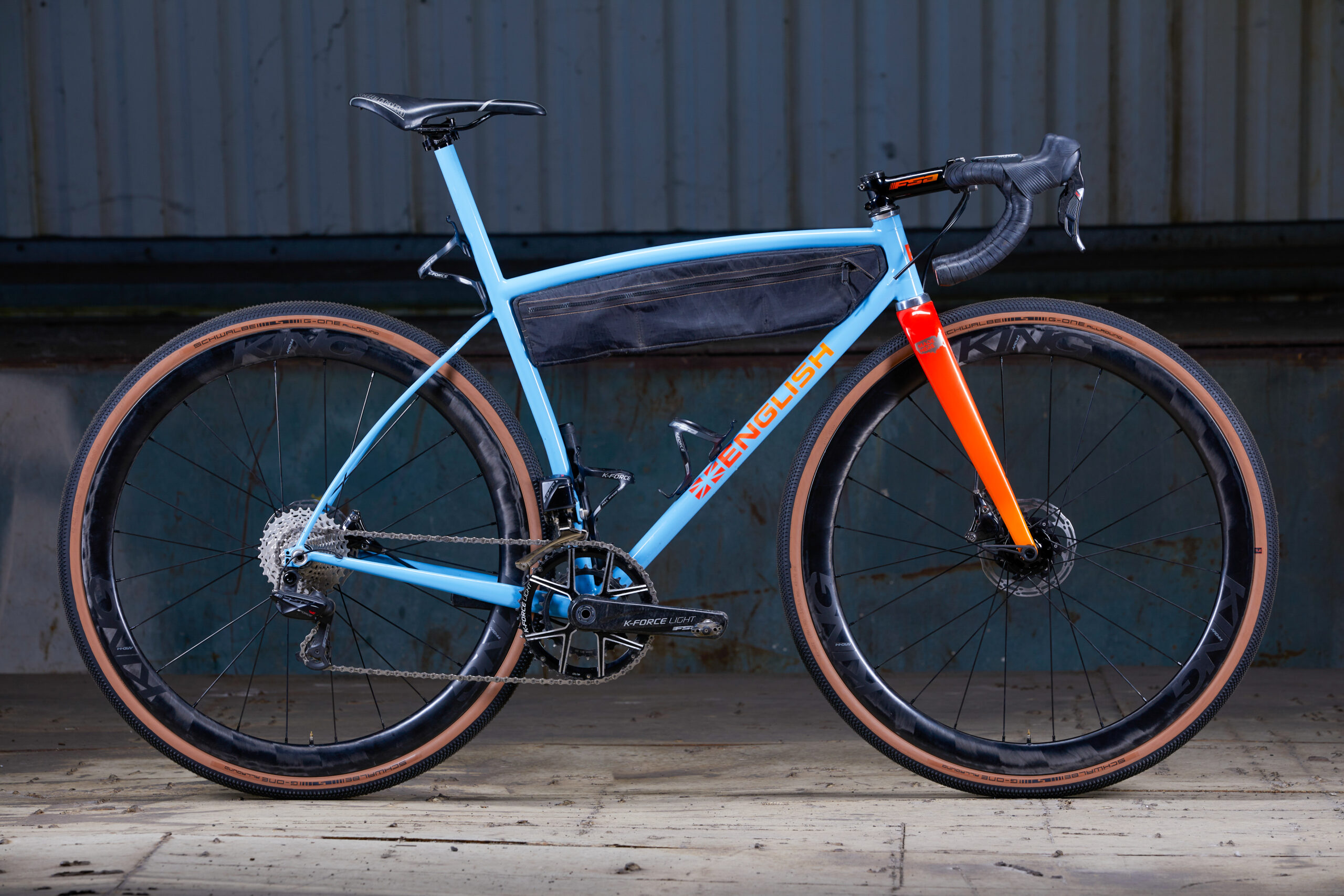
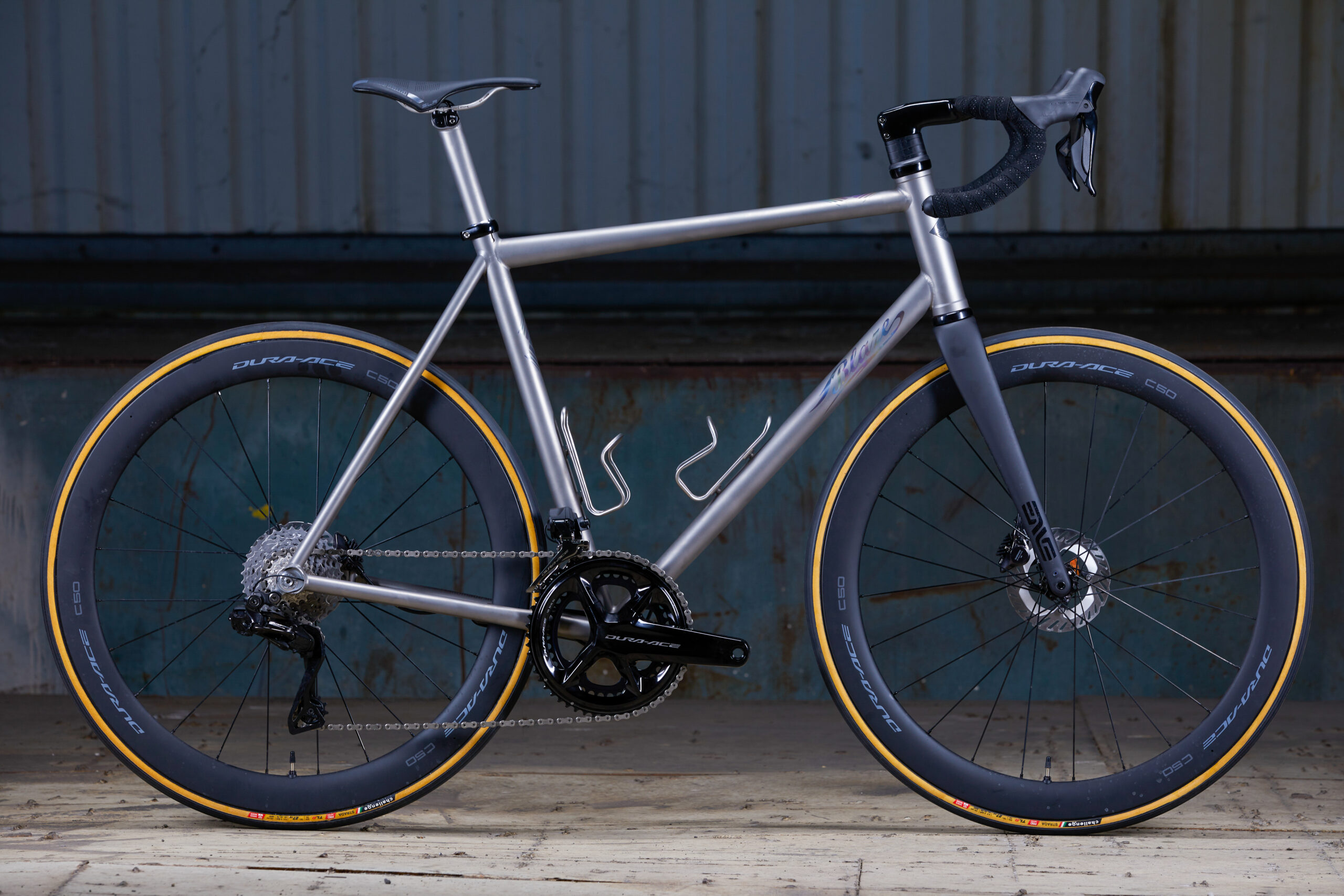
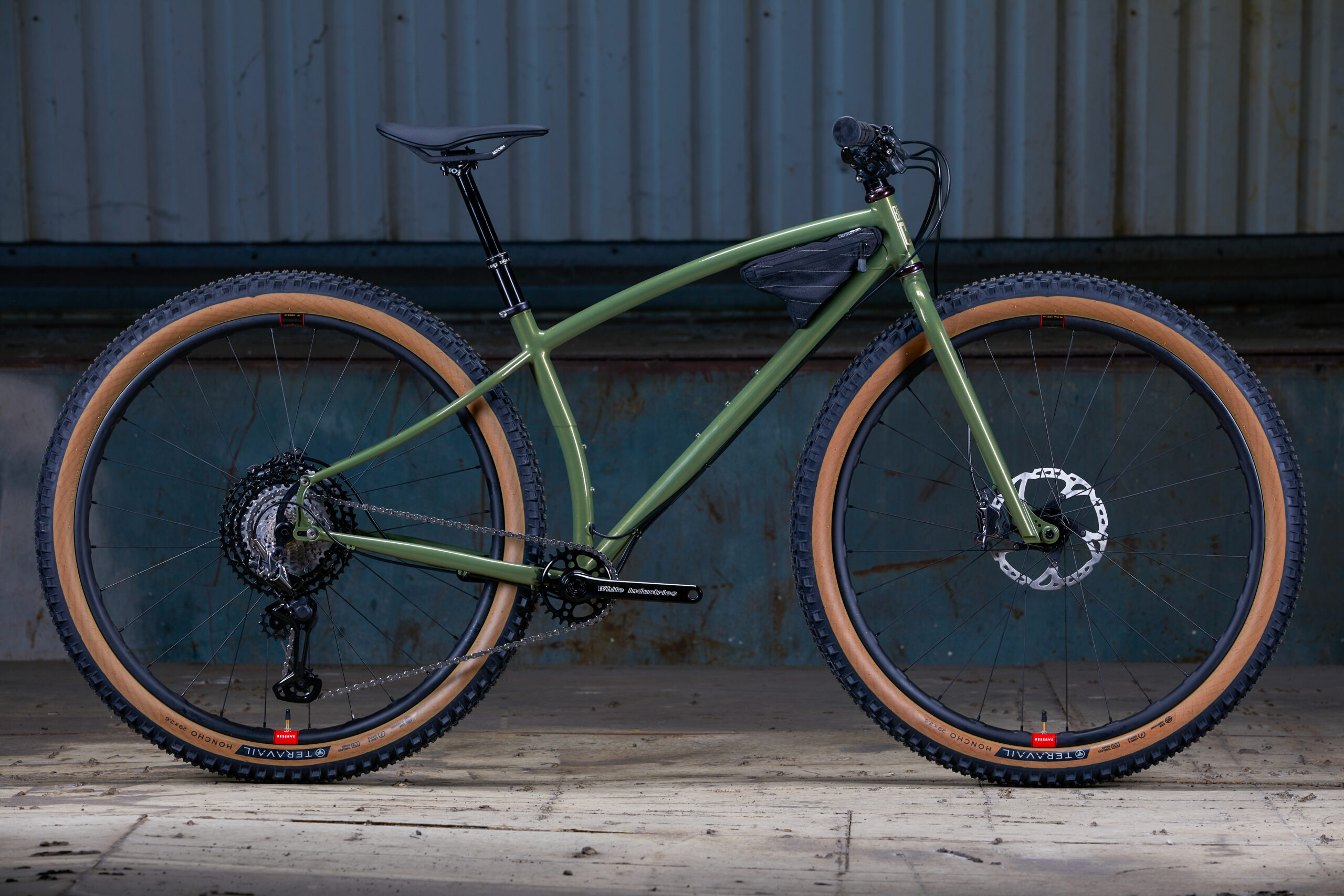
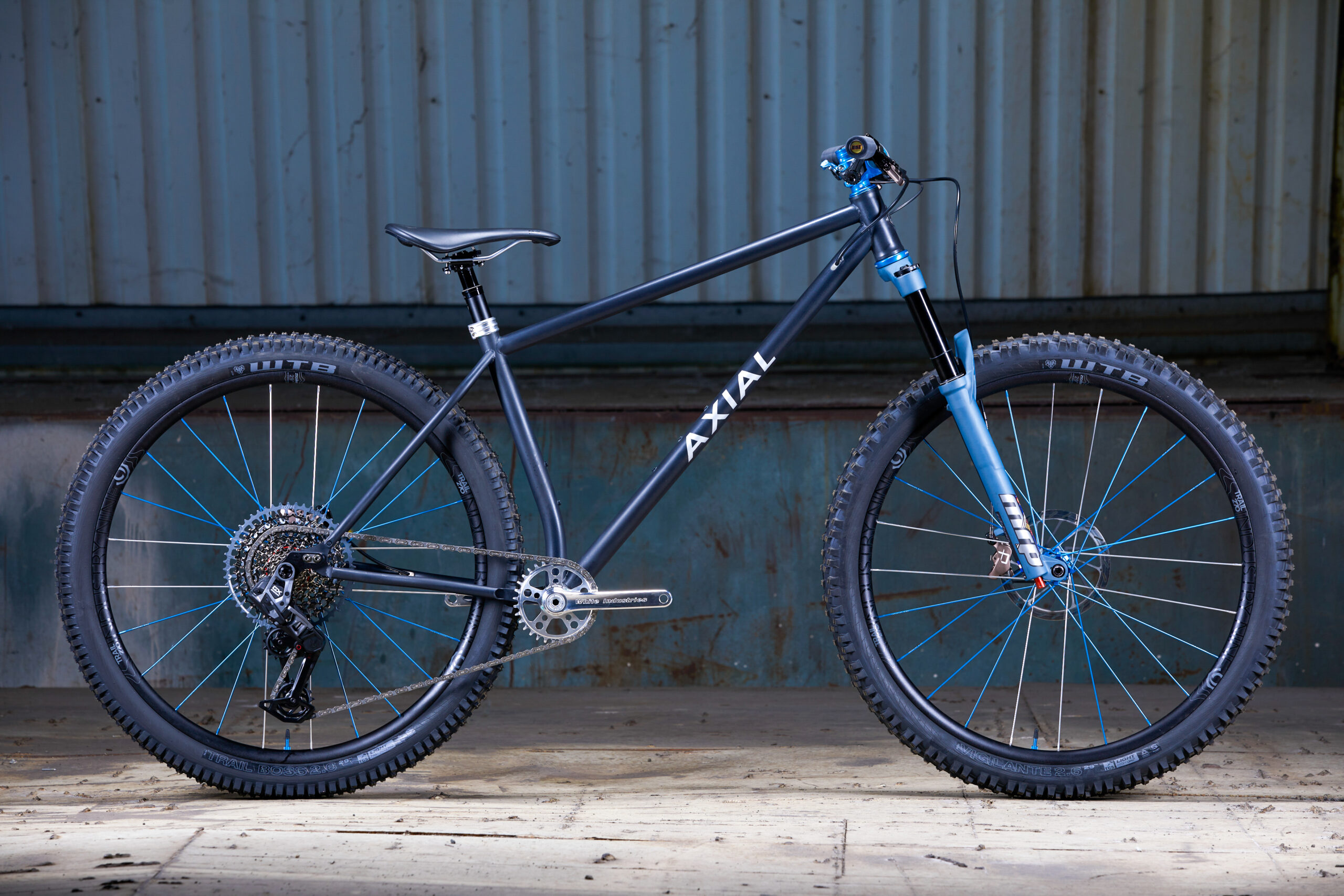
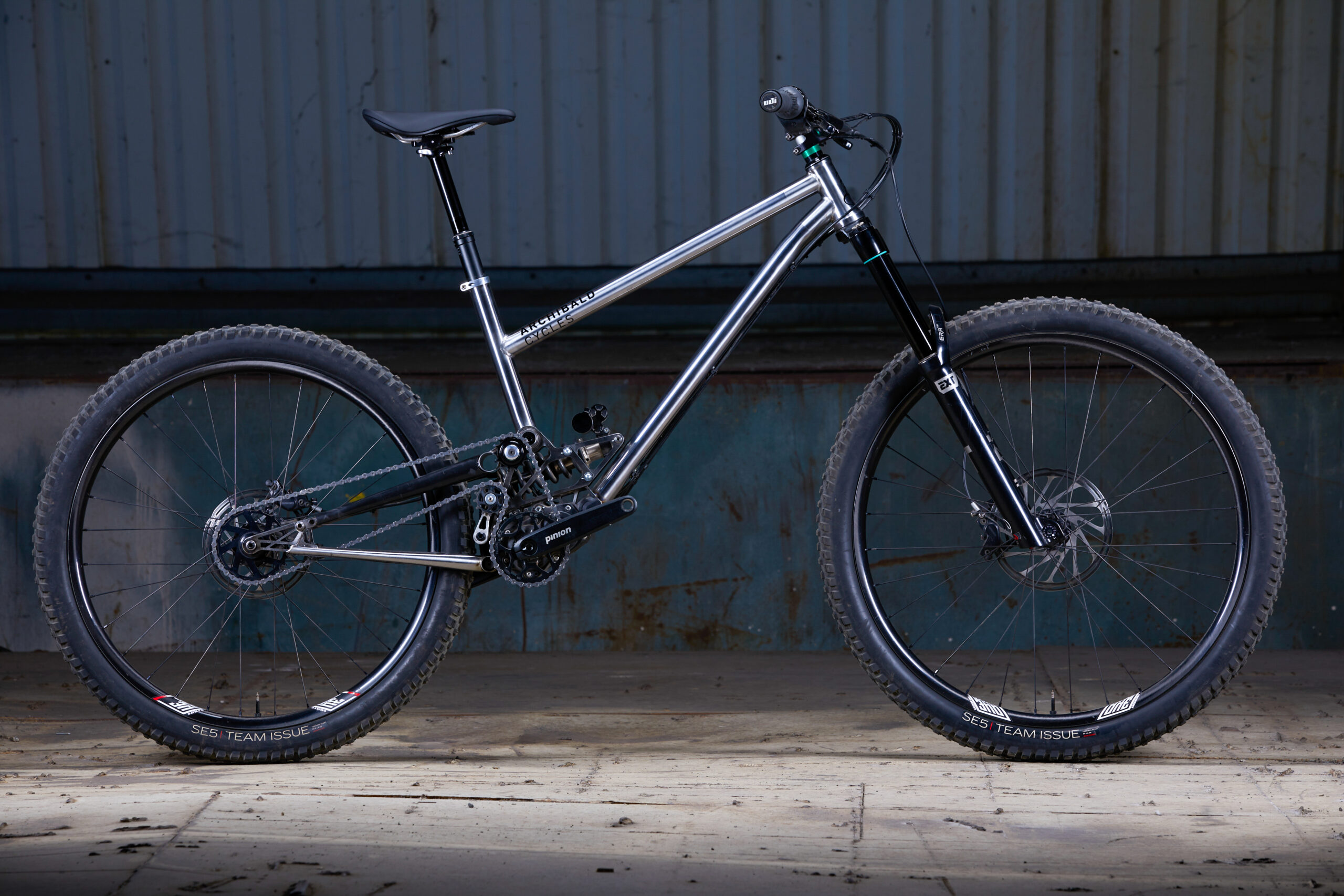
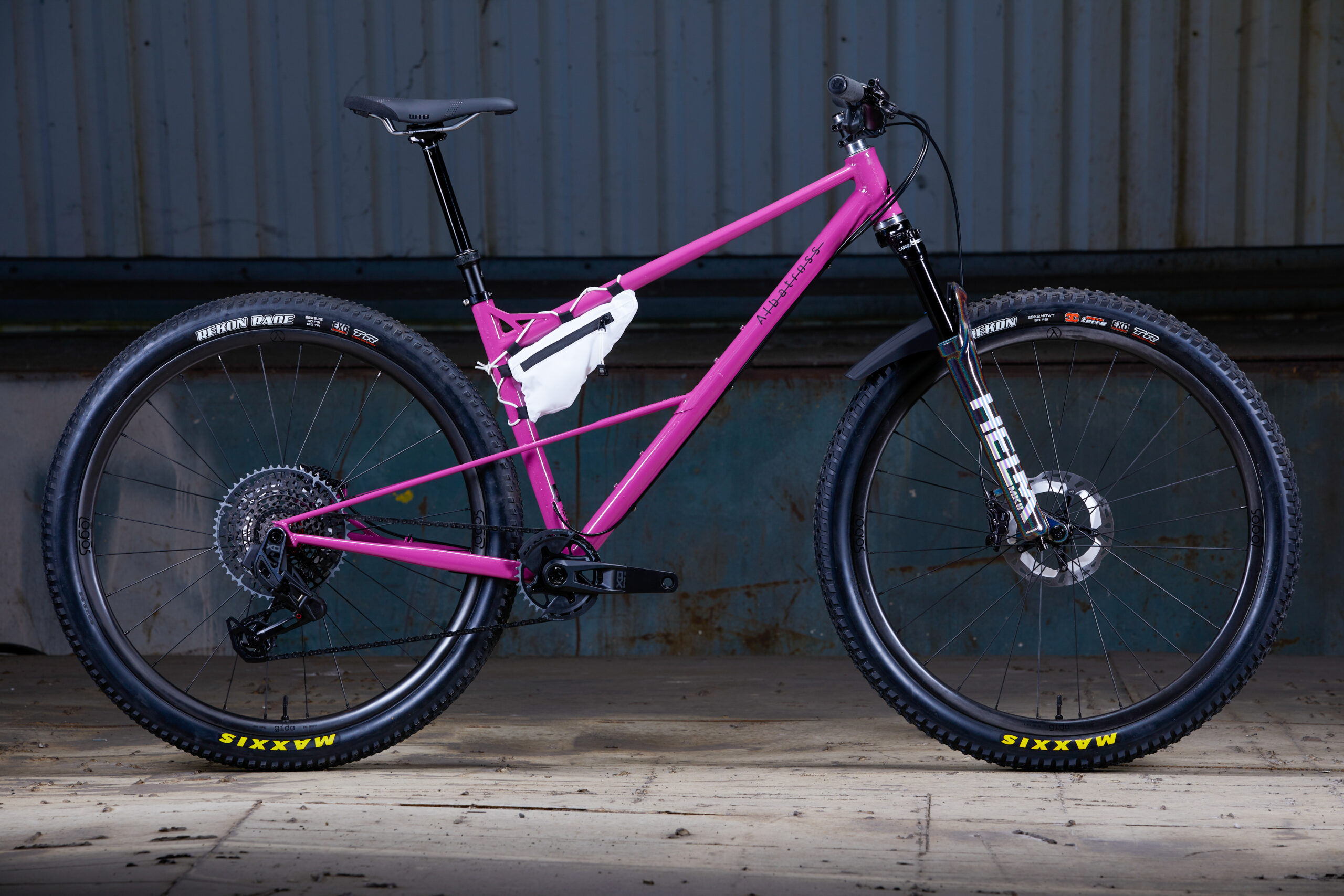
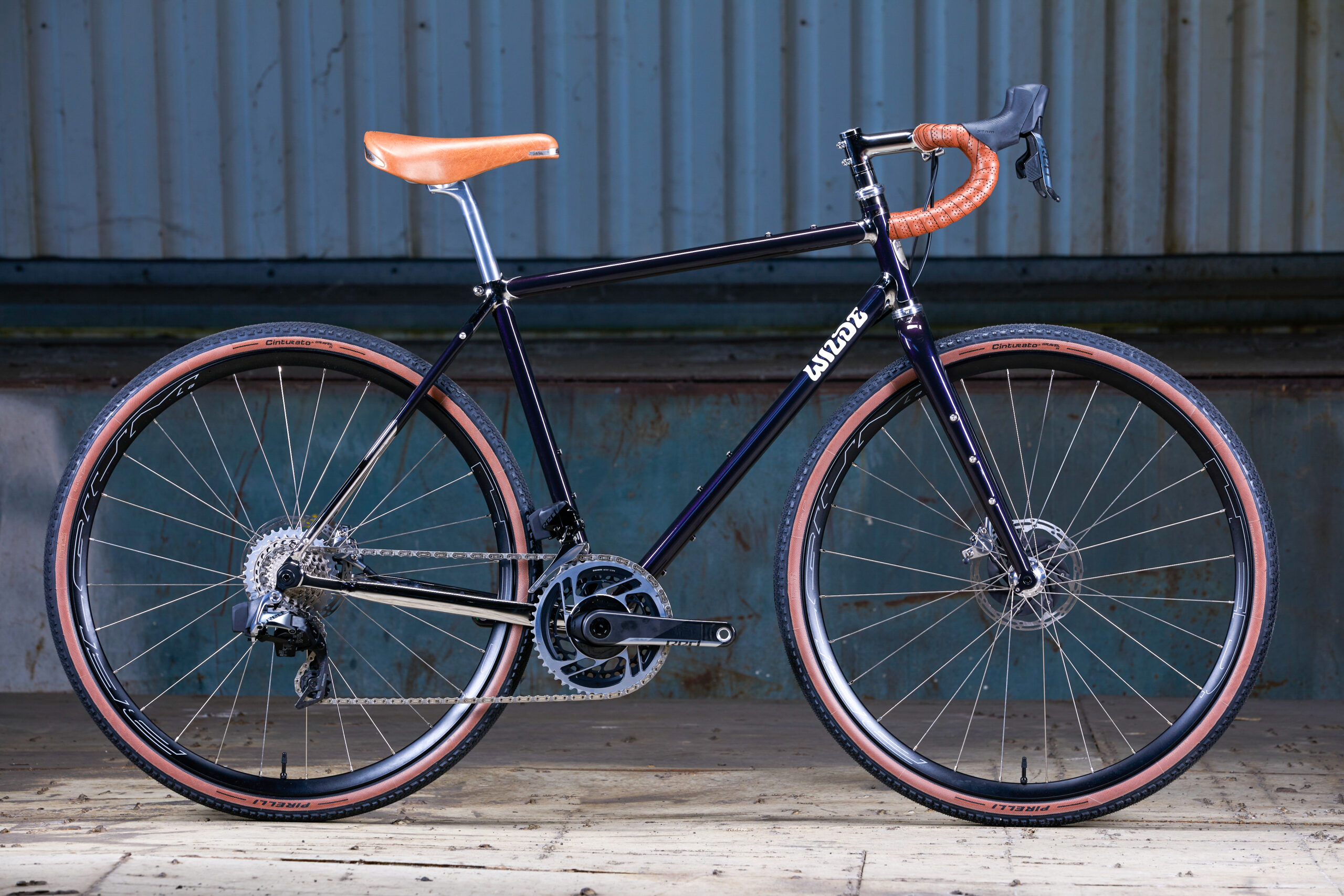
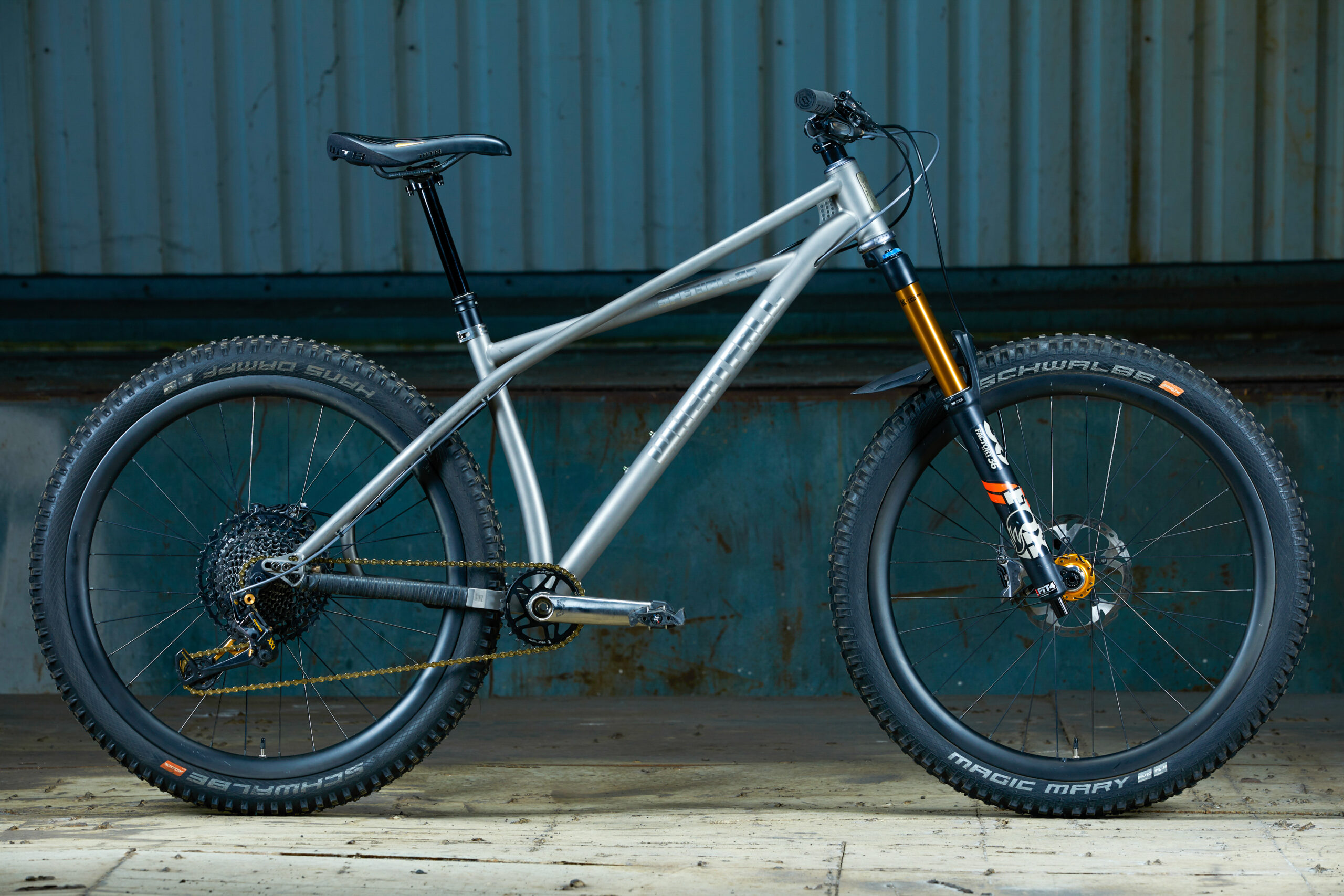
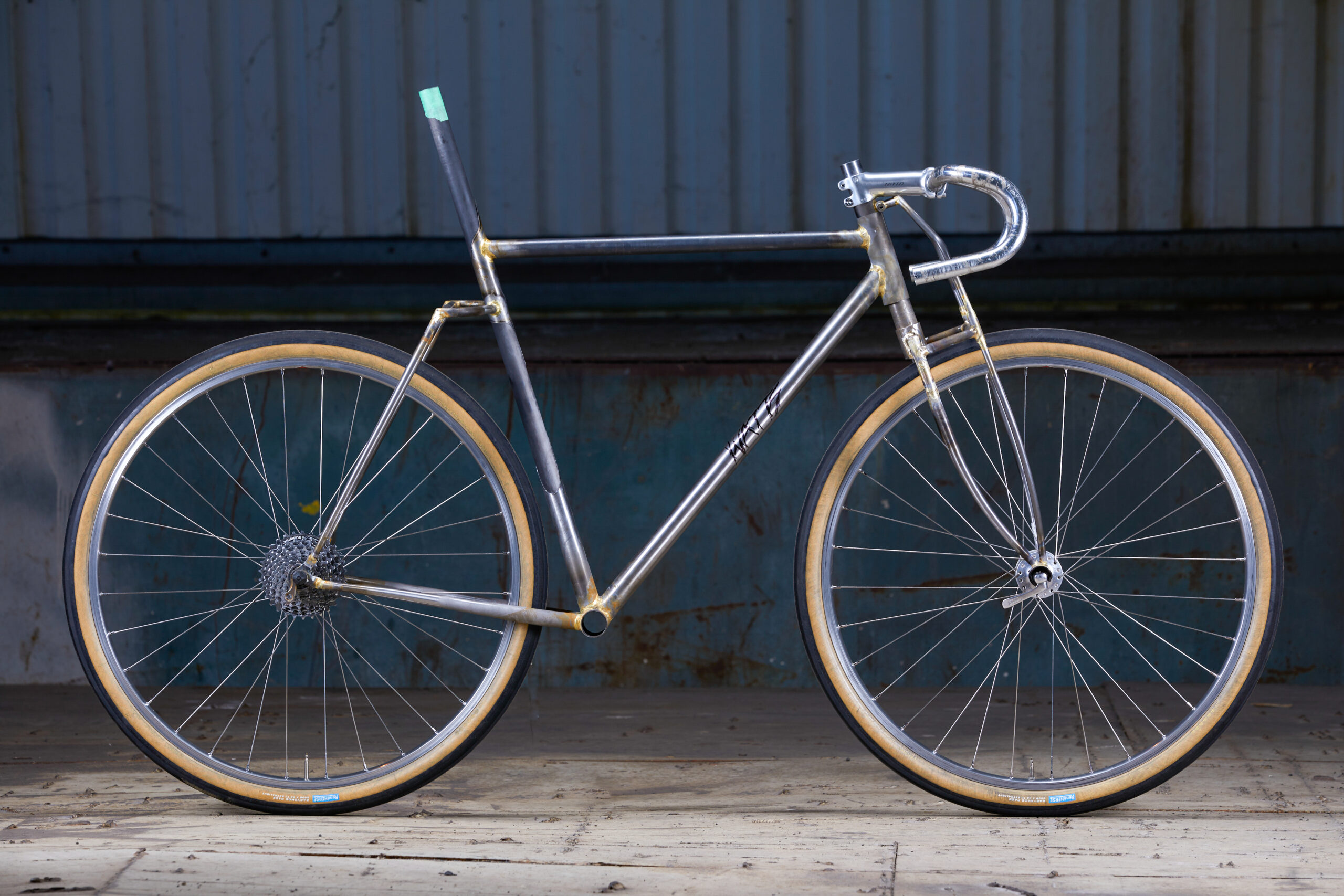
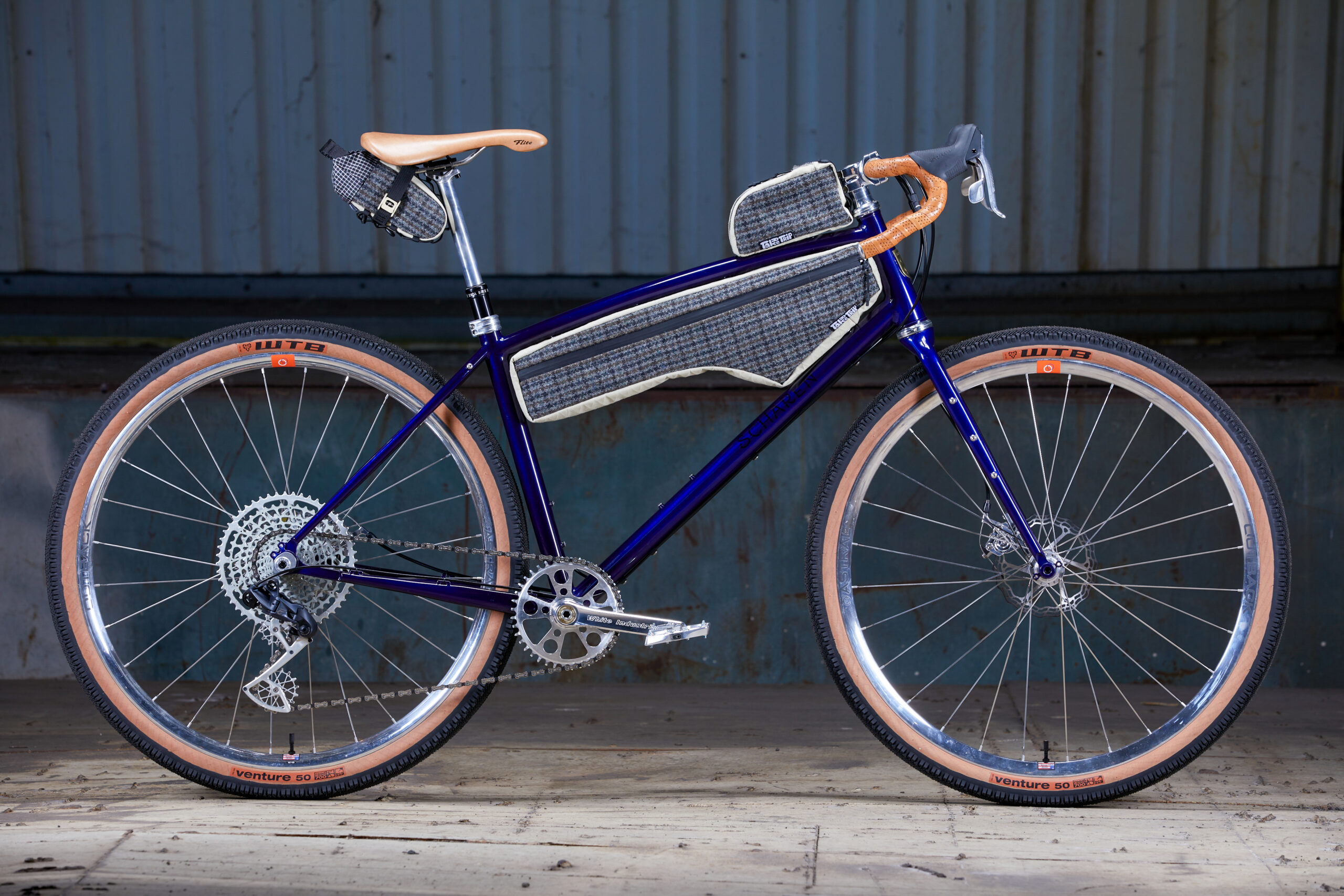
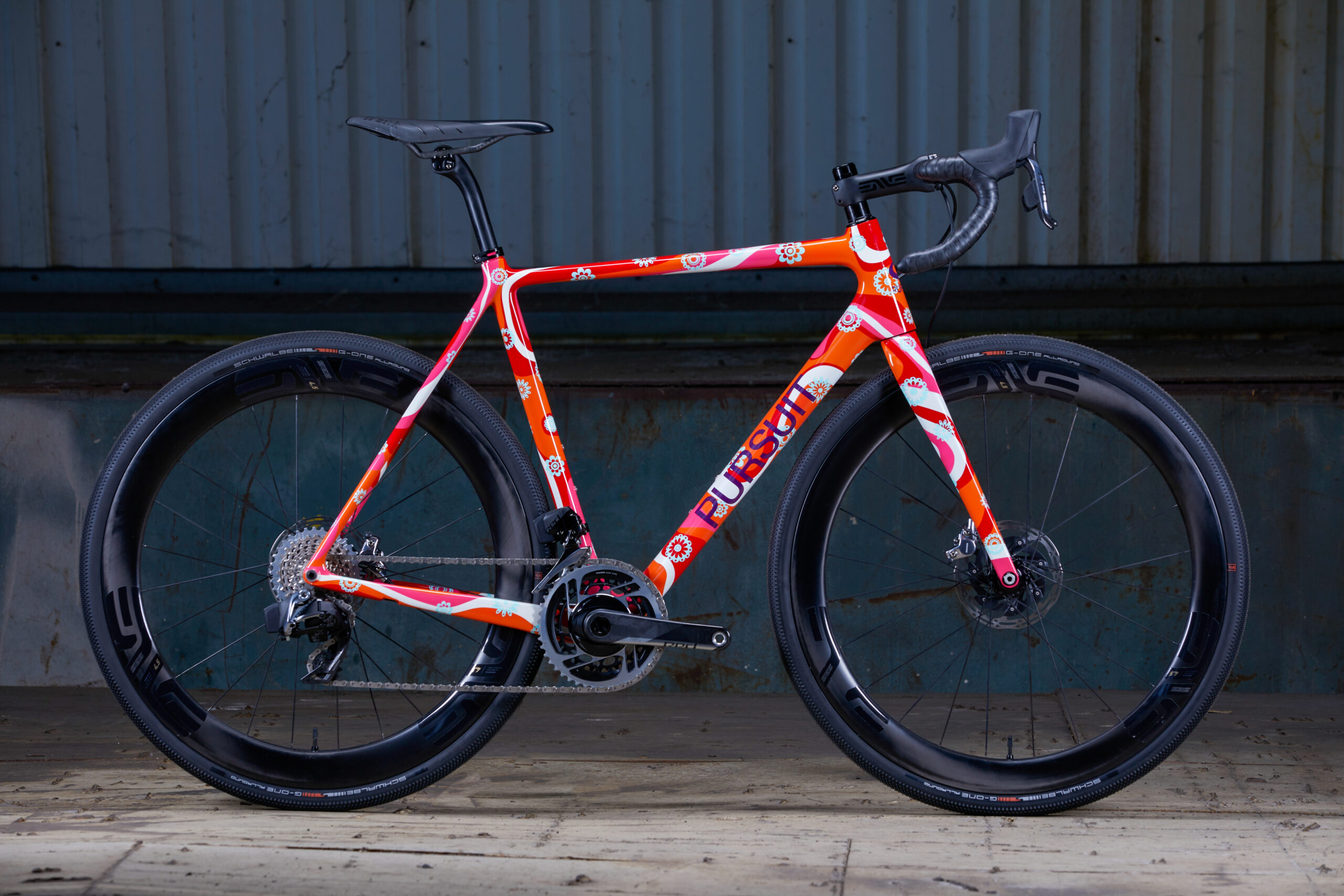
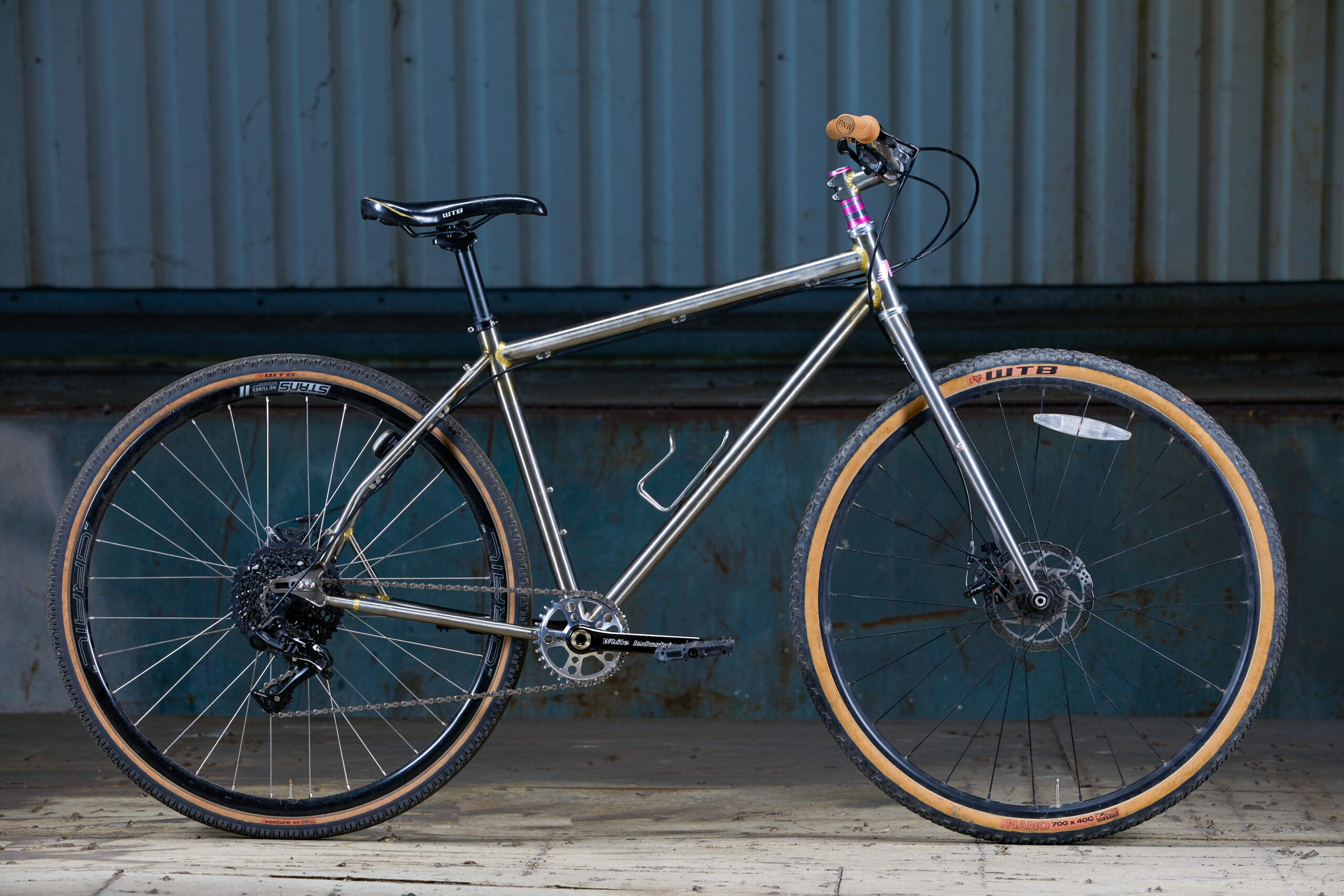
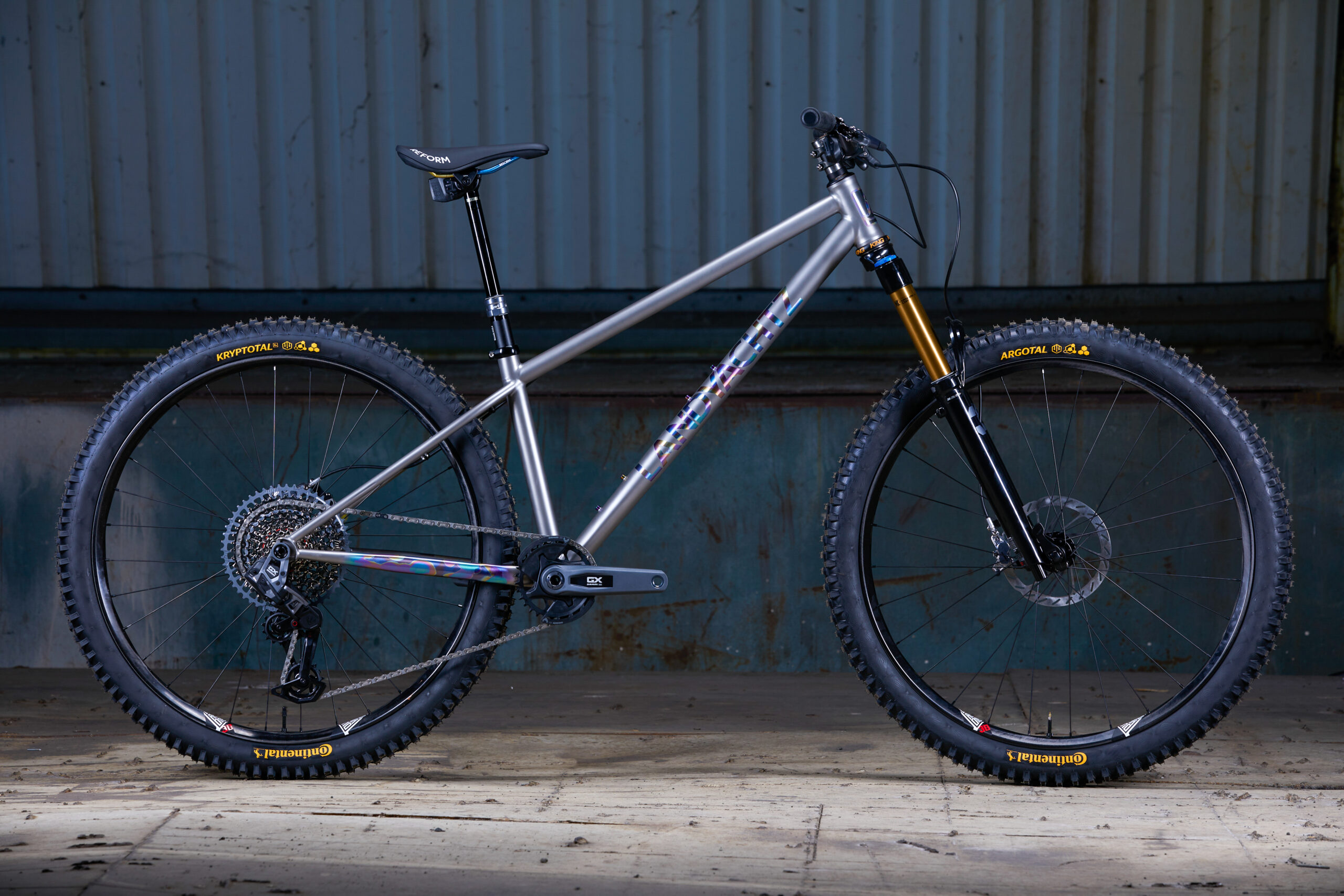
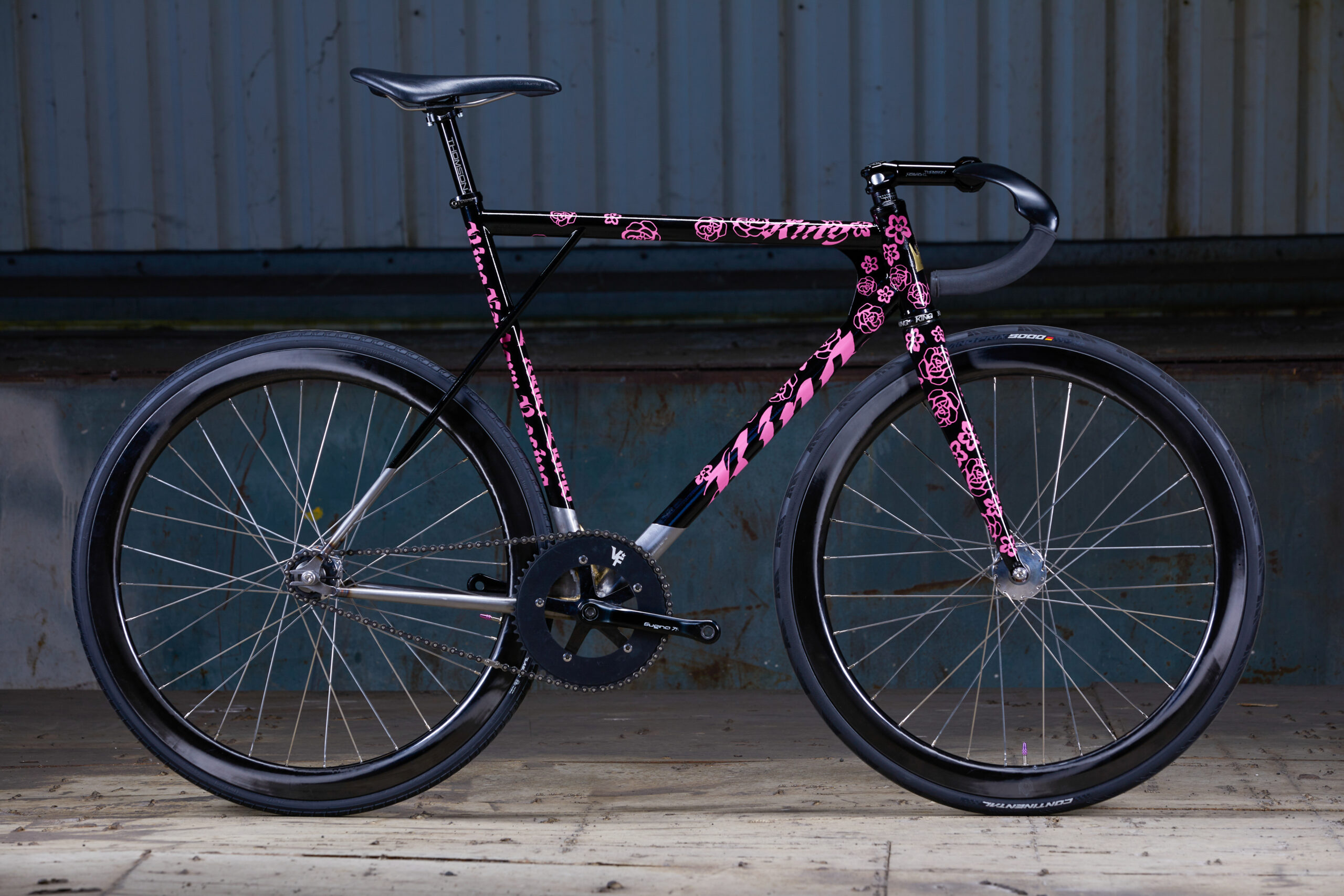
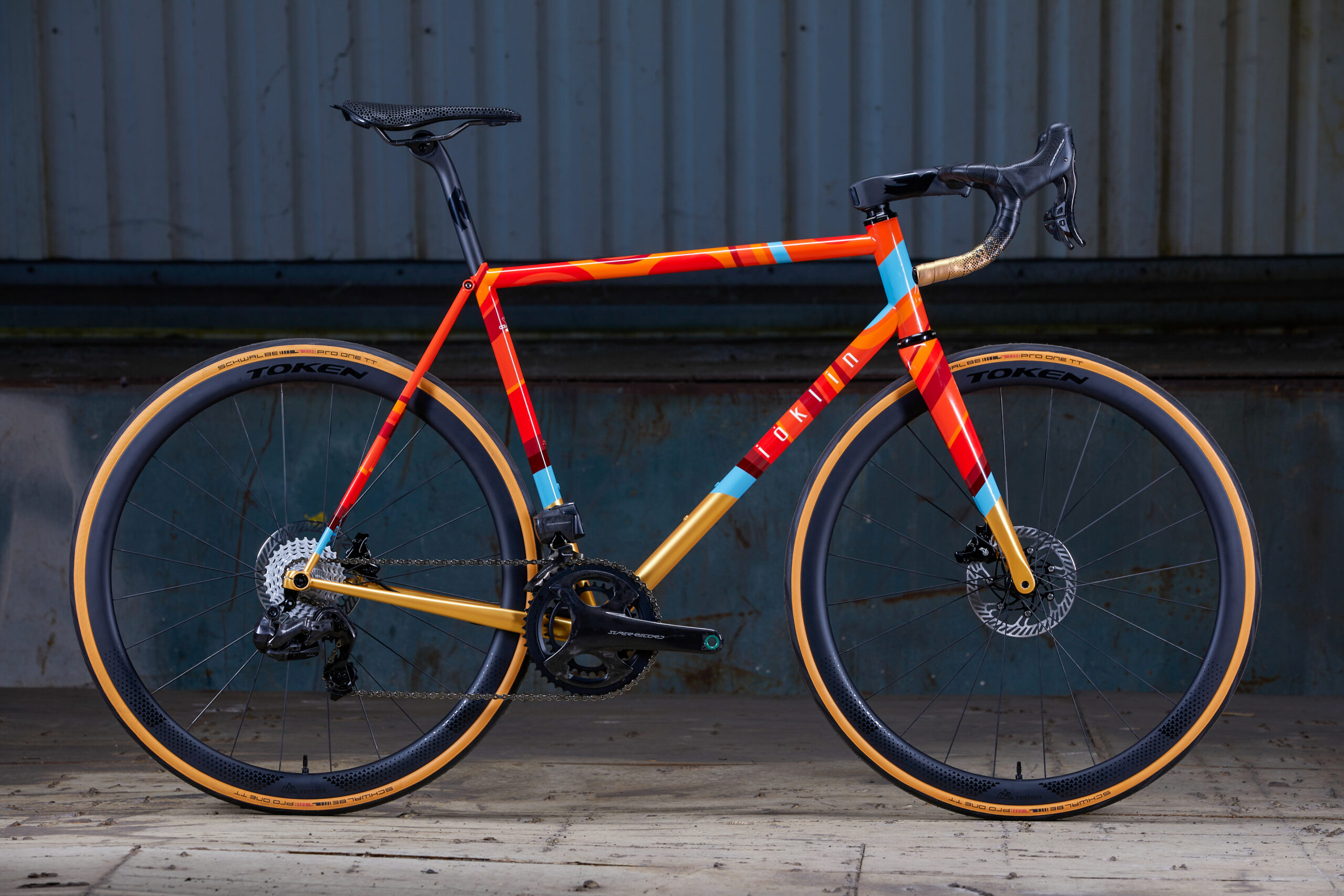
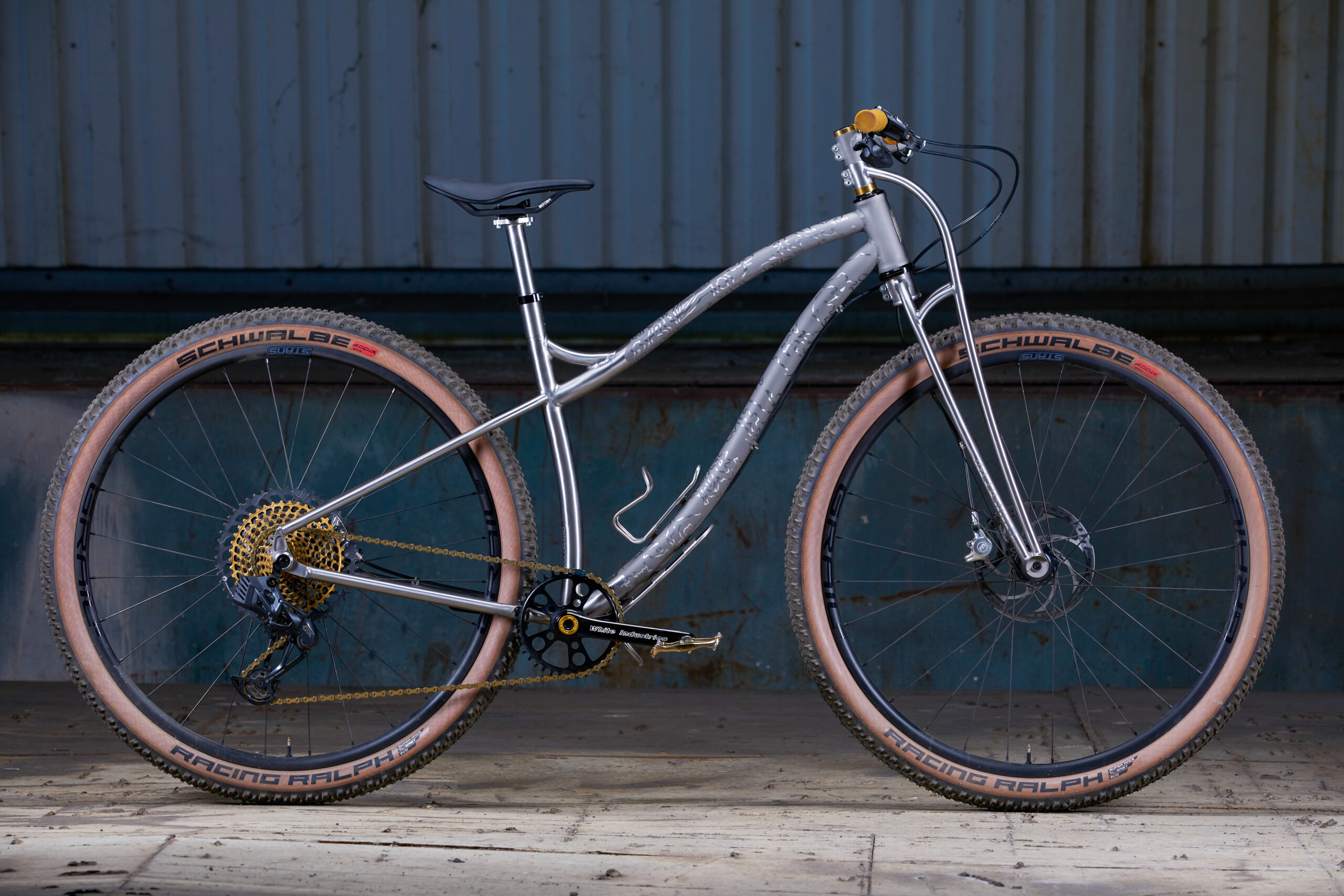
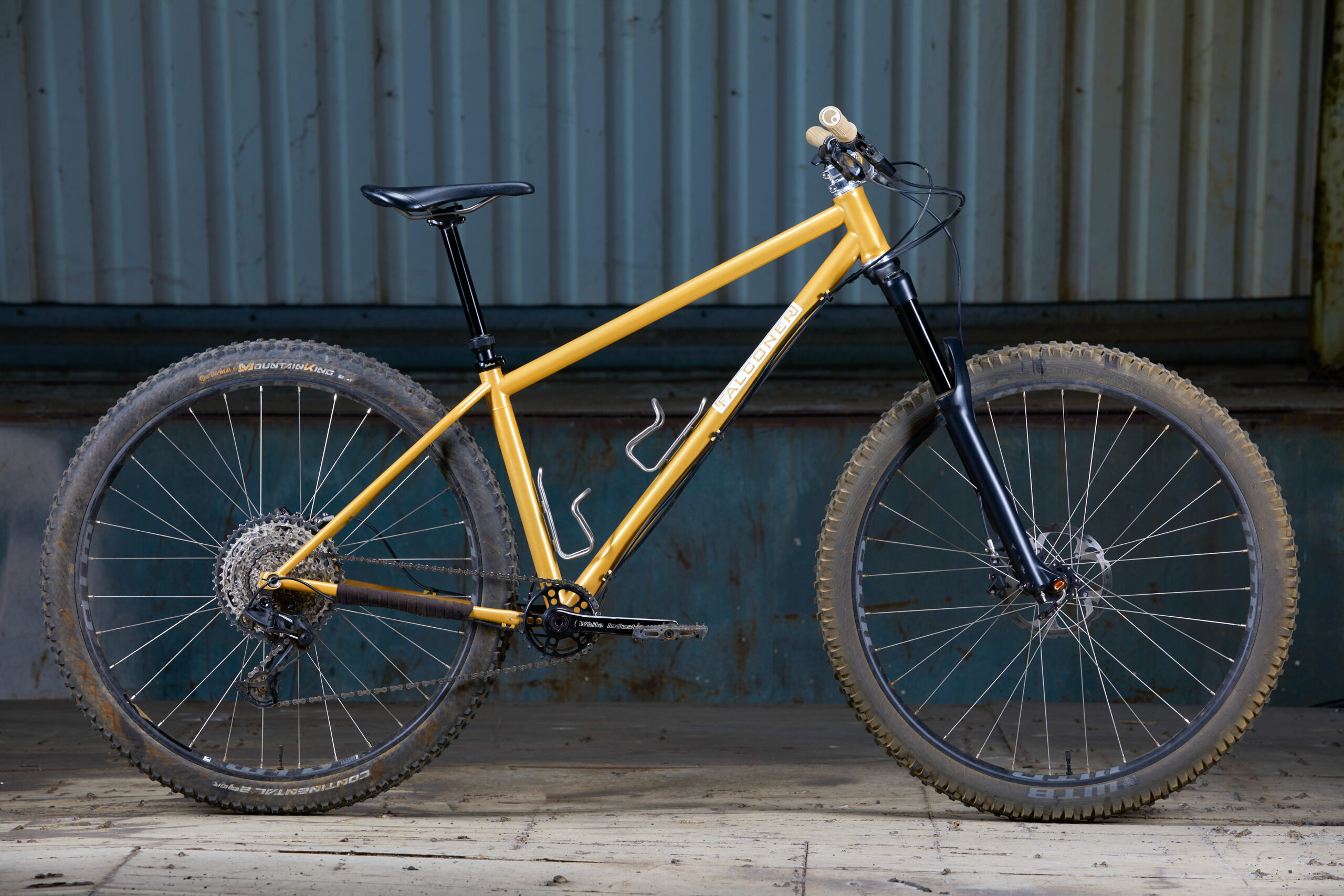
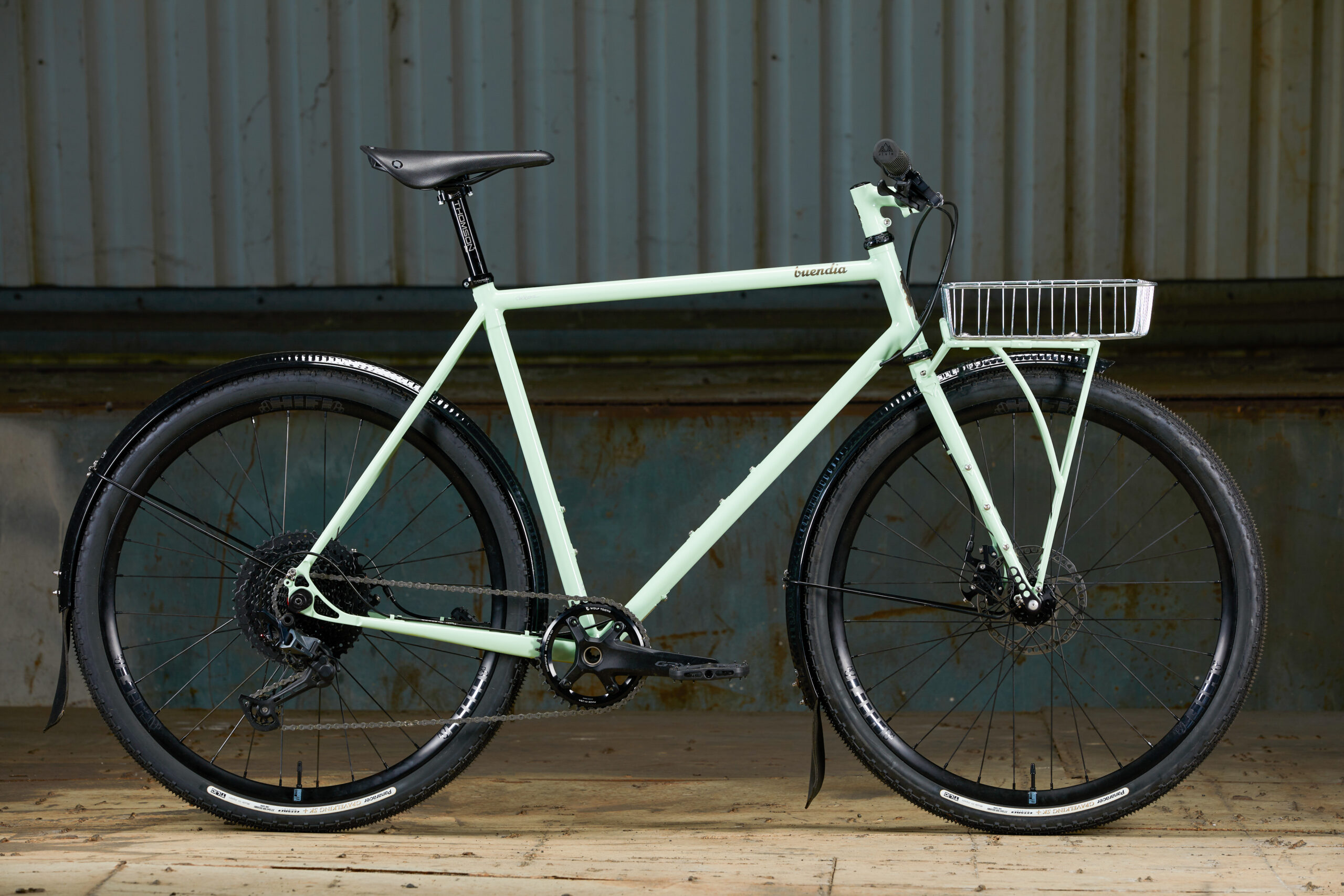
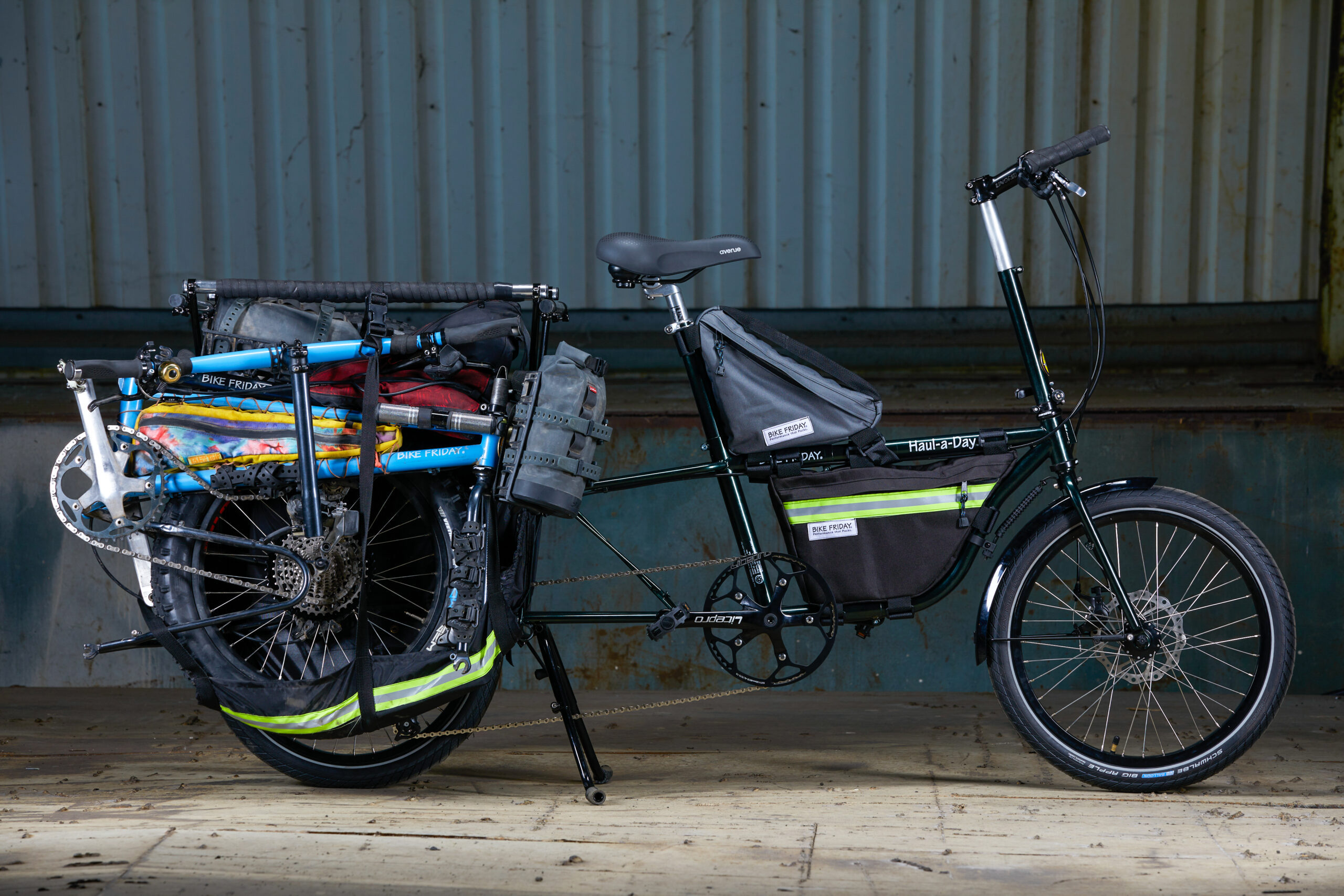
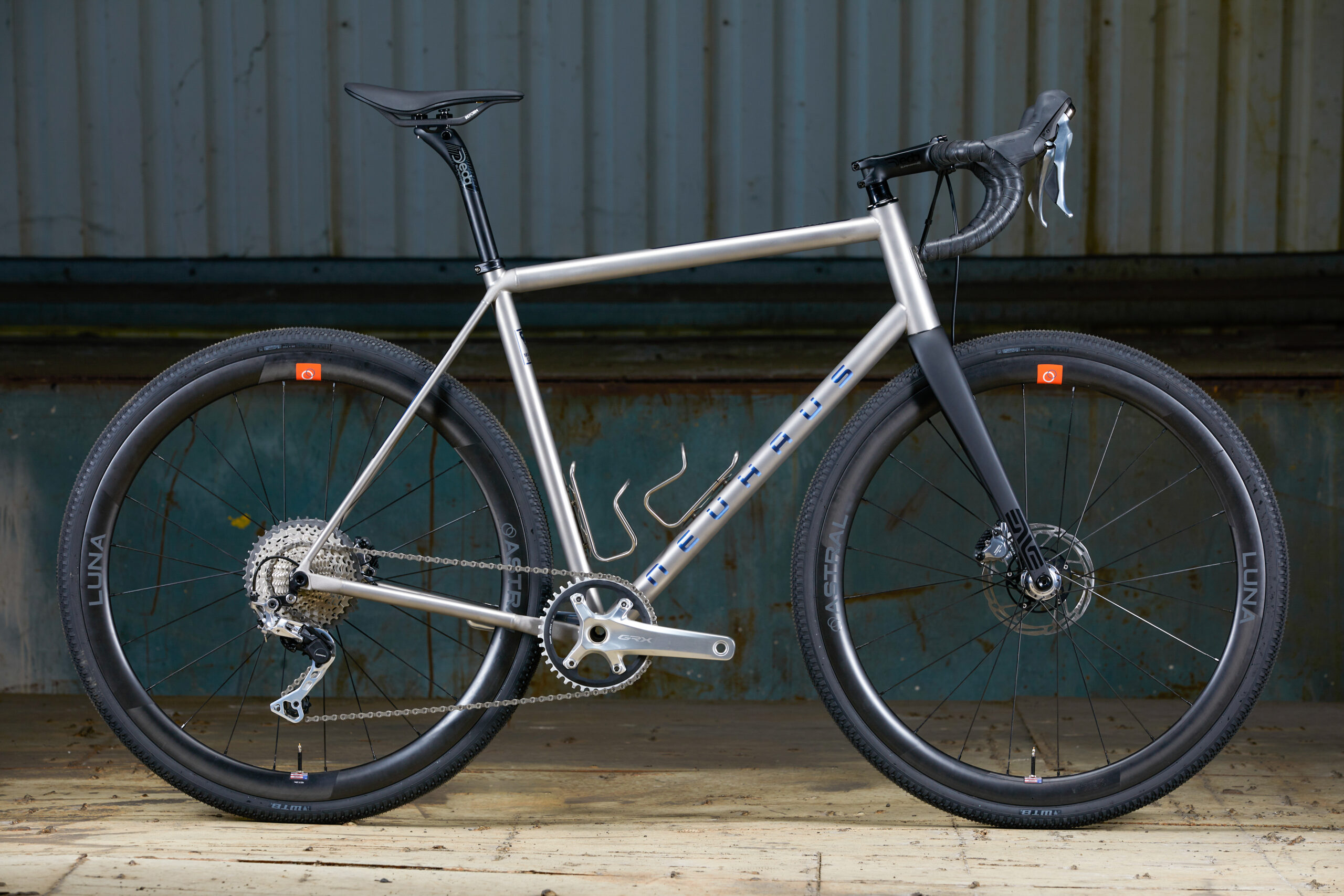
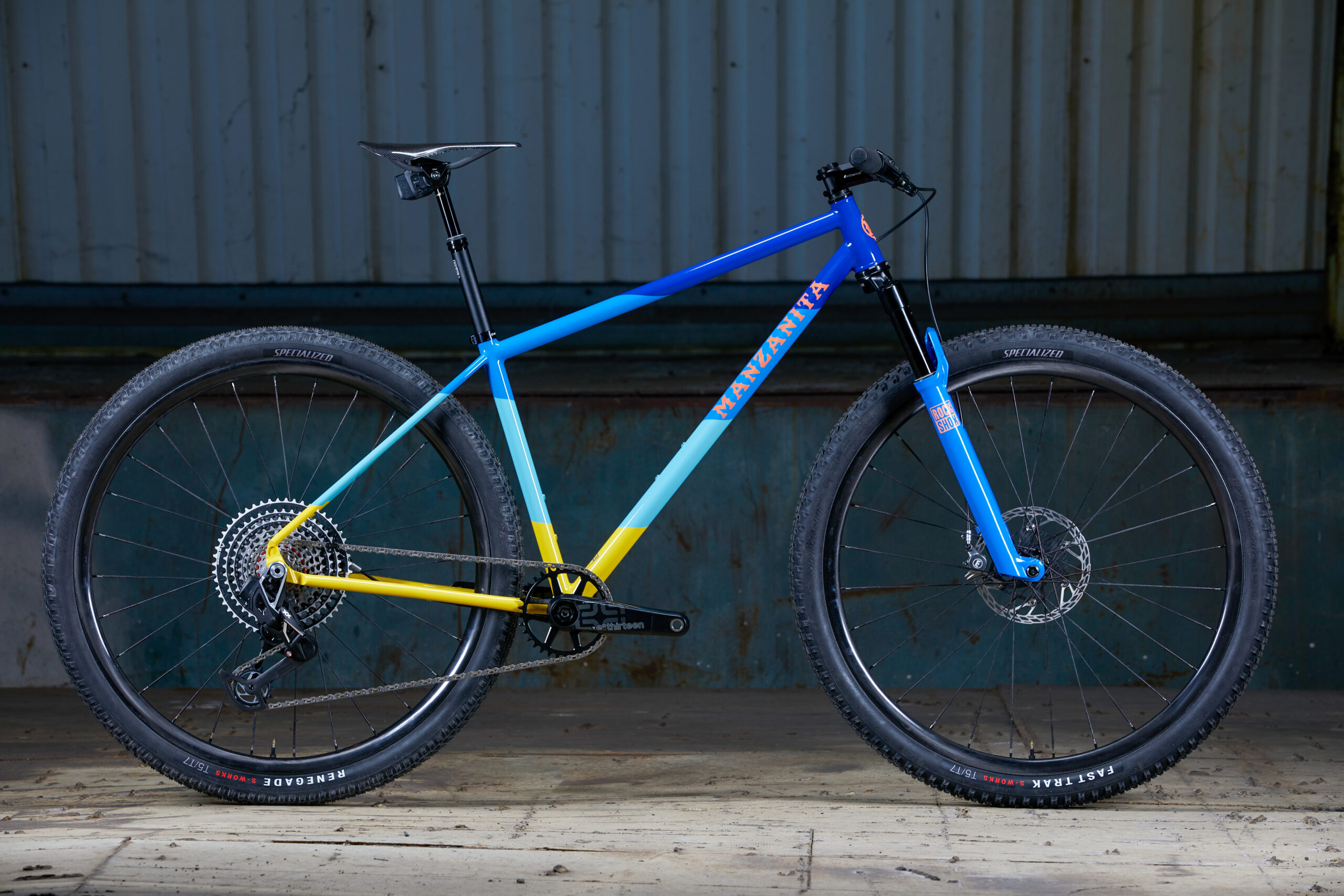
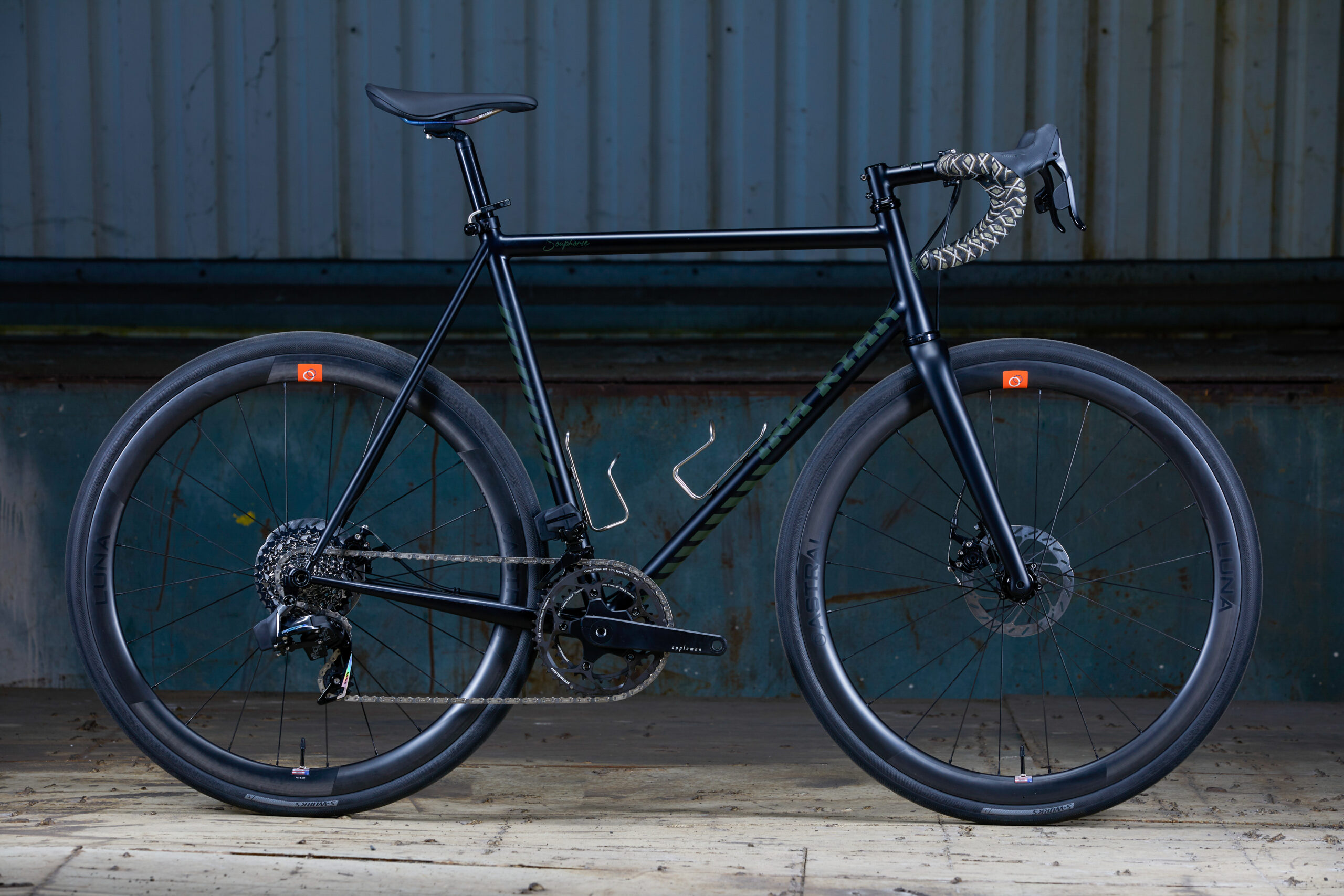
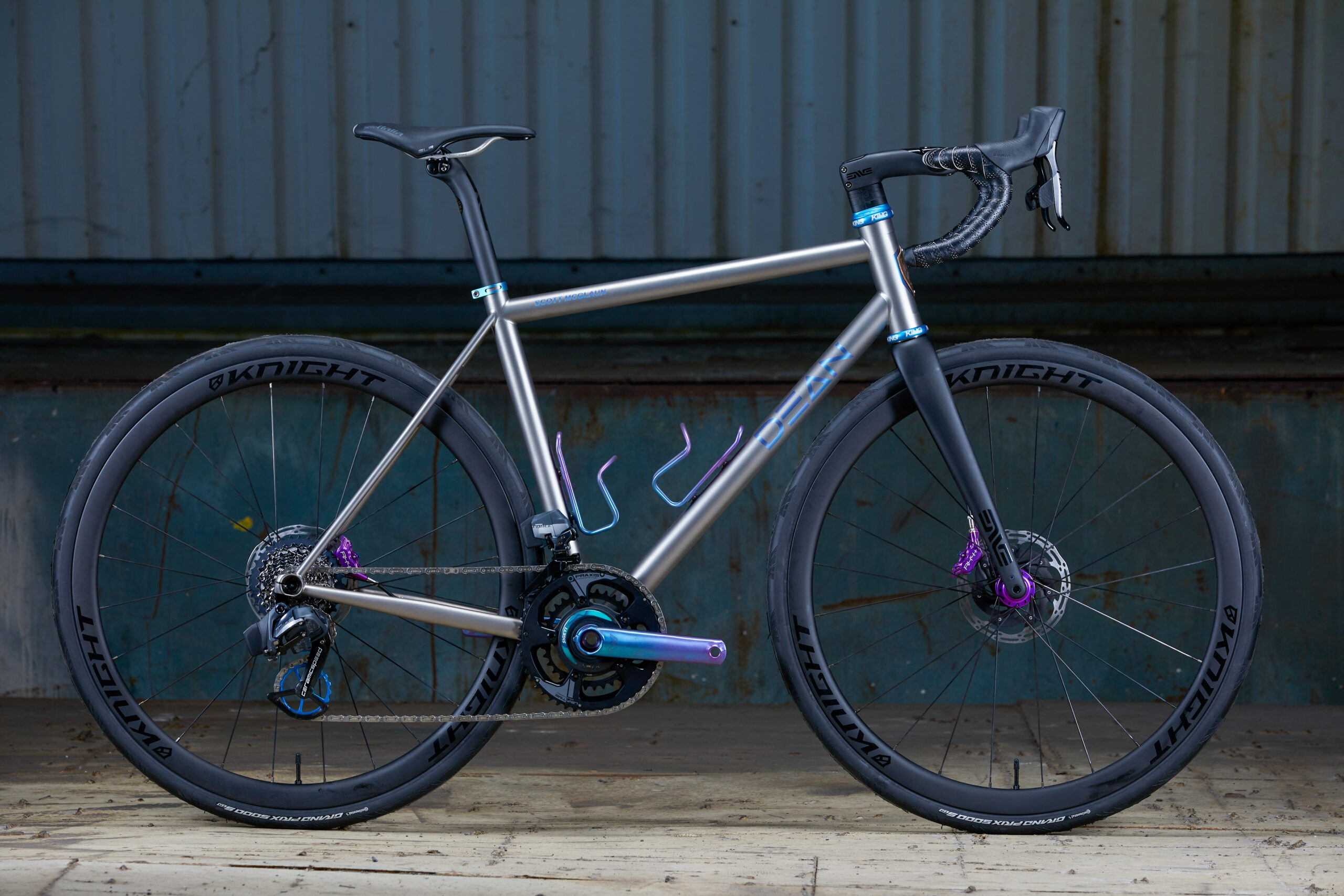
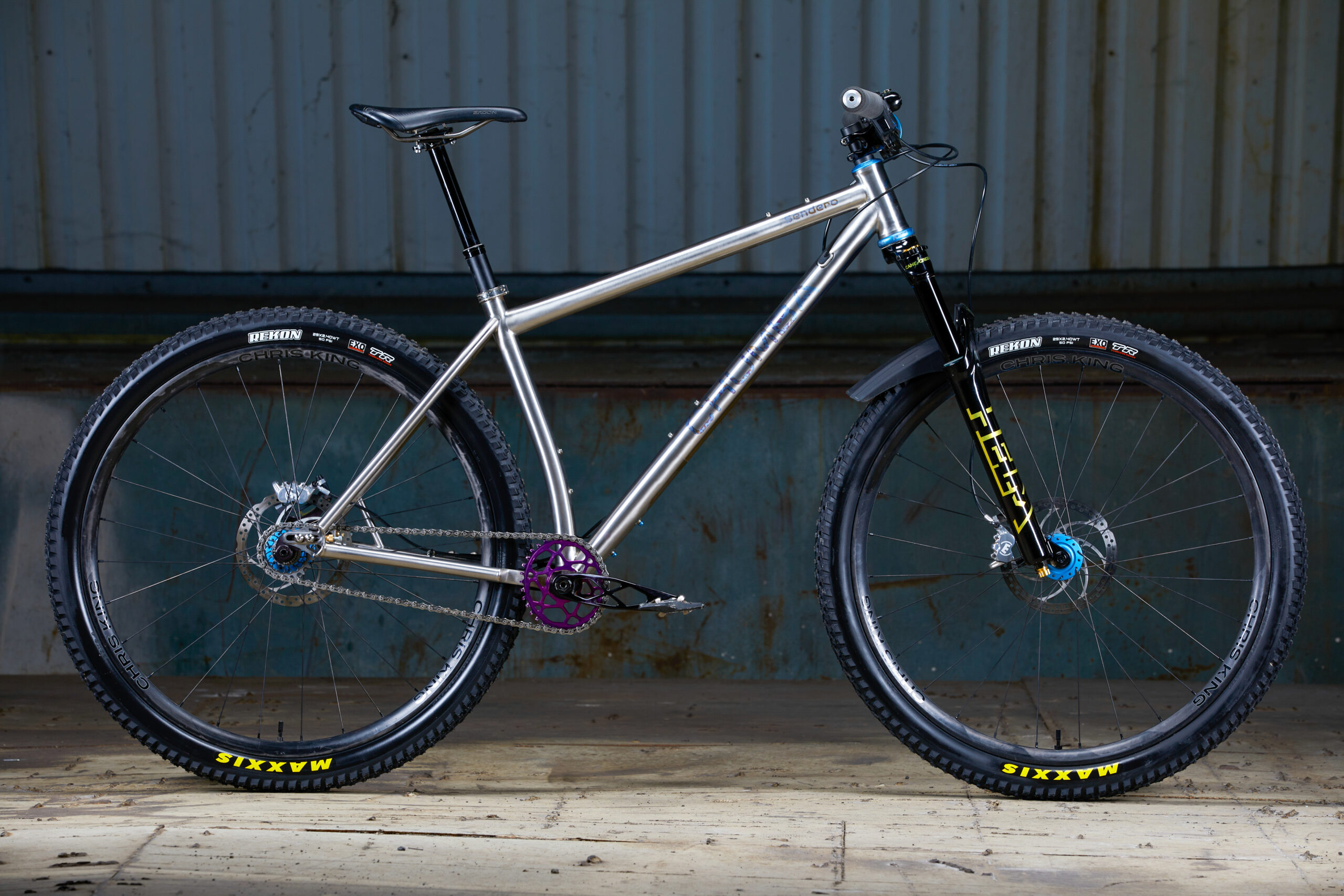
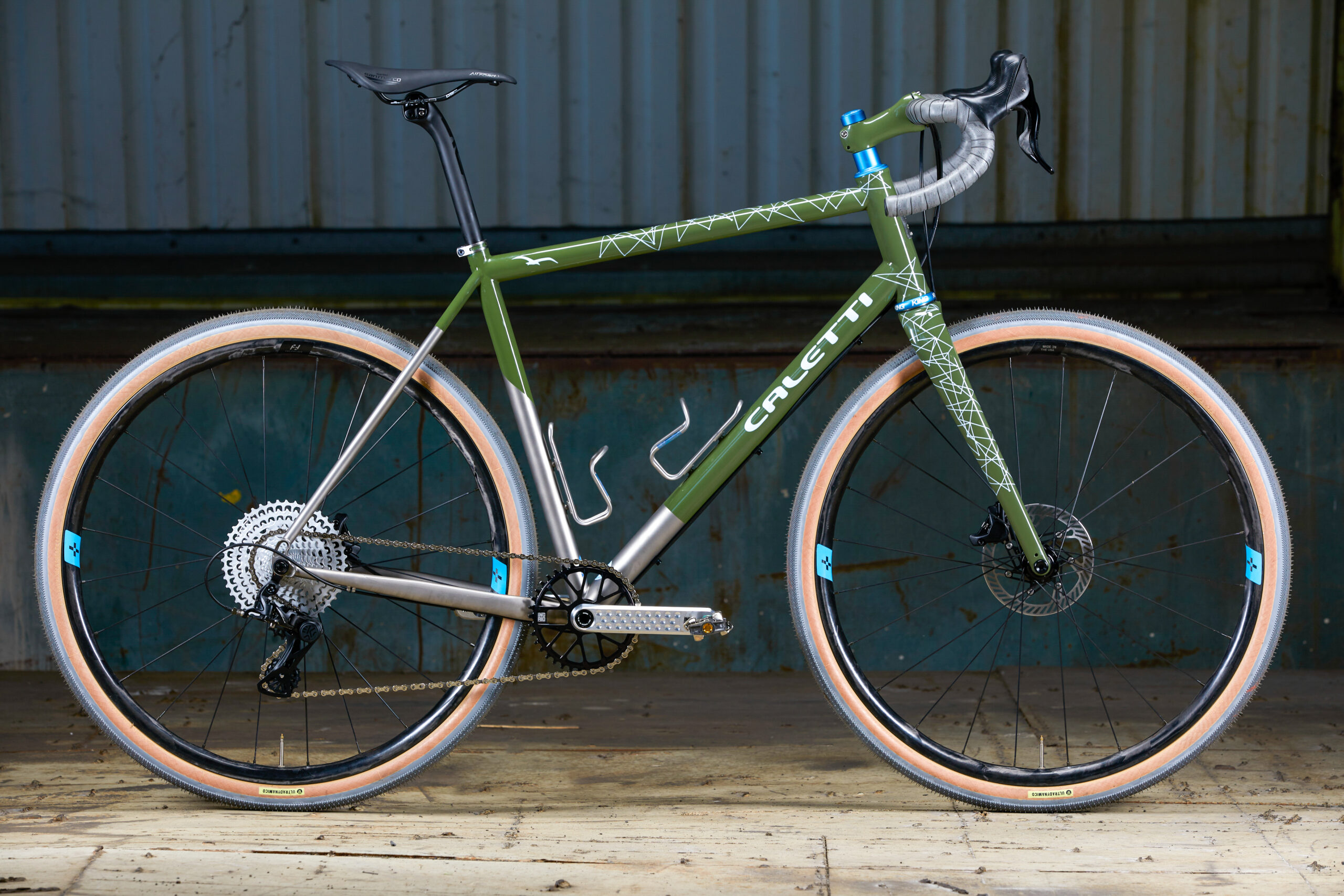
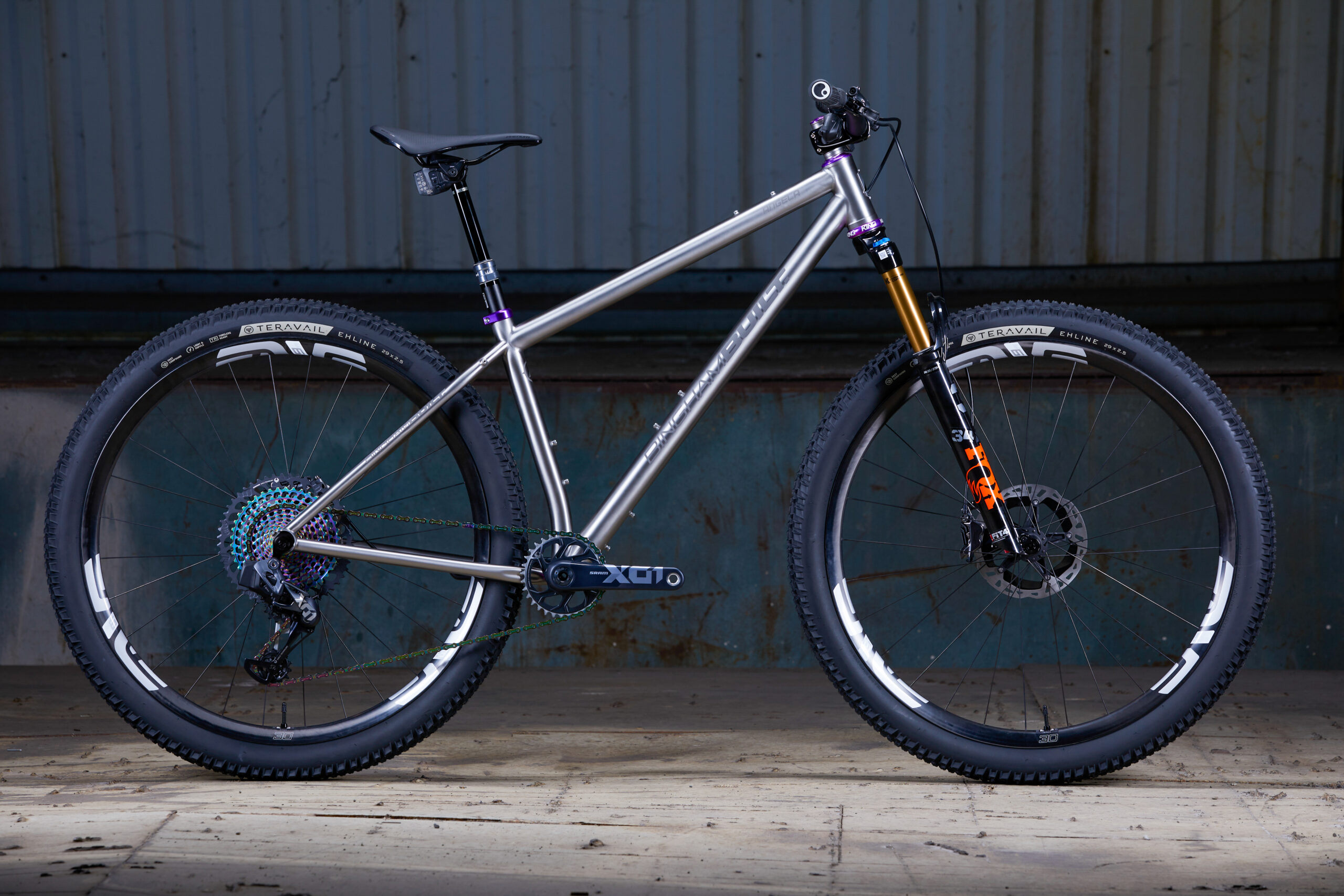
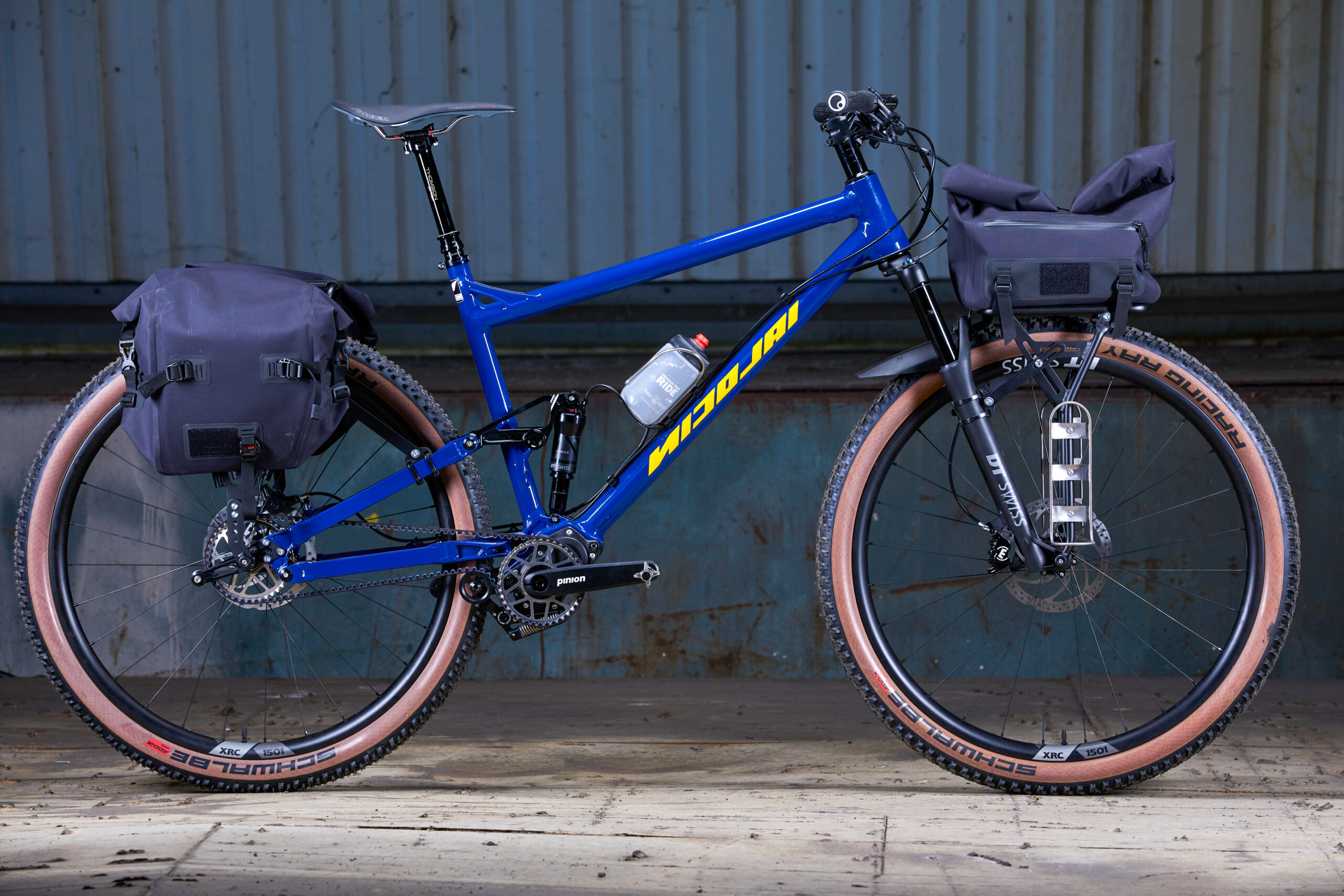
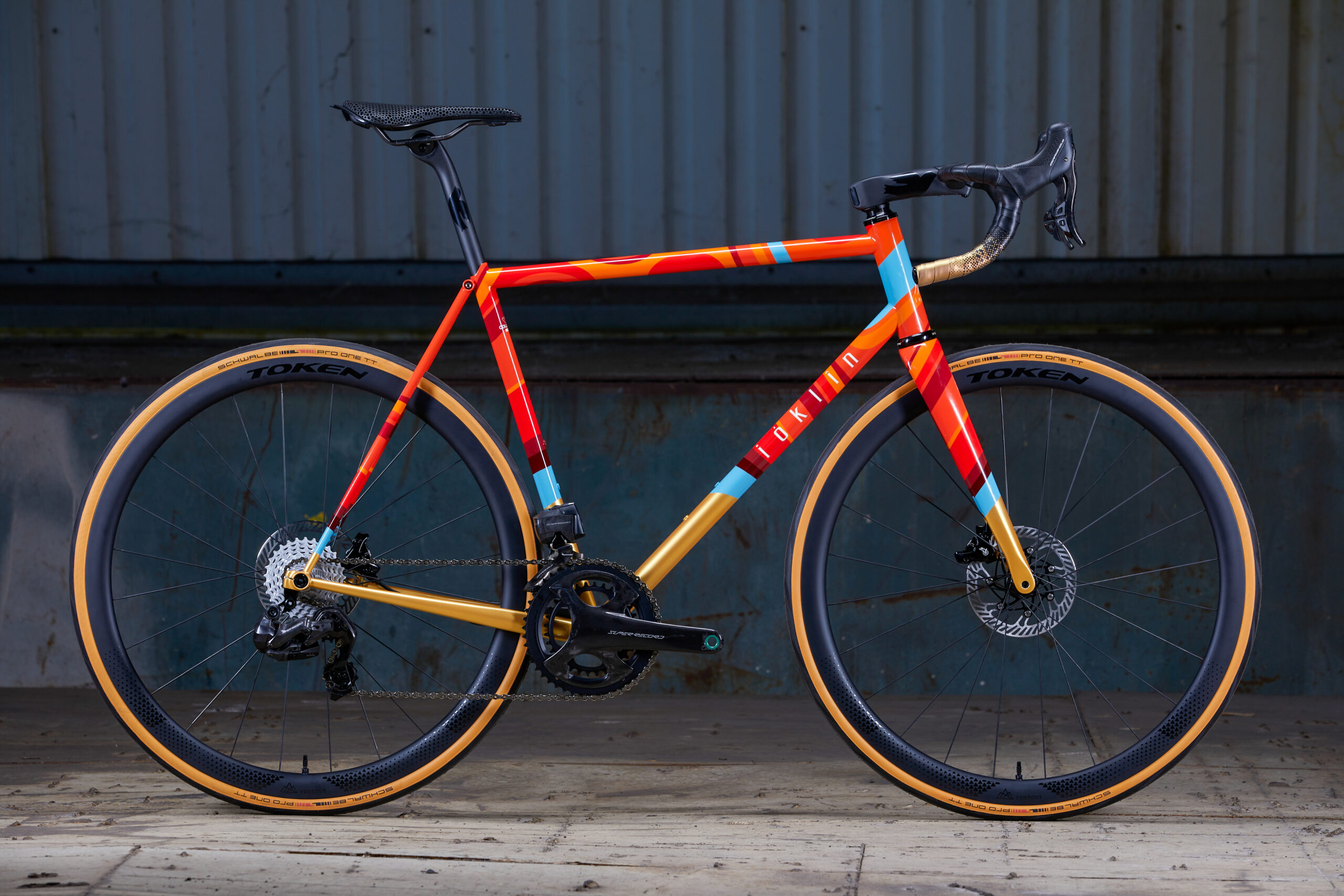
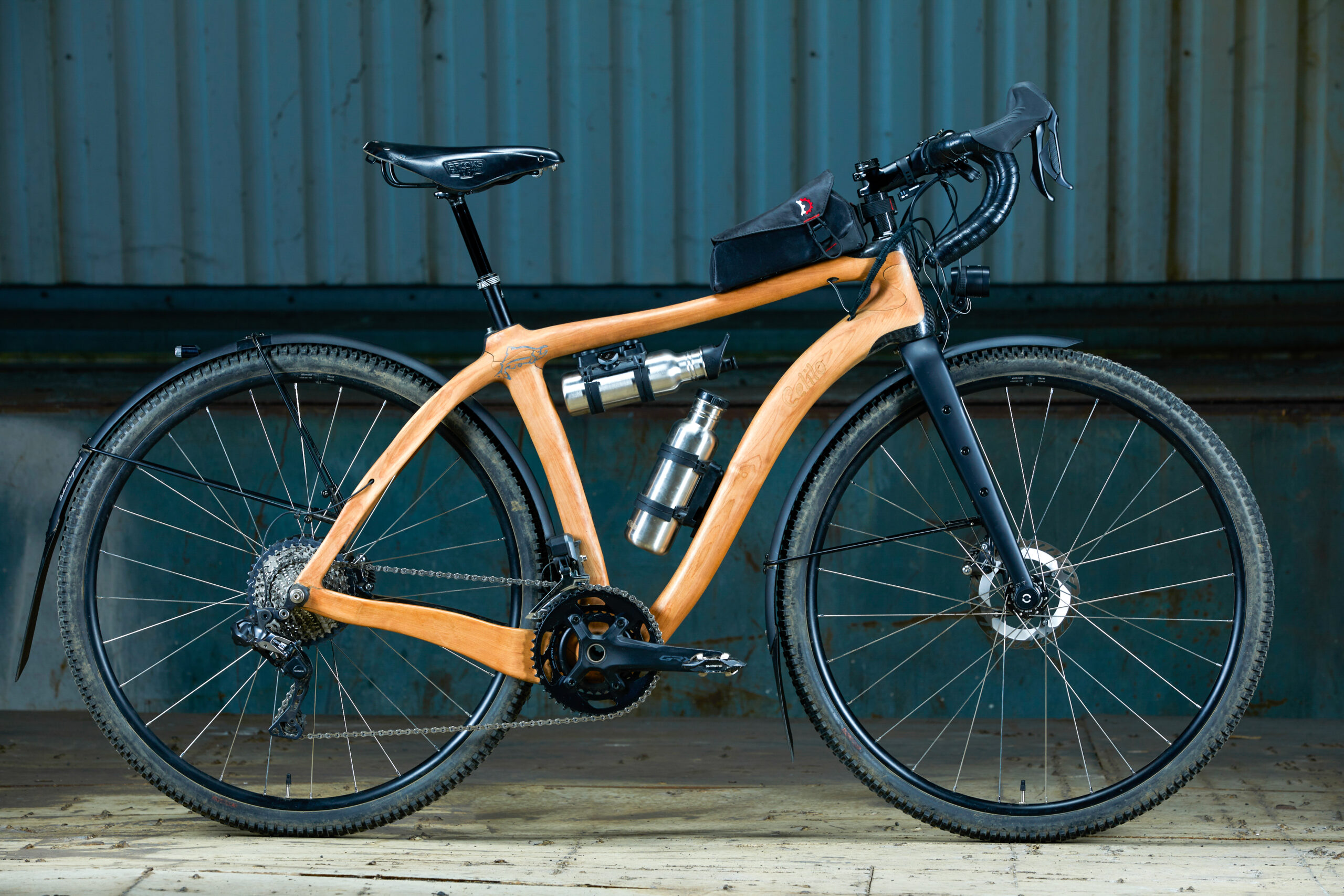
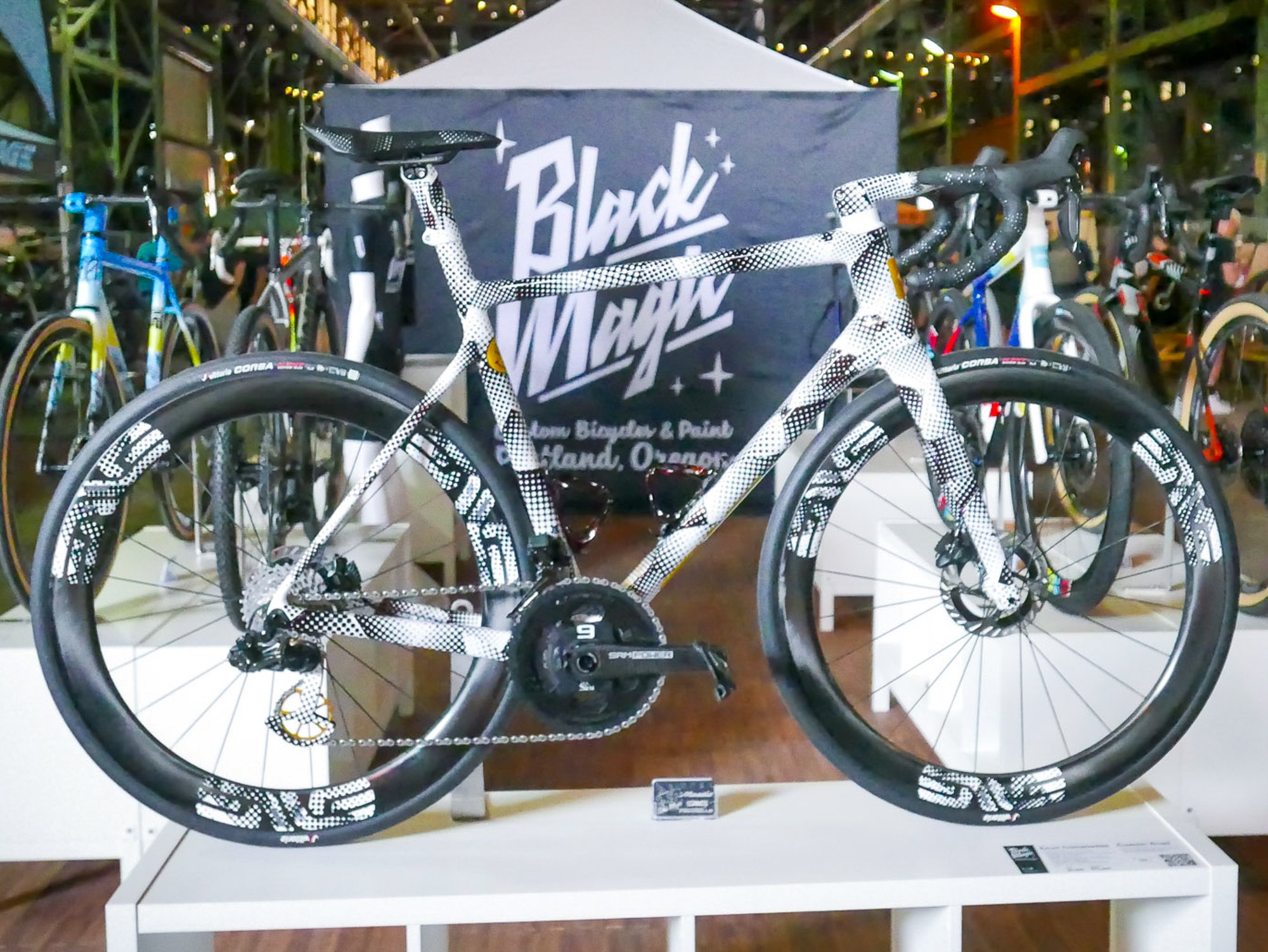
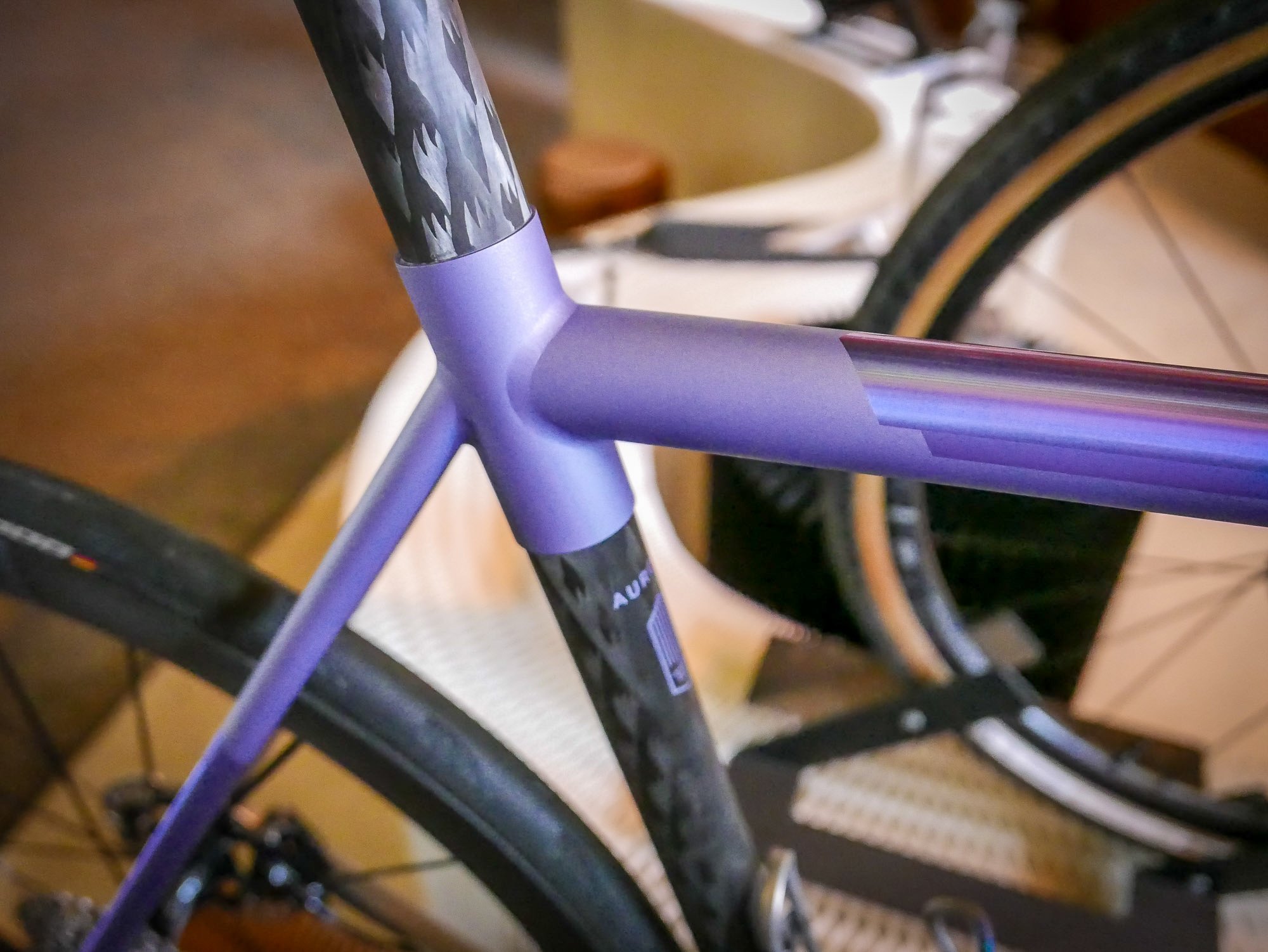
I was regrettably unable to cover the event since I was out of town visiting family all last week. But thankfully, the folks at MADE shared a gallery of beautiful, studio-quality photos of almost every bike that was in the show. See 111 of the bikes below thanks to MADE and talented, Portland-based photographers Bob Huff and Dylan VanWeelden (also don’t miss Dylan’s really cool IG video of all the action):

If you missed the show, check out great videos and more pics on the MADE.bike IG.


UPDATE, 12:48 pm: I assumed the gallery above was complete, but organizers say they will add more photos later today (local builder Breadwinner Cycles is notably absent). Check back Thursday morning for more bikes!

UPDATE 2, 8/31 at 10:36 am: The gallery should be complete now. Every builder at the show should be represented in the gallery above. If I’m missing anyone, please let me know!

Join us at the last Bike Happy Hour of Pedalpalooza (tonight!)

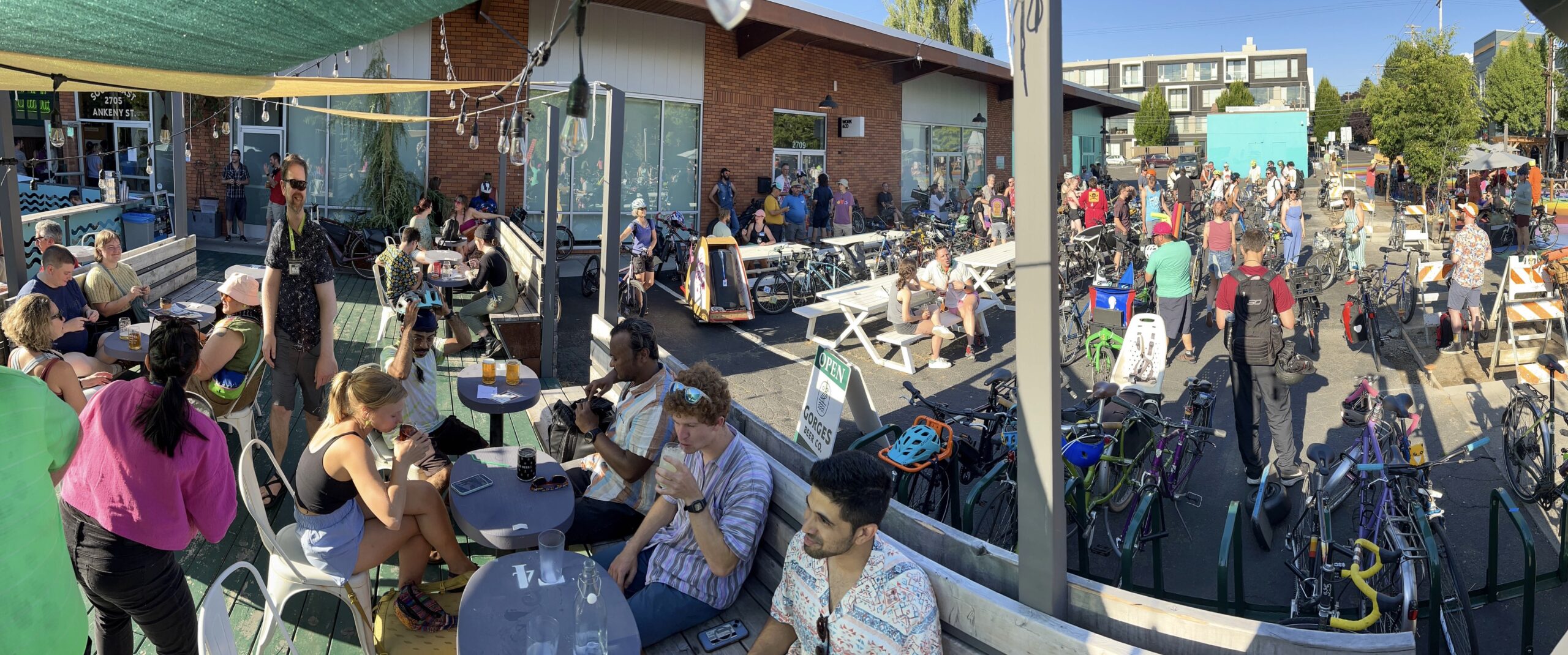
Panorama of Bike Happy Hour #15 on July 13th (sorry your face got smashed Ryan!). (Photo: Jonathan Maus/BikePortland)

School has started, I saw leaves on the ground on a walk in Peninsula Park last night, and the skies are moody and cool. Yes, summer is just about over, but we’ve got one last chance to revel in it together at Bike Happy Hour #22 tonight. (I realize it’s not technically the end of summer for a few more weeks, but the vibe has shifted after Pedalpalooza and going back to school. To be clear… Bike Happy Hour will continue all year long and forever!)

I missed seeing all of you last week while I was hanging with family in Southern California (my old hometown of Cypress in northern Orange County to be exact), so I’m really looking forward to refilling my cup with Portland vibes again. I drove what feels like hundreds of miles on a bewildering maze of freeways and stroads over the past 10 days. While being in that environment is deeply troubling to me on many levels, it also gives me perspective and helps me appreciate the transportation culture and facilities we have here. Let’s talk about this more in person shall we? (And ask me about how I paid $120 for one parking spot!)

I want to give big shout-out to Carey Booth, who stepped up to be the BHH ambassador last week. I felt much better knowing that folks would be greeted and treated right in my absence. Thank you Carey!

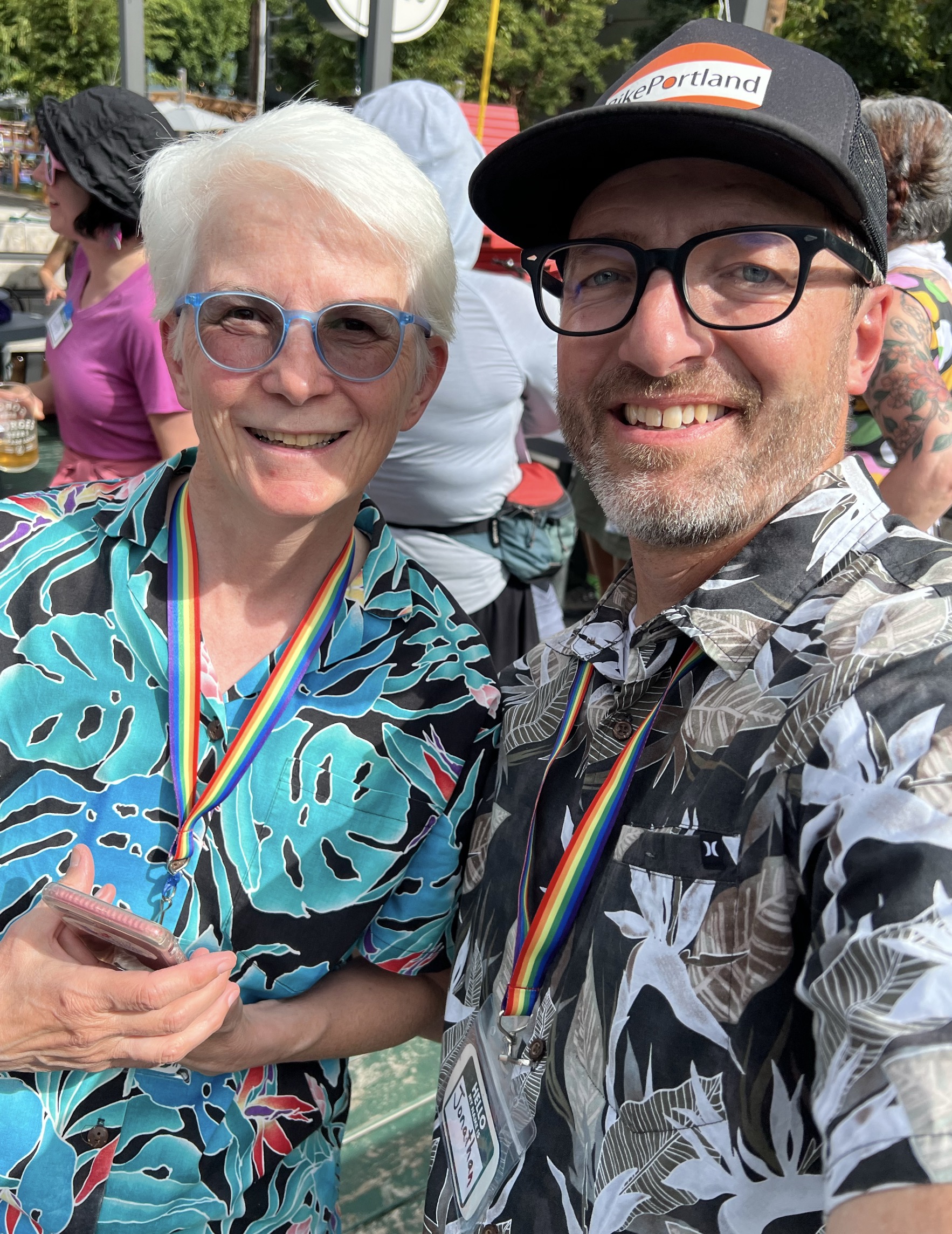
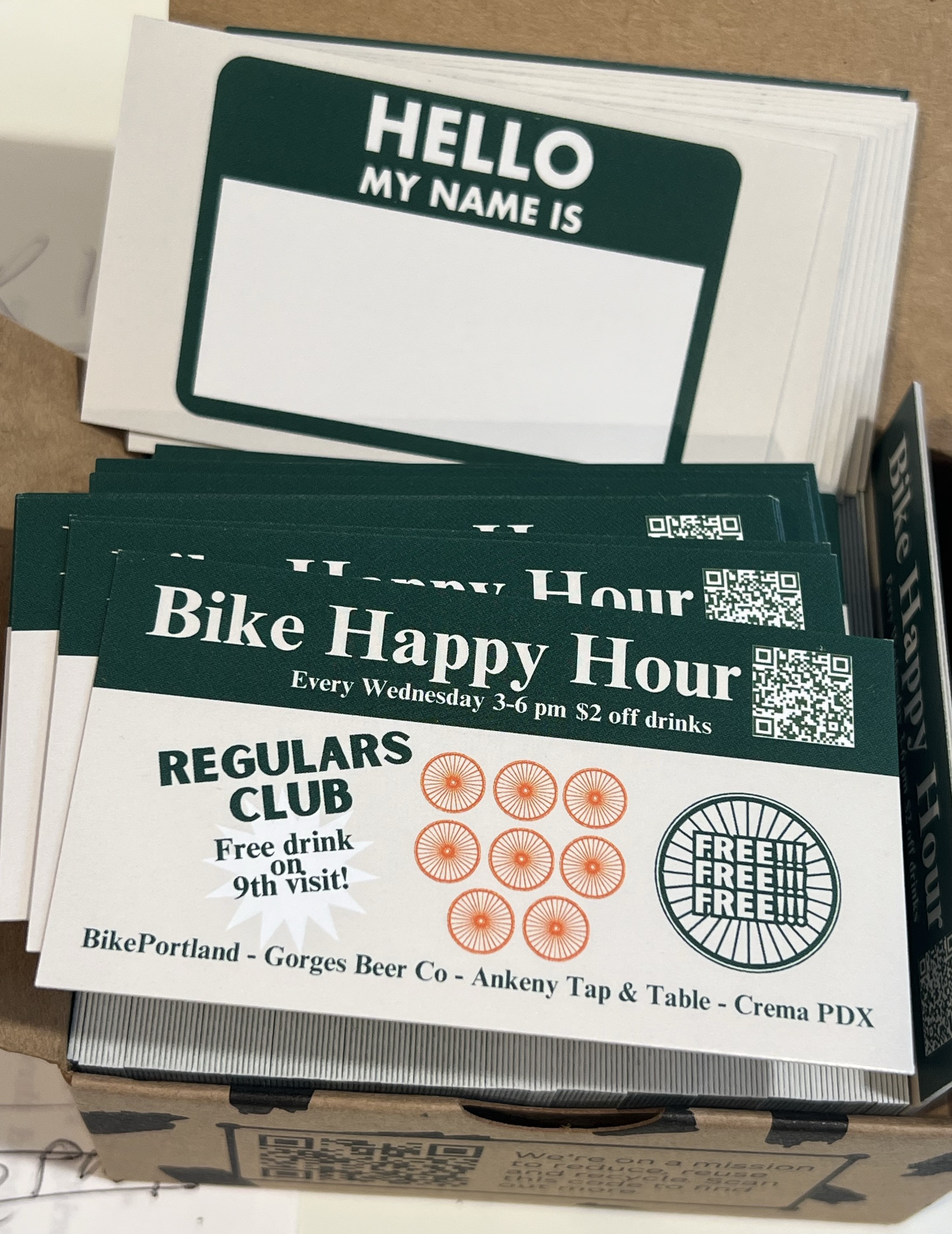
Carey also gave out our 350th Regulars Club card/name tag! I’ve got a fresh batch coming tonight if you need one. And just to remind you about the benefit of the club, at BHH #20 we had our first free drink awarded when regular Joe Perez cashed in his loyalty for a fresh Gorges Beer Co pint. Congrats Joe! If you need a Regulars Club card/name tag, make sure to track me down. And remember, you get $2 off all drinks — including coffees from Crema PDX and the full drink menu with non-alcoholic options at Ankeny Tap & Table.

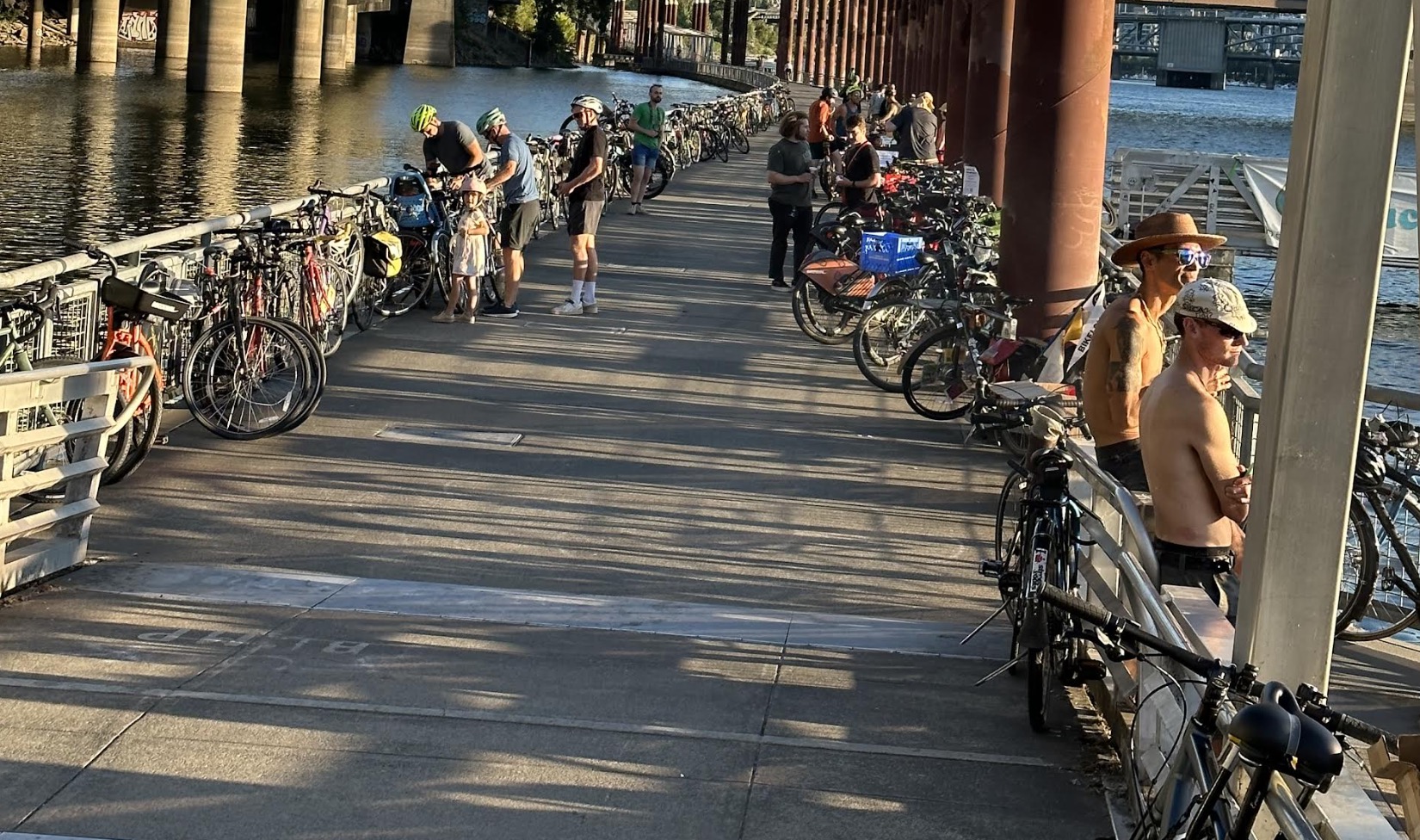
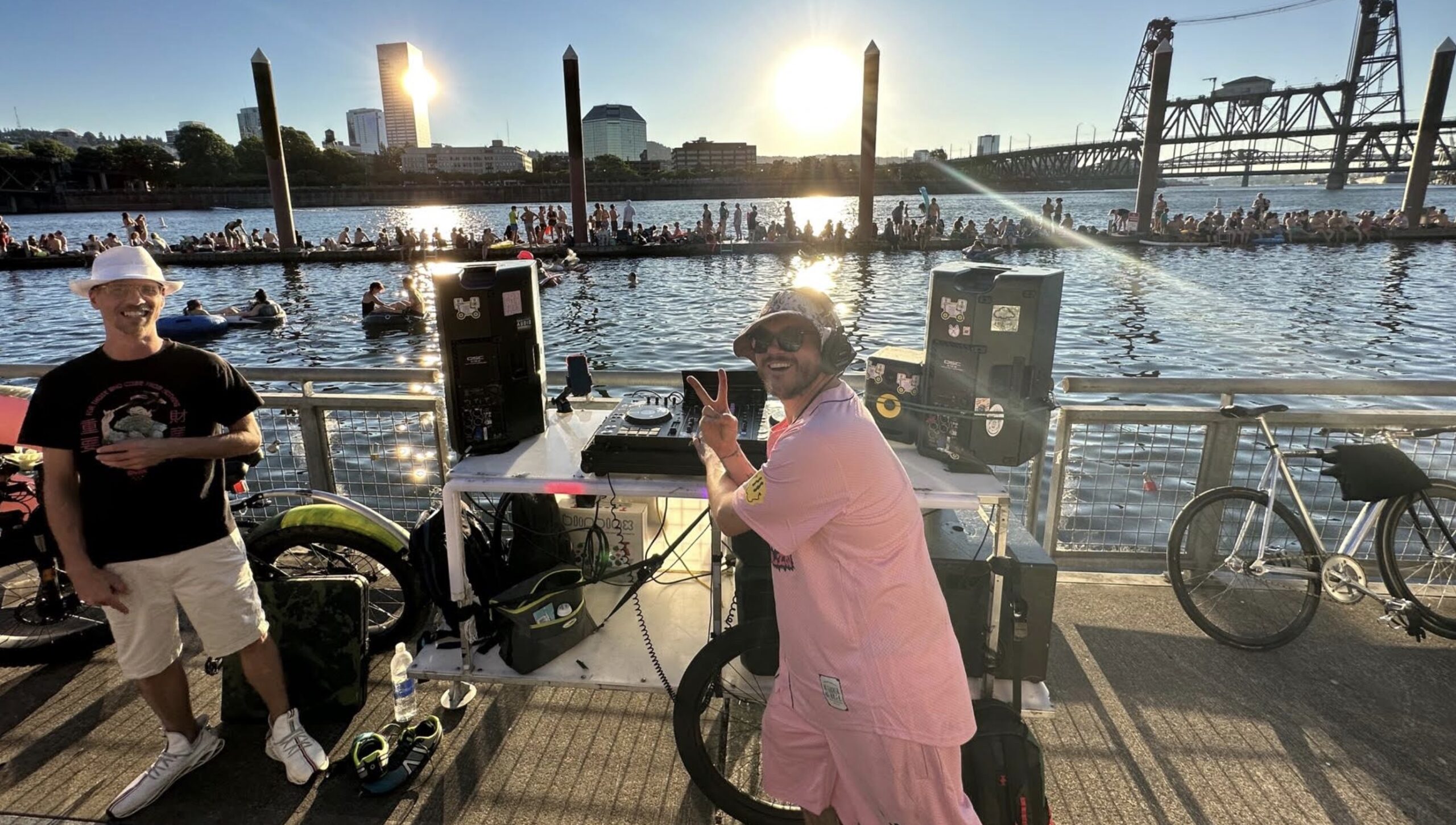
One last note about tonight’s event: you’ll have your final chance to enjoy Duckworth Wednesdays, the fun event we worked with Human Access Project on to get folks to bike and hang out along the Willamette River. The event was a huge success and — despite the buzzkill of the algae bloom these past few weeks — Willie and his friends at HAP say the water is fine at the Duckworth site. They’ve been swimming in it since Saturday and all is well. Even if you don’t swim, it’s a really fun place to be. And since tonight is the final blowout party, there will be a special musical guest (in addition to PopCartPDX): Ramblxr, the Celtic bagpipe-playing EDM master you might have seen at the World Naked Bike Ride after-party will be there! (Learn more on the FB event page.)

Thanks for making Happy Hour so fantastic. If you have any questions, beefs, or feedback, feel free to text, call or email me at 503-706-8804 and maus.jonathan@gmail.com. Can’t wait to see you tonight.

This week’s reading comes from NPR and relates to what we are doing at BHH by bringing people together: Why a stranger’s hello can do more than just brighten your day. Visit BikePortland.org/bikehappyhour for more info.

Opinion: The missed opportunity on SW Gibbs

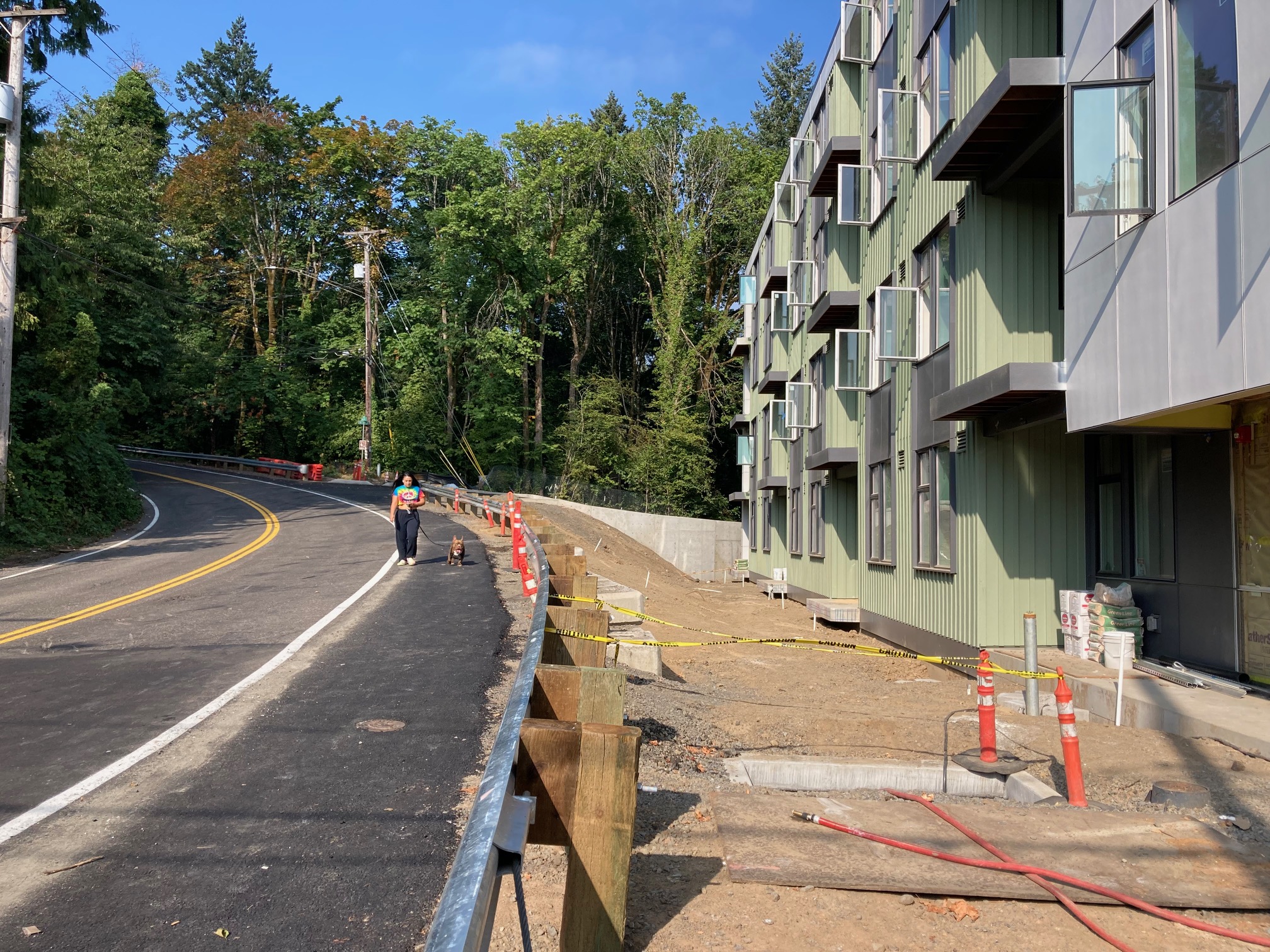
Woman walks a dog on the recently paved shoulder on SW Gibbs Street — where the landscaping will be protected, but walkers and bikers will not. (Photos: Lisa Caballero/BikePortland)

It’s almost a wrap, and this is my seventh post in a year-long series about the permitting of a new, 43-unit apartment building on SW Gibbs Street, just up the road from the Oregon Health & Sciences University (OHSU) campus on Marquam Hill.

The Portland Bureau of Transportation’s (PBOT) Development Review desk signed-off on the building permit, but only required a five-foot asphalt shoulder for people to walk along rather than a sidewalk, despite Portland City Code 17.28.020 mandating that:

The owner(s) of land abutting any street in the City shall be responsible for constructing, reconstructing, maintaining and repairing the sidewalks, curbs, driveways and parking strips abutting or immediately adjacent to said land…

The site

This past month, workers completed the shoulder and we can now see what that looks like. The design has people walking in the narrow, banked street next to cars, along a guardrail which blocks the pedestrian from stepping off the roadway.

The land north of the street, between the guardrail and the building, is owned by the city—the property line runs about three feet in front of the building’s façade. Site plans show that the land between the guardrail and the building will be landscaped.

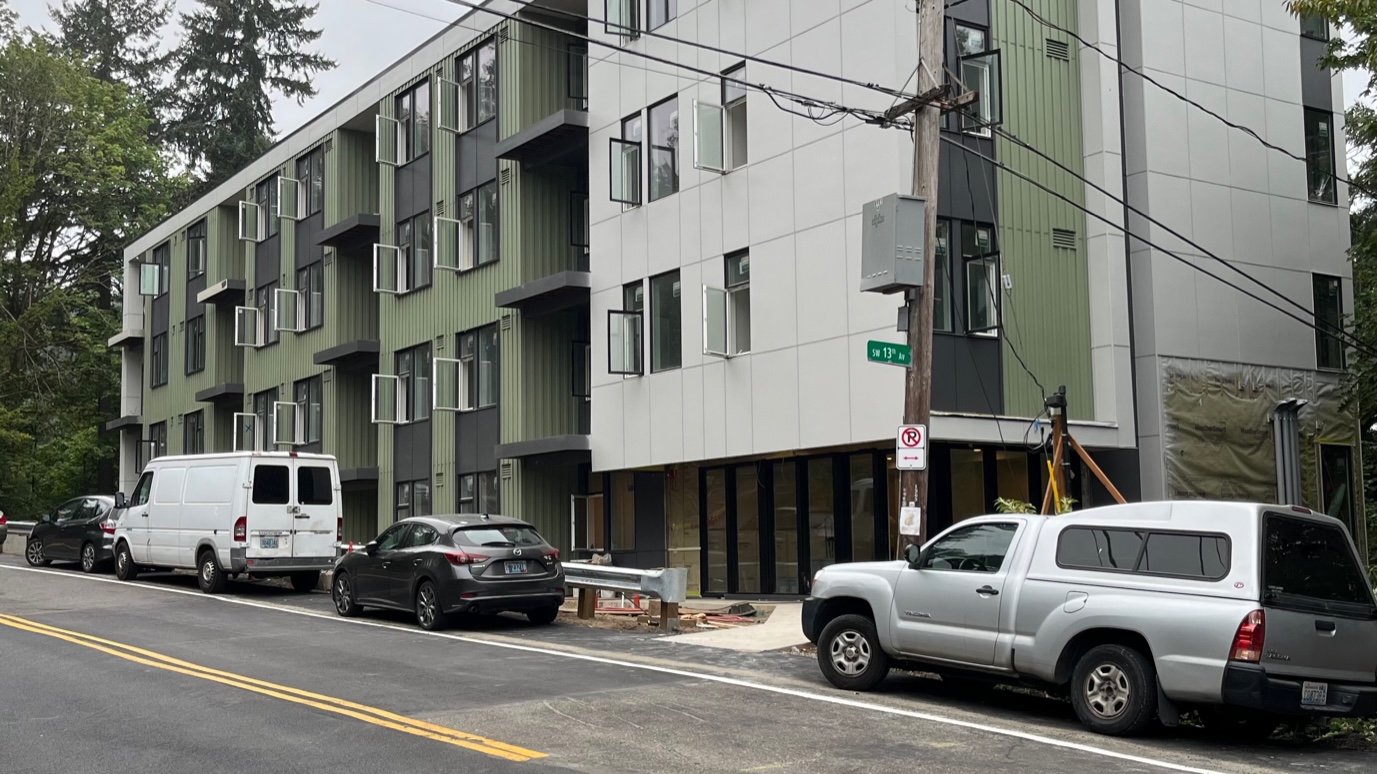
Cars illegally parked on shoulder in front of new apartment building.

According to the most recent traffic and speed counts (2014 and 2018) Marquam Hill Rd (Gibbs becomes Marquam Hill Rd in the turn) carries between 3,000-4,000 cars a day, with 87% of the downhill drivers traveling above the posted 25 mph speed limit. This route is the only western entrance onto the OHSU/VA campus and is a popular cut-through for OHSU-bound drivers who exit westbound Hwy-26 at the Sylvan off-ramp miles before the more direct Hwy-405 Broadway Drive exit to OHSU, in order to avoid the tunnel traffic into downtown Portland and also to enjoy the beautiful drive over the hill.

Marquam Hill

I have written seven articles about Gibbs not because there is anything unusual about its “walking in the road” sidewalk treatment, far from it, this is typical of frontage improvements in southwest Portland.

No, if there is something special about the Gibbs treatment, it is that it is happening at this location. The new apartment building is just up the street from the OHSU emergency room; OHSU is Portland’s largest employer, and the premier medical center and biomedical research facility in Oregon; it has around a $4 billion operating budget and is currently building a $650 million hospital expansion. Gibbs Street is rapidly densifying with medium-sized apartment buildings and it has incomplete sidewalk coverage. The city imposed a parking cap on OHSU two decades ago which has resulted in limiting available parking to one spot for every three employees; consequently, OHSU had a pre-covid mode-share of 17% of employees commuting by bike.

“I live around here and I’d like to start riding a bicycle, but the road makes me too nervous.”

For cyclists, the widened shoulder provides a bike lane through part of the narrow curve, and makes that segment of the Gibbs/Marquam Hill route a little safer.

I spoke with a woman jogging on the new shoulder early Sunday morning and asked her what she thought. “It’s OK, I’m glad they put it on the outside of the curve—but I think it could be better.” When I mentioned to her that I was writing an article for BikePortland her face lit up. “I live around here and I’d like to start riding a bicycle, but the road makes me too nervous.” There are indeed lots of fast drivers and close passes on Marquam Hill Rd and Gibbs St.

By Monday morning work hour, the new shoulder on which she had been jogging was full of parked cars, as you can see in the photo above (on either side of the “No Parking” sign).

PBOT responds

I reached out to the Portland Bureau of Transportation (PBOT) earlier this week to see if they had a further statement about why a protected walkway at this location was infeasible, or to learn if they had modified their plans to include a path. Public Information Officer Dylan Rivera responded that,

PBOT always works to make sure our frontage requirements for development are reasonable, and when it comes to helping build housing such as this project on SW Gibbs, that is all the more critical to help the city address Portland’s housing crisis. PBOT worked with other city bureaus and the developer to require a wider shoulder, including some work outside their project area, to provide better access for people biking and walking than has been in place at the site on SW Gibbs. A standard sidewalk and protected bike lane would have required construction of an extraordinarily high and expensive retaining wall and movement of water and sewer lines.

Is there a solution to this?

Southwest Portland has the least sidewalk coverage, and the fewest completed bike routes of any area in the city and the current policy of requiring these facilities to be built piecemeal by developers as frontage improvements to land developments is not working well. The process is not transparent and relies on volunteers at neighborhood associations being savvy enough about permitting to effectively advocate for walkways and bike lanes.

The city should acknowledge this and commit to a plan to provide the infrastructure necessary to support environmentally responsible and safe growth in southwest Portland.

Job: Experienced Mechanic – The eBike Store

Buffered Bike Lane with a bike symbol and arrow pointing forward

Job Title

Experienced Mechanic

Company / Organization

The eBike Store

Job Description

Hello!

We are a fast paced shop looking for a great mechanic. Full Time, year round.

The person we seek should have at least 5 years of bike shop mechanic experience.

must be able to:
* build wheels
* troubleshoot drivetrain issues
* Manage multiple tasks
* be reliable, fun to work with and a great team player
* work efficiently and focus on quality, as well as output.

Preferably, (but not required) will eat, sleep and breath mountain biking. We’d love it if you know how to rebuild front and rear suspension. Electric experience is not required, we can teach that – but must be willing to learn

We pay well. Have 6 days paid holiday leave +PTO + vacation, +health & dental.

How to Apply

Send us at email at info@ebikestore.com with your name, phone number and a brief work history.

Comment of the Week: Two views of on-street parking

Every once in a while a pair of comments are a perfect foil for one another. Both are reasonable, you nod in agreement with each of them … and then you notice they express opposite opinions.

That was the case with a pair of comments by TakeTheLane and dw, each writing in response to our Paved Paradise book review. I understand where each of them is coming from. Last week, happenstance brought them within inches of one another, today I’m putting them right next to each other. Why? Because their conflict is exactly what the book is about. It’s the problem parking experts grapple with. Although I didn’t emphasize him in the review, economist Donald Shoup figures prominently in the book. And Shoup‘s book was titled, The High Cost of Free Parking.

TakeTheLane goes first:

Perhaps residents of these structures built without off street parking should receive “free” public transit passes for each person. The cost could be included in the rent, or condo fees. This could help encourage residents to not own cars that take up all of the on street parking in a neighborhood. I take great offense when someone who is not visiting my immediate neighbors or me takes the parking spot under the shade trees that I take care of, and leaves their car there for days at a time. This did not happen before the multiplexes were built in my neighborhood. For 25 years I have lived 6 blocks from where the (new to me) Yellow Max Train line was built and on street parking is diminishing quickly.

And now dw:

This book is definitely on my list. I think that off-street parking, and the discourse it spawns when it comes to changing the status quo, is so fascinating.

There seems to be this black-and-white view that if you live somewhere with scarce parking you can’t own a car. I feel like taking away off-street parking can still influence the behavior of “I’m never giving up my car” people. When buying new cars, they are incentivized to buy a smaller car that is easier to park. I own a Honda Fit and when I do choose to drive, never have trouble parking because it’s so small. Households might also go for one car and a cargo bike instead of 2 or 3 cars if parking is constrained. Cars are bad but smaller cars are less bad.

You might also end up parking further away, which makes biking and transit more attractive options. I park 5-6 blocks away on the street but the bus stop is right across the street and the bike room is just downstairs. Even for folks who won’t or can’t stop driving everywhere, that 6 block walk is probably a good thing – they’re at least interfacing with their neighborhood on foot, rather than just through a windshield. Street parking directly adjacent to apartment entrances and spots in garages should be reserved for handicap-only IMO. Some people legitimately can’t walk 6 blocks and we should be planning for that.

I guess what I’m getting at is that we should be framing these policy issues as reducing driving rather than reducing car ownership. Most folks are not opposed to replacing car trips if the alternatives are more convenient than driving, but still prefer the security blanket of car ownership. I think most folks are on board with driving less, but not giving up their cars entirely.


It is important to BikePortland to provide an outlet for varying opinions, thank you TakeTheLane and dw for sharing yours. You can read what everyone thinks under the original post.

Monday Roundup: Autobesity, e-bike manifesto, safe systems, and more

Happy Monday everyone. Greetings from California. I can’t wait to get home to Portland. I love being down here in Southern California with my family, but I miss home. And I’ve done sooo much driving in the past week! It really bums me out how car-centric things are down here.

Enough about me (for now)… Here are the most notable stories our writers and readers have come across in the past seven days…

Get tough on drivers: Like I’ve been saying forever, if we truly want to reduce the use of cars, we must take direct actions against drivers. Smart people agree that, “carrots alone are not sufficient to overcome the entrenched infrastructure and incentives, which today favors car use.” (Forbes)

Safe systems pyramid: A good overview of what Portland is trying to do with “safe systems” — that is, focusing less on changing individual behavior and more on creating a transportation system that reduces kinetic energy of vehicles. (Governing)

Two-way is the way: Oregon is full of one-way streets in downtowns that prioritize the speed and volume of car users over everything else. A growing body of evidence shows that we should convert those to two-way streets if we want people and economies to thrive. (Transfers Magazine)

Can’t cool down: Why do so few people use cooling centers during heat waves? “If you don’t have a car, you either have to walk or wait at a bus stop in sweltering heat, which might be more dangerous than staying where you are.” (Grist)

An e-bike manifesto: Yes, the author of this article is biased, but I find it hard to argue with their points about how the rapid growth of electric bikes is more than just a passing fad and represents a possible paradigm shift. (Electrek)

Council climate compromise: A report says Portland city commissioners Dan Ryan and Carmen Rubio met in private with oil company Zenith Energy to allow them to operate, despite council’s rejection of their permit. (DeSmog)

Housing, not drug use: This autopsy on what ails San Francisco is relevant to Portland, although I have a hunch our housing policies are in much better shape than theirs. In short: The main solution to homelessness is more aggressive housing production. (The Week)

This week in autobesity: A British outfit found that more than 150 car models are too big to fit in standard parking spaces. It begs the question: Will drivers of smaller cars ever revolt against drivers of larger ones for taking up their precious parking spaces? Or will the ire against these absurd behemoths remain only among cycling, pedestrian, and urbanism activists? (Guardian UK)

Free housing for cars: I read this essay waiting for some acknowledgment that this person’s auto-oasis during Covid was able to exist free on public right-of-way because it was a car, but it never came and it really speaks to a central problem with American cities: That we give away valuable space to cars for almost nothing, while we don’t have enough space for all the humans and other cool stuff. (Washington Post Opinion)

Good money after bad: If the idea of PBOT spending millions to operate car parking facilities downtown troubles you, wait until you hear the news that they’ll spend millions more to secure empty ones. (The Oregonian)


Thanks to everyone who shared links this week!

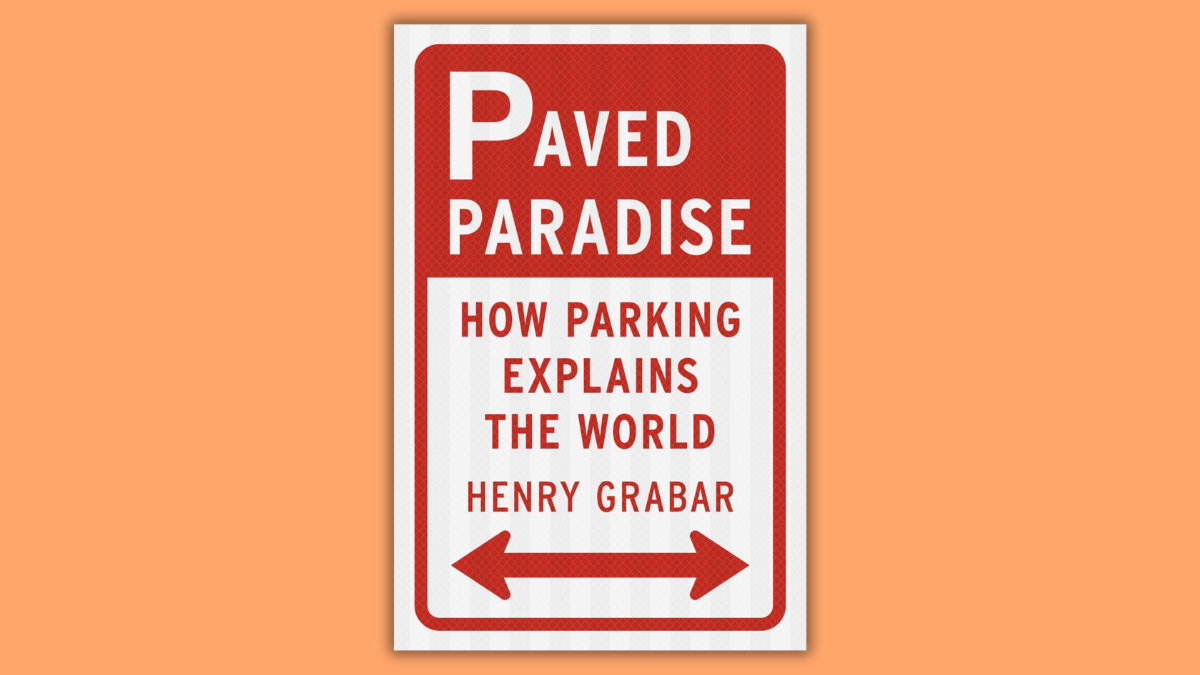
Book Review: Paved Paradise – How Parking Explains the World

Paved Paradise (Penguin, 2023) is a wild ride through the history and politics of parking in America. Author Henry Grabar convincingly shows “How Parking Explains the World,” and he doesn’t even need the whole book to do it.

About mid-way through, he describes the “Forbidden City” tour, which is a tour of old Los Angeles architecture, and the regulations — namely the parking minimums required of new construction — which prevented those forms of beloved neighborhood from continuing to be built. Through these parking minimums “Los Angeles banned itself” and “forced housing to bear the cost of driving.” As Grabar shows, this has played out in cities across the country.

Portland was an early adopter of rolling back parking mandates. In 2002 we dropped minimum parking requirements for buildings within 500 feet of transit—and I remember the ensuing controversy, especially from ticked-off friends who lived near Division. According to Grabar, Portland has gone back and forth with parking policy in the intervening years. At the state level, however, Oregon dropped parking mandates for all development located near transit in 2022. And just this summer, the City of Portland adopted rules which went further and dropped minimum parking mandates citywide.

But even with government on board with loosened parking minimums, financing a building without parking can still be a problem. To get a loan, the developer of Portland’s first building without parking had to fly a credit officer up from Wells Fargo in San Francisco in 2007 to see the number of Portlanders riding bikes and taking the bus. Many area developers continue to build off-street parking even though it is no longer required, but Grabar points out that, nationally at least, developers who do build parking are often downsizing their lots.

Portland is the center of attention of Paved Paradise for about ten pages, with our own parking reformer (and occasional BikePortland commenter) Tony Jordan as the hook. Jordan is one of the founders of the Parking Reform Network, a national organization which “educates the public about the impact of parking policy on climate change, equity, housing, and traffic,” and which has an impressive list of partnering organizations. Economist Donald Shoup is the first of a list of advisors.

Shoup gets a couple chapters in Paved Paradise. A UCLA economist, he published The High Cost of Free Parking in 2005 and started a revolution. (The second of the Shoup chapters is titled The Shoupistas Take City Hall.) Shoup provides the intellectual and academic foundation for an evidence-based over-turning of decades of parking policy, much of it guided by the now-discredited Institute of Transportation Engineers (ITE) Parking Generation Manual and Trip Generation manuals. Shoup showed that these ITE-justified parking requirements “were pseudoscience,” and Grabar does an excellent job of detailing their impact on the nation’s built environment, “… the ITE quantified the experience of sprawl and planners imposed it on small towns, urban neighborhoods, and commercial cores.” A chapter titled Parkitecture describes what resulted:

Parking minimums had not just changed the feel of the street, the density of buildings, the cost of housing, and how much people drove. They had changed American design traditions too … Mostly, Americans just stopped building small buildings. Parking requirements helped trigger an extinction-level event for bite-sized, infill apartment buildings like row houses, brownstones, and triple-deckers; the production of buildings with two to four units fell more than 90 percent between 1971 and 2021.

But Paved Paradise is not just another wonky policy book. It’s entertaining and makes for great summer reading. Who knew parking was so colorful? There’s the mafia, corruption in Chicago, diplomats in New York — and one really tough cookie meter-maid! It’s a page-turner which is hard to put down.

Nevertheless, it was slow reading for me, partly because the book is so thought-provoking. So, yeah, I was reading the book fast enough, but at the same time I was slowed down by a running monologue of questions and ideas specific to Portland.

For example, Portland is in the middle of reviewing our bike-parking requirements because they have been identified by those involved with building as burdensome. Grabar makes it clear that inexpensive and readily available car parking, like freeway-expansion, induces demand for driving and cars. Does the same hold true for bicycle parking and roadway facilities? Research taking advantage of the natural experiment the pandemic provided shows that “if you build it, they will use it,” at least concerning bike lanes.

And what about other “assets?” Grabar does an admirable job of staying tightly-focused on a huge topic—car parking. But as a reader I don’t have to do that. I kept substituting the words “frontage improvements” and “sidewalk” for Grabar’s “parking,” because a lot of developers consider those requirements to be burdensome too. Is it fair for those same developers, or their pro-development allies, to disparage me — or neighborhood associations — for holding the city accountable for following-through on building code-required public improvements?

Affordable housing. This is another huge topic. Local government does make an attempt to protect what it calls “areas vulnerable to displacement,” or gentrification. But what happens when parking minimums are loosened because a project is in the vicinity of public transit, but the transportation money for making that transit safely accessible falls through, like recently happened in Tigard with the Terrace Glenn subsidized apartments? Terrace Glenn even received Transit-Oriented Development (TOD) funds, but the residents won’t be able to safely cross the street in front of their building to reach the transit center a block away.

And then there is the more abstract, chicken-and-egg, Rubic’s cube, question: which comes first, transit or density? Paved Parking addresses that one, and I’ll quote at length, like Grabar did:

You begin to hear radical, Shoupian thinking from the strangest places—like from the Department of City Planning in sprawling Atlanta, where director Time Keane did not mince words. “That has been proven time and time again, in every single city in the world that the more parking you provide, the more people drive,” he told WABE, the local NPR affiliate, in 2016. “We need to shift now, from a situation like this, where you have a heavy parking load associated with an apartment building in a very urban setting, to way less parking, I hear this all the time, ‘Well, we don’t want the density unless we get transit.’ Well, I’ve got news for you. You really have to start with the density and less parking. If you don’t, then you have lost your opportunity, because once you’ve built that infrastructure, it’s so difficult to undo that.

The dynamic behind each of these examples is that of a more agile, profit-motivated, private entity building the housing, and a more cumbersome, vulnerable-to-politics, public entity (with variable and uncertain funding) providing the public goods like transit and street improvements.

These are not easy issues, and I consider “thought-provoking” the highest compliment. If these quandaries interest you, or if you just want a really fun read, pick up Paved Paradise.

MADE Bike Show sneak peek

(Photos by James Buckroyd for BikePortland)

— Words and photos by James Buckroyd.

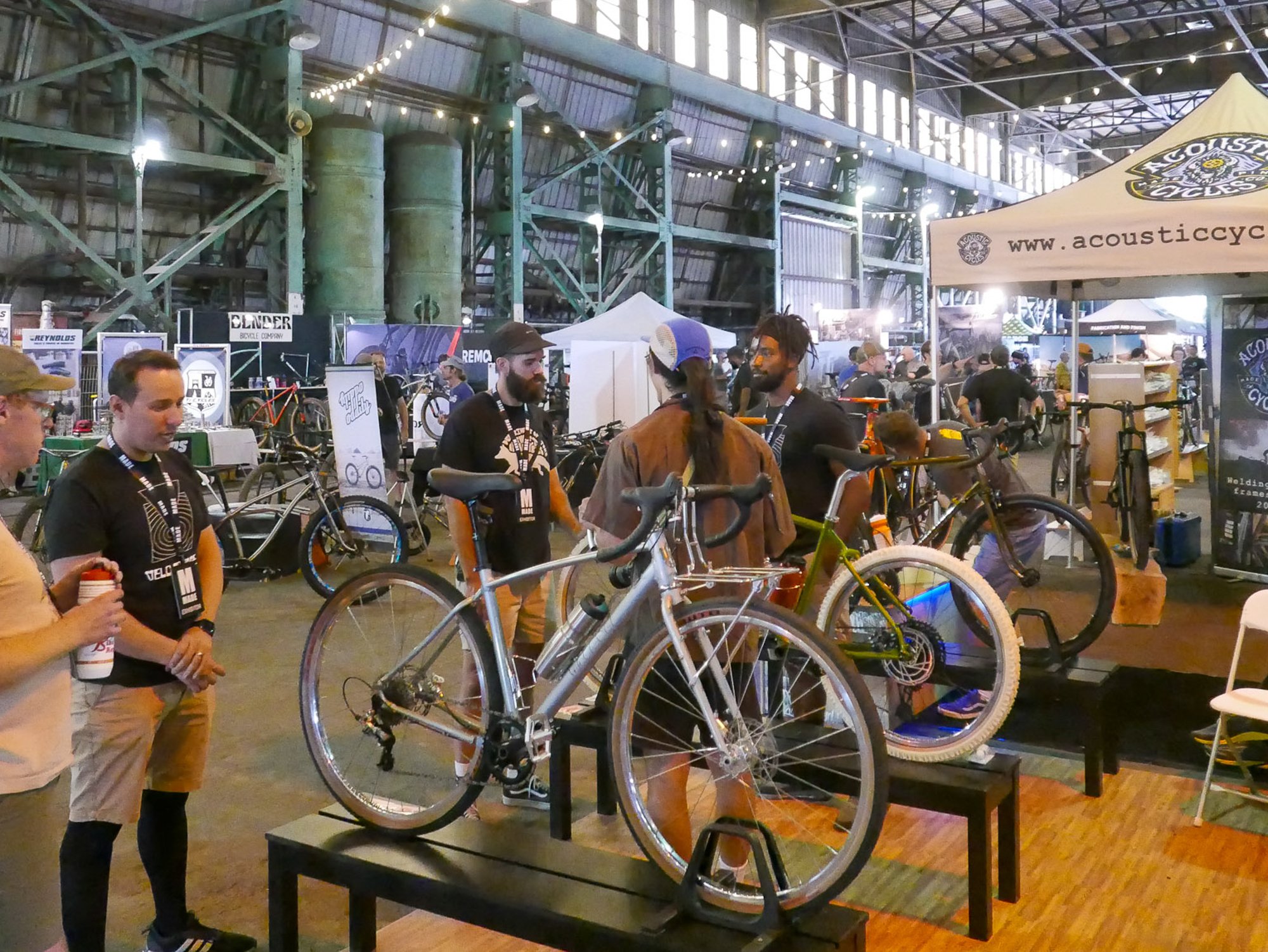
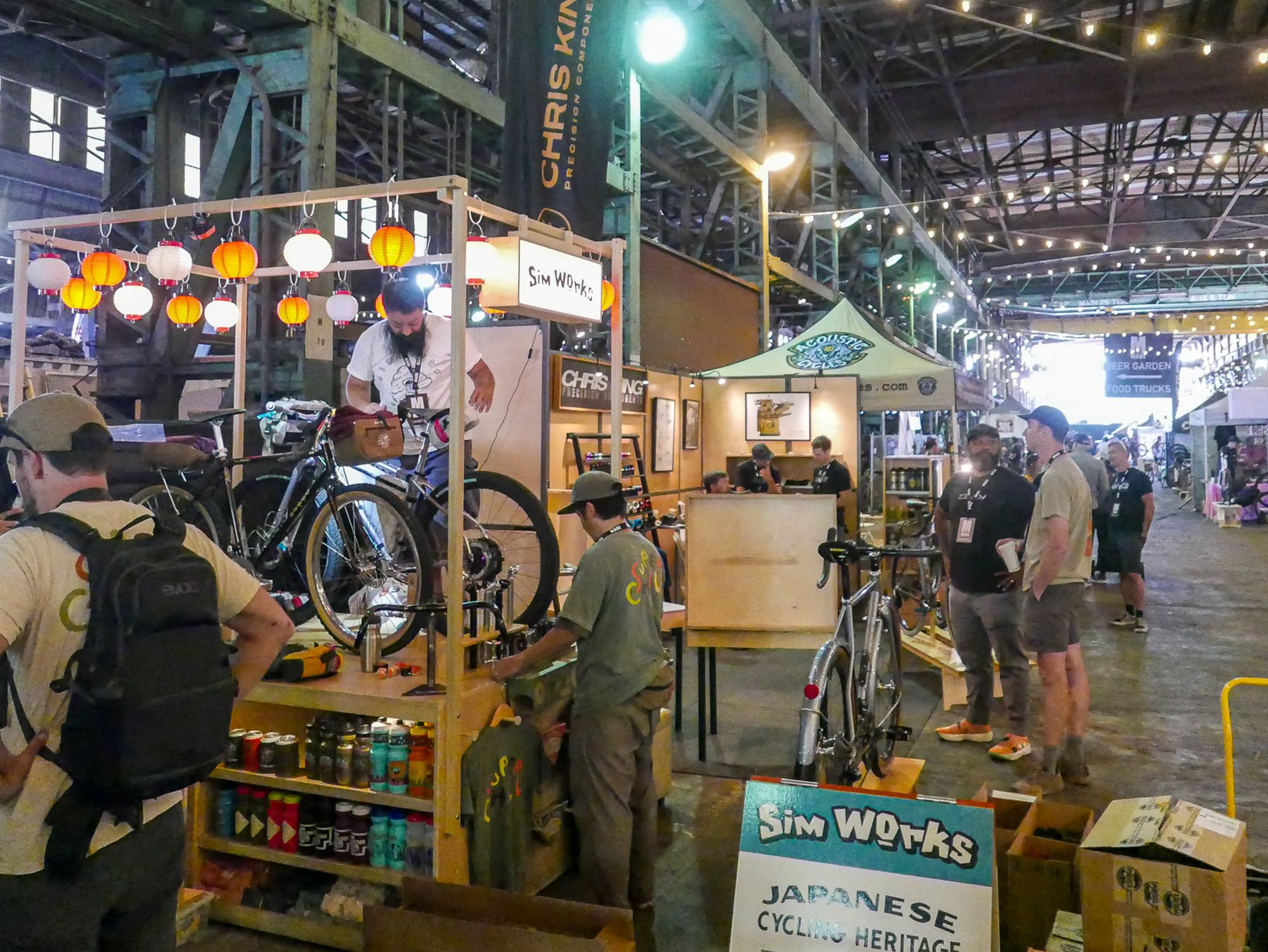
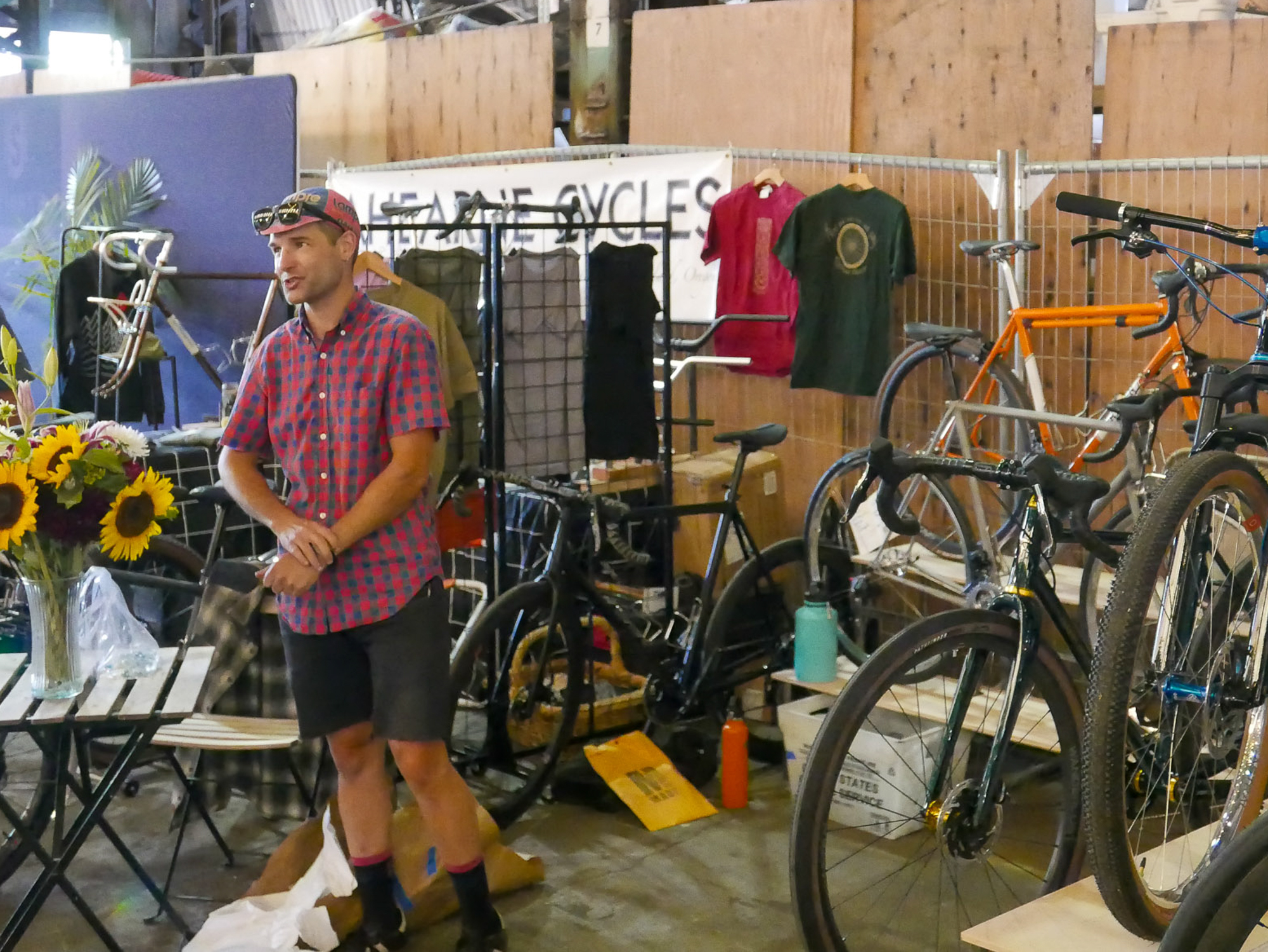
The highly anticipated MADE Bike Show opened for a sneak peek Thursday night (the show opens today and runs through Sunday). Industry insiders and media were treated to a remarkable lineup of over 200 exhibitors from around the world. The towering ceilings and exposed beams of Zidell Yards, a former shipbuilding factory on the Willamette River waterfront, was a fitting complement to the framebuilders and the products of their craft.

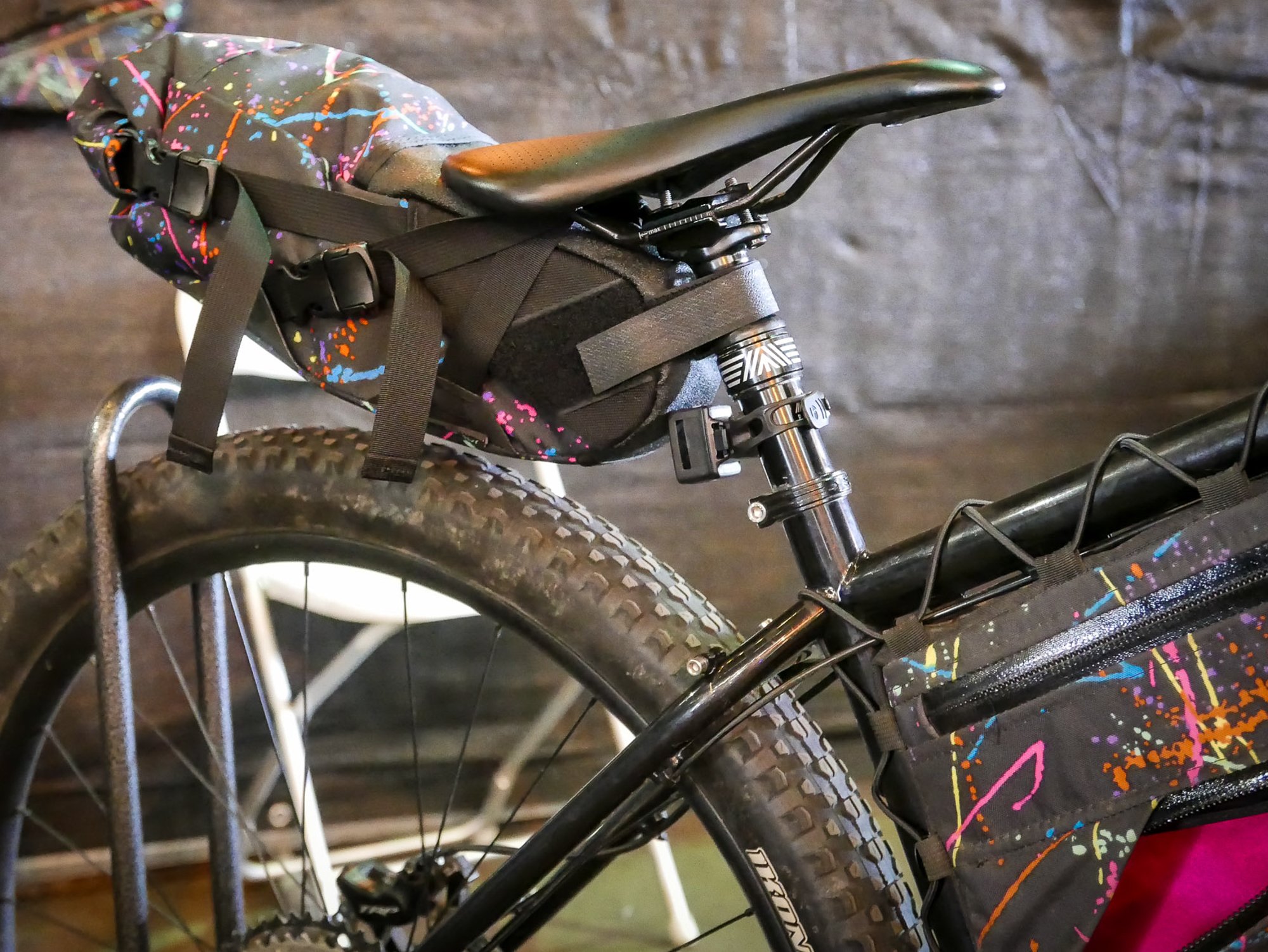
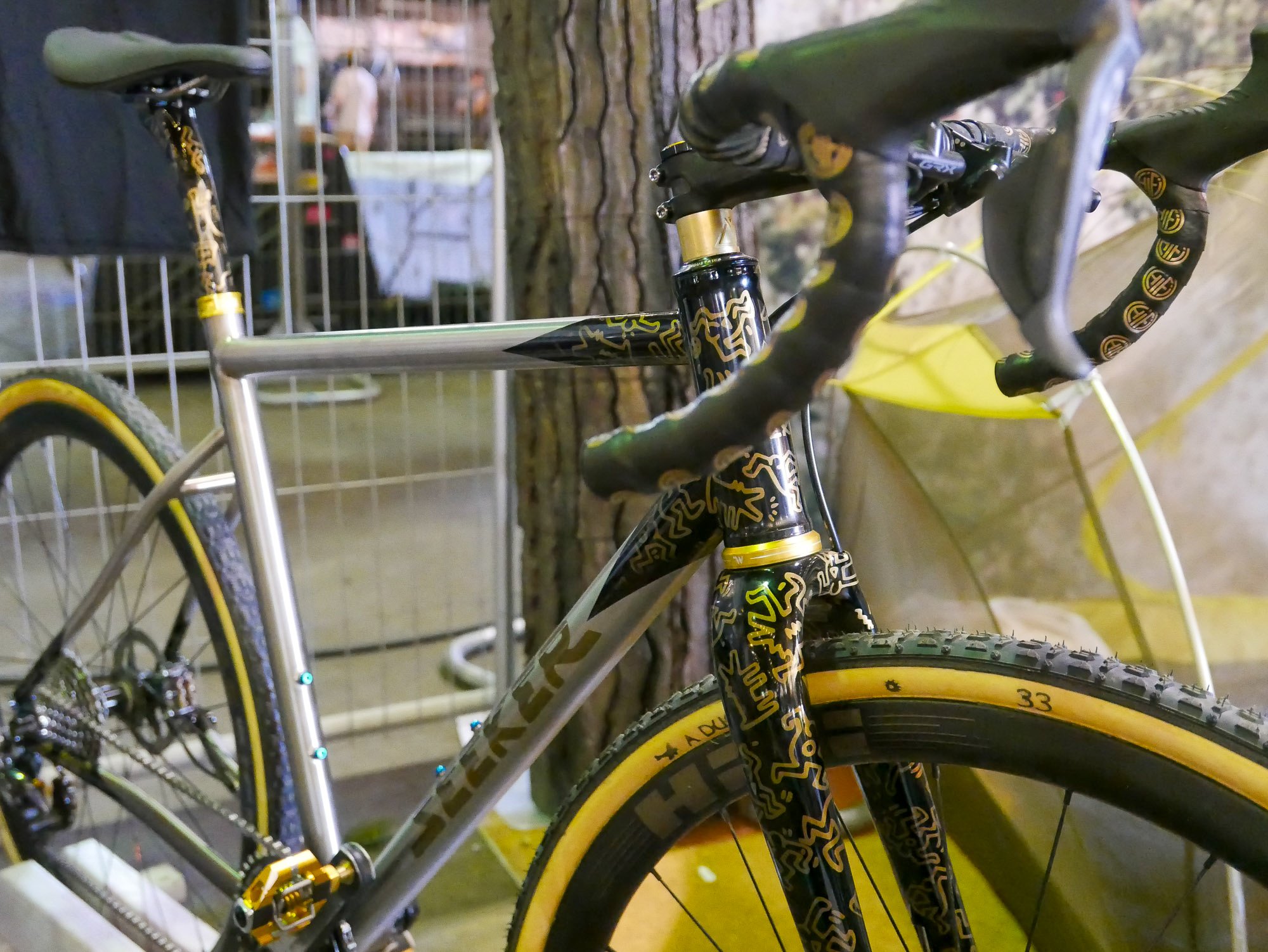
I was lucky enough to get inside to snap photos and browse booths. Here are a few stops you’ll want to make when you get to the show:

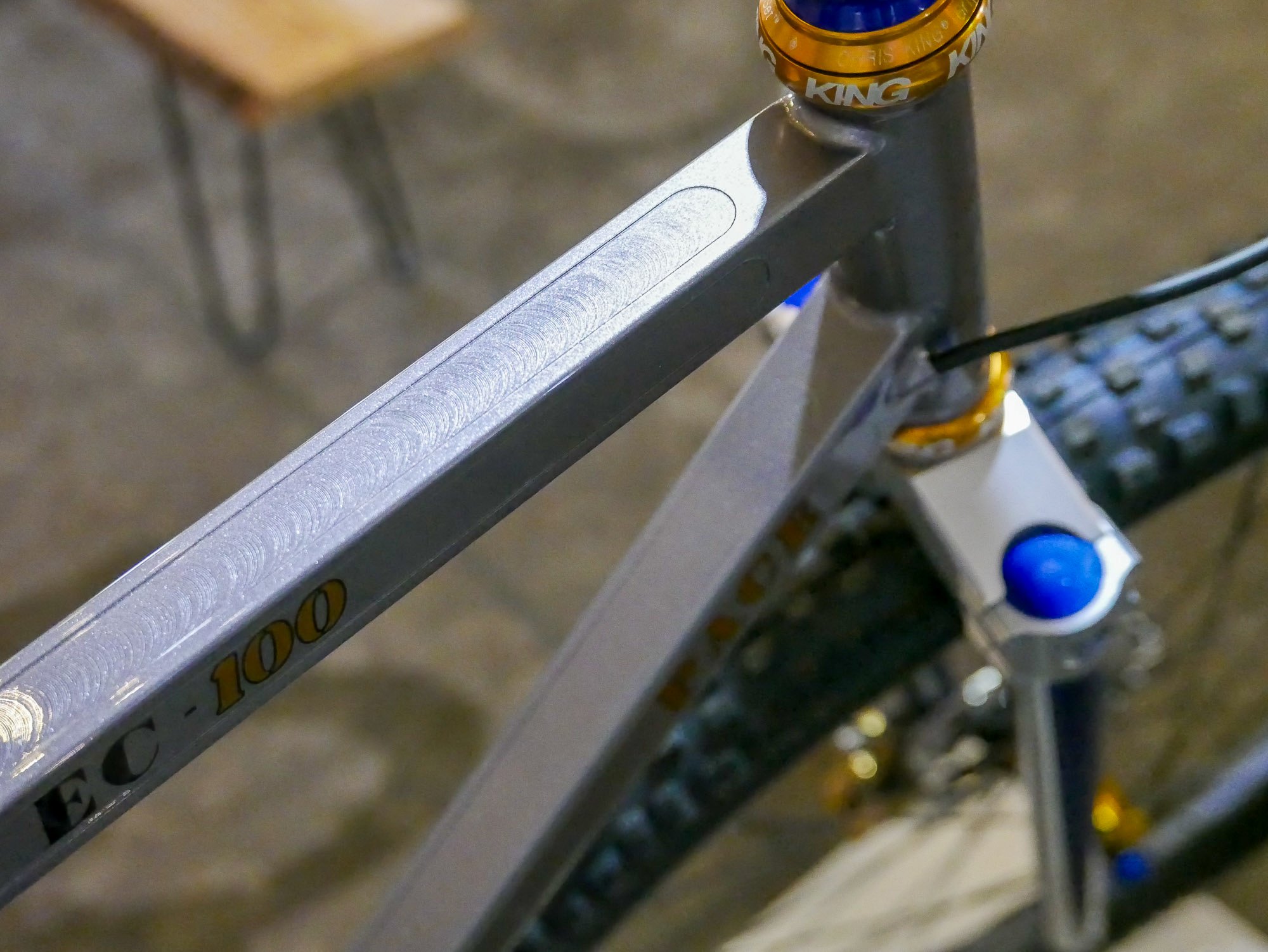
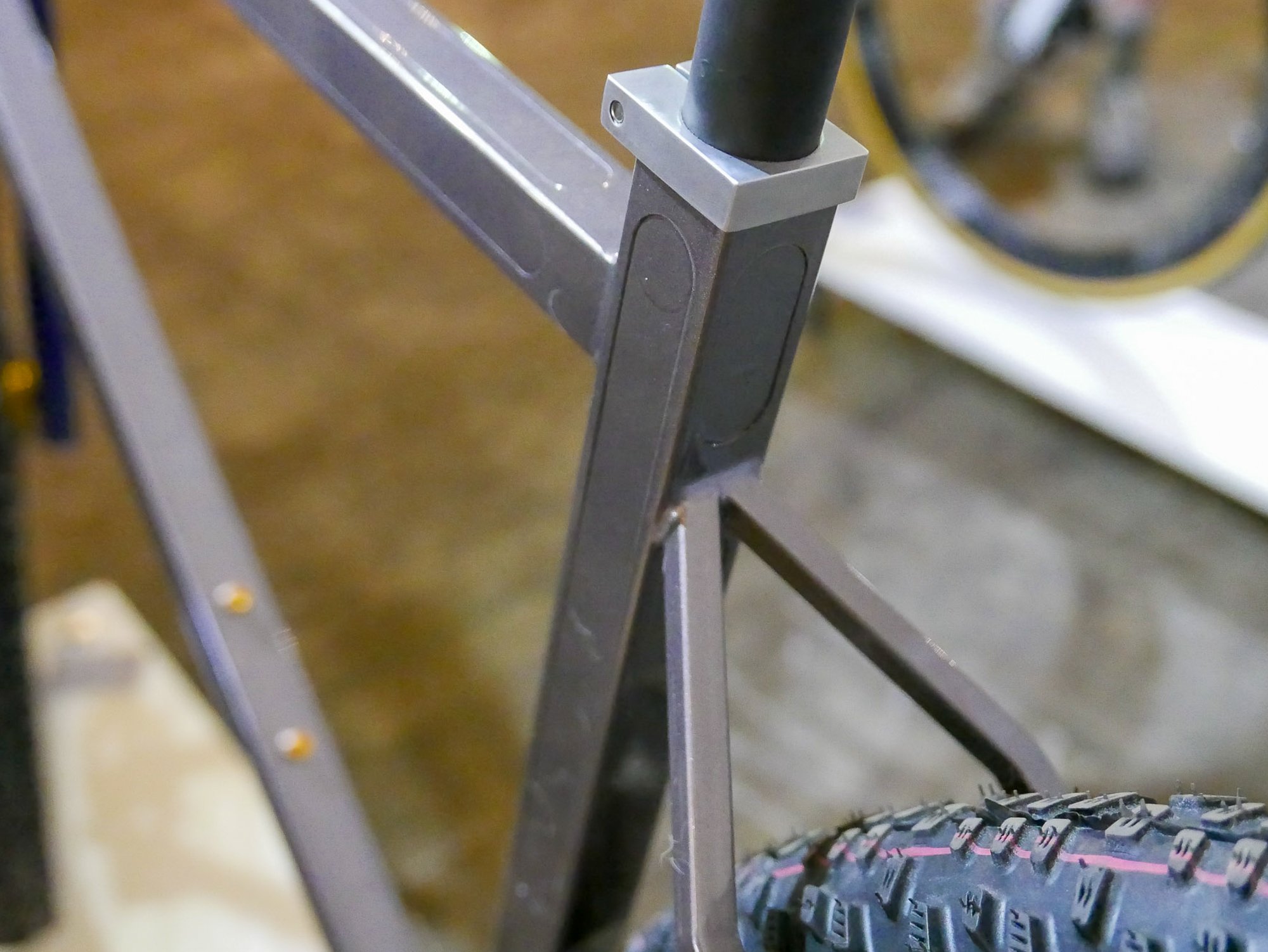
In the realm of bicycles, Eugene-based builder Rob English (English Cycles) has built a re-enactment of the Pace MTB RC-100. The original bike, dating back to the mid 1980s, was a square-tubed aluminum marvel that made quite a splash in the world of mountain biking at the time. Now, Rob is back at it with the EC-100, which utilizes chromoly square section steel (externally butted) and restored genuine Pace spec parts. I’m hoping Rob will share his ride report on this unique design of bike.

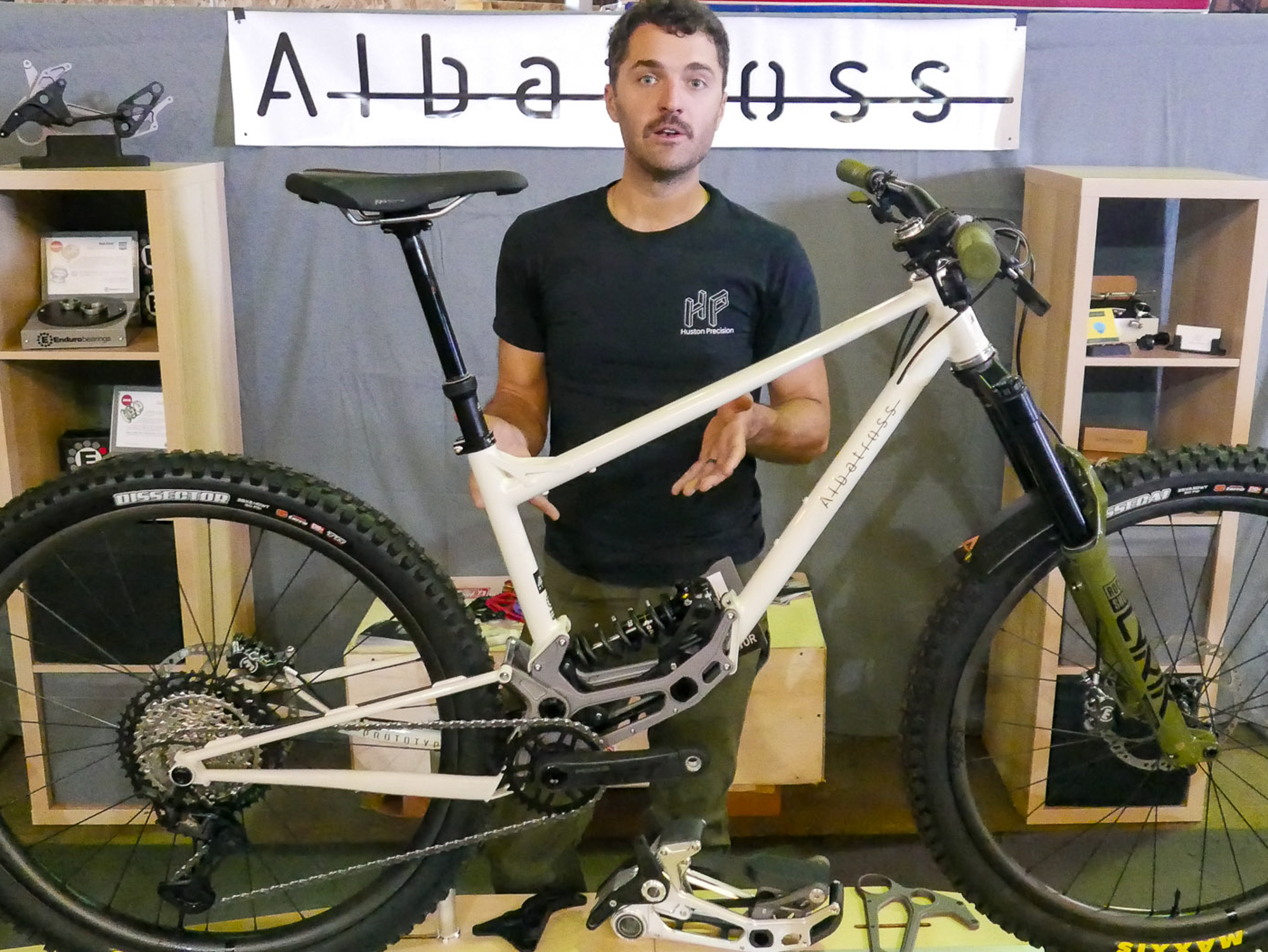
New ways of applying technology are always of interest to me and smart guys from Albatross Bikes, Will and Collin, have invented something very special. Their Apogee model is what I can only describe as a modular lower suspension that can easily be incorporated into custom frames, allowing framebuilders to concentrate on the frame while providing highly engineered technology to enable full suspension.

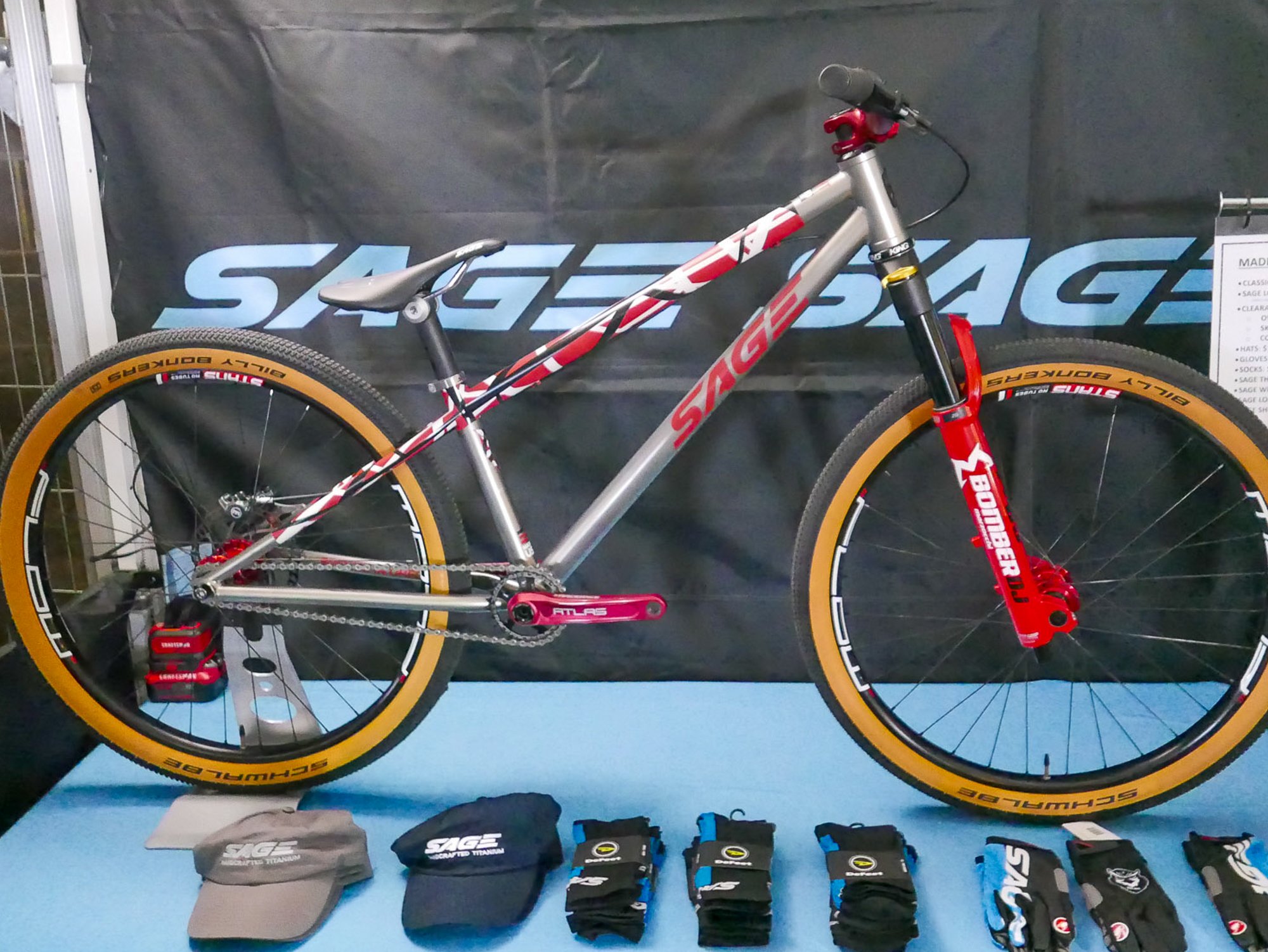
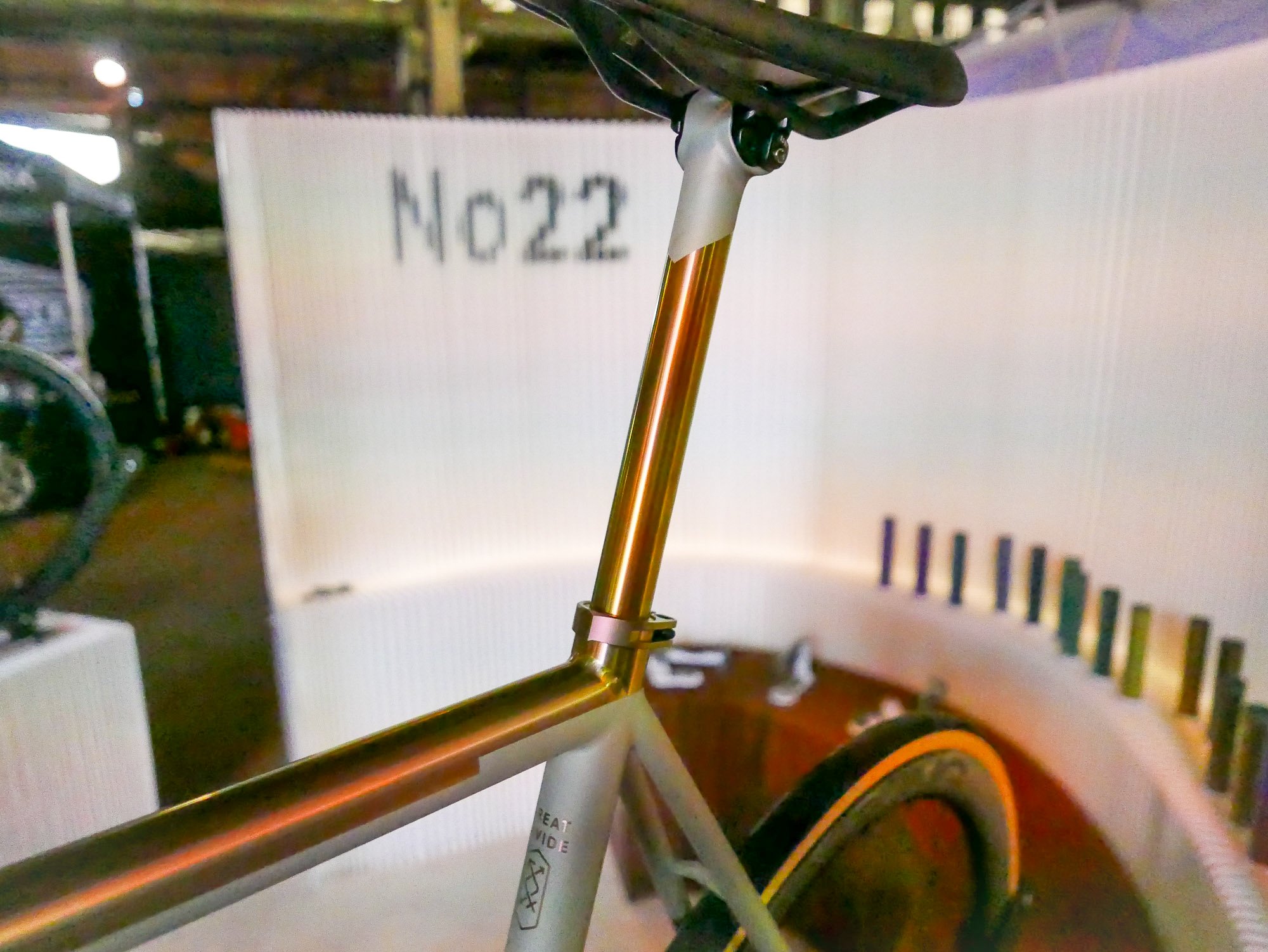
If you’re in the mood for pizzaz, high-stepping finishes and slick design, check out No. 22 Bikes. The attention to contrast, color and polish will blow your mind.

On a more pragmatic note, e-bikes are heavy; it’s a fact of life. That’s why Ryan and Mateus at Remco Tools have invented a very simple, capable, and affordable motorized bike lift for working on your bike. It can lift up to 100 lbs and has user preset heights (great for bike shops, hint hint). One of the nice design features is that their components are designed to work with other brands’ floor stands and clamps, meaning you don’t have to start all over again. The added bonus is the aesthetic is super clean and would fit right in with your sleek workshop.

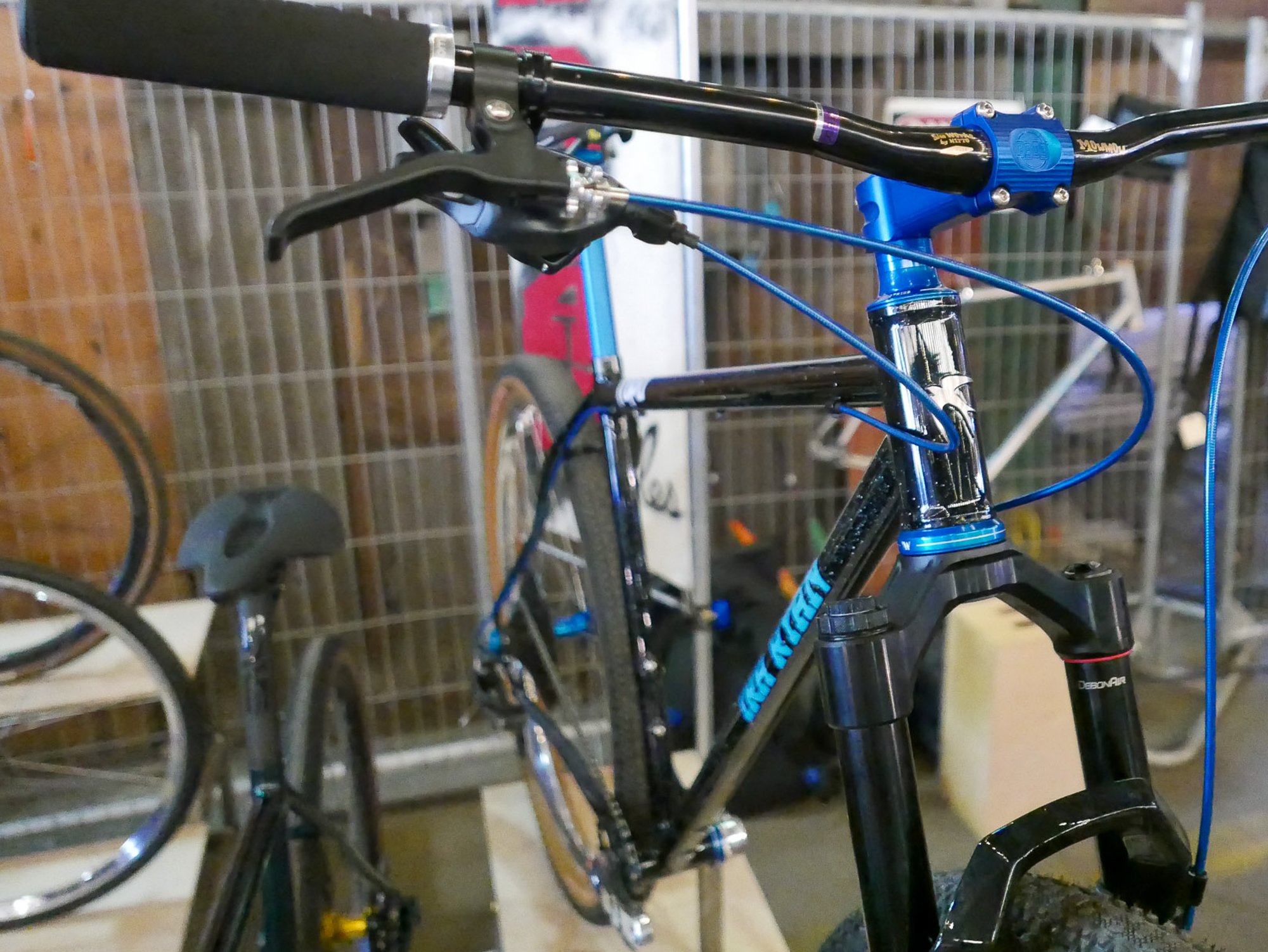
Last but not least, make sure you stop by the Ira Ryan Cycles booth. Hot off the press is a bike design that looks to be a lot of fun. Ira’s new ToPo is suited for a variety of use cases, but it oozes fun and gives you even more excuses to ride your bike! This purpose-built hardtail is light, agile, and playful.

MADE runs through Sunday. Tickets are $20 and ages 13 and under are free. Free, secure bike valet parking provided by Go By Bike. See exhibitor list, get tickets, and learn more about the show at MADE.bike.

— James Buckroyd, @jbucky1 on IG

Job: Director of Finance and Administration – Community Cycling Center

Buffered Bike Lane with a bike symbol and arrow pointing forward

Job Title

Director of Finance and Administration

Company / Organization

Community Cycling Center

Job Description

START DATE: ASAP
REPORTS TO: Executive Director
STATUS: Full-Time
LOCATION: Portland, Oregon
SALARY: $70,000-75,000
BENEFITS: Medical, Dental, Vision, and 401k
ORGANIZATIONAL OVERVIEW

We love Portland and bikes. So, we put our two loves together over 25 years ago, creating a nonprofit organization on a mission to broaden access to bicycling and its benefits.

Our vision is to help build a vibrant community where people of all backgrounds use bicycles to stay healthy and connected. We believe that all Portlanders—regardless of income or background—should have the opportunity to experience the joy, freedom, and health benefits of bicycling. This is the motivation behind everything we do.

In addition to delivering dynamic programs that benefit underserved communities, we operate a full-service bike shop in NE Portland that is staffed by highly experienced staff from diverse cycling backgrounds. Our programs and shop services combined help riders build their skills and confidence; empower young people to ride to school and adults to ride to work; offer educational opportunities for teens to earn school credit; and support everyone in riding for health and recreation. We also collaborate with numerous community partners to generate pathways to employment and engagement within the growing bicycle movement by training new educators, leaders, advocates, and mechanics. Our goal is to help create a healthy, sustainable Portland for all community members.

The Community Cycling Center is an equal opportunity employer and strongly values diversity, equity, and inclusion. Individuals with diverse backgrounds, abilities and experiences are encouraged to apply.

JOB SUMMARY

We are currently recruiting for a Director of Finance and Administration who shares our vision, embraces our mission and has the solid financial management skills to help ensure our continued success as we enter our 30th year. We have an annual budget around $2 million, approximately 32 employees, and a complex mix of financial activity that includes restricted grants, corporate donations, and donated and purchased inventory.

This position requires a hands-on approach to getting things done, and the ability to work well both independently and in diverse teams. This is a hybrid position, the hired candidate will be expected to work in the office at least once a week. The hired candidate must reside in the Portland Metro area.

ESSENTIAL FUNCTIONS

FINANCIAL MANAGEMENT (65%)

• Manage organization’s budget and budgeting process, consisting of multiple departments & types of revenue, unrestricted and restricted funds, inventory and cash flow management, and the full range of general ledger accounts using GAAP accounting standards.
• Prepare timely monthly, quarterly, mid-year and annual financial reports to the Executive Director, department heads and Board of Directors.
• Supervise part-time bookkeeper, to ensure prompt payment of bills, and accurate tracking of revenue & expenses by category.
• Ensure timely and accurate recording of all transactions, maintenance of the general ledger, monthly account reconciliations and month end close.
• Track restricted funding sources; assist with financial information for grant applications and reports.
• Manage bi-monthly payroll (through external service – GNSA).
• Interface with outside accounting/auditing firms to facilitate external review and preparation of tax documents.
• Formulate and administer internal control policies and procedures to ensure protection of agency assets and minimize risk.
• Coordinate & support the finance committee of the board.
• Maintain and update compensation policy annually.
• Work closely with the Board of Directors, Executive Director, and several department heads.
• Continually improve financial systems and financial education throughout the organization.

ADMINISTRATIVE LEADERSHIP (35%)
• Ensure the organization maintains adequate and cost-effective insurance: property and casualty, general liability, “umbrella,” directors and officers, workers’ compensation, employee health benefits, and unemployment.
• Ensure compliance with workers’ compensation, occupational safety and health, and other rules protecting employees, volunteers, and the general public.
• Manage the organization’s facilities, and systems maintenance (lease, security, cleaning, supplies, etc.).
• Manage the organization’s technology, including phones, internet service, computer hardware and software, and email and server systems.
• Coordinate new employee onboarding paperwork and maintain up-to-date HR files.
• Serve as the primary point of contact for employees regarding payroll, benefits and PTO related questions.
• Administer 410k for qualifying employees

QUALIFICATIONS & CHARACTERISTICS

REQUIRED
• At least five years of progressively responsible professional experience, including at least three in financial management.
• Proven effectiveness in finance and accounting, including demonstrated experience in the nonprofit sector.
• Experience with full cycle accounting through month end close, financial statements, audit, budget, payroll and benefits administration, and inventory.
• A demonstrated history of continual process improvement.
• Excellent skills in Microsoft Excel and in some accounting software, and at least moderate experience with Quickbooks Online.
• Good people skills, including experience collaborating in a diverse and dynamic team, and the ability to provide financial information in a concise and easily understandable manner.
• A deep appreciation for the mission and values of the Community Cycling Center, an understanding of the unique and complex community development and social justice issues facing Portland residents, and a personal and professional commitment to diversity, equity and inclusion.
• Criminal background check required

PREFERRED
• Cross-sector management experience in for-profit, nonprofit and social venture work environments.
• Experience tracking inventory, and using Lightspeed or another similar point-of-sale system.
• Bachelor’s degree in Finance, Business Management, and/or Accounting
• Fluency in one or more language(s) spoken in Portland’s marginalized communities, e.g. Spanish, Somali, Vietnamese
• Demonstrated Commitment to serving marginalized community and/or with mixed income housing, title 1 schools, immigration, and/or communities of color.

Don’t meet every single requirement? Studies have shown that women and people of color are less likely to apply to jobs unless they meet every single qualification. At Community Cycling Center, we value having a team with varied strengths, skill sets, and areas of expertise. We encourage you to apply even if your professional experience doesn’t match every qualification listed above. You may be exactly who we are looking for!

How to Apply

Please submit a cover letter and resume by email with “Director of Finance & Administration” as the subject line to jobs@communitycyclingcenter.org

This announcement was originally posted on August 21, 2023

NON-DISCRIMINATION POLICY

The Community Cycling Center is an equal opportunity employer. We will not and shall not discriminate on the basis of race, religion, sex, age, national origin, gender identity, sexual orientation, citizenship, veteran status, marital status, sensory disabilities, physical disabilities, mental disabilities and/or any other bases protected by state and federal law. We take proactive measures to ensure against discrimination in hiring, compensation, promotions, and termination of staff, selection of volunteers (including board members) and vendors, and provision of services. We are committed to providing an inclusive and welcoming environment for all members of our staff, customers, clients, volunteers (including board members), subcontractors, vendors, and other members of our community.

How to Apply

Please submit a cover letter and resume by email with “Director of Finance & Administration” as the subject line to jobs@communitycyclingcenter.org

Weekend Event Guide: MADE show, BikeLoud Day, and more

It’s the last weekend of Pedalpalooza! (Photo: Jonathan Maus/BikePortland)

It’s almost the weekend! I’m still out of town so BikePortland remains on vacation mode until Wednesday (8/30). I should have some MADE Bike Show coverage coming shortly and maybe a few other quick stories. I hope everyone had fun at Bike Happy Hour last night.

Here’s our weekly selection of rides and events worth your time.

Friday, August 25th

MADE Bike Show – All day at Zidell Yards (SoWa)
The ultimate bike show with over 200 exhibitors in celebration of handmade bikes is in town! Do not miss this opportunity to talk to the makers and industry insiders who build the stuff we ride. More info here.

Pedalpalooza Appreciation Day – 7:00 pm at Irving Park (NE)
The Unity Ride folks will host this celebration of your favorite Pedalpalooza rides and memories. More info here.

FNR Circle Ride – 7:00 pm at Ladd Circle (SE)
Search out circles and ride loops around them. It’s a simple, symbolic way to cycle — with all the fun of the Friday Night Ride. More info here.

Saturday, August 26th

MADE Bike Show – All day at Zidell Yards (SoWa)
The ultimate bike show with over 200 exhibitors in celebration of handmade bikes is in town! Do not miss this opportunity to talk to the makers and industry insiders who build the stuff we ride. More info here.

End of Summer Bike Swap – 11:00 am at Baerlic Brewing (SE)
This is an encore of the best bike swap Portland has seen in years. $10 vendor tables and tons of parts, frames, accessories and other fun doodads. More info here.

Pedal for Safer Roads – 3:00 pm at Colonel Summers Park (SE)
Part ride, part rally, part political action. Roll to City Hall for public testimony and a memorial moment of silence. Join other activists who want to end violent crashes on our roads. More info here.

Missed Connections Ride – 5:00 pm at Ladd Circle Park (SE)
Did you miss out on a special someone on a Pedalpalooza ride this summer? This is the ride to meet up and make the magic happen. More info here.

Pee Wee Memorial Ride – 9:00 pm at Dante’s (SW)
Join a live comedy show at Dante’s with a Pee Wee impersonator and then roll together to get ice cream at Salt & Straw over on NW 23rd. More info here.

Sunday, August 27th

MADE Bike Show – All day at Zidell Yards (SoWa)
The ultimate bike show with over 200 exhibitors in celebration of handmade bikes is in town! Do not miss this opportunity to talk to the makers and industry insiders who build the stuff we ride. More info here.

N Willamette Ride with PBOT – 10:00 am at Dog Bowl (N)
A perfect follow-up to my recent Bike Route Report video, this ride will be led by a PBOT planner who will share all the great updates to Willamette they’ve got in store. More info here.

BikeLoud Day – 1:00 pm at the Zipper (NE)
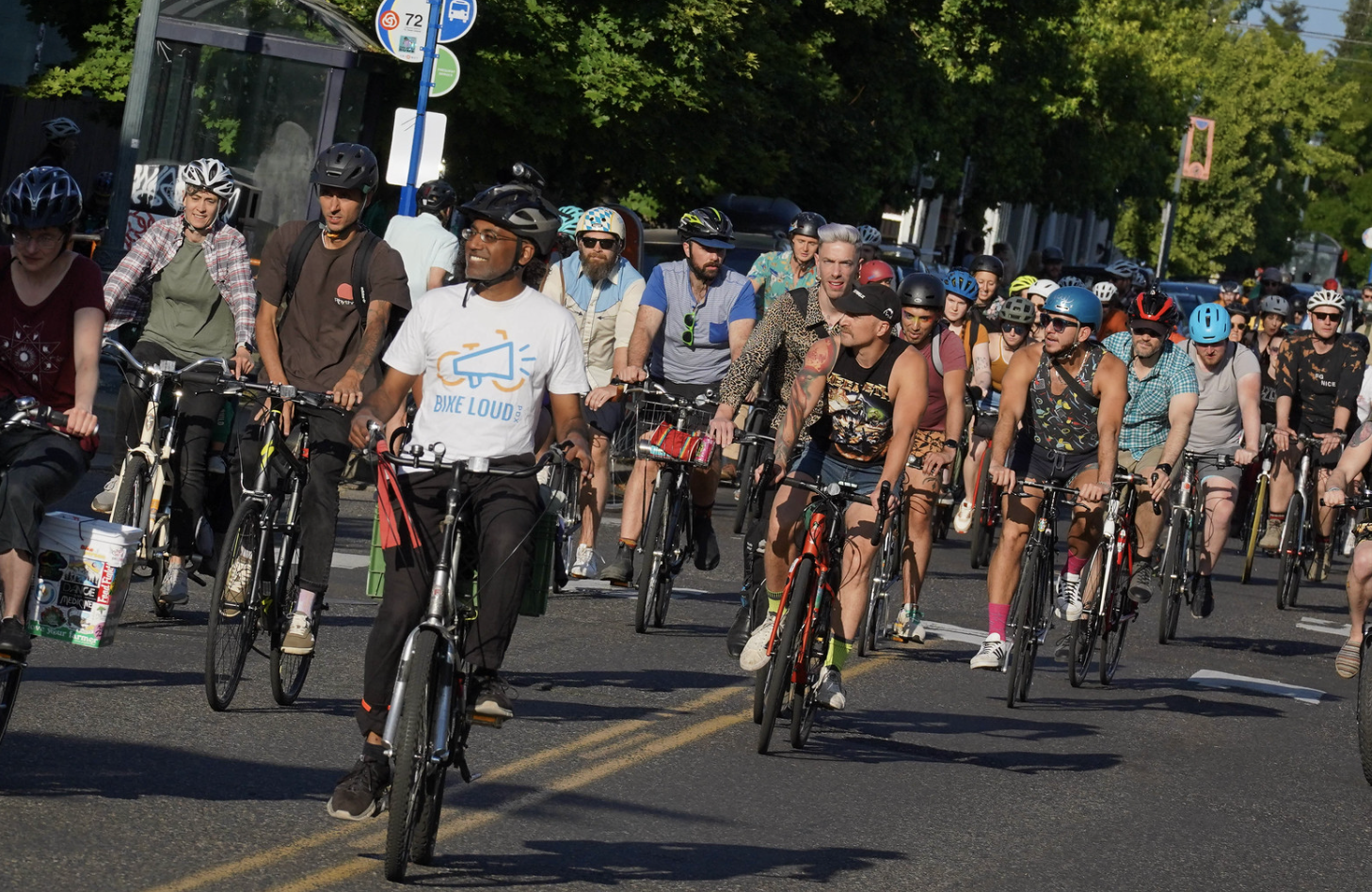
This ride is, “About celebrating all the things that bicycling mean to Portland and to advocate for a city where bicycling is safe, easy, and convenient.” Also a great opportunity to learn more about BikeLoud’s work and how you can get involved. More info here.

Bridgetown Tour – 9:00 am at Wilshire Park (NE)
Join veteran Portland Bicycling Club ride leader Ann Morrow for an intermediate-paced ride (13-15 mph) of new bike infrastructure in Portland. More info here.