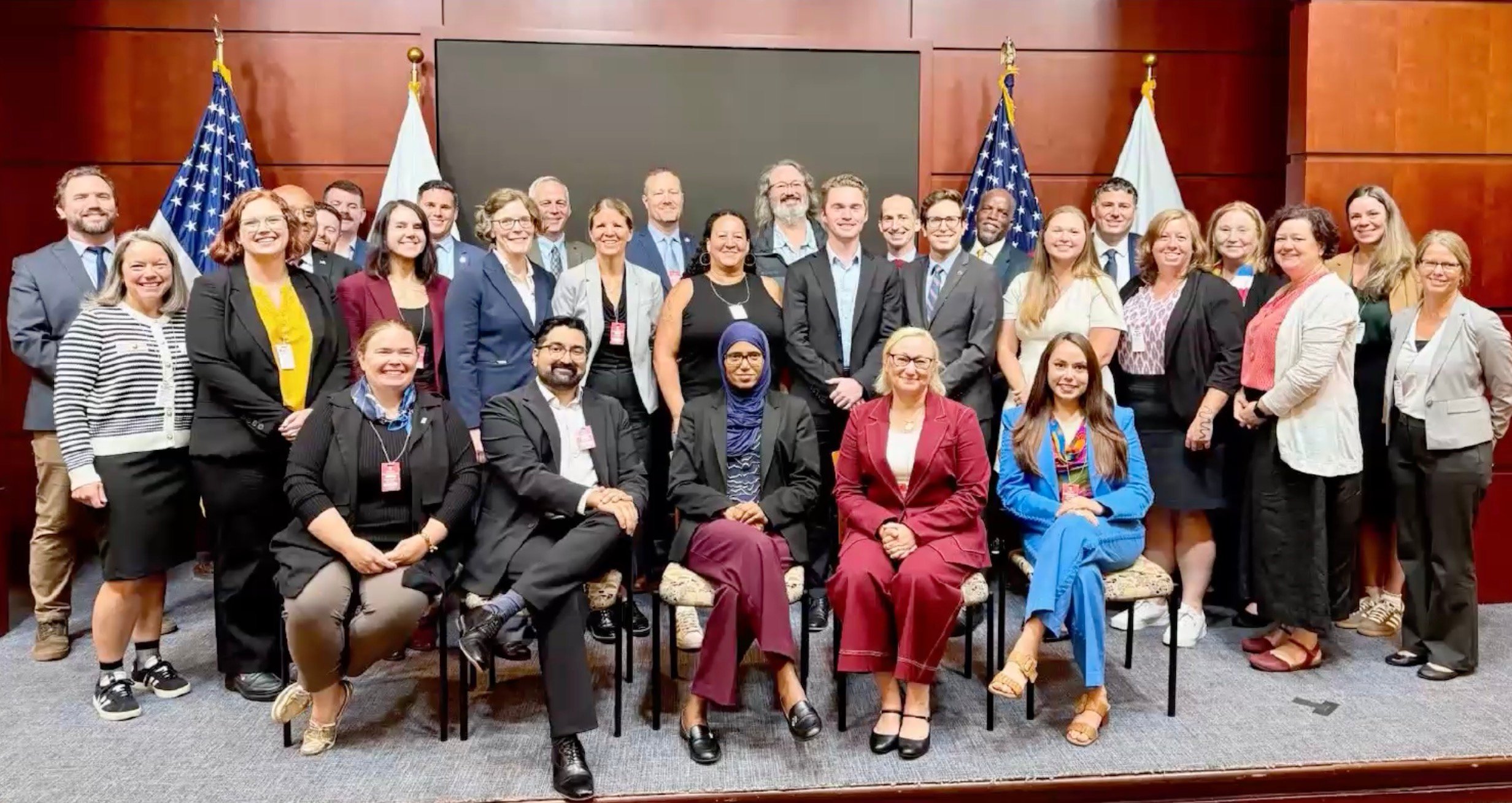
Regional transportation leaders and staffers who attended an annual lobbying trip to D.C. organized by Metro. Seated in front row: Metro Councilor Christine Lewis, Metro Councilor Juan Carlos Gonzalez, Washington County Commissioner Nafisa Fai, Metro Council President Lynn Peterson, Portland City Councilor Angelita Morillo. (Photo: Metro)
Despite reservations that the Trump Administration and its stranglehold on our federal government would prevent regional transportation leaders from having a fruitful lobbying trip to Washington D.C. this year; it turns out the trip was a big success.
You might recall back in January as Donald Trump settled into the White House, Metro Federal Affairs Advisor cautioned members of the Joint Policy Advisory Committee on Transportation (JPACT) that given the broad support for Trump among the Republican party, “there are going to be limited opportunities for transportation conversations in DC this year.” “I think we need to recognize that we are a sanctuary state and a blue state that is led by a female, queer governor,” Emery continued. “There are many different reasons in which I think there could be directives for folks in DC to not be meeting with us.”
Several JPACT members disagreed, including Portland Mayor Keith Wilson, who felt it was still important to go and expressed opposition to the idea of staying home. (Wilson didn’t end up attending the trip, but Councilor Angelita Morillo — a vice-chair of council’s Transportation and Infrastructure Committee — represented Portland in his place.)
At a JPACT meeting yesterday, just days after a delegation of 35 people representing 11 different agencies returned home from the nation’s capital, Emery struck a different chord: “It was just a great time to be on the hill. The timing was perfect.”
In a presentation that summarized the trip, Emery said the group — which included representatives from TriMet, Metro, Multnomah County, Clackamas County, Washington County, City of Portland, City of Vancouver, City of Gresham, City of Cornelius, Port of Portland, Washington State Department of Transportation, and the Interstate Bridge Replacement Program — had many important conversations. They met with a majority of Oregon’s congressional delegation, key staff from Senate and House transportation committees, and staff from the U.S. Department of Transportation.
Portland City Councilor Angelita Morillo speaks at a meeting at US DOT as Multnomah County Commissioner Shannon Singleton and TriMet GM Sam Desue look on. (Photo: Metro)
Among the topics of discussion were: the importance of diversifying transportation funding sources, the nexus between transit and housing, the need to enact policies that “proactively promote transportation safety and complete streets,” a desire to speed up project delivery to minimize cost increases while not compromising environmental protections, and funding for specific local and regional projects. The topics that seem to have gotten the most attention were safety and funding for public transit.
“The delegation was clear they support public transit funding and oppose the House’s proposal to gut the [Federal Transit Administration’s] CIG [Capital Investment Grant] program,” Emery relayed. “They also talked about safety as a non-negotiable component of any transportation planning or projects — especially in areas where kids and families and elderly adults are frequenting.”
Sensing that transit it particularly vulnerable in this political moment, Emery emphasized that the delegation discussed with lawmakers, “the need to reposition transit as a public good, and how transportation and transit are economic drivers for communities.” On that note, there was a fruitful discussion about the connection of transit and “sports-oriented development” in light of several projects in the Portland area that combine major new investments (Expo Center, the Moda Center, and a future Major League Baseball stadium).
Emery said the lobbying was well-timed given that Congress is finalizing their 2026 budget and committees are starting to draft text for the next surface transportation reauthorization bill.
Rose Lane on Northeast Couch. (Photo: Jonathan Maus/BikePortland)
Remember the Rose Lane Project? What started as a grassroots call for bus-only lanes in 2017, then launched as an official City of Portland project in 2019, and was adopted by City Council in 2020 — the project was supposed to result in a network of dedicated bus (and sometimes bike) lanes criss-crossing the city.
Of the 70 total identified projects where the Portland Bureau of Transportation and TriMet team up to make bus service faster and more efficient, only about half have been built in the past seven years. And it’s been a full two years since we’ve heard even a peep about them. By my count there have only been four significant Rose Lane projects implemented in the past three years: SW Alder, NE Couch, SW Capitol Hwy, and E Burnside. A combination of the Covid ridership decline, changes in political leadership at City Hall, and a triage budgeting environment have likely put the Rose Lanes on the shelf to gather dust.
“The Rose Lane Project was a big deal before Covid hit and we are deeply concerned that it has been deprioritized.”
— Jamey Evenstar, chief of staff to Councilor Avalos
But City Councilor Candace Avalos is poised to put the plan back into action. At Wednesday’s City Council meeting on Vision Zero, Avalos shared a comment that raised quite a few eyebrows in transit lover circles: “I just wanted to flag for my colleagues that my office is looking into proposing a resolution on affirming our commitment to the Rose Lanes,” Avalos said. “That will contribute to our Vision Zero goals. So that’s some legislation we’re working on and we’ll bring that to a future committee.”
City Councilor Candace Avalos. (Photo: Jonathan Maus/BikePortland)
Curious what Avalos has cooking, I emailed her Chief of Staff Jamey Evenstar. Evenstar (formerly Jamey Duhamel) was chief of staff to former PBOT Commissioner Chloe Eudaly and was the point person for the Rose Lane project when it launched in 2019. The idea was to make transit, “fast, frequent, and full,” and it was framed as an urgent priority to fight climate change and to help Black and other Portlanders of color who are disproportionately impacted by our car-centric transportation system. In late 2019, a national movement was coalescing around mobility justice and Evenstar said the primary goal of the project was, “to allow people of color to reduce their commute time.”
A lot has changed in the past six years, but the political will for faster, more frequent buses remains.
In response to my inquiry about Councilor Avalos’ recent comment, Evenstar said, “The Rose Lane Project was a big deal before Covid hit and we are deeply concerned that it has been deprioritized and changed over the last 5 years.” Evenstar also acknowledged they are only in the early stages of the effort. Here’s more from her response:
“All I can share at this point is that we are interested in learning where the administration is in terms of implementation of the original plan and then working with our community partners to identify what needs to happen moving forward. Maybe all that is needed is a resolution to recommit to the plan as it was originally created since it was done with a lot of intentional root cause analysis, or maybe the community is looking for something updated and different in these new times.”
Avalos’ office is in the early stages of this effort. Once something more concrete emerges, she’s like to have very strong support for better bus service among her council colleagues. And if you’re a transit advocate, now might be a very good time to dust off your organizing hat.
One day after President Donald Trump infamously blurted out that living in Portland is, “like living in hell,” we got yet another sign living here is anything but.
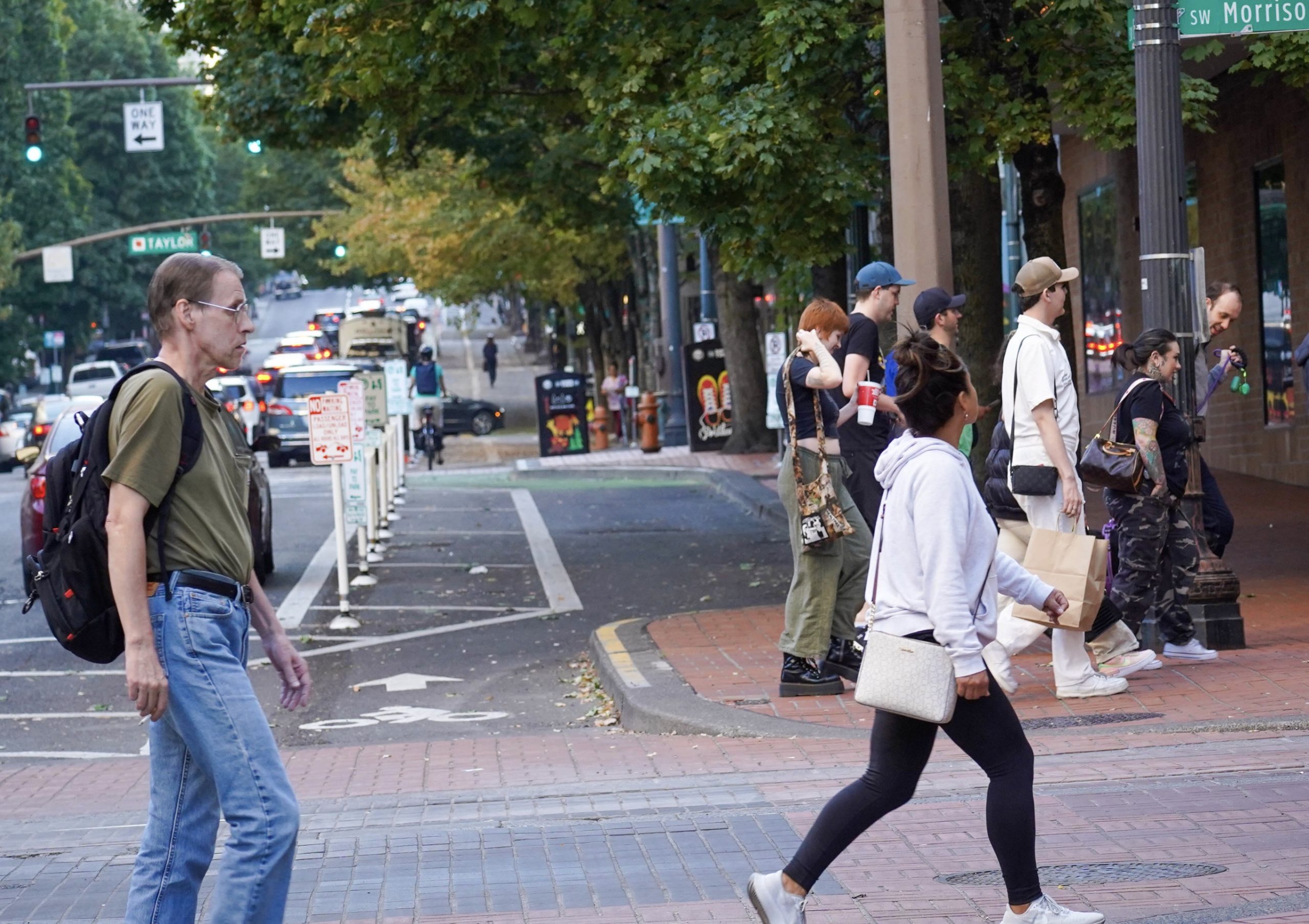
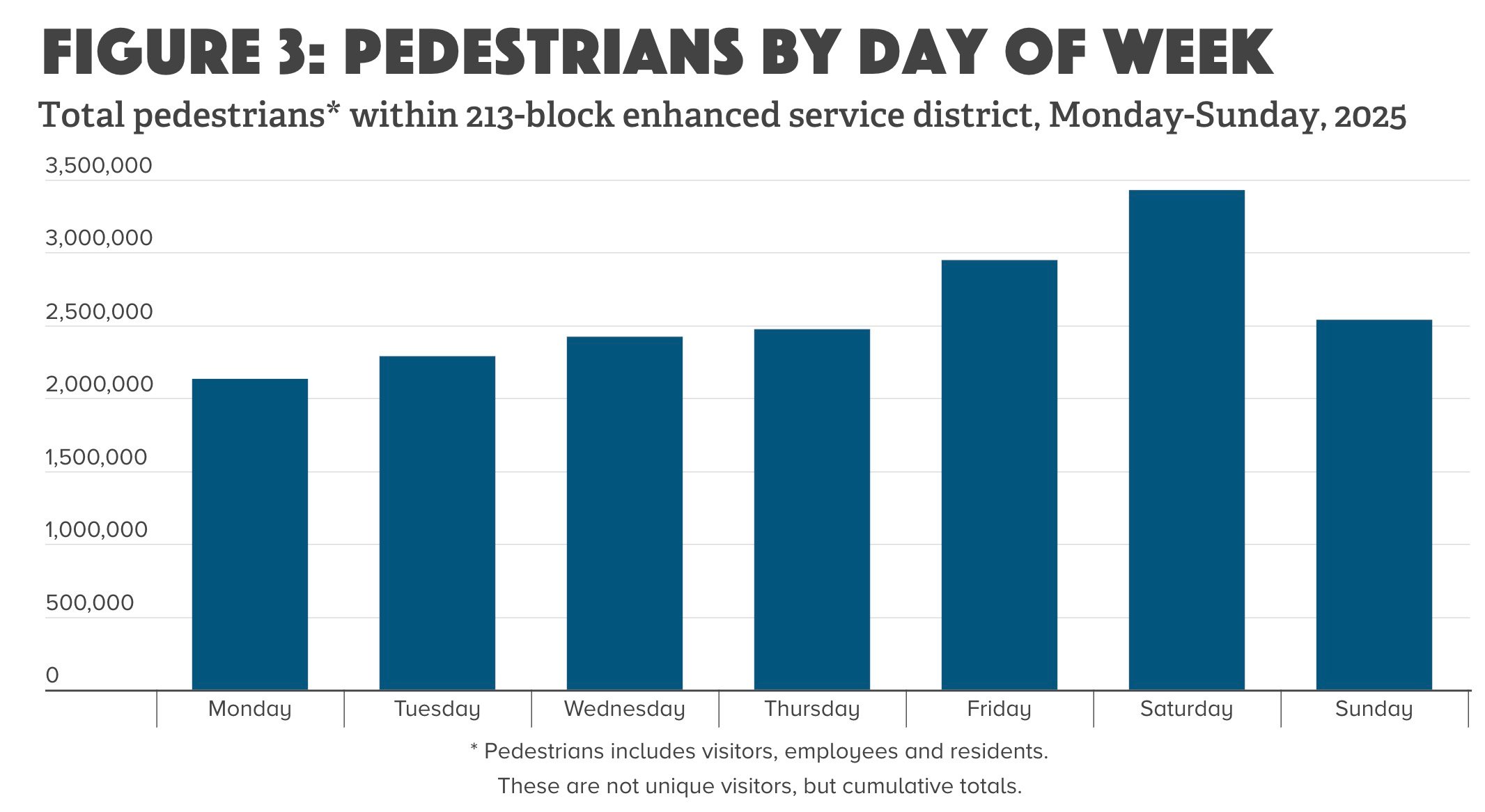
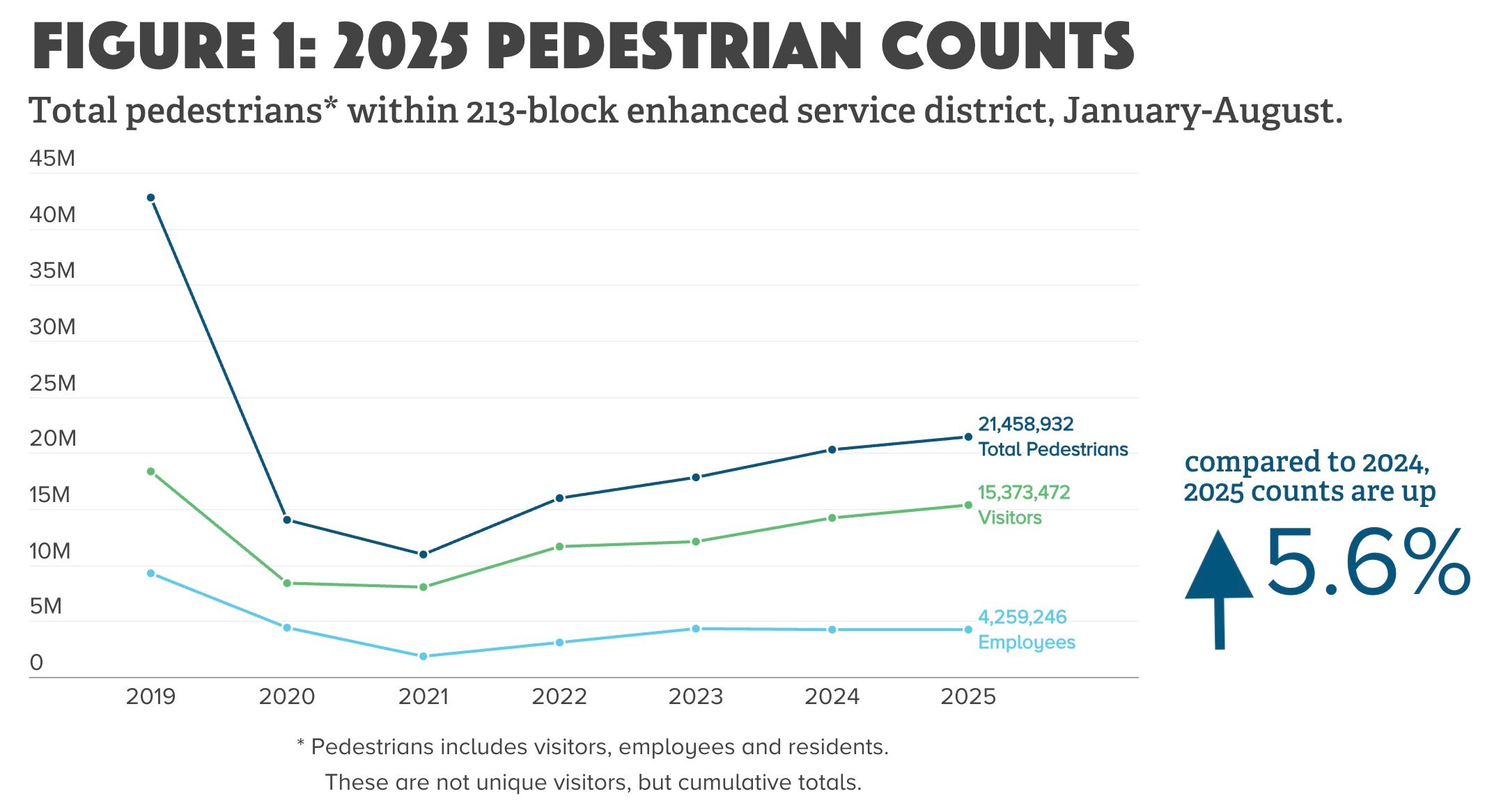
Calling it “downtown’s strongest year since the pandemic,” Downtown Clean & Safe reports that there have been six straight months of foot traffic increases. “From bustling Saturday crowds to record-breaking events, 2025 shows what happens when Portland’s cultural energy meets sustained community investment,” reads their latest report on the state of walking in the 213-block Clean & Safe district.
The district, which runs roughly from SW Harrison to the Broadway Bridge and from Naito Parkway to SW 11th, saw a growth in the number of people walking for the six months between March and August of this year. That’s an accomplishment that never happened last year. According to their annual counts, there were 21.45 million total pedestrians in the district between January and August of 2025 — an increase of 5.6% over the same period last year.
Slides from the report.
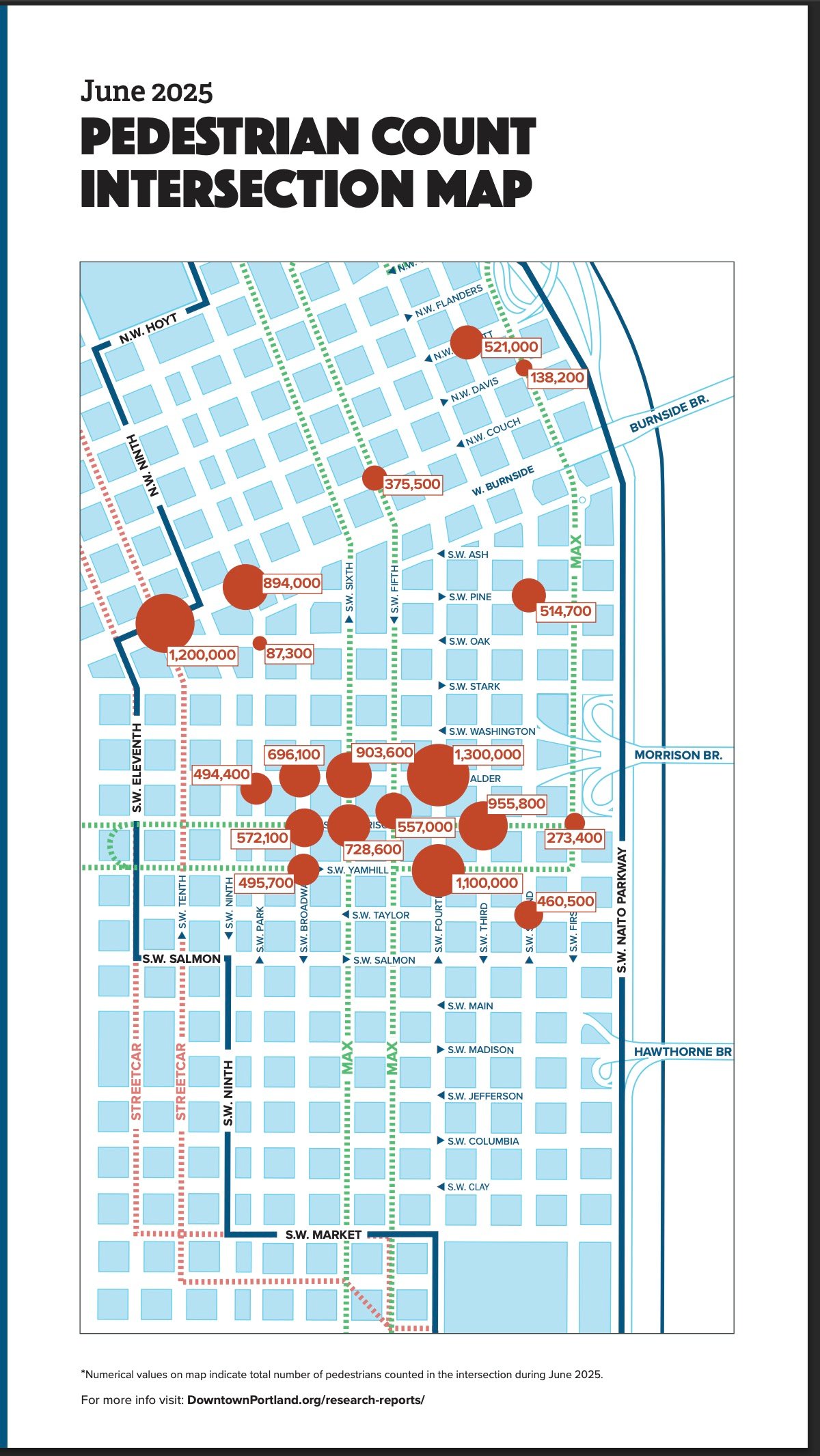
Clean & Safe is a nonprofit “enhanced service district” and offshoot of the Portland Metro Chamber that’s funded by annual fees from downtown business and property owners. They use Placer.ai data to monitor downtown foot traffic 24-hours a day across the entire 213-block area. That data found that the three intersections below has the highest volume of foot traffic in the month of June:
SW 10th & Burnside (Powell’s Books / Pearl District / West End gateway). June 2025: 1.2 M crossings (steady compared to 2024)
SW Park & Burnside (Cart Blocks food pod & North Park Blocks gateway). June 2025: 805,0000 crossings (down from 864K June 2024 but consistent with long-term averages).
SW 4th & Yamhill (Pioneer Place retail hub). June 2025: 1.1 M crossings (30% increase over last year)
Source: Downtown Clean & Safe
Clean & Safe says “cultural and retail anchors” are the reason for the positive foot traffic numbers. They also point to high-profile events and programming that’s drawing more people downtown. Even Old Town is showing signs of growth. Foot traffic at NW Couch and 5th for the month of June were up 39% over last year.
Relative to pre-COVID numbers, the Clean & Safe district is at about 70% of visitor volumes. One ominous cloud that looms over this report is employee visits to downtown, which remain at just 50% of 2019 levels — well below the national average of around 73%. “The gap in office worker return remains a critical challenge, keeping weekday activity below that of peer cities,” reads the report.
These numbers mirror transit ridership in the Portland region. The latest numbers summarized by Metro show that in July there were 6.5 million transit rides in the region — over 4% more than last year at this time and about 70% of the ridership we had before Covid.
Group shot of 2023 Bike Town Hall participants. (Photo: Jonathan Maus/BikePortland)
Happy Friday everyone! Here are my picks for the weekend…
Saturday, September 20th
Parking Day with Strong Towns – 9:00 am at Worker’s Tap (SE) Organizers of this event, “will be occupying the parking spots between 11th and 12th on SE Ankeny to play games, relax and unwind, build 3D wooden art structures, and engage our neighbors in a reimagination of our vacant spaces.” More info here.
Bike Town Hall – 10:00 am at Lents Park (SE) Join Senator Khanh Pham (SD 23) and Representatives Willy Chotzen (HD 46) and Thuy Tran (HD 45) for their annual town hall by bike. Ride around Southeast Portland learning about various organizations and issues. More info here.
I-205 Path Clean-up – 10:00 am at Flipside Bar and Carts (SE) Volunteer with SOLVE to pick up trash on our beloved path near the Woodstock neighborhood. Cargo bikes encouraged to help haul! More info here.
Sunday, September 21th
Farm Ride – 9:00 am at Bella’s Organic Farm on Sauvie Island (NW) Hosted by a new cycling (and more) club called Triathacore, this ride will be around the 12-mile Sauvie Island Loop and will stop back at the farm at the end. More info here.
Parking Lot Crit – 3:00 pm at SE 22nd and Lafayette (SE) Fixed-gear fans will assemble and race in this unsanctioned, grassroots event that will include a prize raffle. More info here.
Valley Girl Ride to Movie – 2:30 at Hampton Opera Center (SE) If you’re a fan of the ’80s, you’ll have fun on this ride which will roll over to OMSI to watch class “Valley Girl” movie on the big screen. More info here.
— Did I miss your event? Please let me know by filling out our contact form, or just email me at maus.jonathan@gmail.com.
Portland City Councilor Tiffany Koyama Lane succeeded on many fronts last night: she made good on a campaign promise, she strengthened the city’s commitment to road safety, and she earned unanimous praise and support from all of her colleagues in passing her Vision Zero resolution.
Wednesday’s council meeting came after Koyama Lane hosted a rally and walk from Salmon Street Springs to City Hall where she was joined by advocates and other councilors — many of them wearing traffic safety orange.
Back in November, before Koyama Lane took her seat on the dais, she was moved to tears during a speech at a World Day of Remembrance event. “This shouldn’t be normalized,” she said. “This isn’t a topic that we’re just supposed to talk about when we’re running for office and it’s cool to go to Bike Happy Hour… we will keep fighting.” And keep fighting she did. Koyama Lane took what was merely a budget note in June and turned it into an official resolution that makes key administrative changes.
For years now, as deaths piled up and frustration grew, staff and leadership at the Portland Bureau of Transportation pushed the idea that in order to end fatal crashes, Vision Zero must transcend transportation and the commitment to safe roads must be integrated into the work of other bureaus. But talk only goes so far. Councilor Koyama Lane has now put that idea into action by moving PBOT’s top Vision Zero staffer, Dana Dickman, into the deputy city administrator’s (DCA’s) office. As we saw with the diverter removal plan debacle, when the administrative wing of city government makes decisions about road safety, bad things can happen. With Dickman ensconced at the DCA, that shouldn’t happen in the future.
“Political violence is sometimes, but not always, reacted to appropriately when there’s a person outside of a system conducting it. It’s almost never reacted to appropriately when it’s people in suits that do it at a dais like this one — but it should be assessed as such. We bear responsibility when we, through our actions or our inactions, let people die.”
– Sameer Kanal, Portland city councilor
Koyama Lane’s resolution also stands up a new task force that will include staff from multiple bureaus and develop a new action plan. A document shared with city councilors ahead of last night’s meeting includes examples of possible, “cross-bureau Initiatives for increasing traffic safety” from six city bureaus: Environmental Services, Planning and Sustainability, Fire and Rescue, Police, Fleet and Facilities, and Parks and Recreation. Further evidence of this cross-bureau collaboration came from the fact that all four of the city’s DCAs — the leaders of the City Operations, Community & Economic Development, Public Safety, and Public Works service areas — attended last night’s meeting.
Two amendments to the main resolution passed last night. One, from Councilor Candace Avalos, had to do with the make-up of that new task force; the other, from Councilor Eric Zimmerman, concerned the issue of how homeless Portlanders are overrepresented in fatality statistics.
Avalos wanted to make sure the new task force does not leave out community members. PBOT’s plan to make the task force an internal one — without nonprofit representatives or outside experts — has caused some heartburn among advocates in the past few weeks. Avalos’ amendment, which was accepted with unanimous consent, will make sure PBOT seeks, “meaningful community engagement in the development of its analysis and action plan.” PBOT Vision Zero Policy Manager Dana Dickman reinforced that intention during testimony last night. She said advocates and subject-matter experts will be brought in to working groups and will have other opportunities to influence the work of the task force.
Councilor Zimmerman said he feels it’s, “incredibly concerning” that of all the people killed while walking on Portland streets, about half are people who live on them. He passed an amendment that calls on the new task force to, “specifically examine the over-representation of traffic fatalities involving people experiencing homelessness, conduct an analysis of the underlying causes and recommend targeted strategies to reduce and prevent these deaths.”
In addition to the two amendments, there were a few other notable comments and exchanges from the councilors.
Councilor Dan Ryan spoke up to support automated camera enforcement and more policing. “[Vision Zero] Actions have been largely focused on road and traffic design and attempts to reduce car reliance… We need proactive and visible enforcement of traffic laws, and we need to address the unsafe activities occurring in our roadways,” he said. Ryan also tried to connect what he says were “added restrictions on police enforcement activities, specifically profiling and limiting traffic stops” in 2021 with a spike in fatalities. “It was not clear how these are related to Vision Zero’s original mission,” he said. Ryan wanted to know how why a city committed to Vision Zero would reduce traffic enforcement.
When PBOT Director Millicent Williams said police should answer, PPB Assistant Chief Amanda McMillan approached the microphone. Asst. Chief McMillan supported Ryan’s contention that there was a correlation between less policing and more traffic deaths and said that the PPB, “Did pull back resources back to the precincts in the wake of everything that was coming out of 2020 and 2021 [a reference to the George Floyd protests] and at that time the number of traffic fatalities rose.” “We’ve [since] reconstituted our traffic unit and we have those resources redeployed and we’ve seen a reduction now in traffic fatalities,” McMillan continued. “Maybe there’s a correlation there.”
Seeming pleased with the supportive testimony of the assistant chief, Councilor Ryan concluded the exchange by saying, “Since that [additional traffic policing] went in, you see a correlation when they’re going down. So I hope that becomes more and more of the dialogue.”
What Councilor Ryan nor Asst. Chief McMillan mentioned was that the PPB chose to pull back traffic enforcement as a political stunt to pressure council to increase police funding. Councilor Angelita Morillo worked as a staffer in city hall for the former commissioner-in-charge of PBOT when all that went down, and she was not going to let Ryan’s comments stand without a response.
“Part of the reason that Traffic Division was partially removed was because we found that they were disproportionately stopping Black Portlanders… So we need to put that into context as to why some of those decisions were made,” Morillo said. “This idea that our officers were not able to pull people over who are committing traffic offenses is not true, and it actually ended up being a political issue. BikePortland ended up interviewing an officer, who said, and I quote, ‘We needed to create a stir to get some change, to get the city council to fund us back up. And I mean, that’s the honest truth. I know that could make things more dangerous, but at the same time, we needed some change.’ So they were publicly talking about the fact that they had less traffic officers and that they weren’t going to enforce traffic violations in order to politically motivate the council to get more funding, and that is a dark history of Vision Zero that we need to address.”
When it comes to which of the 12 councilors spoke most strongly about Vision Zero, I’d give that honor to Councilor Sameer Kanal. He shared that in conversations with road safety advocates during his campaign, he learned there was a feeling that while “Vision Zero has been a nice commitment that people support, the feeling was broadly that nobody in power was willing to say at the time it was a numerical goal.” What Kanal is referring to hear is the reticence among some elected officials and policymakers to stand behind the “zero” part of the conversation.
“I think it’s important for as many of us — and some have already done so — to say zero is a numerical goal. It is a literal target for me,” Kanal said. He also mentioned a hot button issue of the day: political violence:
“Political violence is sometimes, but not always, reacted to appropriately when there’s a person outside of a system conducting it. It’s almost never reacted to appropriately when it’s people in suits that do it at a dais like this one — but it should be assessed as such. We bear responsibility when we, through our actions or our inactions, let people die.”
What actual steps is Kanal prepared to take to move the needle on Vision Zero? “Street design is the primary method that will achieve this,” he said, “and I intend to pursue implementing this over time with budget allocations through modal filtering, through support for transit — especially rail — and for converting select streets to car free completely and permanently.
We need to work to make the last traffic death we had, truly the last traffic death in Portland.”
Inset: Nextdoor post. Background: Holman Pocket Park from NE 13th photo by Jonathan Maus/BikePortland.
Is nowhere safe?
Our driving culture has devolved to such a low point in Portland that it often feels like there’s nowhere you can go without worrying about a car user having some sort of negative impact on your day — or your life.
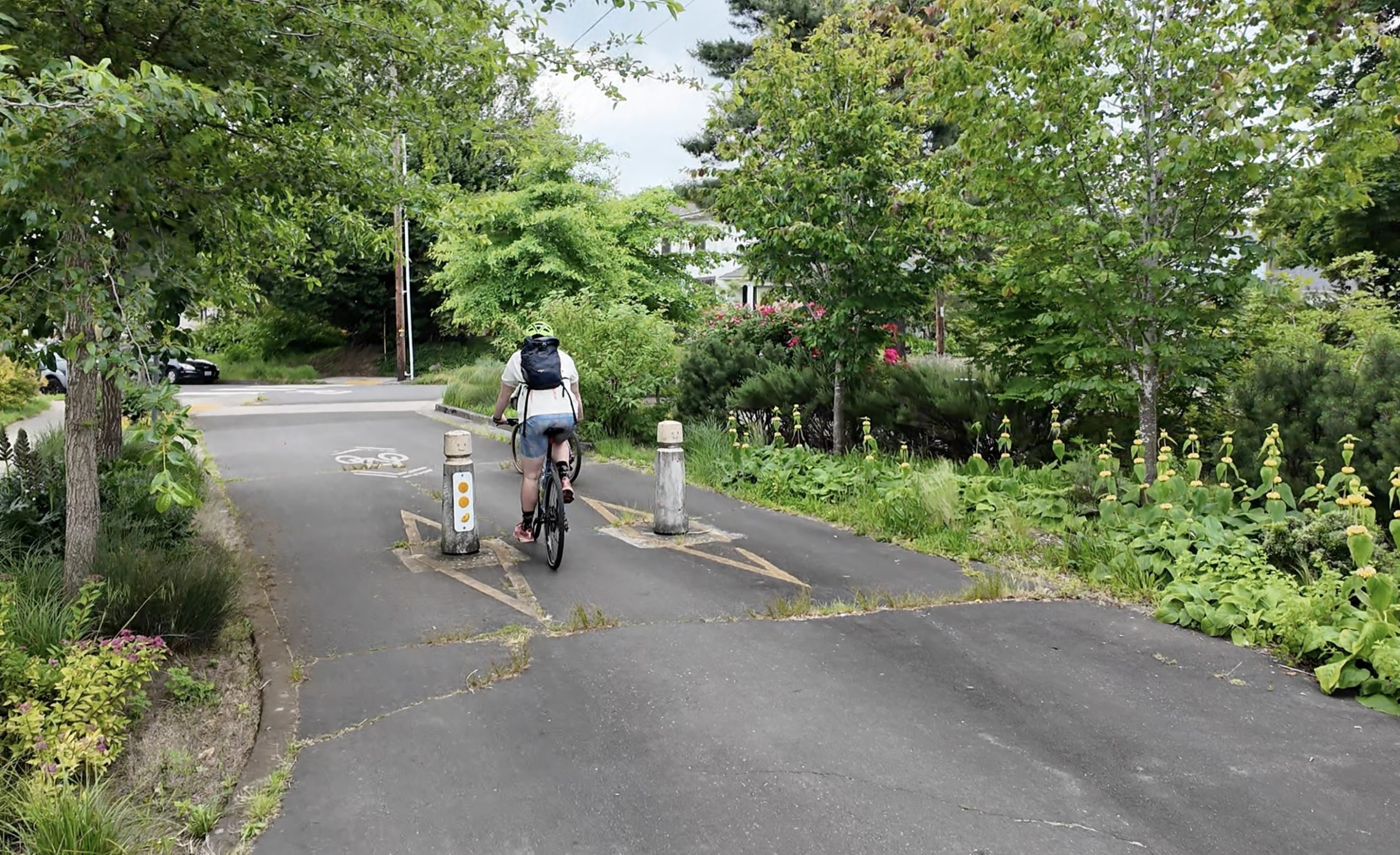
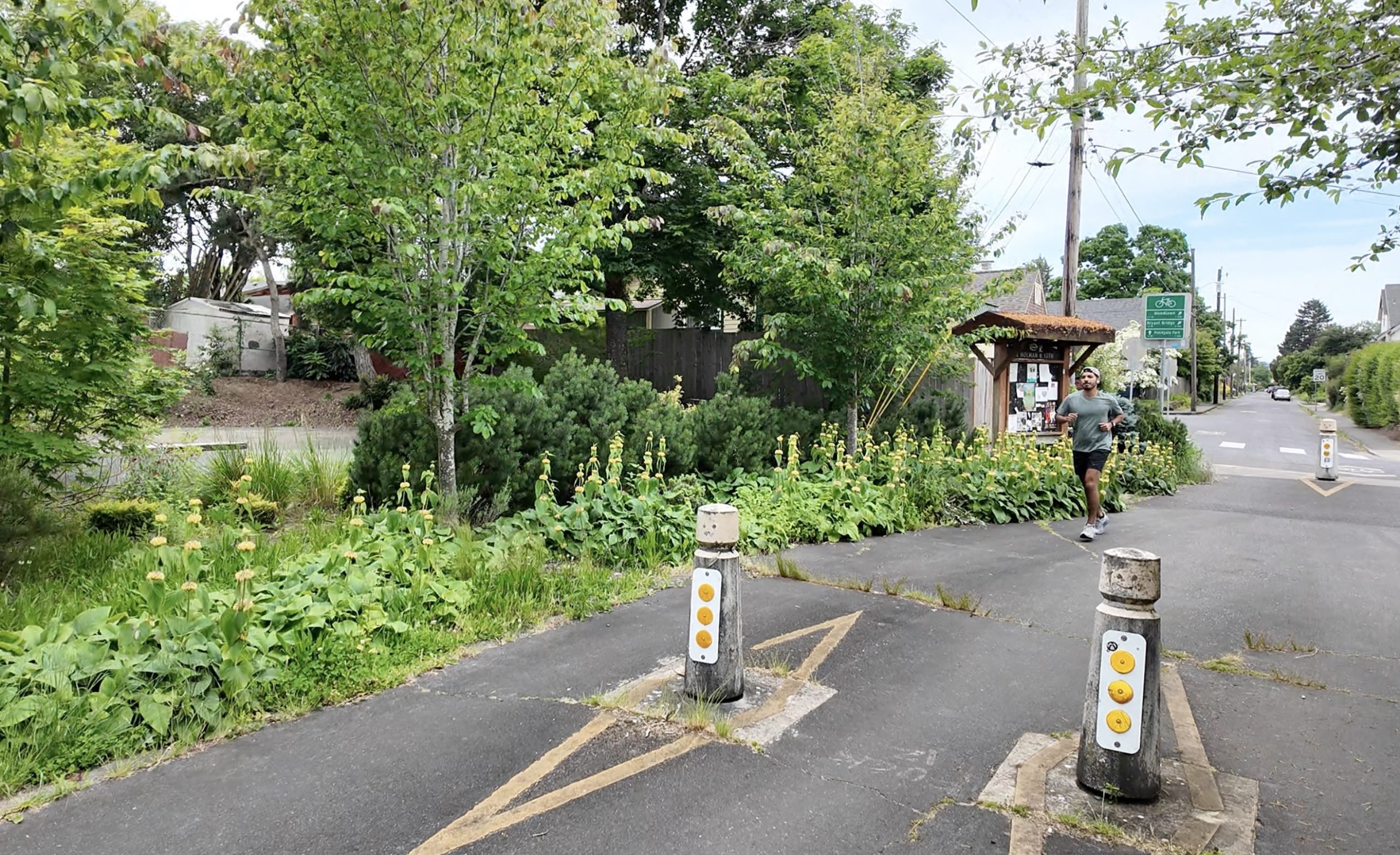
On Sunday, a park in Northeast Portland that’s usually a place of community and calm for neighbors had its serenity pierced by a reckless driver. Someone plowed into the pocket park at NE 13th on the NE Holman neighborhood greenway. And to make it worse, the driver rammed over bollards that were fashioned to look like LEGO figures and installed shortly after the creation of the park in 2012.
I heard a bit more from a reader yesterday (in response to a post about it on social media). “This was quite a bad scene,” they shared. “It looked like they hit another vehicle and were running from that incident when this happened. After they hit the bollards they sat there and floored the gas trying to drive away for 5 more minutes until neighbors convinced them to shut off the car.”
NE Holman Pocket Park between 12th and 13th. From the Nextdoor post, the minivan driver was blocked by those two heroic LEGO bollards in the middle photo. (Photos: Jonathan Maus/BikePortland)
If not for the two LEGO bollards in the middle of the path that runs through the park (see photos above), this driver would have likely created more havoc in the neighborhood. Thsoe bollards deserve a medal for their heroism!
I first heard about this from a reader who sent me a photo of the damaged bollard, and then sent me a link from the Woodlawn Nextdoor feed. When I read the post from a woman who saw the aftermath of the incident, my heart sank. Her words are troubling on so many levels (be sure to read to the end):
“In the Woodlawn neighborhood where my neighbor’s little kids play frequently and we generally think we are safe from cars. This van took out not only the first one but apparently was out of control and speeding fast enough to land/take out another one from the next pair as well, meaning it went over/toppling the first blockade and into the middle! JFC. Be careful out there. Teach your kids to listen for high speed cars, look toward it and safely distance themselves to stay clear. There have been too many of these lately.”
This is where we are. A mom telling other parents to teach kids to listen for reckless drivers even while playing in a park.
I’ve confirmed with a witness that the driver was arrested and taken into custody by the Portland Police Bureau.
Given that infrastructure and enforcement will only get us so far, we must do more to break the cycle of dysfunctional culture that breeds this type of driving behavior.
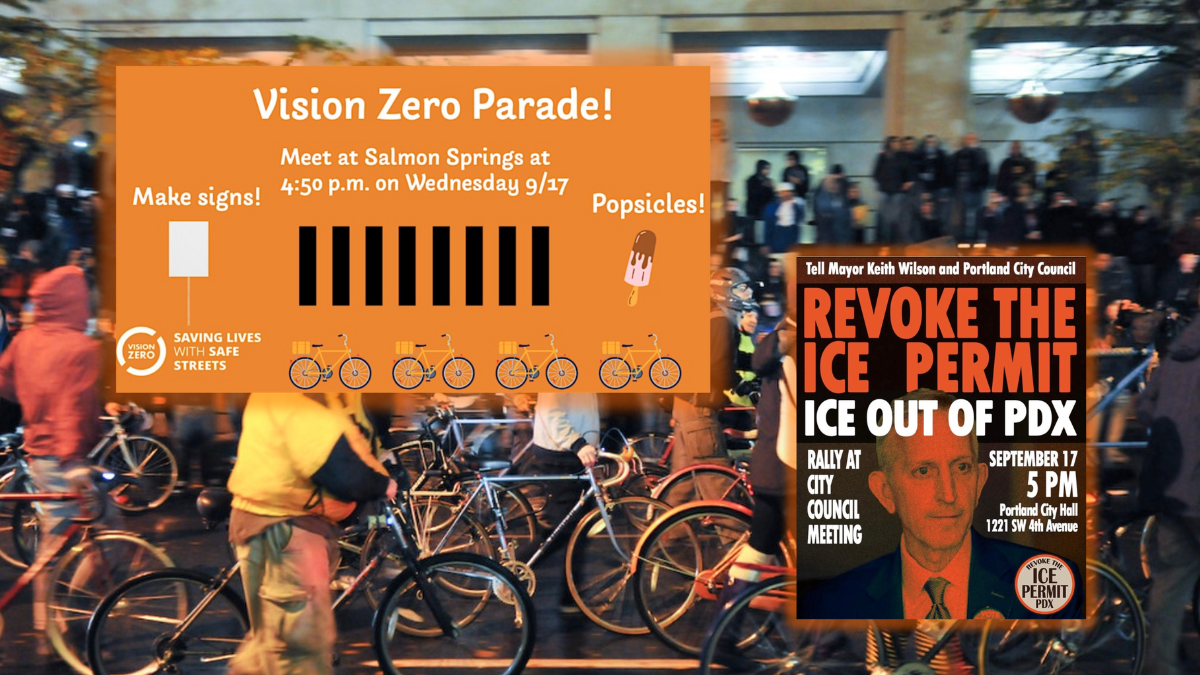
Flyers for events happening today. Background image from 2011 Occupy Portland protests by Jonathan Maus/BikePortland.
Bicycles and the people who ride them have a long history of joining social justice movements in Portland. During the Occupy Portland protests in 2011, an ad hoc group known as “Bike Swarm” played a key role in protecting protestor encampments from police officers. A version of Bike Swarm returned in 2020 and supported the Black Lives Matter protests that erupted after the killing of George Floyd in 2020.
The latest example will happen later today when anti-ICE groups and Vision Zero advocates come together at City Hall.
This unification of activists happens when Portlanders face threats that present themselves on the street — an environment where bicycles are often more adaptable, powerful, and effective than feet or cars. The current threat too many Portlanders face is federal Immigration and Customs Enforcement (ICE) agents patrolling streets. Earlier this week, City Councilor Sameer Kanal reported that two North Portland residents were “kidnapped” by ICE.
Councilor Kanal also appeared at Bike Happy Hour last week to share an update on his work to strengthen Portland’s sanctuary city status and to encourage bike advocates to stay connected to Council’s Community and Public Safety Committee meetings (which he co-chairs).
Later today, folks will have a chance to show support for immigrants and/or safe streets when advocates for both issues will converge at Salmon Street Springs for festivities ahead of City Hall rallies and a City Council meeting where a Vision Zero resolution is on the table.
Activists with Revolutionary Bicycle Club (RBC), whom some of you might recall meeting at Bike Happy Hour back in May, or more recently when they protested my interview with Mayor Wilson, are leading a ride to the Vision Zero parade in coordination with Revoke the ICE Permit PDX, a group calling for the City of Portland to revoke the permit that allows ICE to operate out of a building on South Macadam Avenue.
Organizers with RBC are appealing to safe streets advocates when they write in the description of today’s ride: “This is the moment to understand that our struggles are inextricably intertwined! From ICE kidnappings to car-culture domination, our streets have been made unsafe because we have allowed that to happen.”
RBC’s presence could make for an interesting contrast with the bike parade and popsicle handout being organized by City Councilor Tiffany Koyama Lane as part of her push to raise awareness for Portland’s Vision Zero commitment. RBC is asking folks to wear red and black to show solidarity with immigrants. Councilor Koyama Lane is asking folks to wear (traffic cone) orange.
No matter what color you wear, what type of activism you prefer, or what group(s) you support, I hope you consider showing up to Salmon Street Springs at 4:50 for the gathering and/or making your way to City Hall for the rallies and 6:00 pm council meeting.
It’s time to show up and unite to keep our streets safe!
— Please note: I can’t make it to Bike Happy Hour or these events today (my son has a cross country meet and my knee has had a recent setback). Folks will still meet in the Rainbow Road plaza from 3:00 to 6:00 pm, but I encourage everyone to attend the Vision Zero parade and council meeting if you’re able!
CORRECTION, 9/18 at 7:40 am: The initial version of this story said one of the two people who were taken by ICE agents was waiting outside a school with their teenage child. That was not accurate. According to Portland Immigrant Rights Coalition, both men were pulled over while driving. I regret the error and any confusion it may have caused.
Here’s an example of putting a higher price on car use can benefit an entire community.
One of the ways the Portland Bureau of Transportation manages curbside parking in areas with high demand for spaces is to form parking districts. PBOT then works with neighborhood residents (via volunteer committees) to invest the resulting parking meter and permit revenue back into street upgrades.
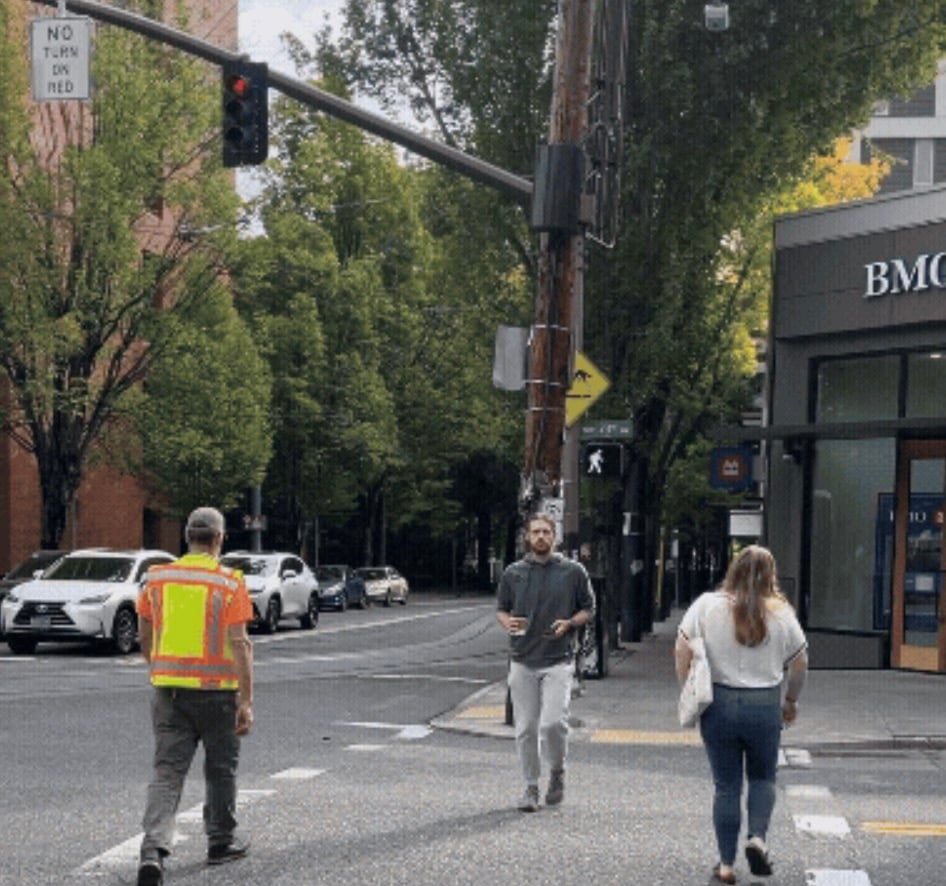
Over the past year, PBOT worked with the Northwest Parking District Stakeholder Advisory Committee on a project to make walking safer. With input from PBOT’s Vision Zero team and recommendations from the Northwest in Motion Plan, they came up with a list of 15 intersections where the installation of a “no turn on red” policy and/or a “pedestrian head start” (a.k.a. leading pedestrian interval or LPI) could make a positive impact on safety for non-drivers.
In an update from PBOT shared today, they’ve completed these upgrades using funding approved by the committee. In addition to signage aimed at preventing right turns on red and signal changes to give walkers a head start through intersections, PBOT also added accessible push buttons at some of the intersections for folks who are blind or have low-vision.
For the uninitiated, pedestrian head starts give walkers a green signal several seconds before drivers. This gives walkers a chance to get through the intersection and it makes them easier to see by right-turning drivers. Think of these signals as bike boxes for walkers. PBOT cites studies that show pedestrian head start treatments can reduce pedestrian-vehicle collisions as much as 60%.
A July 2024 PBOT memo about the project said all 15 intersections could be upgraded for just over $140,000 — which shows just how affordable these upgrades are. (Note I’m not sure if the recently completed work took care of the full 2024 proposal. I will update this post once I clarify.)
According to that memo, PBOT created new “no turn on red” restrictions at 15 intersections, pedestrian head starts at 11 intersections, and new accessible push buttons at five intersections in the Northwest Parking District.
The intersections included: NW Everett at 18th, 19th, 21st, and 23rd avenues; NW Glisan at 18th, 19th, 21st, and 23rd; NW Lovejoy at 18th, 19th, 21st, and 23rd; NW Northrup at 23rd; NW Raleigh at 23rd, and NW Thurman at 23rd.
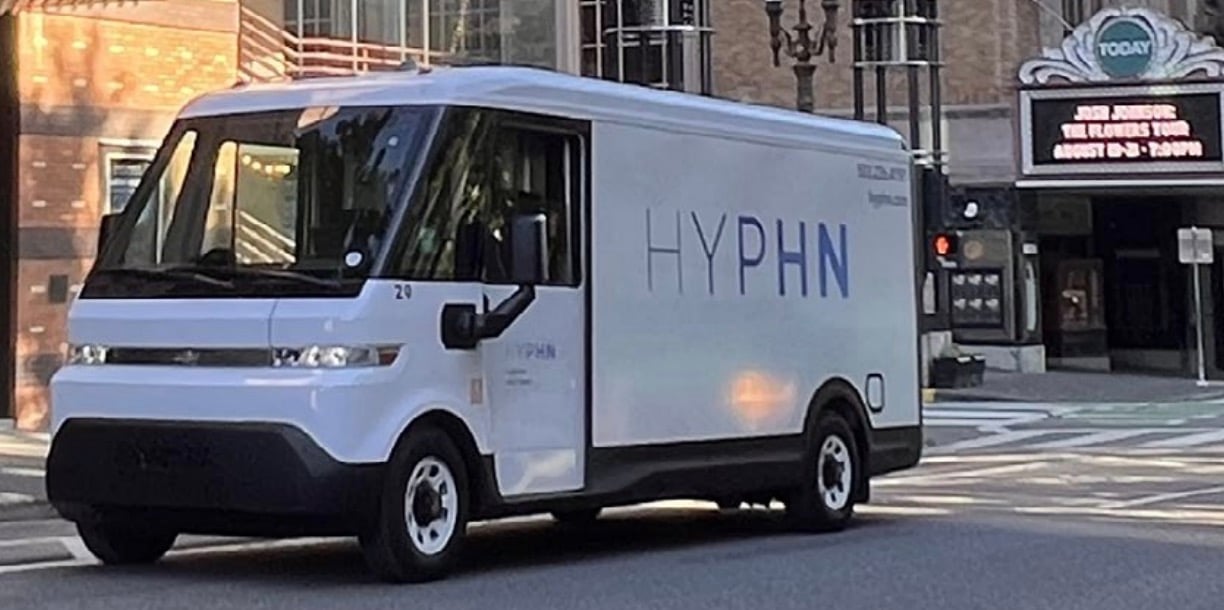
They are both delivery vehicles, but have very different impacts on the city. (Photo: Jonathan Maus/BikePortland)
When it comes to American cities trying innovative things in the transportation realm, there’s an unfortunate tradition of mainstream media and the usual skeptics going into full, “sky is falling!” mode. Before the first major bike share system launched and before congestion pricing was implemented in New York City, the outrage machine kicked into high gear — only to fall silent when the things ended up working out as advertised (if not better).
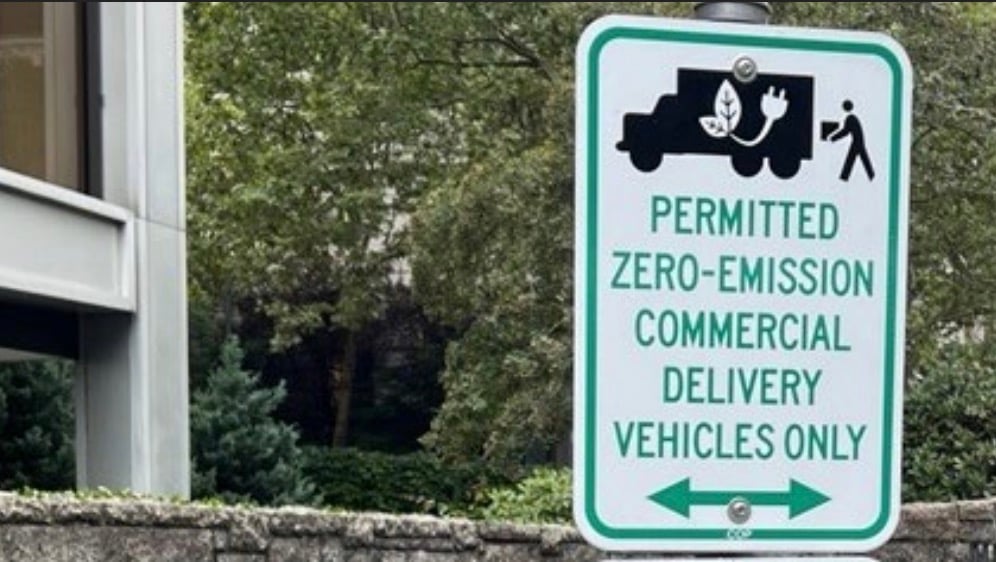
Portland’s ‘zero emissions delivery zone’ effort was no different. When news of the transportation’s bureau’s project came to light, local media did their thing. It got so bad I had to publish a story just to try and set the record straight. And now that the six-month pilot is over, a report issued by the City of Portland last week says it was a success.
Portland experimented with zero emission delivery zones because our city has adopted climate and freight plans that specifically prioritize making trucking less toxic to the environment. Around 40% of Multnomah County’s carbon emissions come from the transportation sector and the Portland area is in the top one percent of the areas with the highest diesel emissions in the U.S. Beyond the health of our lungs and planet, the current delivery truck fleet is large and operators too often take advantage of lax enforcement. This leads to congestion and safety hazards when drivers double park, circle around to find parking, block public spaces during deliveries, and so on.
From a bike safety perspective, the use of big trucks in the downtown core has been a major concern for many years and we’ve had too many people killed in collisions with truck operators.
To address these issues, in 2023 the Portland Bureau of Transportation won a $2 million grant from the U.S. Department of Transportation’s Strengthening Mobility and Revolutionizing Transportation (SMART) program. The idea was to cut emissions from central city truck deliveries and encourage different types of vehicles to make them. PBOT chose to focus on curb zone and parking regulations to achieve their goals.
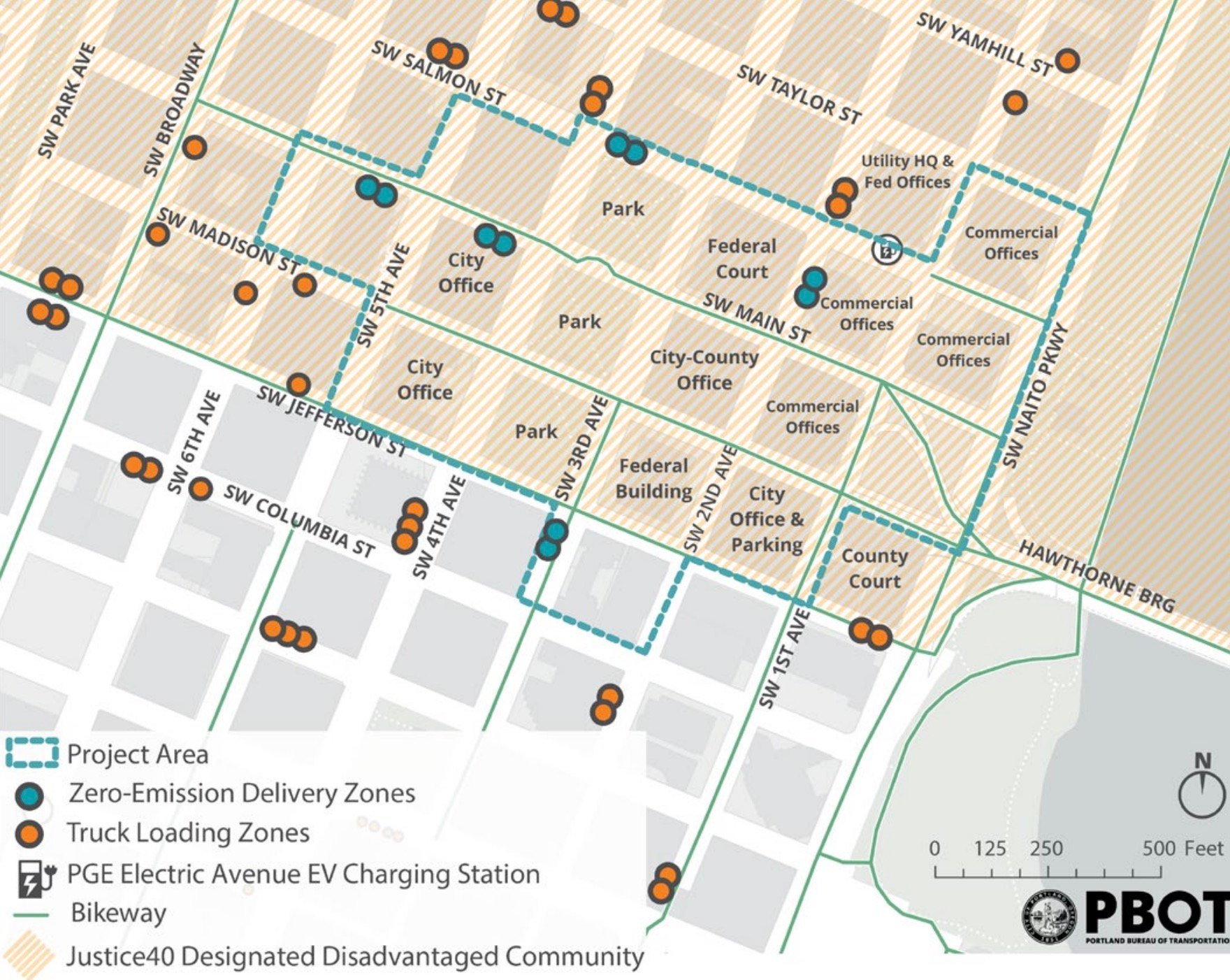
ZEDZ map via PBOT.Parking signPage from PBOT reportSource: PBOT
“Cities are the centerpiece of the economy and we control valuable assets, like the curb zone,” stated PBOT Director Millicent Williams in an introduction to a report on the six-month pilot project released last week.
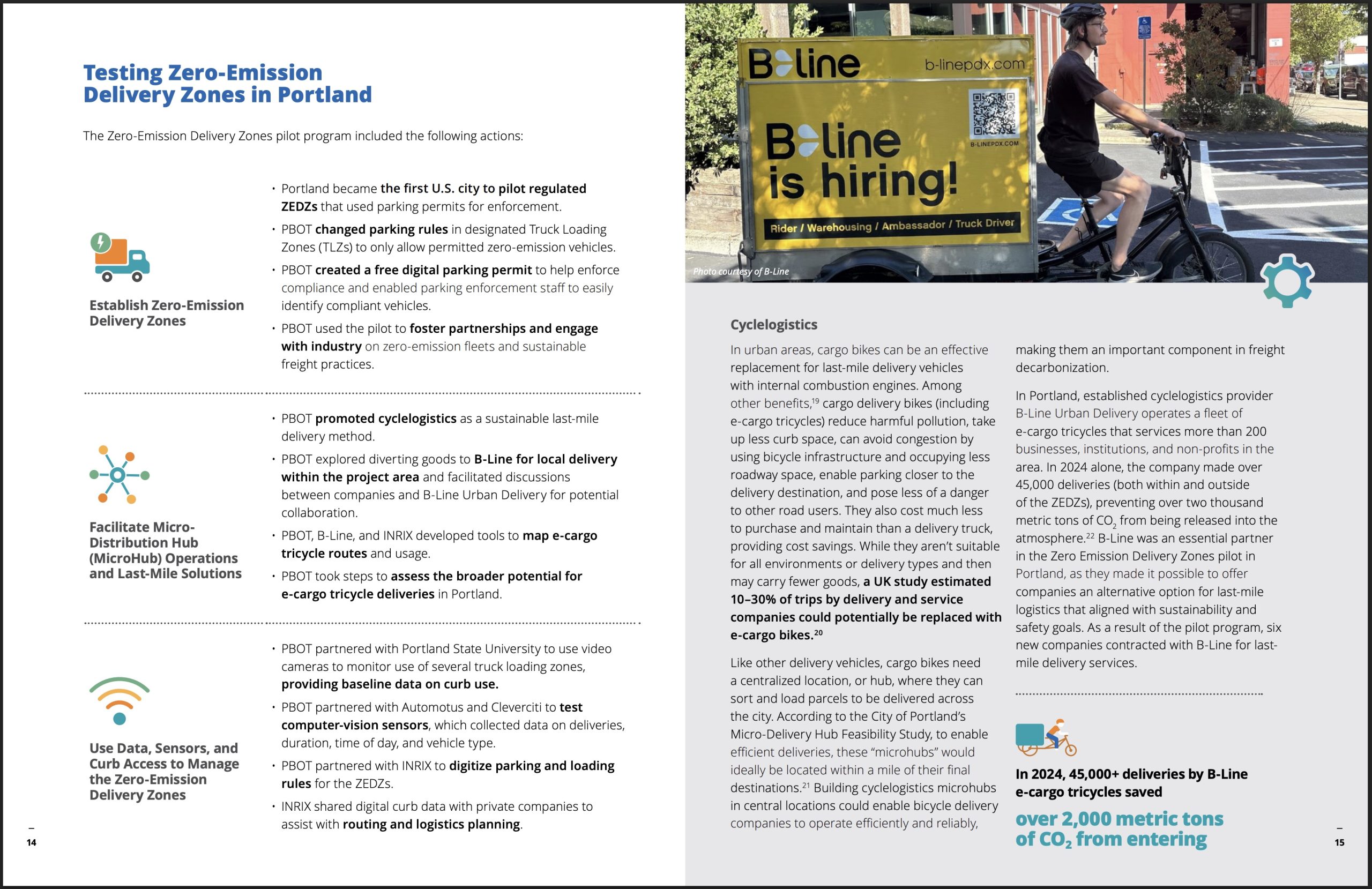
PBOT’s pilot project consisted of a 16-block area of downtown (roughly SW Naito to 6th and Salmon to Jefferson) where only zero-emission delivery vehicles were allowed to use 10 specific loading zones. Vehicles with internal combustion engines could still use metered parking spaces, internal loading bays, or they could do their loading outside the zone. To help companies comply with the new regulations and to assist their parking enforcement teams, PBOT created a free, digital parking permit.
PBOT staff also worked directly with delivery companies to help them find solutions for their businesses that would comply with the experiment. They helped companies source zero-emission vehicles, tested the use of microhubs where electric vehicles could operate efficiently, and encouraged the use of electric cargo trikes for last-mile deliveries. In the report, PBOT says they “promoted cyclelogistics,” and most of that effort focused on B-line Urban Delivery, a local company that made 45,000 deliveries to over 200 customers by pedal (and battery) powered electric cargo trikes last year.
PBOT connected B-line to new potential customers, worked with traffic data firm INRIX to map e-cargo trike routes and usage, and explored policies and programs that could increase e-cargo trike deliveries in the future. This is very promising collaboration! To give you a sense on where PBOT’s head is regarding e-cargo trike deliveries, read this excerpt from the report:
“In urban areas, cargo bikes can be an effective replacement for last-mile delivery vehicles with internal combustion engines. Among other benefits, cargo delivery bikes (including e-cargo tricycles) reduce harmful pollution, take up less curb space, can avoid congestion by using bicycle infrastructure and occupying less roadway space, enable parking closer to the delivery destination, and pose less of a danger to other road users. They also cost much less to purchase and maintain than a delivery truck, providing cost savings. While they aren’t suitable for all environments or delivery types and then may carry fewer goods, a UK study estimated 10–30% of trips by delivery and service companies could potentially be replaced with e-cargo bikes.”
One of the most promising steps PBOT could take to encourage more delivery trikes is to establish more microhubs near major destinations. “Building cyclelogistics microhubs in central locations could enable bicycle delivery companies to operate efficiently and reliably,” PBOT writes in the report. And if you think this is all talk and no action, consider the steps already taken to establish one such delivery hub at the future James Beard Public Market.
B-line CEO and Founder Franklin Jones told BikePortland this morning he was impressed with how PBOT approached this work. “The pilot showed PBOT has a serious interest in tackling real challenges associated with urban logistics,” and it, “underscored that innovation and collaboration between the public and private sector is alive and well,” he said.
So, how do we know it worked? Here are a few tangible results touted by PBOT in their report:
Six new companies contracted with B-line for delivery services.
Over 65 zero-emission vehicle digital permits were issued.
Delivery company DHL bought three electric vehicles for deliveries in Portland and installed new chargers at their local facility.
Amazon rerouted their zero-emission vehicles into the pilot area.
The first FedEx-branded zero-emission vehicles in Portland were spotted in the project area in March 2025.
HYPHN, a Portland-based moving company, purchased their first zero-emission vehicle as a result of the pilot.
The City of Portland Printing & Distribution department led by example and purchased an electric van for local deliveries, a move estimated to avoid nearly 90 metric tons of GHG emissions — the equivalent to carbon sequestered by 90 acres of forests in one year — over its lifetime.
From here, PBOT wants to push further. Their next steps wish-list includes: expand the zero-emission zones, consider new enforcement strategies, develop a pilot for on-street microhubs, and update city policy to support e-cargo trikes — which they see as including quadricycles and electric-assist trailers.
Portland has a commitment to slash carbon emissions by 50% or more by 2030 and to be net zero by 2050. Despite the fears this new approach to an old problem stoked in some circles, it seems like a great success for our city and the planet on several fronts. Or, as the report states: “For the City, this pilot represents another step toward encouraging a future of decarbonized transportation.”
Yes it was great to walk and roll on carfree downtown streets at yesterday’s Sunday Parkways. But what was most memorable for me was the music. Between folks that the City of Portland partnered with who seemed to pop around every other corner, and the musicians who played at various hotels and businesses along the route, it was a real treat to watch and listen to such talented performers.
This video includes clips of performances by: Portland Opera’s Rising Stars, MC Shoehorn, Renegade Opera, JoAnna Lee, Karl Blackwood, and Trio Subtonic.
I’ve spent many hours thinking about how best to use BikePortland to help our community in this time of unprecedentedly reprehensible behavior from our national government and people who support it. I didn’t build this platform to stay in my lane when shit hits the fan. Sorry if this is off-topic for the Monday Roundup, but wanted you to know where my head has been lately. I’ll share more as the week goes on.
For now, below are the most notable stories folks shared with me and/or I stumbled on in the past seven days…
Brooklyn bribery: We think backroom deals between a commissioner and business owners is shady? In Brooklyn they do straight-up cash payments to get rid of bikeways! (Streetsblog NYC)
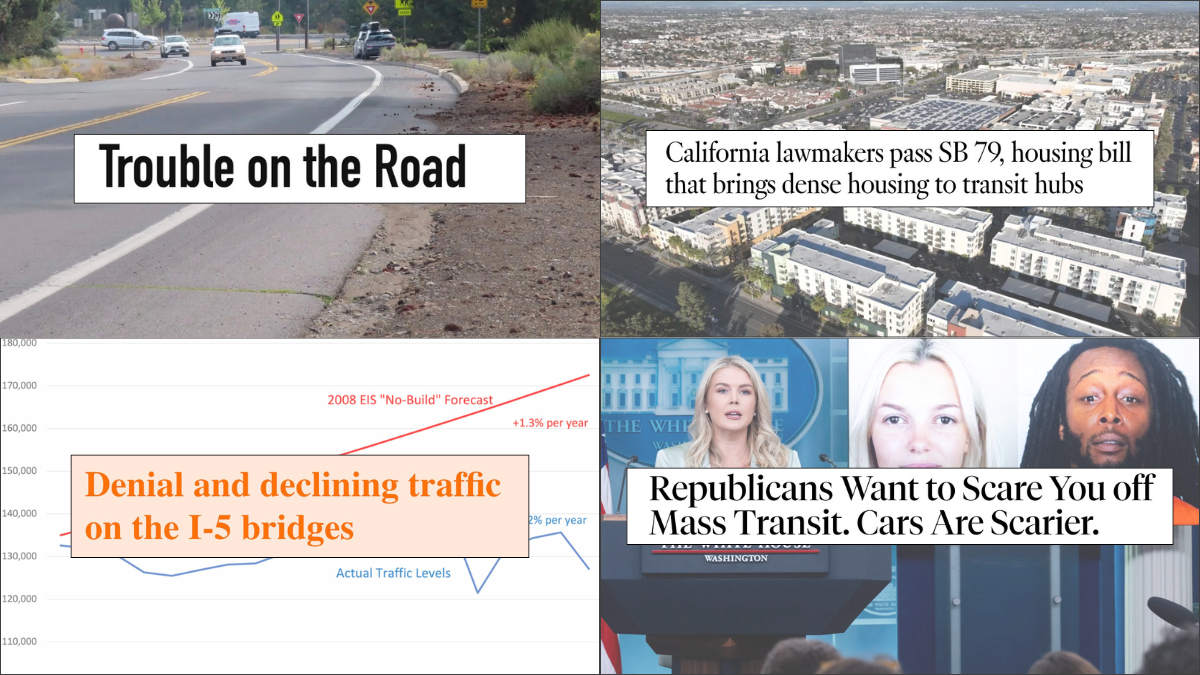
Big housing win: “California lawmakers passed SB 79, a bill that would override local zoning laws to allow dense housing developments up to nine stories near transit hubs statewide.” (LA Times)
Don’t fall for it: Some Republicans are capitalizing on a horrible death that happened on a light rail train in Charlotte, NC as a way to further marginalize public transit and push the narrative that driving cars is the only answer. (The New Republic)
Historic protest: An immense crowd of Free Palestine supporters stopped the final stage of the Tour of Spain. The bike race has been held for 89 straight years, but it couldn’t withstand fierce protests by large, well-organized pro-Palestine groups who wanted more visibility for the cause and objected to the Israeli sponsorship of one of the teams. The UCI has condemned the protestors and says their actions violate the Olympic Charter. (AP)
Road rage in Bend: A grown man driving a truck was so triggered by a bicycle rider in the road that he decided to assault him, causing multiple serious injuries. Turns out the cyclist was just a teenager. Thankfully, police arrested the driver. (The Source)
Real talk about mopeds and e-motos: This article from the UK about the rise in injuries from collisions involving large, high-powered “e-bikes” is chilling and could probably be written about a city in the U.S. (BBC)
Wasted money?: “ODOT and WSDOT are proposing to spend as much as $10 billion to widen a roadway where traffic is declining, is less than it was twenty years ago, and shows no signs of ever reaching the levels claimed in the project’s modeling and environmental analysis.” (City Observatory)
Thread of the week: The Bluesky thread from Qagggy! about what Seattle could accomplish with a bold mayor is very solid and inspiring. Let’s expect more than the status quo from “bike friendly” mayors!