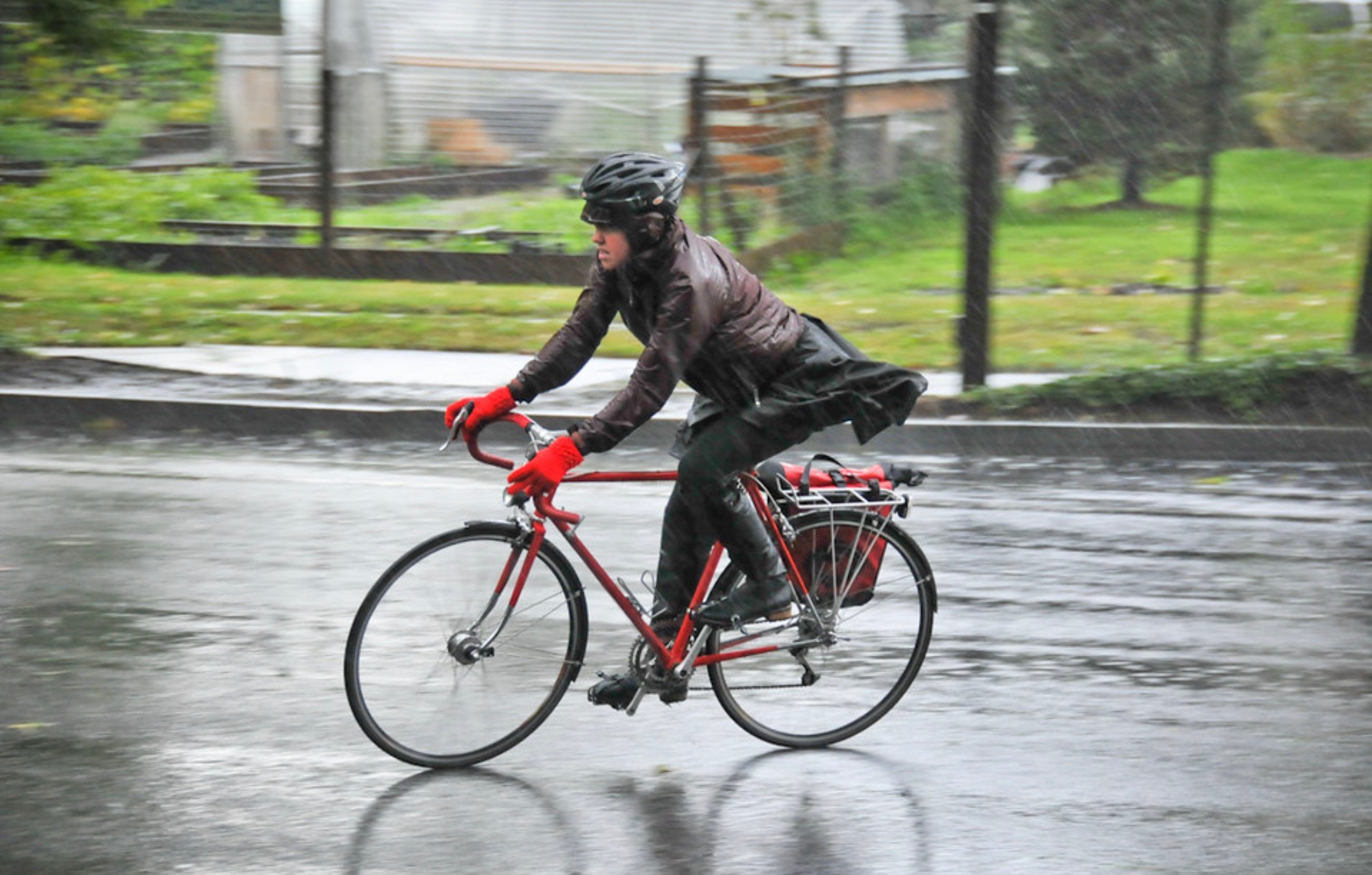
Hope you’re doing OK with all the rain and wind. If you’ve been needing new rain gear, this is a big weekend because the annual Showers Pass Warehouse Sale is on Saturday.
Below is more info on that and the rest of my picks for the weekend. Have fun out there!
Saturday, November 8th
Showers Pass Warehouse Sale – 9:00 am at Showers Pass HQ (SE) An excellent opportunity to score great deals on gear that will keep you dry and comfy. This is a legendary sale where they offer deals you will not get any other time/place. In addition to SP gear they’ll have stuff from TREW, Black Stone Stitchworks, and Vvolt E-bikes. More info here.
I-205 Path Cleanup – 10:00 am at Home Depot (NE) Join the nonprofit SOLVE to pick up trash and debris from the I-205 path near Airport Way. Yes it sucks that we have to do this, but we have to do this. Cargo bikes encouraged! More info here.
North Portland Mutual Aid Ride – 1:00 pm at Wonderwood Springs in St. Johns (N) Riders will roll to a supermarket to buy food and then make a tour of 8-9 mini food pantries and fridges outside homes in North Portland. A perfect way to help folks in need. More info here.
Advertisement
Sunday, November 9th
Overlook Ride – 9:30 am at Stacks Coffeehouse (N) Get to know the beautiful Overlook neighborhood with a knowledgeable ride leader (hi Nic!) who will also help you plug into neighborhood activism if you’re so inclined. More info here.
Sunday Social Ride – 10:00 am at Gateway Transit Center (NE) Roll with members of the Portland Bicycling Club on a metro area excursion. Expect a 13-15 mph pace with most folks on drop bar road bikes. More info here.
Cycle Sundays – 10:00 am at Memento Mori Cafe (NW) Roll out with the fun-loving Cycle Homies for this “moderate-fast” paced ride of about 15-20 miles. More info here.
OBRA Cyclocross Championships – All day in Independence, Oregon If you love bike racing — either on the inside or outside of the tape — you’ve got to be excited about this event. The crew from Sellwood Cycles have organized a brand new venue at a cool main street park in downtown Independence, Oregon. This is an amazing excuse to venture south to discover a classic small town that has become a bike-friendly oasis and will open their arms to this event. More info here.
— Did I miss your event? Please let me know by filling out our contact form, or just email me at maus.jonathan@gmail.com.
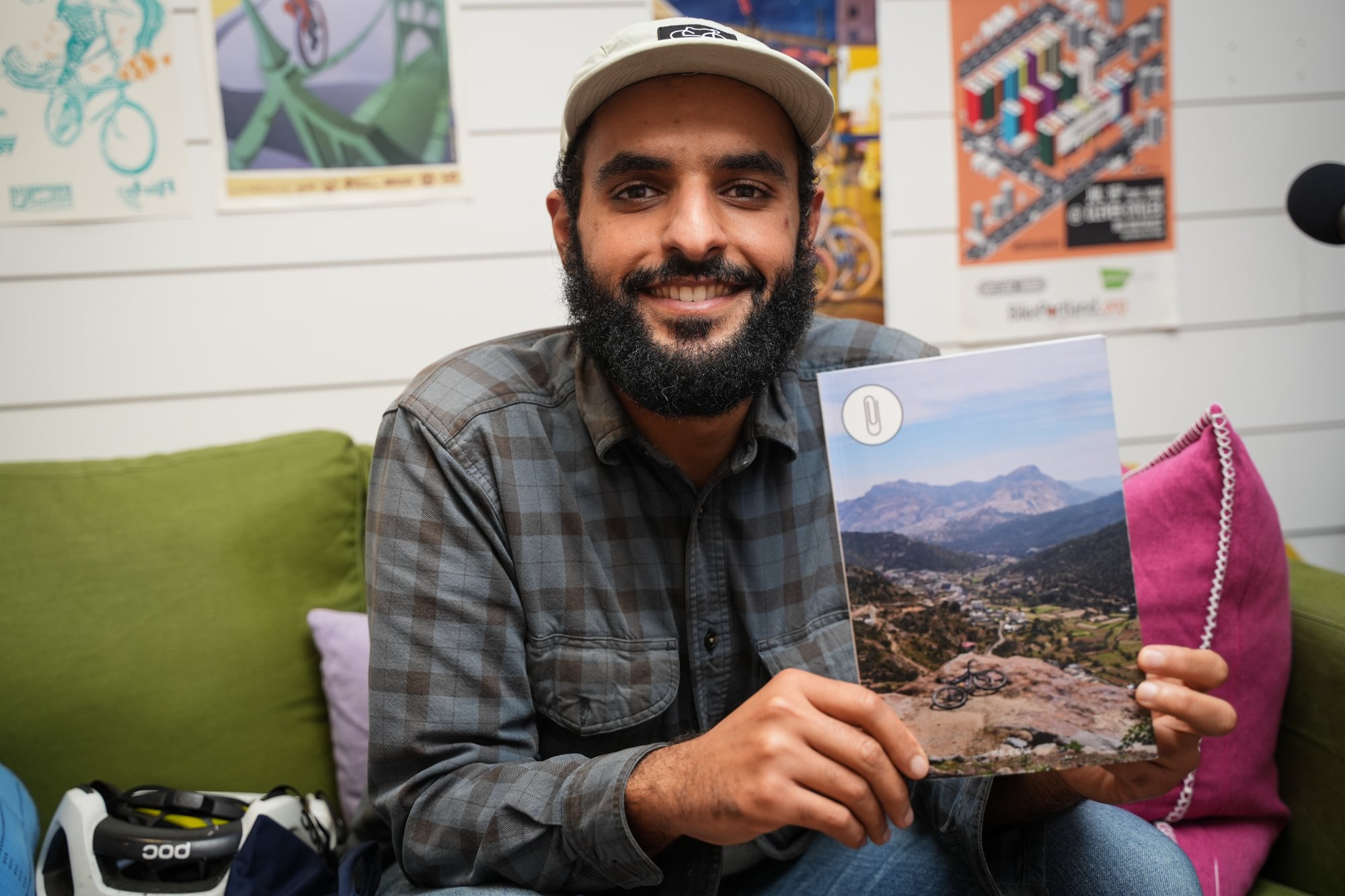
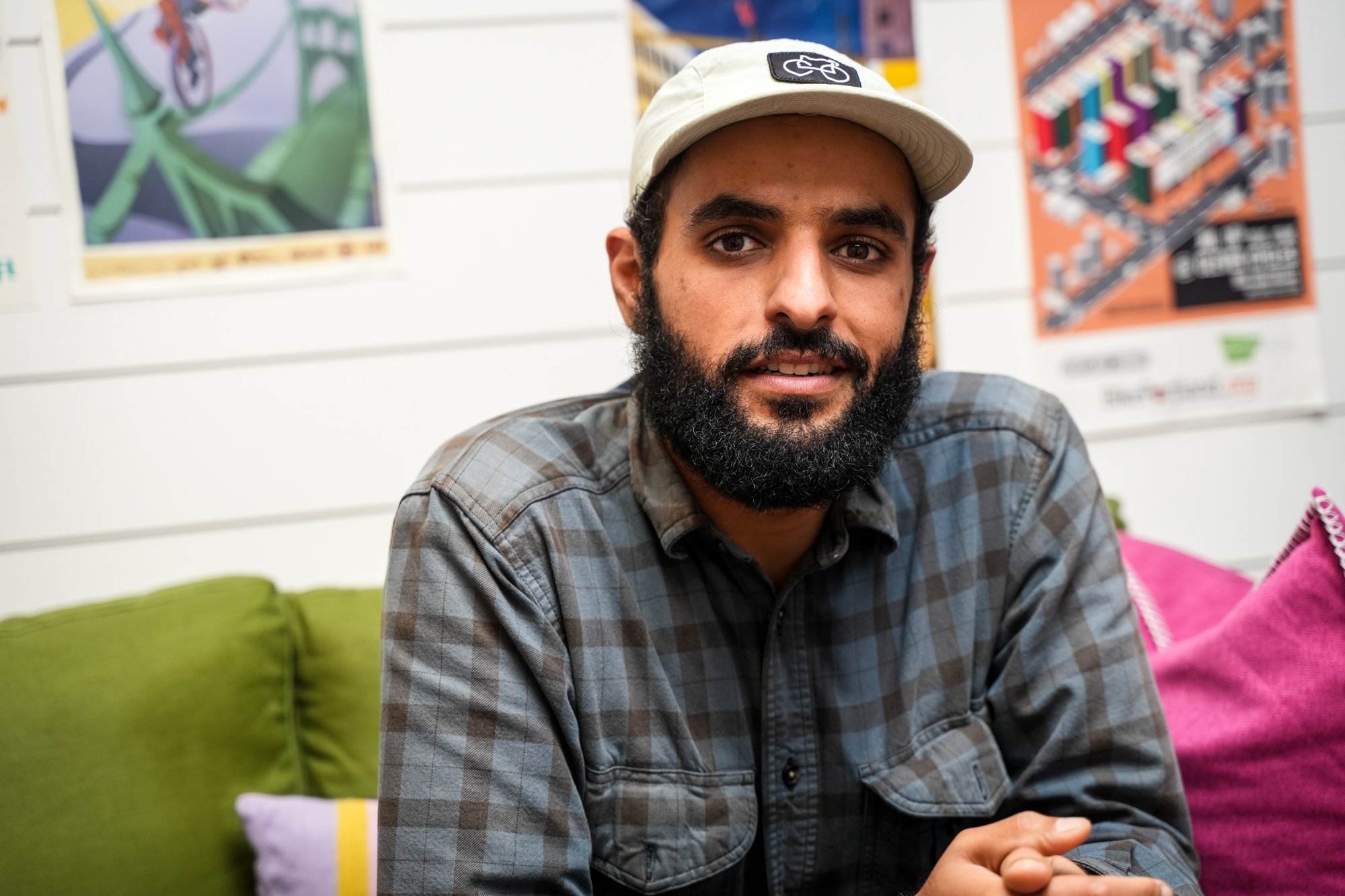
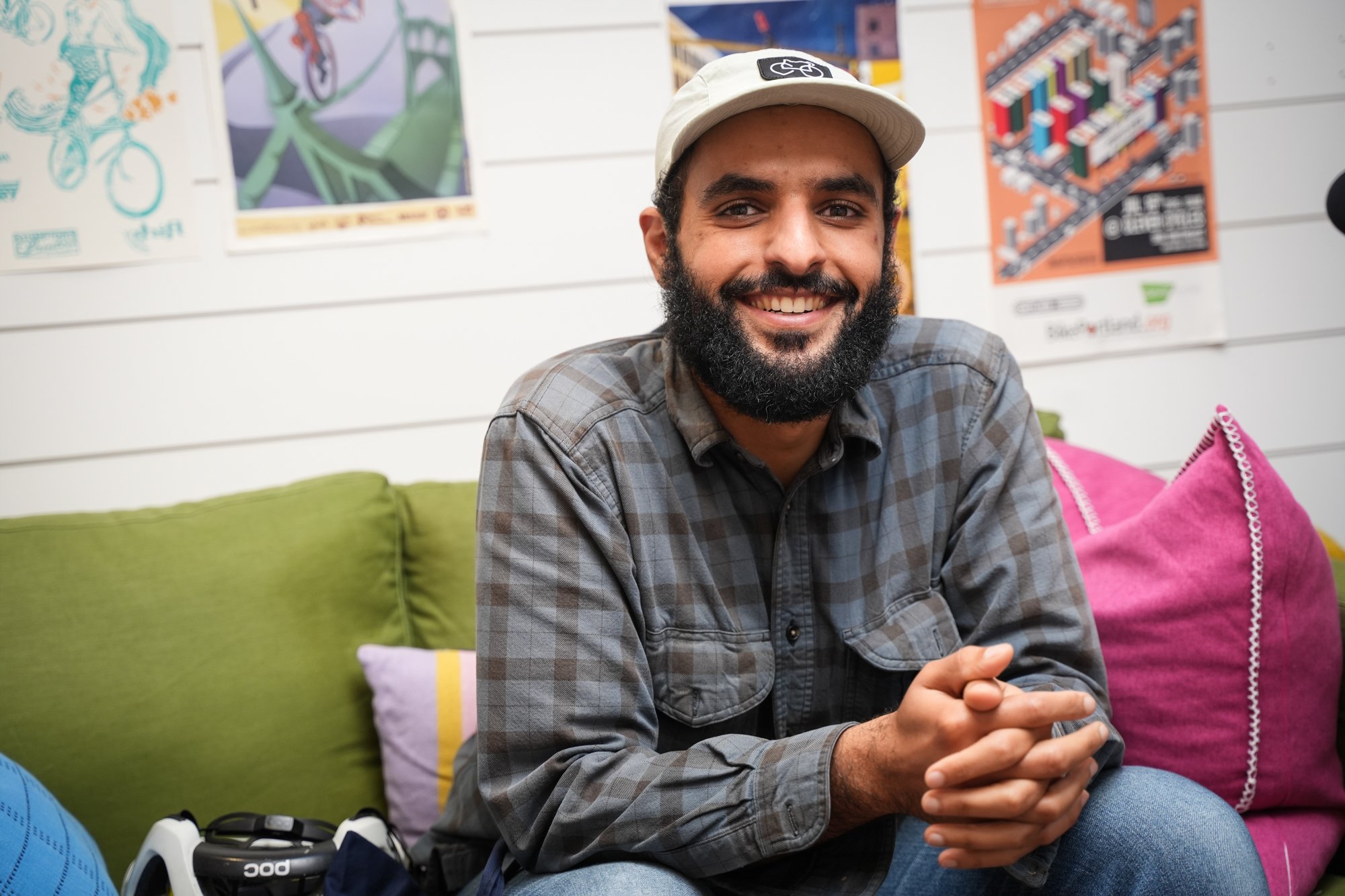
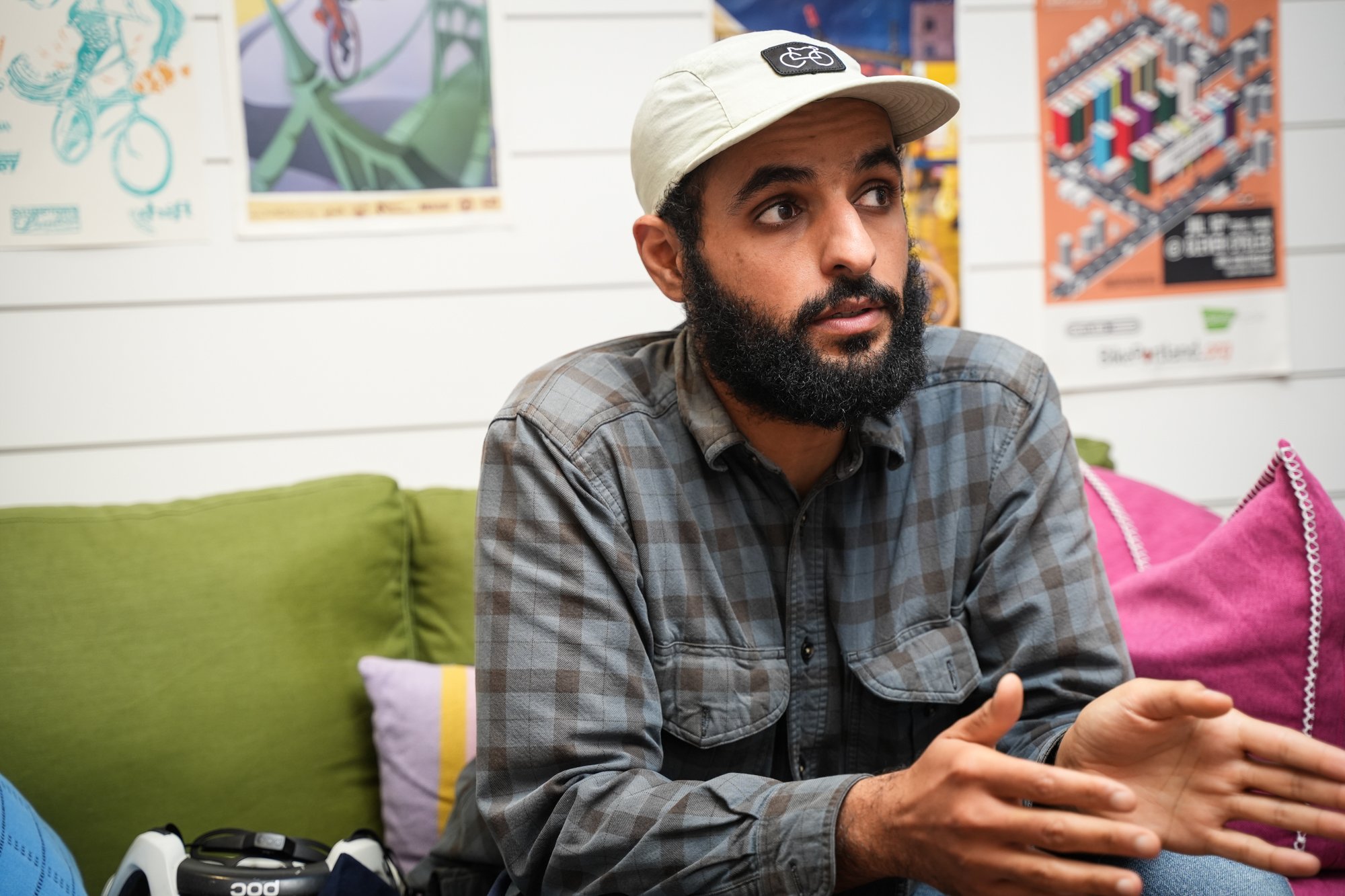
Abdulrahman “Abe” Alkhamees in the BikePortland Shed with Issue One of The Paperclip. (Photos: Jonathan Maus/BikePortland)
Abdulrahman Alkhamees’ love of the Pacific Northwest was sparked while watching a documentary on the eruption of Mount St. Helens when he was just 10 years old. Living in his birthplace of Kuwait at the time, Alkhamees and his father would watch documentaries every Friday morning.
When he awoke to St. Helens on the screen, Alkhamees (who goes by “Abe”) recalled, “You mean to tell me there’s a place with volcanoes, rivers, deserts, and trees as old as time? I was blown away. To me, the Pacific Northwest was as close as you can get to a mystical world with this amazing terrain, and I was really enamored by it.”
I invited Alkhamees into the BikePortland Shed on Tuesday to learn more about his latest creative project, a magazine called The Paperclip.
Advertisement
Alkhamees held onto that love and curiosity of the Pacific Northwest and decided to attend Portland State University. And like many people who move here, the gravity of cycling soon began to pull on him. He bought a bike the first week he moved here and now he’s carved a niche as a photographer of his rides and the stories of people he pedals with.
Four years ago he wanted to combine his love of cycling with his love of his home and create a magazine about cycling in the Middle East. That remains a dream, but this past summer he decided to pivot and put together a collection of stories about cycling submitted from riders from all over the globe. The Paperclip is a square-bound publication that looks and feels more like a small coffee table book than a typical magazine. It’s beautifully laid-out and has a nice balance of text and imagery.
The stories in The Paperclip range from a window into the Gaza Sunbirds (a paracycling team that escaped the war and competes in cycling events worldwide) and a first-person account from a guy who trained hard all summer only to be passed on a climb by someone in their 70s — to a story from a woman who shares how riding gravel roads helped her overcome the passing of her parents. While cycling runs through each one, it’s not always the main character. “Cycling is the glue,” he explained. “It’s not necessarily the main story.”
Advertisement
And while Alkhamees personally loves long rides into the “mystical terrain” of our region, he seeks stories that center riders’ lives over extreme physical accomplishments.
“Some of these some of these stories don’t really get a lot of light because they’re not epic,” Alkhamees explained. “I didn’t include any stories about somebody riding a thousand miles in 48 hours or whatever. That has its place, but for me I wanted the stories to be human-forward. I wanted the humanity, the failures, the struggles, the fun parts — all the other stuff that kind of fall in between the cracks — to show up.”
For this first issue, all contributors agreed to donate their work. Alkhamees’ plan is to donate half the proceeds from sales to the Gaza Sunbirds and the other half will pay authors and photographers who make it into the next issue.
Asked what he hopes people take away from the magazine, Alkhamees said, “Connectivity. That everybody has a shared struggle in some sense. But also, that struggle is what makes us, us.”
— Watch a short video of Alkhamees below. Issue one of The Paperclip is available now as a $25 pre-order at ThePaperclip.cc. The order window is open until November 14th. Wholesale pricing is also available for bike shops and other businesses. Follow The Paperclip on Instagram.
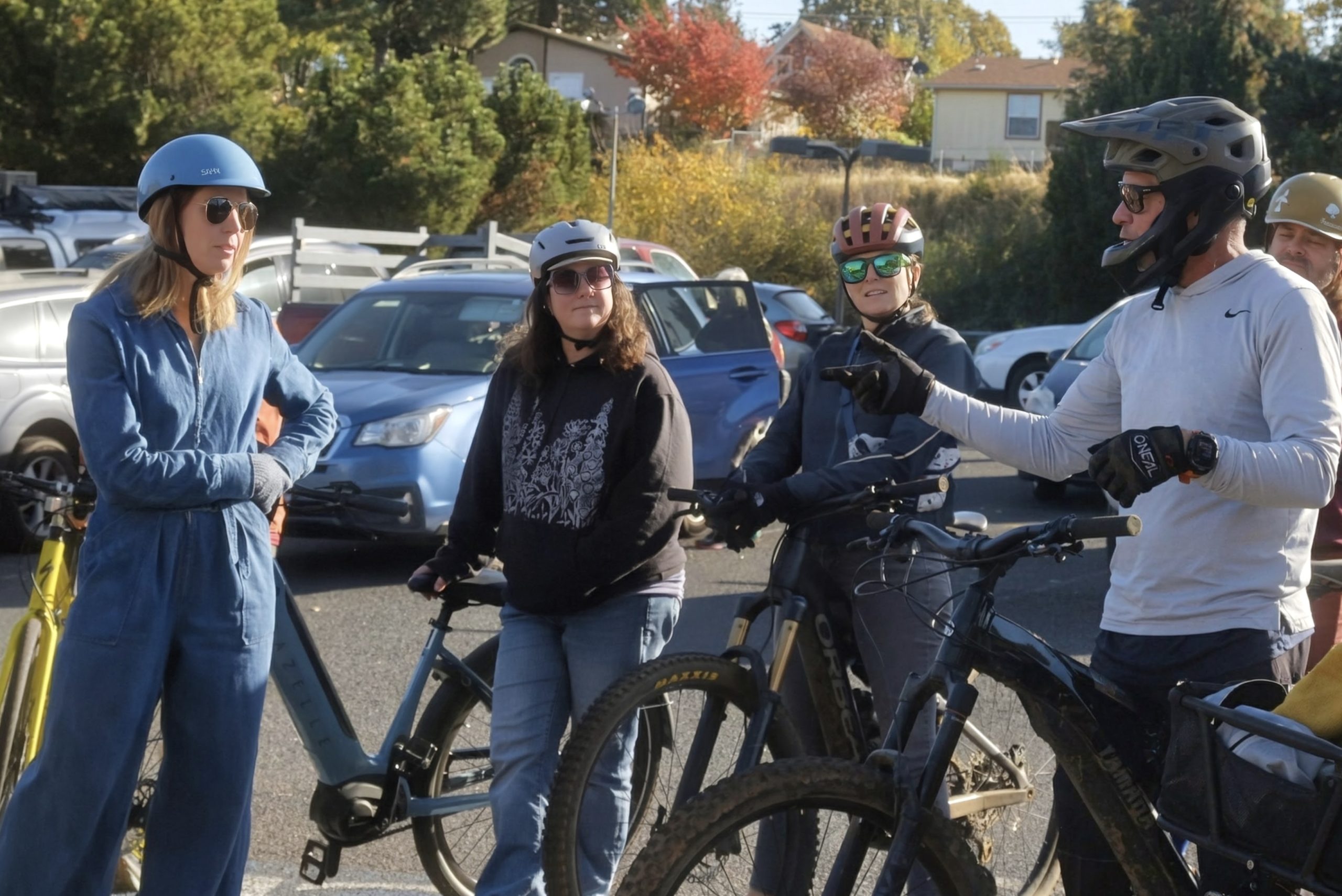
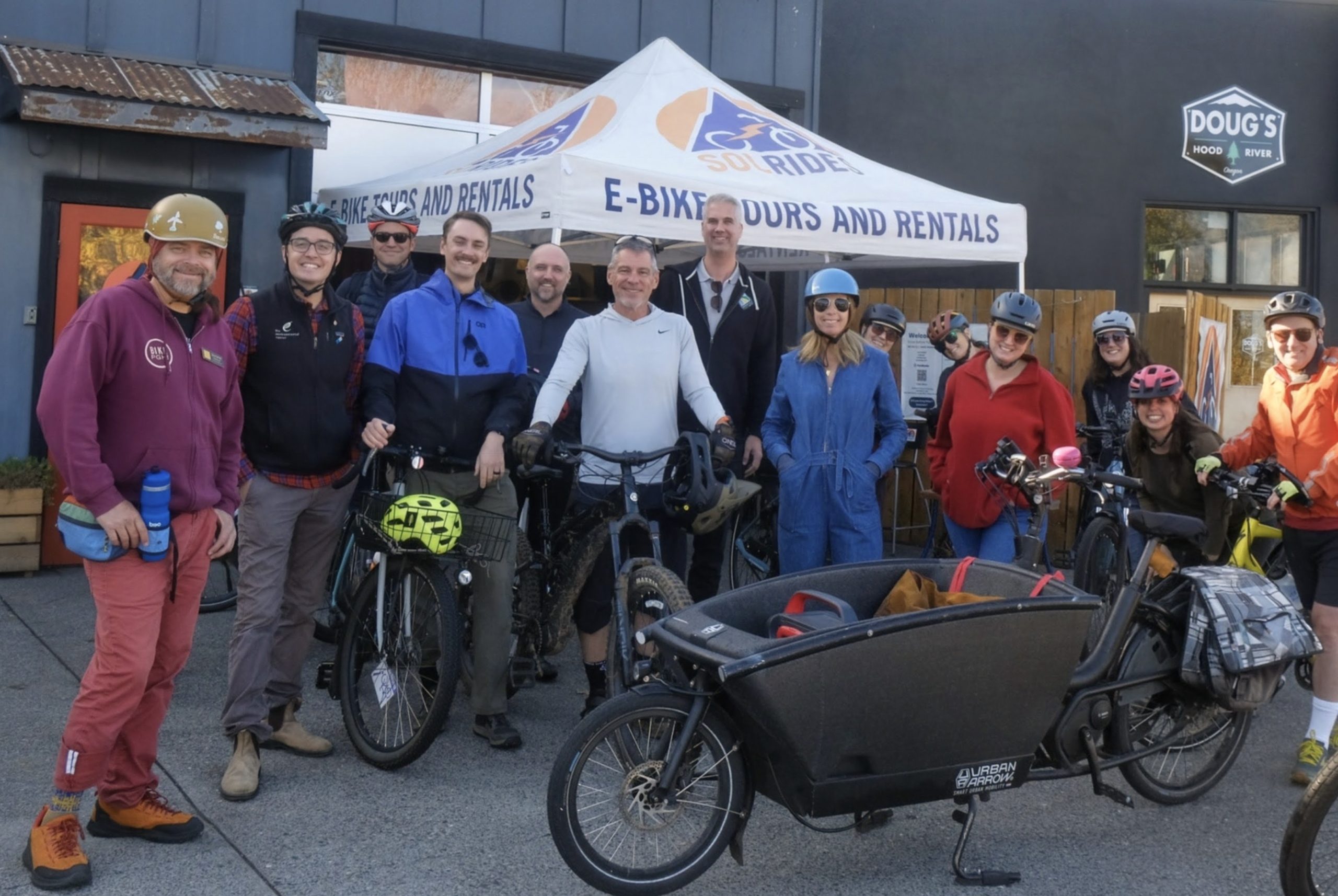
The author Megan Ramey (left in blue helmet) talking with Oregon State Rep. Jeff Helfrich (white shirt). (Photos courtesy Megan Ramey)
This should not be illegal.
Written by Megan Ramey, who manages the Safe Routes to School program for Hood River County School District.
Last Wednesday I hosted an e-bike ride with policymakers and elected officials from the Hood River region with one clear goal: to find an Oregon legislator willing to champion a bill that will eliminate Oregon’s age restriction for Class 1 e-bikes (the type that don’t have a throttle and require riders to pedal) in the 2026 short session.
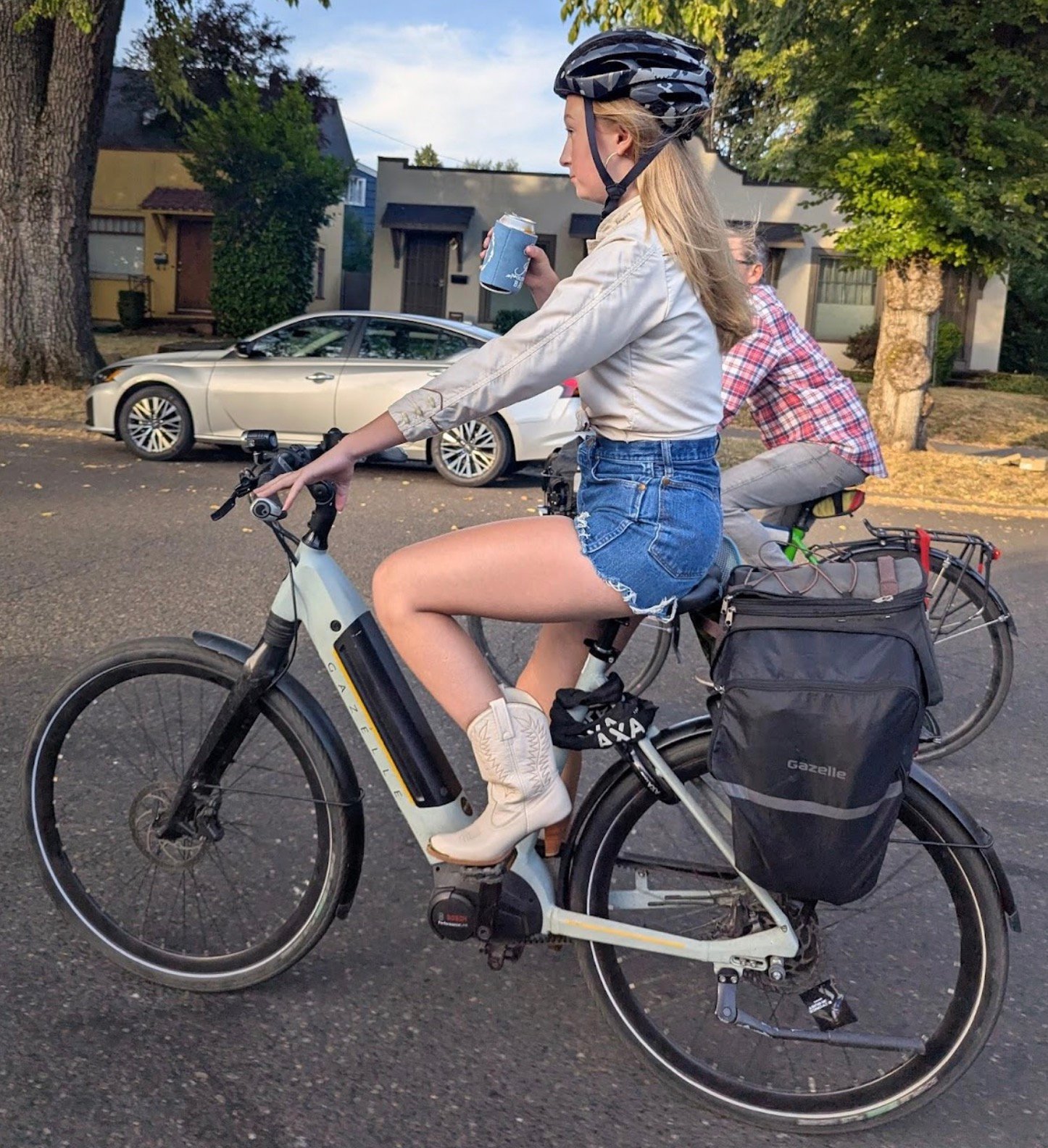
As a mom of a 16-year-old who’s been “illegally” riding a Class 1 e-bike for four years, I can attest to their transformative power. My daughter (in photo, right) has never been stopped by the police. She has, however, gained independence, mobility, and confidence — and shows no interest in getting a driver’s license. She’s part of a growing movement of 10-15 year olds hopping on e-bikes — the second largest age group, just behind baby boomers. Why? They’re too young to drive, but they crave freedom.
Advertisement
E-bikes sell themselves to kids. They’re fun, fast enough to be empowering, and are a sustainable alternative to car rides. The more t(w)eens who ride, the more empathetic, alert, and bike-aware they’ll be as future drivers.
Unfortunately, my 2022 Dawn of the Throttle Kids article has proven prophetic. Because Class 2 throttle bikes and e-motos are cheaper, that’s what parents buy. Many are modified beyond legal limits, blurring the lines between bike and motorbike. In Hood River, some youth zip along sidewalks on these throttled machines, alarming pedestrians and drivers alike. The backlash led our local police to announce in August that they would begin citing under-16 riders for violation of ORS 814.512 — a statute that actually applies to e-scooters, not e-bikes.
This call for enforcement (and its response) highlights a real problem: Oregon law treats a Class 1 e-bike — a traditional bike with a modest boost — like a car. Because under-16s are barred from riding them, schools can’t even legally provide education to the age group most eager to learn.
The ride with policymakers I led last week was designed to change that. Joining me were State Representative Jeff Helfrich and electeds and staff from City of Hood River, County of Hood River, Mid-Columbia Economic Development District, Hood River Parks & Recreation, CAT Transit, Cycle Oregon, The Environmental Center, Oregon Micromobility Network, Port of Hood River, Thomas Coon Newton & Frost law firm, Sol Rides E-bike Tours, and local mothers of e-bike riding teens.
Group shot from the ride.
Advertisement
We rode up steep State Street to Hood River Middle School — ground zero for the youth e-bike issue — then down to the hazardous 13th and May intersection, which is a top Safe Routes to School priority connecting two schools. We discussed infrastructure gaps, jurisdictional barriers, and the opportunity for an ODOT transfer to allow protected bike lanes through The Heights.
After Rep. Helfrich (one of only two Republicans who supported HB 3626, which would’ve lowered the age limit) departed, our group continued across the Historic Columbia River Highway to the Twin Tunnels Trail — what I call “the best under-10-mile bike ride in America.”
At the finish, we heard from two mothers whose stories say it all. Nicole Goode, a teacher at Hood River Valley High School, described how her son’s e-bike has given him independence since age 10, teaching him resilience and navigation skills that are already shaping his adulthood. Jess McGimsey, a mother from Mosier, spoke about her 13-year-old who saved up for an e-bike only to learn he couldn’t legally ride it. “I fully support Class 1 e-bikes for all ages,” she said. “They build confidence and relieve parents from constant chauffeuring.”
Advertisement
That same morning, I presented on best practices in e-bike education at the National Safe Routes to School Summit. The day left me with two truths: 1) We don’t have a youth e-bike problem — we have a youth e-moto problem. And 2) Class 1 e-bikes offer one of the greatest opportunities for a generation of t(w)eens to escape screens and anxiety through free-range mobility that fosters independence and joy.
We have a great example to follow. Marin County has been the national leader in Safe Routes to School and their new law allows all ages on Class 1 e-bikes, while restricting class 2 and 3 e-bikes to 16 years old (watch their PSA below).
It’s overdue for Oregon to honor its proud bike heritage — one that fosters resiliency, health, and mobility choice — and extend it to our youth, who arguably need it now more than ever.
— Megan Ramey is the Safe Routes to School Manager for Hood River County School District and the founder of Bikabout, which now hosts an E-bike Guide for Teens and Families.
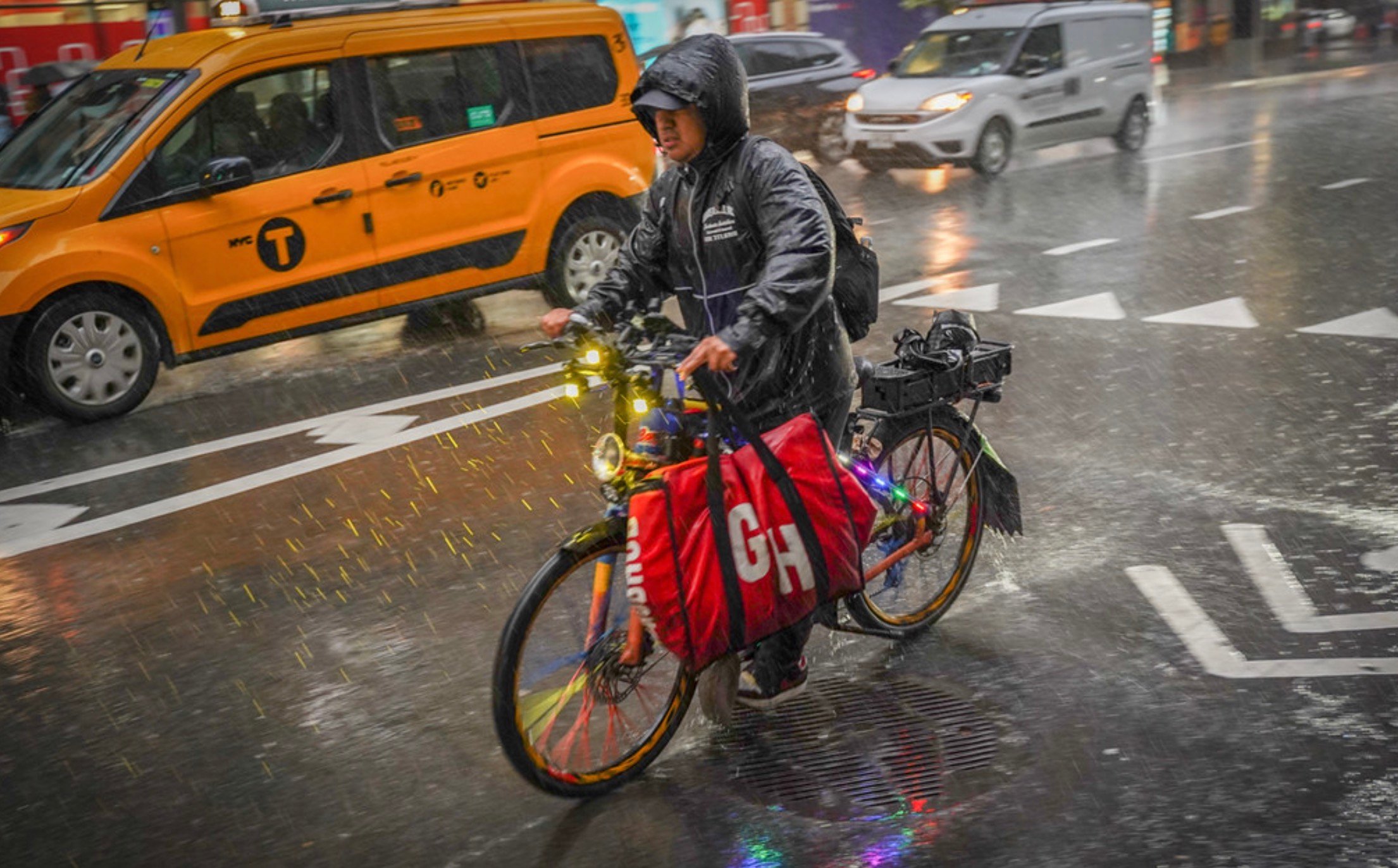
In his acceptance speech last night, Mamdani said he would give power to people like this worker who has, “palms calloused from delivery bike handlebars.” (Photo: Jonathan Maus/BikePortland)
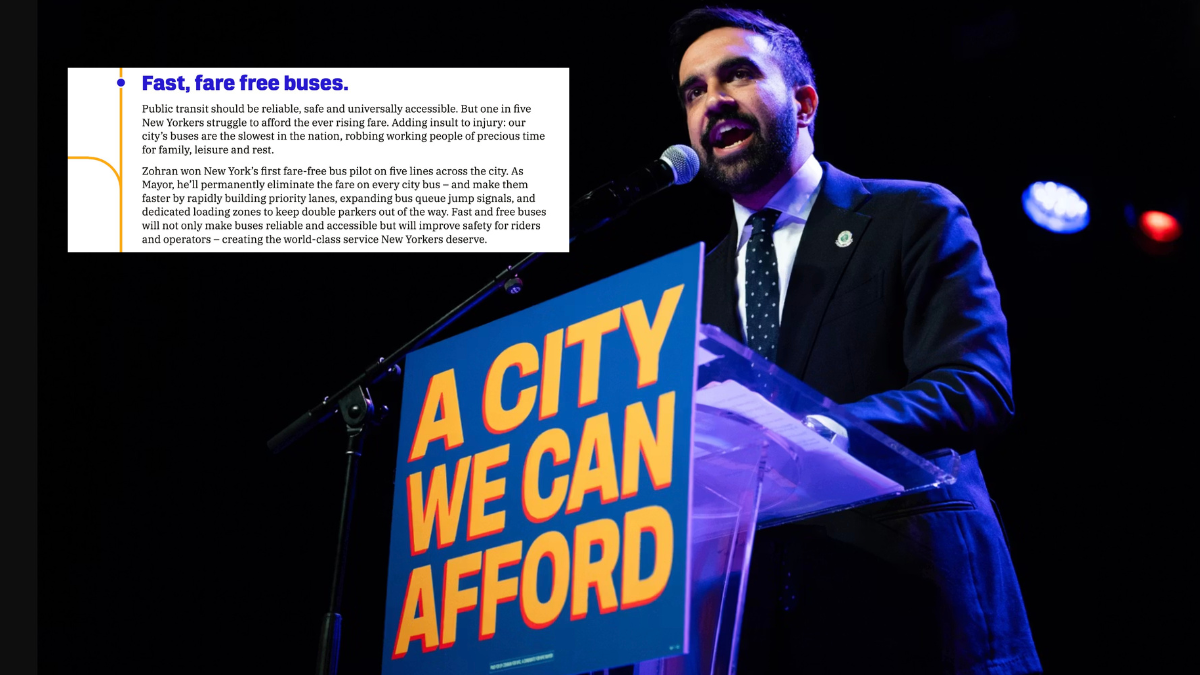
A popular cyclist and socialist who has pledged to make transit fast and free is now mayor-elect of America’s largest and most influential city. He has ushered in a new era of American politics, and he could usher in a new era of urban transportation policy that influences streets nationwide.
Zohram Mamdani’s huge win last night is also a massive victory for people who care about urbanism and healthy cities. He’s an unabashed lover of buses and bikes who isn’t afraid of taking bold positions on transportation policy and was the first mayoral candidate to receive over one million votes since 1969. Mamdani embraced cycling on the campaign trail. In one of his many viral videos, a woman yelled “Communist!” as he unlocked a Citibike from a rack during an event and he calmly snapped back, “It’s pronounced ‘cyclist’!”. And on election day Mamdani released a video where he hops in the bucket of a cargo bike for a lift to the polls.
He’s by far the most talented politician since Obama — and the fact that he came from outside the Democratic establishment (and even made a lot of mainstream Dems so nervous they didn’t endorse him), makes his accomplishment that much more impressive.
Advertisement
(Photo: Madison Swart/Mamdani campaign – Screenshot from Mamdani for NYC website)
His entire platform could be boiled down to making New York City more affordable. And one of the three main pillars of that platform was to make buses “fast and free.” The discussion around free transit has split the advocacy community for years. Many people support it, but some experts and advocates say it could only happen if service was cut — and would be a pyrrhic victory. But none of those discussions was based in a reality where an extremely popular mayor was elected with a mandate to restructure the tax code in a way that jettisons scarcity framing and creates the funding needed to make good on “fast and free.”
Cars are to transportation what billionaires are to American society: We’ve been convinced by the media that the negative externalities they create are normal; there’s way more of them than we need; and the forces that maintain their dominance make life worse for the rest of us. Mamdani understands that and he’s in a historic position to shift that dynamic.
I remember in the 2010s when New York City transformed its car-choked streets into carfree plazas, express bus lanes, and protected bike lanes under the leadership of former DOT Commissioner Janette Sadik-Khan. The projects she pushed forward inspired cities across the country to see streets differently. If Mamdani finds the right DOT commissioner (some folks are dreaming of a JSK comeback), New York City could continue this exciting urban evolution.
I’ve always liked to say that it takes more than winning an election to make change. You must also be connected to community, because the people are where the power lies. Mamdani — and his million supporters — understand that.
Mamdani’s ride into City Hall has sparked joy and hope among transportation reformers far beyond the five boroughs. Welcome to the new era of American politics. It’s going to be a wild ride.
As someone who wants to live in a world where more people choose to walk and bike, I hate having to document so many tragic events that discourage people from making those choices. But reminding people of the human toll of cars, driving and unsafe road designs is often a necessary evil. And too often it takes fatal crashes to make policymakers and elected officials finally stand up and do something.
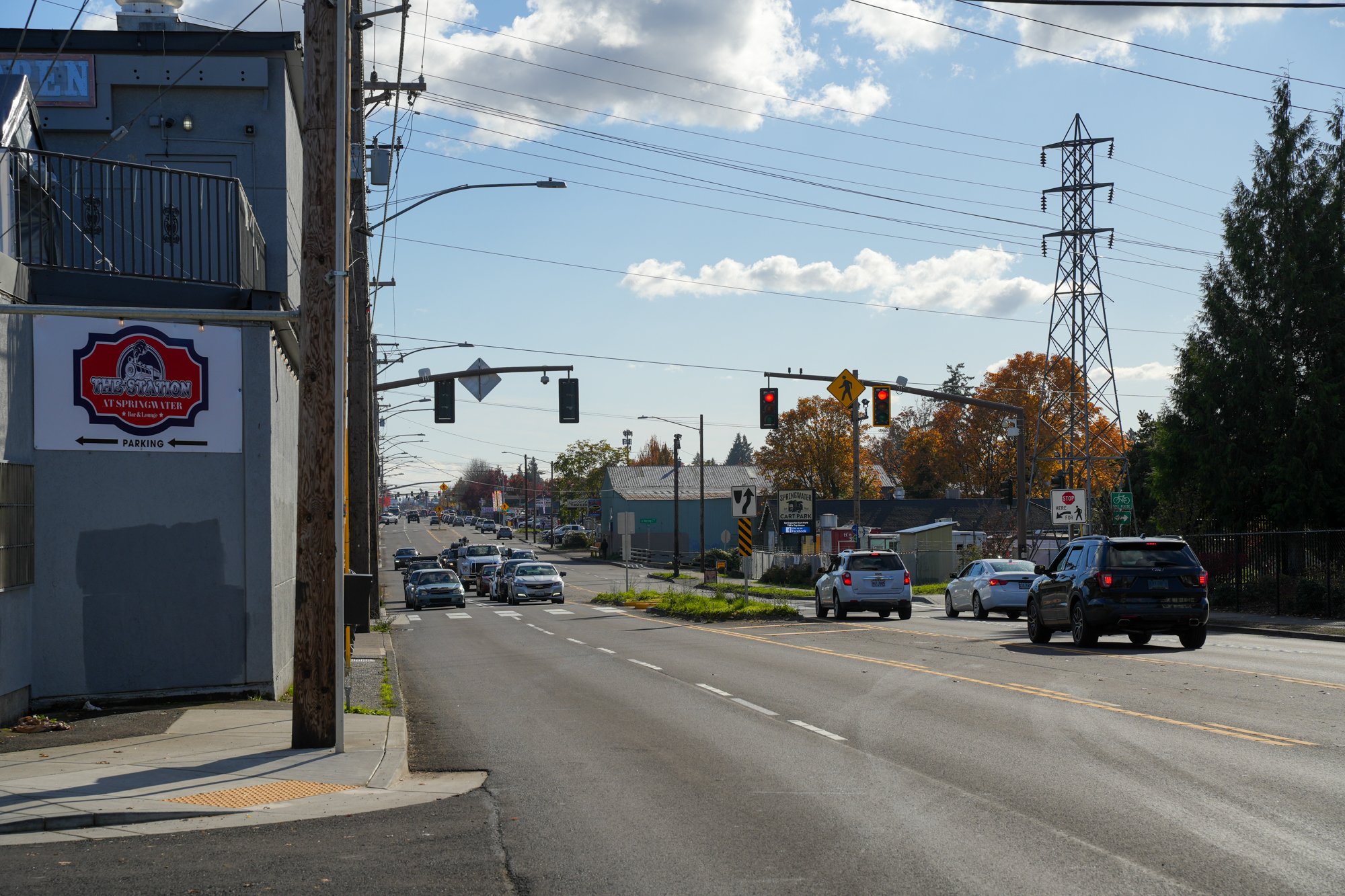
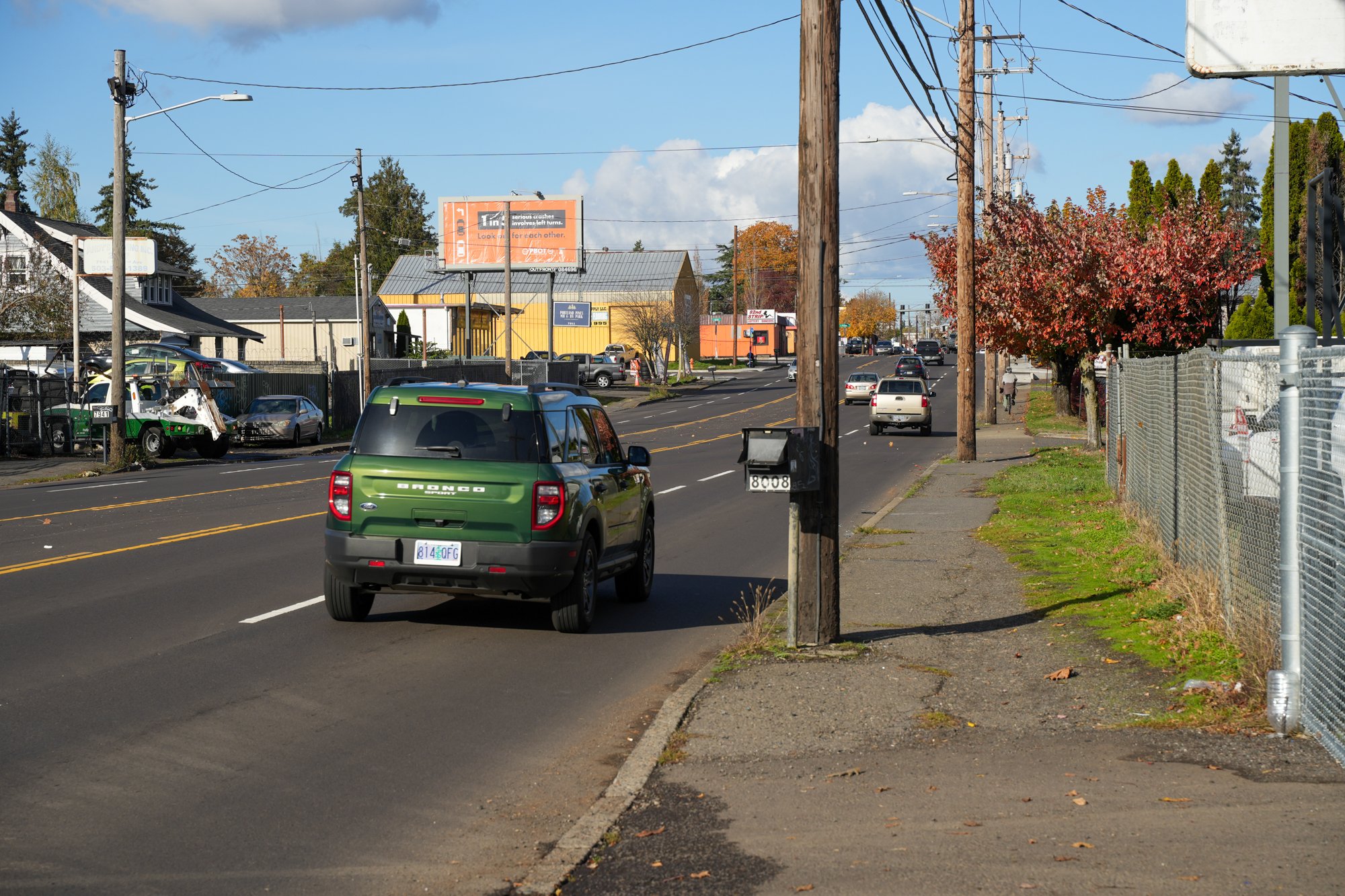
82nd Avenue is an example of that. When the ribbon is eventually cut on its new bus lanes and other exciting updates, I will always recall that our community paid with two lives. If not for the untimely deaths of Anthony Tolliver and Stephen Looser within two weeks of each other at the same intersection back in 2021, 82nd Avenue would likely still be under State of Oregon ownership and we would not be talking about its dramatic transformation from a unsafe orphan highway to a family-friendly main street.
But while news cycles are short and we can scroll away from uncomfortable stories, a memorial sign placed at the location of a tragedy is another way to etch the consequences of unsafe roads into our minds.
On Sunday I joined a pair of advocates whose mission is to make sure people don’t forget that the road to a better 82nd Avenue is littered with deaths and serious injuries.
Advertisement
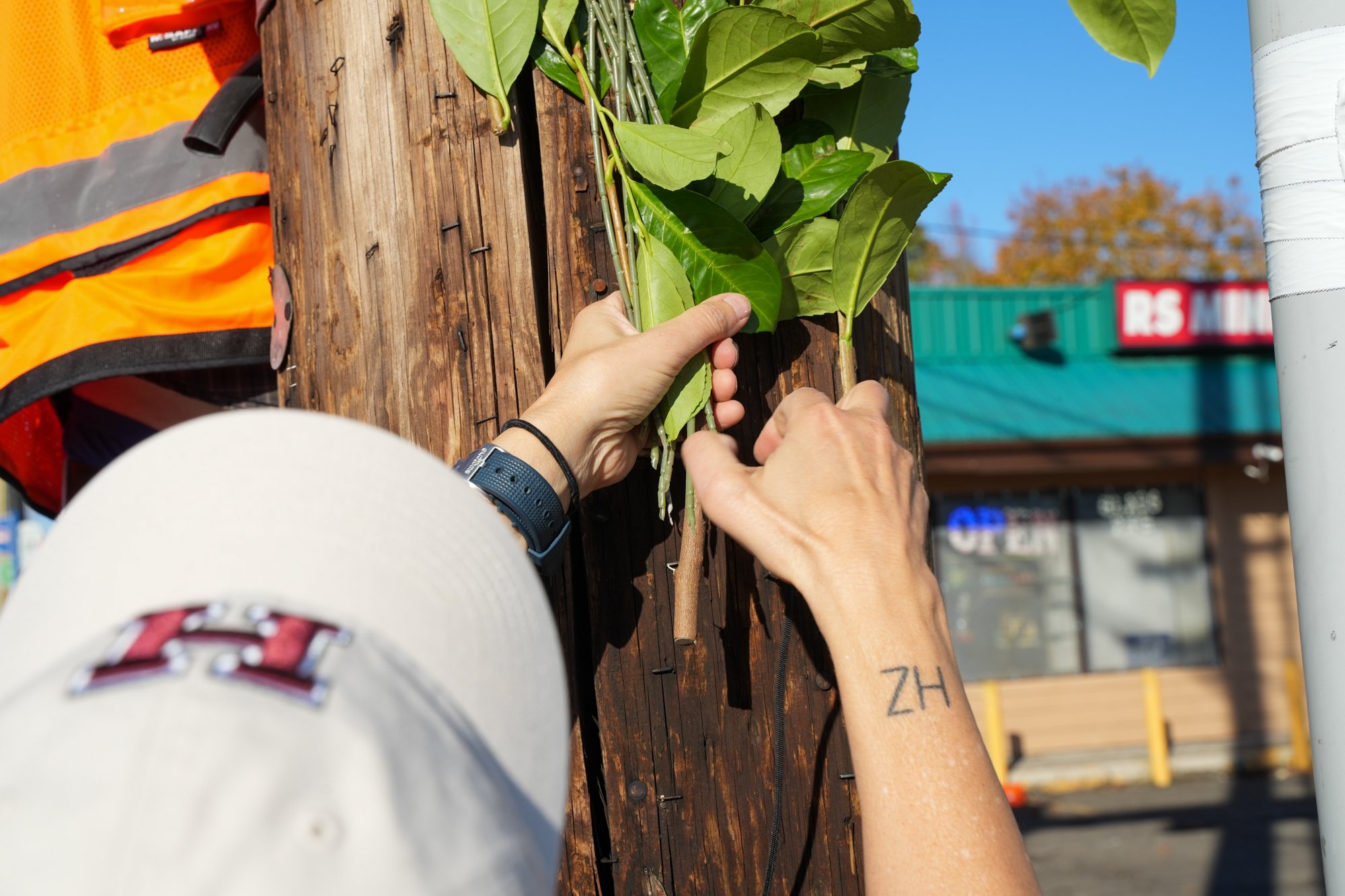
Sarah Risser (black shirt). Note the “HZ” tattoo, which is in memory to her 18-year-old son Henry Zietlow, who was killed in a car crash.
Sarah Risser (above) can never forget. Six years ago she was in the passenger seat of a car being driven by her 18-year-old son Henry. A man driving the opposite direction swerved into their lane and Henry was killed in the head-on crash. Today, Risser is member of the Portland chapter of the national nonprofit Families for Safe Streets, an organization for survivors of traffic crashes.
I’ve coveredRisser’smemorial sign projects in the past. It’s something she feels called to do as a way to help our community — and other survivors like her — remember those we’ve lost to unsafe roads.
Risser’s latest project is to install memorial signs along 82nd Avenue for every person killed and seriously injured in a traffic crash since 2016. She picked that year because that’s when the City of Portland committed to “Vision Zero” — an initiative aimed at ending fatal crashes for good.
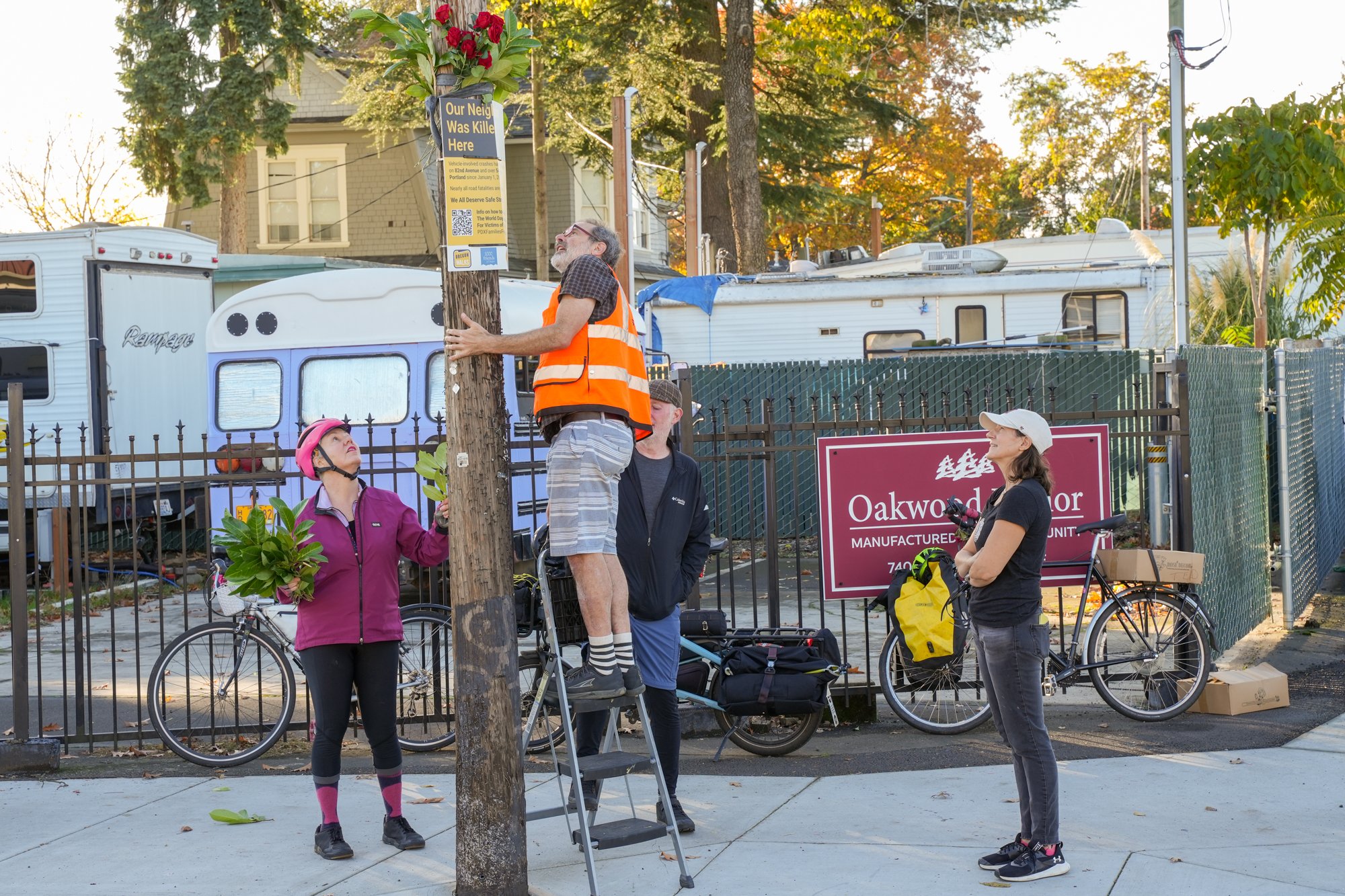
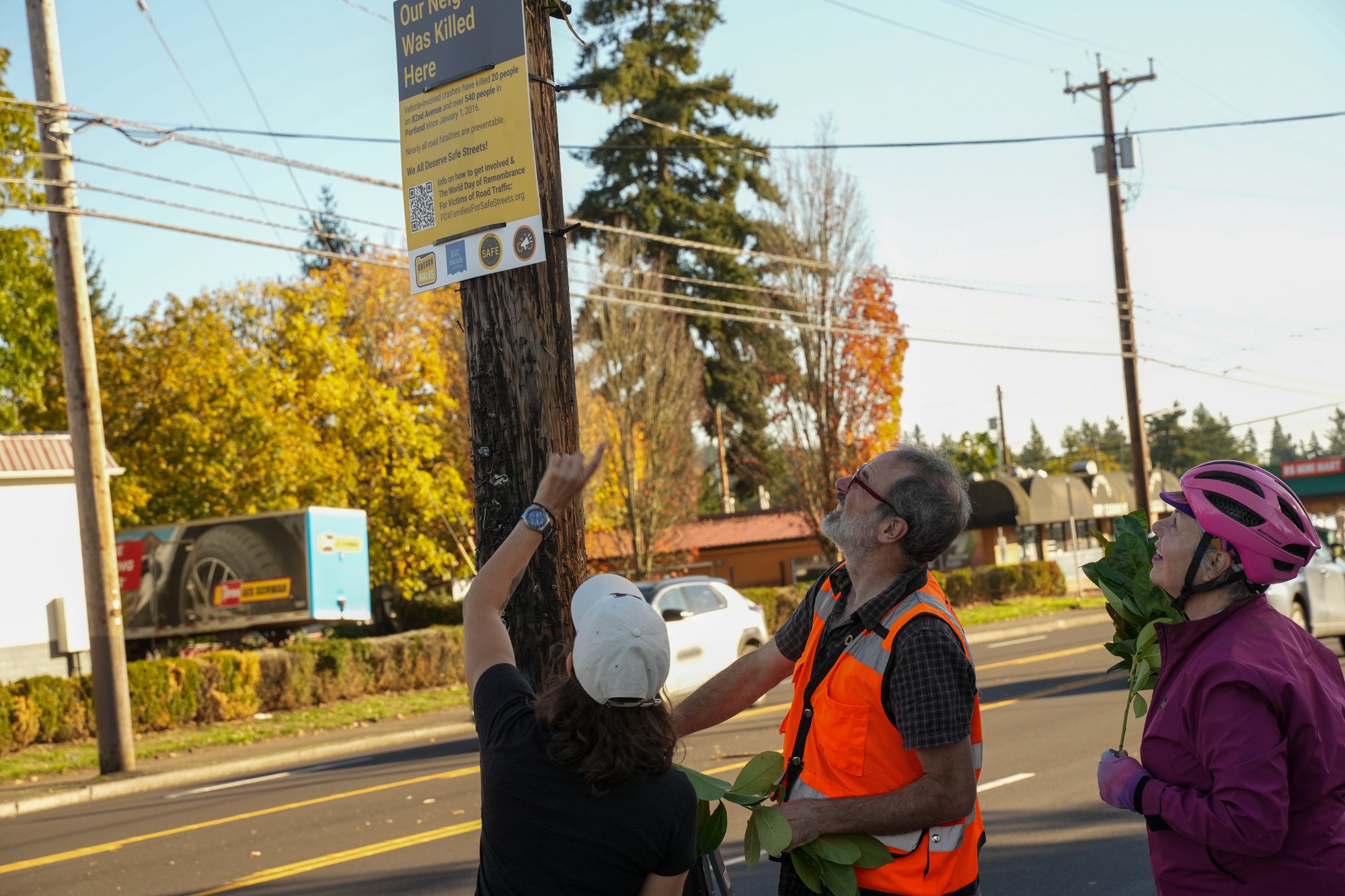
I met Risser and a volunteer, Ted Buehler, at Cartlandia (a food cart pod on the Springwater Corridor path at 82nd) to document the installation of 20 memorial signs — one for each person killed on 82nd Avenue in the past decade.
“I have been thinking about doing a project like this on one of Portland’s high crash corridors,” Risser shared as she gathered signs, zipties, and a step-ladder while carrying a list of names and locations. “I ended up choosing 82nd for two reasons: One, it seemed like the crashes were a little bit closer together, so it might be more impactful as people drive down to see them. And then there’s a lot of advocacy on 82nd right now and I wanted to support that.”
Advertisement
TriMet, the Portland Bureau of Transportation (PBOT) and Metro are working on several projects as they take over management of the street from the Oregon Department of Transportation — a move long awaited by community advocates because of how local agencies are better-equipped to make the street safer and more accessible for people who aren’t inside cars.
Risser and Buehler’s first stop was 82nd and SE Crystal Springs Blvd — where a 30-year-old woman named Morgan Helms was killed trying to cross in 2023.
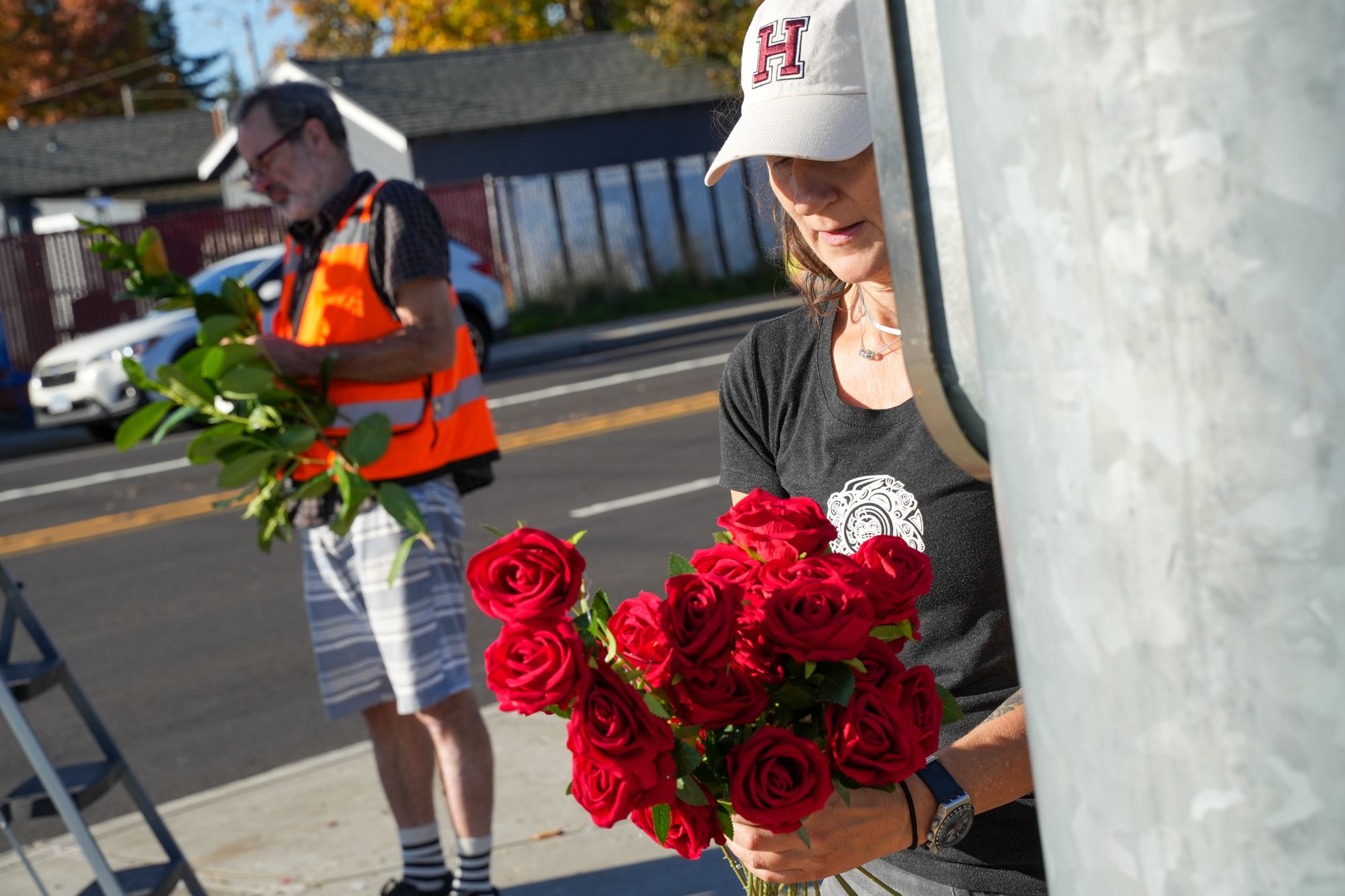
As he unboxed over 200 fake roses and readied branches of fresh laurel he just cut from down the street, I asked Buehler why he wanted to spend his Sunday climbing traffic poles next to traffic on 82nd. “I’m here because I think that it’s important to memorialize that people have been killed… If we put up memorials like this with messages on them and flowers, then people will see that somebody was killed here and they will think, ‘Oh, maybe I shouldn’t try to beat that next yellow light. Maybe I shouldn’t go quite so fast in the rain. Maybe I should go a little more slow and not try to, you know, fly around corners making right turns and things like that.'”
“Why roses?” I asked Buehler.
“They’re pretty,” he replied. “And this is the 82nd Avenue of the Roses,” he continued, invoking the street’s official name (Portland is known as the “Rose City”). Buehler added that he’s disappointed official plans for the 82nd Avenue project don’t include rose bush plantings.
Advertisement
As Risser and Buehler helped each other install the first sign, drivers and their cars roared by just inches away. I was struck at the juxtaposition of their project and the imminent danger they were in by taking it on. At one point Buehler cautioned Risser about stepping off the curb.
As I watched Risser arrange laurel branches and roses under one of the signs, I could see her son’s initials, “HZ,” tattooed on her wrist (his last name was Zietlow). I wanted to ask if she would have wanted someone to erect a memorial sign for her son, but I didn’t.
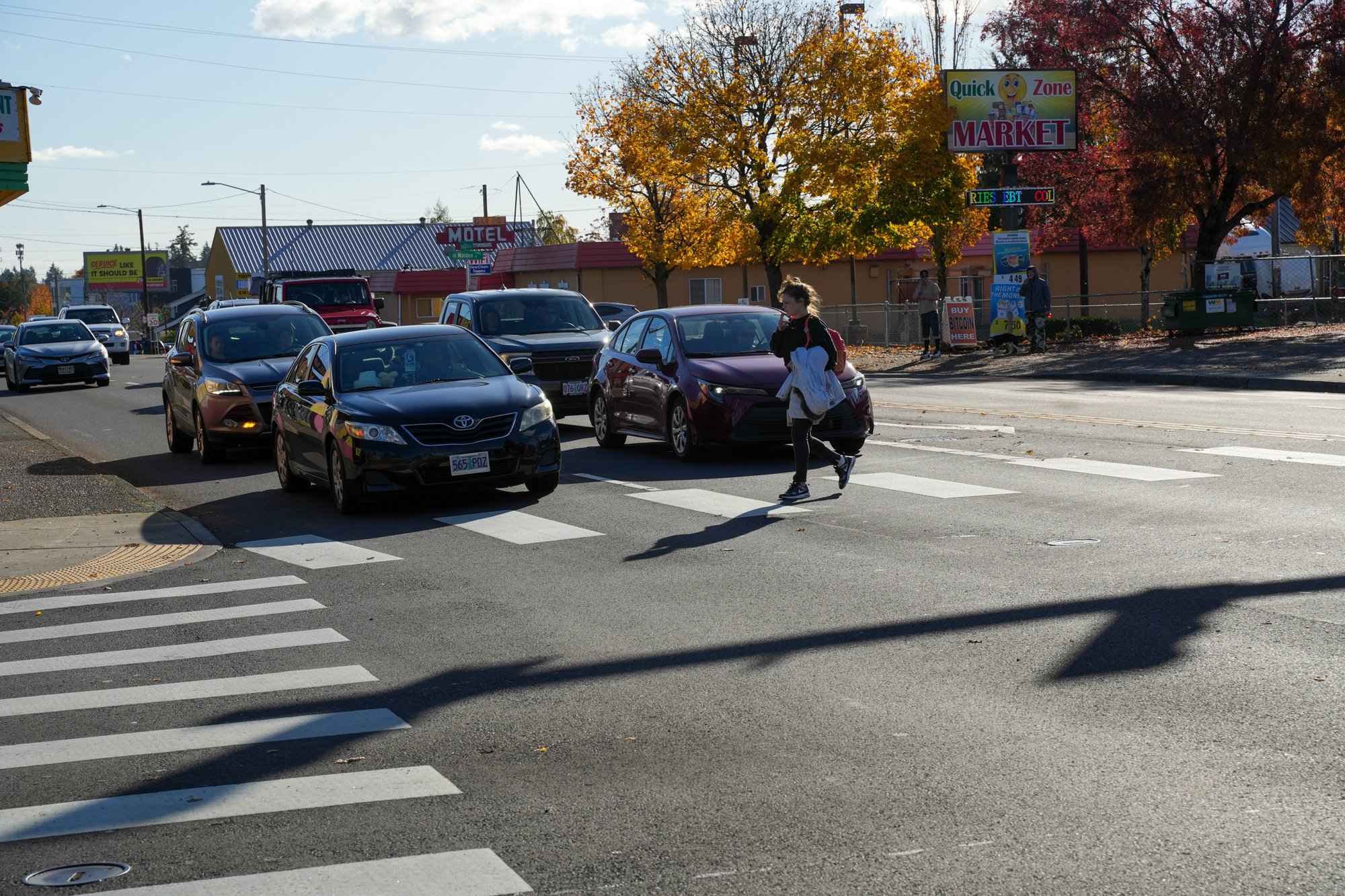
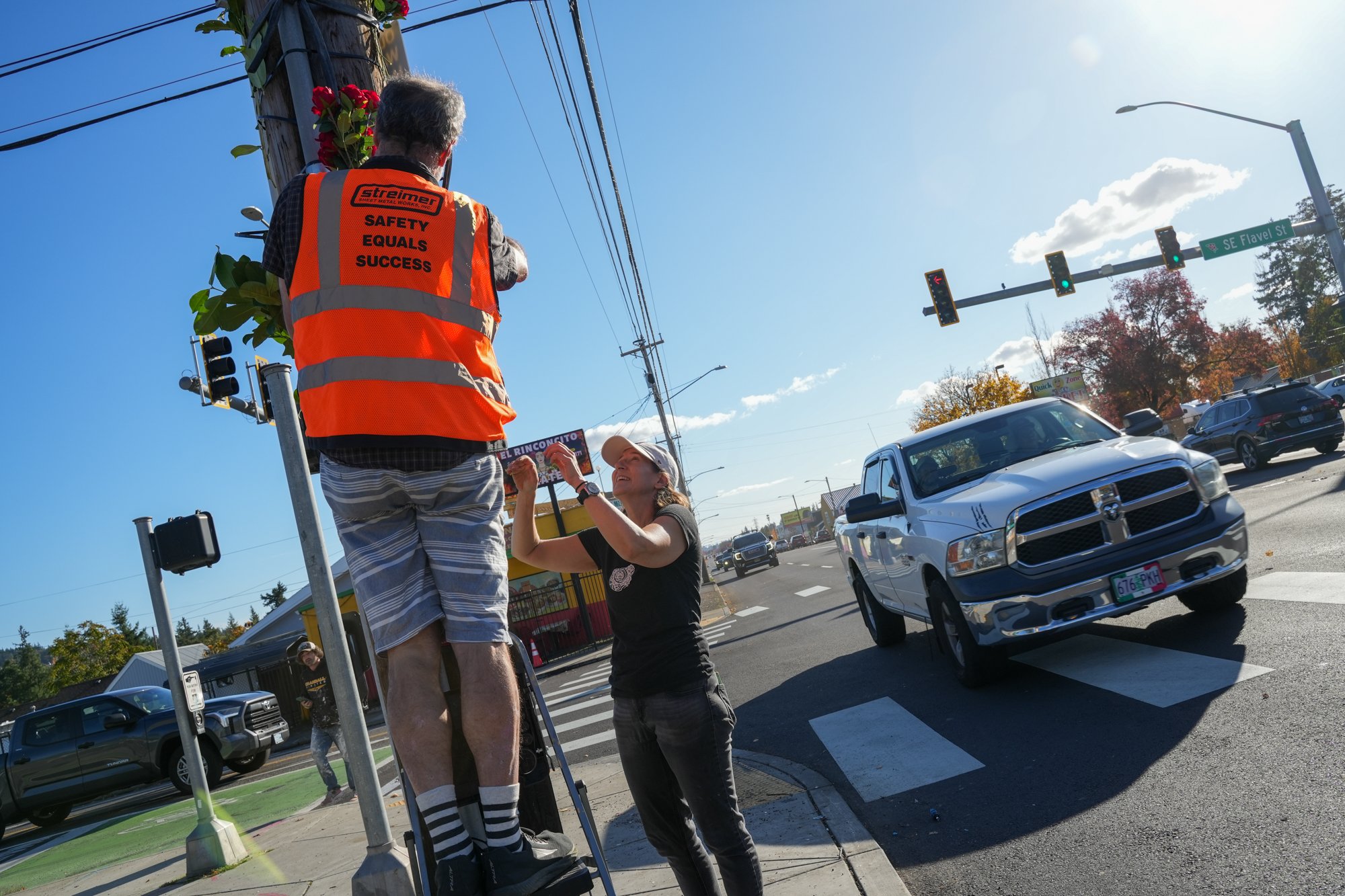
After the sign, laurel branches, roses, and white shoes were all hung at SE Crystal Springs Blvd, we made our way to the next intersection: SE Flavel. “This is the most dangerous of the intersections that we’re going to be going to today,” Risser shared as we assembled in the parking lot of a mini-mart. “There were three fatalities here since 2016— two pedestrians and a cyclist. And in addition to that, there were a number of high injury crashes here as well.” Then Risser let out a long sigh before adding, “Yeah… there’s been a lot of injury and death at this spot.”
It was a sunny day and SE 82nd and Flavel was bustling with people. Folks biked on the sidewalk, people walked in every direction, and the bus stop always had someone waiting. A few folks saw what Risser and Buehler were up to and offered their condolences. Even though Flavel is tiny compared to some of the other big streets that cross 82nd, I could see how all this foot and bike traffic could lead to a high number of crashes.
Advertisement
When they were done, Buehler felt we should join hands and take a moment of silence for the victims. So we stood in silence in a small circle right there in the parking lot. With eyes closed, we remembered: Pamela Siedel, Lydia Johnson, and Theodore Jones.
When we moved north to the next spot at SE Henderson Court, we ran into a few folks on bikes at the (absolutely wonderful!) new bike crossing at SE Knapp. Buehler invited them to join us. The pair were on a bike ride, but a few minutes later, one of them was holding an armful of laurel and was passing it up a ladder to Buehler as he worked on yet another sign installation.
“We need to remember,” Risser shared with me before I made my way home. “These are really dangerous streets, and people are dying, and have died consistently over time.”
“My hope is that if the families live in the area, or if they come down 82nd, that they’ll appreciate that their person is being remembered and honored. I think these memorials are really important.”
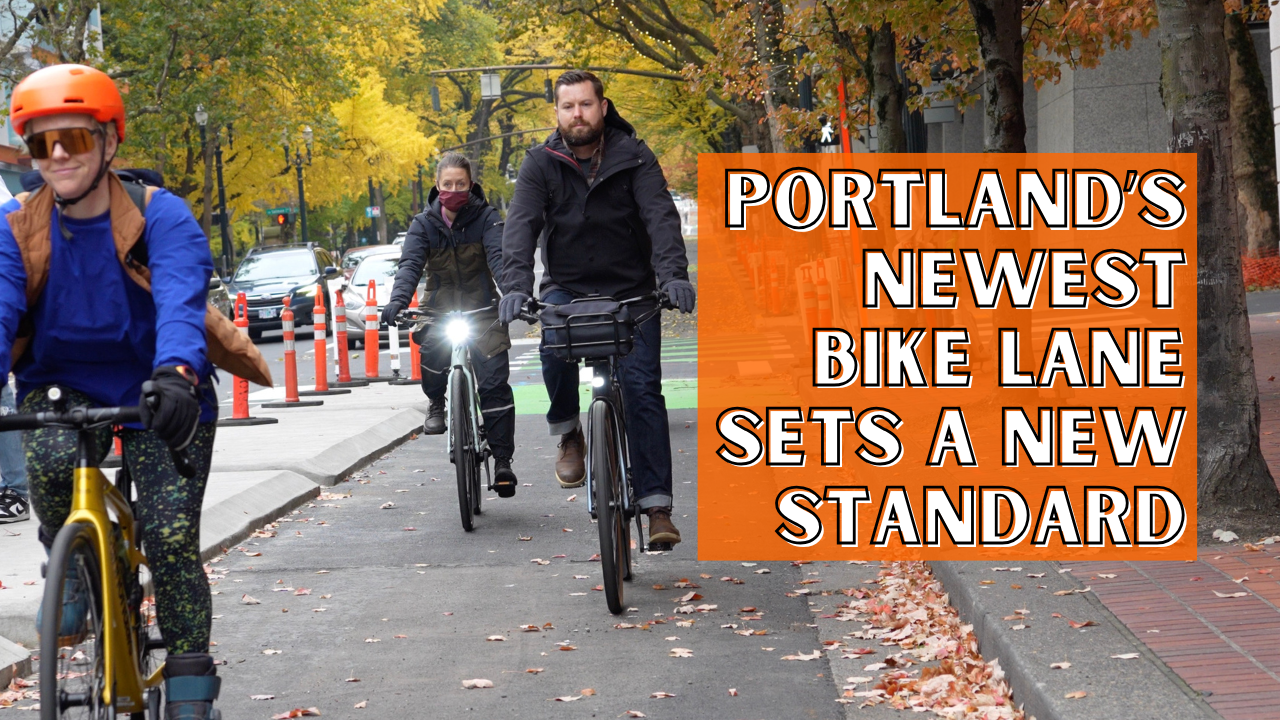
Last week the Portland Bureau of Transportation opened the SW 4th Avenue Improvement Project. It’s the most substantial investment they’ve made in the bike network in many years and it’s the most ambitious project yet to come out of the 2018 Central City in Motion Plan.
When we first began talking about that plan in 2013, I said it was a “golden opportunity” that we could not afford to pass up. Of course, back then we had a downtown bicycling mode share of 11% (according to a survey from the Portland Metro Chamber). It feels like everything has changed in the past 10 years, but our need for a high-quality, north-south bikeway and better bus service on SW 4th remained. From what I’ve seen, experienced, and read (from all your messages), this new bikeway has lived up to the hype.
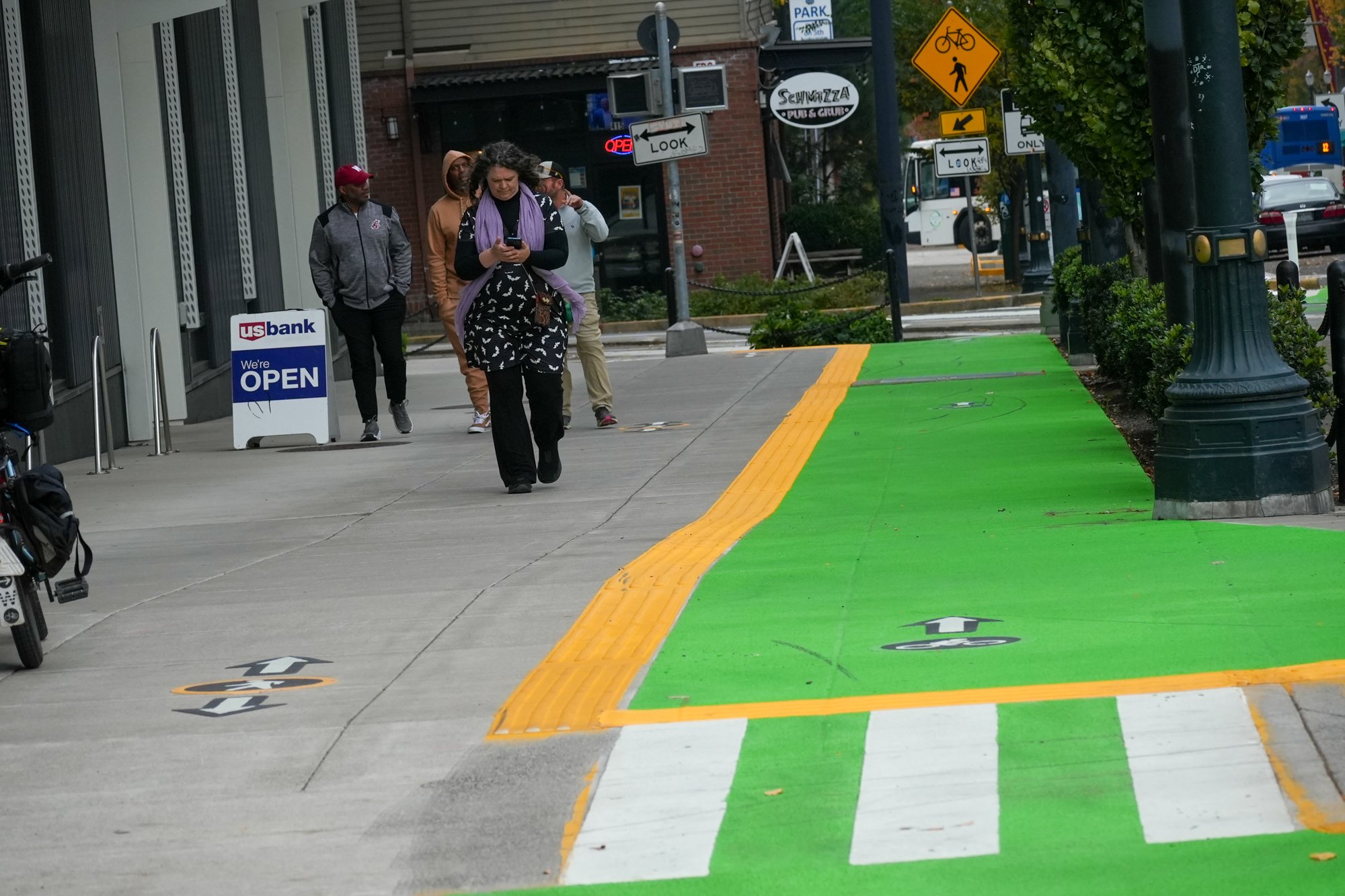
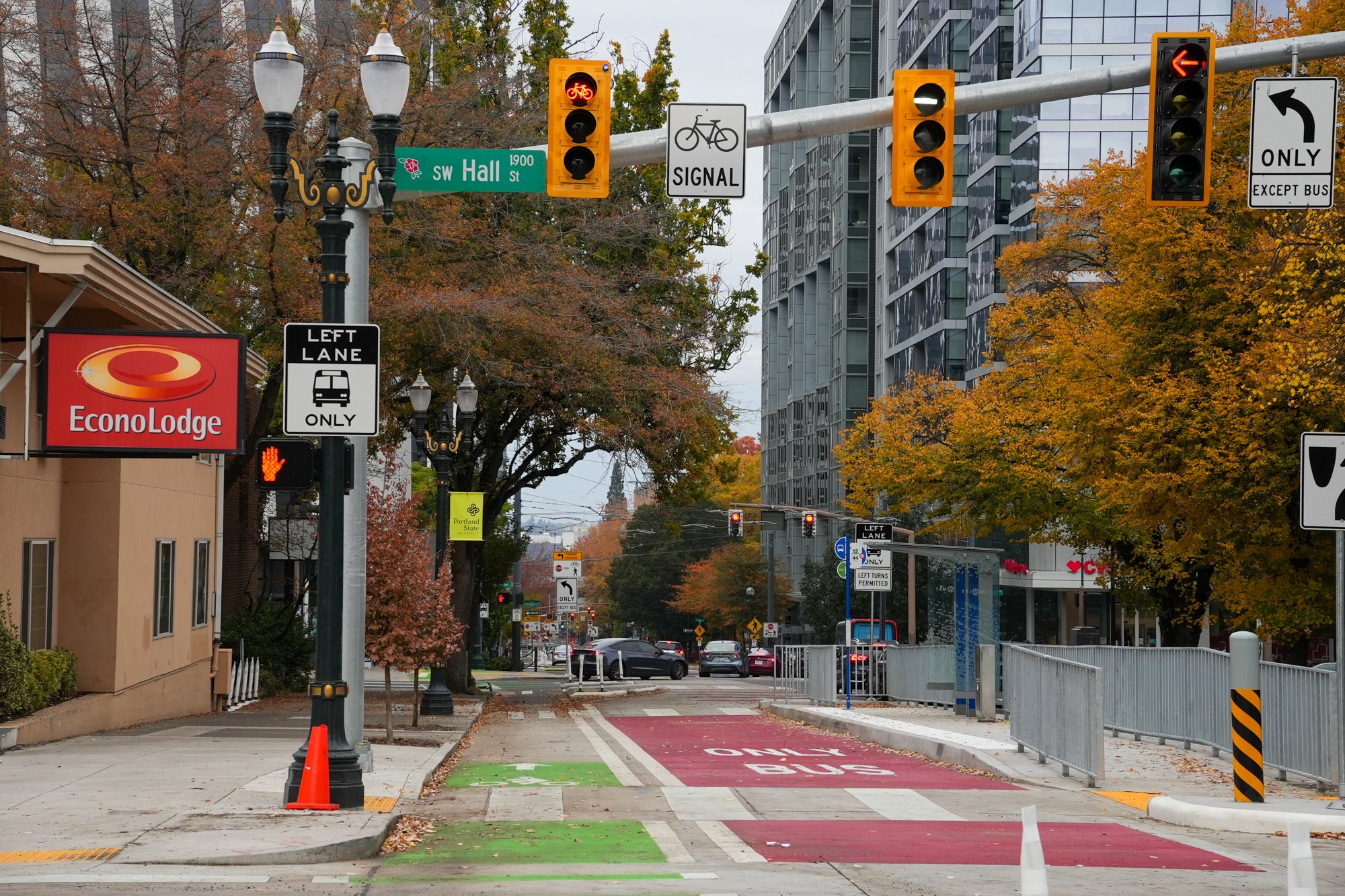
In this video, you will see the entire facility from SW Caruthers to SW Taylor. What really stands out to me — beyond the smooth new pavement and generous width that allowed me and a friend to ride and talk side-by-side with plenty of room! — are the signals. They’re all optimized for bike users on a level that’s very rare to see in the United States. In a few spots, a detector embedded in the pavement mid-block senses your presence and turns on a flashing yellow warning light.
PBOT just raised the bar for what we can expect from bikeways in Portland. I’d love to know what you think about it so far!
Below are the most notable stories I came across in the past seven days. Thanks to everyone who suggested links this week!
Clarence Eckerson gets his due: One of the O.G. cycling and urbanism documenters, Clarence Eckerson of Streetfilms, is at the twilight of an amazing career and this article is a great look at his vital and influential work of the past two decades. (Hellgate NYC – Give them your email to read the whole thing!)
He’s back: In a disgusting and unacceptable “F-you!” to our legal system, Oscar Burrell — the man who was arrested for dangerous driving last month — is back out on the streets recording his antics for social media. There’s another warrant out for his arrest and we can only hope they don’t let him off so easy this time. (The Oregonian)
Ode to ‘winter bikes’: I feel like Portland is still full of folks who love and respect their “winter bikes,” so I figured some of you might appreciate this piece that bids them a loving farewell. (Cycling News)
Hiding plates: Florida isn’t messing around. Lawmakers there are proposing a new approach that would make obscuring plates — something that entitled and freeloading drivers are doing in greater and greater numbers these days — a crime. (WKMG)
Advertisement
Terry and tariffs: Legendary women’s cycling apparel maker Terry is one of the plaintiffs in a lawsuit against the Trump Administration over their use of tariffs, which they say have made it even harder to make a profit. (AP)
Disreguarded: The Associated Press did a special report on the dangers faced by crossing guards, who are increasingly being hit by car drivers who are too selfish and distracted to care about anyone but themselves. (AP)
I’m jealous: Utah’s department of transportation has gone way beyond Oregon’s “scenic bikeway” approach and has published a statewide map of bike paths that are akin to a freeway network for cycling — and it’s already received a $45 million down payment. (Salt Lake Tribune)
Bike culture in Johannesburg: A riding club for young women who are new to cycling is just one sign that cycling in Jo’burg has gone beyond being the domain of the elite or a last resort of the poor. (Guardian)
Cycle to work, works: The UK’s “Cycle to Work scheme” gives employees a tax-free option of buying a bike, and it boosts about $750 million into the economy each year. (Bike Radar)
Have cars, ‘won’?: Yes, in many respects. But as you’ll see in this piece, the publication of a book like, ‘Life After Cars’ and others on shelves today, shows that the fight isn’t over. (Grist)
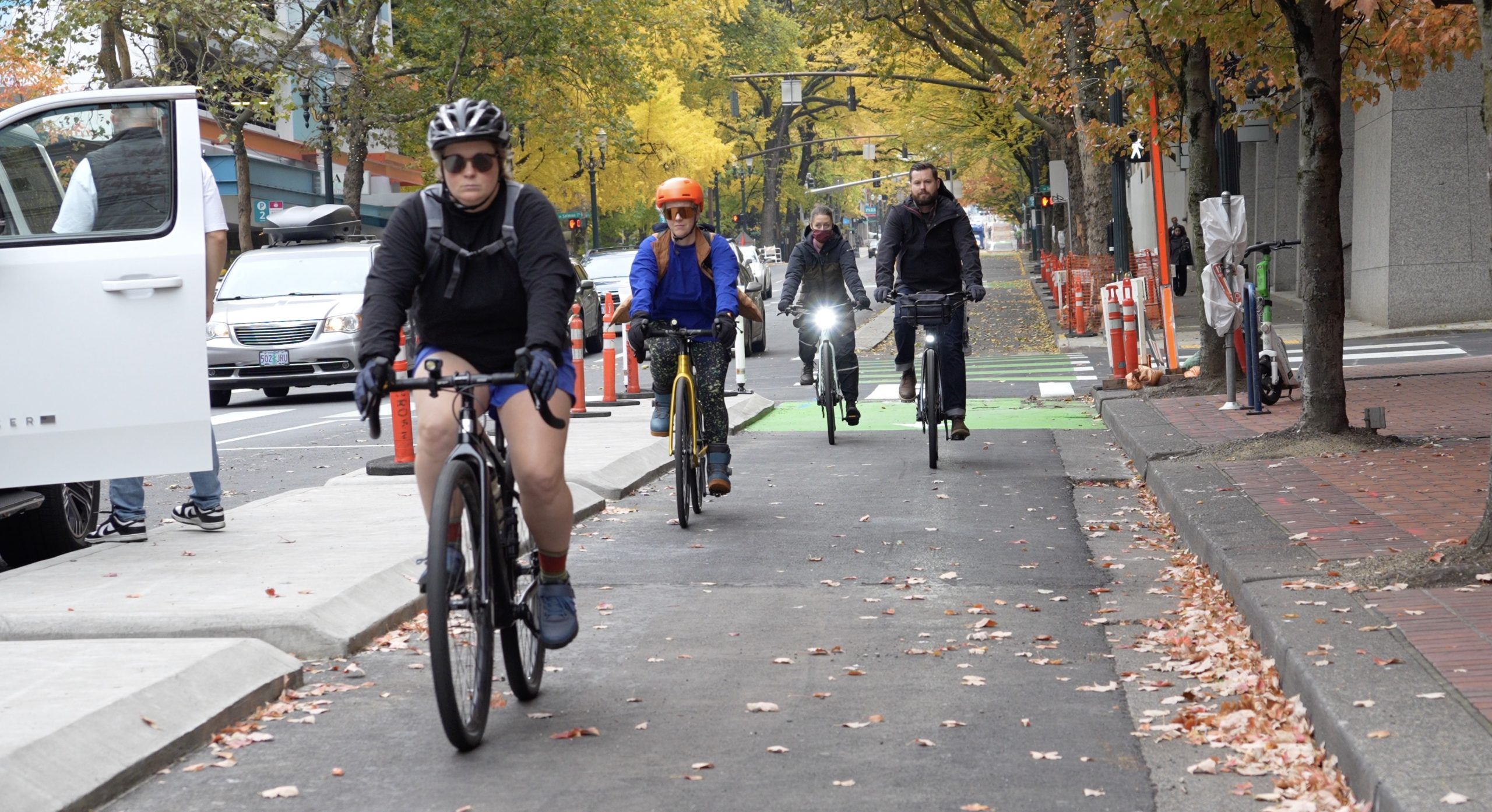
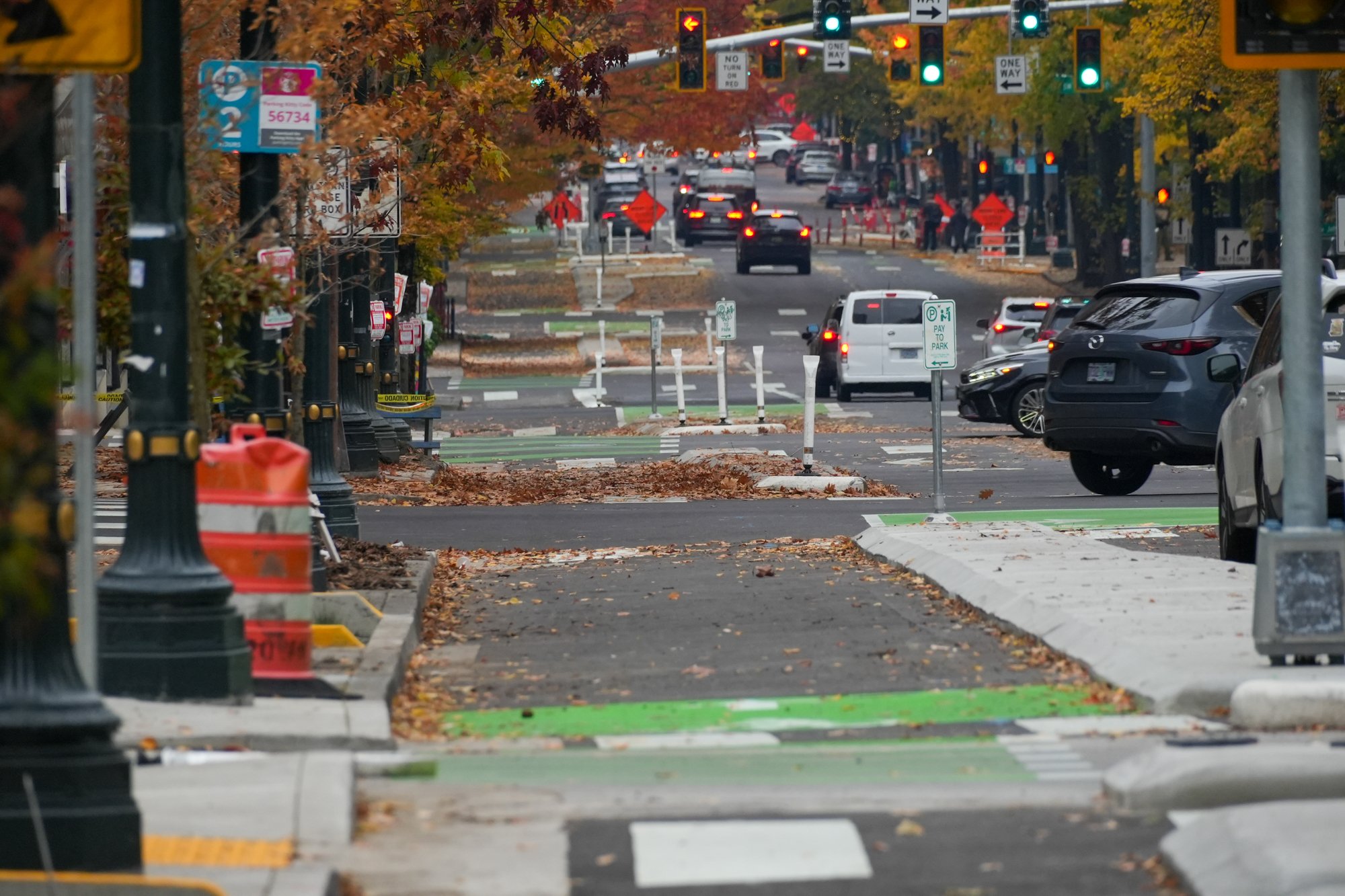
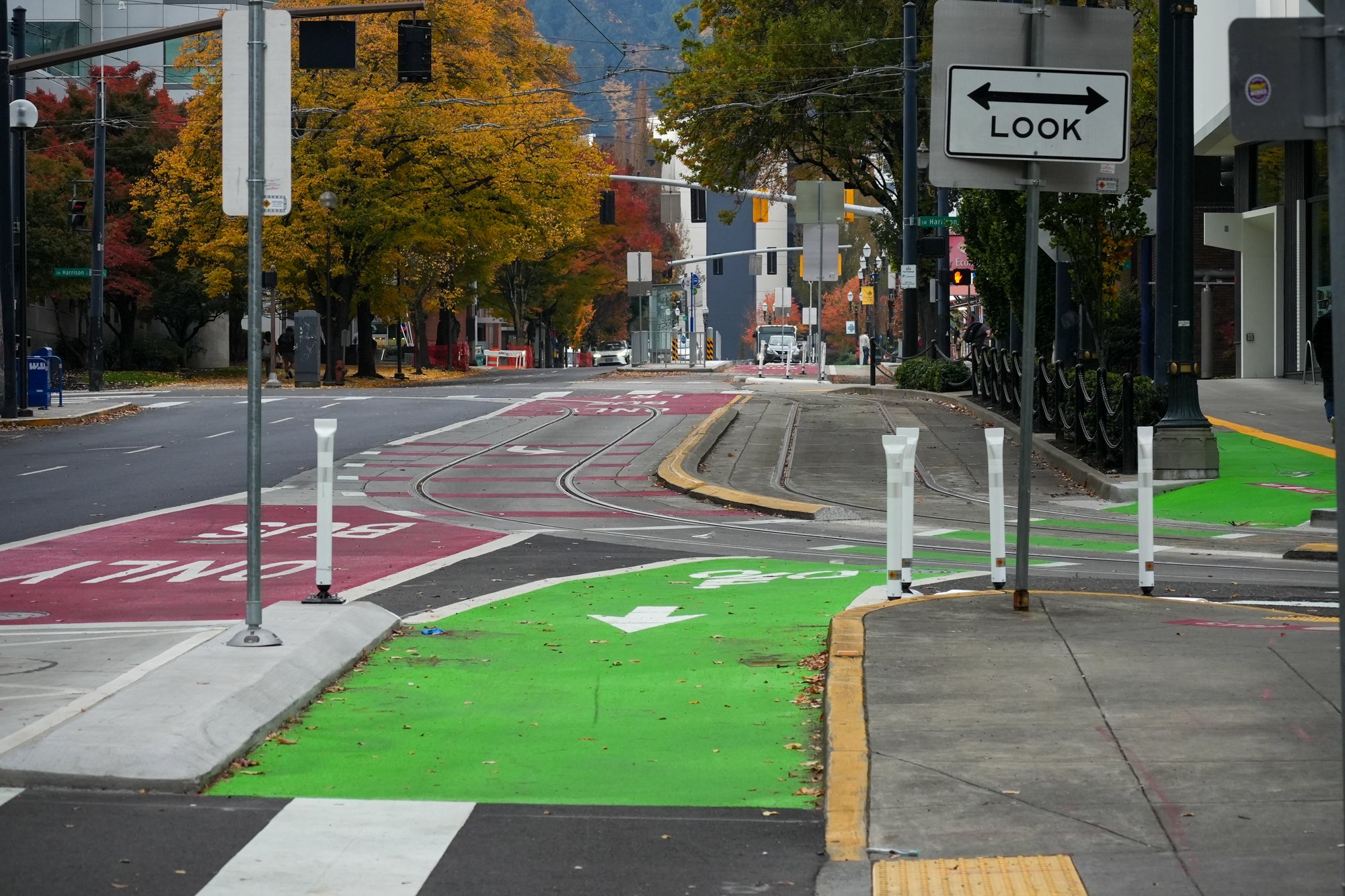
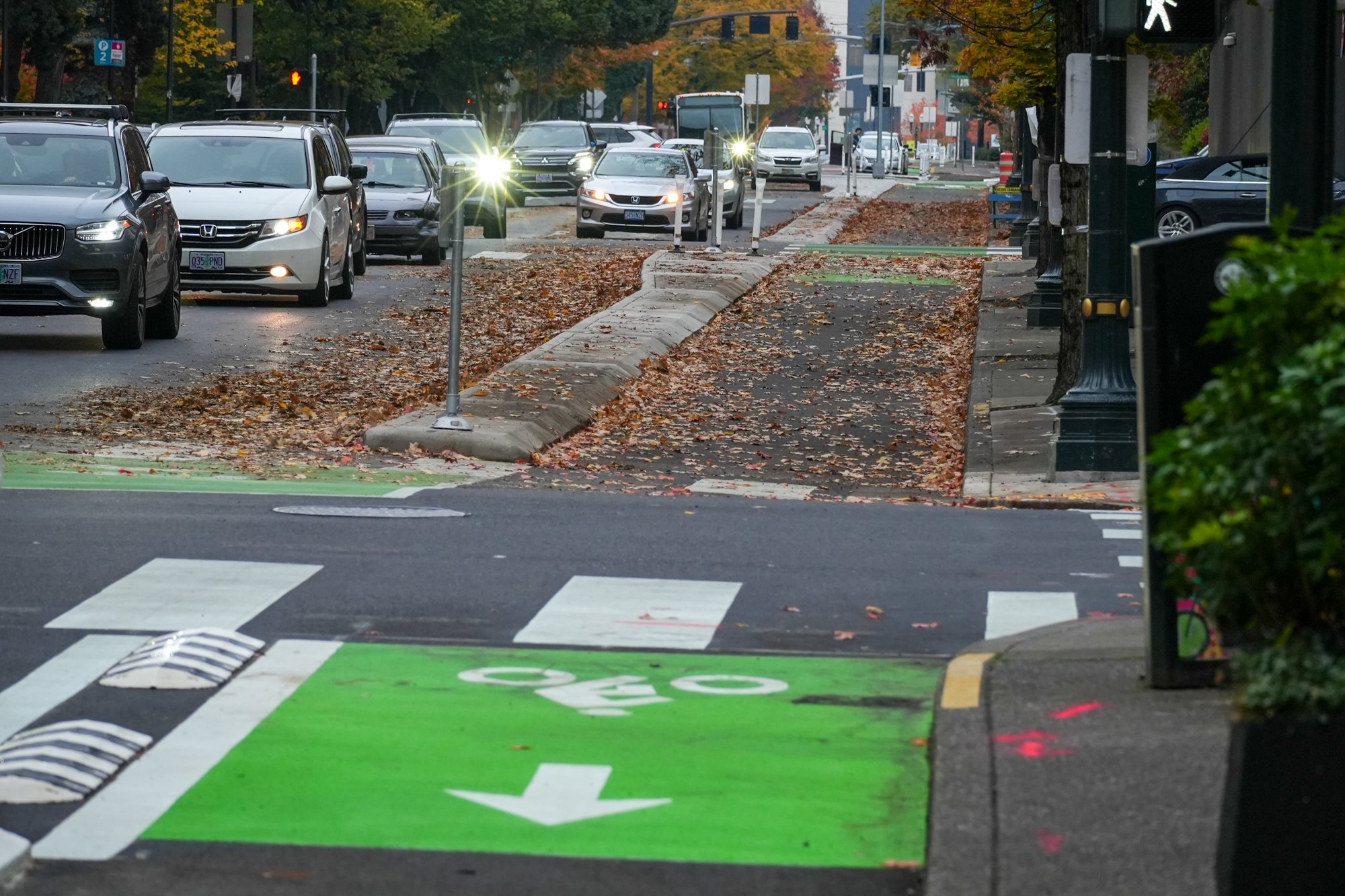
Riders are taking to the new protected bike lane on SW 4th. (Photos: Jonathan Maus/BikePortland)
(UPDATE, 5:15 pm: I just added a photo gallery with new images taken a few minutes ago. Scroll down to browse.)
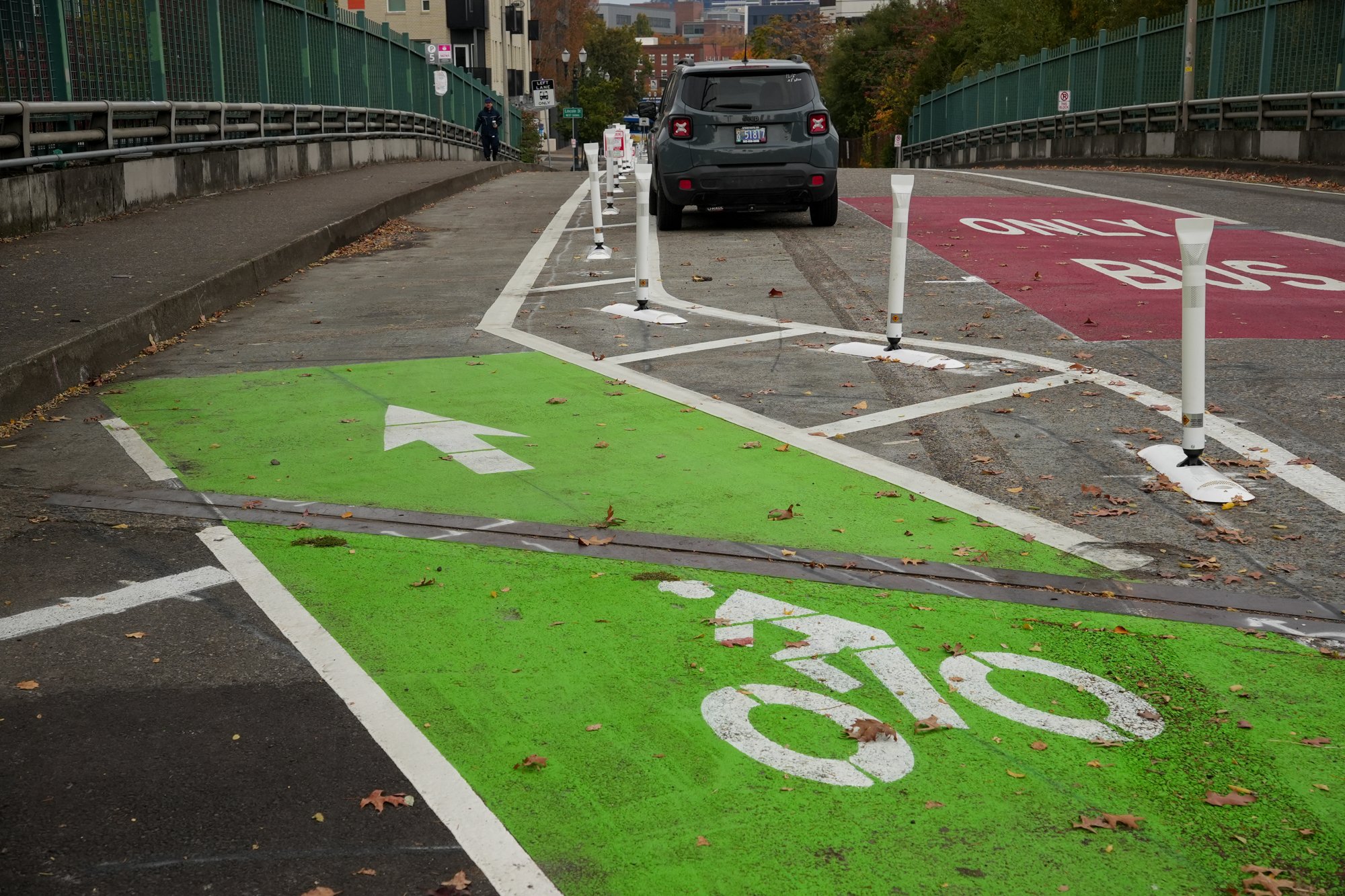
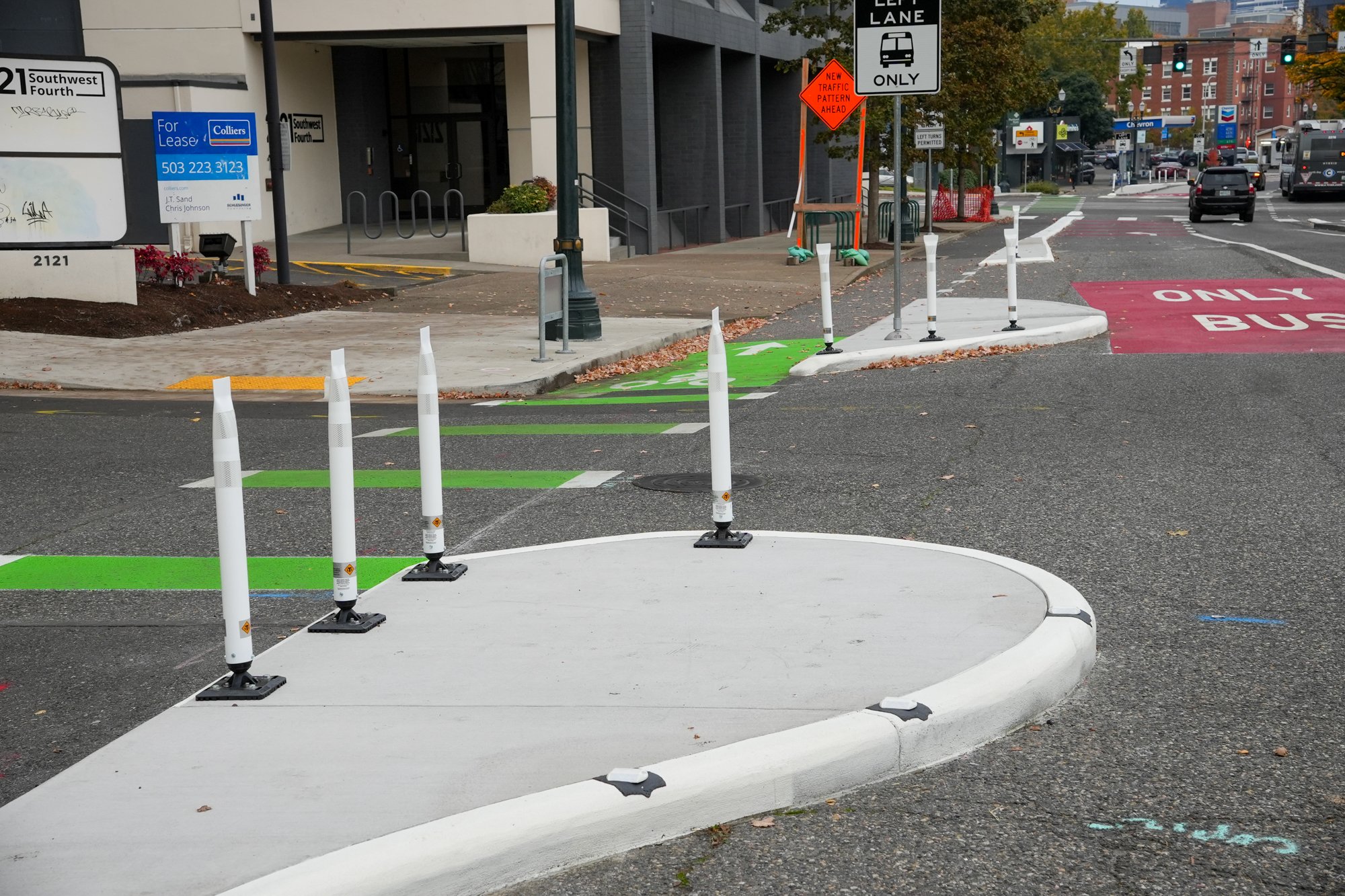
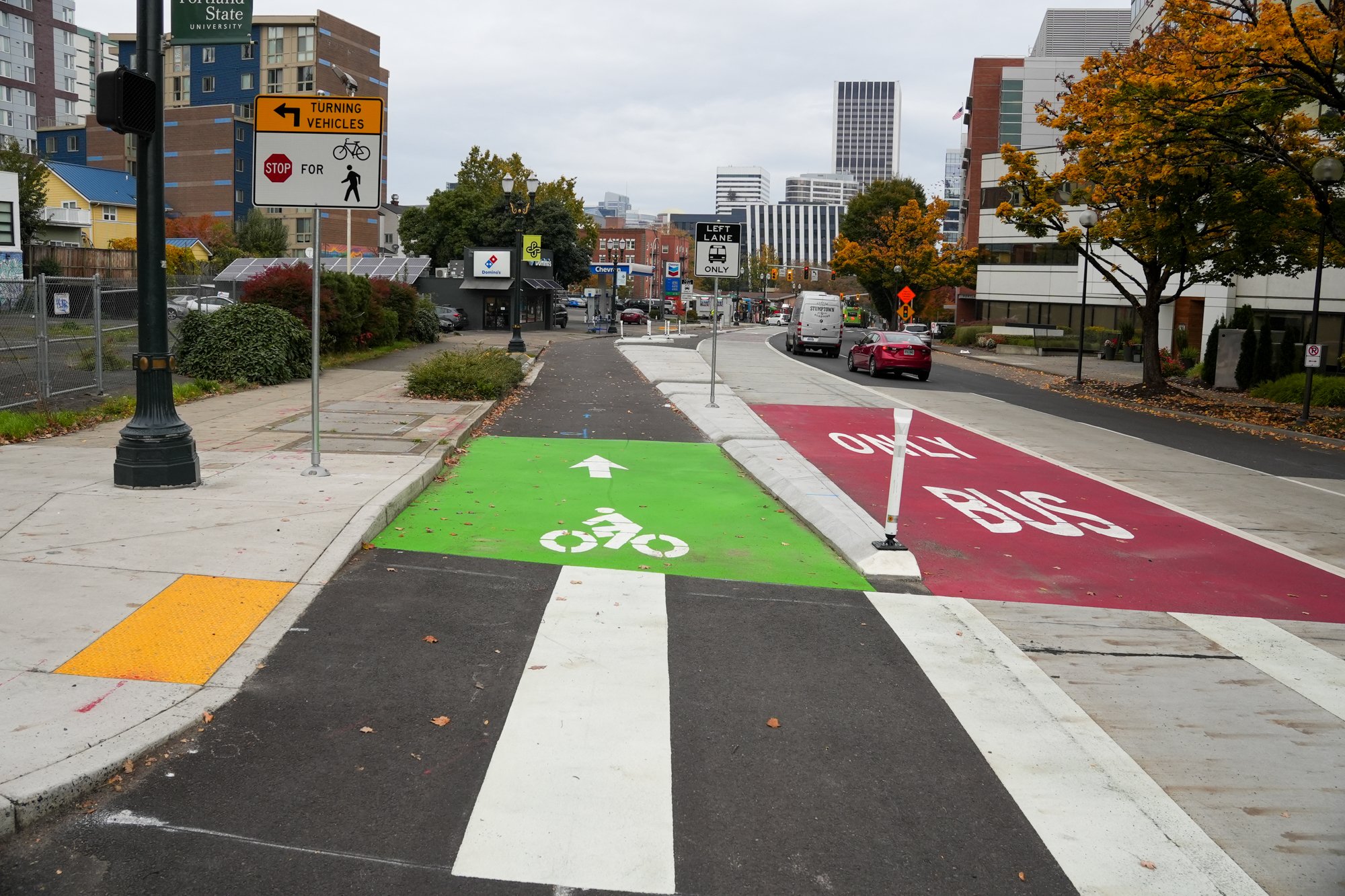
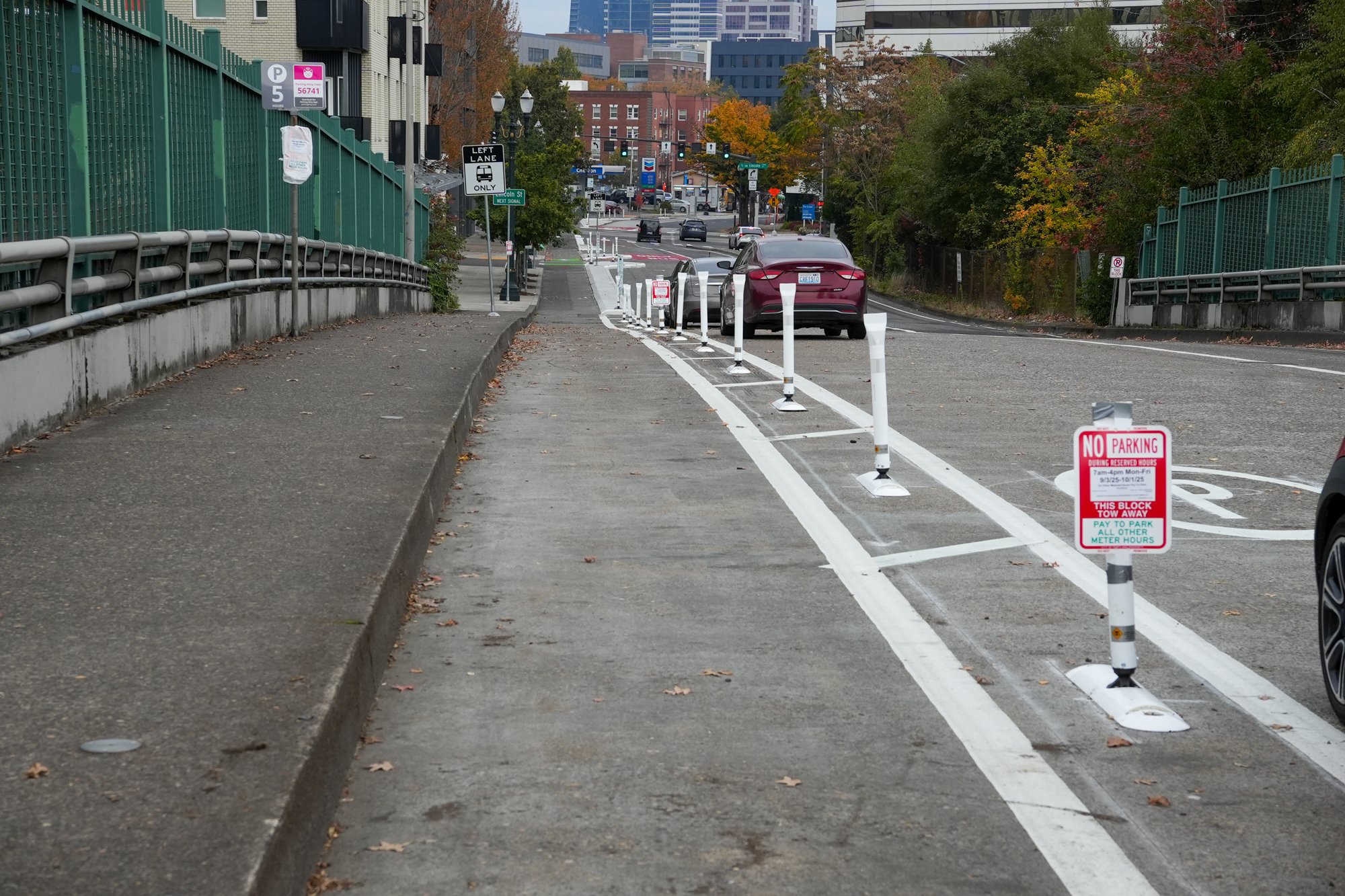
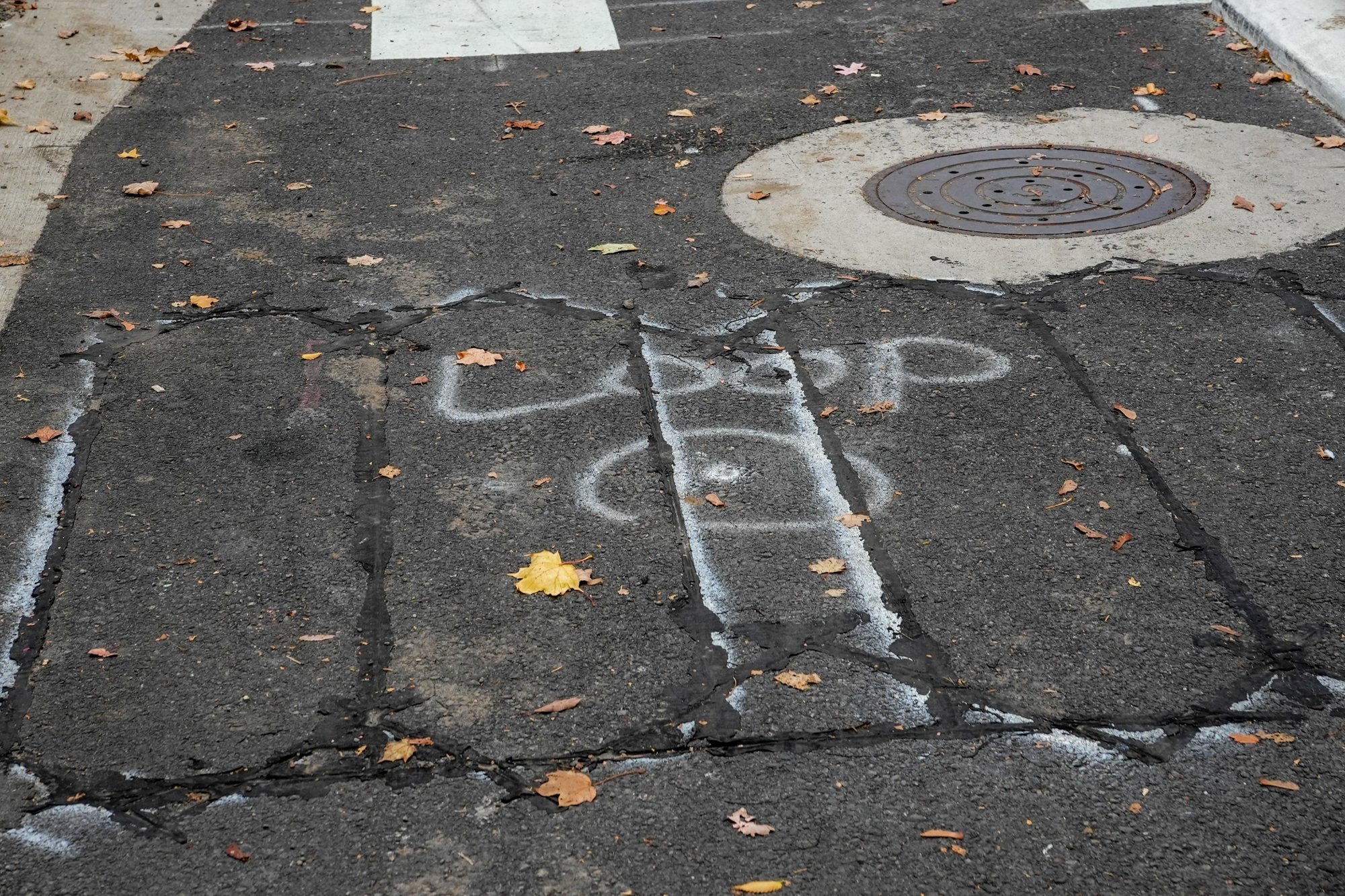
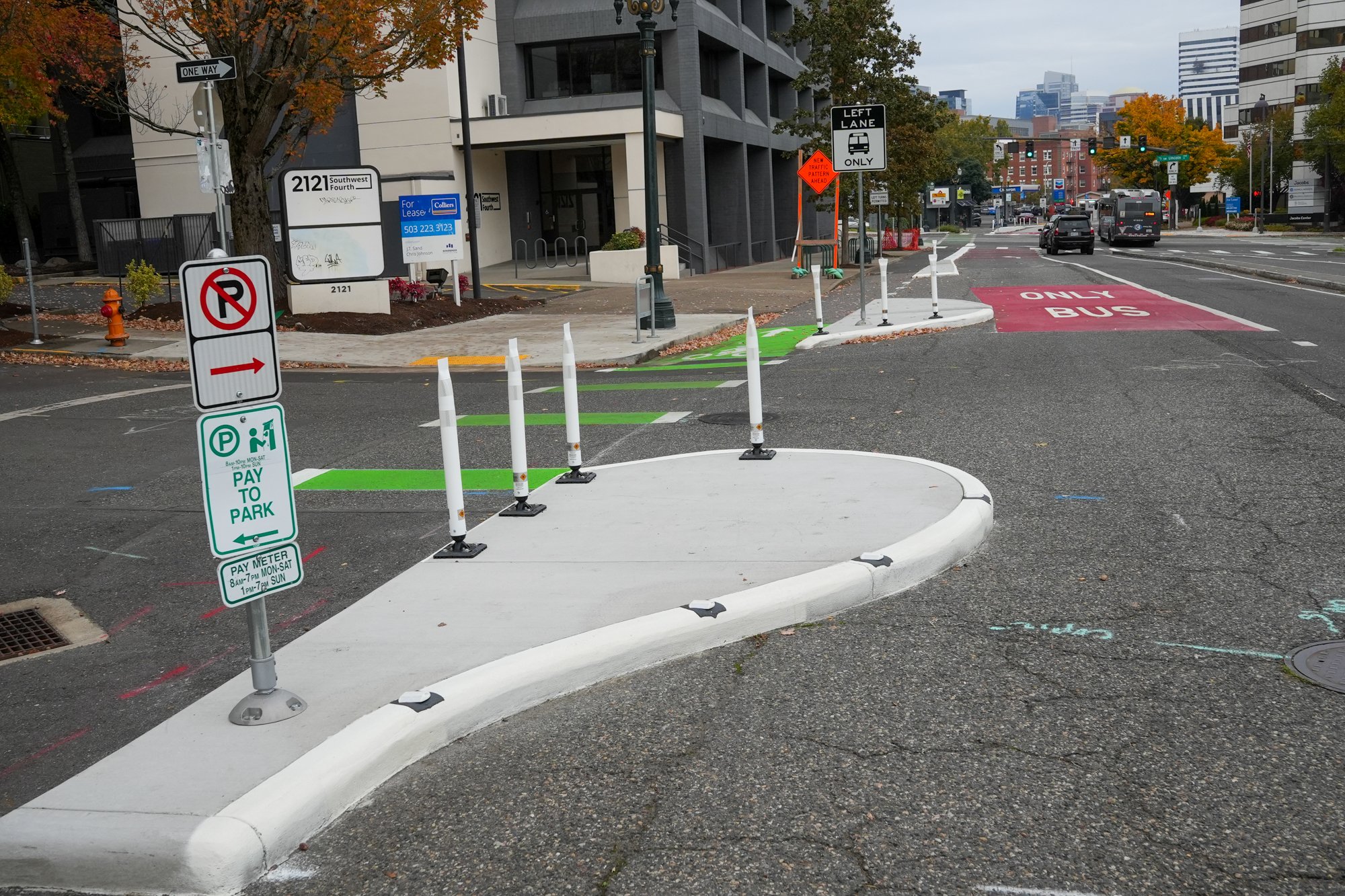
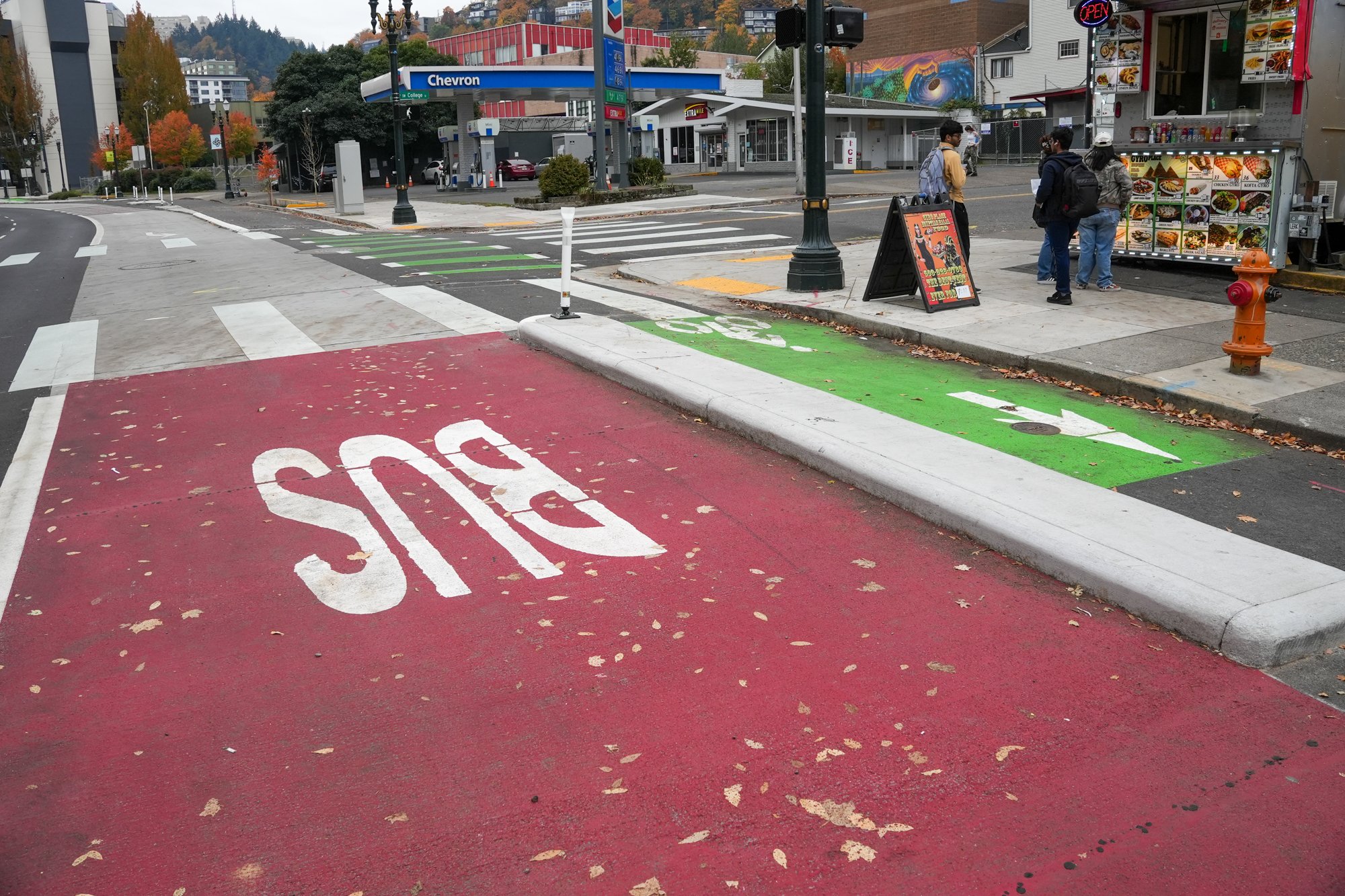
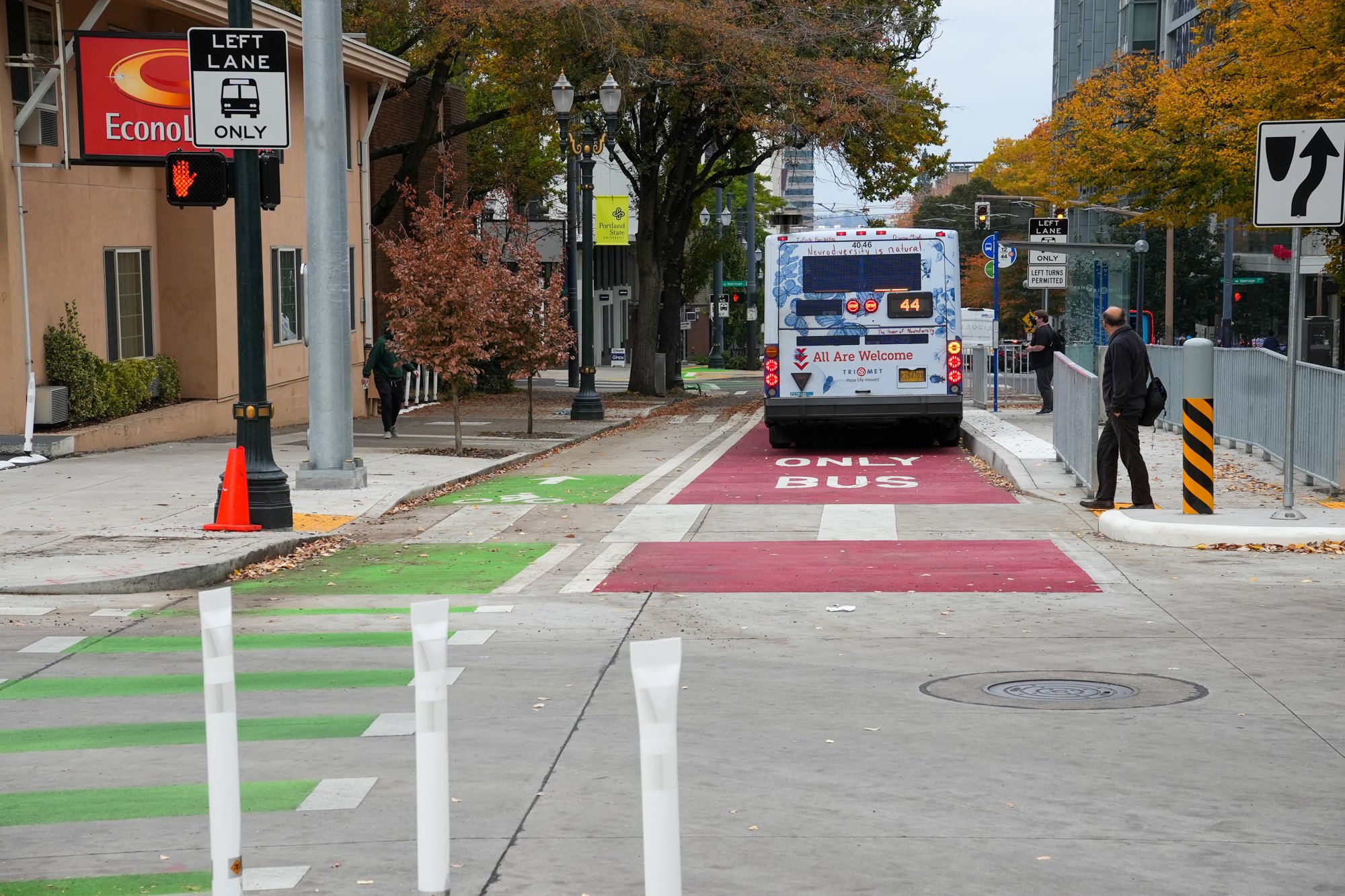
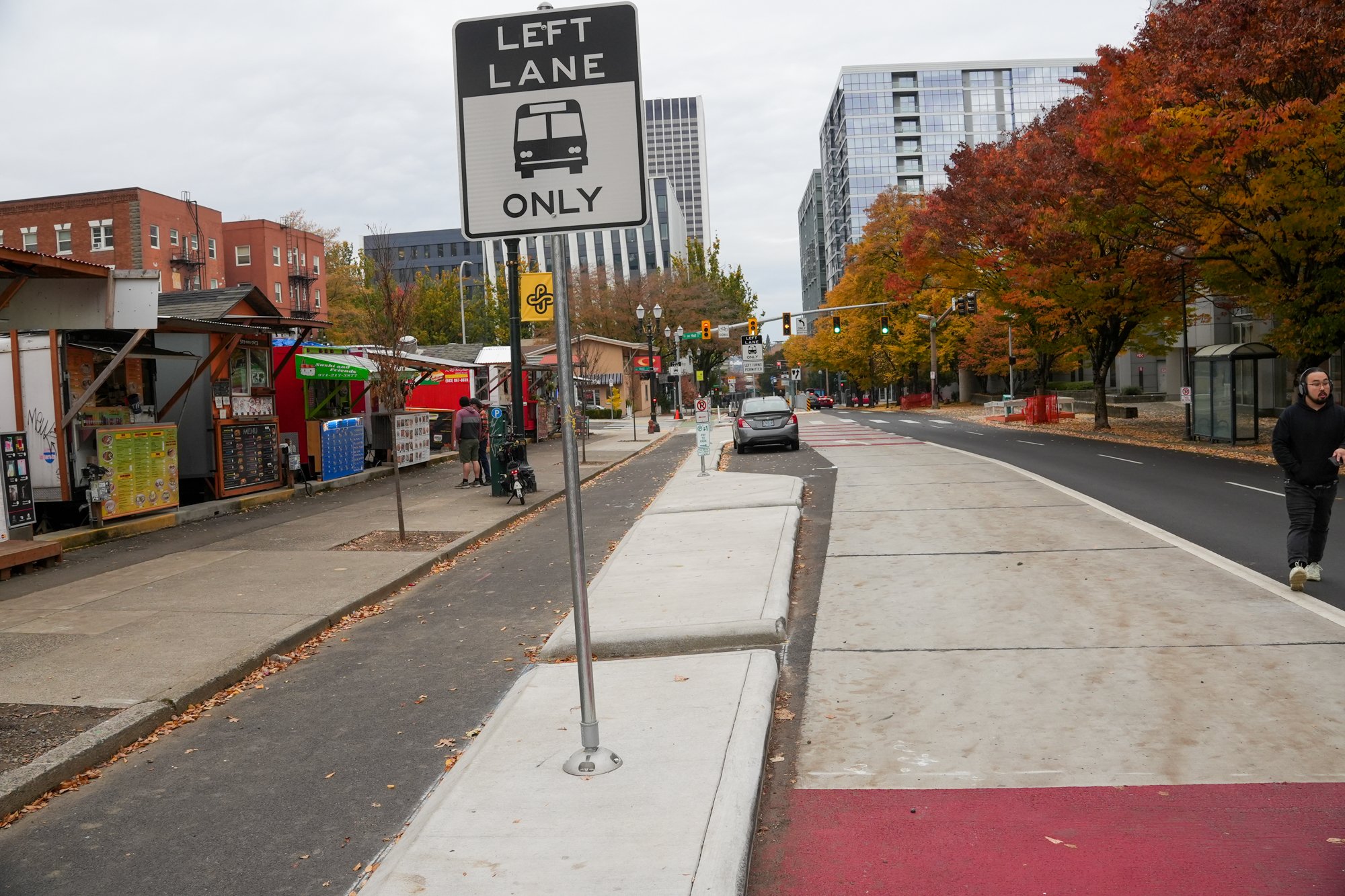
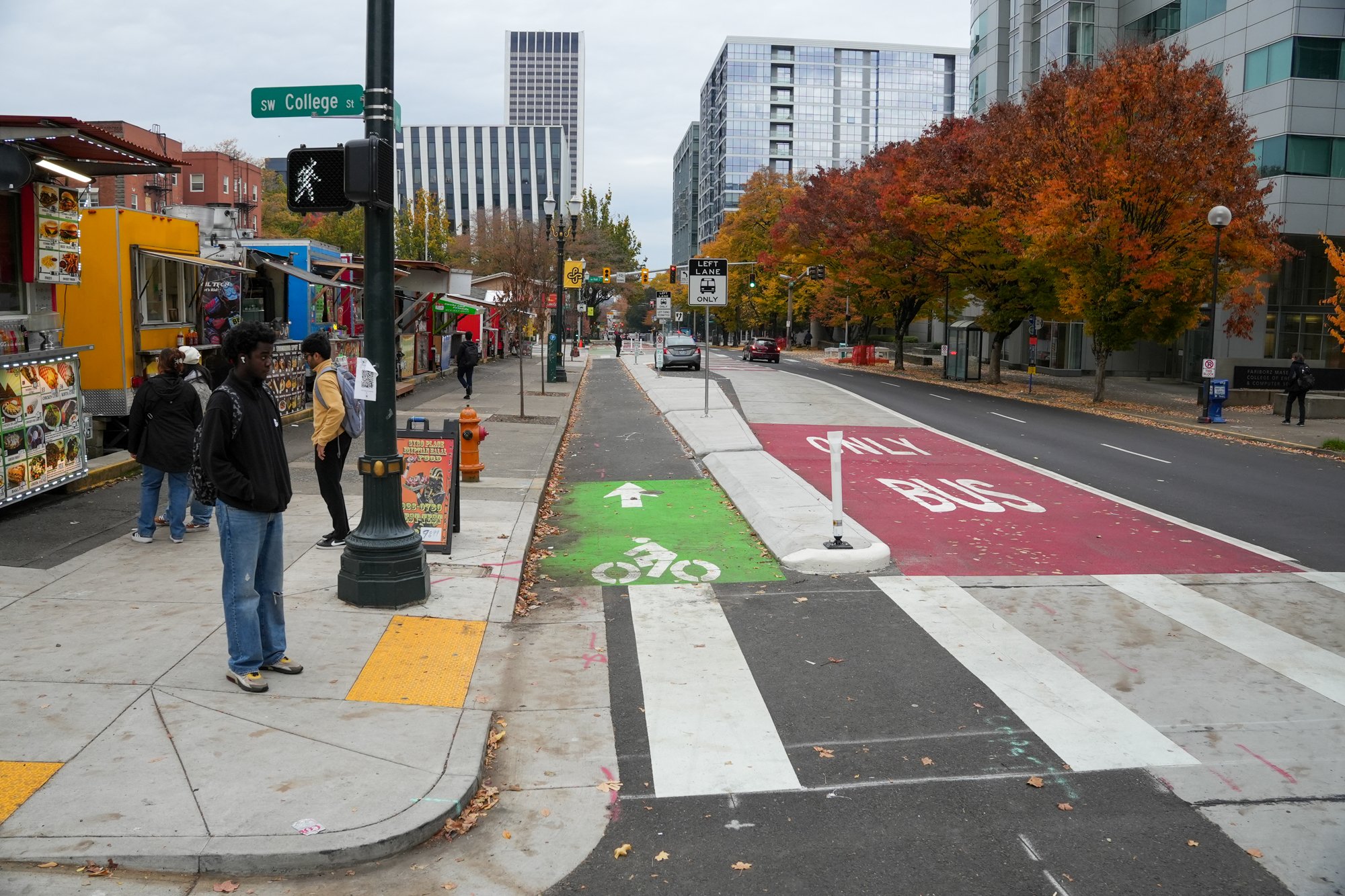
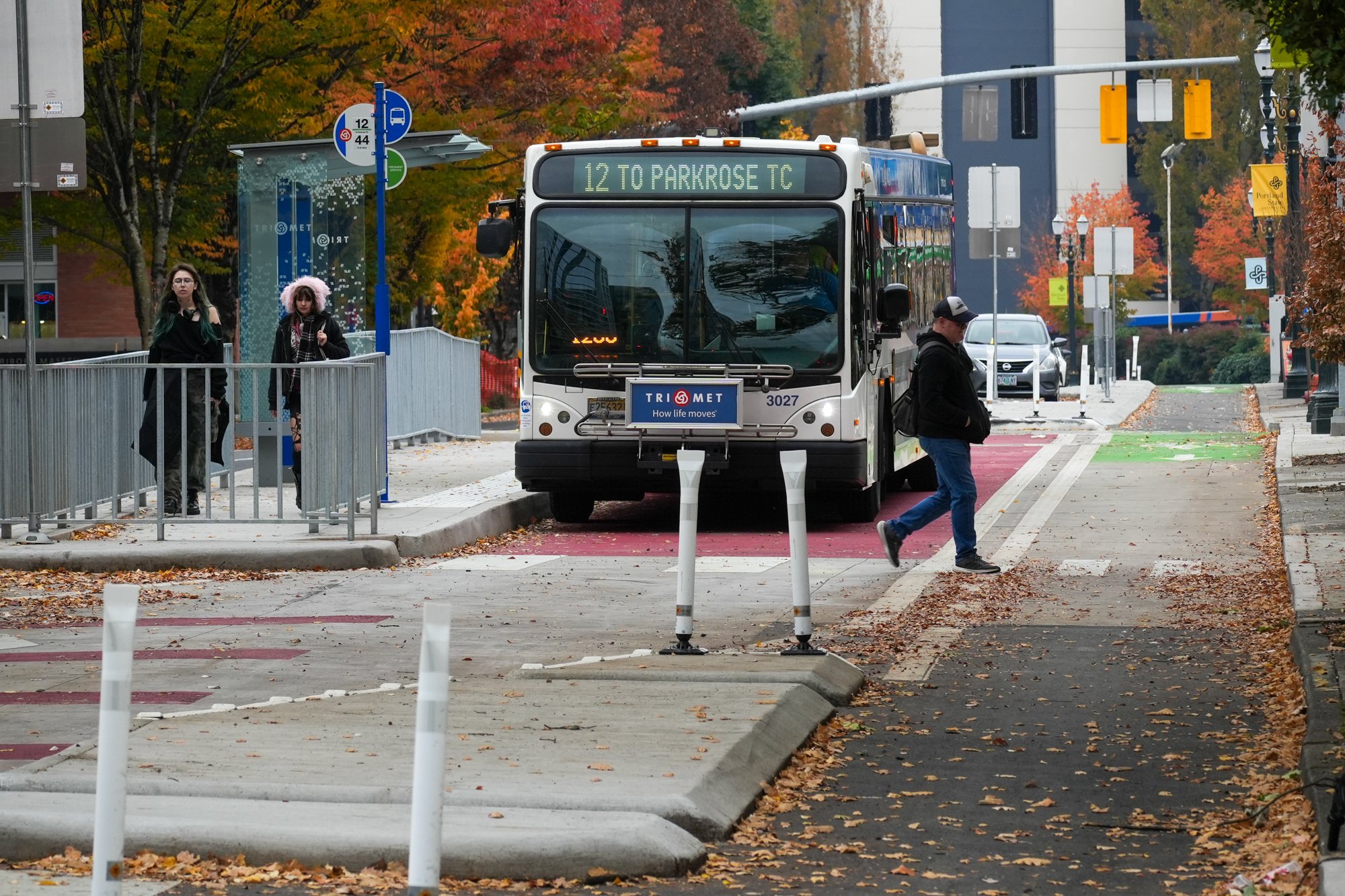
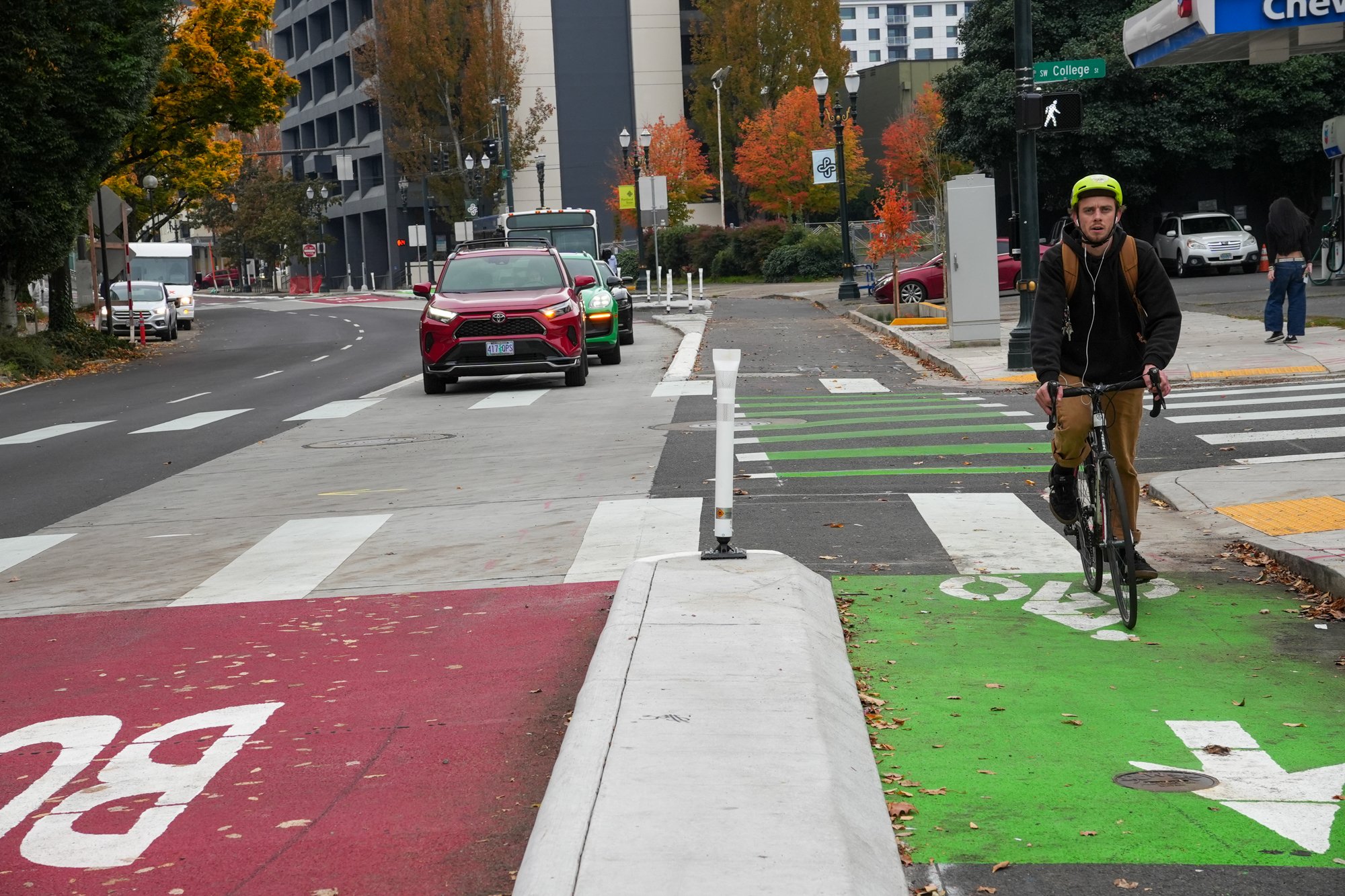
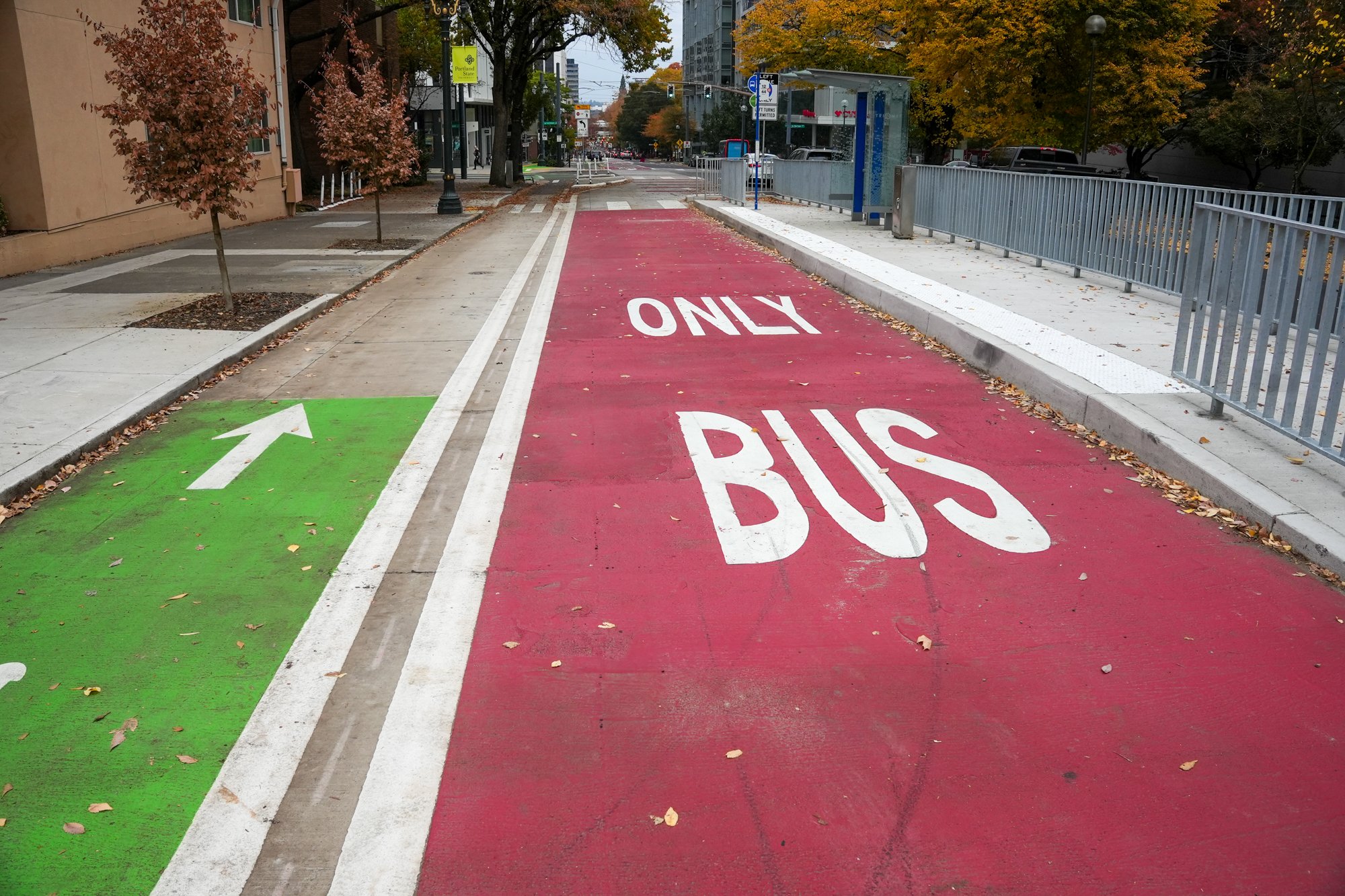
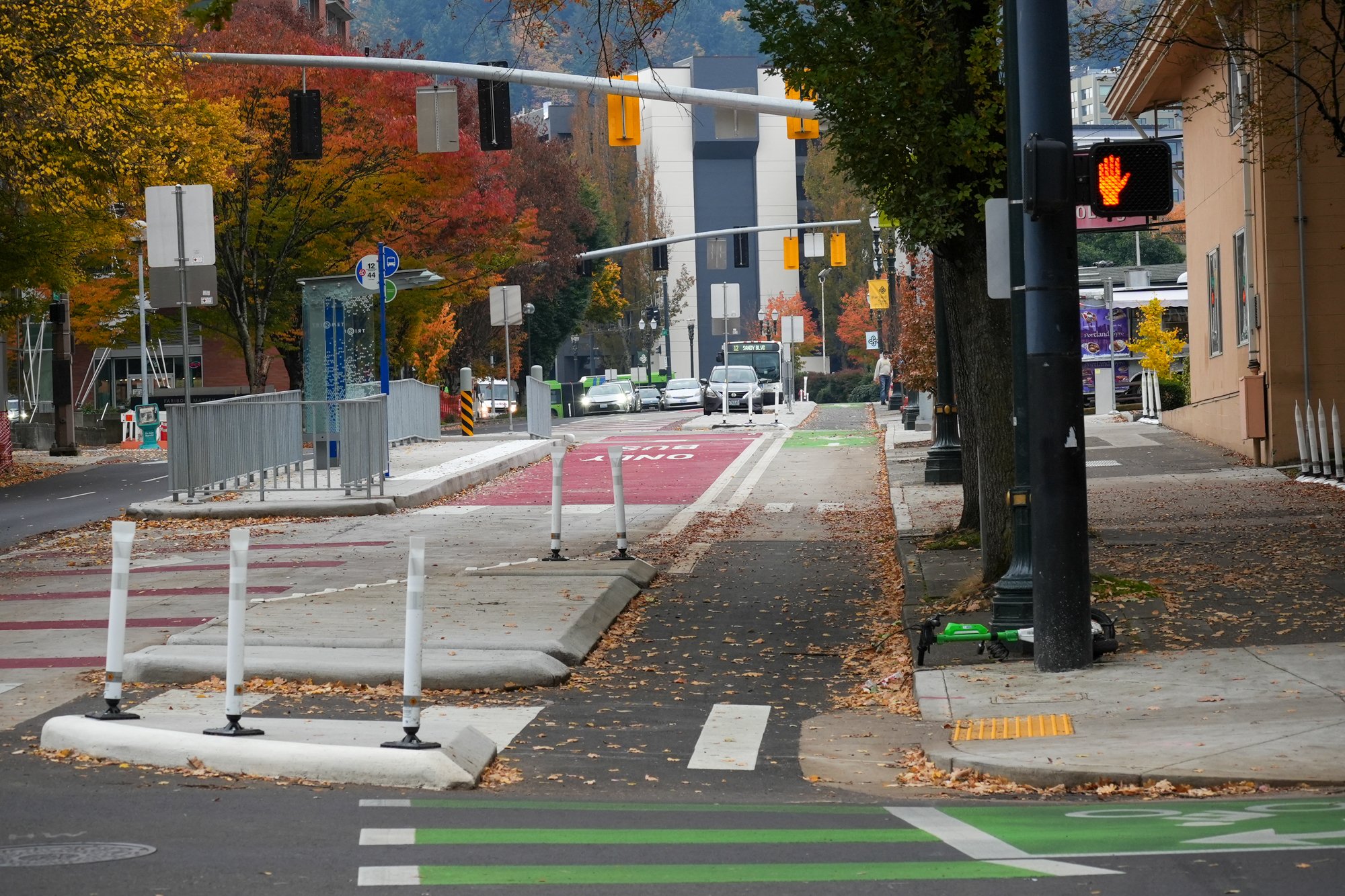
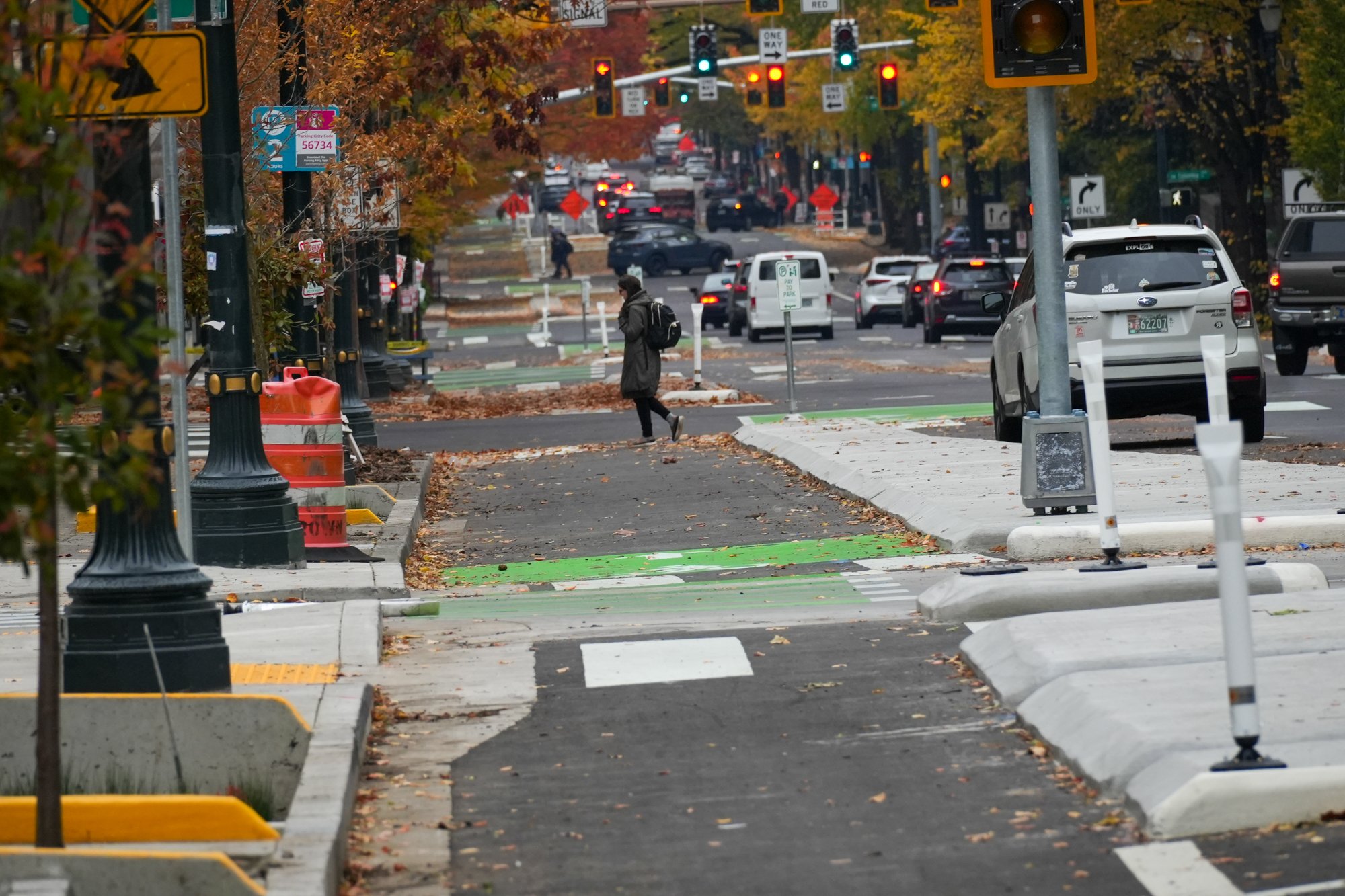
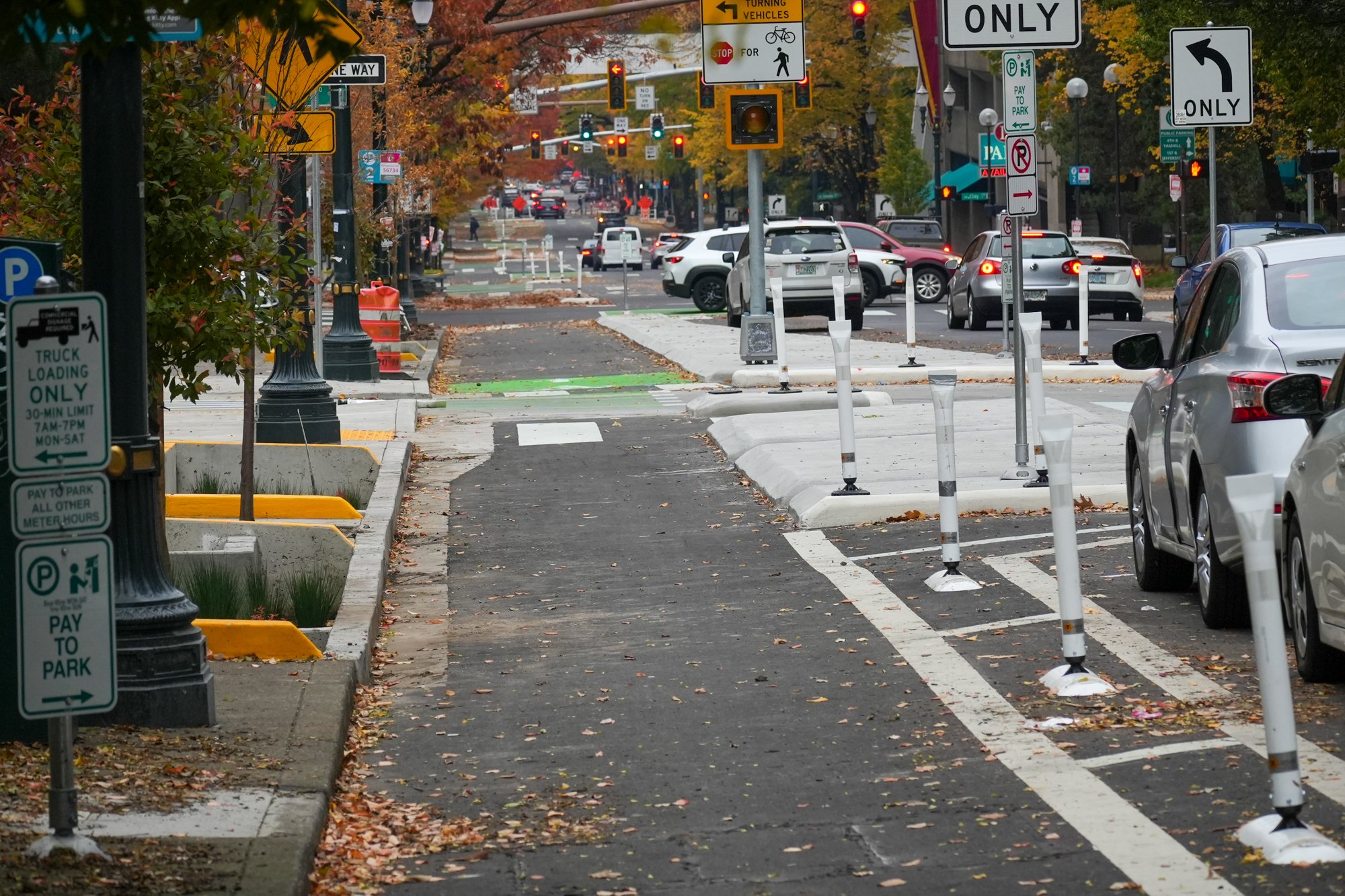
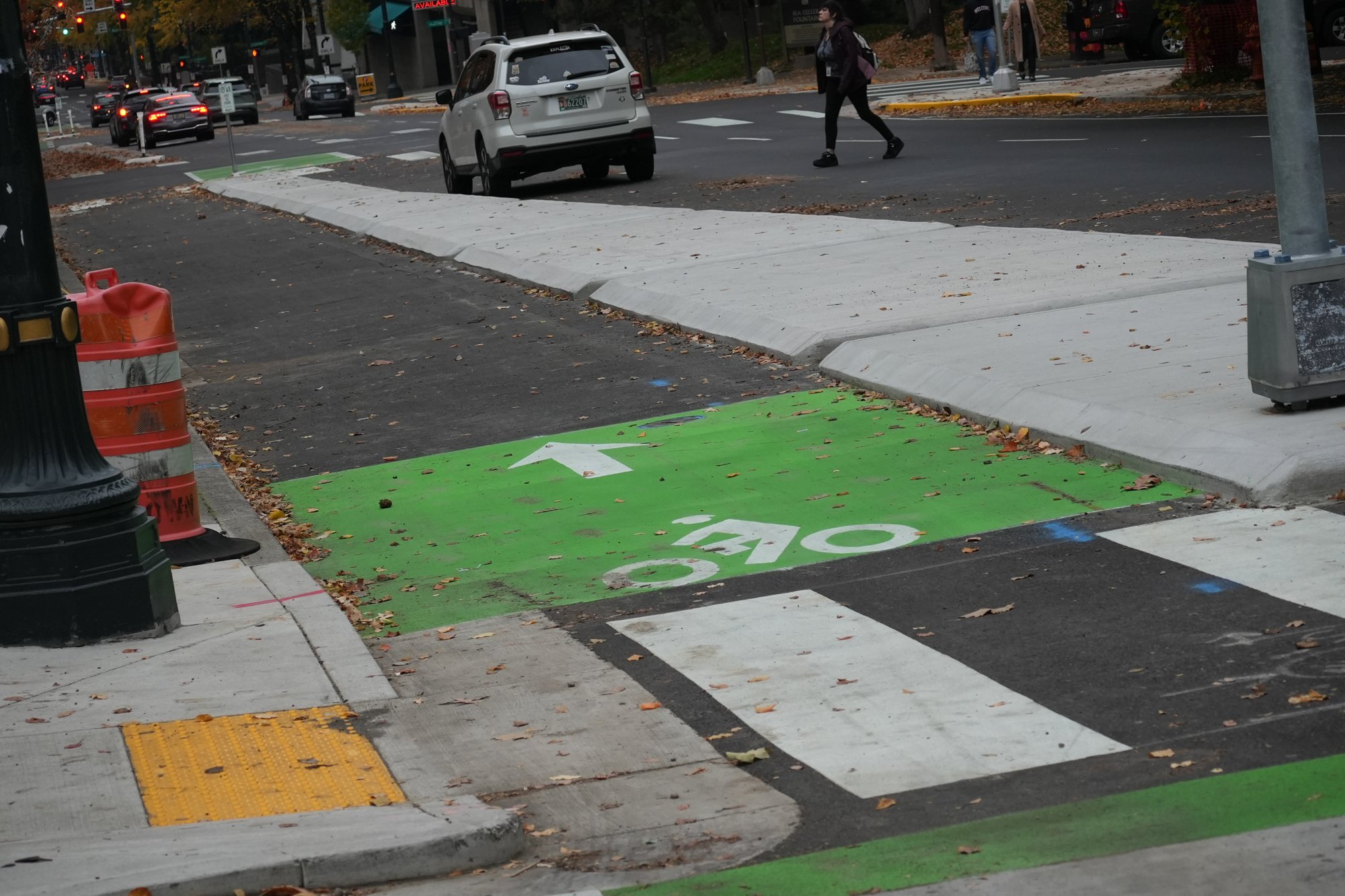
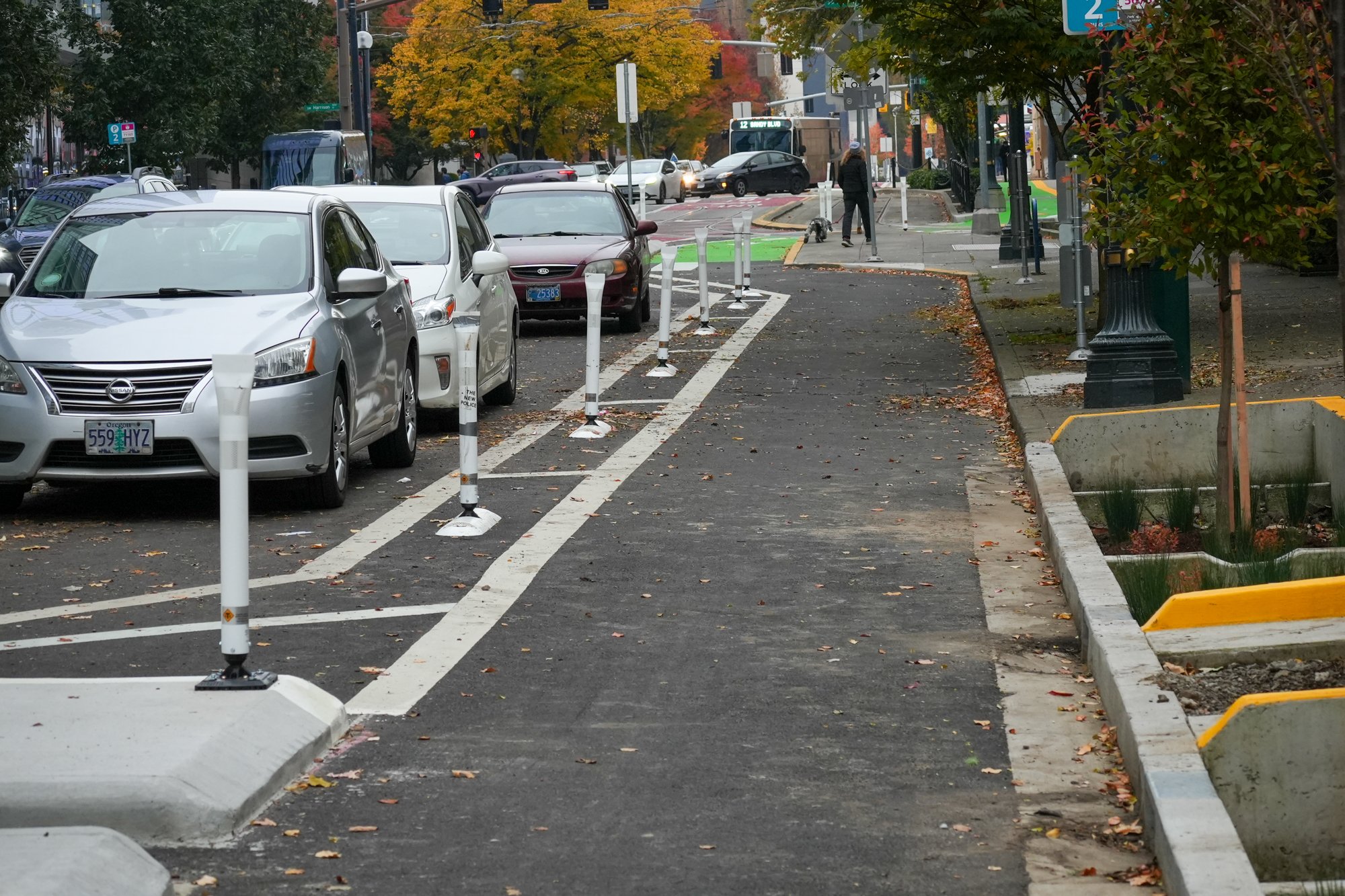
Christmas has come early for Portlanders who care about great streets: The new protected bike lane on Southwest 4th Avenue is open for business. While the full project isn’t finished yet, the Portland Bureau of Transportation (PBOT) announced today that the southern section — from just south of I-405 to SW Taylor — is fully functional. TriMet buses are servicing stops in their new Business Access and Transit (BAT) lanes and the new bike signals have been switched on.
The last time I checked in on this $21 million project was back in June and it was already apparent what a massive transformation it had made to the street. I’ll reserve final judgement until I spend time on it myself, but it’s worth noting this exciting milestone.
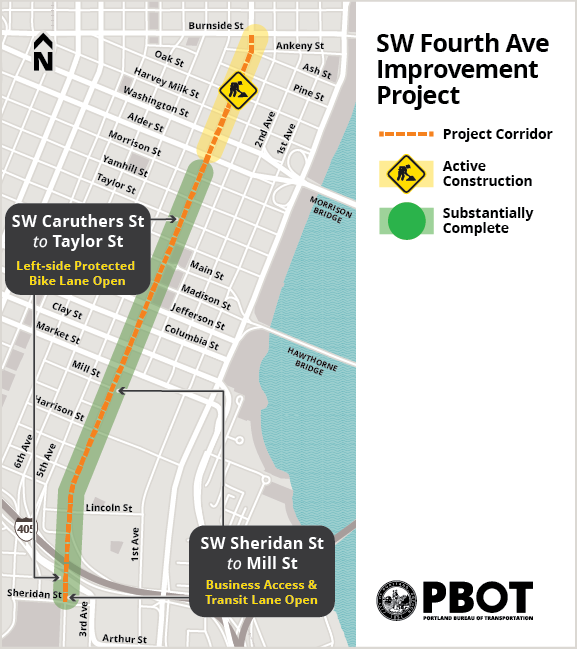
Map released by PBOT today.
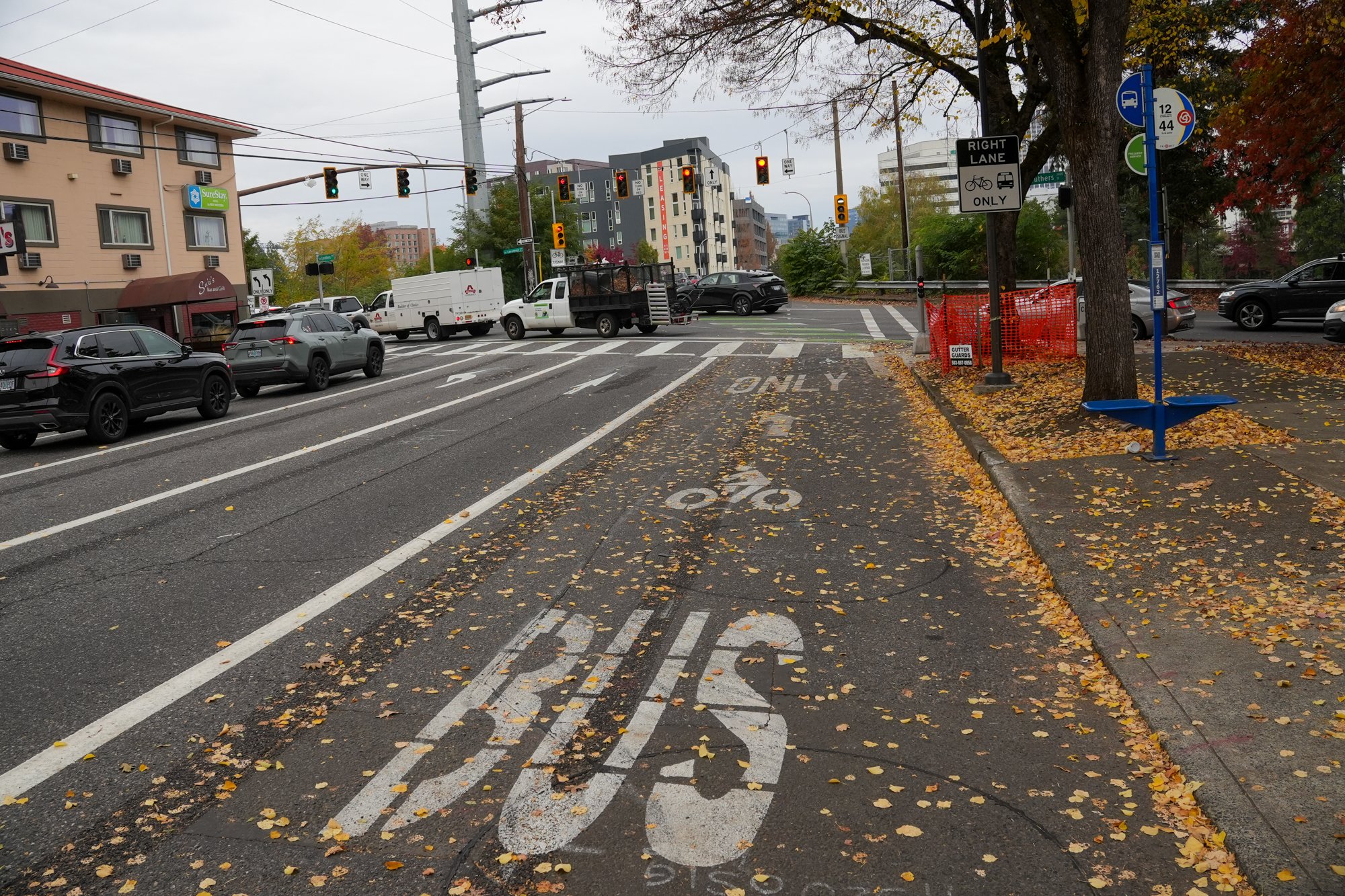
The newness begins at SW Caruthers, just south of I-405. At that location, you’re in a bike lane on the right side and PBOT has installed a new bike-only signal to get you across that (beast of an) intersection and into the new protected lane on the left side of 4th. Eventually you’ll be able to ride about 1.3 miles north in a bike lane that’s separated from other lanes by a large, concrete median.
Advertisement
Why is the bike lane on the left? PBOT felt it was much safer given that right turns off 4th Ave are much more frequent than left turns, thus there will be fewer conflicts.
For transit users, the new BAT lane is open between SW Grant and Mill. In addition to speeding up bus service and making stops safer, PBOT says the BAT lane, “supports the long term durability of the new pavement on SW Fourth Avenue by consolidating heavy buses into a reinforced concrete lane, reducing the likelihood of rutting and cracking over time.”
Advertisement
While the Portland Metro Chamber decried the project last years as “wasteful” and urged the then-Commissioner-in-Charge of PBOT to cancel it, Mingus Mapps was undeterred and it moved forward. On the contrary, this bug upgrade to a high-profile corridor (SW 4th — and the new bike lane! — goes right in front of City Hall) is fully-supported by the Downtown Neighborhood Association.
DNA Vice President Xavier Stickler told BikePortland this week that, “Downtown is so excited to utilize this right-sized right-of-way.” “I want to sincerely thank PBOT for this major investment in our streets. Downtown is the economic engine of our city, region, and state. Its workers, residents, students, and visitors alike need and deserve smooth roads for driving, fast movement for transit, and safe infrastructure for walking and biking.”
PBOT will continue working in the coming weeks to complete the bike lane all the way north to Old Town as weather allows. I’ve heard there’s an official ribbon-cutting planned for December. Stay tuned for more coverage once I get the chance to get over there and ride this thing!
See how it looks below. These images were taken today:
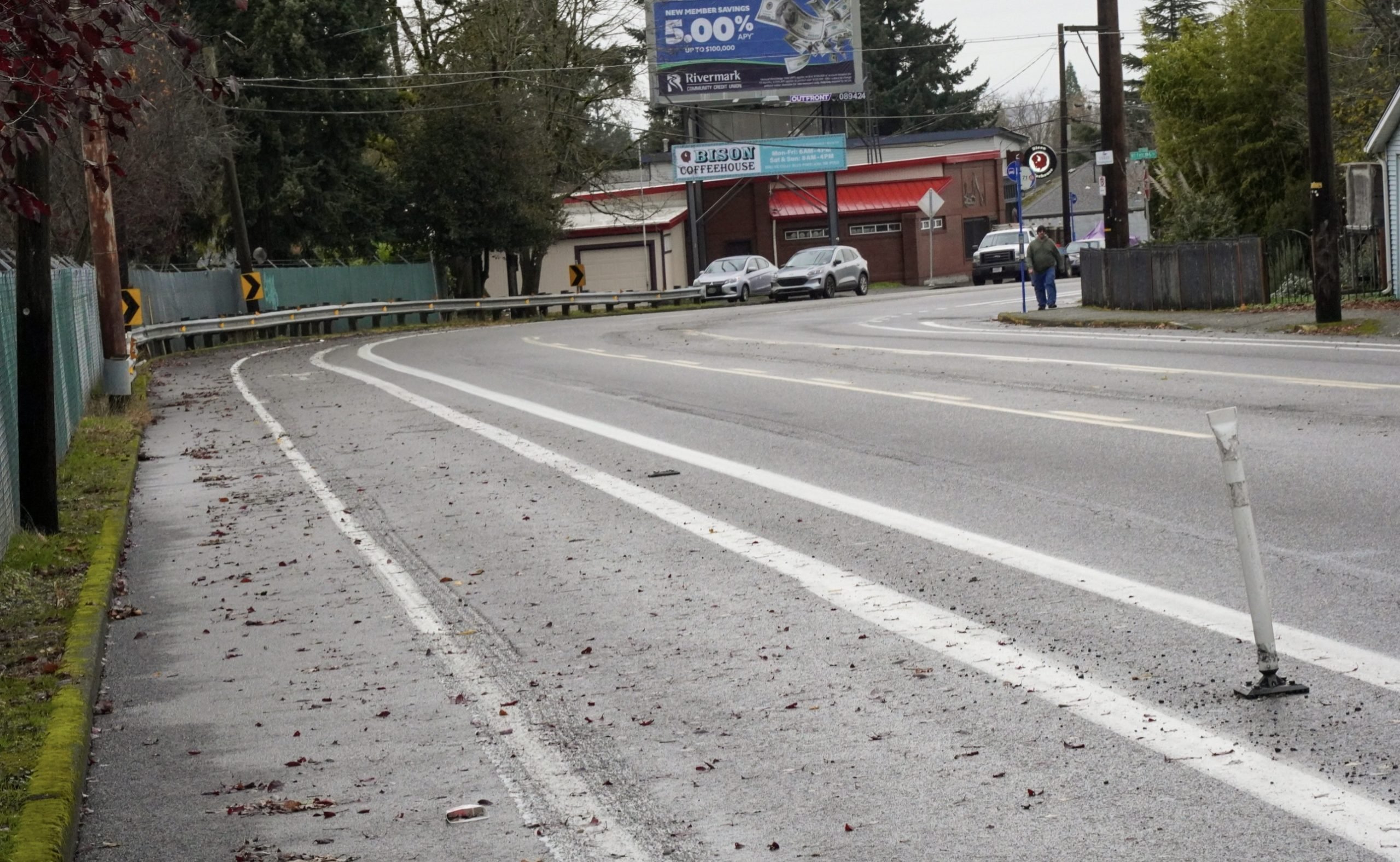
The curve, looking north where NE Cully becomes NE 57th. (Photo: Jonathan Maus/BikePortland)
On Tuesday, the Portland Bureau of Transportation announced they plan to move forward with a major project that will improve safety conditions on Northeast Cully Blvd/NE 57th Ave. The $8.4 million Cully/57th Complete Street Project will improve sidewalks, build about 0.6 miles of new protected bike lanes, add new crossings, and fully rebuild a traffic signal. The scope of the project is from NE Prescott to NE Klickitat.
This project was awarded a $7.6 million federal grant disbursed via Metro back in 2022. Just last March BikePortland reported that that funding was at risk of being pulled back by the Trump Administration. I’ve asked PBOT to clarify the status of that portion of the funding and will update this post when I hear back.
The good news is that PBOT is confident enough in the funding (the project also utilizes a $874,000 grant from the Portland Clean Energy Fund) to move forward with the public outreach and design process.
Advertisement
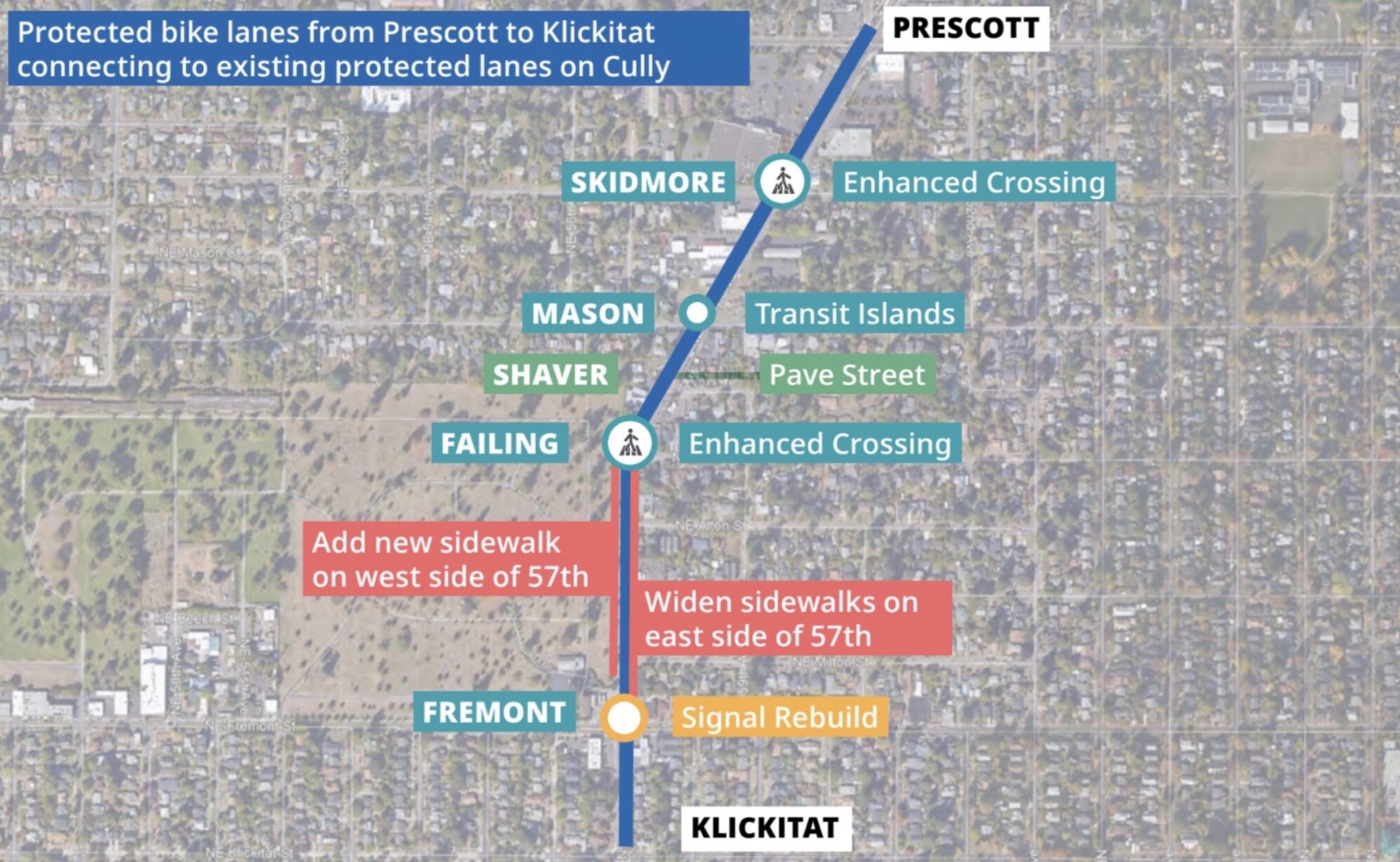
2022 PBOT graphic showing project elements.
This stretch of Cully/57th is notorious for being a dangerous place to walk and bike. PBOT says it has narrow or missing sidewalks, crossing gaps, and a lack of physical protection for bicycle riders. Between 2010 and 2019 there were 20 reported crashes within the project area. 14 of those involved people walking or biking, including one fatality. In that timeframe six drivers were seriously injured in crashes.
As an illustration of the problems on this street, you might recall my reporting in late 2023 about how drivers had uprooted over a dozen flex delineator posts from the curve. PBOT ultimately repaired that damage and now they want to come back and finish the job once and for all.
Here’s what PBOT says we can expect this project to deliver:
Improve the pedestrian facility on the west side of NE 57th Ave between NE Fremont Shaver streets
Widen the sidewalk on the east side between NE Fremont and Failing streets.
Enhanced crossings near NE Failing and Skidmore streets.
Improved bike lanes between NE Klickitat and Prescott streets to provide better separation from cars.
Transit stop enhancements at NE Mason Street to improve access and transit reliability.
Accessibility upgrades between NE Fremont and Prescott streets.
Full traffic signal reconstruction at NE Fremont Street to replace outdated equipment and improve safety.
PBOT will attend the November 18th meeting of the Cully Association of Neighbors to introduce the project and we can expect more public outreach once they complete a preliminary design concept. This project is estimated to be completed by 2028. Check out the project website for more information.
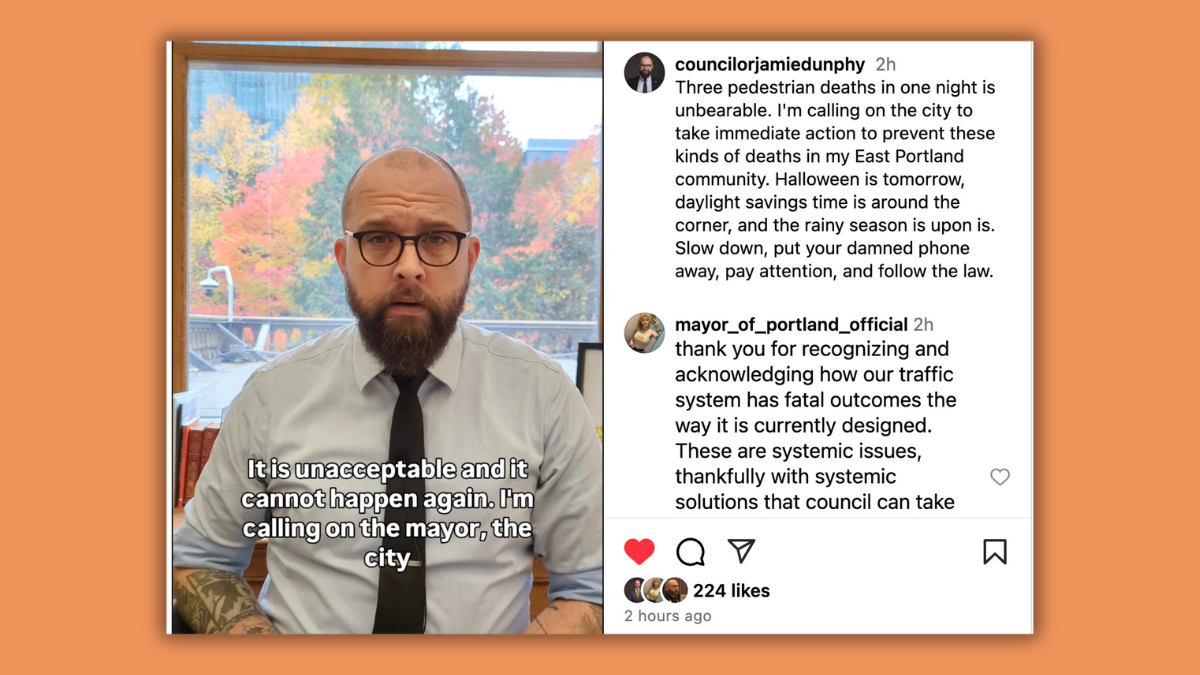
Screenshot from @councilorjamiedunphy on Instagram.
Portland City Councilor Jamie Dunphy is “furious.” In a video just uploaded to his official city council social media accounts, Dunphy addresses the tragic and senseless traffic violence that killed three people in the Hazelwood Neighborhood last night.
Dunphy is calling on the mayor, city administrator, the Portland Police Bureau, and the Portland Bureau of Transportation to “put together an immediate response for this stretch of East Portland.” “We need to protect pedestrians and bicyclists,” Dunphy says in the video.
Dunphy’s statement is also notable for how he directly calls out drivers for the, “dangerous and negligent behavior,” he sees every day. It’s a rare and powerful bit of blaming-and-shaming directed squarely at car users. At one point he addresses drivers directly and implores them to “do better.”
Here’s more from Dunphy’s video:
Advertisement
“Three families are grieving today because their family members were stolen from them by drivers of vehicles. This didn’t have to happen. Every day I see dangerous and negligent behavior by drivers who are texting while driving, speeding, running red lights, ignoring crosswalks and bike lanes, clipping corners and failing to signal. I hope that wasn’t the case in these three deaths, but I’m furious about this.
To the families whose family members were stolen from them last night: I am so sorry. I pledged my support to Vision Zero, recognizing that one pedestrian death is too many. Three in one night is too much to bear. It is unacceptable, and it cannot happen again.
I’m calling on the mayor, the city administrator, the Portland Police Bureau and the Bureau of Transportation put together an immediate response for this stretch of East Portland. We need to protect pedestrians and bicyclists, and we need to hold drivers accountable for their criminal behavior.
And you, if you’re watching this, fix your driving, slow down, you’re not special. You’re not so talented of a driver that you can text while driving and ignore these rules, and you’re not doing enough. Do better keep your neighbors alive.”
That’s one of the most direct and heartfelt responses to a fatal traffic crash I can recall ever seeing from City Hall. Then again, I also can’t remember ever having three deaths in separate collisions like this in such a small geographic area (they all occurred less than one mile from each other).
As for what PBOT is likely to do; the good news is they’ve already studied and analyzed NE Glisan and 122nd. And their data is relevant, given that they’ve either recently completed safety projects or are still in the process of doing so. The bad news is that the type of changes they’re making in East Portland aren’t nearly robust enough to protect bicycle riders, walkers, and wheelchair users.
PBOT is no longer guilty of ignoring East Portland, but they haven’t had the courage and/or political support (those two things are directly related) to build the type of projects that would actually live up to their “Safe Systems” ideals. Even after millions are spent on these corridors, it remains far too easy to drive fast and kill.
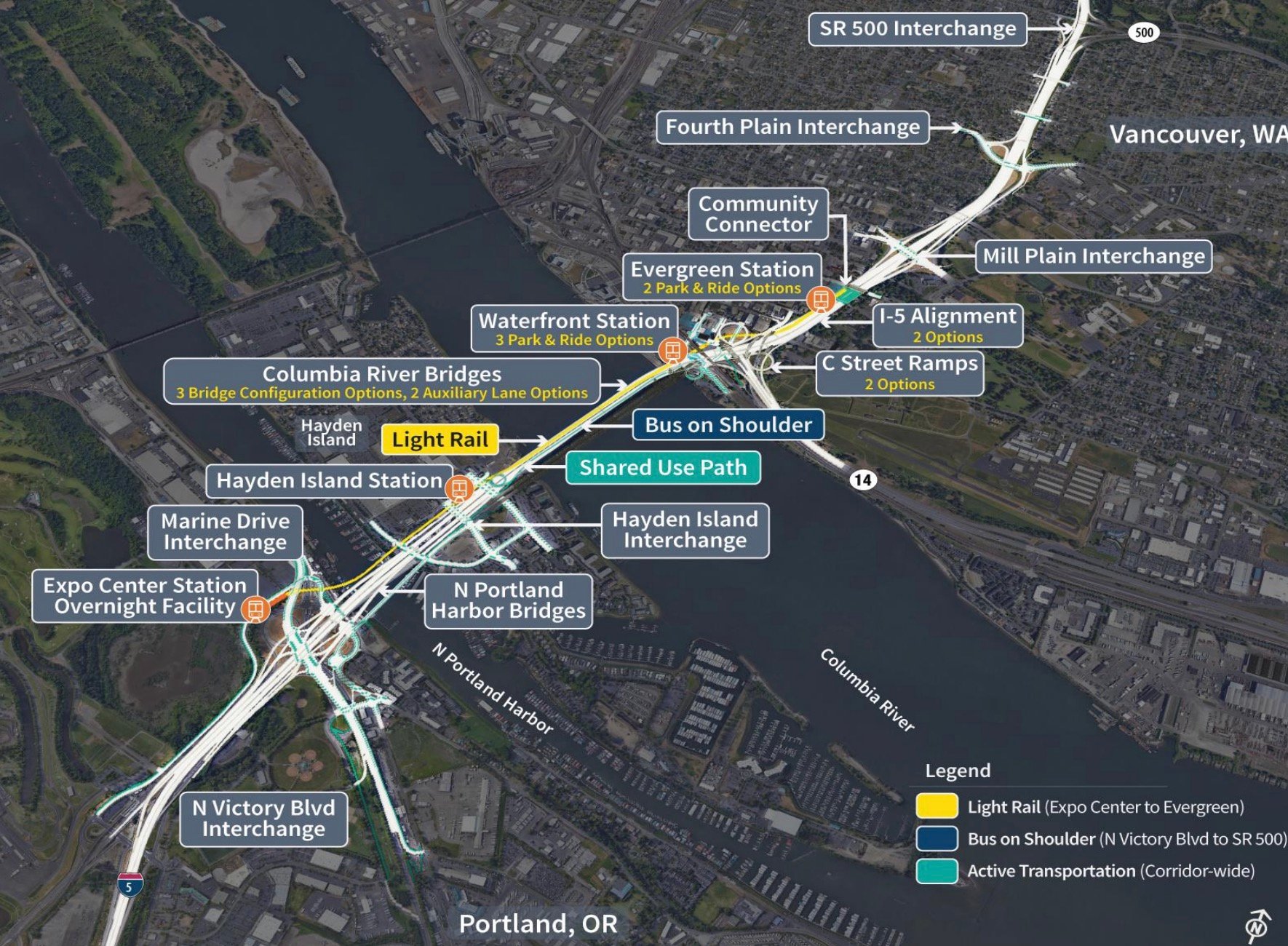
In yet another ominous sign for the Oregon Department of Transportation, a member of the Oregon Transportation Commission voted “no” on the agency’s ambitious plan to expand five miles of I-5 between Portland and Vancouver.
It’s the first time an OTC member has ever voted against the project.
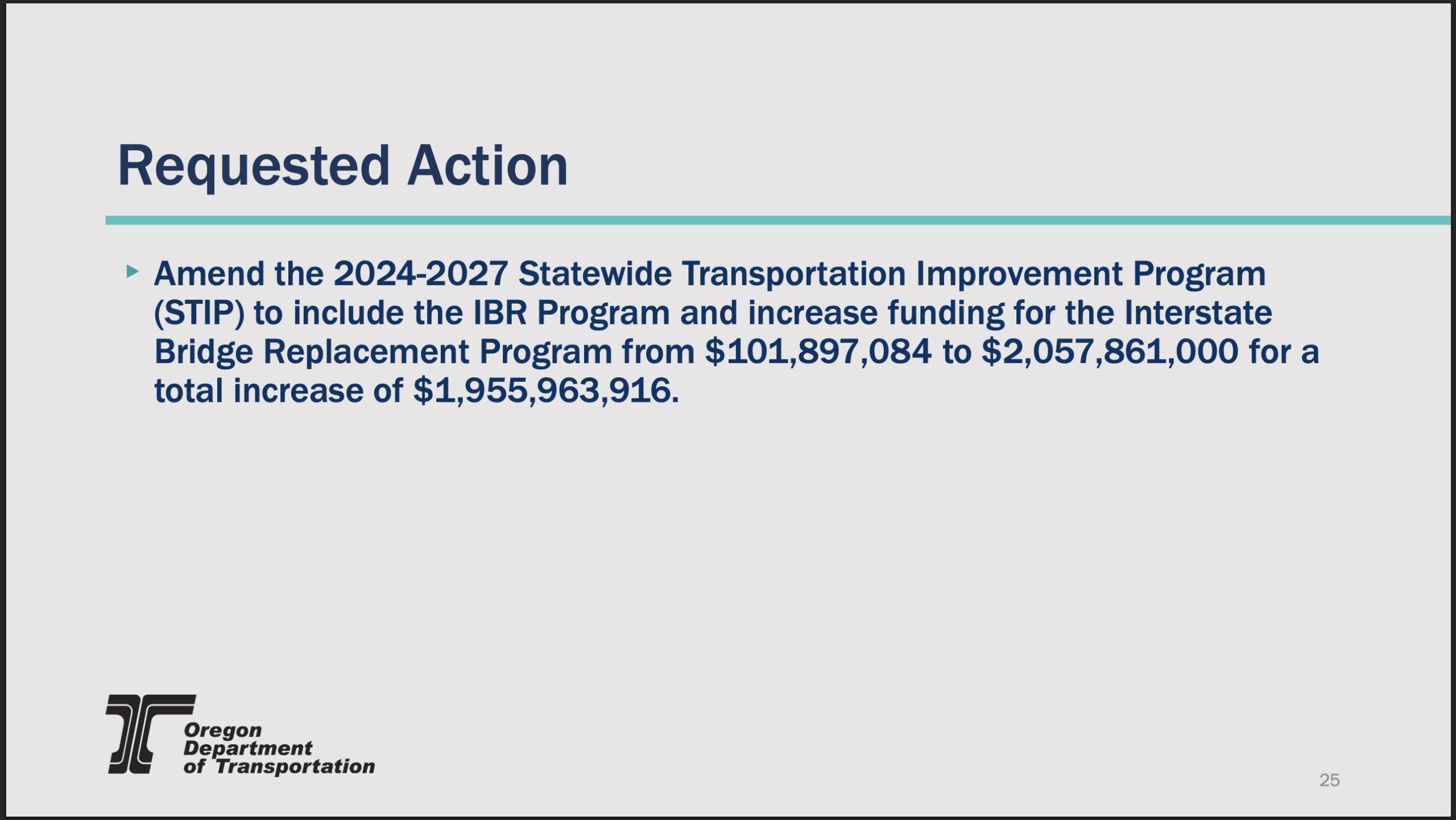
It happened at the OTC meeting Monday where commissioners were asked to approve a request by ODOT to add nearly $2 billion in funding to the Interstate Bridge Replacement Program (IBR). The funding has already been identified from a range of sources (including state general obligation bonds, future toll revenue, a federal grant, and so on) and the OTC was being asked to amend the Statewide Transportation Improvement Program (STIP) to reflect the additional funding.
“I also struggle with the notion that we’re putting $2 billion forward here without having an answer on what this bridge is going to look like… I can’t support the request based on wrong information.”
— Jeff Baker, Oregon Transportation Commission
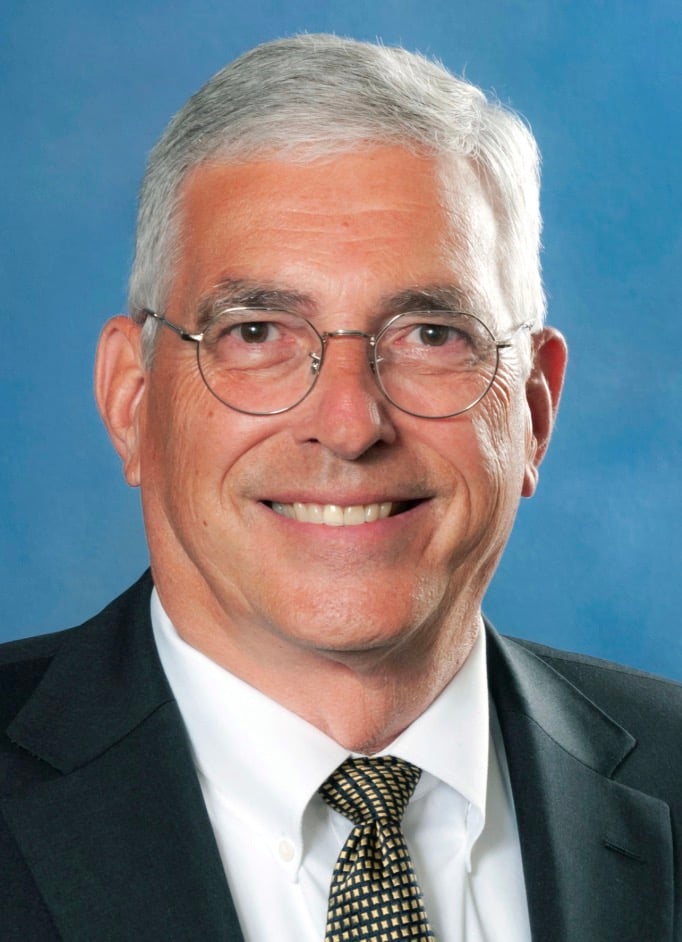
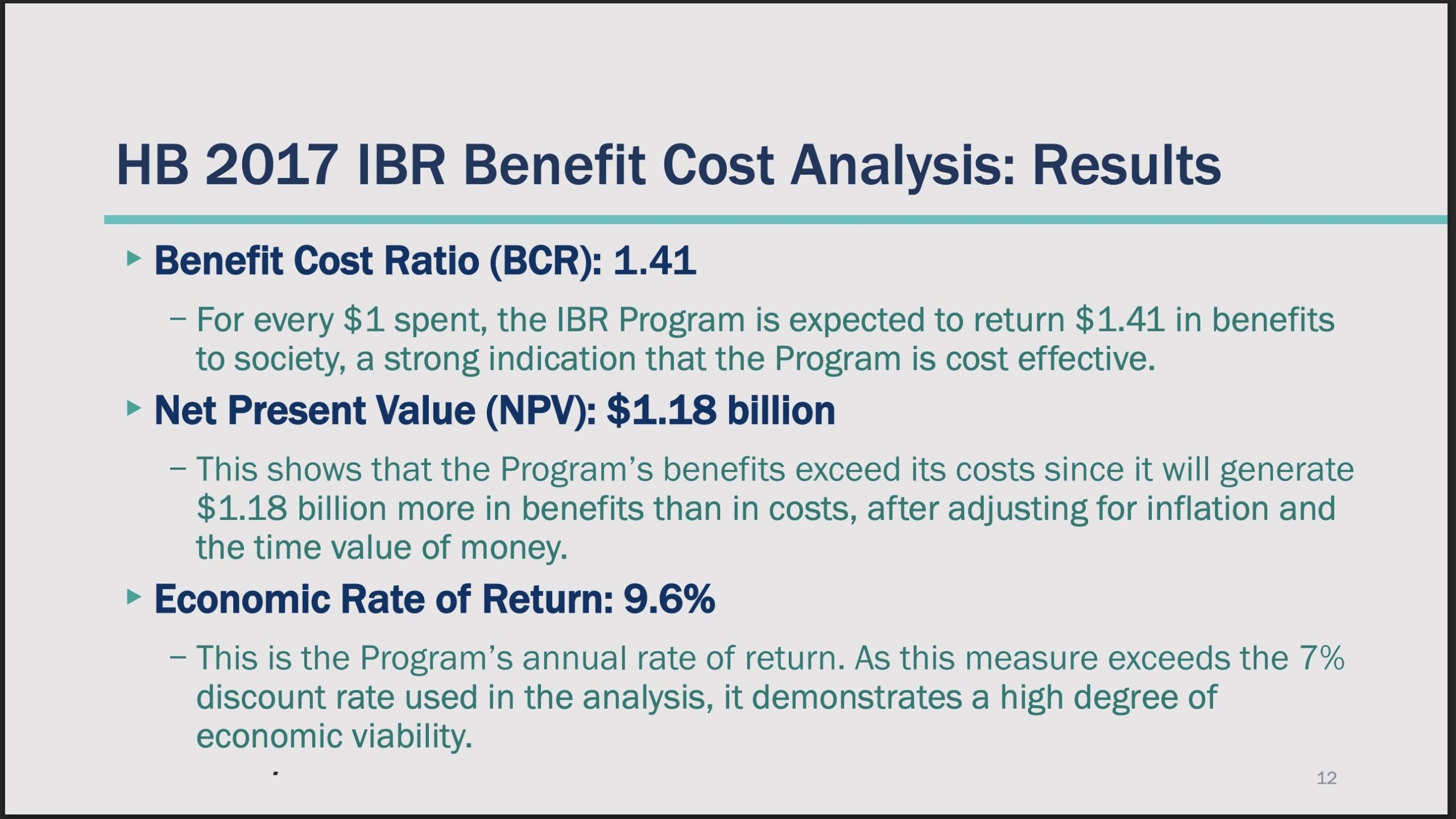
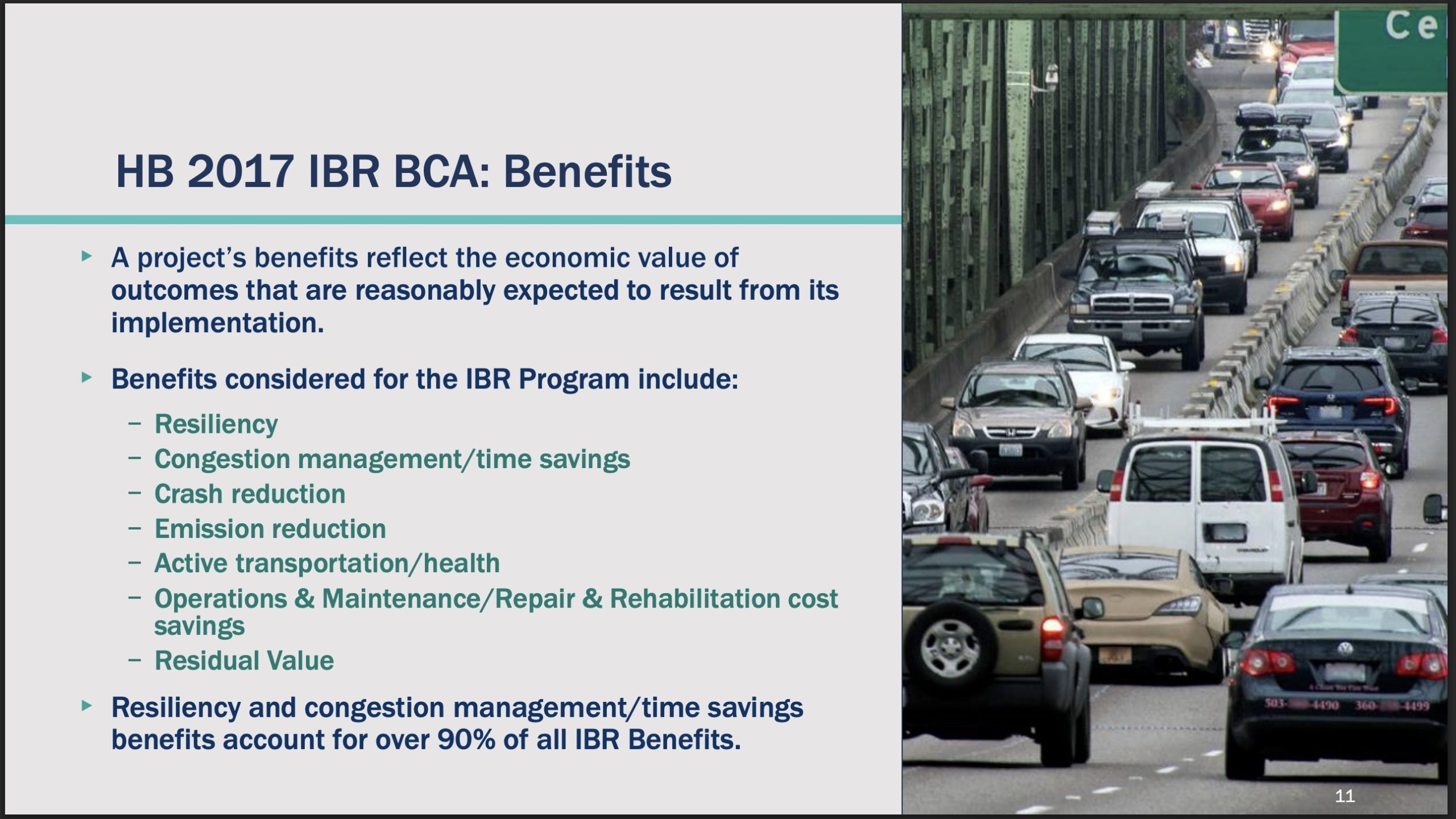
While it was just a procedural step, Commissioner Jeff Baker was not having it. Baker (in photo below), a retired business executive who’s served on the commission since 2023, took issue with a presentation about the funding increase shared by IBR Assistant Program Administrator Ray Mabey. Mabey’s presentation included a slide (see below) that summarized results of the project’s cost benefit analysis. “For every dollar spent, you get a return of $1.41 in benefits,” Mabey said. “So at this current cost estimate, that’s a strong indication that our program is cost-effective.”
Advertisement
OTC Member Jeff Baker
“Current cost estimate,” is doing a lot of work in that sentence because the IBR is working off what insiders understand to be a woefully outdated 2022 estimate that says the project will cost around $5 to $7.5 billion. Some critics believe the IBR is delaying a new estimate, which conventional wisdom says is likely to be upwards of $10 billion when it’s released in December.
At Monday’s meeting, it was clear Baker did not appreciate Mabey using that old number in the cost/benefit equation in the context of currying support for a significant funding increase.
“All of these [benefits] are formulated with cost,” Baker told Mabey at the meeting. “And we don’t know what the cost is… so to try to rely on these numbers today for this presentation, I really struggle with it, because I don’t think they’re accurate, and they won’t be accurate till we get our new costs.”
Prior to a vote on the amendment later in the meeting, Baker once again expressed his discomfort. “When you take a look at the benefits of this… They’re wrong today because we know there’s going to be a significant change within 60 days [when a new cost estimate has been promised]… I think it’s really important we know where the costs are going to be.”
“I also struggle with the notion that we’re putting $2 billion forward here without having an answer on what this bridge is going to look like, whether it’s going to be a fixed or movable span. So we’re uncertain as to what the bridge is going to be, and we’re uncertain as to what the costs are going to be,” Baker continued. “I can’t support the request based on wrong information that we know is wrong. I’d like to see us delay this question until such time as we get fresh data.”
Advertisement
ODOT slides shared at the meeting.
This might seem like a small thing, and this isn’t the first time an OTC member has had heartburn over the cost of this project. But given how tenuous the funding picture is for the IBR — with massive uncertainty at the federal level, critics ready to pounce, a touchy regional political landscape, and with ODOT operating under a fiscal microscope — actually voting “no” on a project of this scale that has this much bureaucratic inertia behind it, is unheard of. Baker asked to delay the funding increase request until the new estimate is revealed. But delay is kryptonite to these megaprojects.
The responses to Baker’s concerns from fellow OTC members, ODOT’s director, and IBR leaders underscore that point.
OTC Chair Julie Brown asked ODOT Director Kris Strickler how a delay would impact the project. “This is the last step of multiple steps,” Strickler said, after saying how they’ve already pushed the funding increases through many steps of the process and failure to approve it now and/or to create a delay, might spook regional or federal partners.
IBR’s Mabey said the funding is needed now because otherwise it would delay the project by another 6-8 months. “We still have to keep the lights on,” Mabey added, saying it would be unfair to project partners in Washington who’ve already committed their share to keep the project moving forward.
OTC Vice Chair Lee Beyer (a veteran of the IBR’s previous iteration, the Columbia River Crossing, which he was intimately involved with as a member of the Oregon Legislature) also pushed back on Baker’s concerns:
“The two states have been intimately considering this project for almost 30 years. Cost just keep getting higher. Had we acted on it in 2013 when the Oregon legislature approved it, we would be driving across the new bridge today, and it would have cost a third of what it would cost now.” Beyer added that while he respects Baker’s concerns, he’s just wants the darn thing built: “It’s time to get going. Go ahead and do it. I think people want it. We need it. We just need to do it.”
Outgoing IBR Administrator Greg Johnson refuted claims that the IBR is delaying the new cost estimate. He acknowledged that the lack of an updated cost estimate is a, “tough position to be in,” but said: “This [funding increase amendment] is a necessary step for the program to keep moving forward… this is something we need to get done.”
Advertisement
The funding request ultimately passed by a vote of 3-1 (with one commissioner excused), but Baker’s “no” and his unwillingness to go-along to get-along could be seen as a shot across the bow.
And Baker wasn’t the only one with serious concerns. In another interesting exchange on Monday, Chair Brown asked Mabey point-blank: “Is there any indication that the funding for light rail is going to be there? Are we getting a nod from the FTA [Federal Transit Administration]?
This is a fraught topic as the Trump Administration has already takensteps to kill major transit projects in progressive bastions such as Chicago and New York City.
“Great question,” Mabey answered. “It takes congressional action to actually fund the program. I don’t think that’s happened quite yet… We are making sure we are in the [design and engineering] process, and being in the process helps you get in the president’s budget.” “But it’s a different administration, and it is not behaving consistent with history in this area,” he added, carefully.
“At $1 billion, it’s a large transit project,” Brown interjected. “And conversations probably need to be happening, although maybe this administration is into building new infrastructure, we’ll see.”
Cyclists get pretty creative this time of year! (Photo: Jonathan Maus/BikePortland)
It’s always more fun when Halloween falls on a Friday. And this year, our community has stepped up with some great ride and event options. Don’t miss the big party on/near the Blumenauer Bridge on Saturday. They’ve built a traffic garden for the kids and have lots of cool things planned.
Below are my picks for the weekend. Have fun out there!
Friday, October 31st
Halloween Ride – 6:30 pm at Grant Park (NE) Get ready for fun and fear on a spooky cycle through Irvington and Laurelhurst areas. More info here.
Advertisement
Saturday, November 1st
Ride to Verboort Sausage Festival – 8:00 am at Wallace Park Picnic Shelter (NW) Work up an appetite as your bike-to-bratwurst out in rural Washington County for the annual Verboort Sausage Festival. Optional MAX ride home if you get too loaded up on sausage and sauerkraut! More info here.
Celebrate the Rain Ride – 10:30 am at Clever Cycles (SE) Part of PBOT’s “Ride Through The Seasons” series. Expect some great tips and advice on how to gear up for the season and some yummy hot chocolate afterwards! More info here.
Central Eastside Altares Y Muertos Ride – 12:00 pm at Milagro (SE) 5th annual ride organized by The Street Trust in partnership with Milagro Theater will tour Central Eastside altars created by local artists. More info here.
Advertisement
Blumenauer Bridge Witching Hour – 2:00 to 6:00 pm at Blumenauer Bridge (NE/SE) Cool new event organized by Lloyd Eco District that will include a pet costume contest, pumpkin carving, DJs, kids traffic garden (!), pop-up market, local food and beer, and more! More info here.
Sunday, November 2nd
Cycle Homies Cycle Sundays Special Support Edition – 11:00 am at Geek Easy Anime Cafe (NW) Local riding club Cycle Homies is gathering cyclists to help support local food spots that are helping feed people in need who’ve had their food benefits frozen by the government. More info here.
California Music Ride – 2:15 pm at Colonel Summers Park (SE) Longing for Cali? Join this ride to find hints of the Golden State in Portland while listening to California-based bands. More info here.
— Did I miss your event? Please let me know by filling out our contact form, or just email me at maus.jonathan@gmail.com.