Guest Opinion: Cycling in Amsterdam was eye-opening, and boosted my resolve

Teen girls cycling in Amsterdam in 2017. (Photo: Jonathan Maus/BikePortland)

— By Jen Guzman, Portland resident

“When I ride in Portland, I feel like there’s a target on my back… Here, it’s just fun and easy.”

– My 17-year-old son

This summer I spent nine days in Amsterdam with my 18-year-old son, eager to explore the city on two wheels. So much is written on the city’s transformation into a biking mecca that it almost feels cliche to visit and write about Amsterdam. I wondered if there was anything new I could learn and share.

Despite years of biking in Portland, it took me a minute to adjust to Amsterdam’s critical mass of bikes. I wasn’t used to navigating in such tight packs of bikes and the rules of the road weren’t always obvious. I learned quickly that a bike-centric city, while a huge improvement over a car-centric city, is not a utopia. Jerks on bikes will cut you off and curse you, much like some drivers on I-84. And also like many cars, very few bikes stop at crosswalks for pedestrians. In Amsterdam, cars tended to drive passively and slowly, yielding to bicycle and pedestrian traffic. I was in The Upside-Down World.

But by my second day, biking in Amsterdam felt easy and often joyful. The city is a giant maze of well-maintained bike paths with excellent signage. It felt like riding on a race track. No need for hunting down a bike lock and helmet because Amsterdam bikes have built-in wheel locks and no one wears helmets. I just hopped on my rental bike and rode away for the day. Bike parking was plentiful. The bike fashion scene was on point.

The author and her son in Vondelpark in Amsterdam.

My 18-year-old son, who will typically choose TriMet to get around Portland, biked in Amsterdam. Even after experiencing the efficiency of Amsterdam’s public transportation system, he loved the thrill and adventure of biking the city. But he said something that struck me while we were biking through Vondelpark one day.

“Mom, when I ride my bike in Portland, I feel like there is a target on my back. As if it’s only a matter of time before I get hit by a car. Here, it’s just fun and easy.”

I understood exactly how he felt. While a small element of danger existed due to the sheer number of bikes in Amsterdam, getting clipped by another bike had far less consequences than anything a car would do to us.

Coming back to the U.S. and saddling back on my bike, I felt a visceral loss of freedom and safety. And I think I finally accepted traffic violence as a true epidemic facing our city and country.

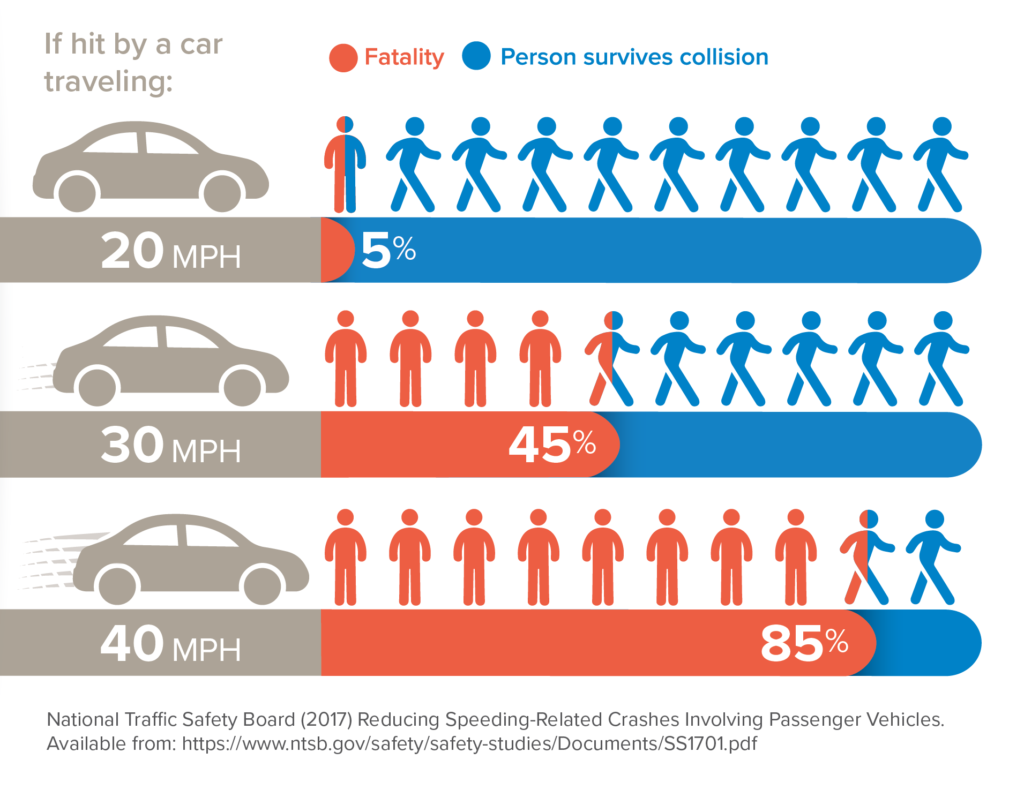
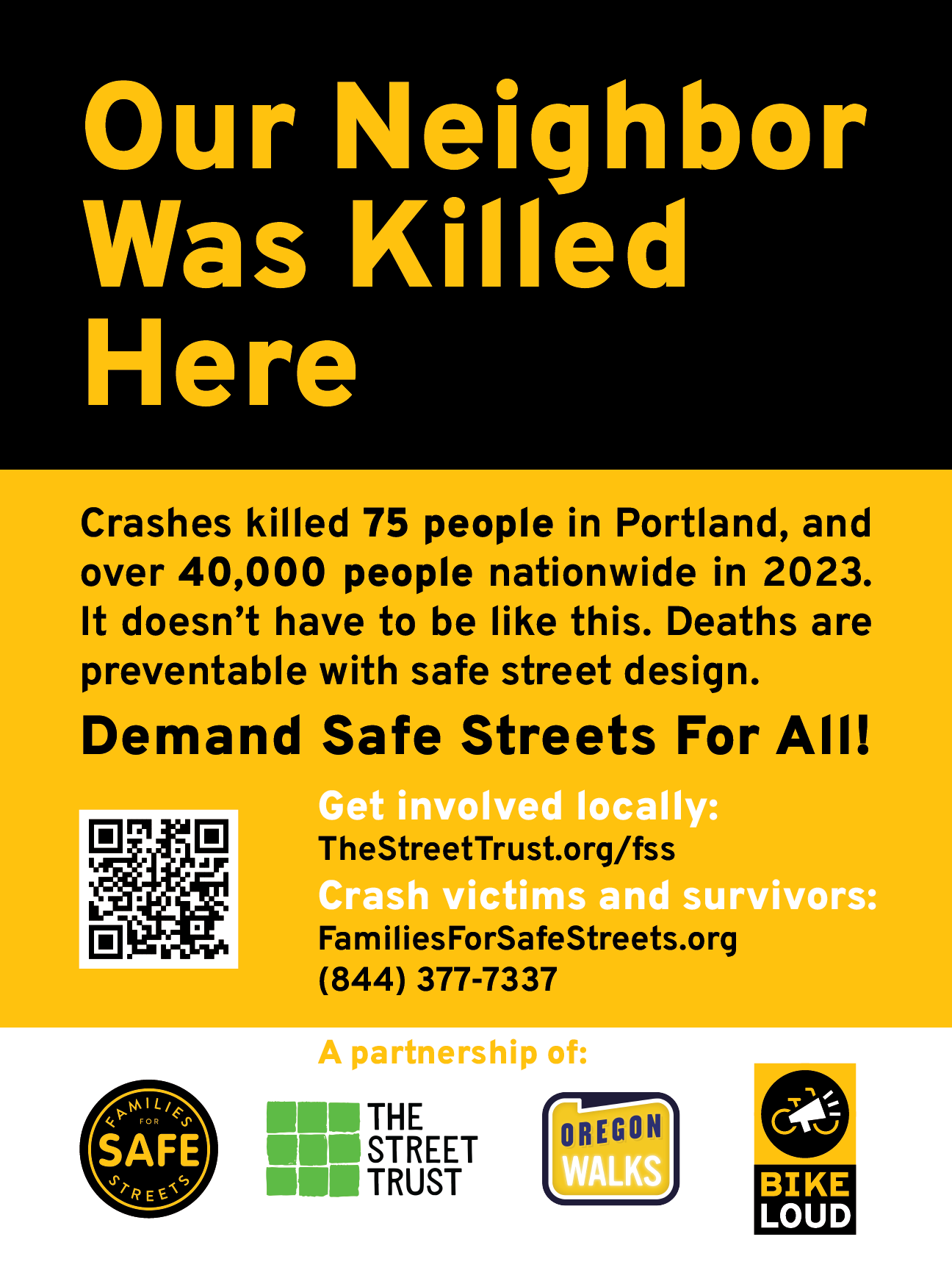
The risk of death for people on foot or bike was 23 per million in the Netherlands in 2019. In the US, that same risk in the same year was 686 per million. Pedestrian and biking deaths in the U.S. have increased 77% since 2010 and last year 7,508 people were struck and killed by vehicles, the highest number in 41 years. In Portland, 63 people have died this year by traffic violence, continuing the upward march of fatalities in our city that reflects national trends.

It is important to understand that Amsterdam wasn’t always bike nirvana. In the 1960s, cars began to clog the streets. The city faced a crossroads. Would it become car-centric like other international cities? Some city planners proposed dismantling historic neighborhoods and paving over the city’s beautiful canals to accommodate more cars. After walking and riding through those beautiful neighborhoods, that feels nothing short of tragic.

As cars filled the roads and deaths linked to cars increased, people throughout the Netherlands organized and protested. The STOP de Kindermoord, or “Stop The Murder of Children” movement pressured the government to do more to curb traffic violence. The Dutch are nothing if not direct.

This strong advocacy forced change. The government lowered car speed limits and added bike routes, and as a result, more and more people chose to bike. Today, more than half of all trips in the central area of Amsterdam are done by bicycle.

Amsterdam city leaders continue to aggressively incentivize bike use by closing streets to cars, reducing parking (there is currently a plan to remove car parking along the city’s canals), and continuing to invest in bike infrastructure. To reach their vision of a safer, more livable city with a smaller carbon footprint, Amsterdam made biking the easiest way to get around town.

After spotting a good number of riders smoking and vaping on their bikes, I am convinced the Dutch ride less for their health, and maybe even less out of concern for the environment, and more for pure convenience. We, as humans, tend to do what is easiest.

Maybe that is part of the power of travel: Experiencing a better way to live and realizing the status-quo back home, in this case, rising traffic violence, is not acceptable. I have great appreciation for the work of groups such as Families for Safe Streets Oregon/Washington, and The Street Trust, who advocate for safer streets — and I have newfound energy to immerse myself in the work of making our streets safer.

Despite the differences between our cities and the political opposition we often face here in the United States, we can get closer to our goals of safer streets by continuing to do the hard work of education and advocacy.

Once you’ve biked the streets of Amsterdam, it’s hard to sit back and do nothing.

— By Jen Guzman, Portland resident

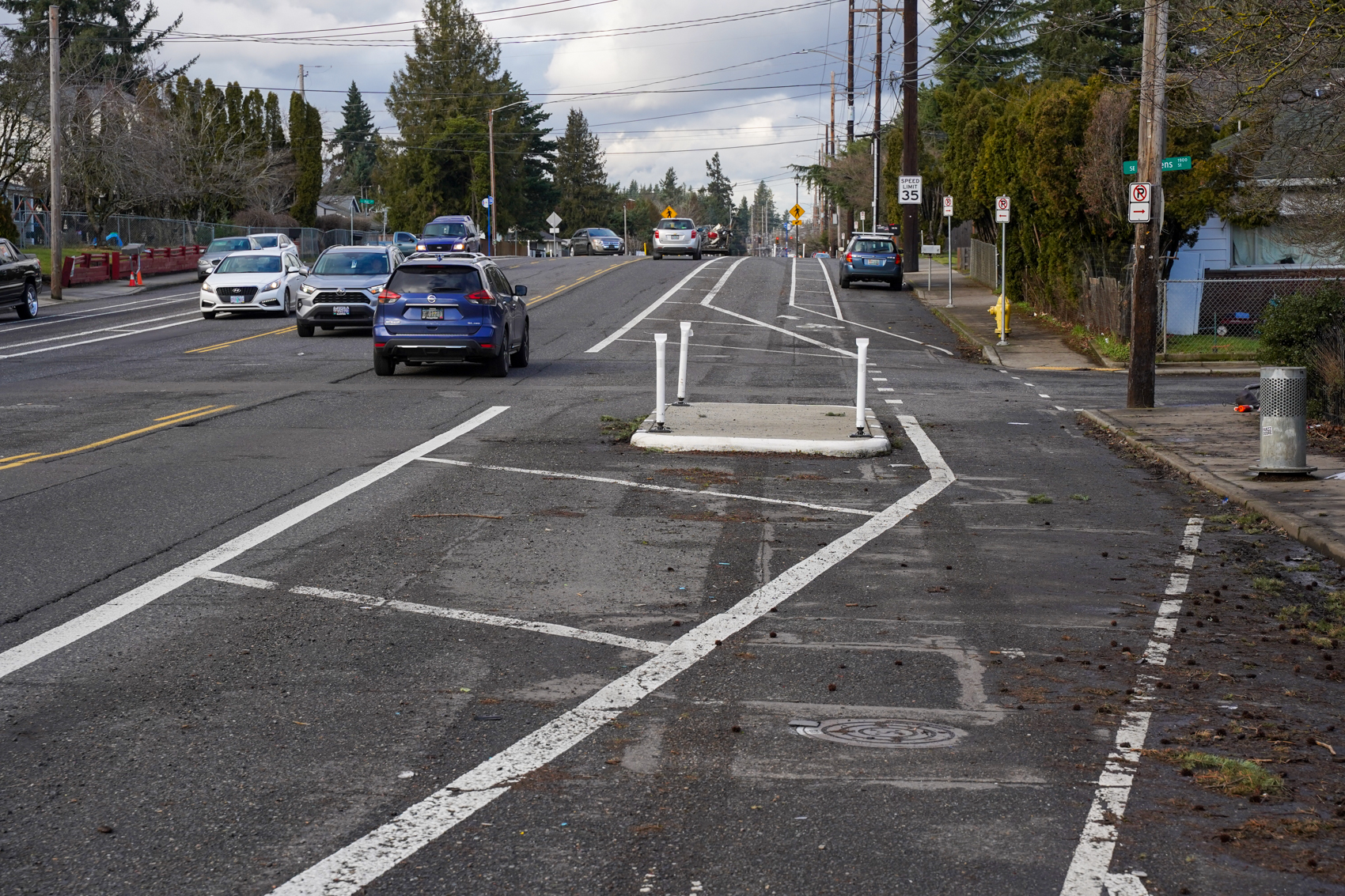
Steel bollards on Naito have gone missing, leaving bike riders exposed to head-on traffic

At a press conference to celebrate the new cycling facilities on Naito Parkway in May 2022, then director of the Portland Bureau of Transportation Chris Warner was asked to address concerns about the increase in cars and dangerous drivers on the roads. “There might be more cars,” Warner replied. “We just have to keep pushing along and making the case and if the facilities aren’t safe, people aren’t going to ride. The safer the facilities are, the more ability we’ll have to really change the culture.”

Warner could be confident in that statement because a few minutes later he cut the ribbon on Better Naito Forever, a project that established 1.2 miles of bike lanes physically protected from auto traffic by concrete curbs, grade separation, street trees, and/or steel bollards.

Unfortunately, it didn’t take long for key parts of that protection to be wiped away due to a combination of political compromise, reckless driving, and suspected vandalism.

Video taken September 11, 2023.

Almost immediately after Better Naito opened, we heard complaints from readers about people parking in a section of the bike lane between SE Ankeny and the Burnside Bridge. As we reported in October 2022, that violation of the protected space was sanctioned by PBOT as part of a deal they cut with Portland Saturday Market decades ago (Naito had a standard unprotected bike lane for years before it was updated in 2022) to allow vendors to use the bike lane for loading and unloading. According to a permit renewed by City Council ordinance this past March, vendors are allowed to park in the bike lane for 10 minutes at a time on weekends, before and after the market opens as long they display a permit on their windshield.

Unfortunately that permit system has been a failure on several fronts. We found many people parked in the bike lanes without a permit and at least one vendor told us (via comment on our October 2022 story) it’s mostly customers who park in the bike lane.

To facilitate this weekly opening of the bike lane to car parking, PBOT installed about three dozen removable steel bollards as part of the Better Naito project. Today all those bollards are gone. Combined with missing bollards near Salmon Street Springs, we estimate at least half of the 85 ornate steel bollards installed last spring are missing.

We first heard about these missing bollards this past summer when reader Daniel Fuller cc’d BikePortland on an email to PBOT Capital Programs Manager Gabe Graff on June 21st:

“I have noticed over the past couple of weeks that most of the removable steel bollards protecting the Better Naito cycle track between SW Ankeny Street and the Burnside Bridge have been missing,” Fuller wrote. “I assume they were temporarily removed for loading & unloading and never replaced. Was this intentional or just an oversight? Any information you can provide would be appreciated.”
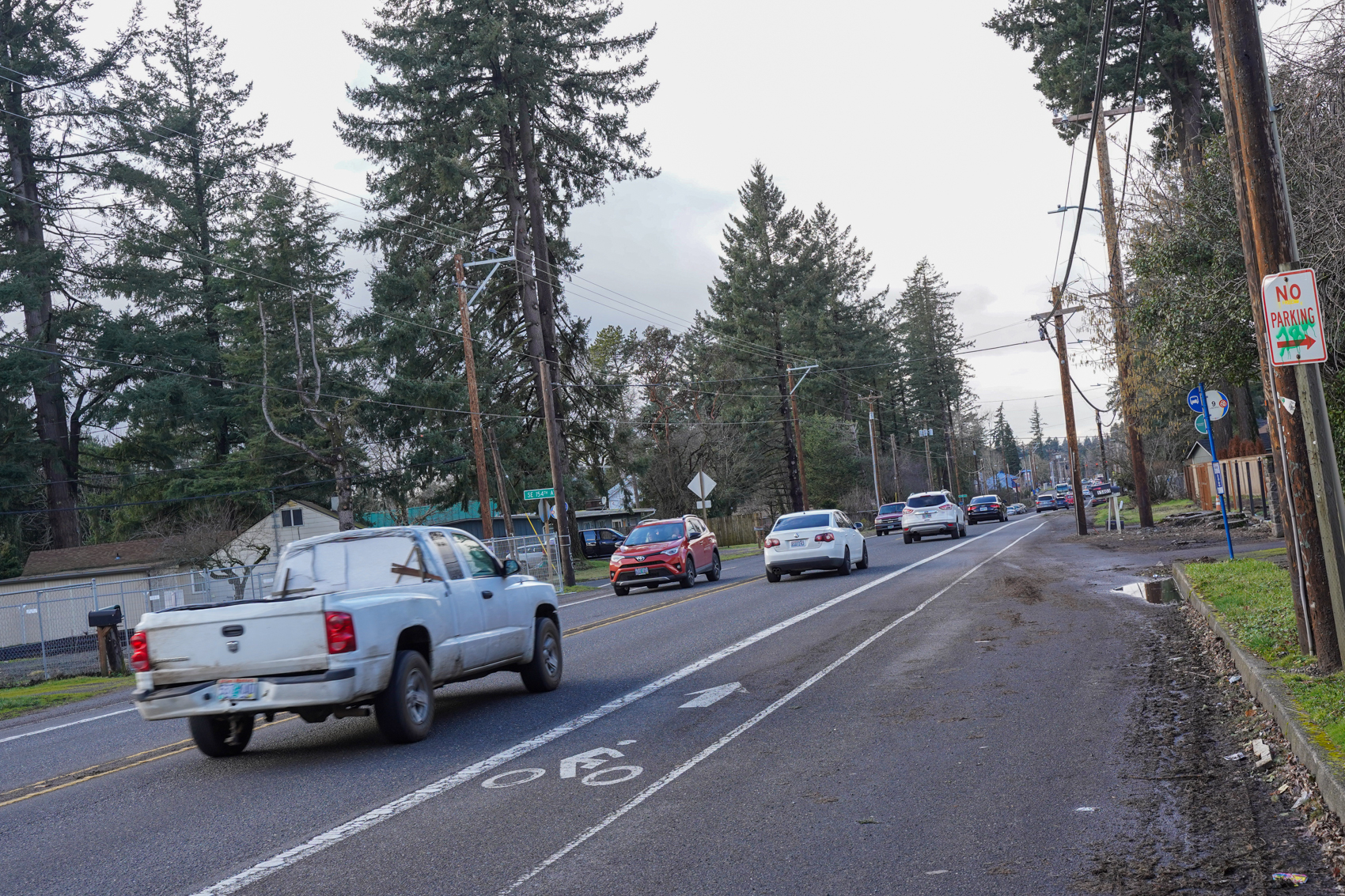
Graff replied a day later saying PBOT staff were “troubleshooting this issue” with Portland Saturday Market.

One month later, Fuller emailed Graff again, telling him that several more of the steel bollards had gone missing:

“Now only two remain… This seems to defeat the purpose of having a two-way, protected cycle track, since there is nothing between southbound bicyclists and oncoming vehicles in the northbound lane. Has there been any progress in finding out why the bollards are not being replaced?”

Graff had the same response and said he’d try once again to follow up with market staff to see if they’d made any progress on the issue.

Fuller waited another month, then email Graff yet again on August 18th. “Since your last email I have noticed that all the steel bollards along the Better Naito cycletrack near Saturday Market have been removed and not replaced,” Fuller wrote. Then continued:

“I am seriously concerned about the safety of bicycle riders traveling next to oncoming vehicle traffic with no physical separation here. Would it be possible to install plastic flex posts (“delineators”) at this location? I am thinking they would be less likely to go missing, and vendors could safely drive over them. Please let me know what else can be done to address this issue.”

Fuller hasn’t heard from Graff since that August email.

In September I shared a video on social media that confirmed all the steel bollards were gone and there was no longer any protection between users of the Better Naito bike lane and drivers on NW Naito.

One day after I posted that video, PBOT laid out orange traffic cones where the bollards used to be. Even with the cones, one person (who has raced road bikes at an elite level) responded to the video by saying riding that section, “Felt sketchy.”

The whereabouts of those ornate steel bollards remains unknown (I’ve heard reports of them being strewn about in the bushes next to the street), and now even most of the traffic cones are missing. Someone who lives nearby shared with me this week that there are only about 2-3 cones still present for the entire stretch where over 30 steel bollards were once installed.

Earlier this month, I confirmed with PBOT that the bollards are indeed missing in action.

I emailed PBOT Communications Director Hannah Schafer on November 17th to ask why both the bollards and cones had disappeared. Schafer was grateful to learn the cones were missing (“That wasn’t on our radar,” she wrote via email) and encouraged folks to call PBOT’s 24/7 maintenance dispatch hotline (503-823-1700) to report that in the future.

As for the bollards, Schafer reminded me about the agreement they have with the market to remove the bollards for loading/unloading. “Unfortunately, that concept worked better in theory than in reality,” she wrote. “And most of the bollards have gone missing primarily due to vandalism.”

So for now, we have just plastic traffic cones (which are mostly MIA) to separate bike riders from oncoming car traffic on one of Portland’s most marquee bikeways. That’s hardly the type of facility that will, “Really change the culture,” like former PBOT Director Warner hoped for when Better Naito opened last year.

It’s also particularly troublesome to leave this bike lane unprotected for so long, given PBOT’s experience on NE 21st, where there’s a similar two-way bike lane design that had bicycle riders pedal directly into oncoming car drivers without adequate protection. On 21st, a woman was violently hit by a driver who swerved into the bike lane, and a few months later PBOT responded with large concrete barricades.

On Naito, Schafer says PBOT traffic engineers are currently sketching out a new, “permanent solution.” “But we have yet to identify funding for the actual installation.”

Hopefully they come up with something soon. Before another horrific collision.

A driver hit a 12-year-old crossing the street, broke their leg, then fled the scene

View of NE 41st from Glisan, looking east.

Two young Portlanders were crossing Northeast Glisan Street Friday afternoon when a driver sped by, hit one of them, then fled the scene.

In an email sent Monday to families who attend nearby Laurelhurst School, Principal Alyson Brant said two students were crossing NE Glisan at 41st around 3:00 pm when the collision occurred. Brant says the victim suffered a broken tibia in addition to bruises and scrapes. “We are incredibly lucky that the situation did not have a more dire outcome,” Brant wrote.

41st is a designated crossing of a neighborhood greenway. It has a striped crosswalk, a push-button activated overhead signal, and yellow caution signage meant to warn drivers of the presence of people crossing. A story in The Oregonian yesterday reported that, despite all this, witnesses said the driver was going about 40 mph, which is “extremely fast for the area.”

This section of Glisan is just three blocks from Laurelhurst School. It’s a school zone with a speed limit of 25 mph. It’s also just one block east of the large Coe Circle where two eastbound lanes merge into one.

The school says they’re in contact with the Portland Bureau of Transportation to consider changes to the intersection that would make it safer. “We hope to soon have an engineer come assess the area and review possibilities for enhancements, including flashing lights along the crosswalk, more visible ped xing signs in the center of the street, etc.”

In her email to parents, Brant expressed how dangerous drivers are a common threat in the neighborhood and urged everyone to drive more safely. “A number of near-misses and non-injury accidents have taken place in recent weeks right around the school building,” she wrote.

This crash underscores a disturbing trend of pedestrian collisions and hit-and-runs. At least seven of the drivers who killed walkers on Portland streets so far this year failed to stop. And according to PBOT’s Vision Zero Action Plan Update published this earlier this month, hit-and-run crashes are up 27% in the last five years (2017-2021) compared to the five years prior.

“The emotional scars that the injured and non-injured student sustained at the scene will linger far after the scrapes have healed and the bones are mended.”

– Alyson Brant, Laurelhurst School

While advocates push for changes and government leaders promise changes to address these statistics, Portlanders are left in a state outrage and fear that often results in people being reluctant to let their children roam free on our streets.

“The emotional scars that the injured and non-injured student sustained at the scene,” Brant wrote, “will linger far after the scrapes have healed and the bones are mended.”


UPDATE, 12:49pm: Police confirm the crash and say the driver of a reddish/brown early 90s Volvo is still on the loose.

Podcast: World Day of Remembrance for Road Traffic Victims

In this episode, I’ll take you to the World Day of Remembrance for Road Traffic Victims event that happened this past Sunday. You’ll hear interviews recorded with participants of the walk from Lloyd Center to a memorial demonstration at the plaza in front of Veterans Memorial Coliseum. You’ll also hear excerpts from the speeches made at the demonstration, and an interview about safe streets funding and policy with The Street Trust Executive Director Sarah Iannarone.

The event was organized by The Street Trust, Oregon Walks, and Families for Safe Streets OR/WA.

People in this episode (in order of appearance):

  • Jonathan Maus (host), founder/editor/publisher, BikePortland
  • Lena Wiley (unnamed in the episode, sorry!), pedestrian and march participant
  • Brendon Haggerty, Healthy Homes and Communities Manager, Multnomah County
  • Claire Vlach, Oregon Walks
  • Jackie Yerby, bike advocate and member of the board, The Street Trust and Cycle Oregon
  • Sarah Iannarone, executive director, The Street Trust
  • Michelle DuBarry, member, Families for Safe Streets OR/WA (also interviewed in episode 16)
  • Wendy Serrano, equity and inclusion manager, Portland Bureau of Transportation
  • Charlene McGee, director of Chronic Disease Prevention and Health Promotion, Multnomah County
  • Sarah Iannarone, executive director, The Street Trust executive director

I think you’ll love this episode, particularly my interview with Iannarone. Here’s just one exchange:

BikePortland:

“So for instance, when ODOT says the I-5 Rose Quarter project is a ‘safety project,’ you think that’s something advocates should be skeptical of? Or maybe look at more closely and be like, ‘How are we really defining safety here?'”

Iannarone:

Sarah Iannarone

“Or maybe we actually need to more effectively define ‘safety’, either through statute or through planning rules, right? Because if that does qualify as a safety project now, and that’s not where people are dying, and we aren’t able to even get the $135 to $185 million for inner Powell Boulevard, where we know people die, month after month, year after year, then there is a disconnect in what’s actually happening in our system based on what the definition of safety currently is.”

Links from the episode:

Listen in the player above or where you get your podcasts. Thanks for listening!


Read or download a full episode transcript below:

Free2Move carsharing bites the dust, leaving low-car Portlanders in a lurch

(From Free2Move 2021 press release announcing Portland service.)

A carsharing service many Portlanders relied on in lieu of owning a car of their own, has shut down. Free2Move, a company that began service in Portland in 2021, emailed customers Monday saying all their cars would be off the streets by November 30th.

Free2Move is one of four carsharing providers currently operating in Portland (the others are Getaround, Turo, and Zipcar); but it’s the only one that offers “free-floating” service where users can rent a car by-the-minute and return it anywhere within a designated area. When Free2Move launched in March 2021 they said 200 Jeep Renegades would be available in a market that has, “has consistently demonstrated its commitment to alternative mobility solutions.” In 2015 Portland was ranked 7th on a list of 70 U.S. cities for its plethora of non-driving mobility options.

BikePortland reader Craig Harlow, who doesn’t own a car of his own, was a dedicated customer. He used Free2Move cars for family trips to the Tacoma area and shuttling his kids around Portland. “Carsharing is what allowed me to sell my family vehicle so many years ago,” Harlow shared with us via email Monday. “That was the start of me bike commuting, which led to so much more.”

“Zipcar and Getaround each have their place,” Harlow added. “But neither satisfies the day-do-day, ad-hoc flexibility of a free-floating program.”

Even with Portland’s relatively large number of low-car and no-car residents like Harlow, Free2Move couldn’t survive. The company said the decision was made for two reasons: “rising infrastructure complexities in the US transportation sector which have resulted in much higher costs” and a lack of users to build up necessary revenue to pay for it.

Harlow certainly felt the lack of investment. He emailed BikePortland last week — before the company made the announcement to shut down — to share his frustrations with a lack of service from Free2Move. He said after a strong start, Free2Move wasn’t keeping up with maintenance and cars he used would often be dirty, have low tire pressure and not enough gas in the tank. Harlow would end up spending more time on the phone with customer service, than using the car itself.

It appears Free2Move suffered the same challenges as car2go, a popular carsharing service that left Portland in 2019 after five years of service. Carsharing expert Dave Brook pioneered the concept in Portland in 1988 and founded Flexcar (which eventually merged with Zipcar). “Sadly, this is the latest in the rise and fall of flexible/one-way carsharing in Portland, and in other US cities,” he shared via email with BikePortland. Brook said carsharing is thriving in Europe and should work in Portland since there’s relatively abundant parking and gas remains cheap.

Nevertheless, the dwindling options for low-car and no-car Portlanders will likely lead more people to purchase and drive a car of their own.

Another reader emailed us to say “For me [getting a car of my own] is going to be the case. The presence of Free2Move made it much more practical to not own a car when public transit or bicycle isn’t a great option (e.g. day trips outside of the city)… there is a hole in transportation options now.”

Harlow echoed that sentiment. “If carsharing were to disappear entirely from Portland, I would regrettably go back to owning my own car, and to all the negative impacts that go along with that.”

And reader Ryan Mottau emailed to say Free2Move’s point-to-point service, “has been critical in filling the gaps in public transit and biking.” “I guess I’ll have to put that money into an e-bike and better/more rain gear,” he added.

On Monday, the Portland Bureau of Transportation told The Oregonian they’re open to other companies stepping in to fill the void, but for now, we’re left with one fewer carsharing options.

Job: Local Operator/Area Manager – LifeCycle Adventures

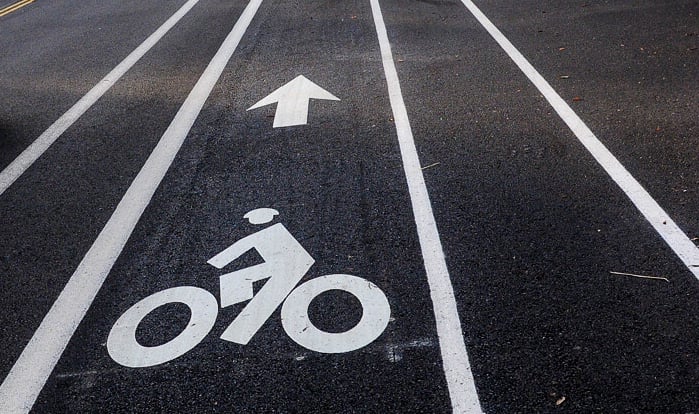
Buffered Bike Lane with a bike symbol and arrow pointing forward

Job Title

Local Operator/Area Manager

Company / Organization

LifeCycle Adventures

Job Description

OVERVIEW
LifeCycle Adventures is seeking a Local Operator to run its self-guided bike tours in Oregon. The role will be suited to a small business or independent contractor residing in the Portland area. For the right candidate, the role could also include:
– the position of Operations Manager for North America to manage bicycle tour operations across our North American locations.
– the development of new tour destinations.

ROLE
The Local Operator will be responsible for running LifeCycle Adventures bike tours in the Willamette Valley, Mt Hood, and the Columbia River Gorge areas. This will include transportation, guiding and on-call services to support trip participants as needed.

LifeCycle Adventures has 20 years of experience running self-guided and guided bike tours in North America and Europe. We will supply training for the role as well as guidebooks, maps, directions, and operating procedures. Day-to-day, however, the Local Operator will work relatively autonomously using their best judgment, experience, and knowledge of the area.

While the Local Operator should expect to work hands on – leading the majority of trips themselves – it will be important that they recruit and train a small number of other guides to help them support trips to ensure demand can be met.

This is not a full-time role, but rather an as-and-when needed role based on sold trips. There are likely to be around of 30 tour per year, the majority of which would run from June through September. A tour may last anywhere from 3 to 10 days. As such, the local Operator must have the flexibility to be able to support a part-time and unpredictable workload.

GENERAL REQUIREMENTS
A good Local Operator will be a strong guide as well as have the business and organizational skills to manage trips, coordinate bookings and account for expenses. Ideally, the candidate will have their own vehicles/vans to use for tour delivery. In addition, successful candidates will have the following characteristics:

– Excellent hosting skills with a high standard of professionalism & customer service.
– Well-organized with sharp attention to detail.
– Prior bike guiding or related experience.
– Knowledge of local history, culture, and geography of Oregon.
– Enthusiastic cyclist & capable bike mechanic.
– Capable of lifting bikes and luggage.
– Operate out of home or small business office.
– Clean driving record, Oregon driving license and clean background check.
– Current First Aid/CPR Certificate.
– Good availability to lead trips during peak seasons.
– Able to build a small and loyal team of guides.
We are a small company which works closely together and we all enjoy collaborating and supporting each other’s professional and personal objectives.
LifeCycle Adventure’s team members typically work out of their home offices but meet regularly.

REMUNERATION:
Competitive rates within the industry and will vary based on the candidate.

How to Apply

CONTACT:
For more information, please send a resume to Gregory Craig: Greg@lifecycleadventures.com

Portlanders march to remember traffic victims amid call for safer streets

Some of the 60 sleeping bags laid out to represent traffic victims at Memorial Coliseum on Sunday. Full gallery below. (Photos: Jonathan Maus/BikePortland)

“I wish more people could see this and recognize that these are real people.”

– Jackie Yerby, bike advocate

About three dozen Portlanders did something together on Sunday that far too often feels like a dangerous activity: they took a walk. And if the reason for it wasn’t clear in the short walk from Lloyd Center Mall to Veterans Memorial Coliseum, when they arrived at the plaza in front of the coliseum, there could be no doubt.

Upon arrival they walked past 60 sleeping bags laid out in rows to represent dead bodies of the people who’ve died using Portland streets so far this year. And in a sad irony, the display was two bags short of the actual total because two more people were killed since the event was organized. And as of this morning, it’s now three bags short as Portland’s annual traffic toll has shot up to 63 lives lost — on pace with 2021 which was the deadliest year we’ve had since 1990.

Dedicated bicycle advocate Jackie Yerby, who serves on boards of The Street Trust and Cycle Oregon (and is a former member of the Community Cycling Center board) told me she had a visceral reaction to walking past the bags. “To see those bags and those names… I got really choked up. It’s a really powerful image, and I wish more people could see this and recognize that these are real people.”

The walk and installation of body bags with the names and dates of victims tagged to them, were part of an event to mark World Day of Remembrance for Road Traffic Victims, an internationally-recognized demonstration that was organized locally by The Street Trust, Families for Safe Streets OR/WA, Oregon Walks, and the City of Portland.

“We generally try to find joy in our work and come together around the things we can get excited to transform like street plazas and bike buses and group rides and improvements to our system,” said The Street Trust Executive Director Sarah Iannarone as she stood in front of the bags. “But today is not one of those joyful days. It’s a somber day. And we need to pay close attention to the fact that the statistics that we’re talking about, each of them represent a precious life in our community — someone who was beloved mother, sister, father, brother, nephew, worker, leader, killed on our streets.”

Watching Iannarone from the crowd was Michelle DuBarry with her husband and her two children. 13 years ago DuBarry’s husband was pushing a stroller in the crosswalk of North Interstate Avenue at Lombard when he and their one-year-old son Seamus were hit by a careless driver. The father was injured. Seamus died at the hospital shortly after. DuBarry is now a volunteer activist with Families for Safe Streets.

“These deaths and injuries to people we love are violent, they are sudden, they are impossibly painful for everyone involved,” DuBarry said while holding a photo of Seamus. “And they are entirely preventable.” “Every day I think about the simple crosswalk improvements that could have prevented the crash that killed my son, and our transportation agency’s repeated insistence that there is no money to save lives.”

Wendy Serrano, who works as equity and inclusion manager for the City of Portland Bureau of Transportation, has also lost family members to violent traffic crashes. In the past 20 years since she and her family arrived in Portland from Guadalajara, Mexico, her grandmother (whom she described as “more like a mother”) and her grandfather were killed by drivers.

With her baby in a sling strapped to her chest, Serrano recounted those preventable deaths and shared, “We need to be clear about whose safety we should be prioritizing, whose comfort our governments and entities should be prioritizing, in our streets. And we need to be clear about who are the most vulnerable and who are the people who will continue to die in our streets.”

Jackie Yerby

A growing segment of Portland’s traffic victims are the extremely vulnerable people who live adjacent to streets in tents and other makeshift shelters. The sleeping bags used in Sunday’s memorial weren’t just to represent dead bodies, they were an intentional statement about the toll traffic violence takes on people who live outside. “We know people experiencing homelessness are overrepresented in Portland’s pedestrian fatalities,” The Street Trust’s Iannarone said. “It was as high as 70% two years ago. This year, we’ll probably be on order of about 50%, if not a majority of pedestrian fatalities on Portland streets.” (The sleeping bags were packed up and donated to homeless services organizations.)

As we walked past several people living on the sidewalk on our way to the memorial, I asked Portlander Lena Wiley why she showed up to the event. “I am a pedestrian. And in my daily life, I encounter all sorts of unsafe situations,” Wiley shared. “And it’s just really important to me to build safer streets, both for myself but also for the community.” Asked what she wanted see more of from the city, in terms of safety changes, Wiley said she’d like to see turning movement more aggressively addressed because so many people make unsafe right turns on red signals.

For Claire Vlach, who showed up with her husband and two young children, the event made her appreciate just being able to walk together. “The main thing I was thinking about on our way over here was how grateful I am that my family has not been touched by traffic violence. Because we walk and bike most places that we go, and I always feel vulnerable. And I’m grateful that my children are around and I wish that everybody’s children were still around.”


Watch a video of the event posted to our social media channels today (if it doesn’t show up below, watch it on Instagram here):

City auditor takes up Portland Heights ADA ramp saga

Corner of SW Montgomery Drive and Roswell Ave on July 20th, 2022, the day after the new ramp was demolished.

Readers might remember a couple of posts BikePortland published about a year and a half ago about a hapless ADA ramp in Portland Heights which had to be built four times (and torn out three) before it was finally able to pass inspection.

Well, it turns out that a neighborhood curmudgeon reported the fiasco to the city auditor’s Fraud Hotline. The auditor investigated, and indeed found that several ADA ramp installations were “inefficient and wasteful.” The auditor’s report came out a couple of weeks ago.

I’d like to revisit that episode, not just because the city auditor backed up BikePortland reporting, and not because KOIN’s Brandon Thompson put me on TV (and gave a shoutout to BikePortland reporting in his written article). That was all nice.

No, what’s really important about the saga is what it says about how our city government is currently organized, and what the city reorganization ushered in by charter reform is hoping to fix. Namely, the City of Portland employs a lot of hard-working, conscientious people who struggle to work within a dysfunctional organizational structure.

I can think of no better example of the resulting inefficiencies than this ramp imbroglio.

This is going to be another of my wonky dives into the details of how the city is run, but I’m someone who wants to understand why things are the way they are, and I think there is some light at the end of this tunnel.

The recap

As part of the Bureau of Environmental Services (BES) Goose Hollow Sewer Repair Project, the city was required to upgrade affected streets with ADA ramps. As the auditor’s report describes, BES was responsible for the overall project, with the Portland Bureau of Transportation (PBOT) providing “design, inspection, and other services” concerning the ramps. BES hired a contractor, and sub-contractor, to do the ramp construction. What could possibly go wrong?

The auditor’s report

Here’s a bit from the auditor’s report:

Audit cover

In October 2021, Transportation determined the contractor did not follow the design, but Environmental Service paid the contractor anyway because they later determined that even if the curbs had been installed as the plan directed them to do, they would not have met Americans with Disability Act requirements. Better coordination with Transportation could have prevented concrete being poured using a non-compliant plan.

According to photos from a local newsletter, an earlier concrete pour took place in June 2021, and those ramps were removed in July 2021. The Environmental Services work log did not cover that period of time because the contract manager for the project changed.

After several months of inactivity, and two more designs, Transportation determined curb ramps installed in June 2022 were also not poured per design. Environmental Services said that the contractor tried to make field adjustments and design revisions in collaboration with Transportation, but the ramps still did not pass inspection for Americans with Disability Act requirements.

The final curb installation we received records for was in July 2022, and Transportation determined those curb ramps were installed correctly in August 2022.

Basically, the report describes what we used to refer to as “spaghetti code,” a tangle of missed communications and unclear responsibilities.

The audit is a very readable five-pages long, and concludes, “when bureaus do not adhere to what they say is standard practice, they should do so with greater transparency, so that their reasons for not doing so are clear to policy makers and the public.”

Source: City Auditor’s Office

The BES response to the auditor’s report is detailed and worth reading. Regarding a recommendation for “closer oversight,” BES replied,

Environmental Services agrees with this recommendation and is working on process improvements with PBOT as there are projects in process with ADA ramps. As curb ramps are a PBOT asset, PBOT staff are better equipped and trained to oversee the design, construction, inspection, and acceptance of curb ramps and determine their ADA compliance. BES is actively engaging and coordinating with PBOT to develop improved processes for design, construction, and inspection of ADA ramps on BES projects. When finalized, these improved processes will be implemented for ADA ramps on BES construction projects in the future.

Interestingly, KOIN reported that KC Jones with the auditors office told them, “during the transition, we’ve flagged this for the transition team as the sort of relationship that the city needs to kind of get better at.”

City reorganization

CAO Michael Jordan presents to City Council

KC Jones’s “transition” refers to the reorganization of city government away from our current “commission” system, in which each member of the city council has a portfolio of bureaus to lead, to a more standard model in which the mayor heads the executive branch and implements city policy with the help of a city manager.

Two weeks ago, the City Council voted in favor of the new organizational chart. The nearly five-hour meeting began with a presentation by Shoshanah Oppenheim, the Strategic Projects and Opportunities Team Manager, the City Organization project manager Becky Tillson and Chief Administrative Officer Michael Jordan.

Jordan, who was for many years the head of BES, concisely summed up the pitfalls of the commissioner system. His comments were a spot-on description of what went wrong with the ADA ramps. Here is what he said:

I think we are all subject to thinking about organizational structure in a vertical way. Certain groups report to certain bureaus which report to certain executives which report to the mayor, ultimately. And we think about the organization in a very vertical way.

I think this reconstruction of the way we think about ourselves offers us an opportunity to look horizontally, across the organization. And to think about the city as a complete enterprise and how we allocate our human resources, how we think about the delivery of services, particularly within the city, to support the direct service delivery of our bureaus.

It provides us with that opportunity which we, quite frankly, lack today. It is very challenging for us to think horizontally across the organization. And I think this new structure gives us the opportunity, not only to think horizontally, but also to give clarity of accountability, and transparency about how we do business and what decisions get made, and where they get made in the organization.

The wastefulness of the ADA ramps installation is a perfect example of how challenging it is for the city “to think horizontally across the organization.” Imagine how challenging it is being the neighbor watching this unfold and trying to figure out who in the city to call.

Jordan knows the problems as someone who was running a bureau. He gets it.

I know the problems as someone involved in my neighborhood. When a neighbor can’t figure out who to call, they call their neighborhood association. This kind of between-bureaus problem happens often enough, I call it inter-bureau, interstitial purgatory—that sad space you find yourself in, caught between bureaus, acting as a human conduit for silos which don’t have one another’s phone numbers.

It’s one of the reasons I voted for charter reform, and I’m cautiously optimistic that soon our city will be running more efficiently.

Comment of the Week: Bike parking thrown out with the bath water

BikePortland regularly covers stories which are somewhat technical, and our readers benefit from the many pros who comment here. I certainly appreciate it when commenters I’ve grown to trust over the years share their expertise.

The City of Portland’s Housing Regulatory Reform program (HRR) is about as technical as it gets, and it is also an overwhelming subject because building code regulates so many different things. We’ve been focusing on bike parking; but even that one sliver, if you want to go deep, touches macroeconomics, finance, the micro economics of building in Portland, creating a resilient city … OK I’ll stop.

Commenter Todd/Boulanger knows a thing or two about parking bikes, and he has broad experience beyond Portland, so I’m always glad to see him weigh in. He tends to have a good view of the big picture.

Here’s Todd’s reaction to last week’s vote by the Planning Commission to recommend rolling back key requirements put in place in 2019:

Again I will restate: after working on several developer projects and proposals for others in Portland…a lot of the friction for bike parking in multifamily / mixed use retail projects is also self imposed by the development community getting used to new things: That bike parking is typically the “last” item located in a project which brings up higher implementation costs. Plus the racking install is the ‘last item’ on the punch list and has to be worked around the other contractors work and thus react to any omissions others have overlooked and thus changed in the as-built to make their install go better. Floor staple racks are pretty easy to implement but when bike parking goes 3D (multi tier or wall rack) and requires vertical spacing it is all too often encroached on by HVAC, fire sprinklers, plumbers (from the units above)…etc.

So now that the ‘baby has been thrown out with the bath water’ … the only solution that will fulfill the city’s climate outcomes is to build bike parking in mobility hubs on each block of new dense housing / mixed use developments. The city may as well add car parking to these mobility hubs so that the car spaces can be reallocated over time to bikes, EV charging and other new transportation technology vs building the current generation of car parking warehouses that will be fragmented and harder to reinvent / reuse in 10 to 30 years. Or deploy the next generation of bikesharing with e-cargo bikes, e-family bikes etc.

Thank you Todd/Boulanger. You can read this comment, and a lot of other good ones, at the bottom of the post.

Monday Roundup: Blaming the victim, speeding tech, adaptive bikes, and more

Welcome to the week.

Here are the best stories we’ve come across in the past seven days — from sources you can trust.

Work in government? Please read this: The standard pedestrian safety messages that come from DOTs and other government agencies usually miss the mark because they don’t focus on root causes and tend to blame victims. (Route Fifty)

New acronym day: ISA is short for Intelligent Speed Assistance; technology that warns drivers when they’re speeding with messages, sounds or haptic cues. We should all add that to our quiver of talking points and knowledge bank because the National Transportation Safety Board (NTSB) has finally called for it to be added to all new cars. (Fast Company)

Car design kills: I am very pleased this issue continues to move into the limelight. When groups like the Insurance Institute for Highway Safety (IIHS) call out car hood design it gives city and state DOTs more reason to create policy to address it. (IIHS)

Not just any pedestrian: “If a 6-foot-7 basketball player is hard for a driver to see from behind the wheel of a vehicle, how does anyone else stand a chance?” (Philadelphia Inquirer)

Dude, where’s my rebate?!: Surely if Bloomington, Indiana can figure out a way to offer residents e-bike rebates, Portland can? (Indiana Public Media)

Battery fire pushback: When New York City’s fire commissioner names names of e-commerce giants and says they have “blood on their hands” when it comes to deadly e-bike battery fires, you know the issue has reached a tipping point. (NY Times)

The policing/public safety conundrum: As TriMet considers beefing up security on its vehicles, consider these three methods that can improve safety of public transit without more policing. (Streetsblog USA)

Adaptive bikes FTW: Portland’s Adaptive Biketown could/should continue to grow and expand its reach given new research that shows adaptive bicycles are the key to capitalizing on the needs of seniors and people with disabilities. (Streetsblog USA)

The true EV heroes: “The electric transport revolution is a great chance to rethink how we move through our cities – and whether we even need a car at all.” (The Conversation)


Thanks to everyone who sent in links this week. The Monday Roundup is a community effort, so please feel free to send us any great stories you come across.

The bike infrastructure of NYC (Photo Gallery)

Fresh kermit in Brooklyn. (Photos: Jonathan Maus/BikePortland)

During my time in New York City last month, I soaked up a lot of different bike infrastructure. You might have seen it make cameos in some of my previous videos or photos. But there were a bunch of images that I hadn’t shared until now. This post has 60 or so photos of the various types of bikeways you’ll find in Manhattan (with a smattering of images from Brooklyn).

Overall, I was impressed at the quantity of bike infrastructure and the clear priority NYC’s DOT is giving bikes (and buses for that matter). But the quality of the bikeways was often unpredictable and navigating most parts of the network still demands a level of riding ability and risk-aversion that unfortunately puts a ceiling on the number (and demographics) of folks who will ride. As I look through the images below and think back to my time there, I think what’s hurting NYC from a cycling perspective is less about the quality and volume of bike-specific infrastructure and more about the fact that — despite laudable efforts at traffic calming, large-scale pedestrianization, transit priority lanes, daylighting, and so on — there are still simply way too many drivers and cars.

The big lesson from NYC (which holds true in Portland and every American city), is that until you reach a certain tipping point in street design and network permeability that forcibly keeps drivers and cars out of the system, almost no amount of bike infrastructure will feel safe for the majority of people.

Scroll down to see how bikeways are looking in NYC these days. I think you’ll be simultaneously jealous and appalled. (Read captions for more information about each image.)

Hope you appreciated this little tour. For more stories and content from my New York City trip, see more coverage here.

Weekend Event Guide: World Day of Remembrance, rain celebrations, and more

World Day of Remembrance happens this Sunday. Don’t miss this important event. (Photo from 2016 edition by Jonathan Maus)

Welcome to the weekend!

Here are some ride and event ideas sure to please…

Friday, November 17th

Friday Night Ride – 7:00 pm at Ladds Addition (SE)
Weekly social ride will get you connected to bike-minded folks in the community. Expect a fire and/or fun at an end spot. More info here.

Saturday, November 18th

Ride Westside Breakfast Club – 7:30 am at Ava Roasteria (Beaverton – Washington County)
Coffee, baked goods, socializing, 10-mile urban ride with some fall colors, breakfast burritoes… What’s not to love? More info here.

Big Dig Day at Rocky Point Trails – 9:00 am at Rocky Point Trails (Scappoose)
Join nonprofit NW Trails Alliance to make a deposit into your sweat equity account and “earn your turns” at a trail maintenance event that will help get trails ready for winter. More info here.

Celebration of Rain Ride – 10:00 am at Nossa Familia Coffee (SE)
This PBOT-led ride will offer an education about how Portland uses rain to its benefit. Expect a chill-paced loop with lots of good info from a knowledgable ride leader (hi Timo!). More info here.

Sunday, November 19th

Sloppy Sundays Strava Art Ride – 9:00 am at Good Coffee (SE)
Ever wanted to do that thing where you trace a picture with on a GPS app? Join this ride (no GPS device needed!) and the leader will take you on an adventure that will result in a fun “drawing.” More info here.

Bobs Red Mill Ride – 10:00 am at Gateway Transit Center (NE)
Need to stock up on oats or other goodies from the Bobs Red Mill HQ? Join Portland Bicycling Club for a medium-paced (13-15 mph), 25-mile ride from northeast to the holy land of oats. More info here.

Sloppy Sunday Ride – 11:30 am at Something Cycles (NE)
A sporty-paced shop ride that will head up to St. Johns and into Forest Park. Bring your wide tires for wide smiles. More info here.

World Day of Remembrance for Road Traffic Victims – 11:30 am at Lloyd Center (NE)
PBOT, The Street Trust, and Oregon Walks are coming together with Families for Safe Streets for a walk and vigil to raise awareness of traffic deaths. A walk will go from Lloyd Center to Veteran’s Memorial Coliseum where there will be speakers and a vigil. More info here.


— Don’t see an event? Please tell us about what’s going on in your neighborhood by filling out our contact form!