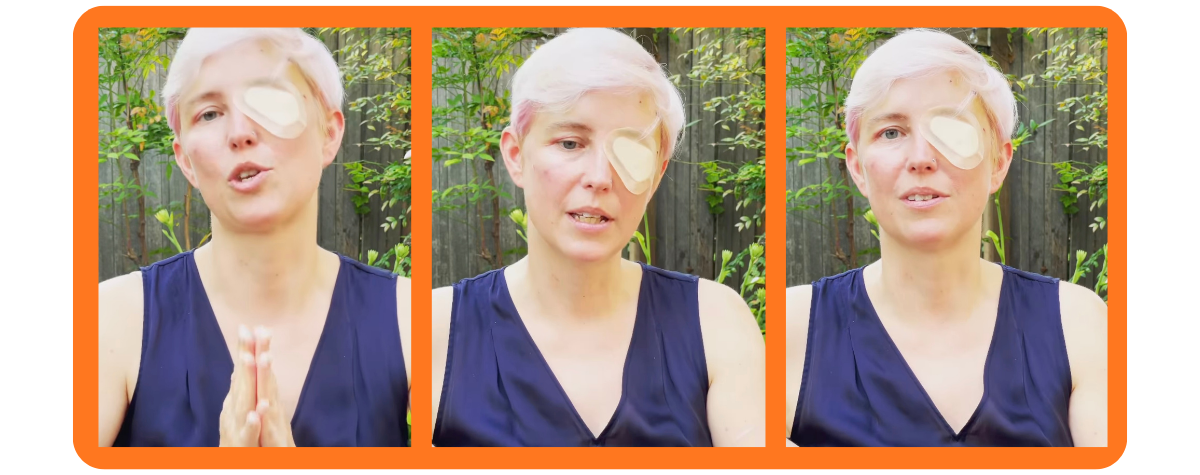
“I want to show you the real person behind the statistic.”
– Jessie Kwak, via Instagram
A local author and contributor to BikePortland was caught in the crossfire of suspected gang violence at a street fair last Saturday and sustained a very serious eye injury.
Jessie Kwak, author of several science fiction books including a piece in Bikes in Space (Microcosm Publishing, 2018), and a freelancer who wrote a profile of Showers Pass for us back in December, was leaving the Mississippi Street Fair in north Portland when the incident occurred. Kwak had just loaded up her car with books from a full day of tabling at the fair and was in her car when gunshots rang out as she and a friend approached the intersection of North Kirby and Failing just after 8:00 pm. A bullet entered the vehicle Kwak was in, and fragments from the shattered glass and bullet entered her left eye.
In a video posted to her Instagram account Wednesday night, Kwak said she’s feeling “great” physically and “surprisingly good” mentally, but added that, “It’s unlikely that I will ever see fully out of this eye again.” Kwak is awaiting another surgery to repair her eye later today.
According to Kwak’s partner, the alleged gang members were in a car and shot at someone on the street nearby. They assume the bullet ricocheted off the pavement. Another person who was stabbed in this incident, and who police suspect was connected to the shooters, has not been found.
Since Kwak won’t be able to write during her recovery, she has set up a GoFundMe to support her in the coming months.
“I have been watching as gun violence has been increasing in our country, and in retrospect, I know that I am very very lucky. Many families don’t get a second chance to hug their loved ones tight,” she wrote on the GoFundMe page. “I want to take this opportunity to show you the real person behind the statistic, and that this was not a freak accident, but the result of a systemic issue we are facing here in the United States.”
Kwak also injected a bit of humor into this very serious chapter of her life. “I’m also looking forward to being a pirate writer. I’ve already ordered some eye patches.” When I asked if she said pirate “writer” or “rider” she replied, “Little bit of both.”
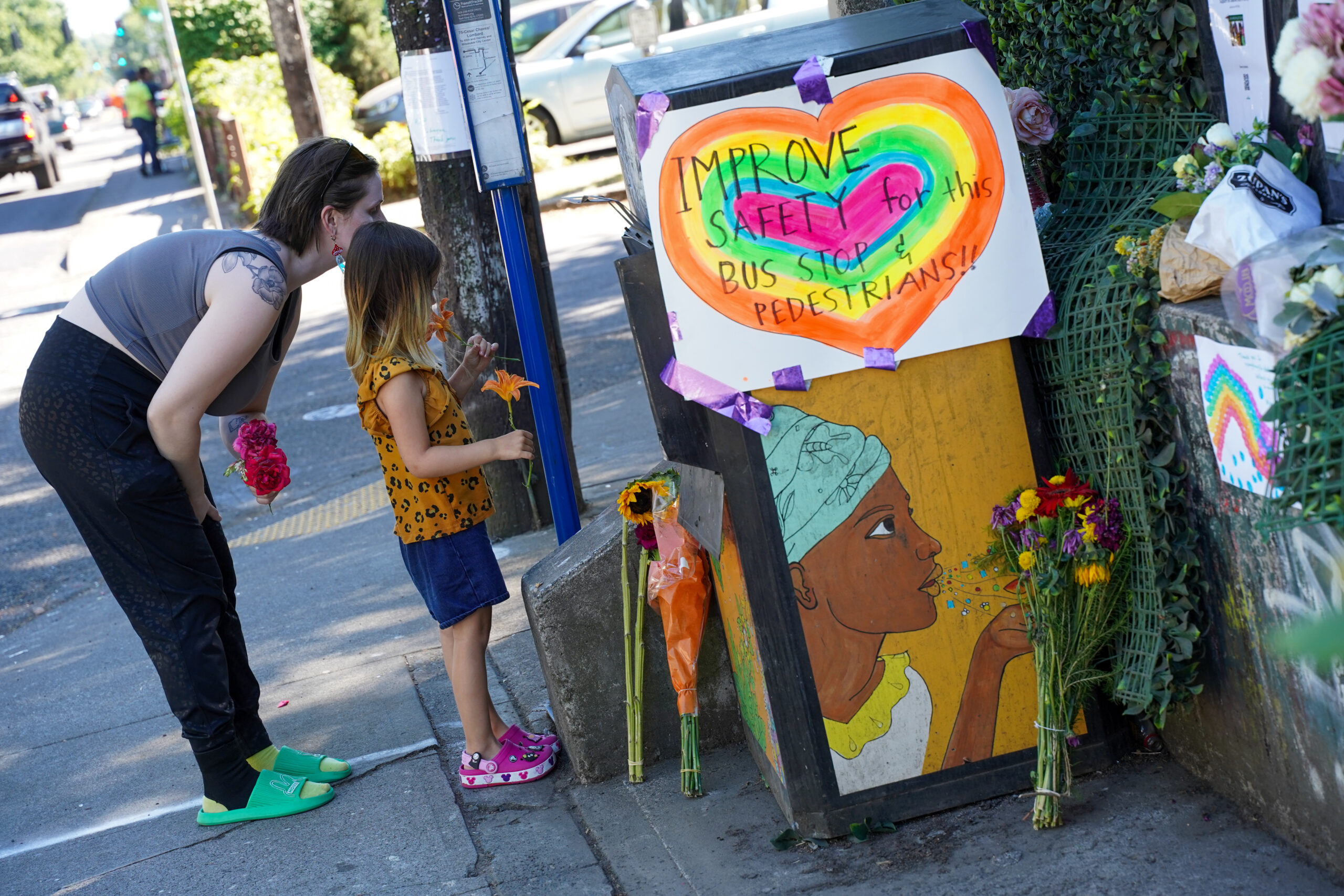
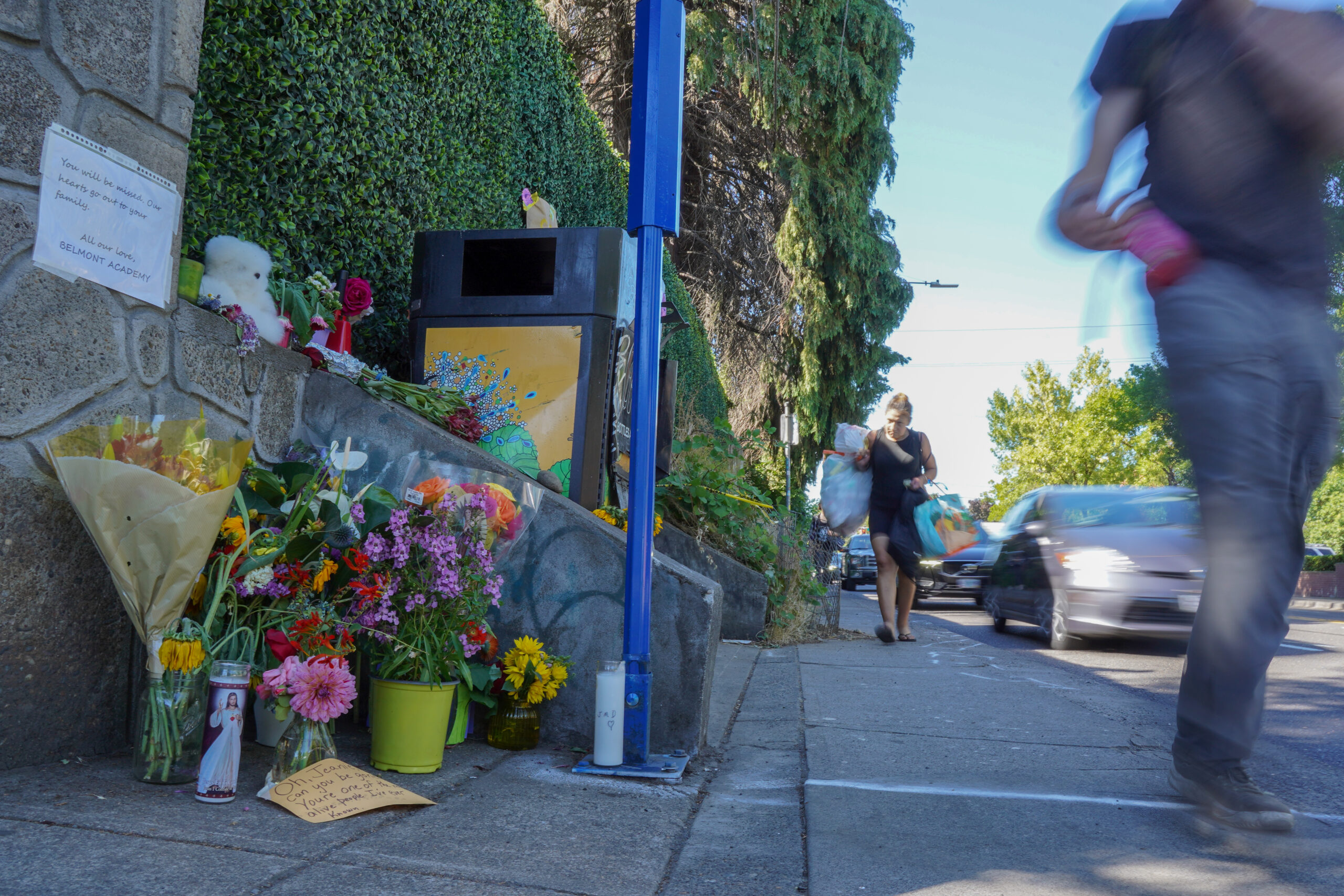
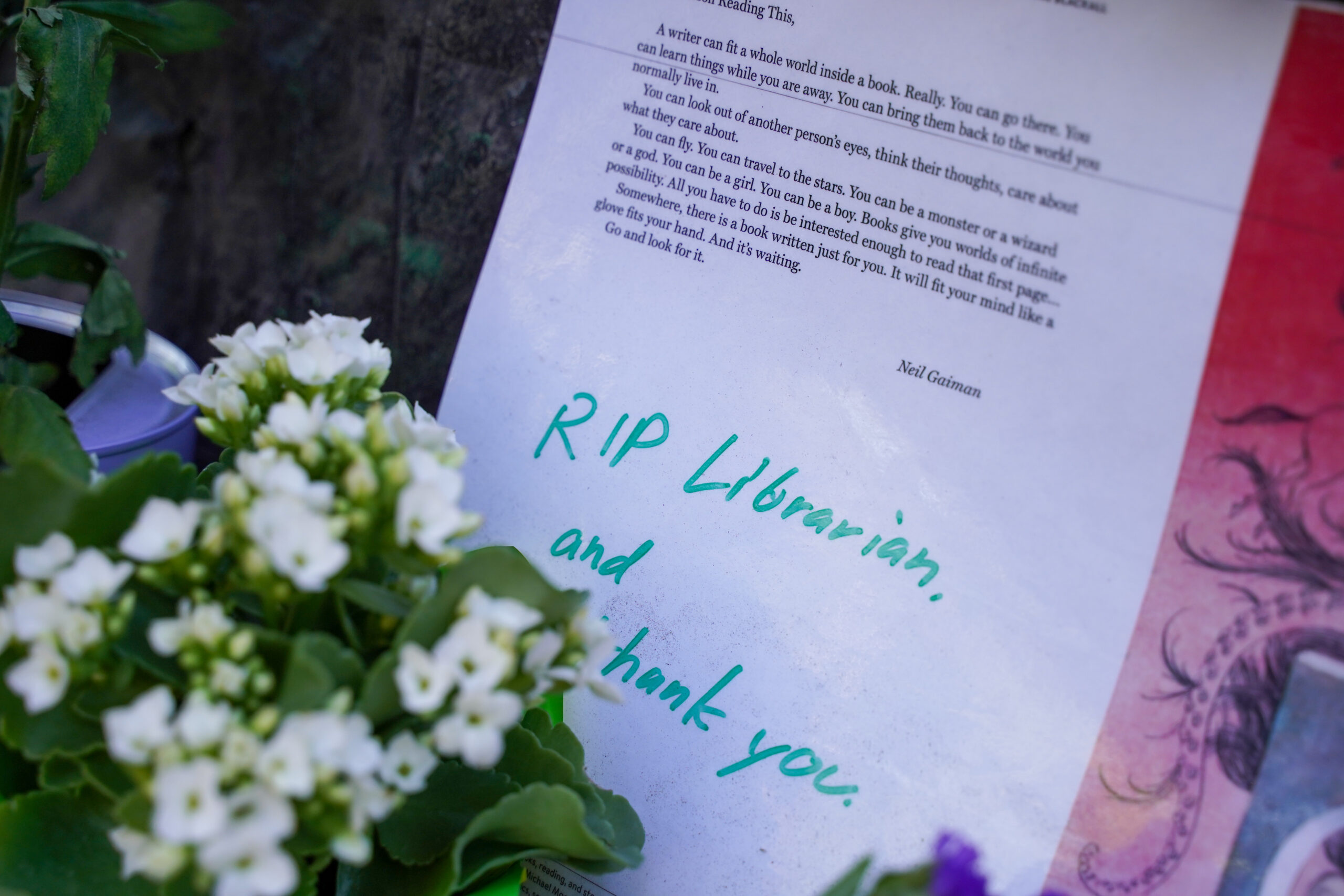
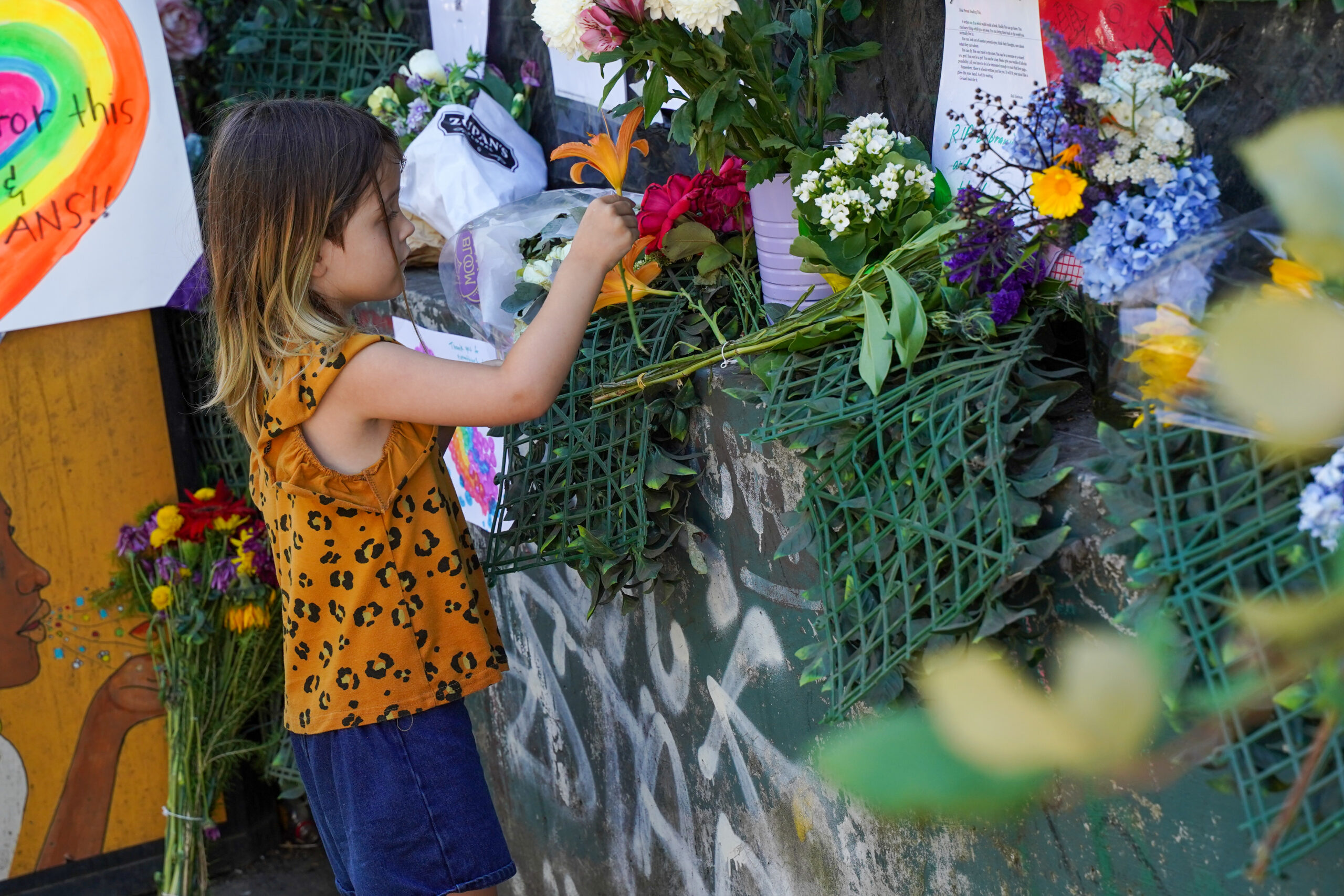
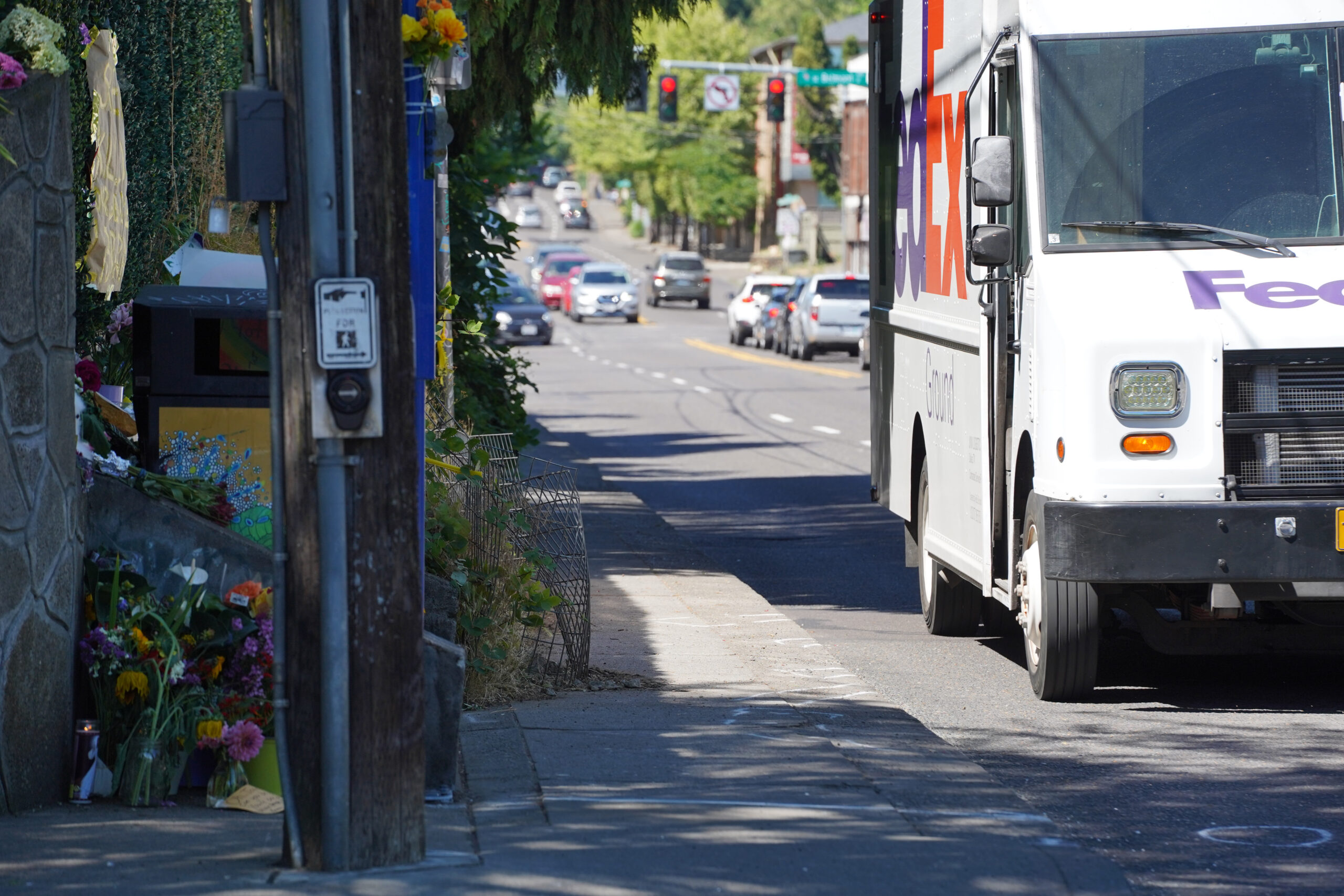
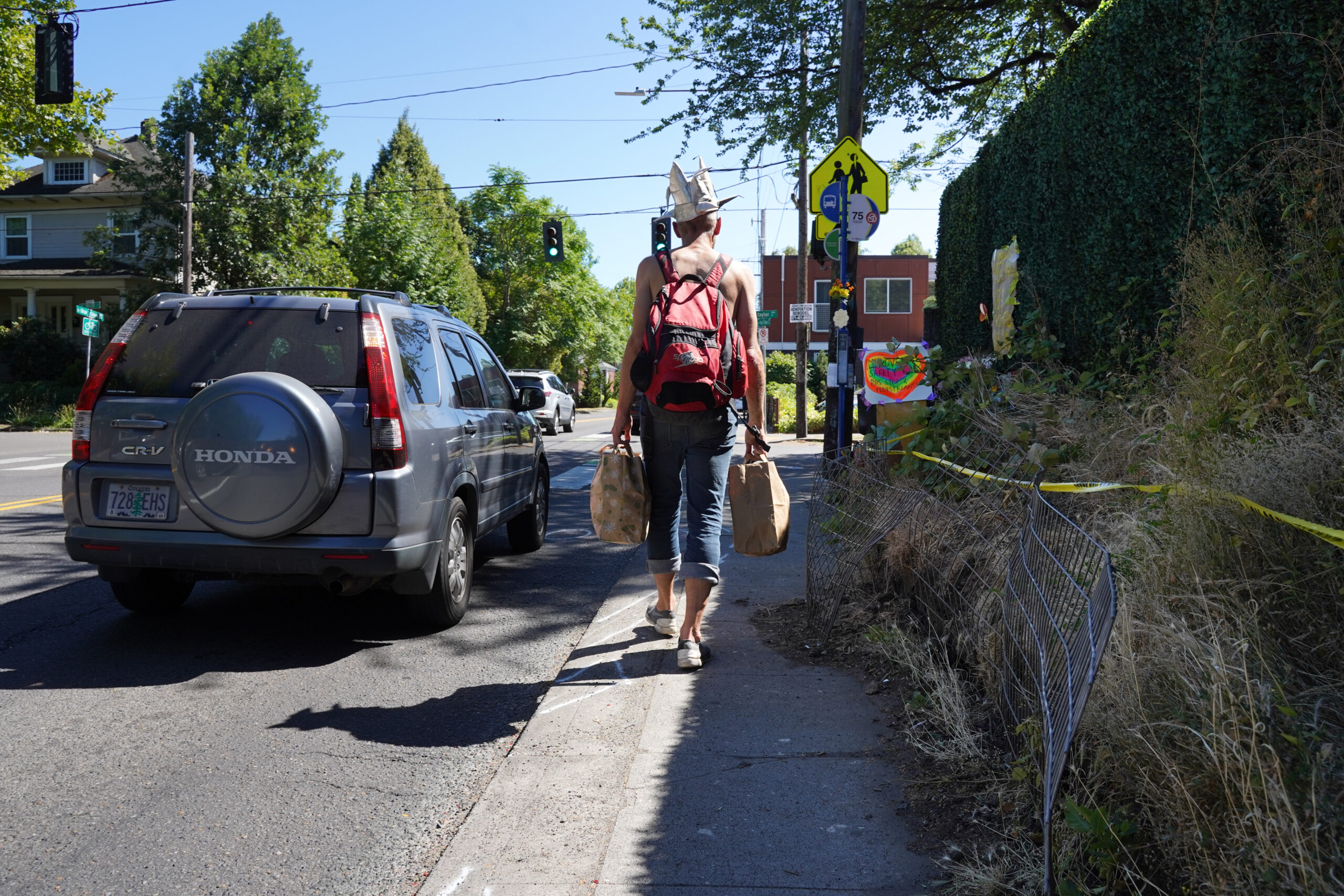
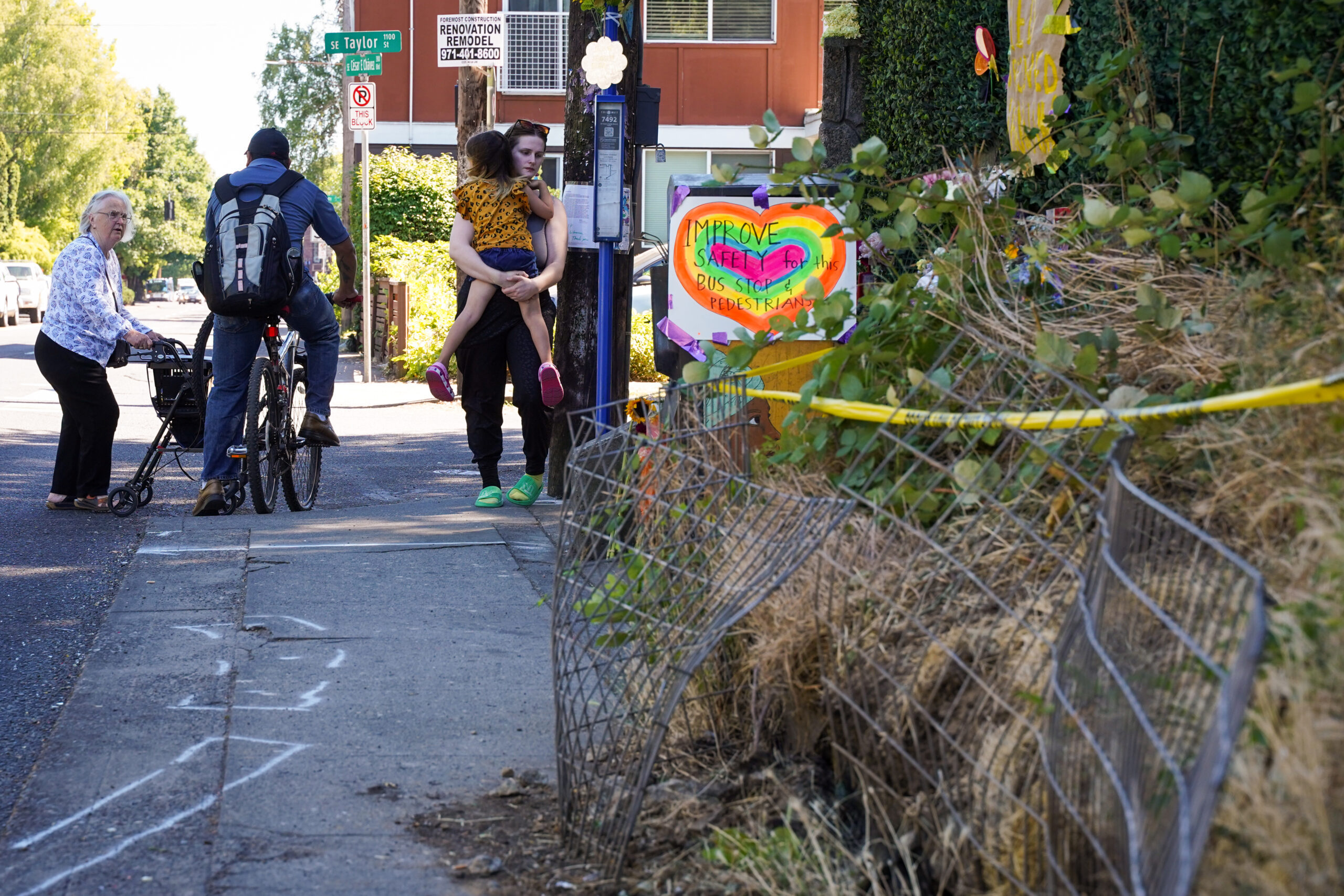
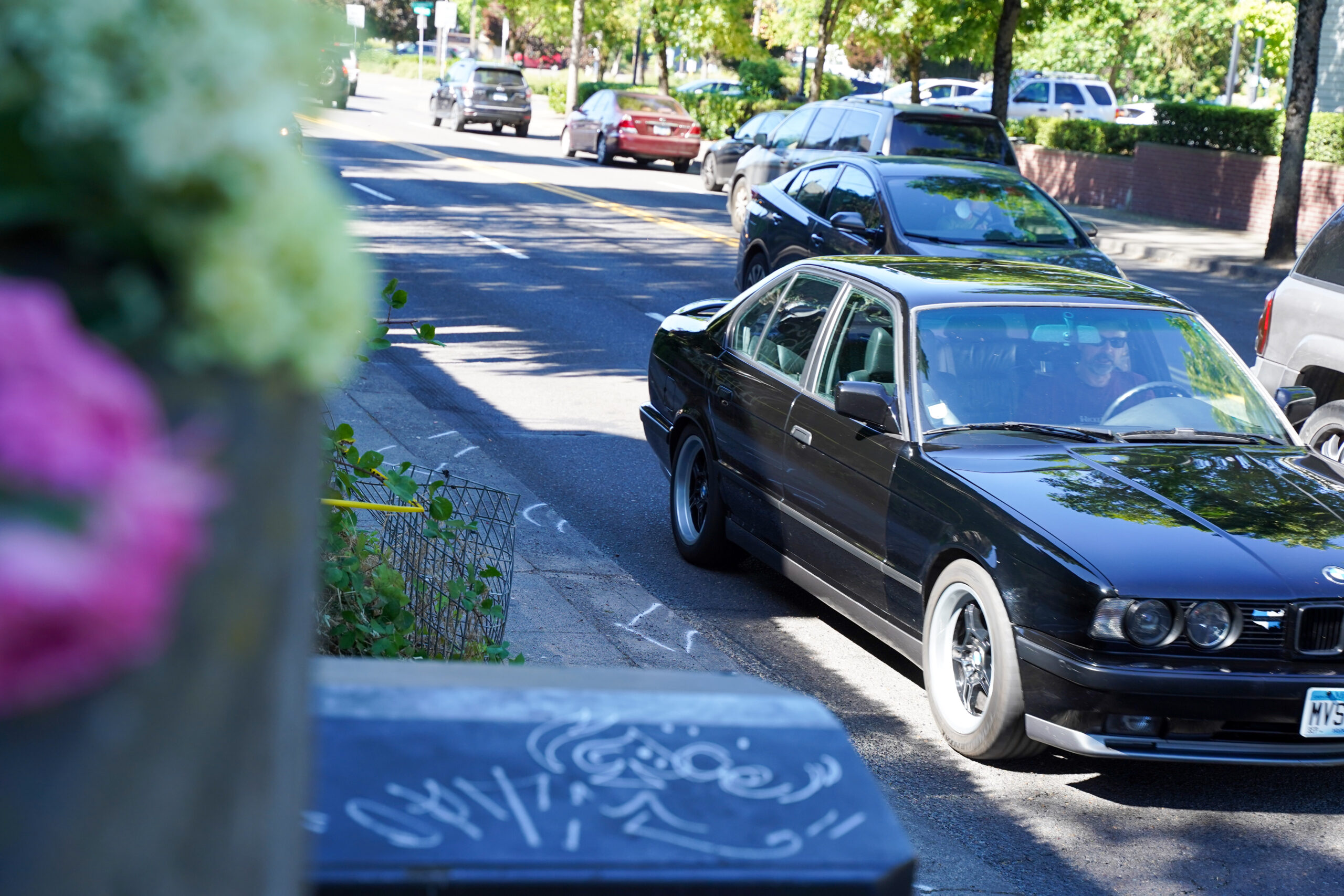
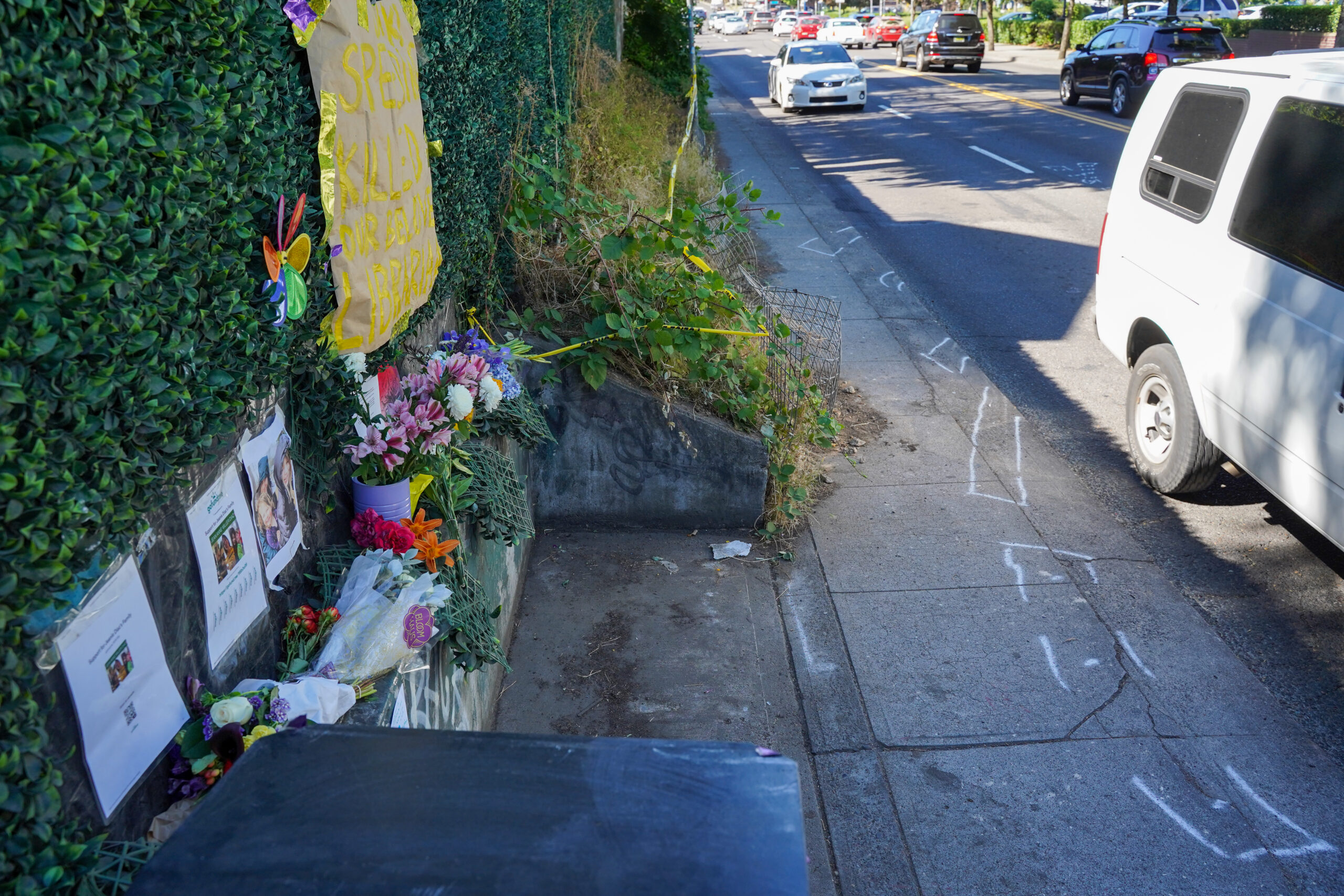
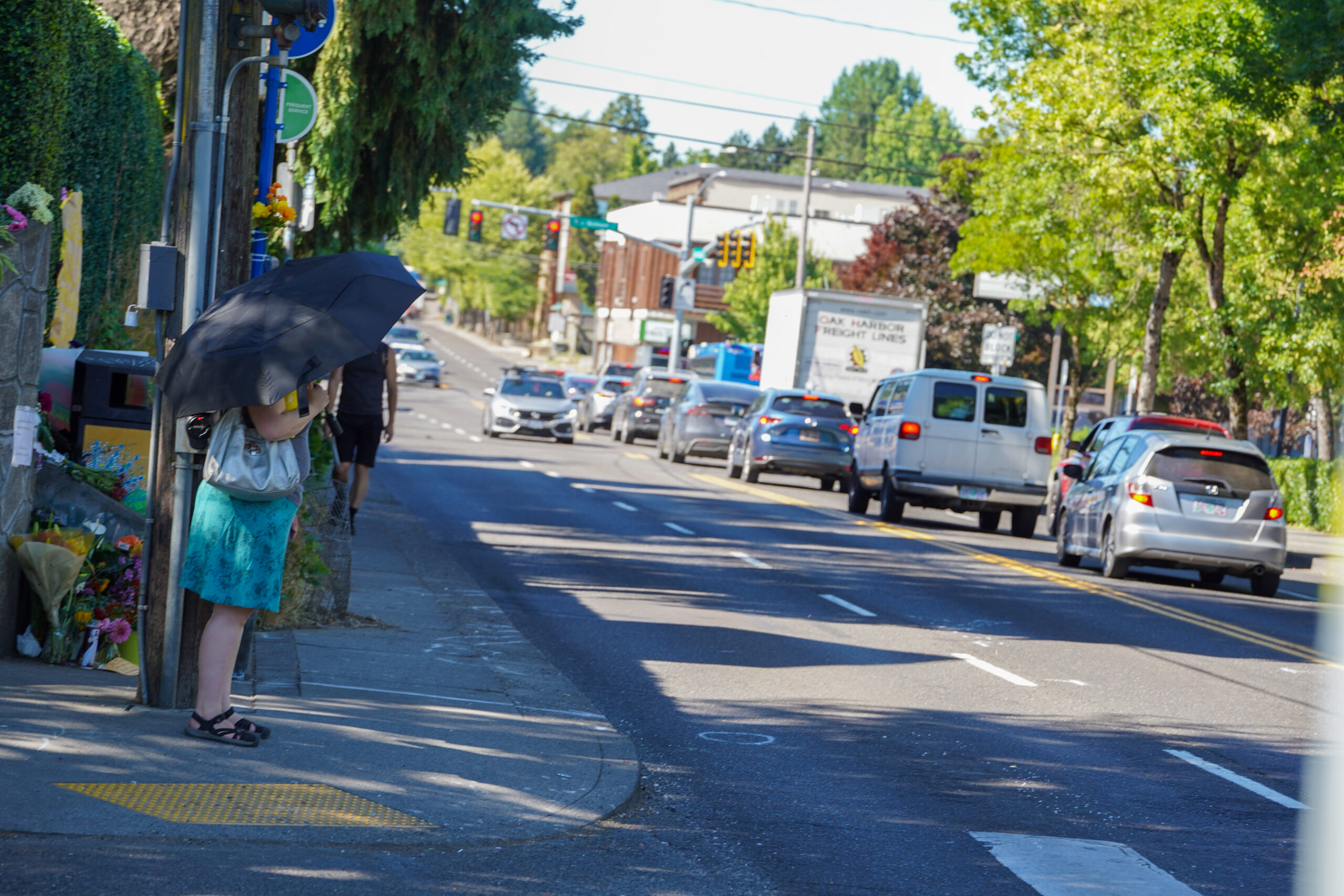
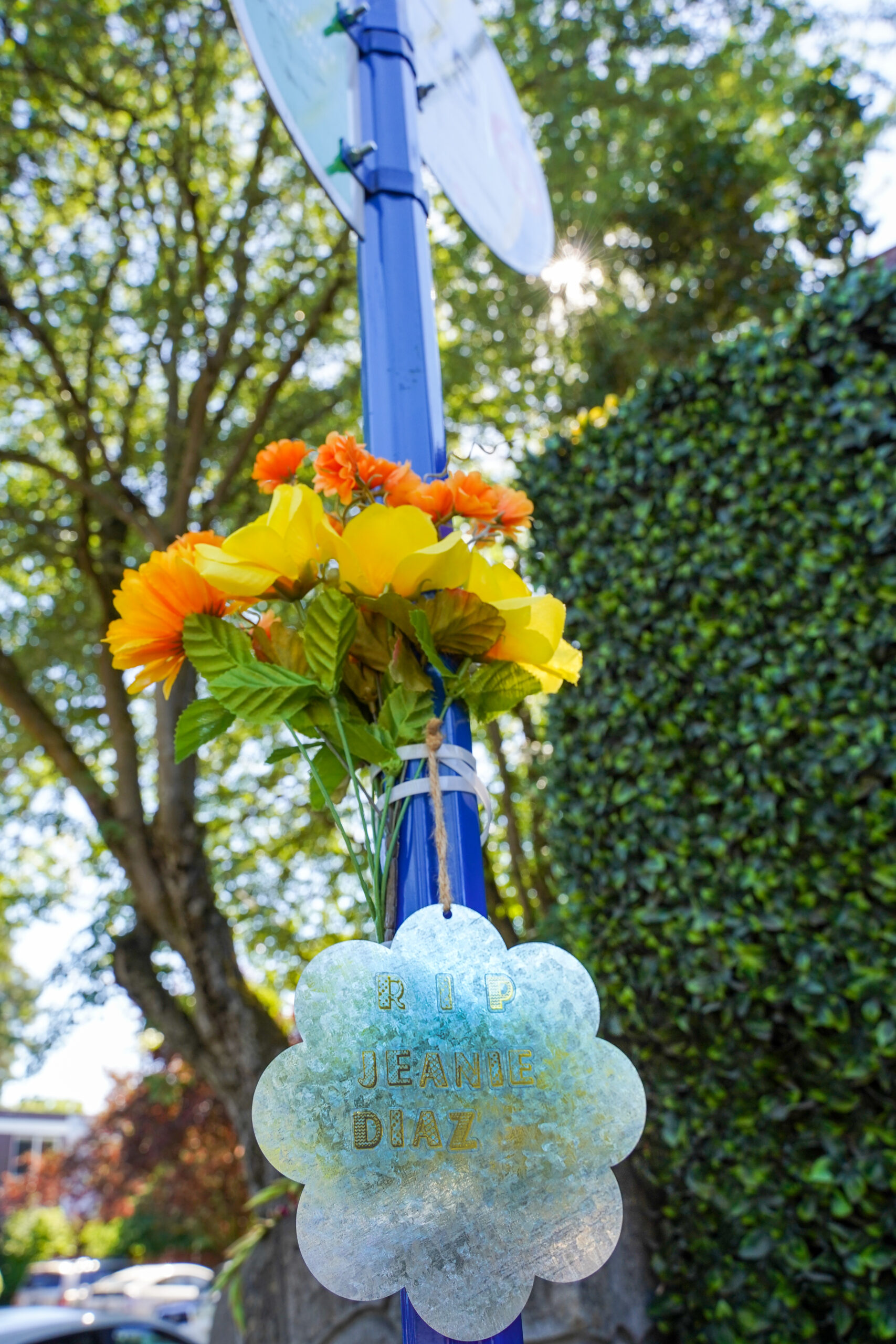
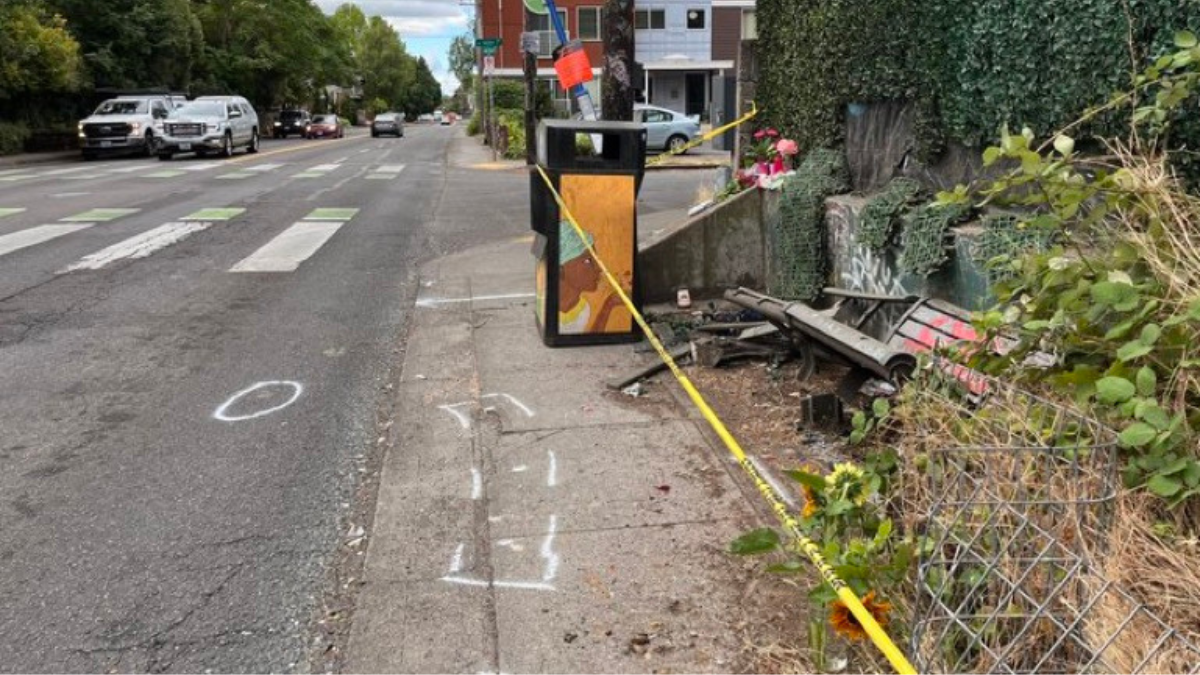
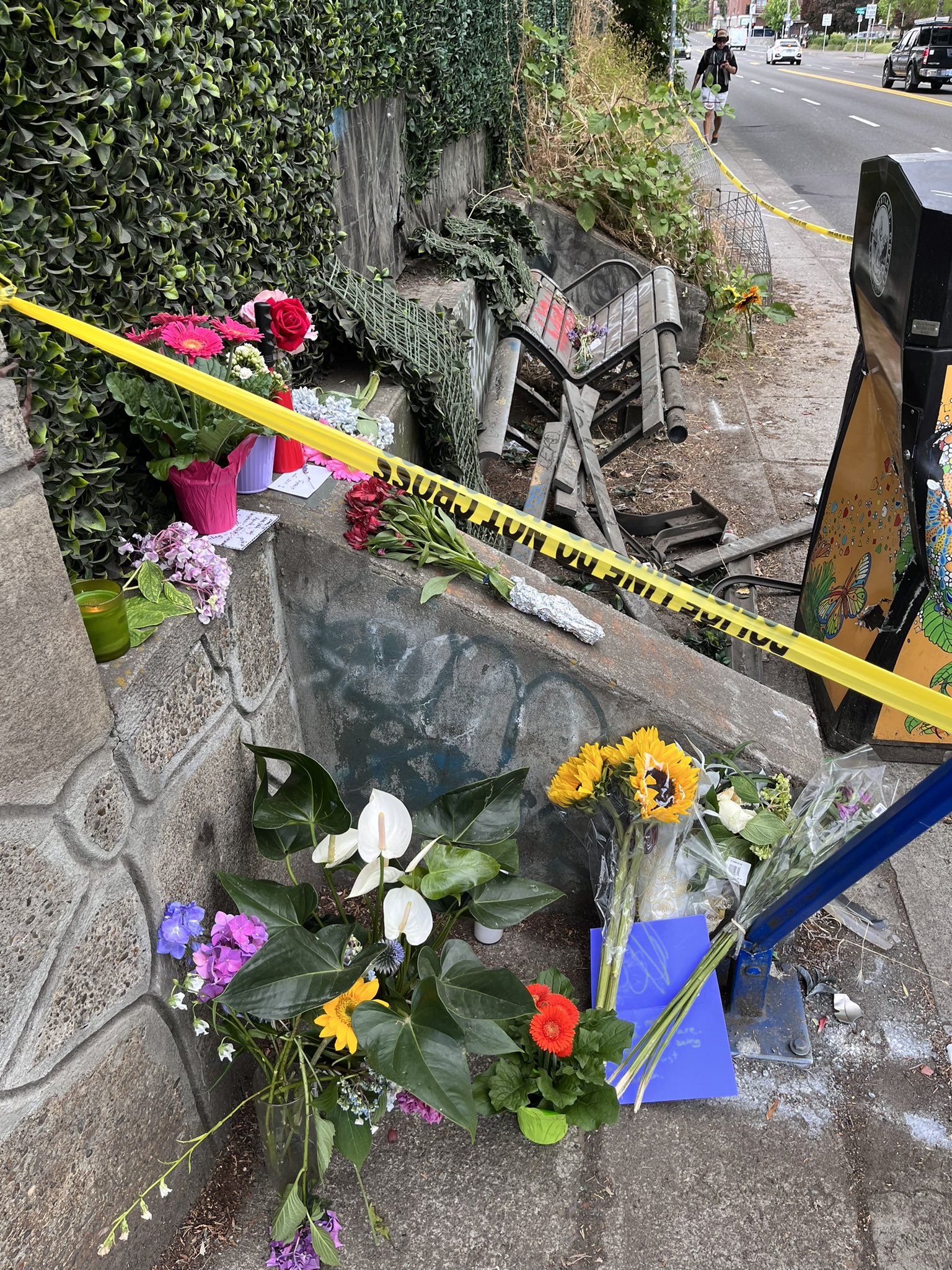
Mourners at the crash scene on SE Cesar E Chavez and Taylor. (Photos: Jonathan Maus/BikePortland)
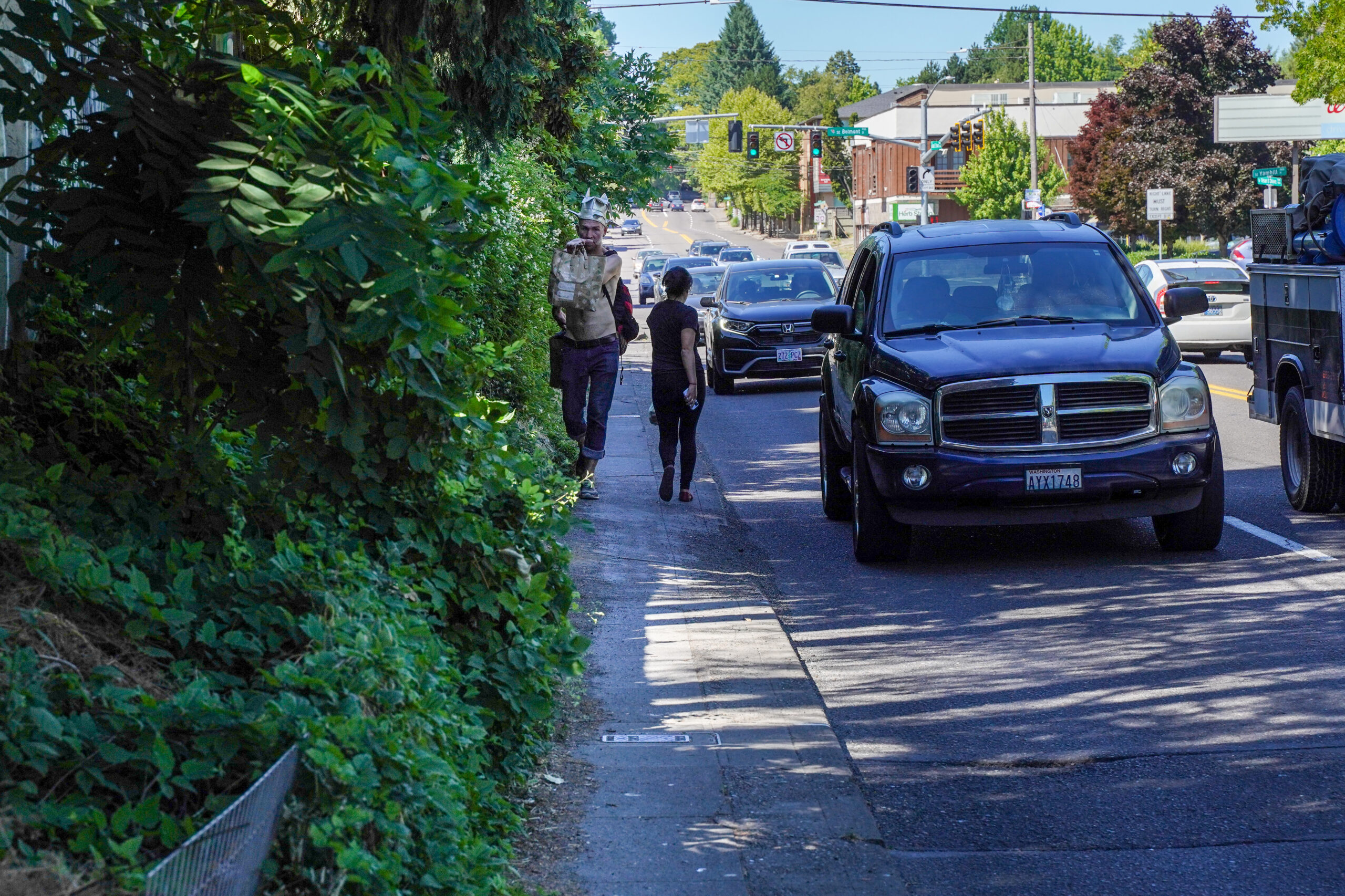
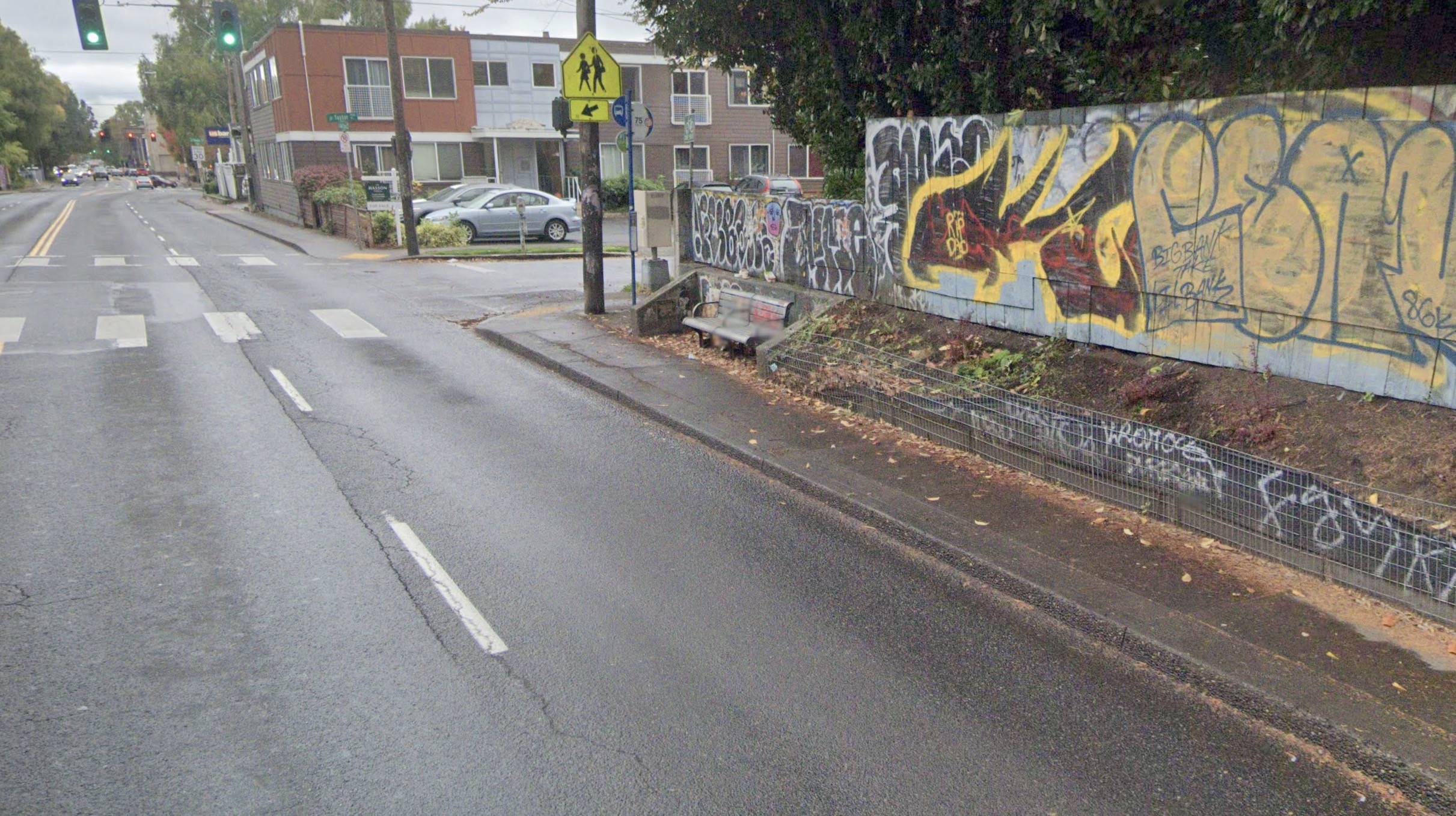
The sidewalk where she was hit is only 3-4 feet wide and directly adjacent to car traffic.
Moments before Jean “Jeanie” Diaz was hit and killed by the driver of a car while waiting for the bus on Southeast Cesar E Chavez Blvd and Taylor on Saturday evening, she was on a sidewalk, in what many people assume is a safe area. At the same time, Kevin Scott, who police have charged with drunk driving and manslaughter, swerved and sped toward her in his Infiniti FX 35 SUV.
On Saturday the scene was littered with broken car parts and other debris after Scott and his car jumped the curb, slammed into a dirt retaining wall and the bus stop, and then came to rest upside-down in the street. Today there are paint marks in the road from the police investigation and a growing memorial of flowers, candles, photos, and signs.
“Drunk speeding killed our beloved librarian,” read one of them. “Improve safety for this bus stop and pedestrians!!” read another, with its words surrounded by a rainbow-colored heart.
Since this collision, I’ve heard from several readers who took their kids to storytime with “Ms. Diaz” at Belmont Library. One of them had just been given a summer reading award from Diaz hours before she was killed.
I spent more than an hour at the scene Tuesday afternoon and watched numerous people walk and bike by. One older woman I talked to said she raised two kids a few blocks away. “When they were little we said if they are ever caught bicycling near 39th [now Cesar Chavez], we’ll take their bikes away for two months. It’s just so dangerous here.”
As a steady stream of bicycle riders crossed on the SE Taylor neighborhood greenway, people walked back and forth on the very narrow sidewalk Diaz was likely standing on before she was killed.
Cesar Chavez Blvd is a four-lane thoroughfare with no shoulder. It’s a stroad where drivers go 35 mph just inches from people only protected by flesh and bone and where there is no room for error. On the west side were Diaz was hit, the sidewalk is so narrow — about 3-4 feet wide — that two people walking in opposite directions cannot fit without contorting their bodies or walking in the street (see photos below).
It’s impossible to claim we are serious about road safety when we have streets that look like this. But it’s not impossible to do something about it.
The Portland Bureau of Transportation said yesterday that people need to slow down and not drive drunk. That’s a necessary sentiment, but it is far too weak in comparison the threat we all face.
Diaz is the second person to be killed in less that one year by a speeding, reckless driver while waiting at a bus stop on a PBOT-owned street. She was the fifth person to die in a traffic crash in 10 days. We are trending toward even more deaths this year than last — despite our city’s dedication to Vision Zero. Our streets are increasingly feeling like a war zone where drivers are the occupying force and everyone else is made to run for cover and hope they don’t get caught in the crossfire.
The gap between the threat we face (drivers and their cars) and the mitigation we most often deploy (paint, plastic, and “pretty please!”) is where people are hurt and killed. Our tactics must change if we want to close that gap.
We talk a lot about protected bike lanes — PBOT has even tried to make them their default practice — but it’s time to extend that to sidewalks and bus stops. We need protected sidewalks at locations where there is no shoulder and where nothing separates a sidewalk from a lane of car traffic. We also need TriMet to consider protected bus stops. And I’m not talking about paint and plastic wands. It’s time to upgrade the artillery to steel bollards, guardrails, and/or concrete walls and barriers.
There is room for these and other changes on Cesar Chavez, like perhaps a road diet where we have three lanes instead of four, but it would mean reducing space for driving. Are local elected leaders up for doing that? Only if they care more about healing the heartache of our community and victims’ families more than facing potential political backlash.
PBOT is making solid progress with road diets and other projects citywide, but it’s not happening fast enough and their budget might not allow it to continue. In the shorter-term, while we work to increase enforcement (where are those promised photo cameras PBOT?), improve traffic culture, and fix the root causes of the overlapping social ills that lead to so much of this death and destruction, we must create more physical protection.
We must defend these spaces from the scourge of unsafe drivers.
Where Diaz was killed is either a neighborhood where people will feel like it’s safe enough to leave their houses on foot and bike — or it’s a highway where the only safe option is to get inside a car. As the deaths continue to tick upward, it’s becoming terrifyingly obvious that we cannot have both. The only question is, which one will we choose?
We are a fast paced shop looking for a great mechanic. Full Time, year round.
The person we seek should have at least 5 years of bike shop mechanic experience.
must be able to:
* build wheels
* troubleshoot drivetrain issues
* Manage multiple tasks
* be reliable, fun to work with and a great team player
* work efficiently and focus on quality, as well as output.
Preferably, (but not required) will eat, sleep and breath mountain biking. We’d love it if you know how to rebuild front and rear suspension. Electric experience is not required, we can teach that – but must be willing to learn
We pay well. Have 6 days paid holiday leave +PTO, etc.
How to Apply
Send us at email at info@ebikestore.com with your name, phone number and a brief work history.
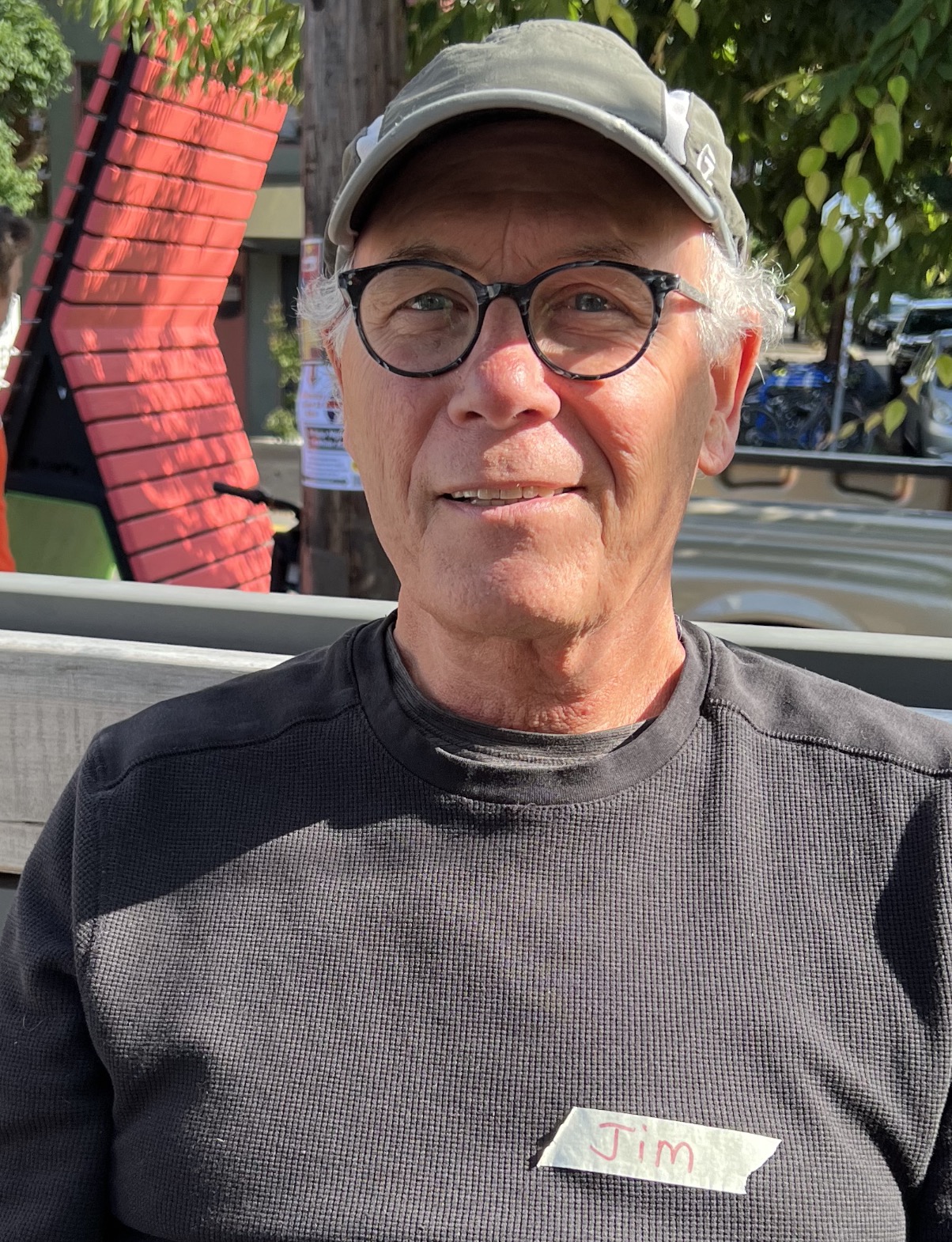
Jim Sjulin at Bike Happy Hour last month. (Photo: Jonathan Maus/BikePortland)
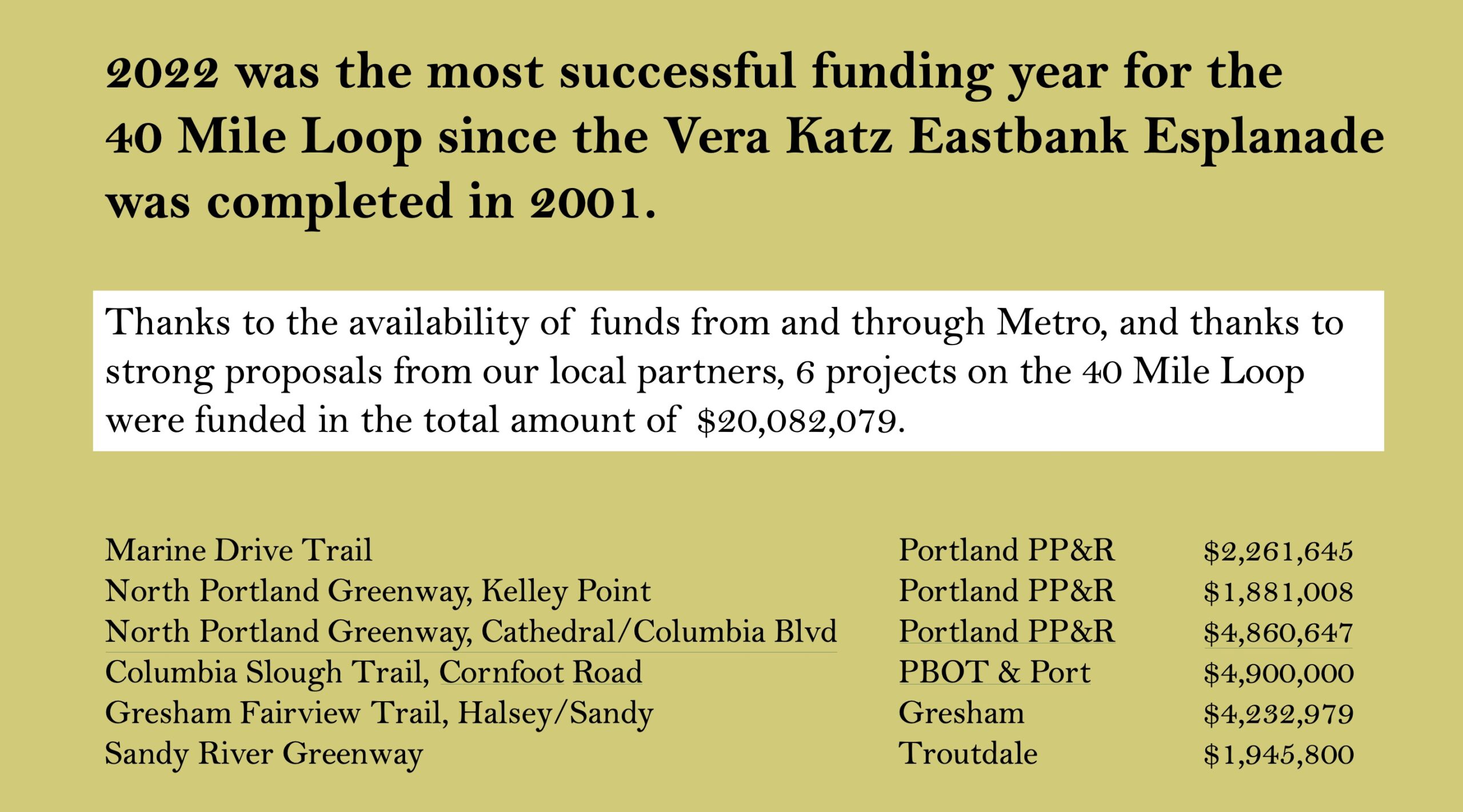
The 150-plus mile network* of off-street paths that marks its origin to 1983 — and the similarly named nonprofit group behind it — is coming off its most successful funding year in over two decades and was just recognized by Portland City Council with high praise and an official proclamation to mark its 40th birthday.
Why? Well there’s something to be said for anything that remains vibrant after 40 years. Then there’s the positive feedback loop where each piece of new path makes the network more valuable, which makes it easier to get new pieces of path funded, and so on.
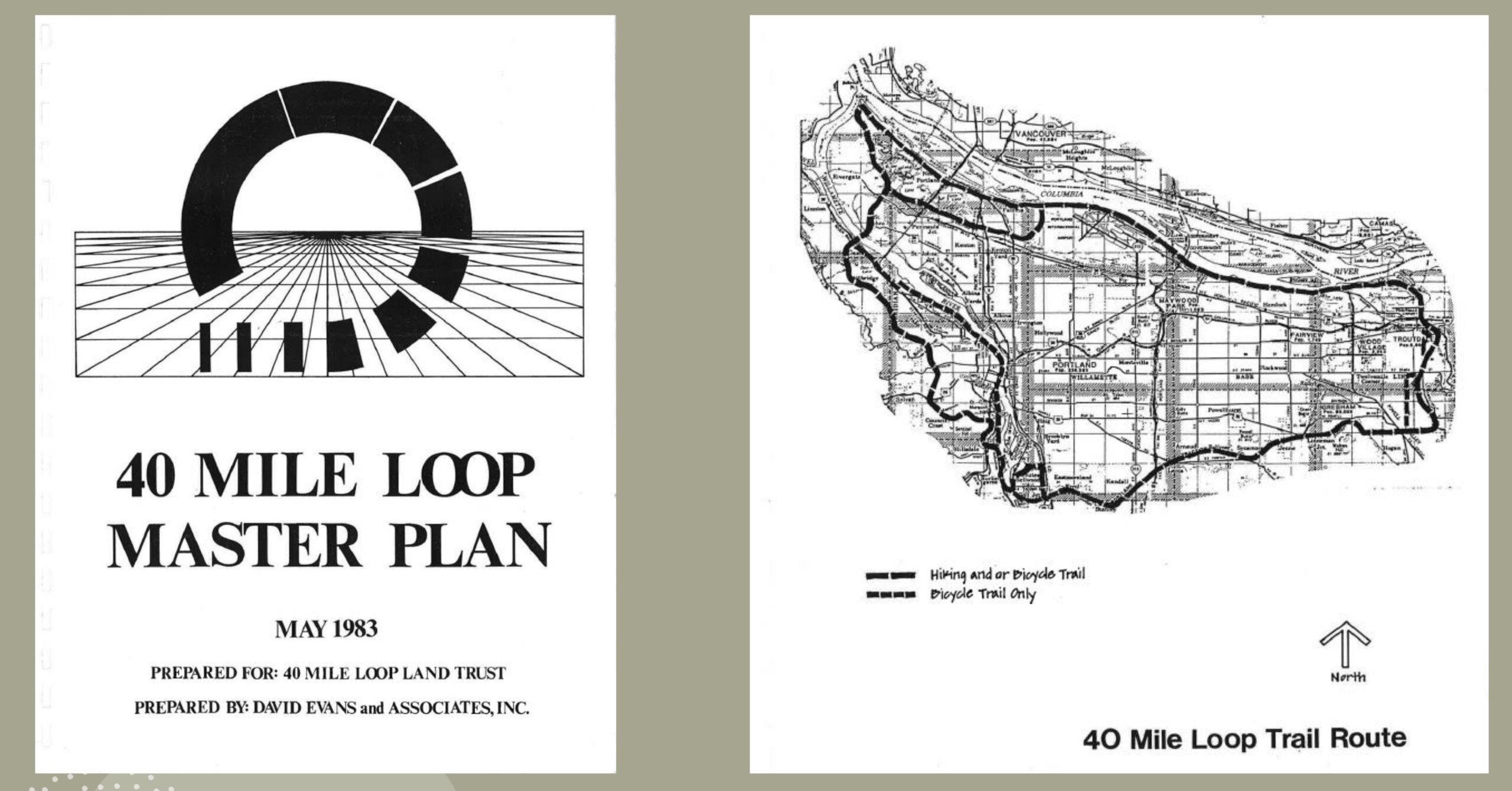
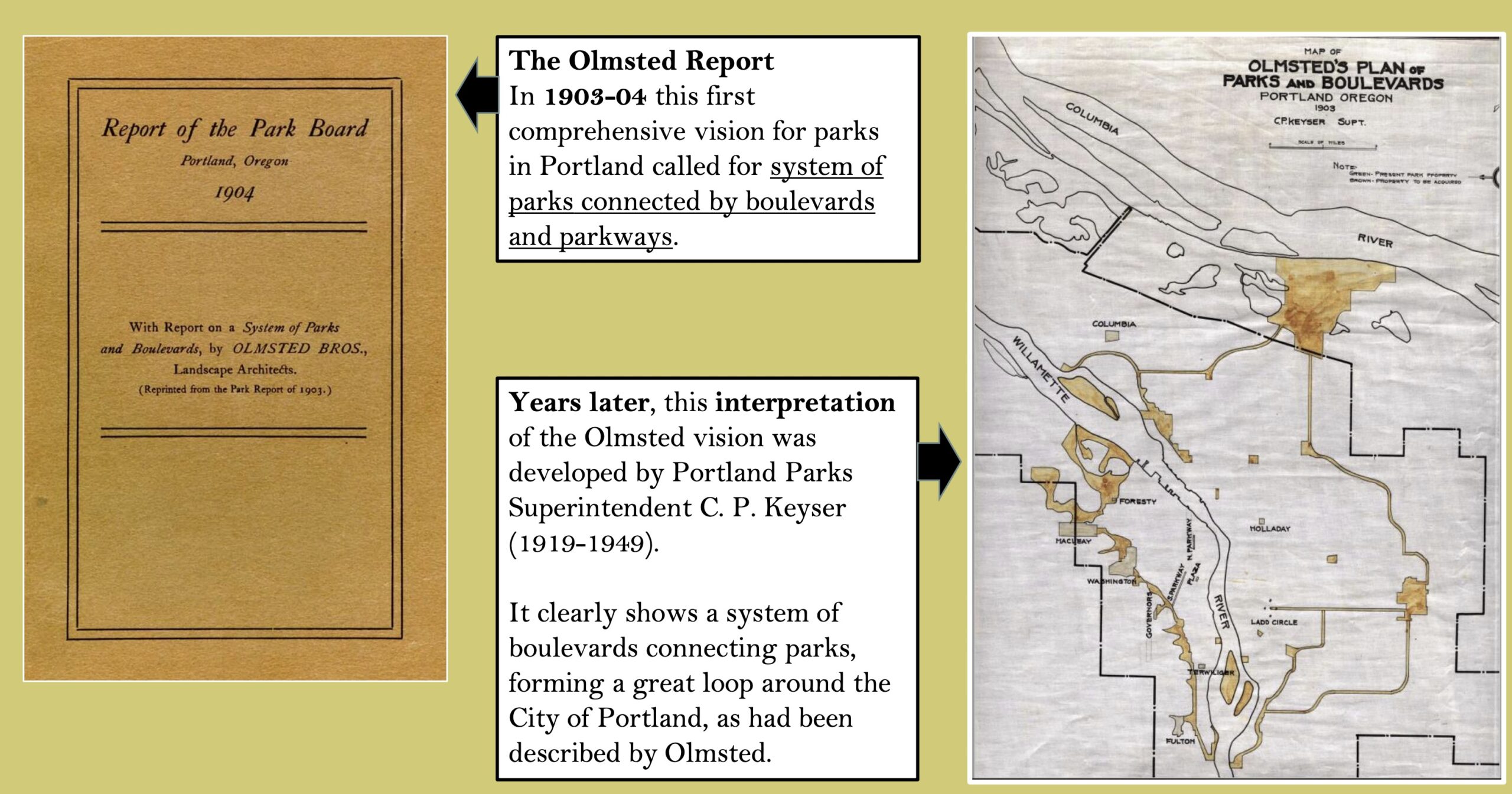
It helps too that the seed for the idea is 120 years old and came from the Olmsted brothers who envisioned an interconnected system of paths and trails around Portland that would keep everyday folks in close proximity to parks and nature. (The effort to build it began in earnest during the gasoline shortages of the 1970s when planners wanted to give folks a way to get around without a car.)
Another factor in this success are volunteers with the 40 Mile Loop Land Trust. One of them, retired Portland Parks planner Jim Sjulin, has done yeoman’s work to (quite literally) put the path network on the map.
A rider enjoys the Marine Drive bike path, one of the marquee paths in the the 40 Mile Loop network. (Photo: Jonathan Maus/BikePortland)
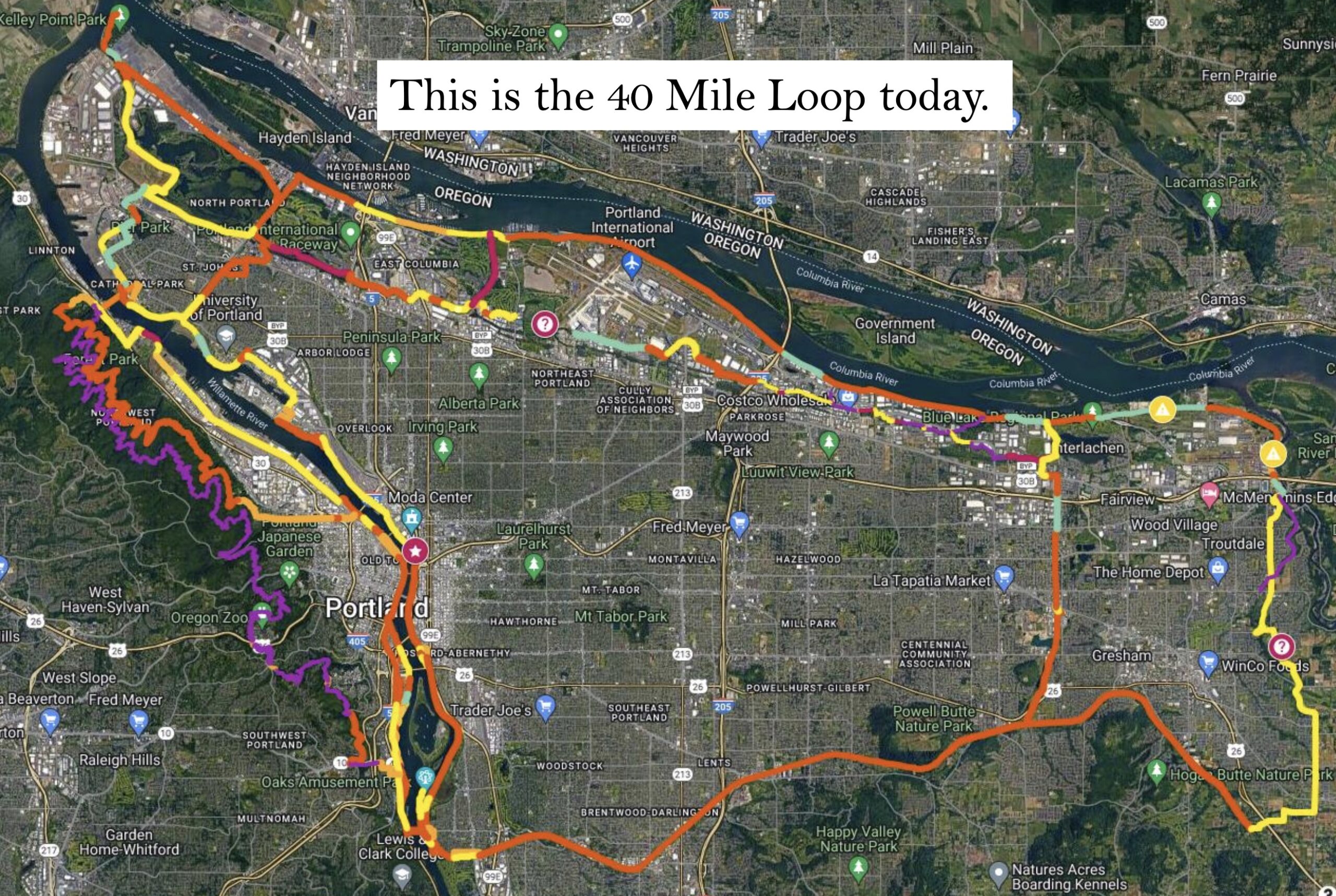
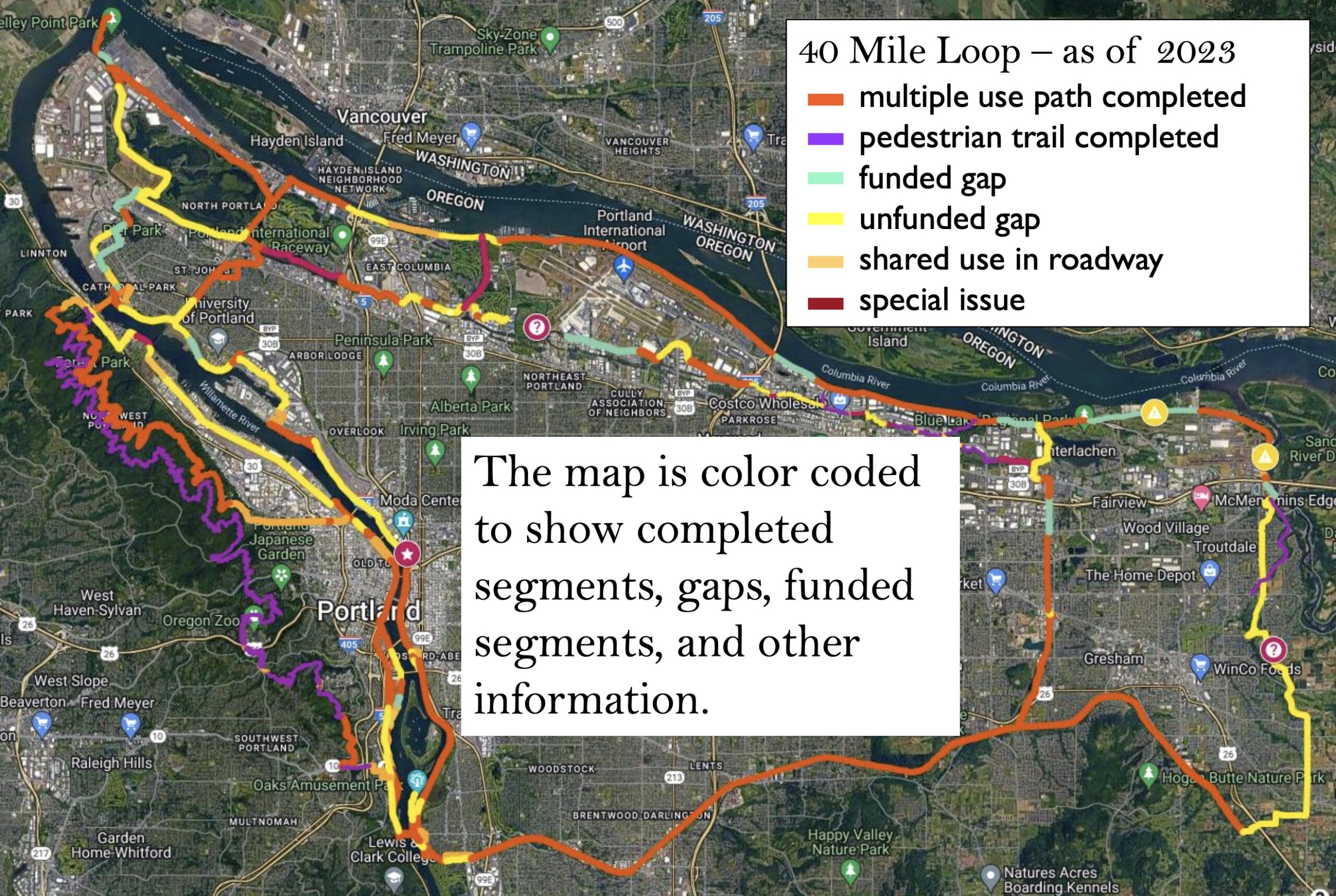
Two years ago we shared Sjulin’s 40 Mile Loop gap map. Now he’s really outdone himself. He’s expanded that effort to encompass every bike trail and path in the region. It includes what’s completed, where the gaps remains, and any other information Sjulin knows about the segment. In short, he’s created an invaluable resource for trail planners, advocates, riders, and dreamers.
When he shared this map with me recently and I replied with “Wow!!” he admitted that he got carried away. Here’s more from Sjulin:
“The map now aims to include all regionally significant trails and their status. And it also includes what many call ‘Community Paths’ which are really important connectors in neighborhoods. Nothing below 8 feet in width however. For significant parks I added site trails. See Forest Park, Mt Tabor, Washington Park, Powell Butte, Tualatin Hills Nature Park. Perhaps the most exciting parts are the exurban routes. Salmonberry, Chelatchie, Columbia Gorge, and the beginnings of a Willamette Greenway Trail on the eastside and on the westside.”
Sjulin has had major help collecting the information from other volunteers and the group’s partners partners including: Portland Parks & Recreation, Tualatin Hills Parks and Recreation District, City of Tigard, SW Trails, Metro and other 40-Mile Loop Land Trust board members.
Asked what he hopes the map achieves, Sjulin said, “Nothing would please me more than for trail planners to use this to see the bigger picture and to help them ‘make the case’ for their project. Equally importantly, I’d like more of the general public to understand what a fabulous system of off-street trails this region is working to put together.”
Slides from June 14th City Council presentation.
And with each gap filled, the vision of a continuous path around the region comes into clearer focus. Sjulin says once the currently funded gaps are complete, the network will be 73.5% complete.
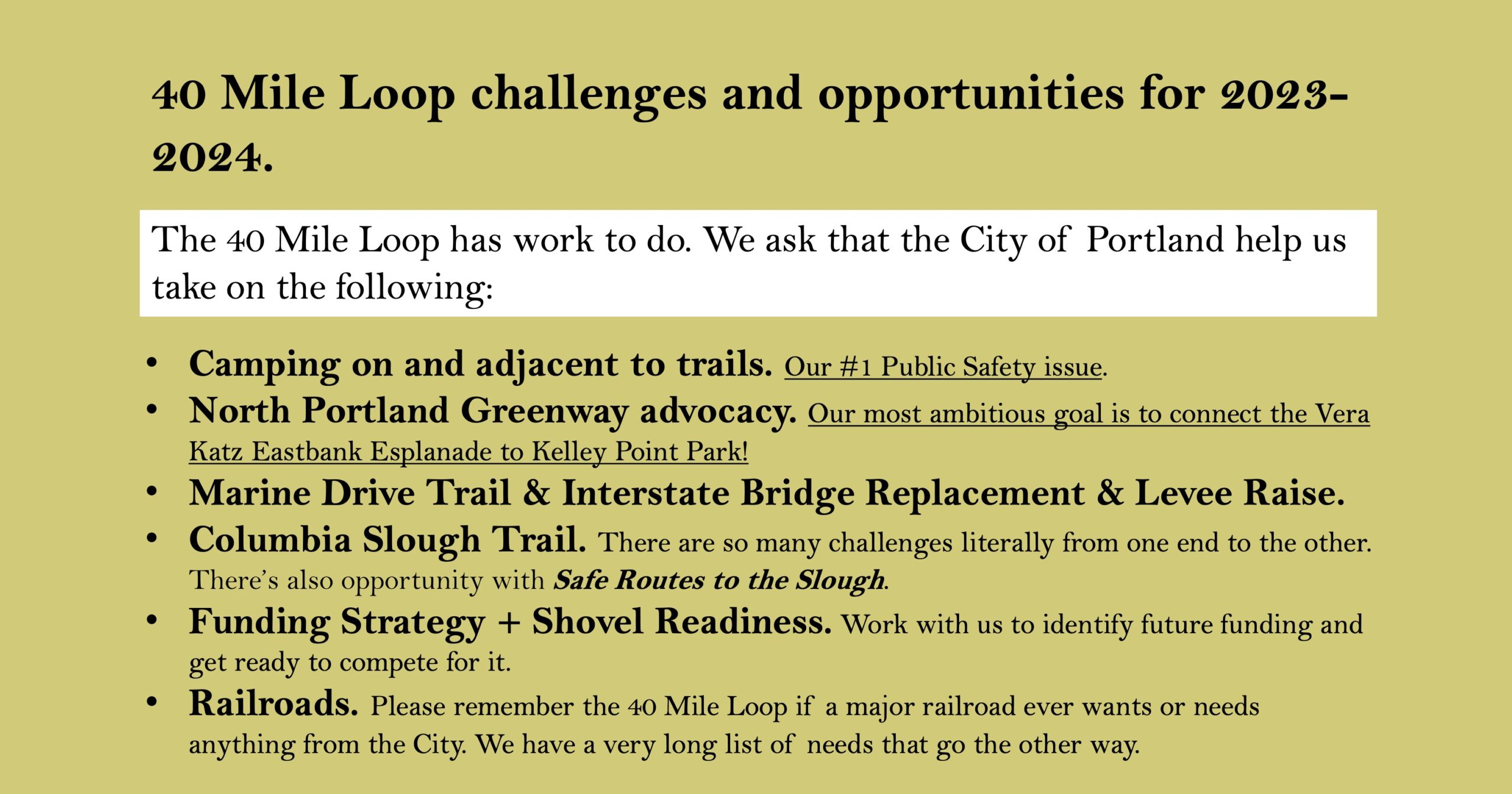
The biggest challenge? Safety and perception of danger on the trails from people who live in adjacent encampments. At a presentation by Sjulin and other board members at Portland City Council on June 14th, Commissioner Rene Gonzalez said he loves the 40 Mile Loop but he also said parts of it have become, “dangerously unsafe in recent years.” “There are parts of the loop that I simply don’t want my children on in certain parts of the day,” he said.
But Sjulin told Gonzalez, Mayor Ted Wheeler and the rest of the commissioners at a City Council that, thanks to more attention and investment on the issue of late, “I think we’re turning the corner on this issue.”
Hopefully, new resources like this map will impress upon elected officials and policymakers that these paths are worth fighting for. As the climate crisis rages on and the popularity of cycling continues to grow, we should approach the completion of this network with the same zeal as our interstate freeway system. We’re so close to completing the network, we shouldn’t slow down now.
*The name “40 Mile Loop” is an arbitrary one. It came about when the original Olmsted plan maps re-emerged and a planner measured the original vision of connected trails with an opisometer — a tool used to measure curved lines. The result was about 40 miles. The name was set in stone when the 40 Mile Loop Master Plan was published in 1983. Learn more at 40MileLoop.org.
I call them doorstoppers. Back-and-forths in our comment sections, extended debates which often veer off-topic and, because of the WordPress page design, take inches on the screen, feet maybe, to scroll past, with the “collapse thread” icon being of limited use to reach their other side.
Here’s the thing though, sometimes those discussions end up being really interesting.
That’s what happened on our post last week on the heated exchange between an Interstate Bridge Replacement project official and a critic. An extended discussion about consumption, capitalism, and climate catastrophe arose between Watts, John, Damien, 9Watts, ShadowsFolly, Jake—did I leave someone out? People want to talk about these issues, and they will do it where they can.
BikePortland’s (ongoing) discussion about how many people our planet can support, and how we should live, is age-old. People engraved it on stone tablets millennia before it became ephemeral bits of text on a blog. Which isn’t to say that everything is going to turn out fine. A quarter of the world’s children under five have so little to eat that it stunts their growth, both physical and cognitive. Yet the world has enough grain to feed them. That is real.
The debate on BikePortland tends to happen between Watts, who views himself as a clear-eyed realist who believes that technology is on the cusp of solving many problems, and a shifting cast of commenters who disagree with him.
This week’s debate engaged a lot of people, and there were many good comments to choose from. This comment from 9Watts (not to be confused with Watts) is as good a place as any to jump in:
Watts’ theory of change denies people agency, refuses to allow that all progressive change has always come from the bottom, from exactly those places he refuses to look. It is a Panglossian worldview that enshrines/hopes for/celebrates technical progress while refusing to allow the possibility of social or political progress.
Being dazzled by goodies, goodies that aren’t good for us or the planet, is part of our condition, our curse, but it is not all there is to know about us either. We are able to evaluate our preferences after all, recognize that plastics and pavement and popsicles and porn are not what we need right now, that to have any chance of avoiding the inferno we can, indeed must, choose more wisely.
And conversations like we sometimes have here are one way to understand this better.
Thank you 9Watts and everyone else who participated in the conversation! You can read all the great comments under the original post.
The bus stop at SE Cesar Chavez and Taylor. (Photos: David Binnig)
A woman was killed by a driver Saturday evening while waiting at a bus stop in the Sunnyside neighborhood.
Police say Jean “Jeanie” Diaz was at the bus stop on the west side of Southeast Cesar E. Chavez Boulevard at Taylor Street around 6:20 pm. At the same time, 48-year-old Kevin Michael Scott was driving southbound and failed to control his vehicle. When police responded, they found Scott’s car had rolled over and slammed into the bus stop on the sidewalk. Scott showed signs of impairment and was ultimately arrested for Manslaughter in the First Degree, Driving Under the Influence of Intoxicants, and Reckless Driving.
According to a GoFundMe set up by her family, Diaz was a loving mother to two young girls ages 5 and 8. She worked as a youth librarian for Multnomah County for nearly eight years. She was currently employed at the Belmont Library branch, just across the street from where she was hit.
This is the seventh traffic death in Portland so far this month, and the fifth in the last 10 days. According to the BikePortland Fatality Tracker, we are at the same level of traffic deaths so far this year as in 2022.
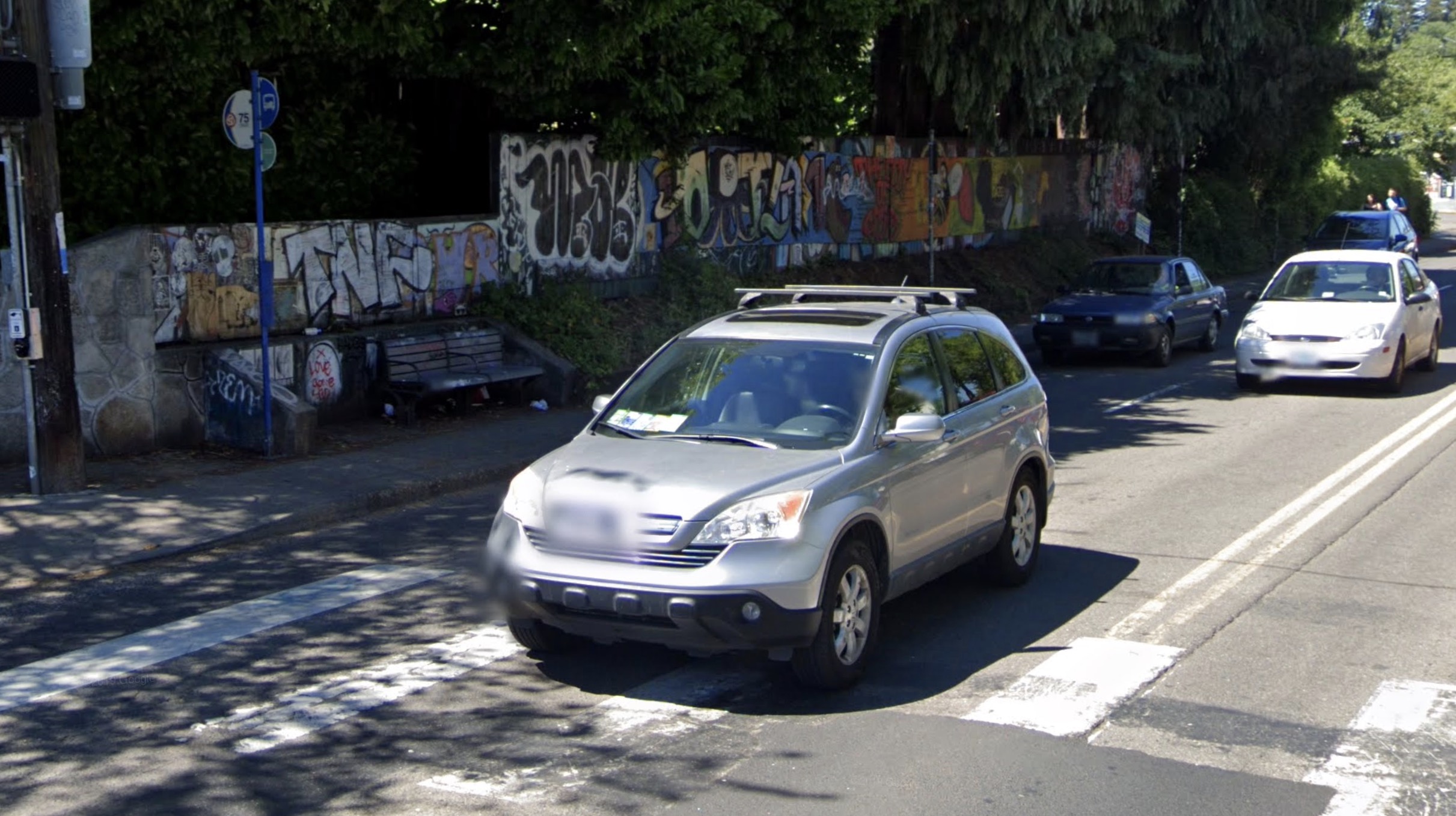
Looking south on Cesar Chavez toward Taylor. Bus stop is in upper right at signal.Looking northwest at the corner where Jean Diaz was killed.The bus stop at the corner of SE Taylor and Cesar Chavez.Images: Google Streetview
This crash is especially troubling for many of our readers because it happened at a major cycling intersection. SE Taylor is a popular neighborhood greenway route that crosses Cesar Chavez right where this happened. And as vulnerable road users, many people in the community have reasonable fears of drivers on Cesar Chavez due to its inherently dangerous design.
The cross-section of Cesar Chavez is very driving-centric: Four lanes, no center median, no shoulder, very narrow sidewalks, and a 30 mph speed limit. Drivers come just inches away from people on foot and bike. There is no room for error. But despite the stressful profile of the street, it is smack-dab in a neighborhood full of homes and destinations. The Belmont Library is just across the street.
“I always hated waiting along Cesar E Chavez. Always seemed like just a matter of time before some driver jumped the curb,” one person shared online in reaction to a BikePortland tweet this morning. “That stretch of Chavez is a death trap for pedestrians. I hate driving it and refuse to ever walk it,” said another. “I bike there… and always have a knot in my stomach about the drivers on Chavez not stopping,” shared someone else.
As drivers have gotten ever more selfish and reckless in recent months and years, we seem to have more rollover crashes in places where they should never occur. The amount of speeding and dangerous driving is, anecdotally at least, at an all-time high. That means we are all at risk, not just when we are driving (even police officers are getting slammed into!) but when we are anywhere near cars.
It hasn’t even been one year since another person was killed by a reckless driver while standing at a bus stop. The location where 26-year-old Ashlee McGill was killed by a speeding driving on SE Stark has as similar design and context as the section of Cesar Chavez Blvd where Diaz was killed: little to no shoulder, no buffer between sidewalk and high-speed drivers, and a well-known pattern of dangerous driving.
It’s almost as if we know exactly which roads are ticking tragedy time-bombs, yet we are unable and/or unwilling to defuse them.
According to the Oregon Library Association (OLA), Diaz was born and raised in Portland and has been working in public libraries since 2008. In October 2022, OLA Quarterly noted that Diaz, “Especially enjoys providing storytime, working with her amazing colleagues, and encouraging kids to be creative. When she’s not at the library, she can be found petting her cat, loving on her family, poking fun at life, making art, taking naps, and reading.”
If anyone has information about this crash, please e-mail crimetips@police.portlandoregon.gov attn: Traffic Investigations Unit and reference case number 23-186008.
Welcome to the week. Here are the most notable stories our writers and readers have come across in the past seven days…
This week’s roundup is sponsored by The Vineyard Tour, a full weekend of wonderful people and cycling coming to the beautiful Umpqua Valley on September 3rd.
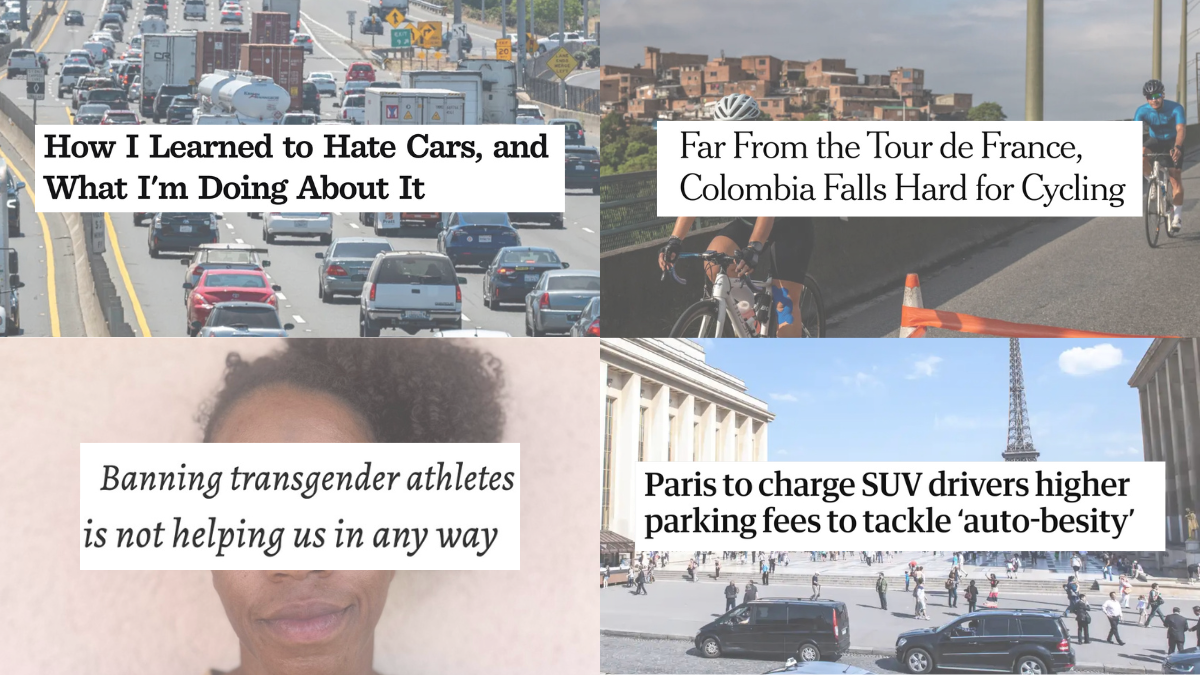
Welcome to the war on cars: “In the span of only a few weeks, I went from proverbial Prius Lover to Car Destroyer… And I started to wonder… had I been radicalized? (CNET)
Second to soccer: Colombia, already known as a pioneer of the open streets movement, is equally enamored with serious road cycling thanks to a mix of culture and topography. (NY Times)
Transgender policy: The UCI (global sanctioning body of competitive cycling) has announced a new policy that bans transgender women from competing in women’s racing categories. The decision has sparked a mix of praise and outrage. (UCI)
It’s not helping: One women’s racing advocate says the transgender ban from the UCI is useless because there are many more pressing issues faced by women racers. (A Quick Brown Fox)
“Nobody wins”: From a matter of fairness to folks fixing for a fight, there was a wide range of reaction to the UCI’s announcement. (Cycling Weekly)
Not all good news: VanMoof was poised to be the Tesla of e-bikes, but now it looks like this high-end brand is taking steps to the VC-funded trash heap. (TechCrunch)
A fitting moniker: Some officials in Paris have had enough of the absurdly-sized SUVs on their streets and want to cure “auto-besity” by charging fines to their drivers. (Guardian)
Muscle cars are the new cigarettes: Automakers routinely market cars in ways that glorify and normalize reckless, dangerous, and deadly behaviors. Now we have some stats to help make the case for regulation. (IIHS Auto Safety)
Bikes are best: Bicycle riding has roared back stronger than driving in London post-COVID, thanks to infrastructure and… well… just people exercising common sense perhaps? (Forbes)
People on Bikes is a series where we share portraits of people riding. See more from this series in the archives.
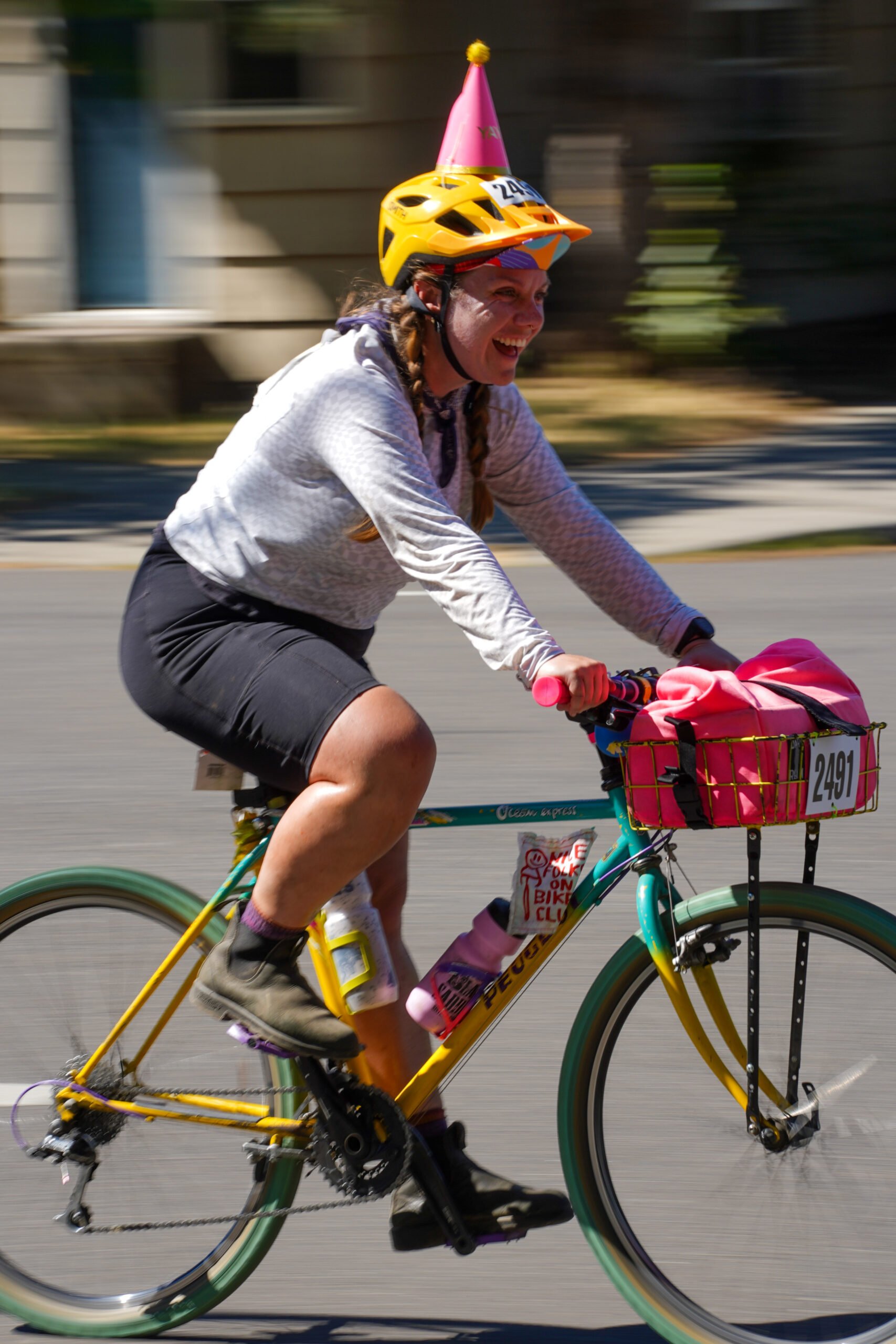
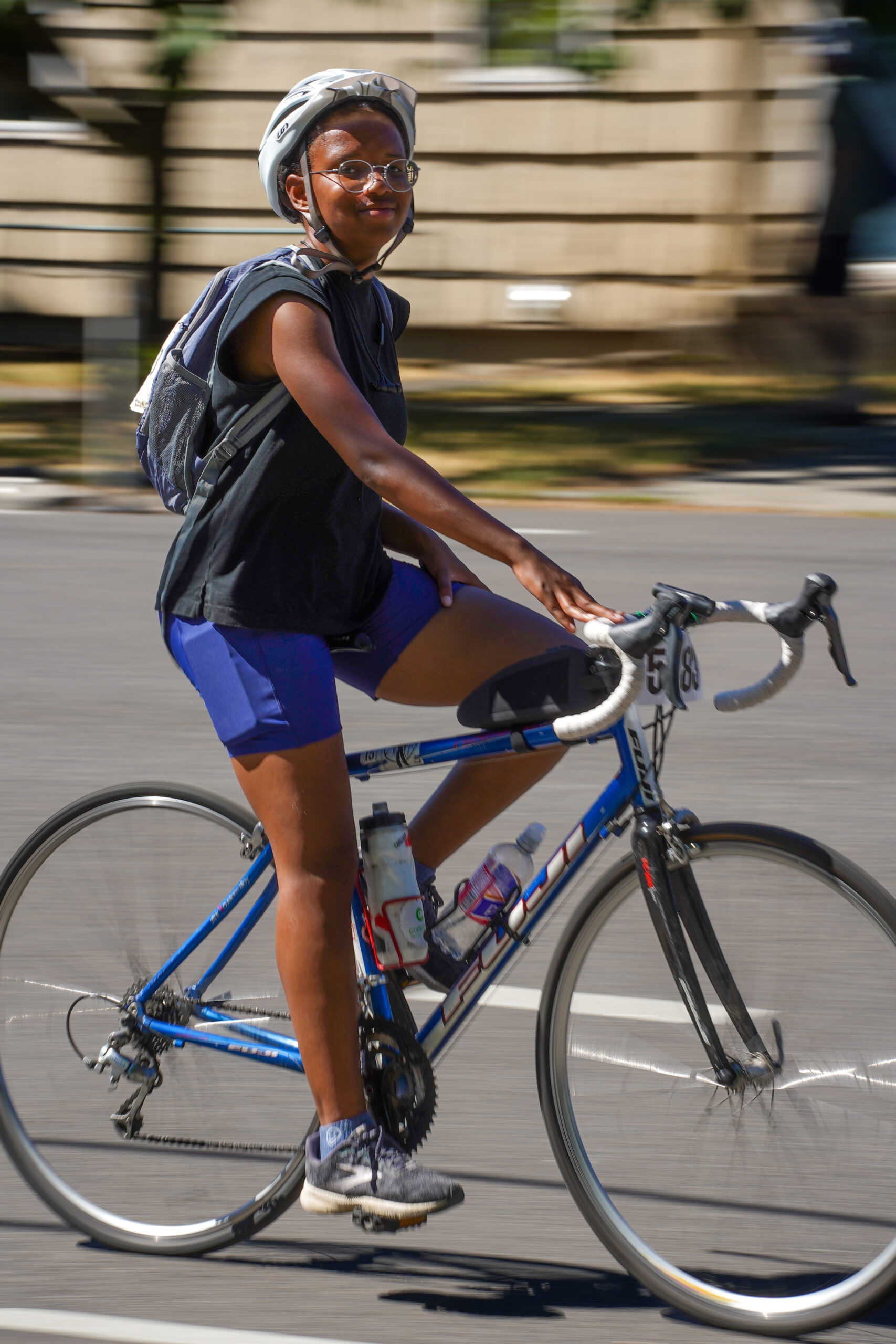
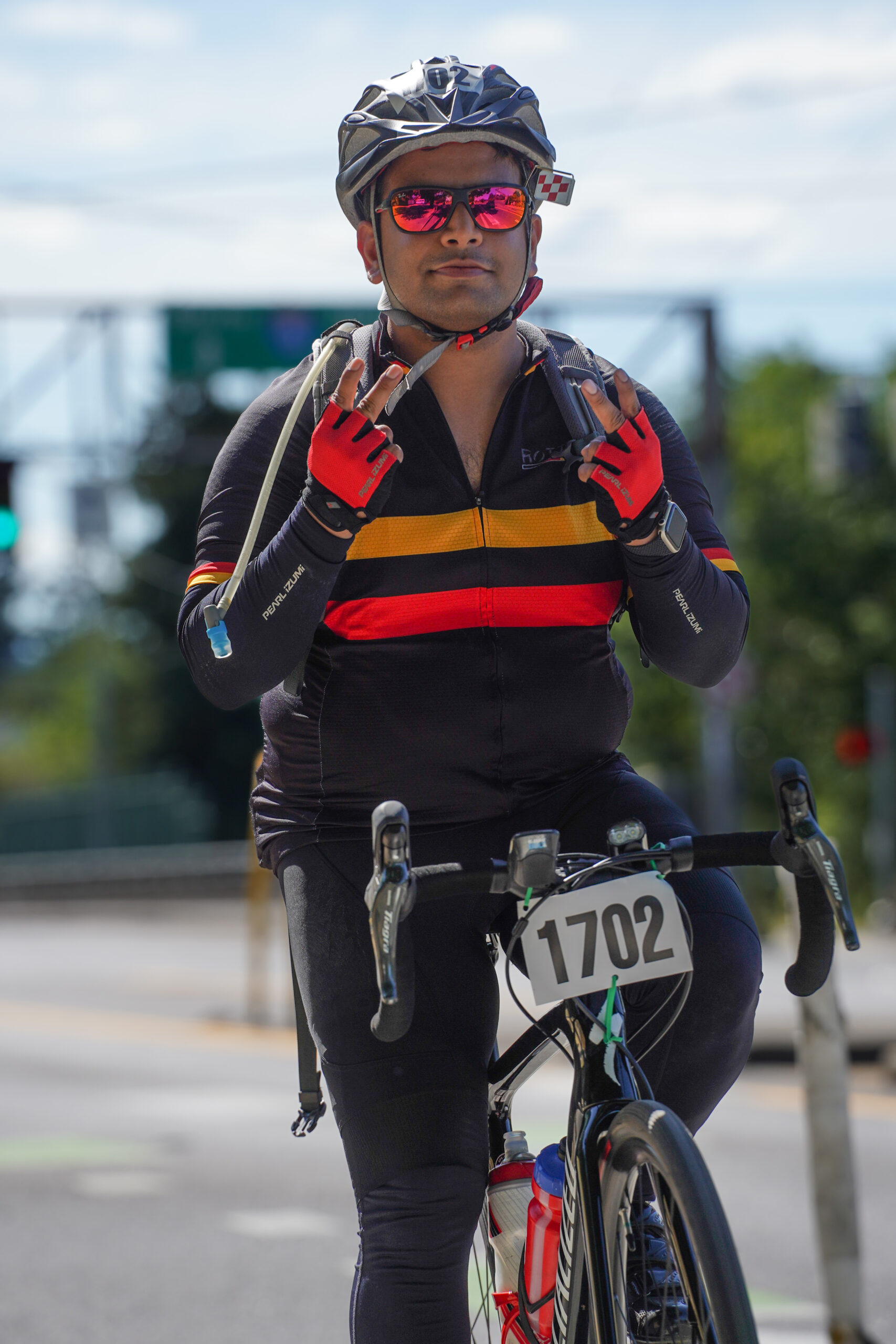
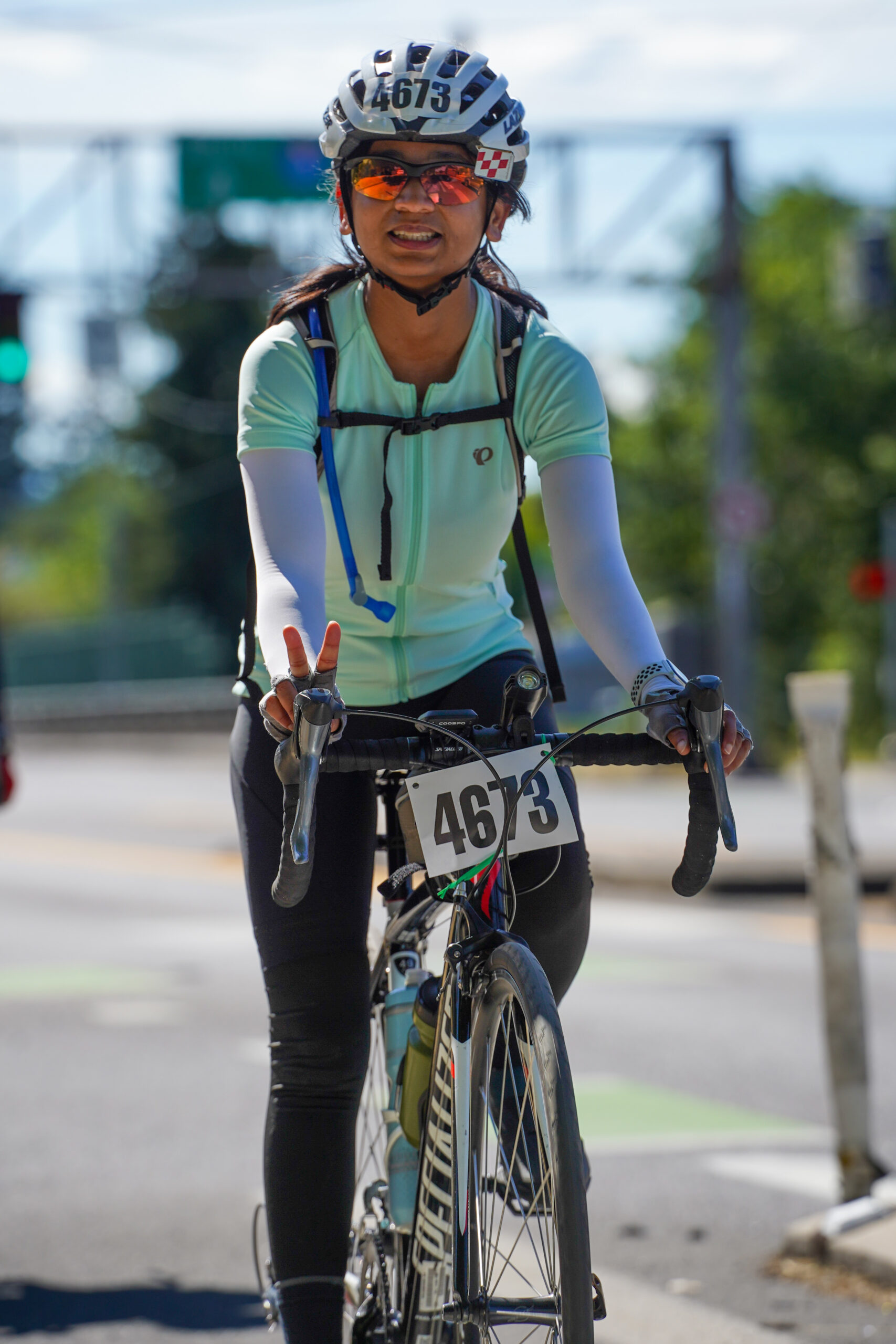
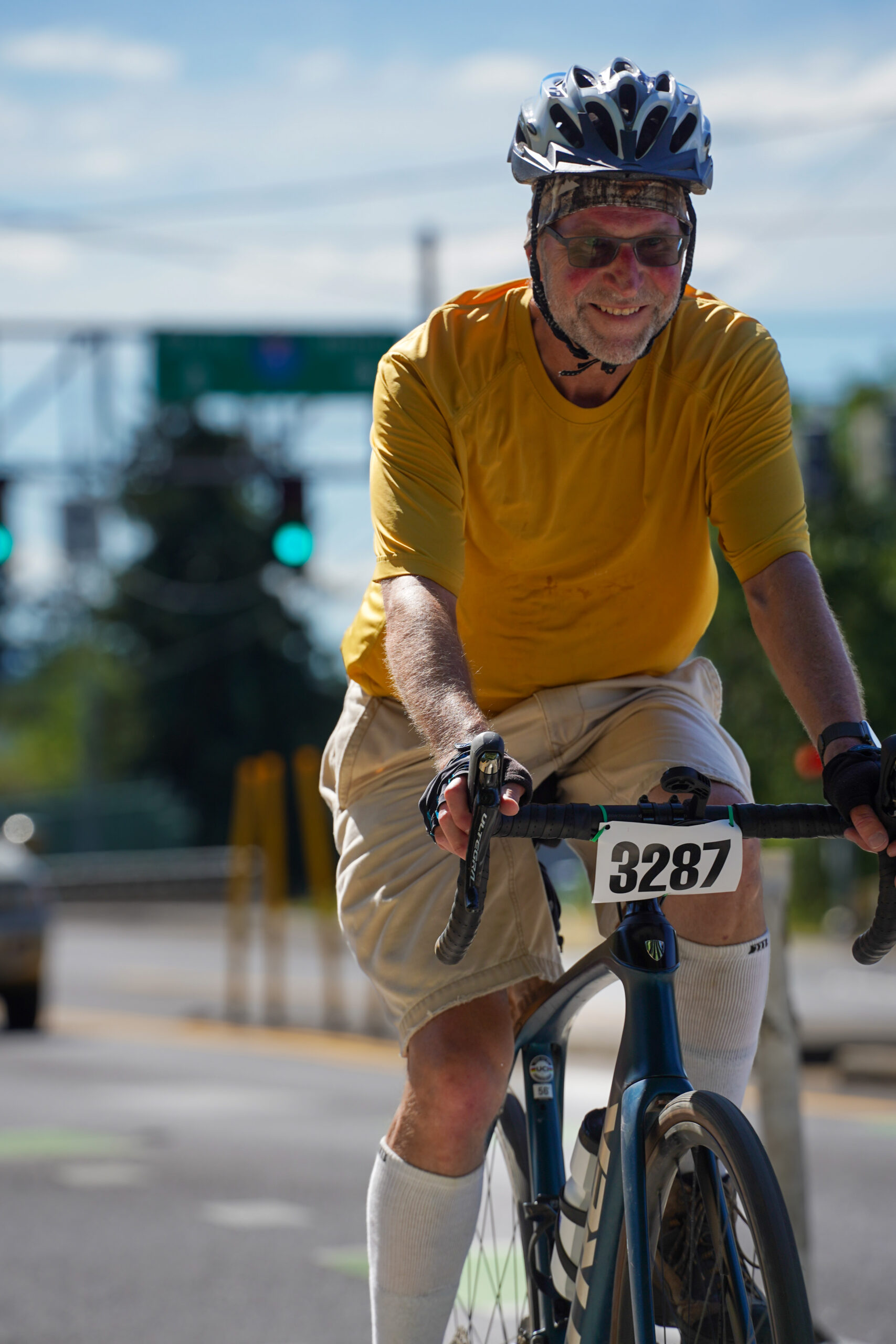
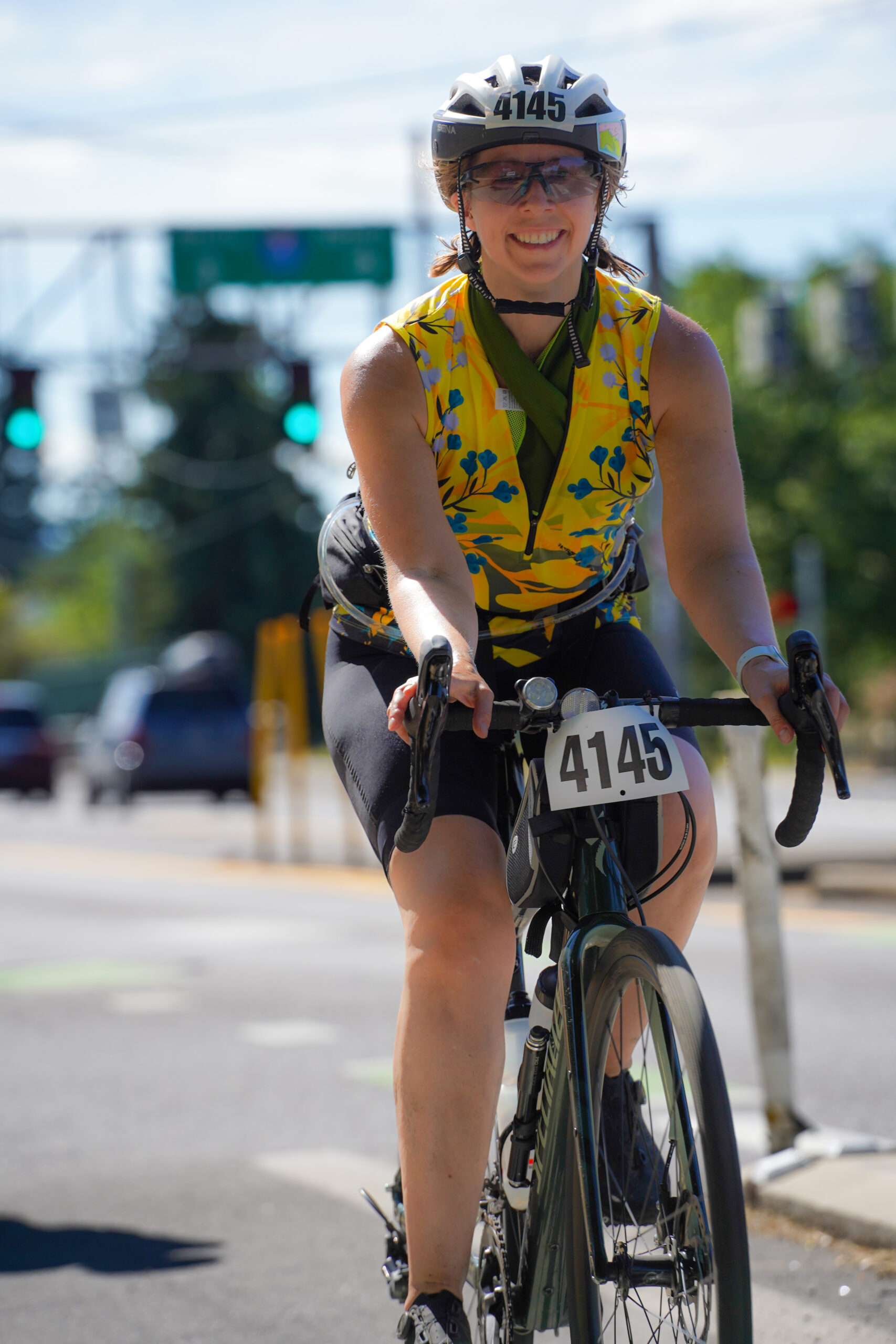
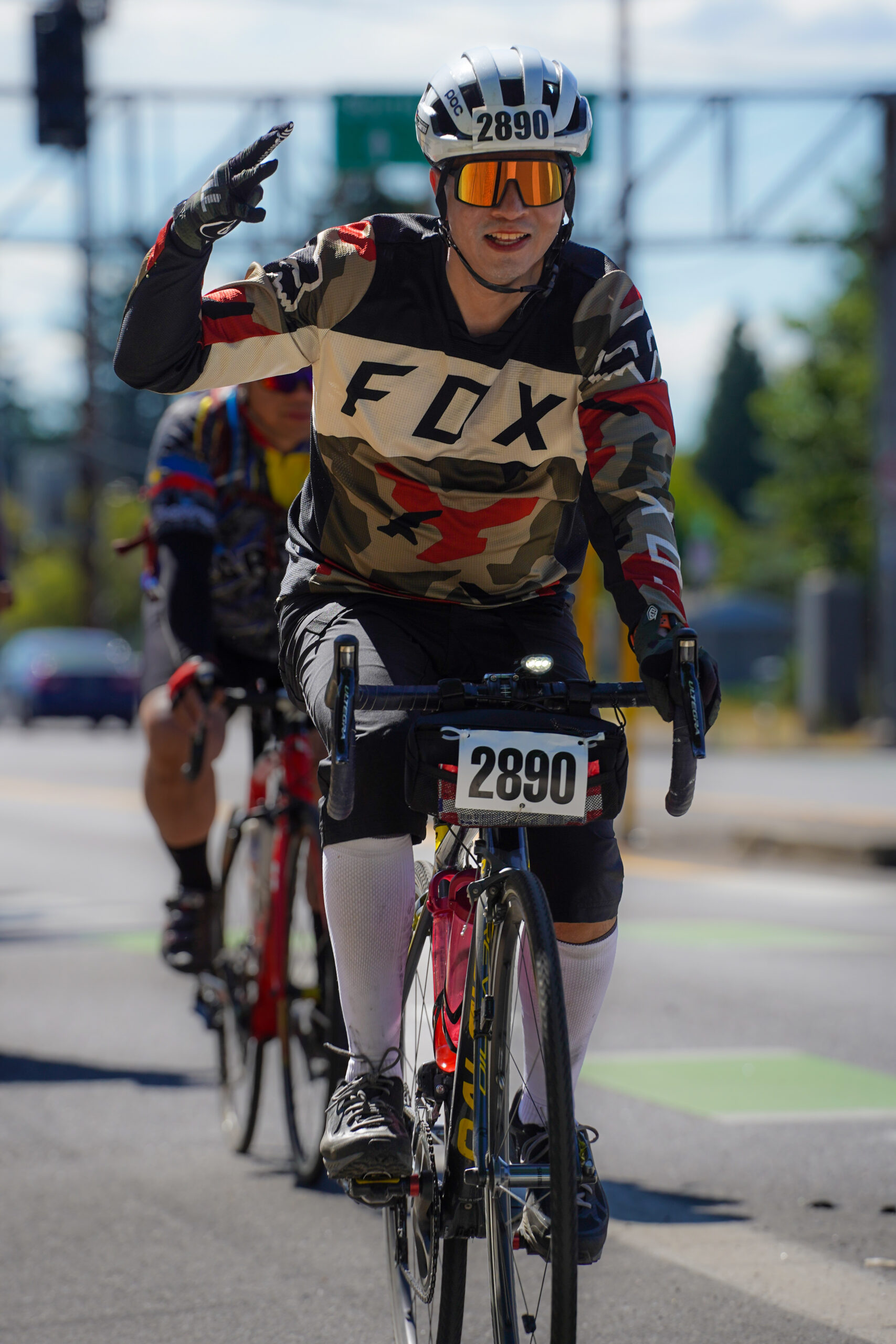
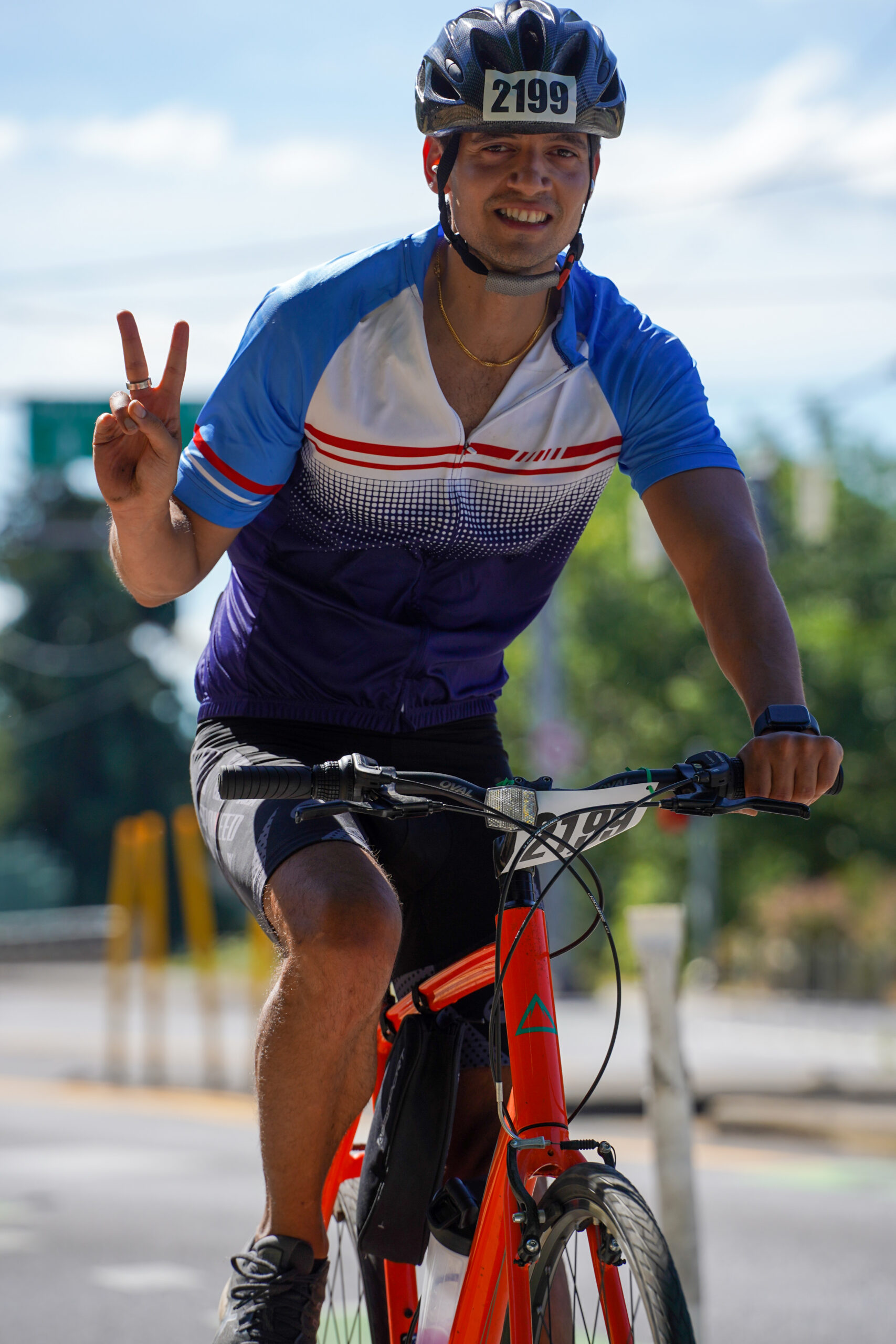
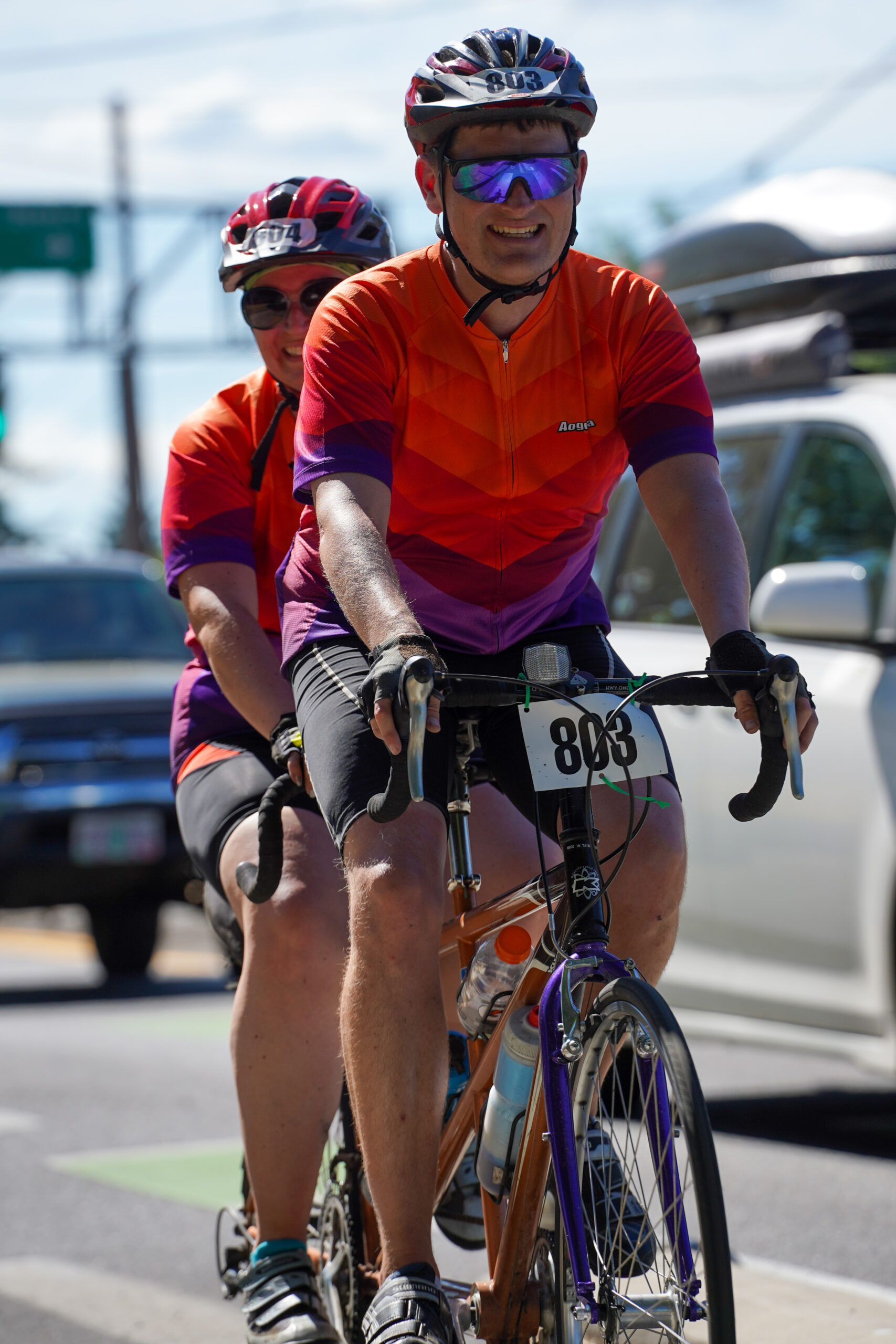
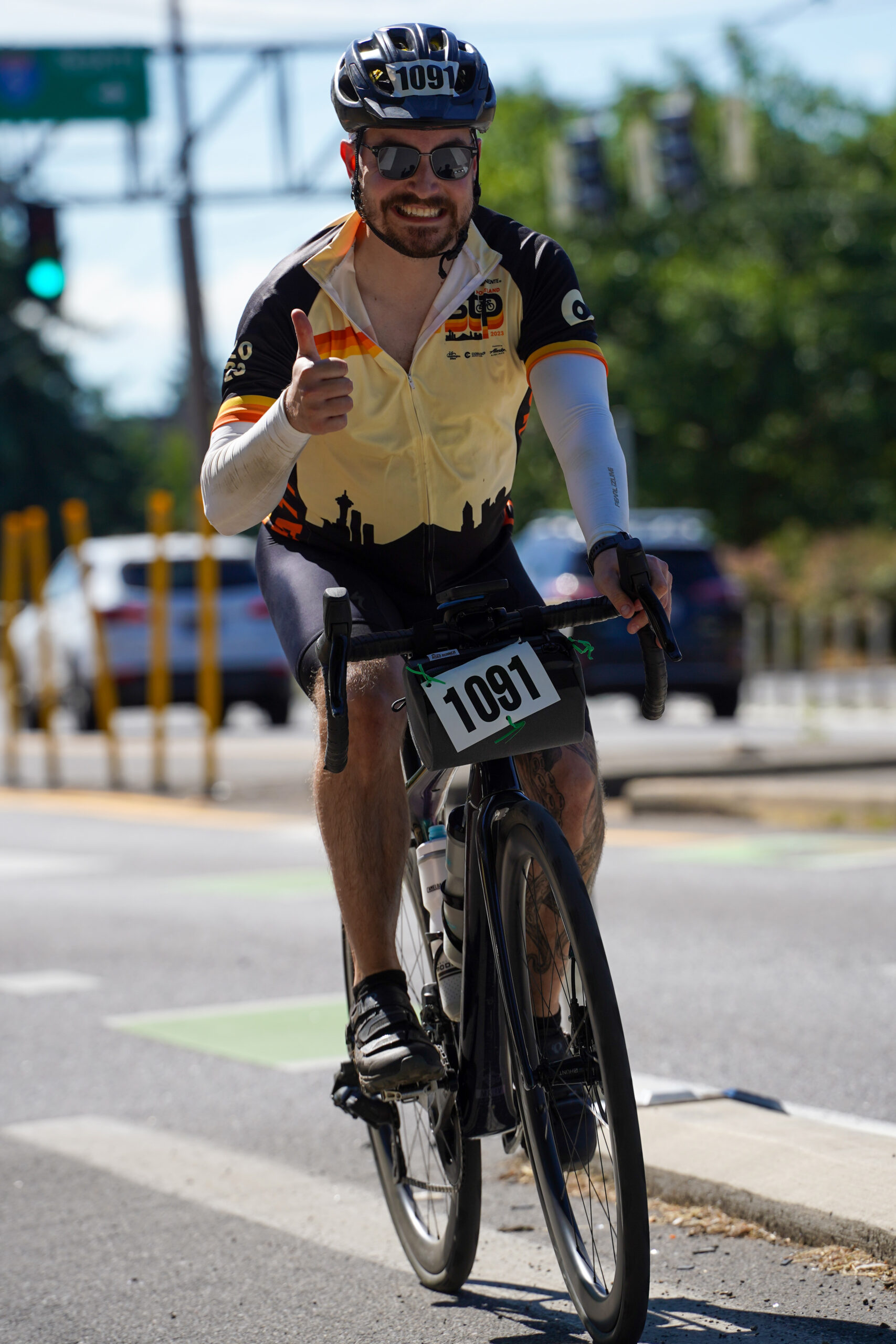
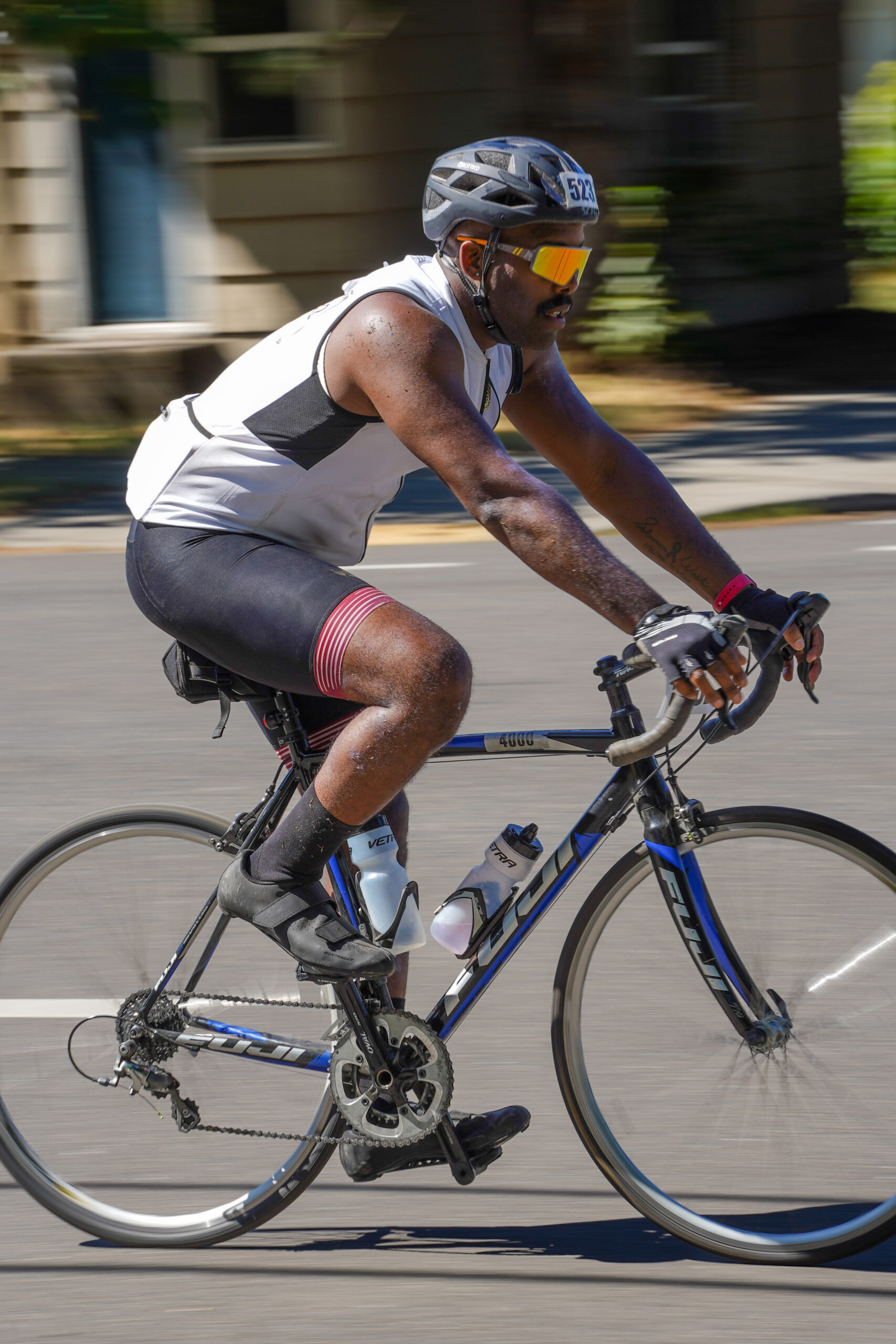
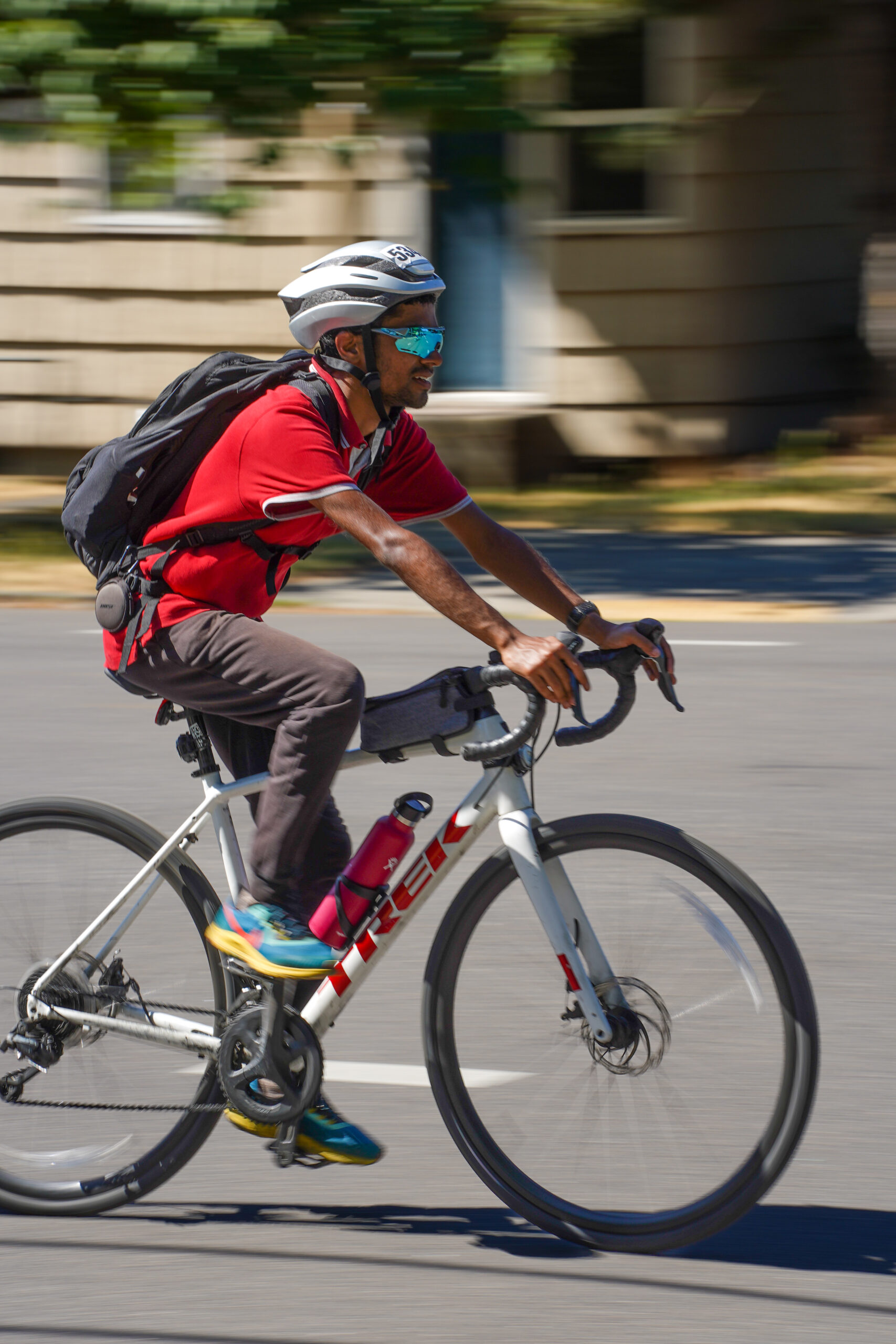
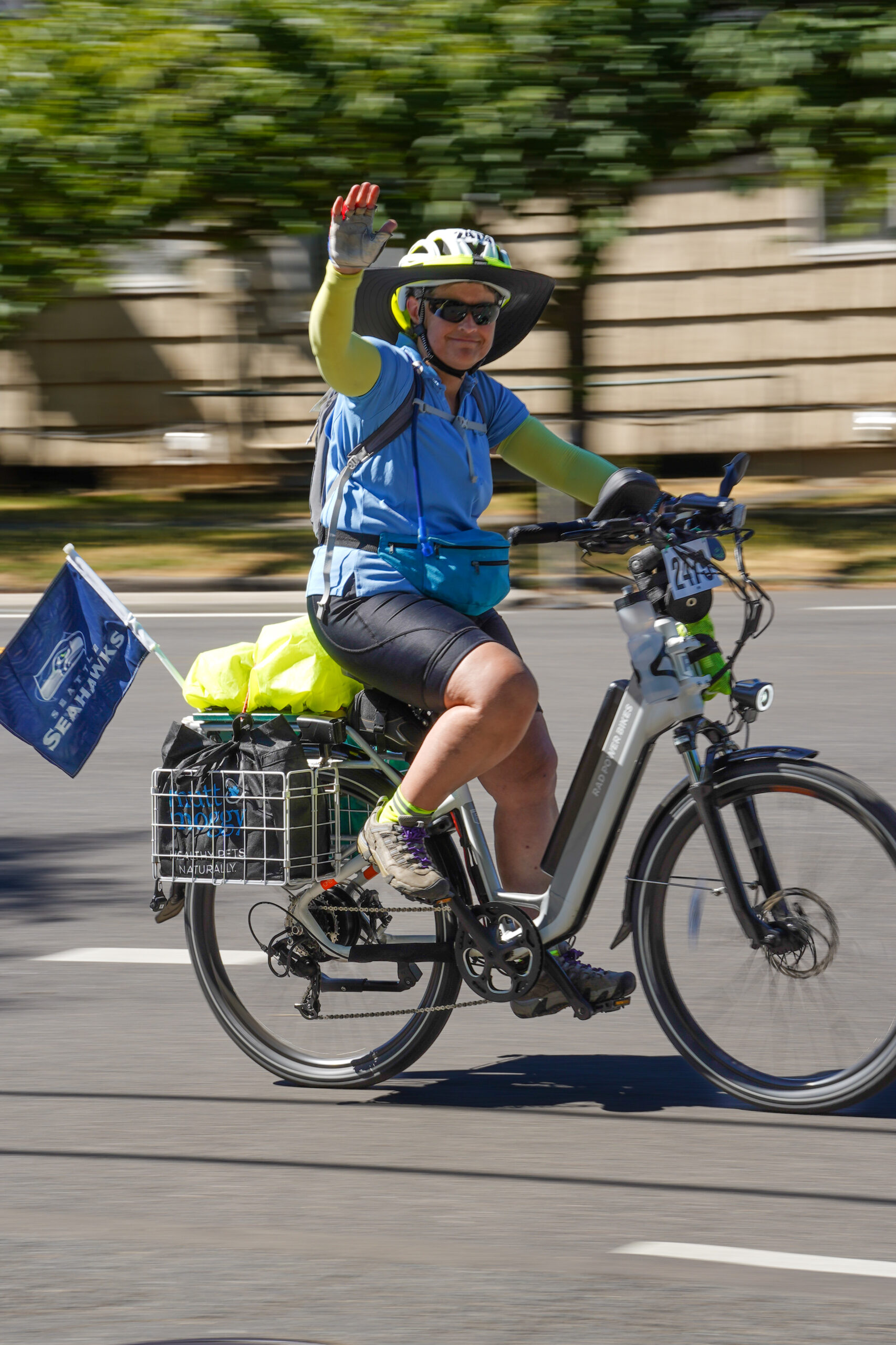
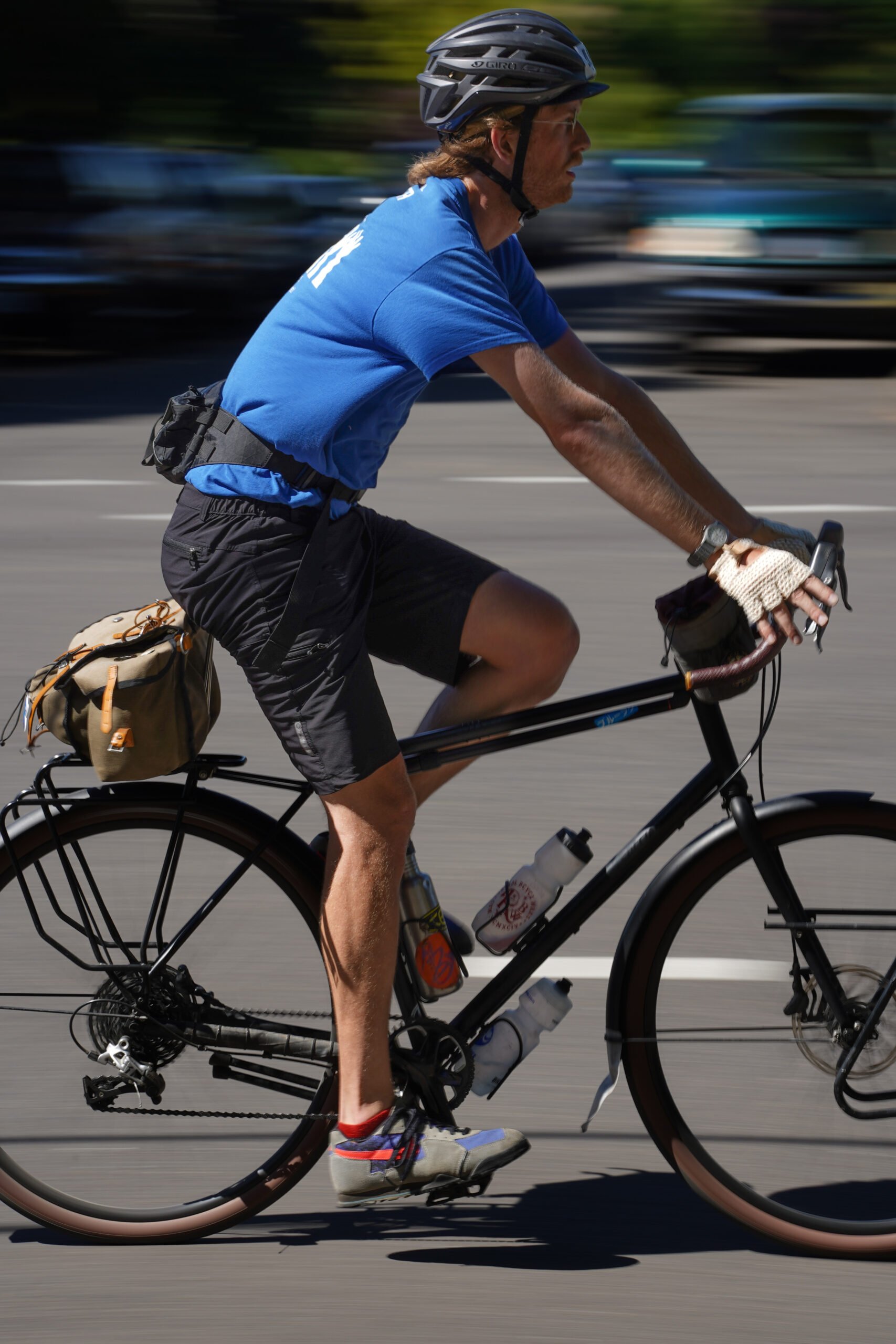
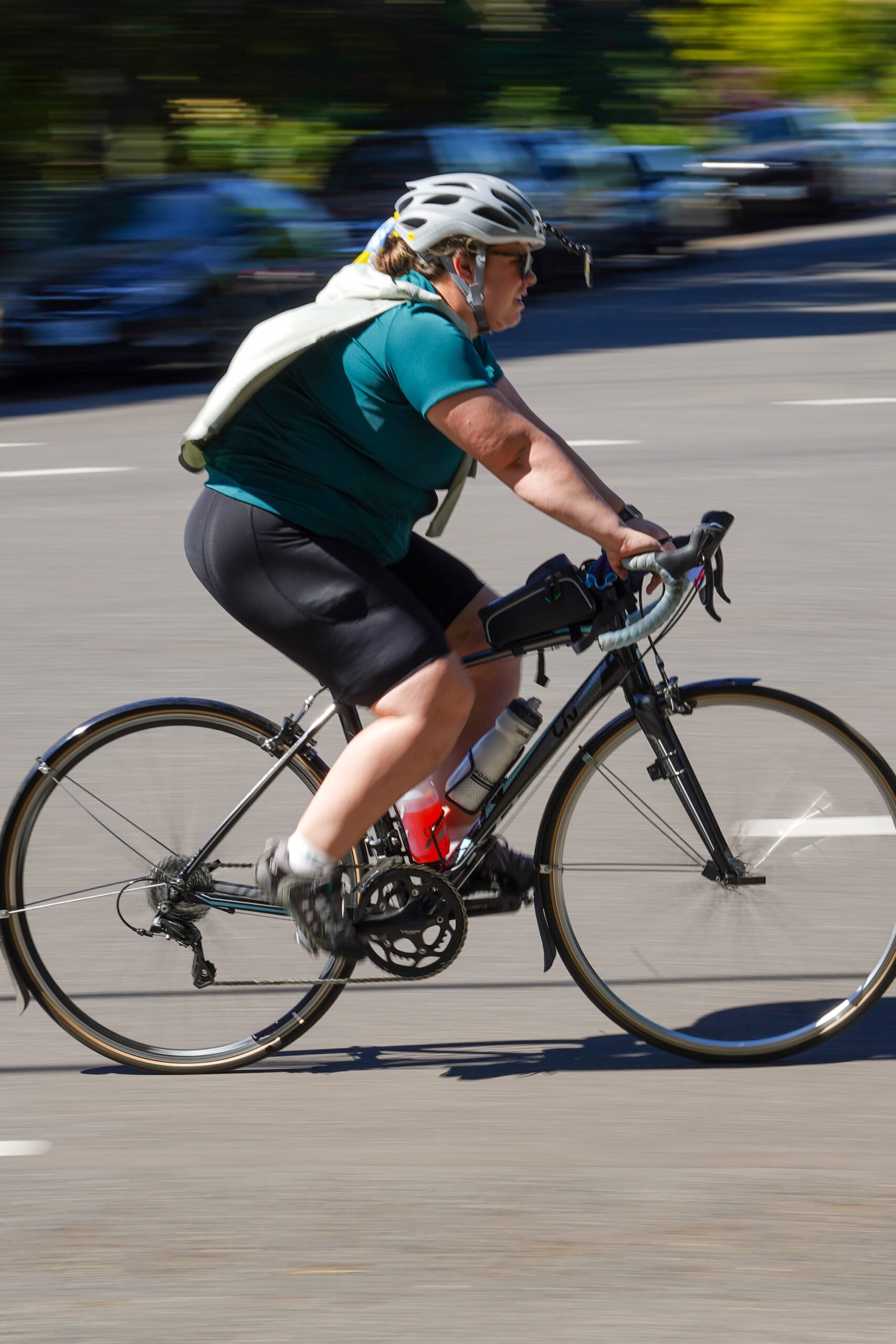
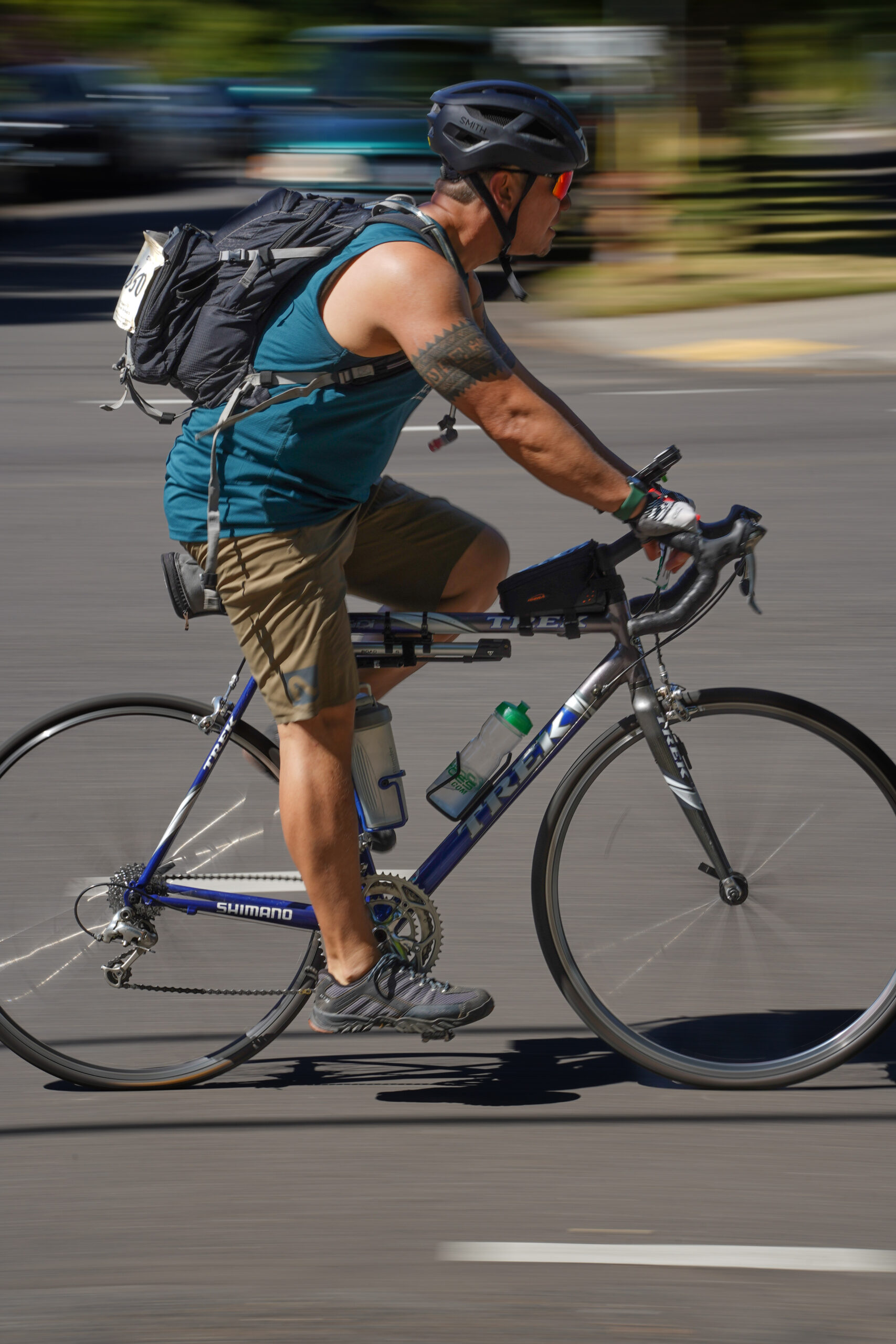
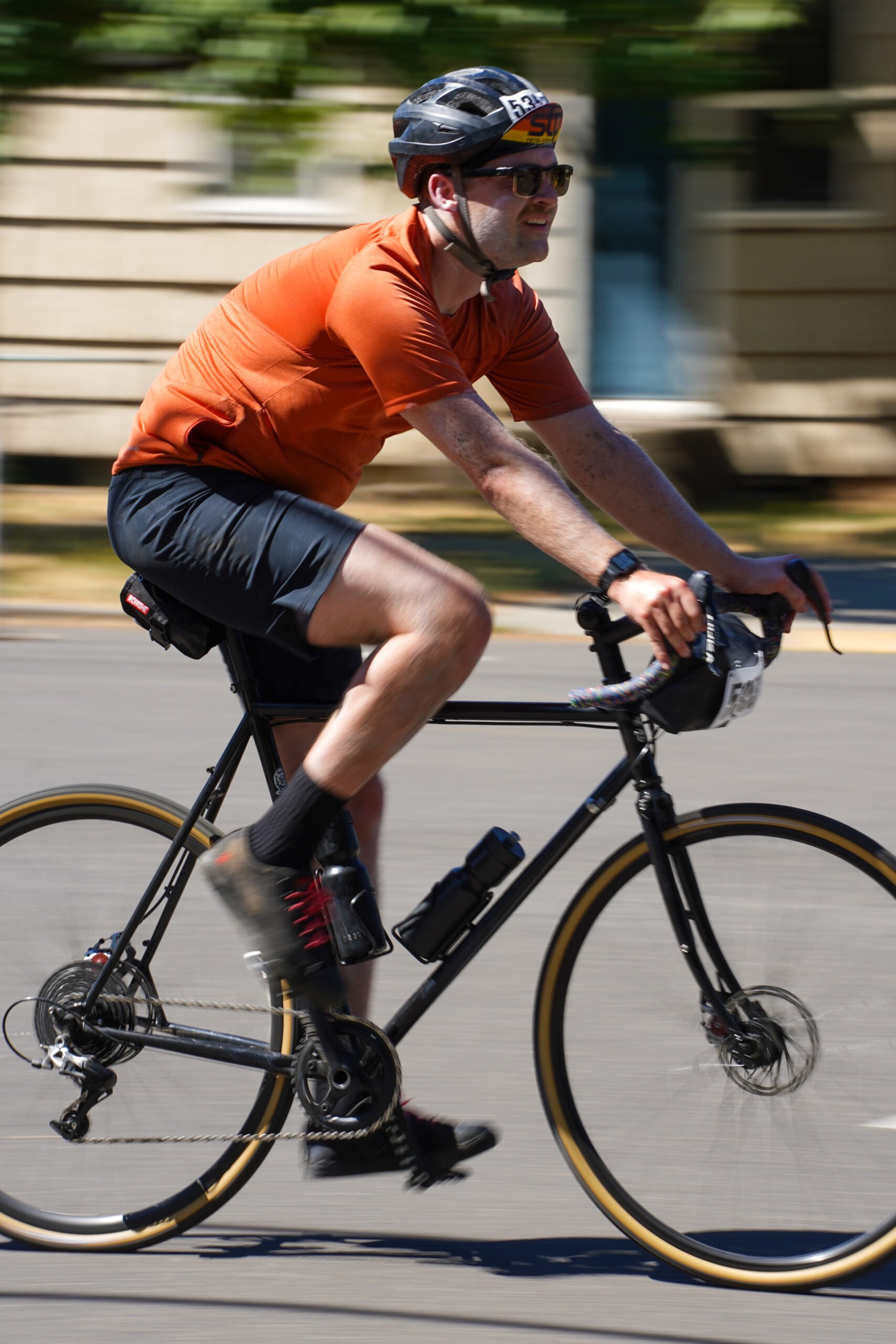
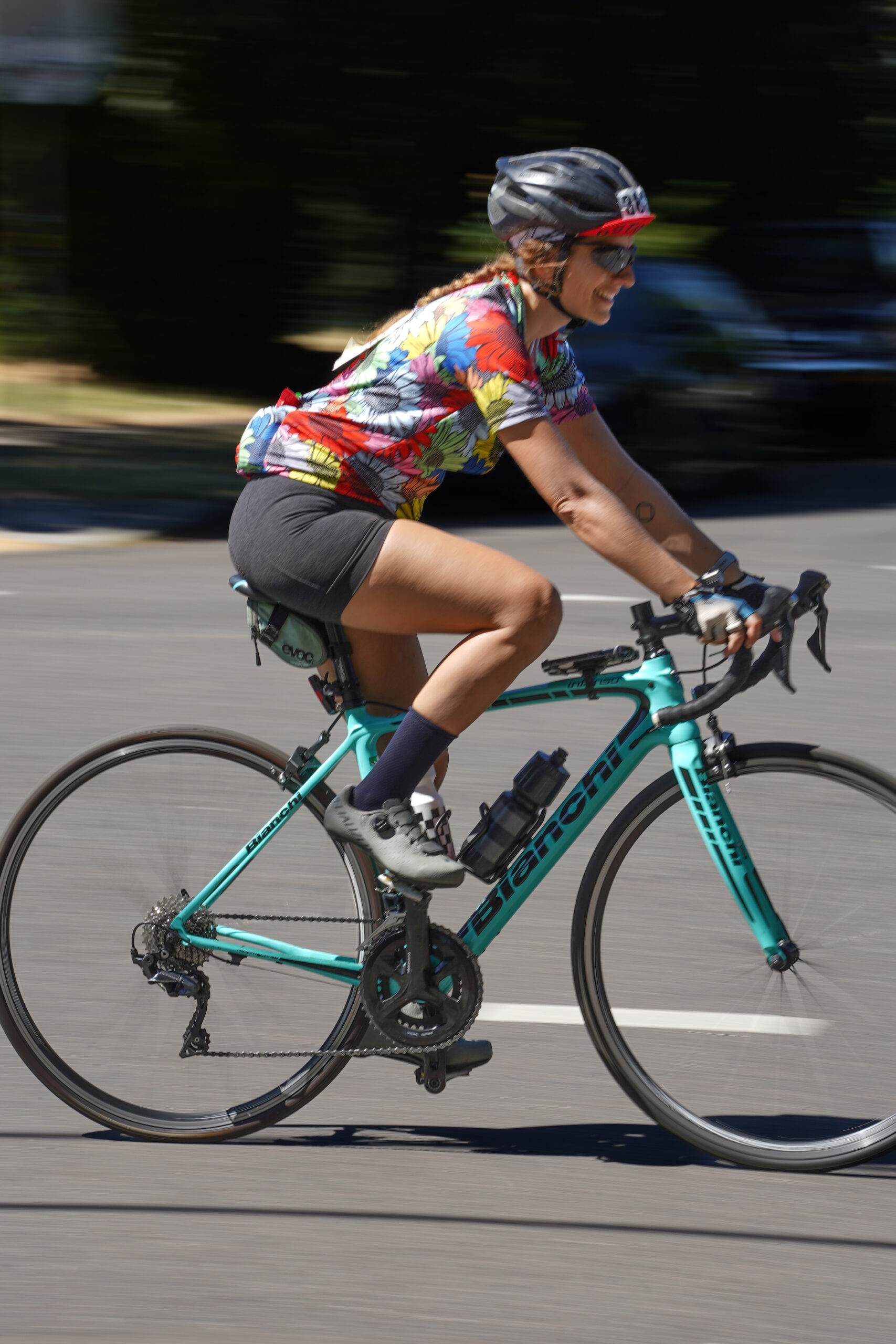
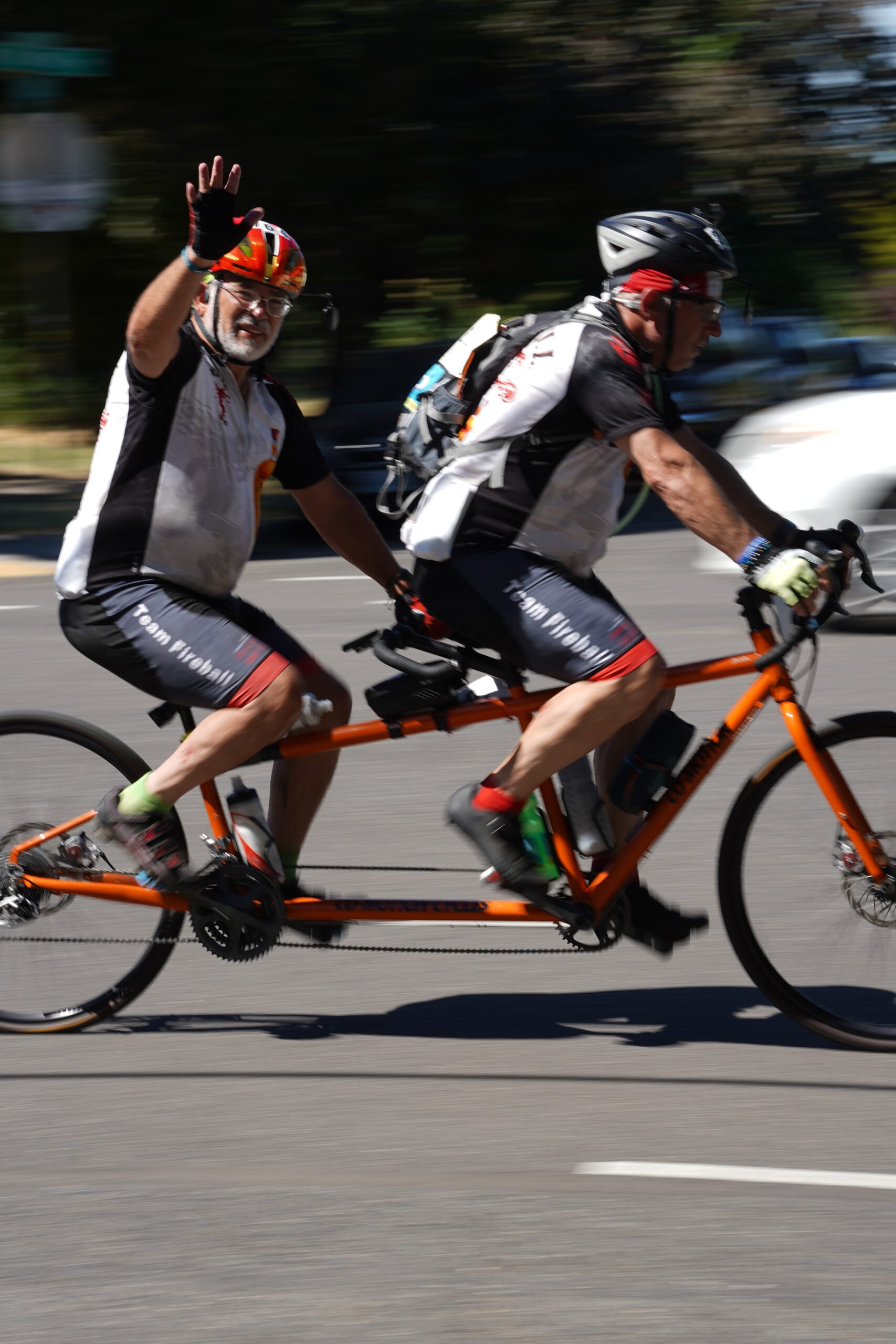
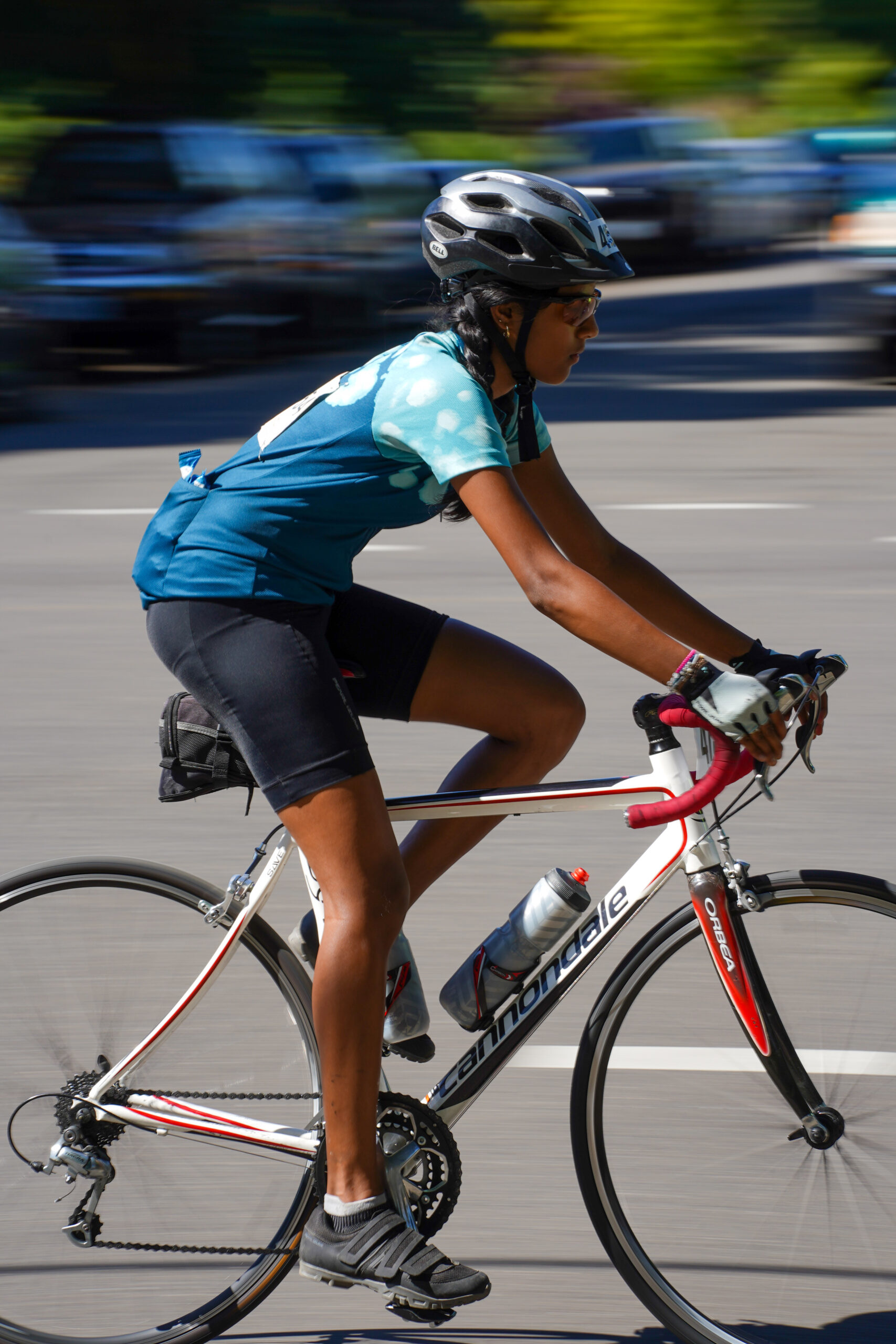
5,500 people biked into Portland this weekend for the 44th annual Seattle to Portland ride. STP, as it’s known by locals, is such an institution around here it’s almost a rite of passage. The ride is a fundraiser for its organizer, Cascade Bicycle, a large cycling advocacy nonprofit group based in Washington.
The 200+ mile route comes right by my house near Peninsula Park in north Portland as riders pedal the last four miles before the big finish line party at Holladay Park in the Lloyd. Every year I walk to the corner and watch them roll in. It’s always an inspiration to see so many beautiful people of all shapes, sizes, colors, and ages roll by.
Check out the photo gallery below to see what a few of them looked like about four miles from the finish line.
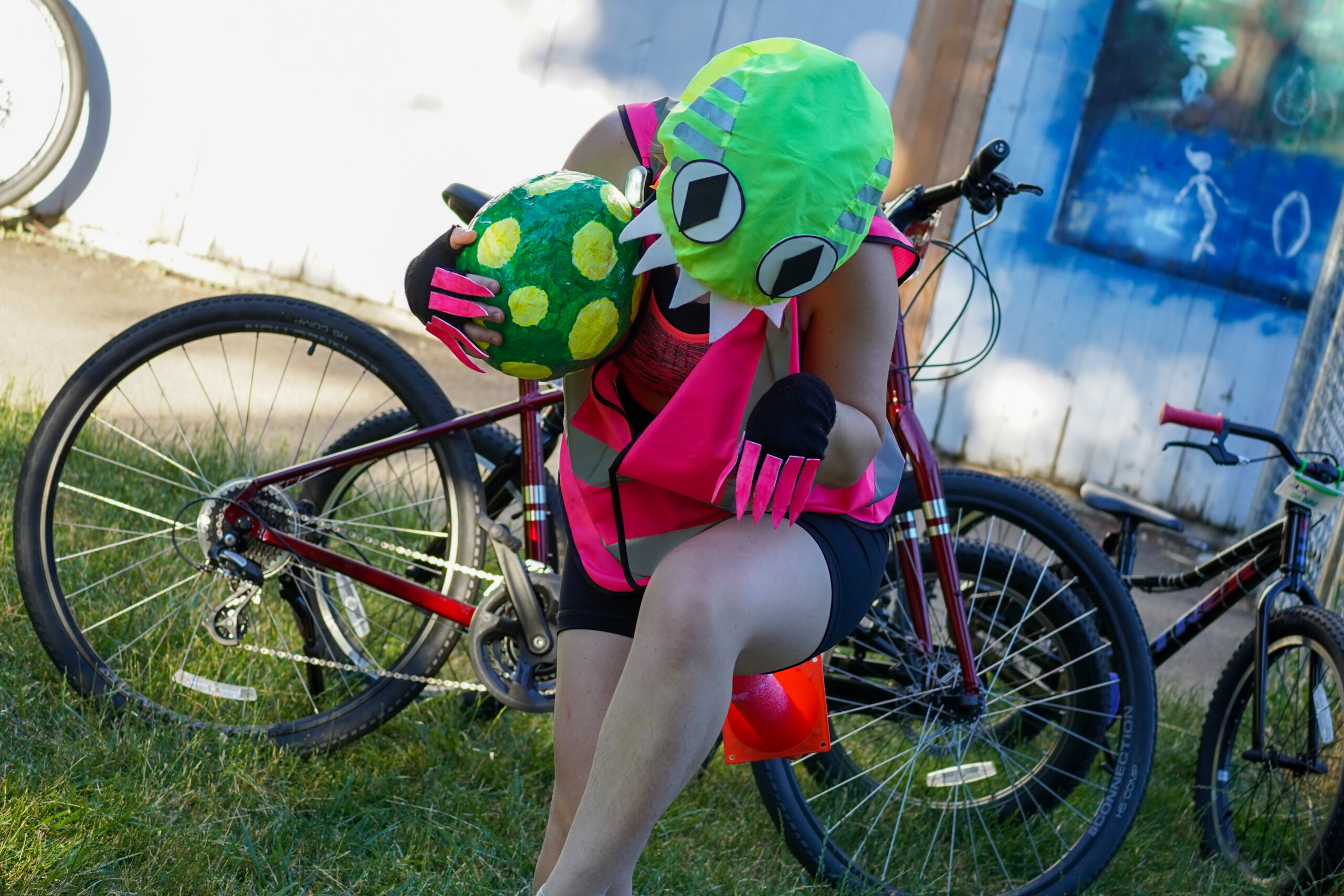
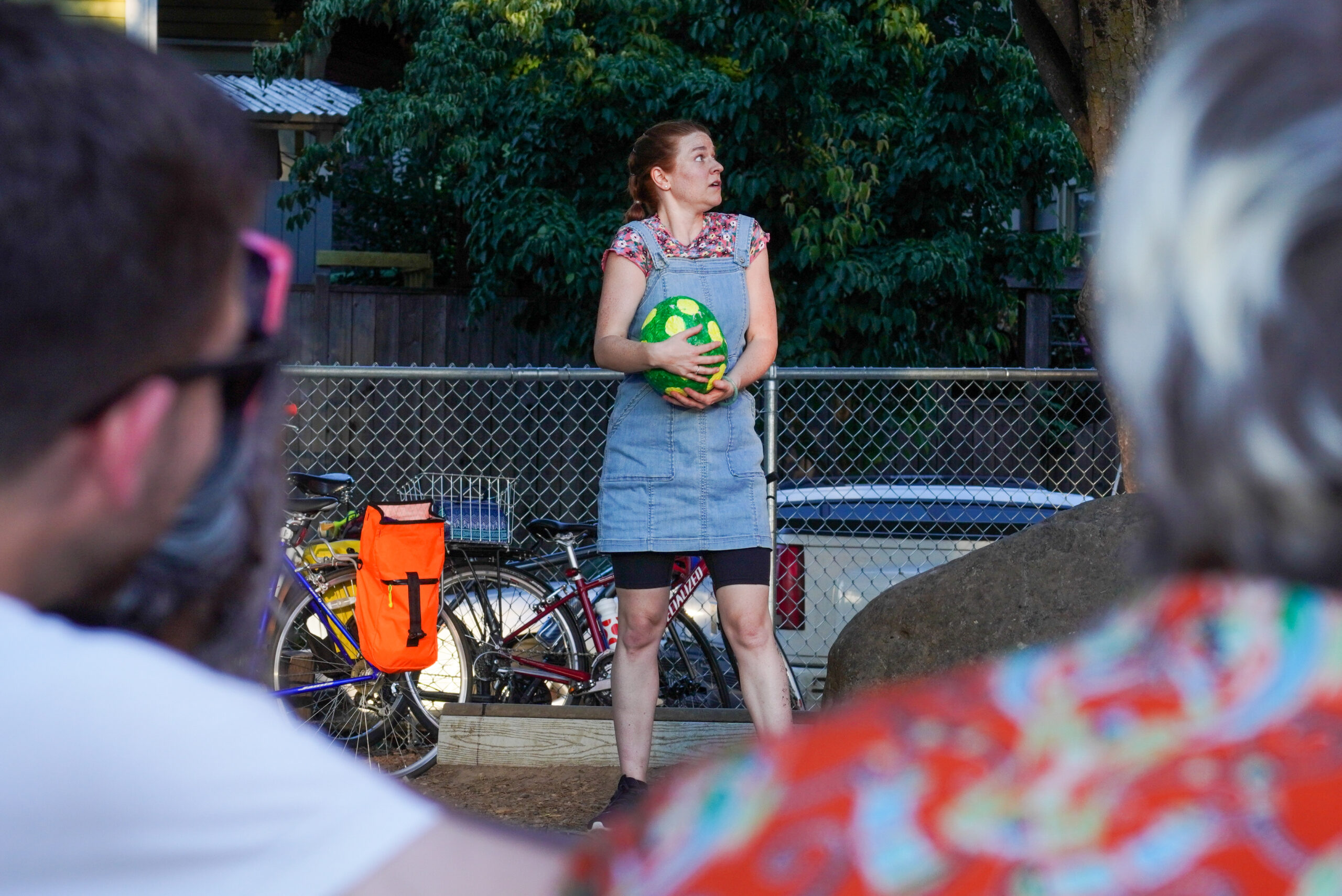
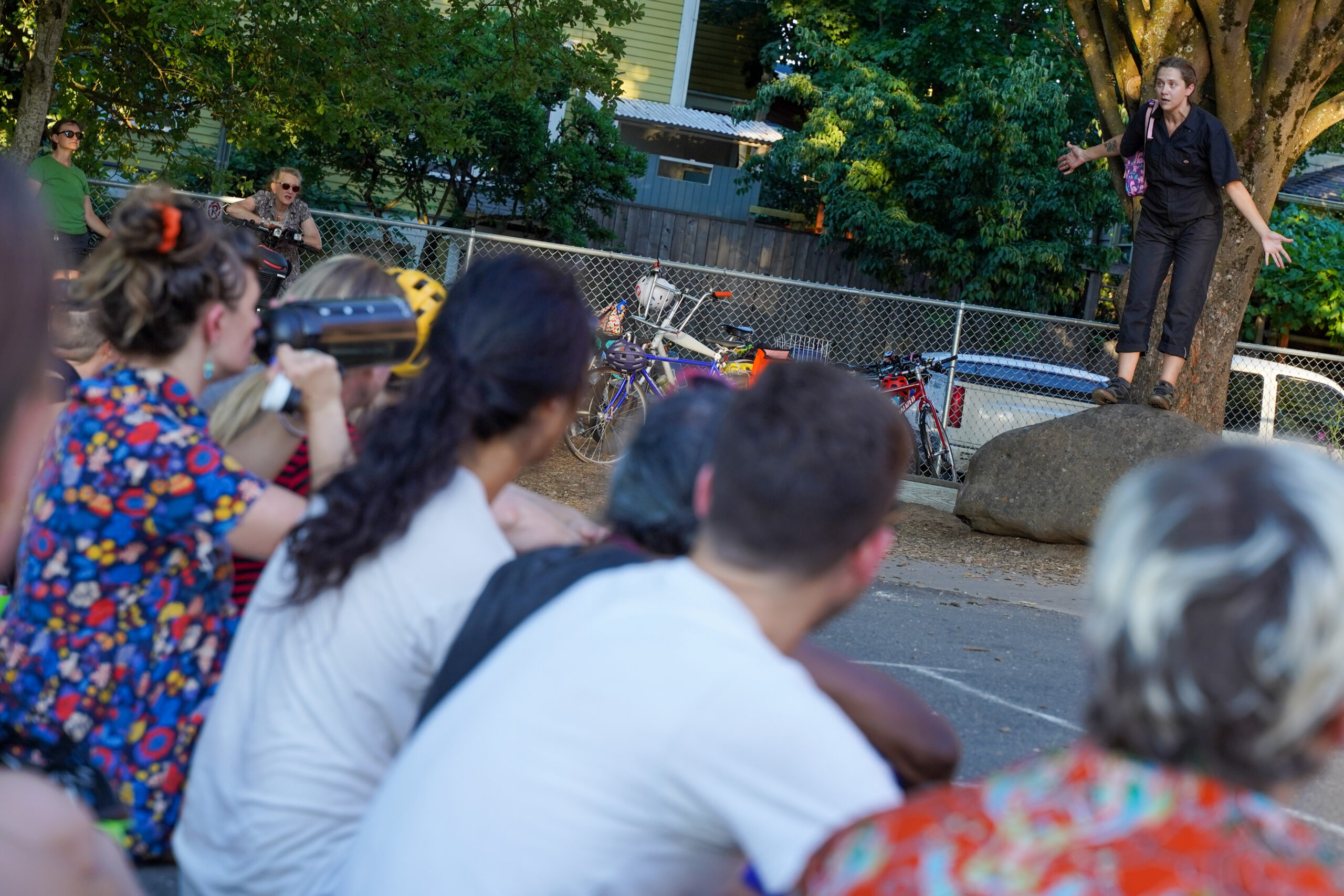
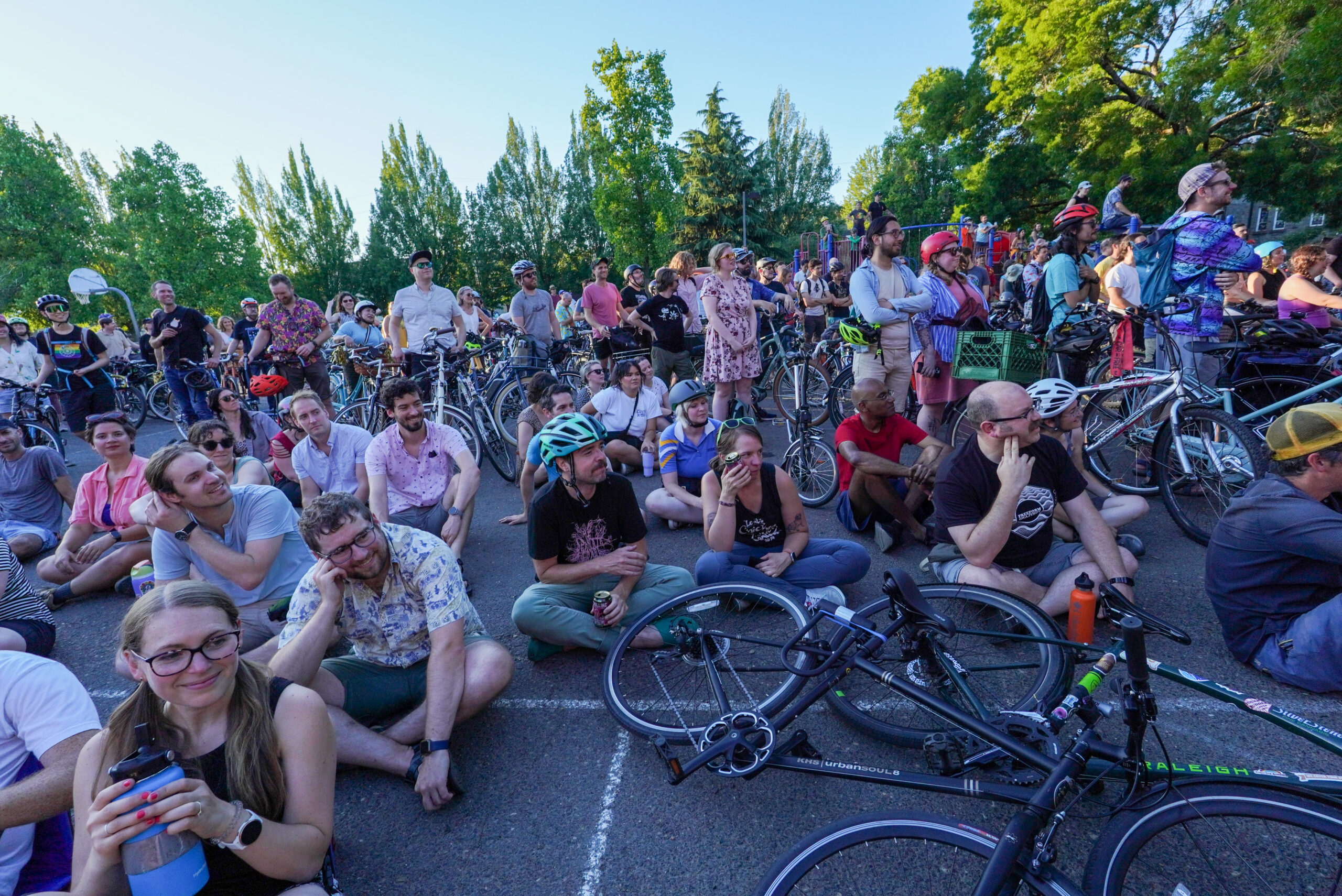
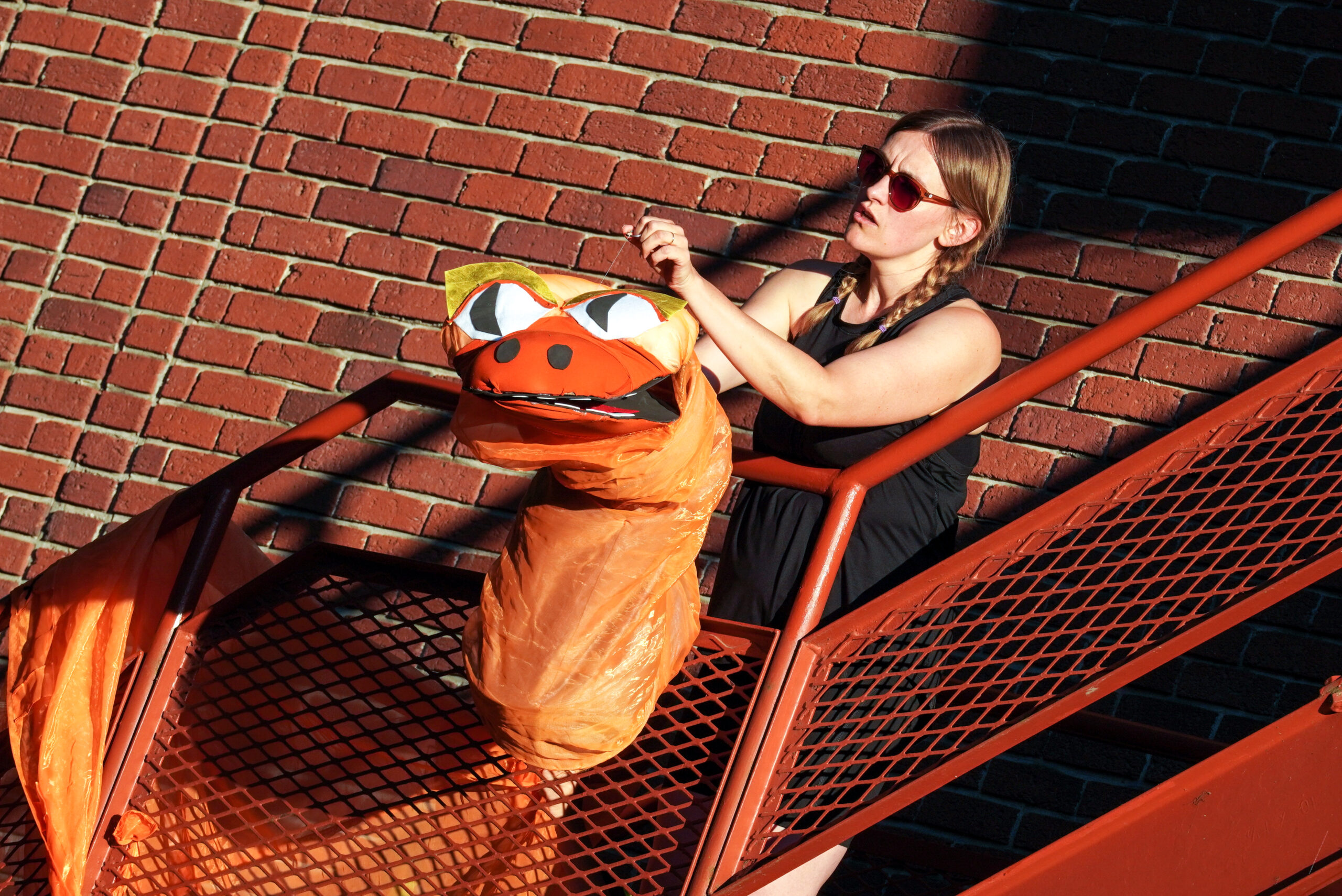
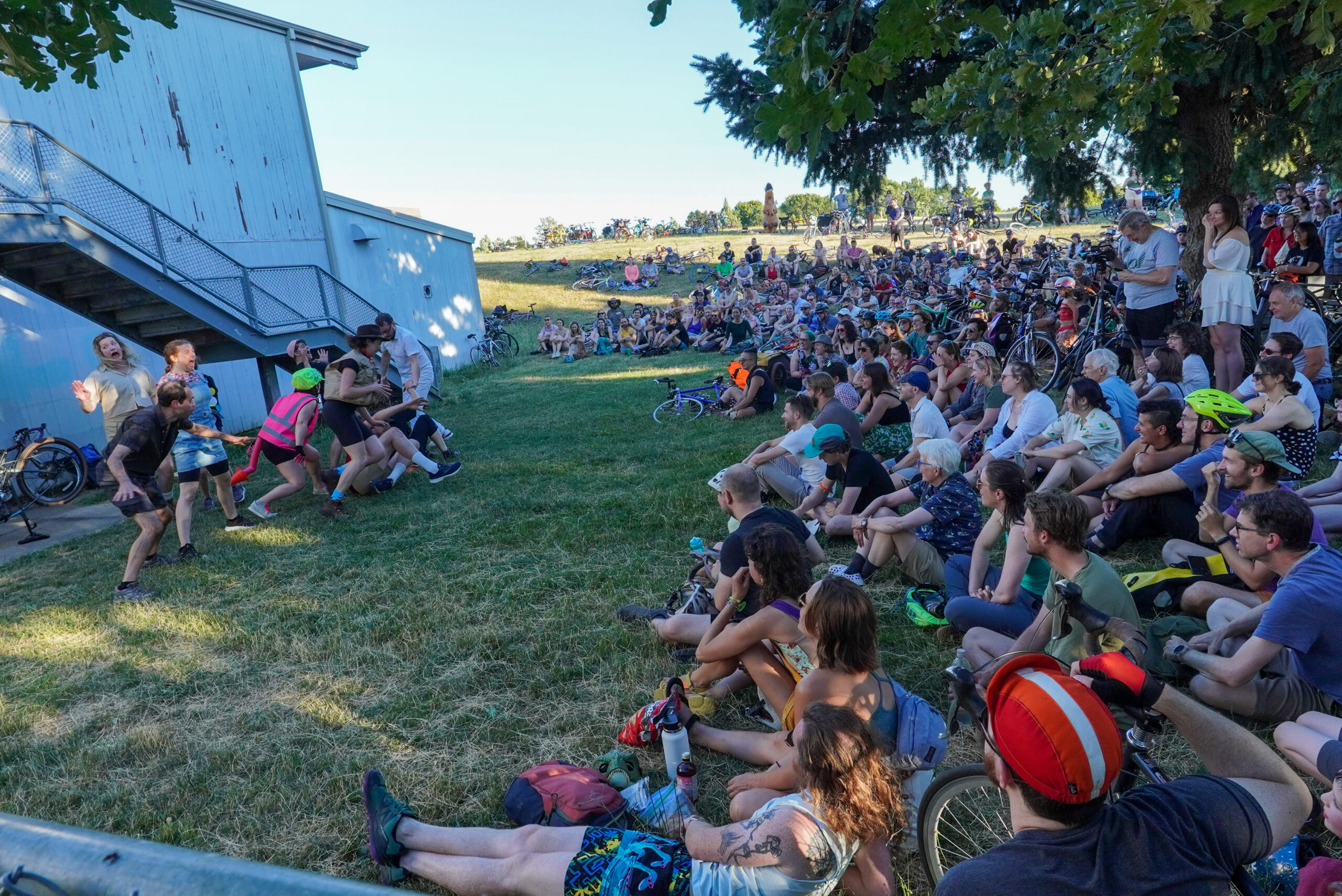
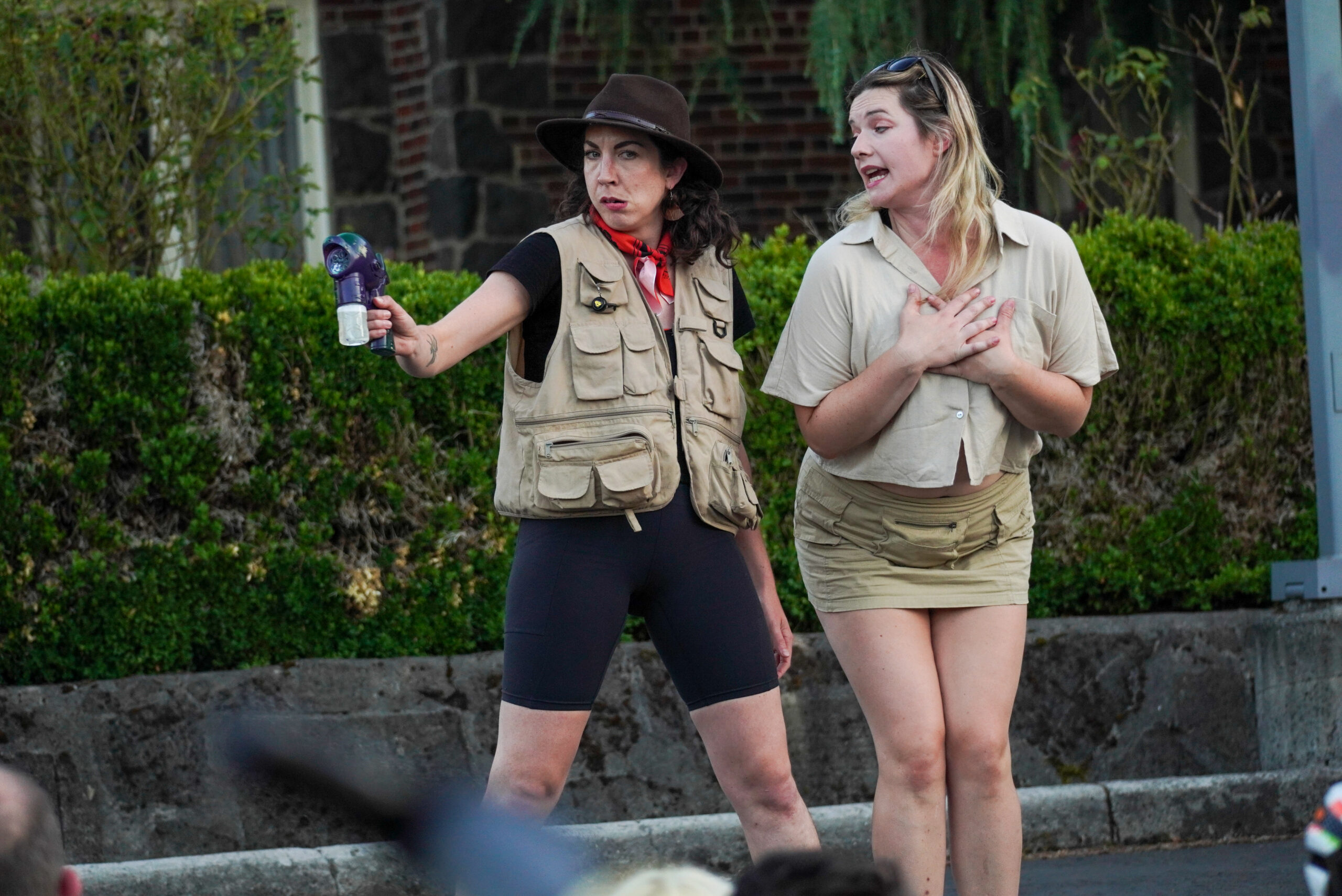
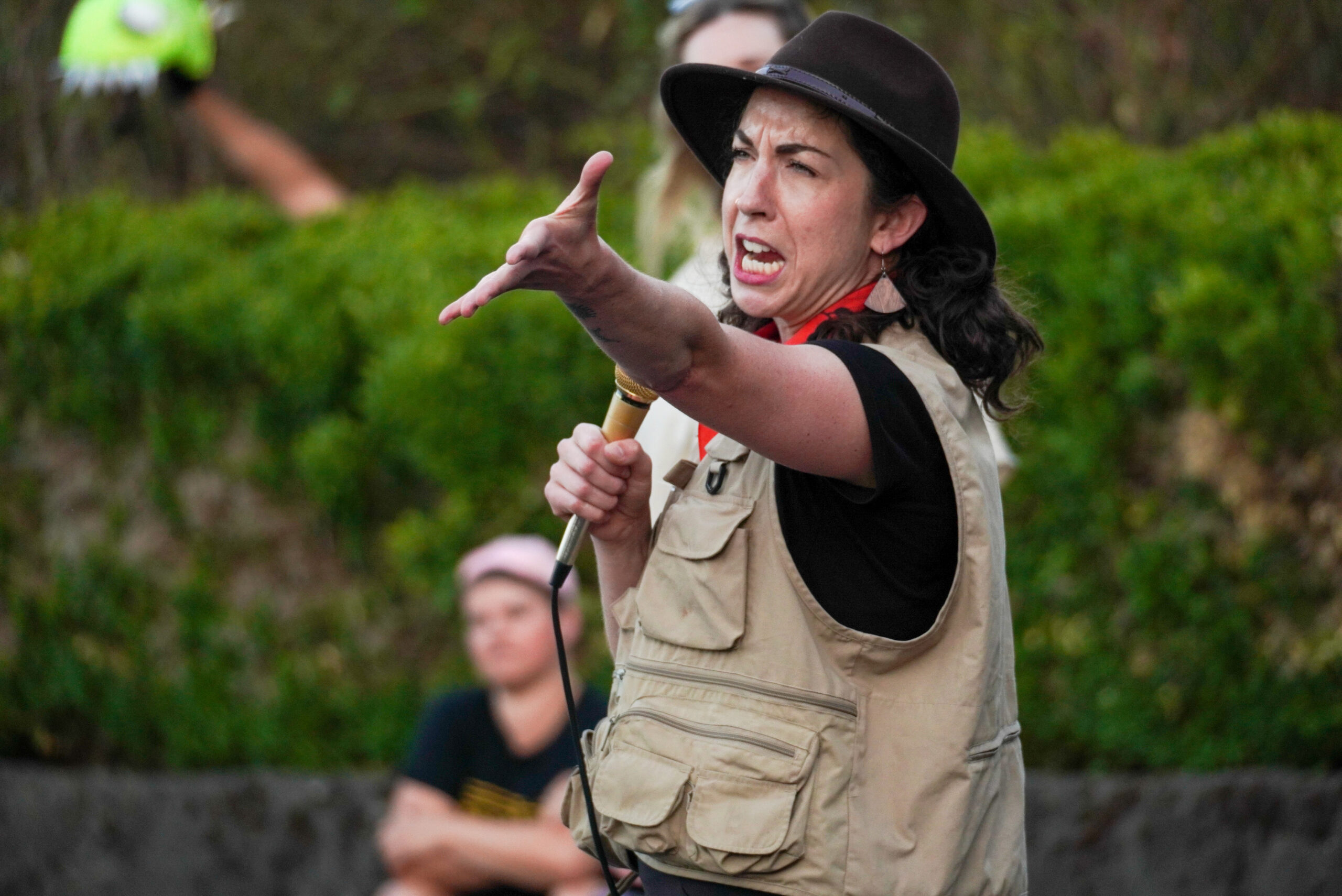
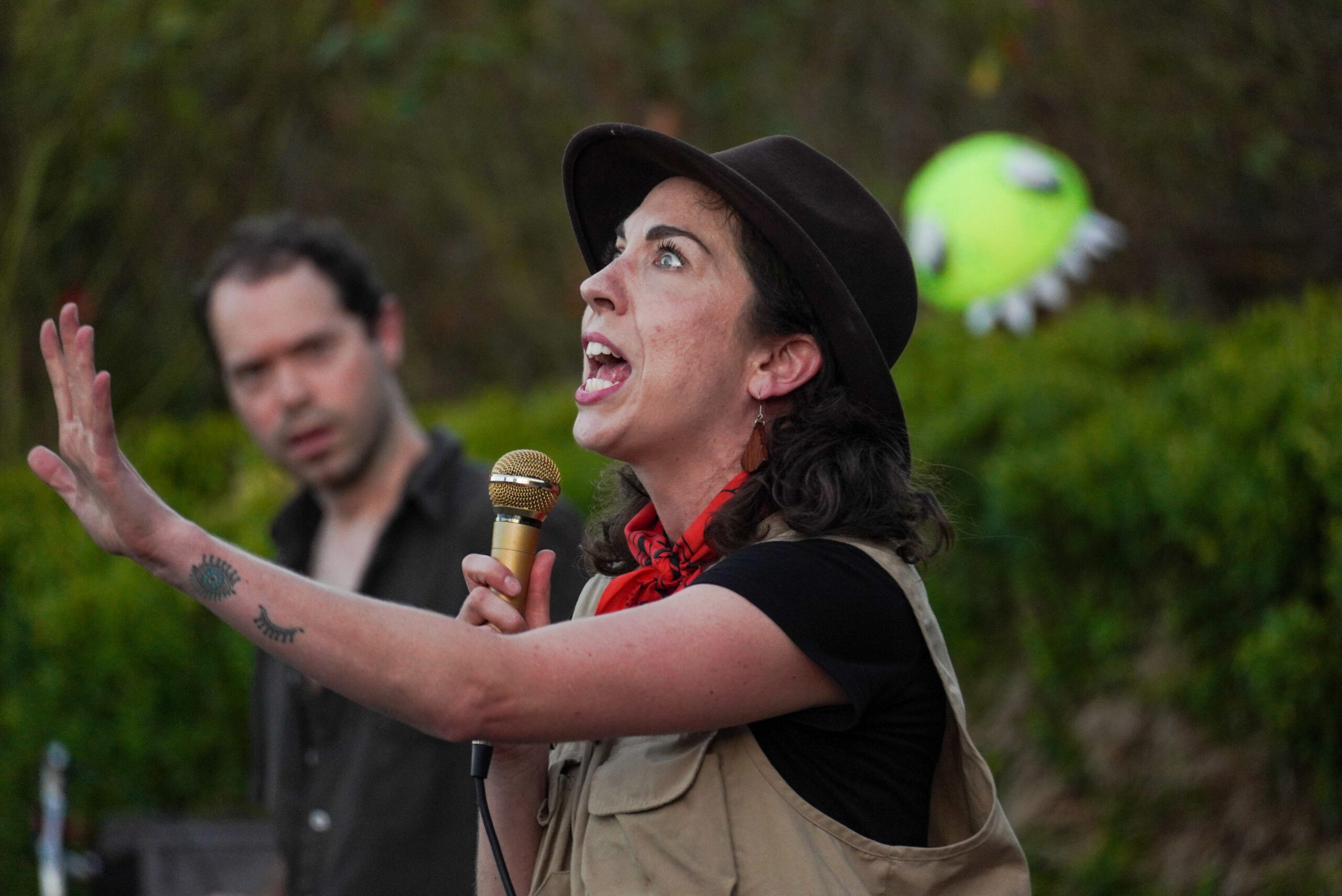
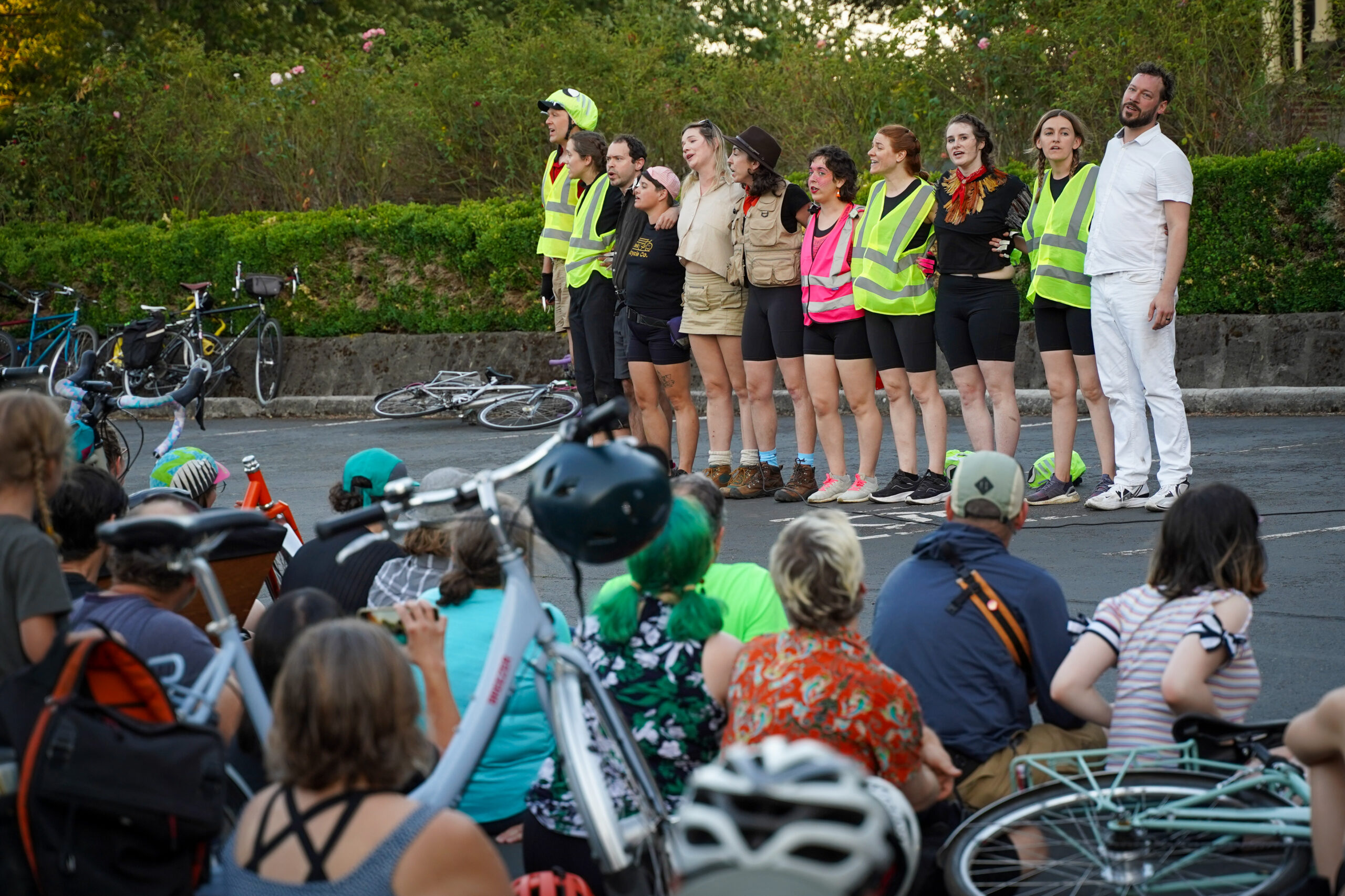
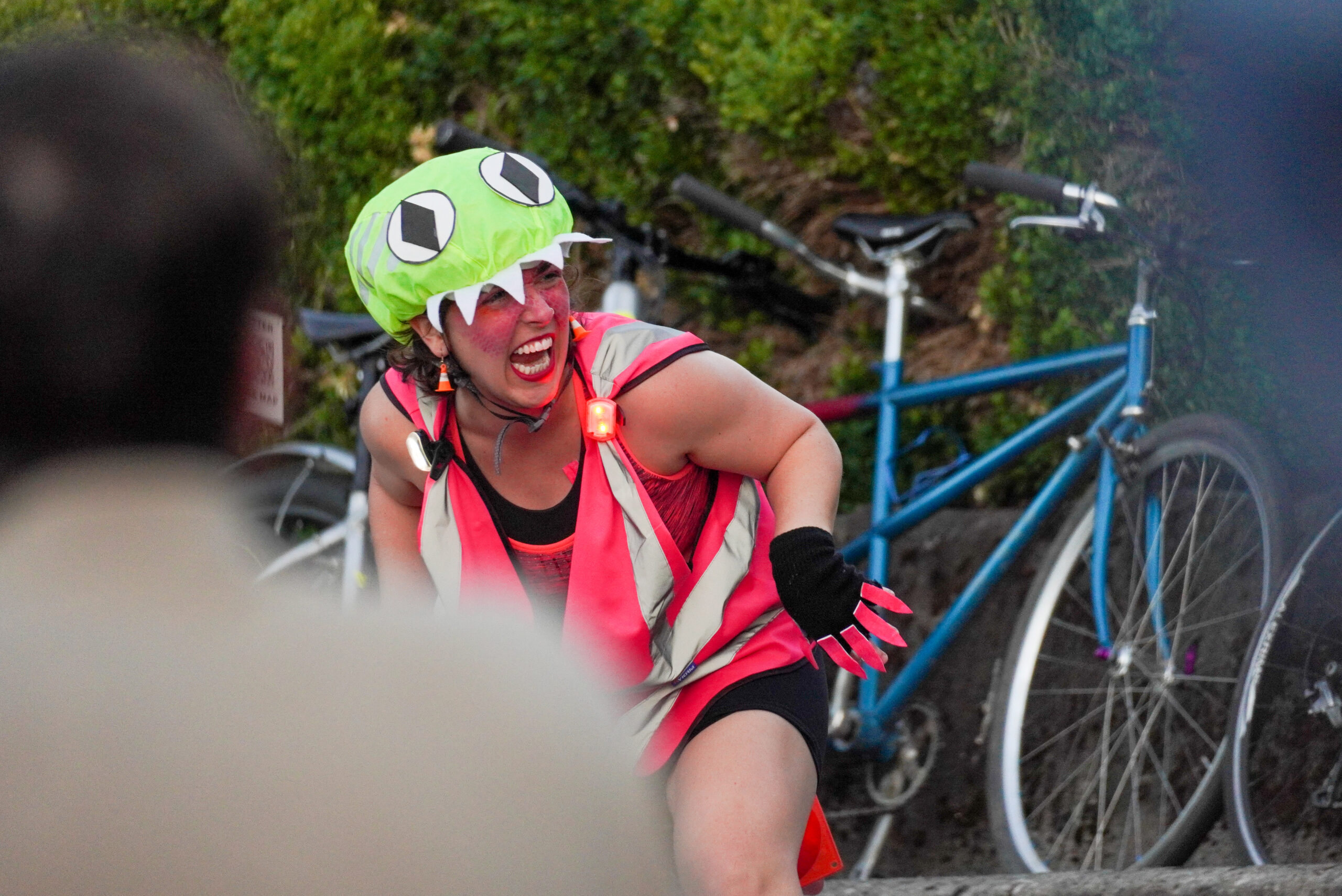
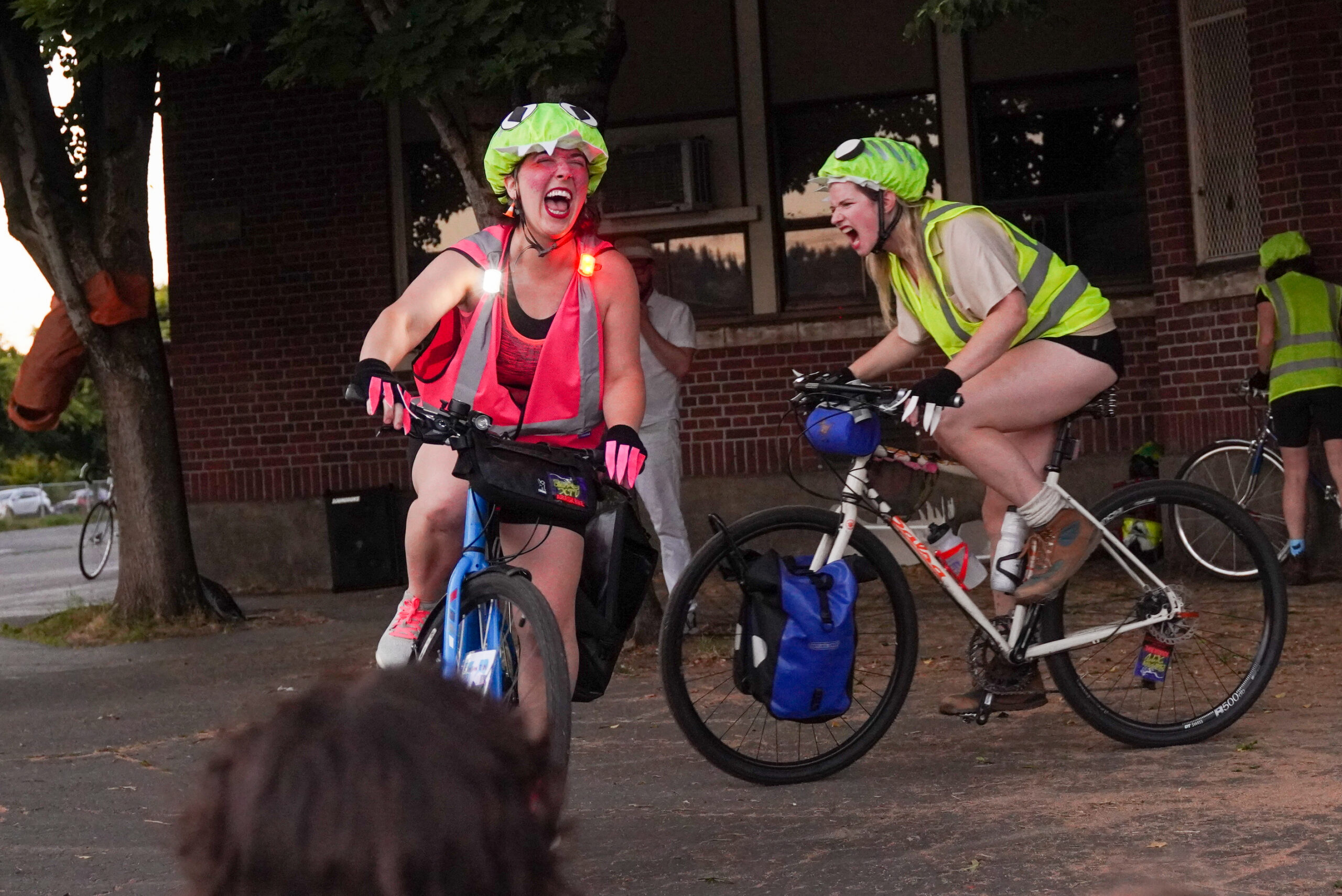
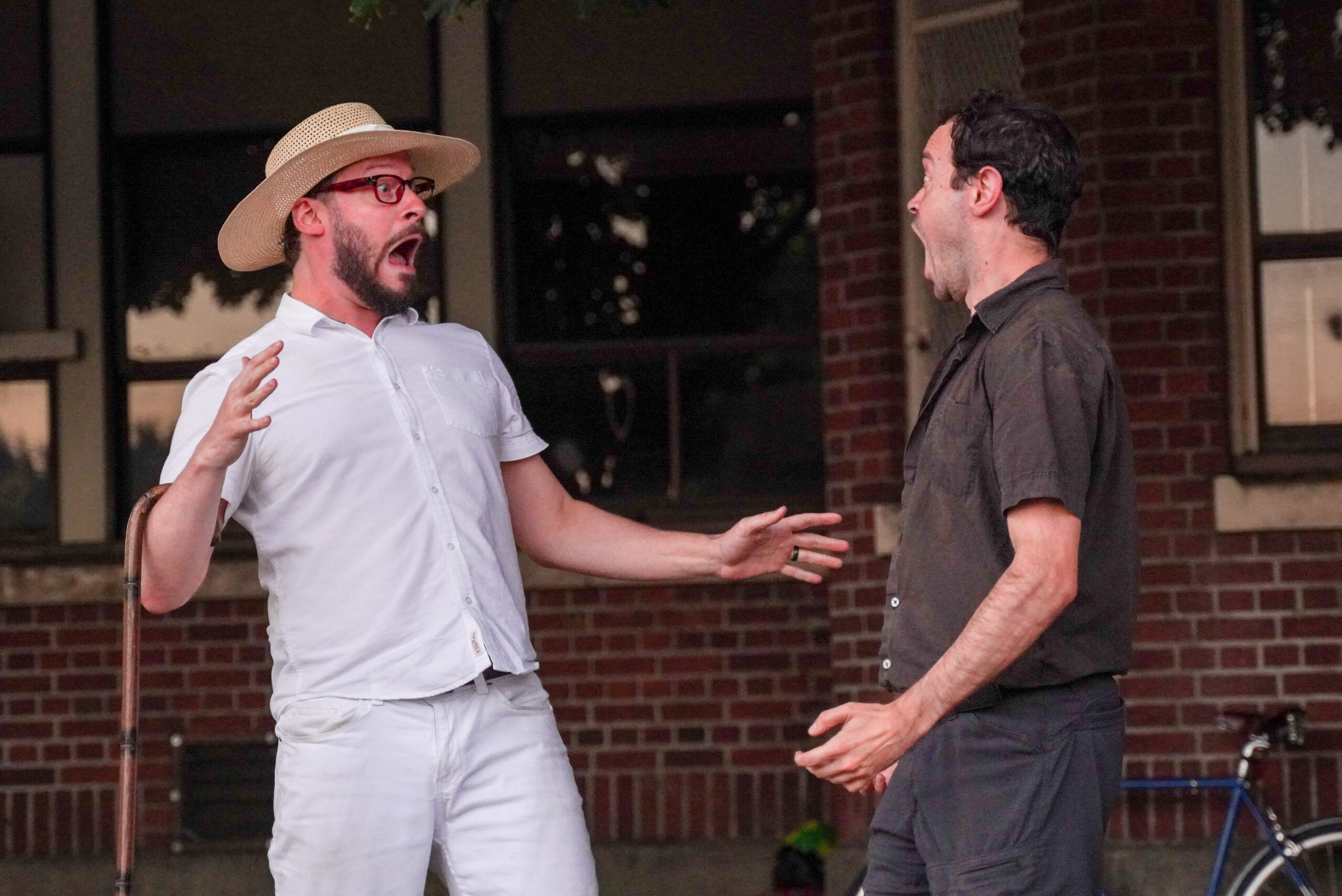
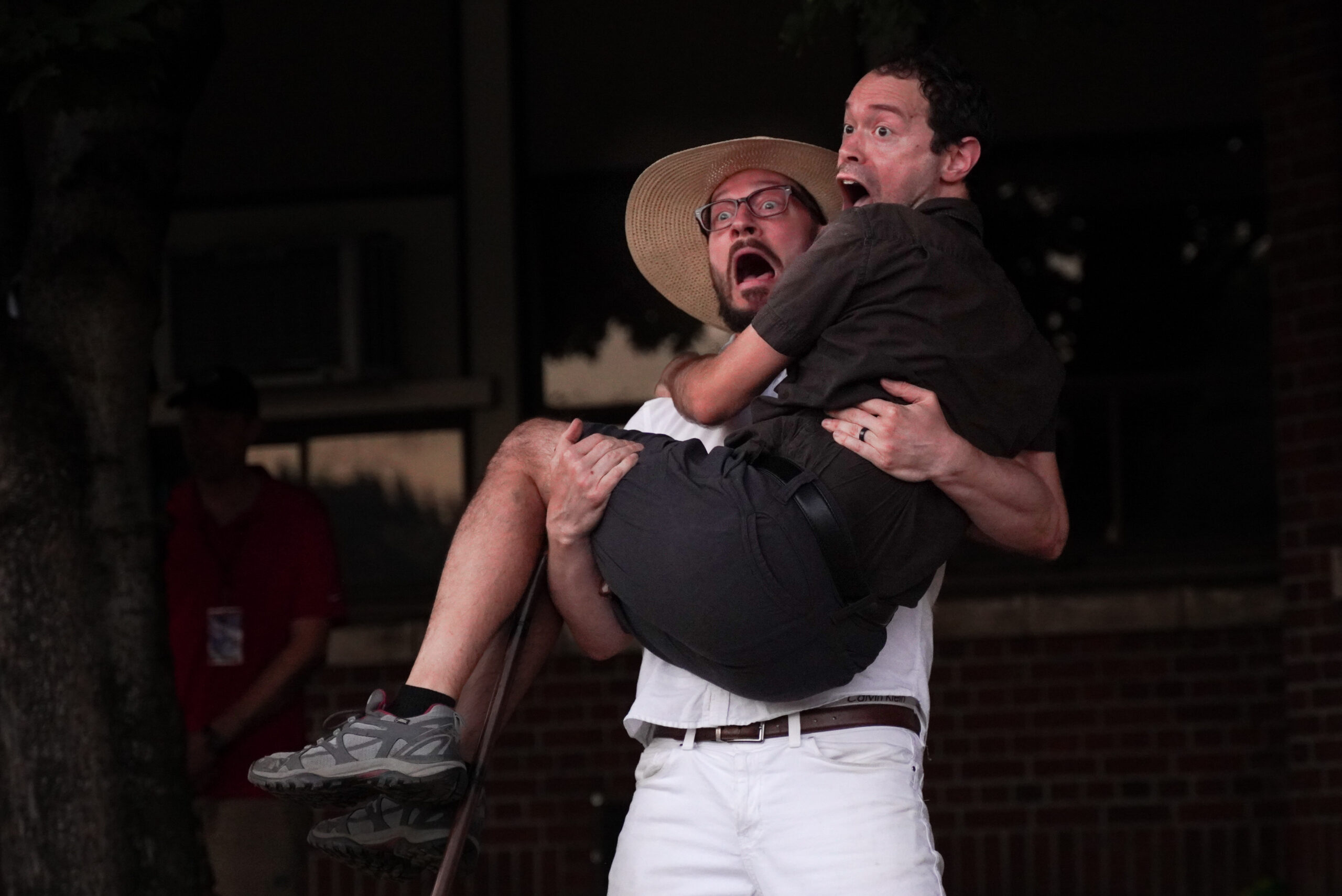
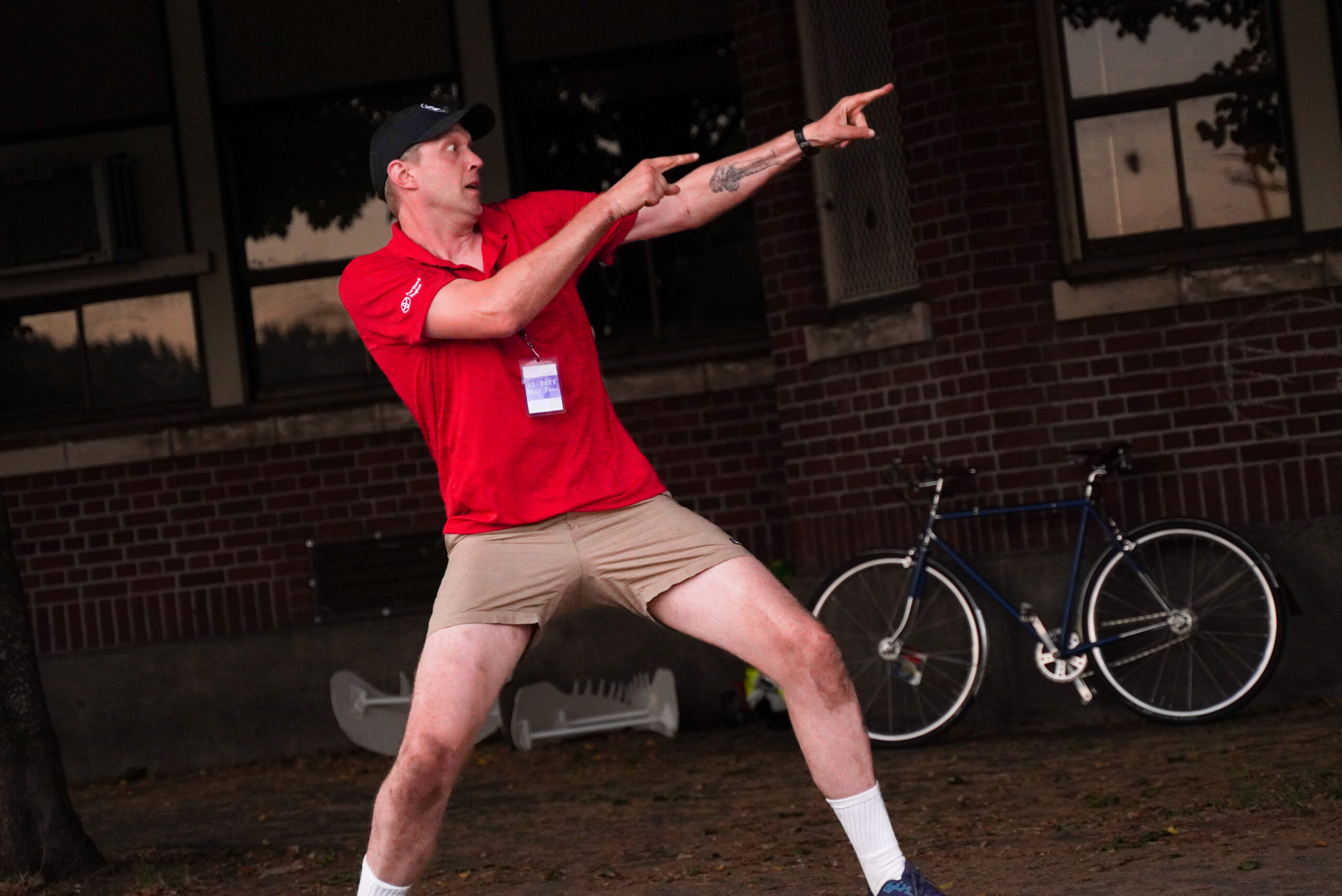
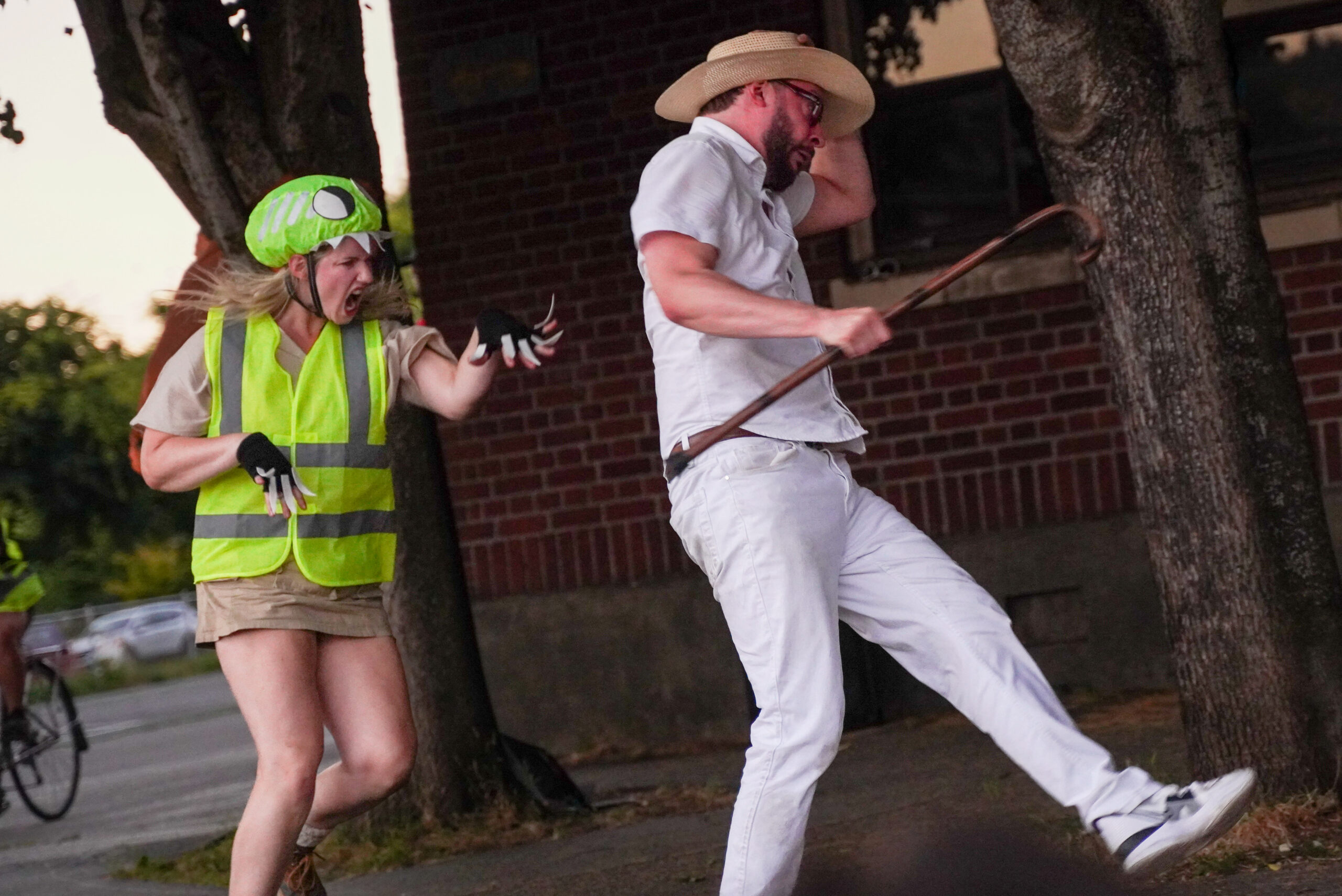
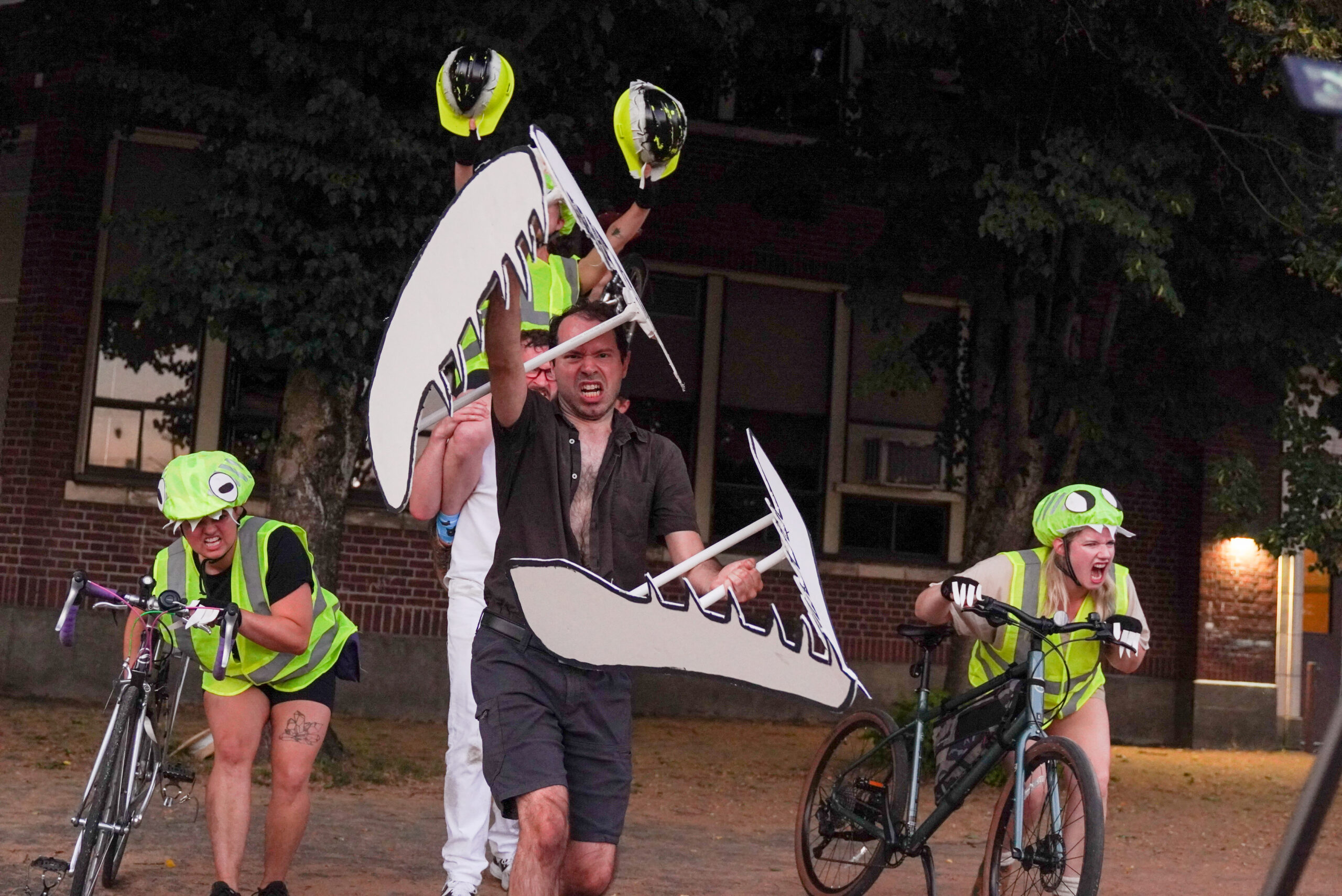
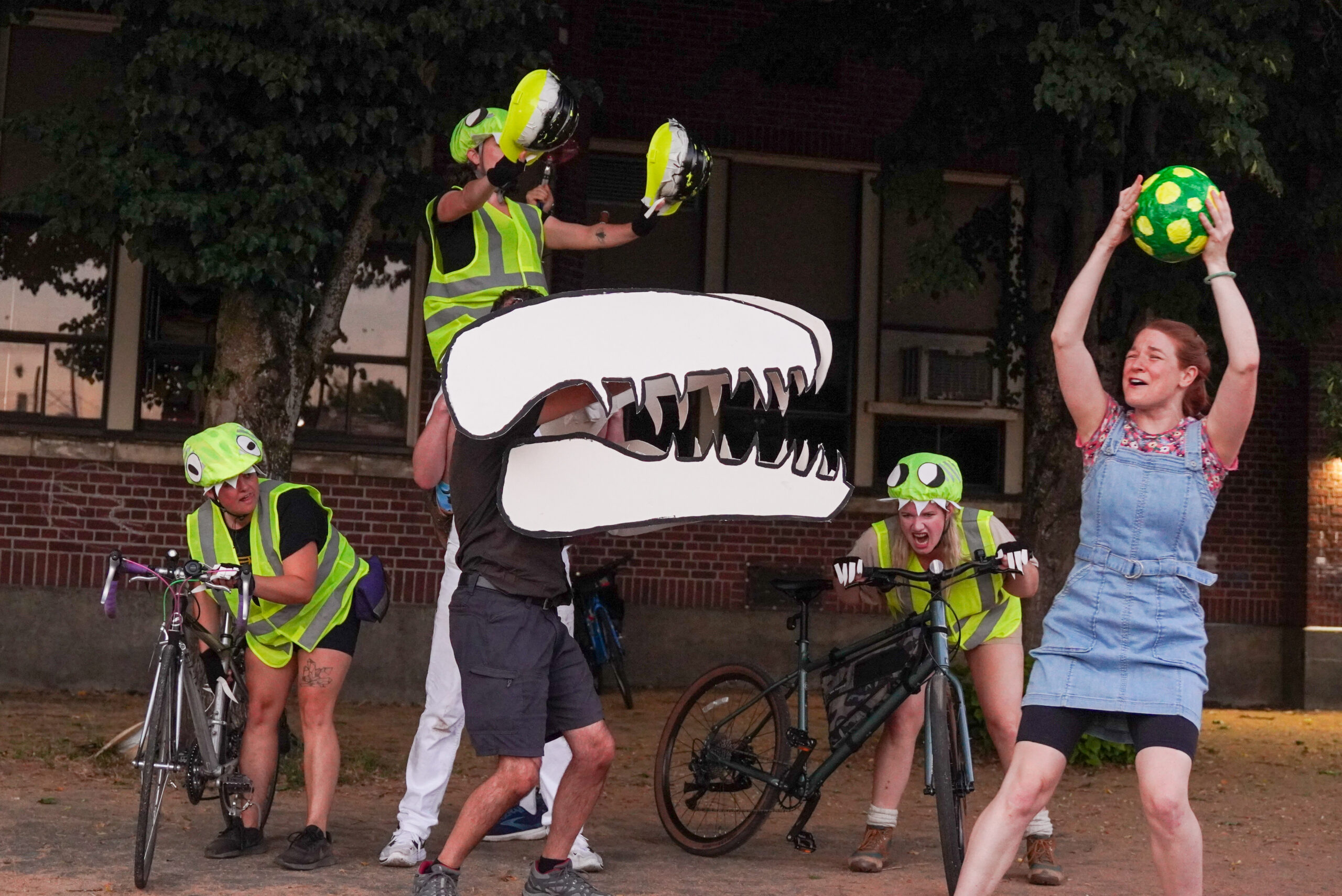
This year’s Bike Play (the 14th annual!) is really fun. It’s a bike-inspired version of the classic dinosaur thriller, Jurassic Park and the Bike Play crew really nailed it.
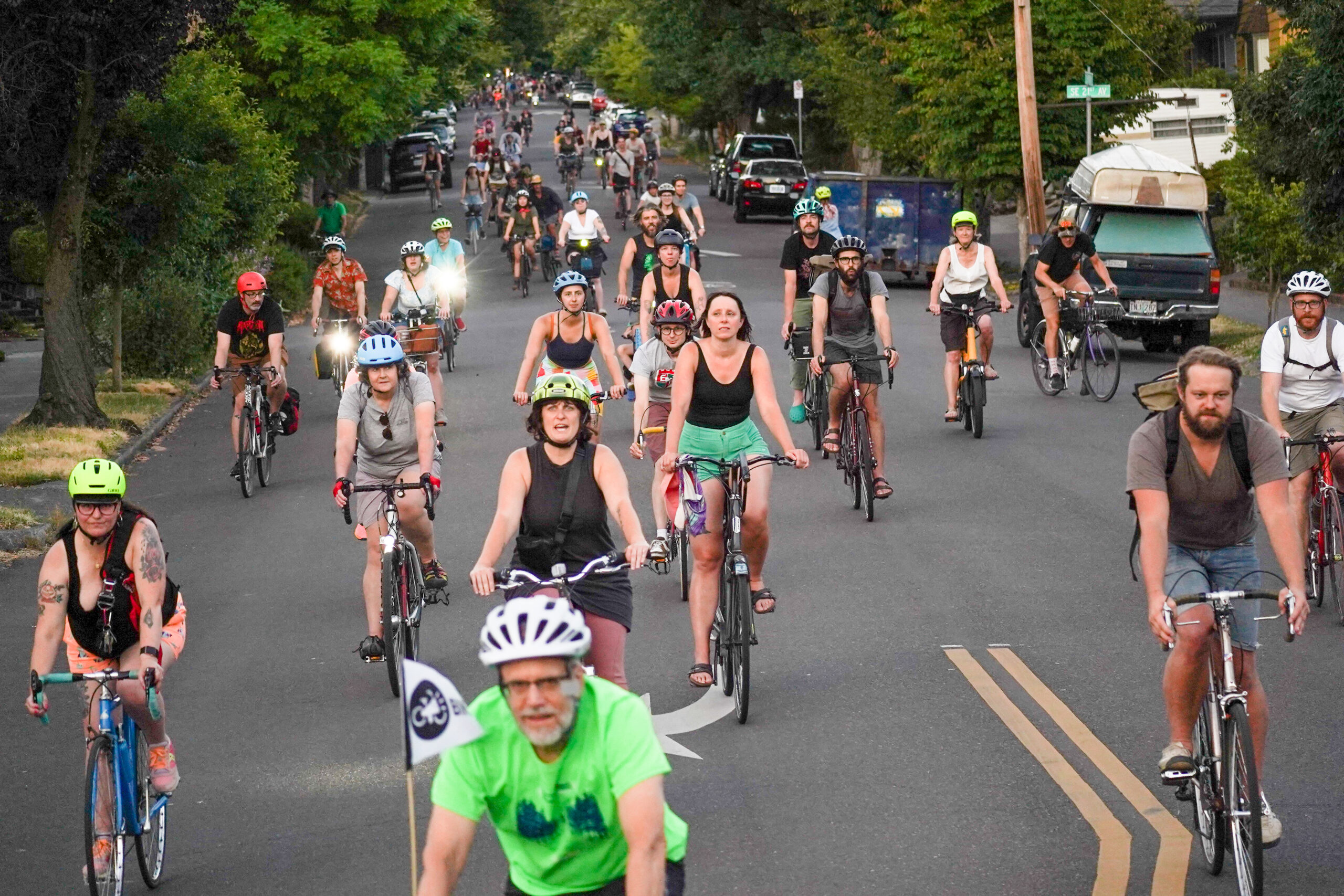
I’ll update this post with a bit more details when I can. I don’t have much time right now (it’s Saturday!), so for now I just wanted to share my photo gallery from Friday night’s performance. I also want to encourage you to go see it yourself! There are two performances left, tonight and Sunday. Both meet at Abernethy Elementary School (2421 SE Orange) at 6:30 pm, with the show starting at 7:00. Bring a picnic and something to sit on. And enjoy the show!
Cast:
Noelle Eaton – Mr DNA and elly the dinosaur
Kris Mahoney-Watson – Dr. John Handlebar
Kelsey Rankins – Sharon
Haley Hessler – Sassy the Dinosaur
Lindsay Liden – The Child
Hans Ellis – Alan Grand Avenue
Jenny Bunce – Frankie
Scott Weidlich – Jeff
Emilie Weidlich – Director and miscellaneous dinosaur
Lisa Gilham – Brent
Ashley Hollingshead (they/them) – Brooks
More photos below…
Haley Hessler as Sassy the dinosaur.Haley Hessler as Sassy the dinosaur.Haley Hessler as Sassy the dinosaur.Lindsay Liden as the Child.Lisa Gilham as Brent.Noelle Eaton as Elly the Dinosaur.L to R: Kelsey Rankins as Sharon, Scott Weidlich as Jeff, and Ashley Hollingshead as Brooks the biker.L to R: Jenny Bunce as Frankie and Kelsey Rankins as Sharon Jenny Bunce as FrankieJenny Bunce as FrankieHaley Hessler as Sassy the dinosaur.L to R: Lindsay Liden as the Child and Hans Ellis as Allen Grand Avenue.L: Kris Mahoney-Watson as Dr. John HandlebarR: Emilie Weidlich, the director and miscellaneous bike-osaur.
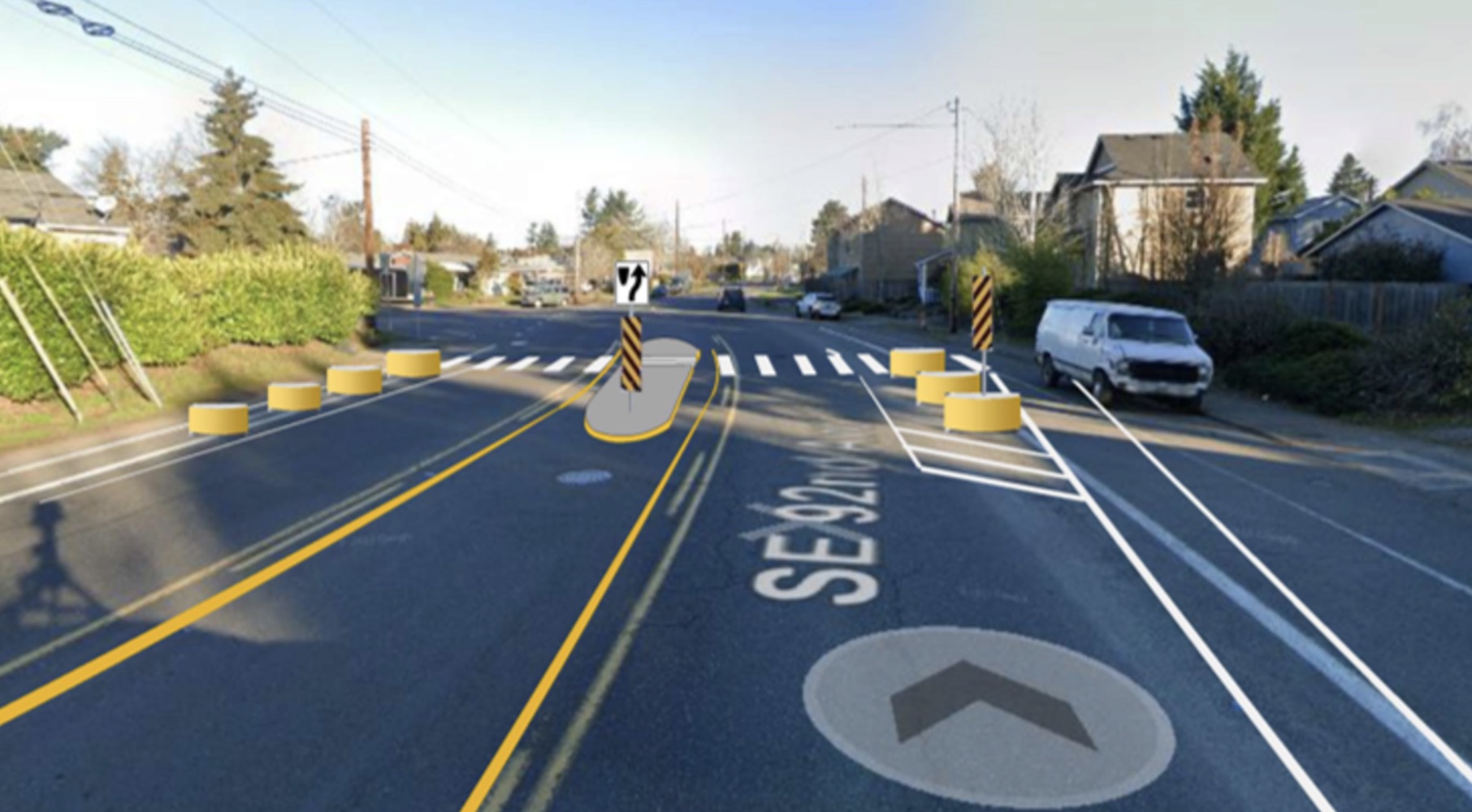
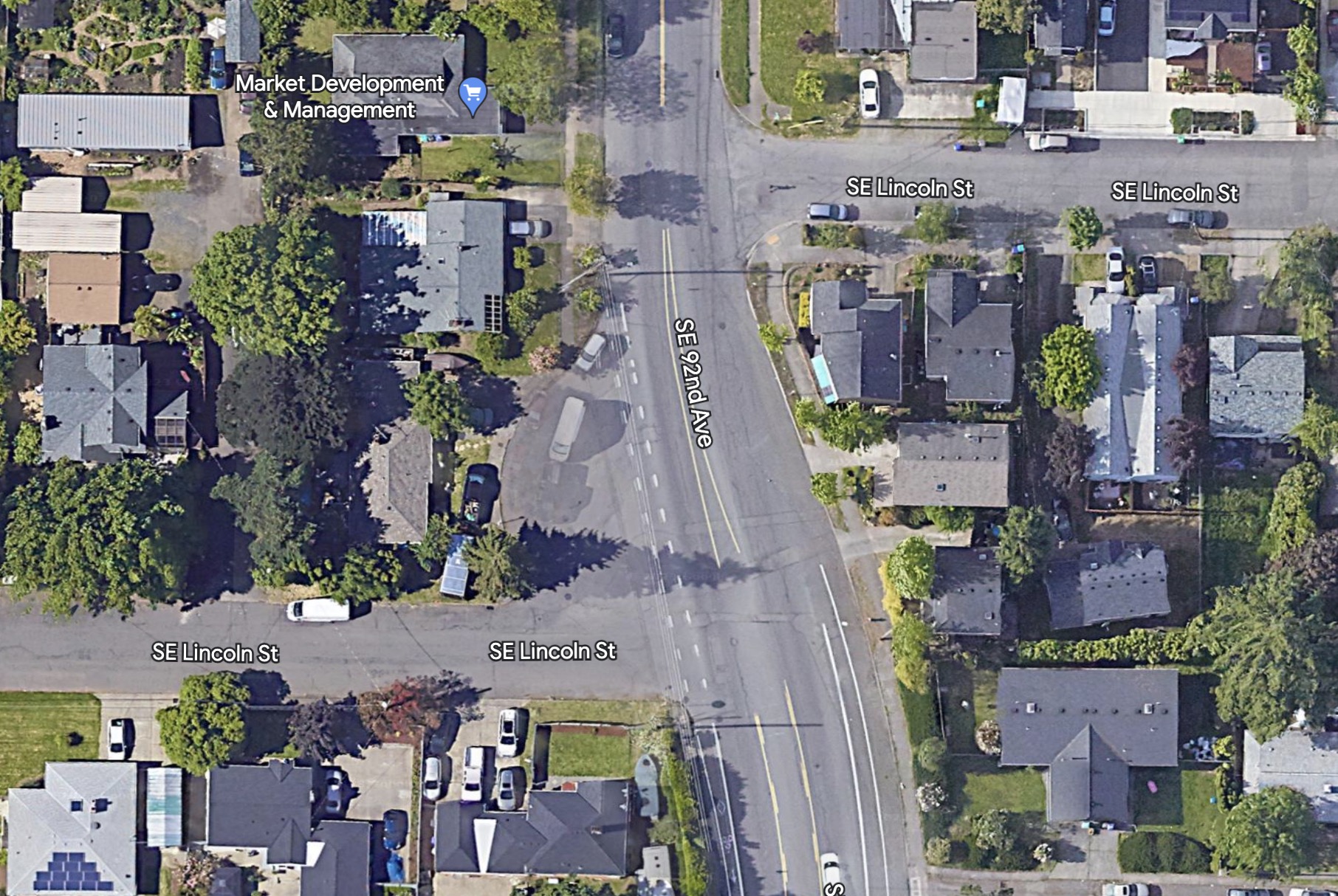
The Portland Bureau of Transportation has partially completed a project they hope will improve the crossing of Southeast 92nd Avenue at Lincoln. Just north of SE Division, this “T” intersection is very wide due to a cut-out of one of the corners (was it a streetcar turnaround perhaps?). At its widest location there is 115-feet of pavement on this relatively residential, neighborhood street.
Thanks to the local gas tax increase and PBOT’s Fixing our Streets program, the agency is adding new pieces of sidewalk, medians, crosswalks, bike lanes, and more. One big impetus for the project was the role the intersection plays in connecting people to Harrison Park School. SE 92nd and Lincoln was flagged in a 2017 effort to identify safe routes to school projects.
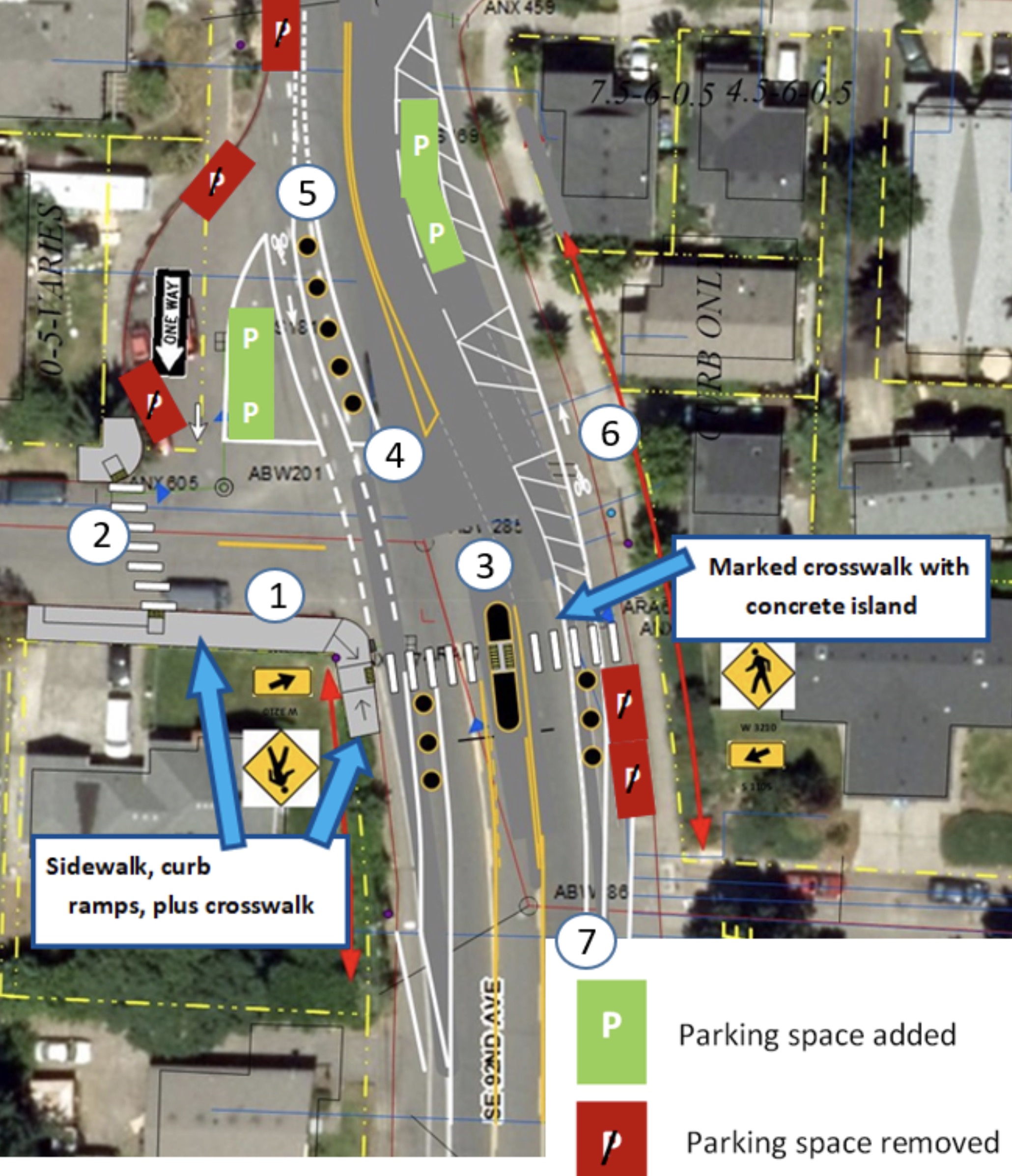
Here’s the complete list of what we can expect (via PBOT):
View looking north from 92nd toward Lincoln
Build a segment of sidewalk and three new curb ramps on the NW and SW corners of the intersection
Mark crosswalks across SE Lincoln and SE 92nd Ave
Build a concrete island in the SE 92nd Ave crosswalk to provide a waiting space for people walking
Tighten turning radius to slow southbound vehicles turning right from SE 92nd onto SE Lincoln
Separate automobile and bicycle travel lanes with concrete barriers
Extend the east side bike lane through the intersection
Adjust parking spaces by: removing six (6) legal parking spaces, but adding four (4) new legal parking spaces. This will be a total change of removing two (2).
New lane striping and pavement markings have been added, as have changes to parking spaces. PBOT plans to return in fall 2024 to complete other elements of the project.
“If bicyclists are driving under the influence, they are endangering themselves the most. The risk to others is far less than those operating a car.”
– Tom Andersen, Oregon House Representative
The potential to cause harm while bicycling under the influence is different than when you’re driving a car, so the fines and penalties for doing so should be too. That was the thinking behind a bill that passed the Oregon Legislature this past session.
House Bill 2316 included a package of revisions to Oregon’s driving under the influence laws. It expanded the types of intoxicants that could trigger a DUI conviction, it changed eligibility options for diversion programs, and it reduced the fines and penalties for people cited for bicycling under the influence.
You might not have realized it, but current Oregon DUI law applies equally to operators of cars and bicycles. It’s likely that authors of our original DUI law didn’t consider bicycling under the influence, but because a “bicycle” is considered a “vehicle” in Oregon statute (unless the law obviously cannot apply to a bicycle), the law captures everyone with the same net.
Given that bicycle DUIs are inherently less of a threat to public safety than car DUIs, Mae Lee Browning, the legislative director for the Oregon Criminal Defense Lawyers Association, felt the punishment should more closely fit the crime. “The level of harm is just different,” Browning shared in an interview with BikePortland. “I know that bicycles can go into a street and cause car crashes, but they are different.”
Browning worked closely on the bill with legislator Jason Kropf, a Democrat from Bend who’s also chair of the House Judiciary Committee. Lobbyists with the Oregon District Attorneys Association also worked on the bill.
Reached at her office for comment today, Browning said the bicycle provisions were her group’s idea. Much of her work is focused on reducing criminal penalties and helping people avoid lengthy prison sentences and other barriers that make it hard for them to re-enter society after being convicted of a crime. “Ideally, we wanted to make bike DUIs, not a DUI at all, but that wasn’t going to be feasible,” Browning said. She then hoped to prohibit bicycle DUIs from being a predicate for felony DUI. That is, current law says if you get three DUIs in 10 years, the third one is a felony. Browning wanted bike DUIs to not count in that tally. But that would have required a 2/3 vote since the DUI law was passed via a ballot measure.
So Browning opted instead to reduce the fines and other penalties associated with bicycling under the influence. Here’s how the bill impacts intoxicated bicycle riders:
Instead of a minimum $1,000 fine, HB 2316 makes BUI a minimum $500 fine. (But if the person is bicycling with a 0.15 blood-alcohol content or higher, they are fined the same as a driver.)
The bill does not apply to electric bikes. So if you’re on an e-bike, you’re treated just like you were driving a car.
Provisions in the law relating to suspension and revocation of a drivers license do not apply if you were riding a bicycle.
Judges will need to declare if a person was riding a bicycle or not. (This will give us better data in the future.)
The maximum sentence for community service would be 48 hours, compared to as much as 500 hours if you were driving.
People convicted of bicycle DUI will not be required to attend a victim impact treatment session.
Representative Tom Andersen (D-19) was one of the supporters of the bill. An attorney and cyclist himself, Rep. Andersen shared with BikePortland via email, “The punishment should fit the potential danger caused by a crime.” Here’s more from Andersen:
“Operating a vehicle of any kind while under the influence is dangerous but a car is different than a bicycle. A car is a weapon of mass destruction and can hurt many people such as other passengers in the car, other cars with multiple passengers, pedestrians, cyclists, or other large groups of people sharing the road. A bicyclist isn’t a massive weapon of destruction. If bicyclists are driving under the influence, they are endangering themselves the most. The risk to others is far less than those operating a car.”
To Browning, when people choose to ride a bike instead of drive, it’s often because it’s safer than driving a car. “So people are already taking that extra step to reduce harm,” she said.
“We’re trying to right-size the criminal justice system.”