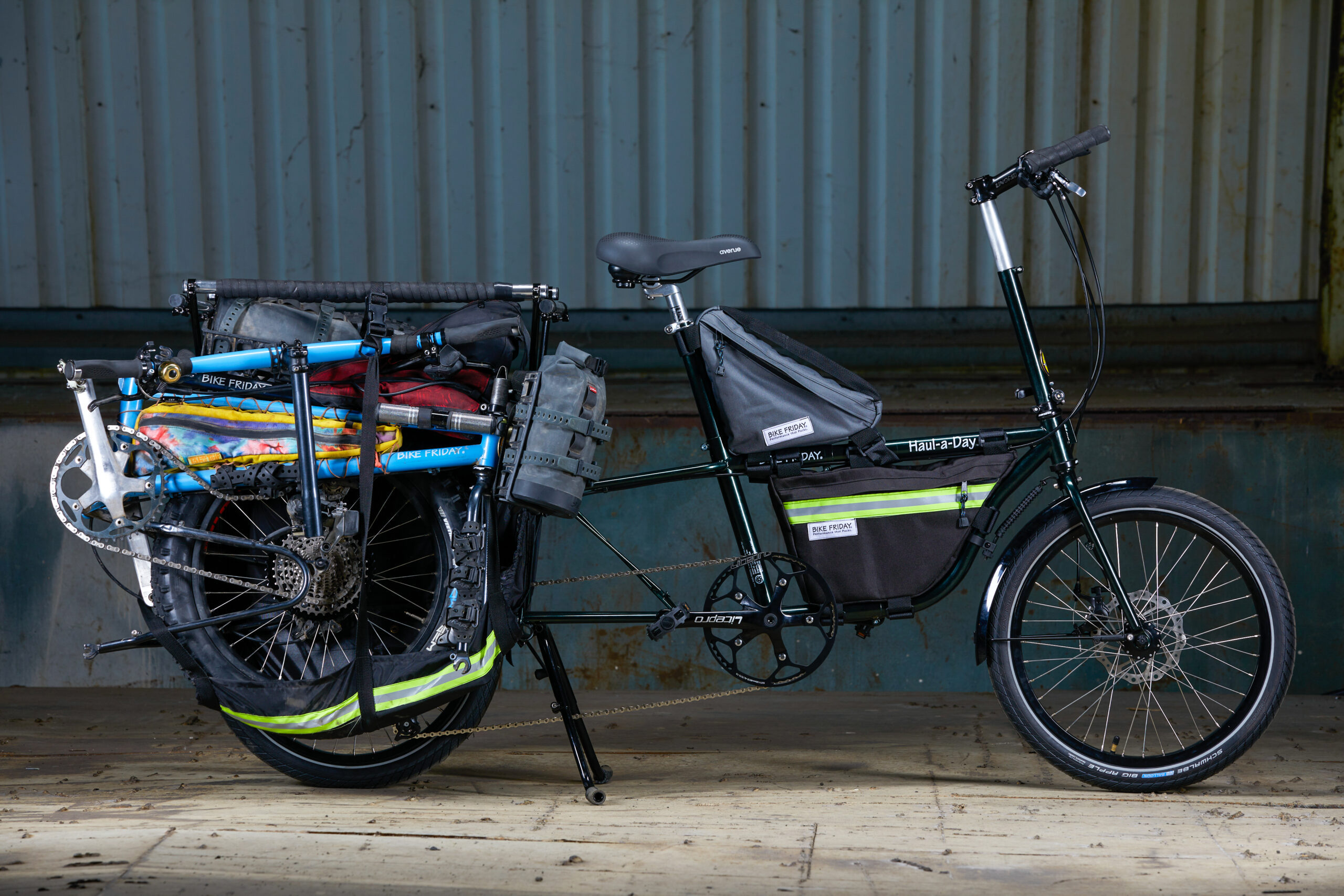
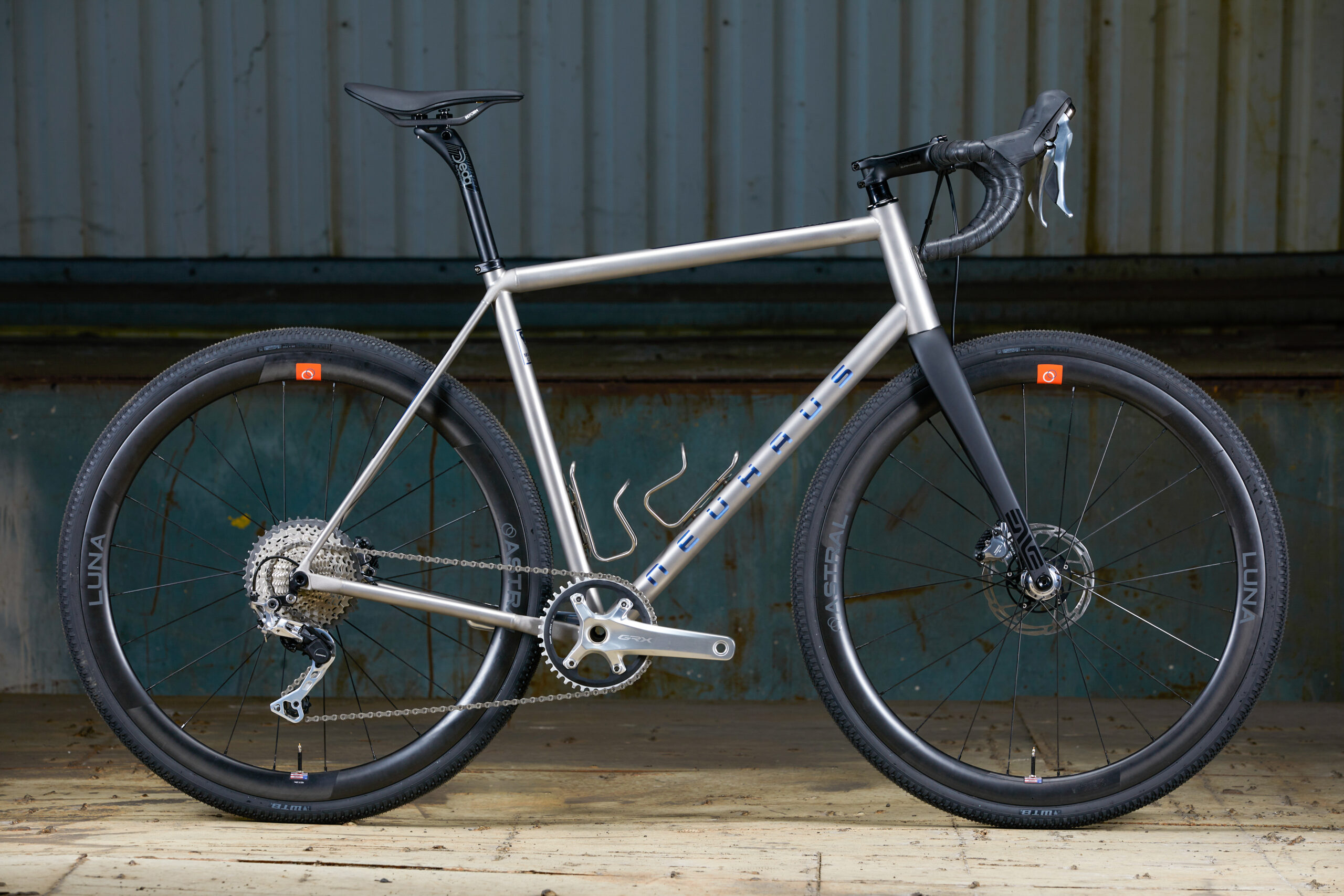
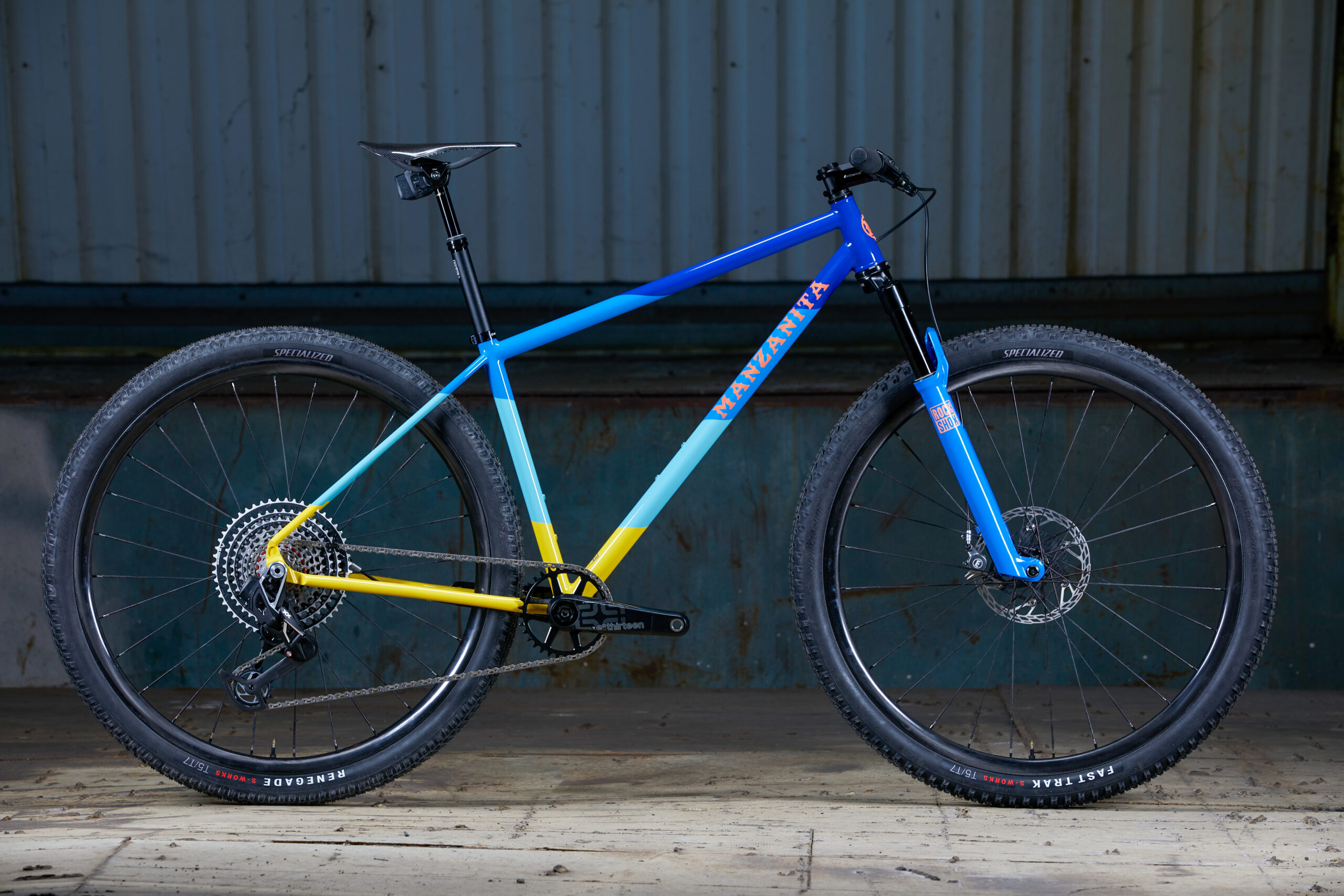
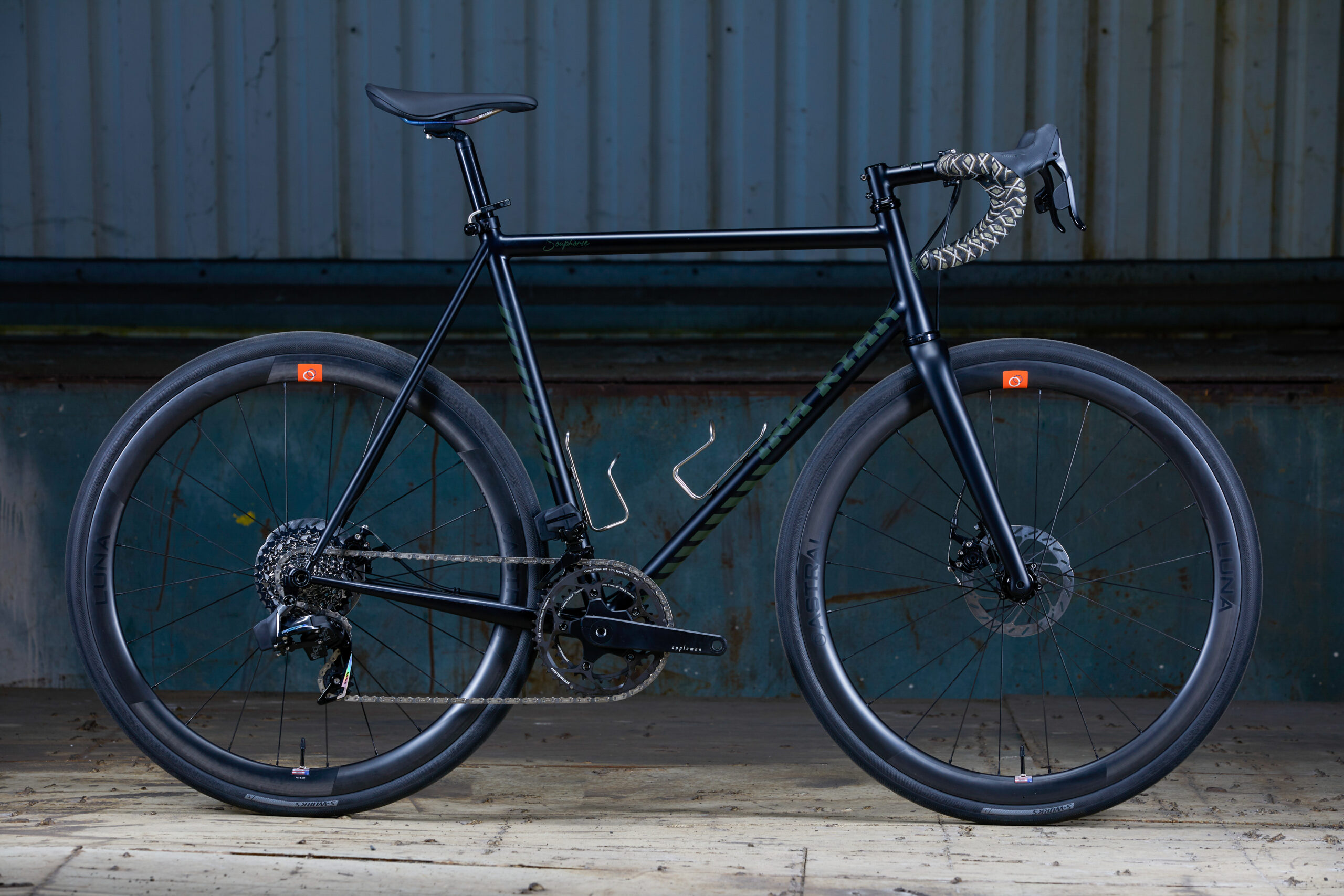
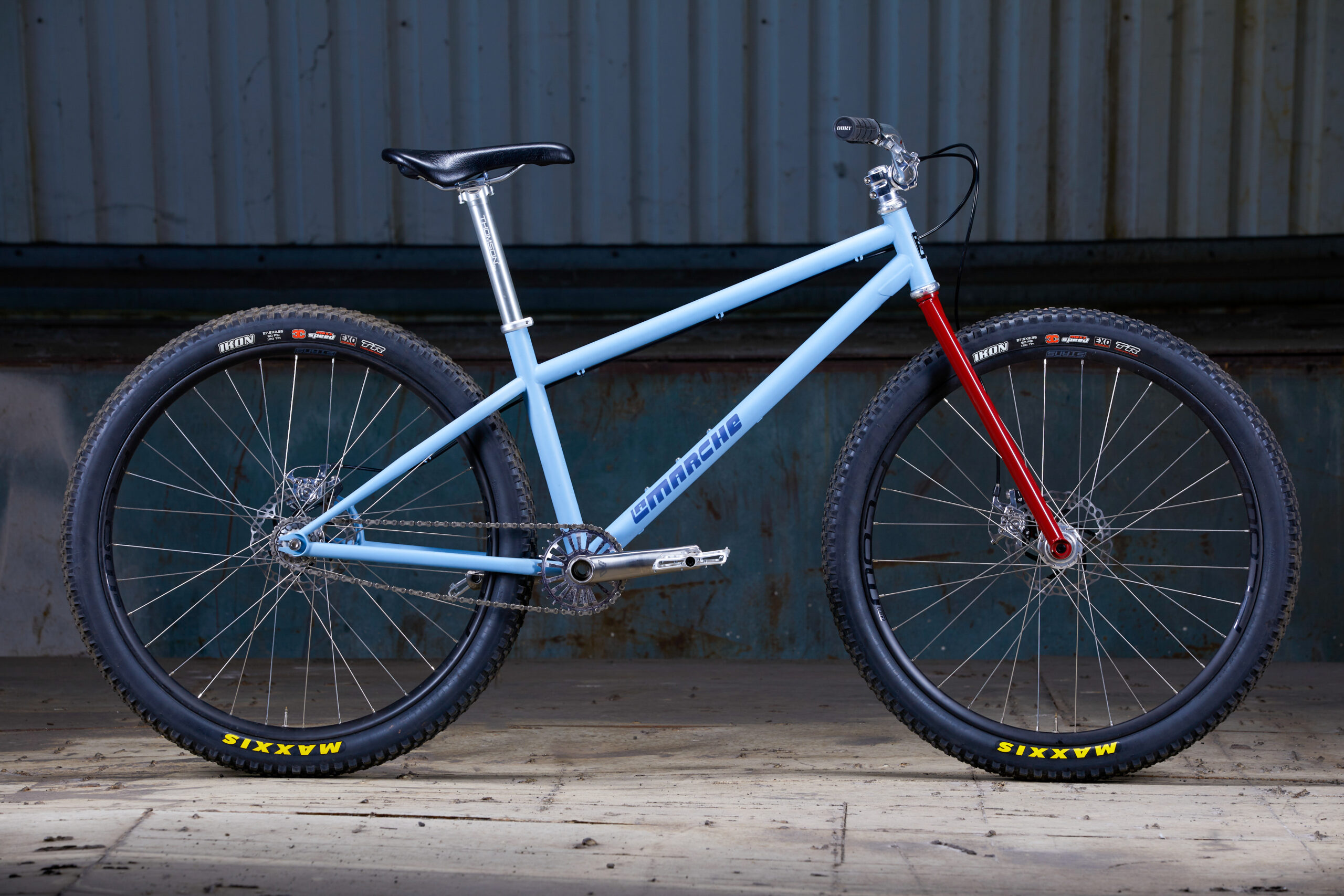
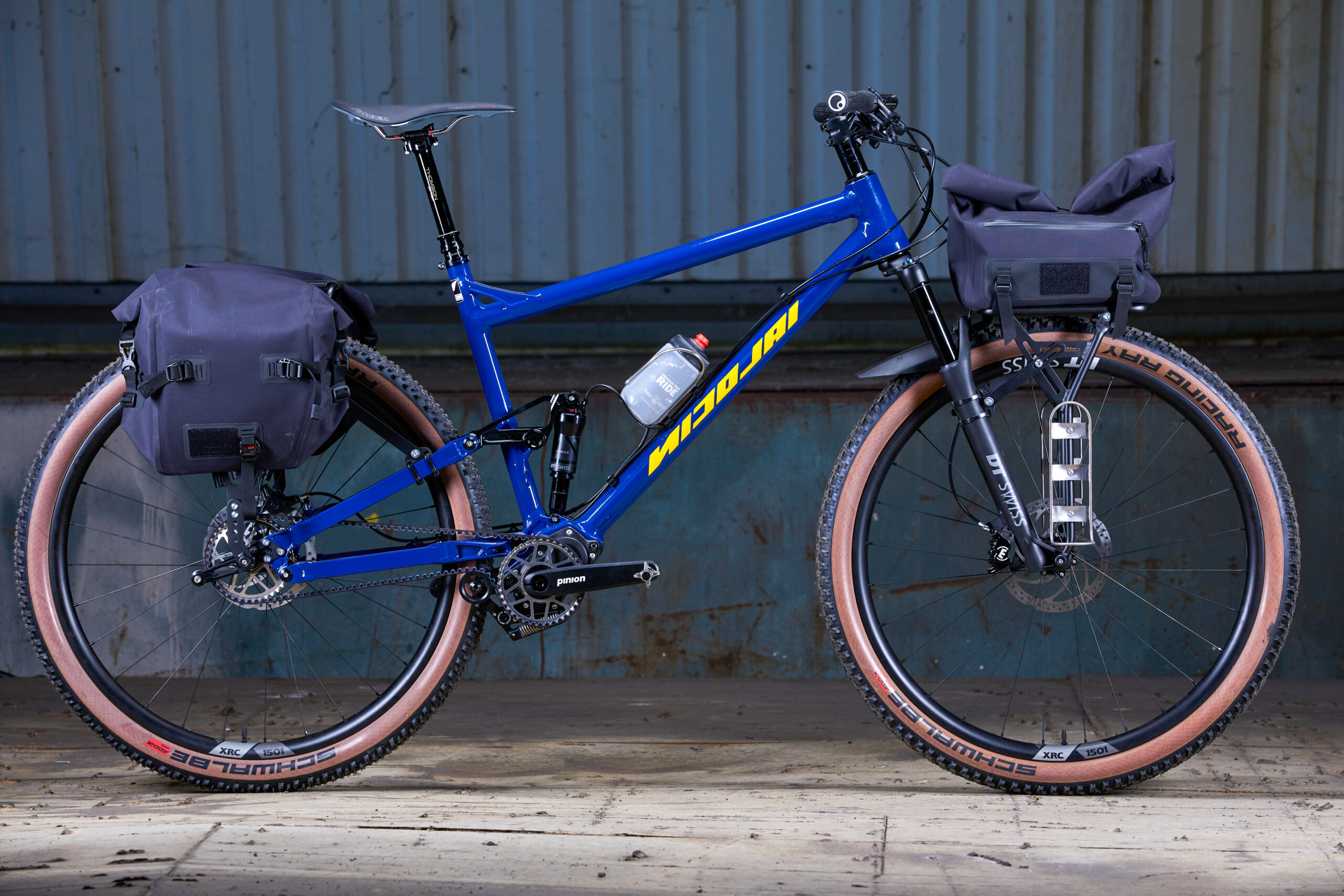
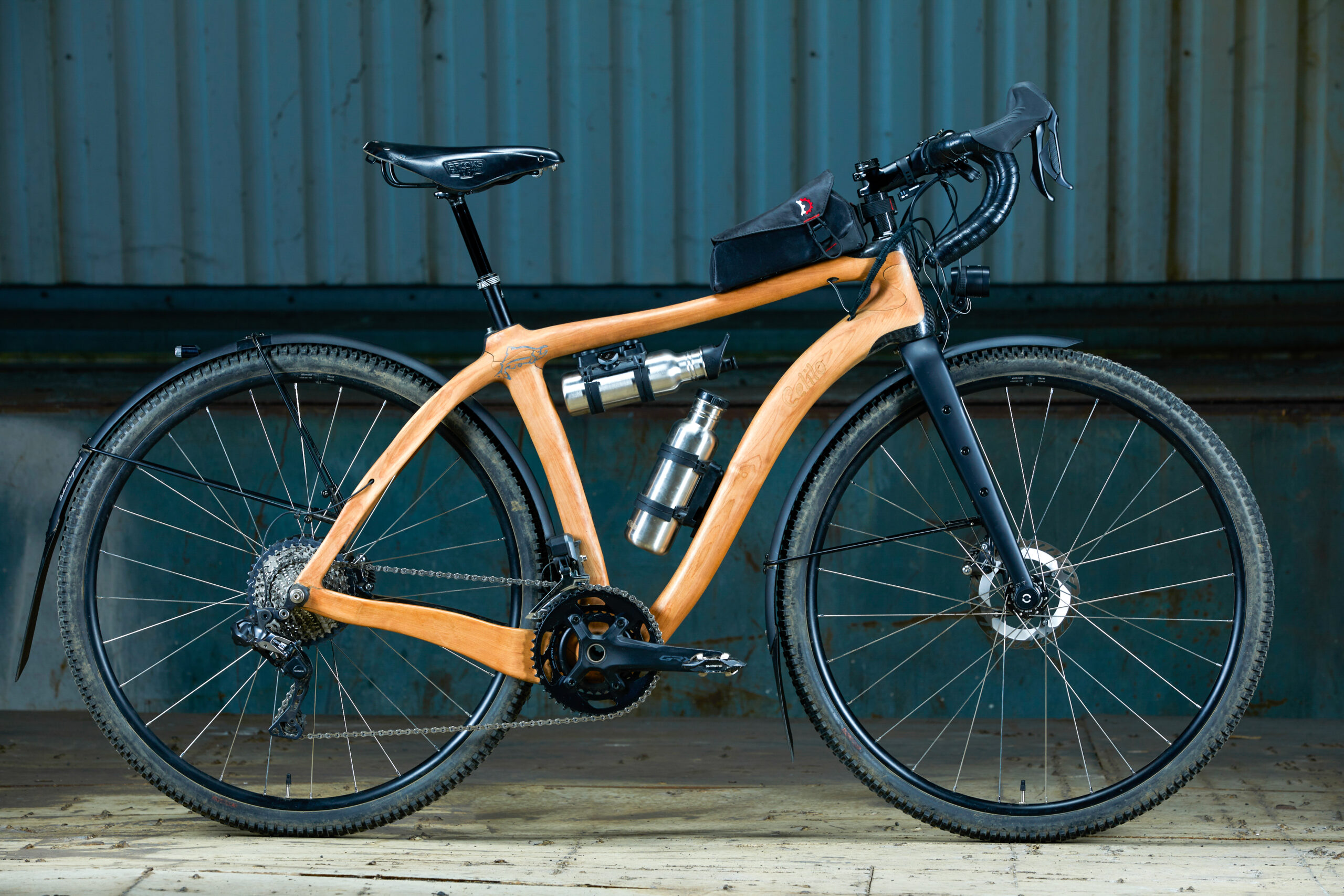
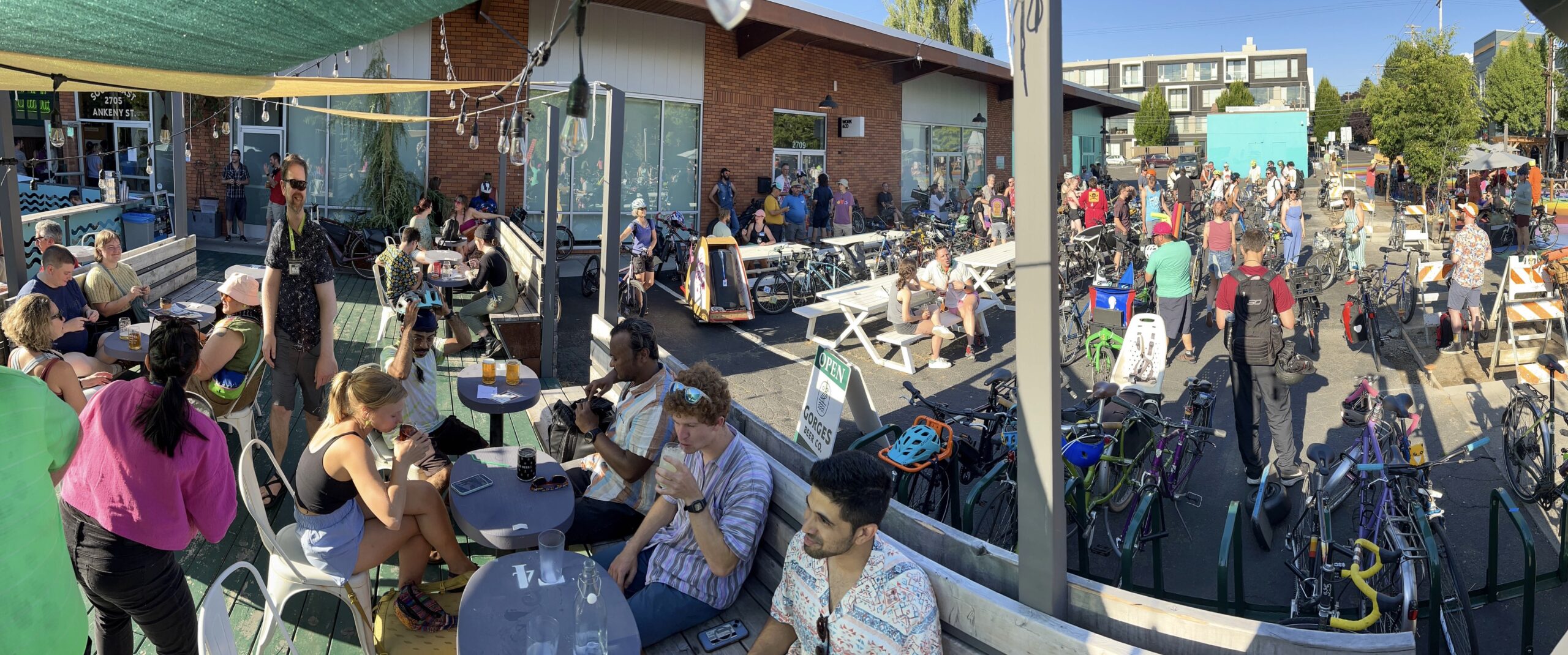
Podcast: Billy Sinkford and the MADE Bike Show

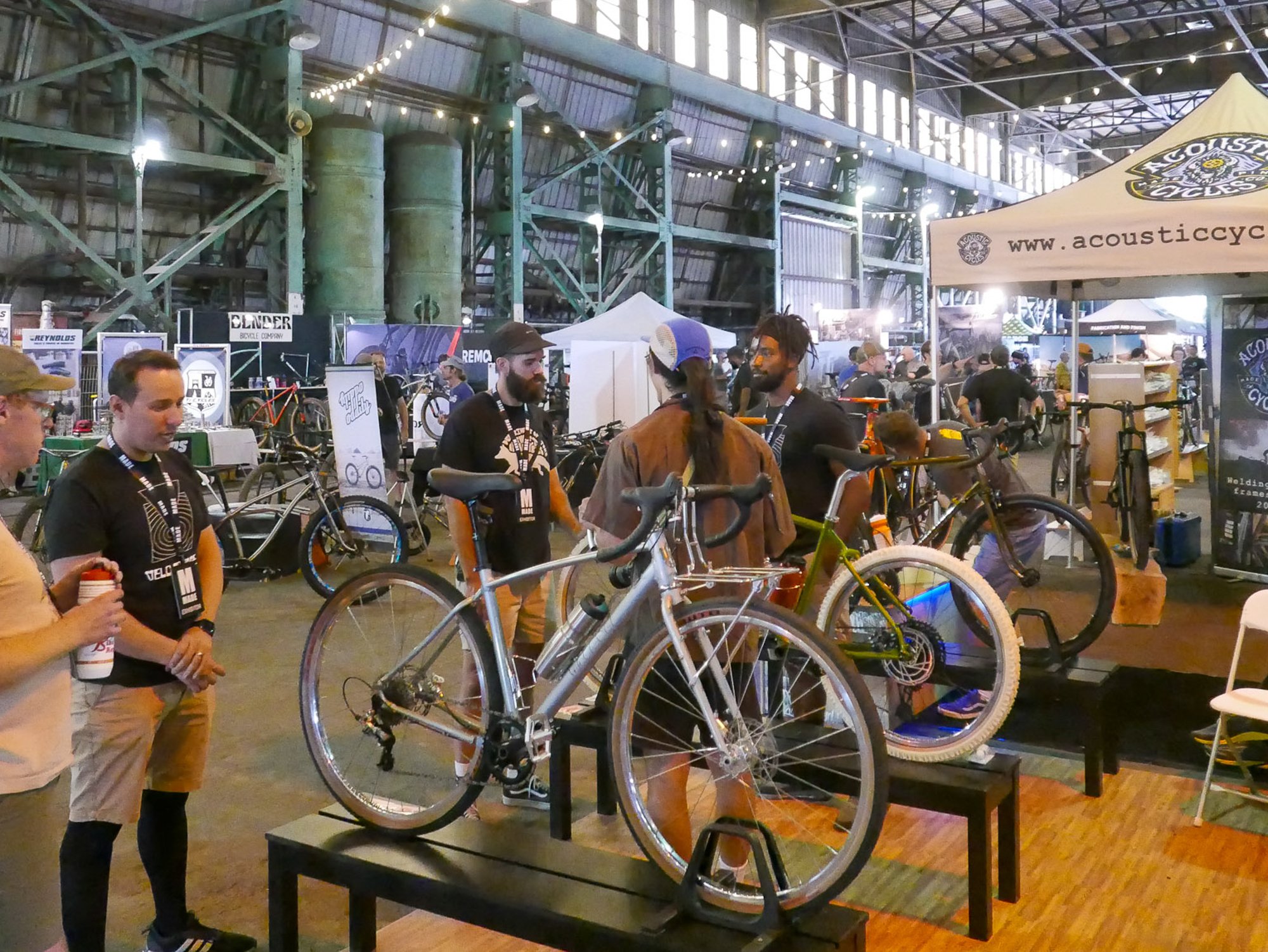
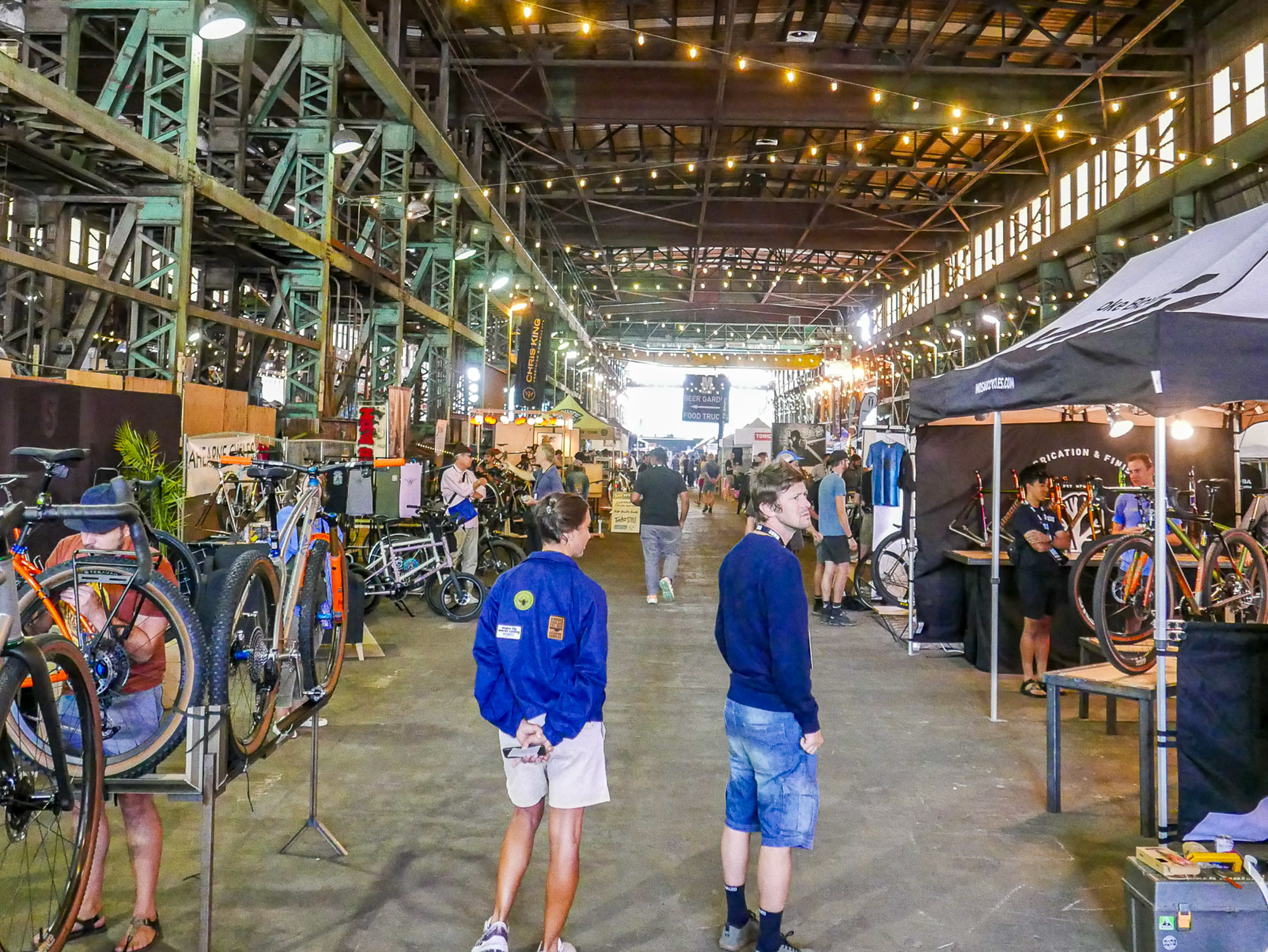
In this episode, I talk with Billy Sinkford, a bicycle industry insider and VP of PR and marketing firm, Echos Communications. Billy lives in Portland and is the man behind MADE, a major bike show coming to Portland August 24th – 27th that will feature over 200 custom bike builders and other companies in what he calls the largest handmade bike show North America has ever seen.

I’ve known Billy for years, but have never been able to sit down and have a chat with him, so I was really excited he was able to swing by The Shed for this interview. I finally got a chance to ask him more about his interesting past, how he got into the bike industry, the work he does with Echos, why he’s such a big fan of handmade bikes, and more.

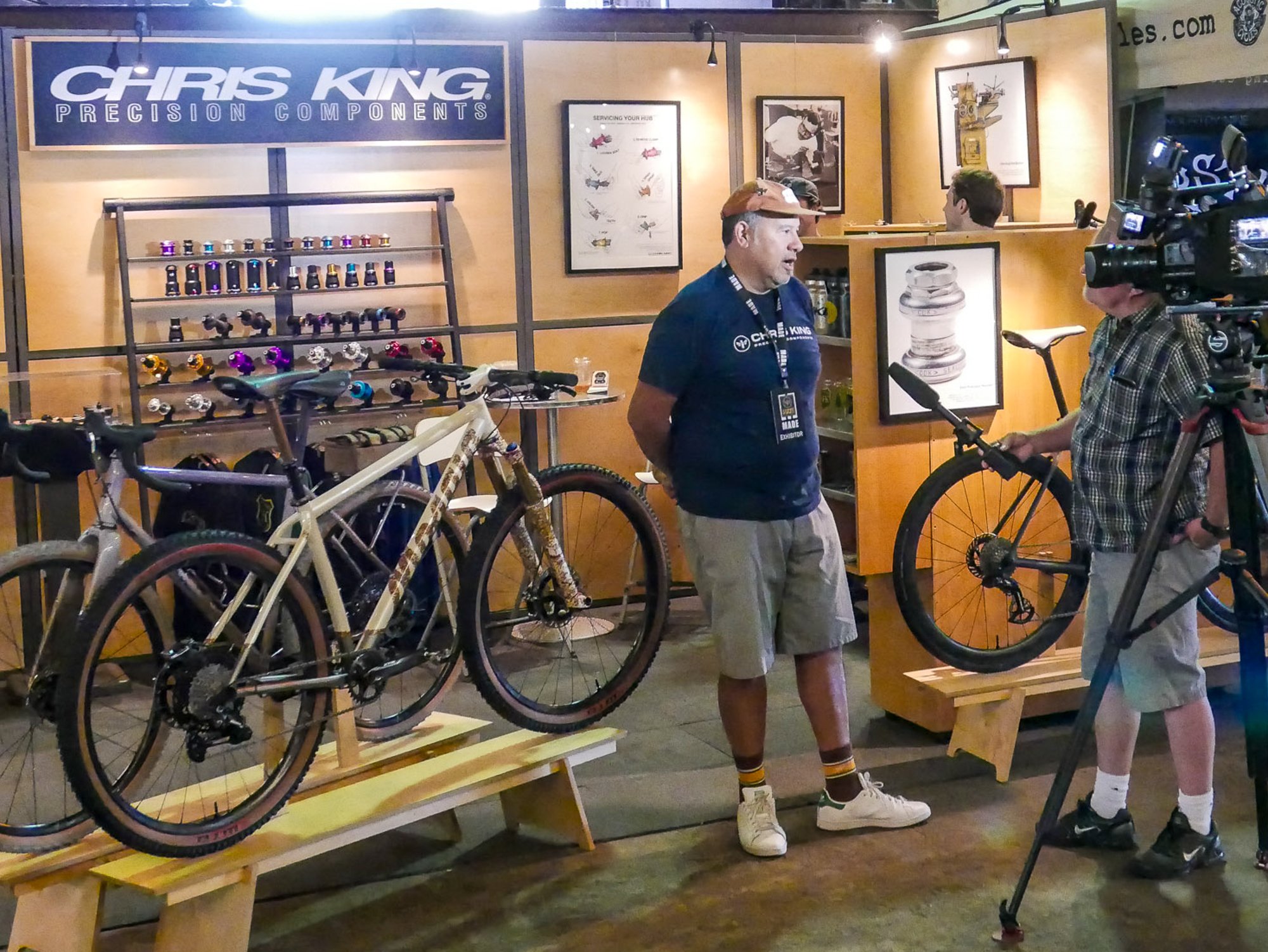
Billy in the Shed (with my dog Georgia). (Photos: Jonathan Maus/BikePortland)

Oh, and he was also nice enough to share the strange — and I’ll just say, very personal story, of how he got his nickname, “Souphorse” — the name many people know him by and the name that’s tattooed across his neck.

But wait, there’s more… We’ll be giving away tickets to MADE shortly. Stay tuned for your chance to win!

I think you’ll love our conversation. As always, if you like our show please subscribe, leave a review, and tell you friends about it!


Full episode transcript here.

Disability rights advocate visits Eagle Creek stairs to highlight state trail impediment

Juliette Rizzo approaches the staircase adjacent to I-84 near Eagle Creek Trailhead. (Photos: Jonathan Maus/BikePortland)

There are few tools left for advocates to create urgency around the need to replace a set of inaccessible stairs near the Eagle Creek Trailhead on the Historic Columbia River Highway State Trail. They’ve gotten the issue squarely on the radar of the Oregon Department of Transportation and they’ve filed lawsuits and staged protests.

Their latest effort? Tour the site with a nationally-known disability rights advocate and make sure a journalist is there to cover it.

Last Friday I drove to the Eagle Creek Trailhead about 40 miles east of Portland in the Gorge to meet former Ms. Wheelchair America and Board Member of the Rails to Trails Conservancy, Juliette Rizzo. Rizzo, 55, has progressive disabilities caused by a mosquito bite that led to an infection when she was three years old. Rizzo learned the ropes of accessibility advocacy while working as communications director for Judith Heumann, a woman many people consider the mother of the disability rights movement.

Rizzo was invited to the Gorge by AJ “Jerry” Zelada, a longtime Oregon cycling advocate who’s teamed up with Rizzo to broaden awareness of disability access issues to cycling and walking advocates (he’s also a board member of the Friends of the Historic Columbia River Highway and former chair the Oregon Bicycle and Pedestrian Advisory Committee). The duo has presented together at Walk Bike Places and the League of American Bicyclists National Bike Summit. Rizzo has also been a keynote speaker at America Walks and the 2018 Utah Department of Transportation Pedestrian Summit.

Now Zelada hopes Rizzo’s star power can help move the needle and finally replace this staircase once and for all.

Located about two miles west of Cascade Locks right off exit 41 and built in 1996 (six years after the Americans with Disabilities Act was passed), Zelada describes the stairs as a “tourniquet” that cuts off many people from enjoying the state trail. He thinks now is the right time to build an ADA-compliant ramp so that everyone can experience the state trail as ODOT creeps ever closer to fully connecting the 73-mile project between Troutdale and The Dalles. “The urgency is really the fact that the Mitchell Point tunnel is coming online in the second quarter of 2024,” he shared with me Friday. When the trail project is done, it will garner major headlines and attract thousands of tourists to Oregon to experience it.

But unless ODOT and their partners do something soon, the imposing and impassable staircase will still be there.

To Zelada, the issue goes beyond people who use wheelchairs and other mobility devices. He and Rizzo talk about “cross disabilities” — less visible conditions like cognitive, vision, sensory, hearing, and many other issues. Or even people who are older and/or recovering from injuries or medical treatments. Then there are the bike riders or people with strollers who simply cannot lift their bikes down the multiple flights of steep stairs. Imagine if you have a stroller with very small children and you have to make two trips, Zelada said. What happens to the kids while you set them down and make the second trip to get the stroller?

“A ‘cure’ for me is staying active, to lessen my rigidity and strengthen my immune system with fresh air… it’s also critical that I don’t run into barriers.”

– Juliette Rizzo

The Eagle Creek Trailhead, where we met on Friday, is one of the most ADA accessible parking lots in the Gorge. It’s relatively flat and has large parking spots for specially-equipped vans. It’s also one of the closest major trail access point to the Portland metro area.

As Rizzo and the rest of the group made their way to the stairs, we used the bike lanes between the parking lot and the trail. When we came upon an old lookout over the creek with a stone wall and bench in the middle, we realized its entry was too narrow for Rizzo’s chair. “So that was fun,” Rizzo said, sarcastically. “How awesome that would be and how easy that would be to make that accessible?”

For Rizzo, having experiences in nature are key to her health. “A ‘cure’ for me is staying active, to lessen my rigidity and strengthen my immune system with fresh air. It’s critical to me,” she told me. “And it’s also critical that I don’t run into barriers in the great outdoors.”

“There are many people that say, ‘Oh, well, she’s bound by a wheelchair.’ But what I say is, how can I be bound by the only thing that brings me freedom?”

But Rizzo wasn’t free to enjoy this trail. As we approached the staircase, she pointed out that there wasn’t even a sign from the parking lot saying that the trail was inaccessible to people in wheelchairs or with other physical disabilities. She then rolled right up to the base of the stairs, while others continued up them. Her friend walked all the way to the top to explore the forest where the path begins. With her head tilted up into the trees beyond the stairs, she said, “I just can’t join my friends.”

ODOT says they want people like Rizzo to be able to enjoy the full trail, but fixing the stairs just isn’t a top priority right now. ODOT’s Columbia River Gorge National Scenic Area Coordinator Terra Lingley shared in an email with BikePortland this morning that her office (working with the Oregon Trails Coalition) sent a “congressionally directed spending” (aka earmark) request to Congressman Earl Blumenauer’s office this earlier this year. “The package included a request for funding for alternatives analysis to understand the range of ADA-compliant solutions to address the Eagle Creek Stairs,” Lingley wrote. “These stairs remain on our priority list, but our first priority is to create the full connection of the [state trail].”

It’s a complicated project. The first issue is cost, which goes up every year. Then there are the technical and geological challenges.

In 2009 a project to replace the stairs with a ramp was estimated (very roughly) at $2.5 million. In spring 2022, an estimate from an engineering firm put the cost at $40 million (about the cost of the damage from the devastating 2017 Eagle Creek wildfire). Now Zelada says it’s up to $50 million.

“ODOT is out there, looking for money to do the project,” Zelada shared with me Friday as we walked back to the parking lot. “But they say in terms of an ADA priority, this is at the end of the line after many other projects and have given us a 2030 completion estimate.” ODOT has also said that they are prioritizing completion of the state trail before the stairway project.

Rizzo with (left to right) her friend Korey Davis, AJ Zelada, pediatrician Martine Sacks (Zelada’s partner), USFS Volunteer Nancy Meitle, and Friends of Historic Columbia River Highway President (and former ODOT project manager) Jeanette Kloos.

Costs aside, Zelada understands the complexity of building an ADA-compliant ramp on a steep slope is no small task — especially given the type of soils in the Gorge. “We’re under a riverbed right now,” he said, referring to the Missoula Floods that carved the Gorge thousands of years ago. “The earth out here is basalt with a sandy slope and is very unstable. You can’t fix a trail to it. The solution isn’t just getting rid of the staircase, it’s finding a solution within this living geology we are standing on.”

Despite the challenges, Rizzo seemed optimistic after her visit. “Many people think it’s about physical accessibility. But sometimes the most important things are accessible attitudes. With accessible attitudes, anything is possible,” she said. “It is just a matter of getting the right people at the right table at the right time to make this happen.”

Then in her typical wit, Rizzo added, “And you know, it would be easy to have me at your table because I bring my own chair.”

Here’s to hoping we can all roll on this trail with Rizzo when she returns to Eagle Creek in the coming years.

New piece of Red Electric Trail taking shape

Future path between SW Shattuck and Cameron. (Photo: City of Portland)

The City of Portland is taking another step forward to build the Red Electric Trail. After they completed the carfree Red Electric Trail Bridge last summer, they’re ready to hear public feedback and begin the design process for a separate one-half mile segment of the trail near the former Alpenrose Dairy site.

Last spring the City announced a $750,000 federal planning grant (issued as part of Covid relief programs) that will allow them to bring a section of the Red Electric Trail between SW Shattuck Road and Cameron Road up to shovel-ready status. This project looks to reclaim old train right-of-way that was used over a century ago for the interurban lines that criss-crossed the southwest hills. Currently used as an informal, unpaved path by local residents, the alignment runs adjacent to a community garden, a park, and an elementary school (see map below).

This segment will ultimately connect to the west with the portion of the Red Electric Trail that will be built as part of the new housing development at Alpenrose.

In the past year, the City has hired a design and outreach consulting firm. They’ve also had crews clear out vegetation on the trail and have completed initial survey work. Now they’re ready to share what they’ve learned with the public and hear what folks think about the project in general. An online survey opened this week and they’ll be at the Hayhurst Neighborhood Association meeting to make a presentation tonight. There will also be a neighborhood walk starting from Pendleton Park from 4:00 to 6:00 pm on June 20th.

When this project is completed by next summer, the City will have all the major design elements, a cost estimate, and a construction timeline nailed down. Stay tuned for chances to weigh in and check out the project website to learn more.

Portland man killed by truck driver while biking on rural road

Looking south on Wallace Rd NW (Hwy 221) between milepost 11 and 12.

A resident of Portland was killed on Saturday just before 11:30 am while biking on a rural highway in Polk County.

According to Oregon State Police, 55-year-old Adam Joy was riding southbound on Wallace Road NW (Highway 221) about 10 miles southeast of McMinville when he was struck from behind by 47-year-old Robert Weeks who was driving a 2021 Ford F-350 truck. The collision occurred near the 11.5 milepost marker, which is near the entrance to Spring Valley State Park (approximate location pinned on a map here).

Here’s an excerpt from the OSP crash statement (which is likely based solely on the recollection of the driver and a cursory investigation):

“The bicyclist fell over, into the lane of travel, just as the F-350 passed. Even though the F-350 had slowed when passing, the rider of the bicycle was run over by the F-350 and was pronounced deceased at the scene. The operator of the Ford remained on scene and was cooperative with the investigation.”

2021 Ford F-350. (Note: This is just a sample image to show what the truck might have looked like.)
Adam Joy in school staff directory.

The roadway on this section of Wallace Rd is two standard lanes. There is little to no paved shoulder space beyond the two lanes. While this highway might look unsafe for cycling, that’s only because of how fast drivers go on it. The surrounding area is very popular for cycling with the bike paths in Spring Valley and the Willamette Valley Scenic Bikeway nearby (the latter being just on the other side of the Willamette River). The Wheatland Ferry — a fun way for bike riders to cross the Willamette River — is about two miles away and the Wallace Rd. section of the bikeway route is less than two miles from where Joy was hit.

It was notable to me that OSP said the “bicyclist fell over in the lane of travel.” Given the width and striping of the roadway, it would be impossible for a bike rider to fall over to their left and not be “into the lane of travel.” Also, Oregon law (ORS 811.065) states that a driver of a car or truck must only pass a bicycle rider if they can do so at a safe distance. In this context, “safe distance” is defined by Oregon statute as, “a distance that is sufficient to prevent contact with the person operating the bicycle if the person were to fall into the driver’s lane of traffic.”

I’ve asked Oregon State Police if the driver was/will be issued a citation and will update this story when I hear back. UPDATE: Cpt. Kyle Kennedy says, “The investigation is ongoing and those determinations will be made by the investigations in conjunction with the local district attorney.”

It’s interesting to me that OSP says they can’t comment on possible safe passing law implications due to a pending investigation; however they were willing to report that Joy fell over before that investigation was complete.


Students and colleagues have decorated the door of Adam Joy’s classroom. (Photo sent in by a friend)

UPDATE, 2:50 pm: A commenter verifies that the victim was a school teacher in Vancouver. “The rider who was killed was a beloved middle school science teacher at VSAA in Vancouver. He left hundreds of grieving students and staff in addition to his family.”

UPDATE, 6/13 at 9:30 am: The Columbian has more on Adam Joy, based on a letter sent home by the principal of Vancouver School of Arts and Academics:

A letter sent home to families Monday morning from VSAA Principal Lori Rotherham described Joy as a warm and involved teacher.

“He was very loved by our students and loved his students in return. We will miss Mr. Joy deeply, and our thoughts are with his family and friends,” Rotherham said.

Joy, 55, had worked in Vancouver Public Schools since August 2000. Before coming to VSAA six years ago, Joy had worked as a math and science teacher at Discovery Middle School for 17 years.

UPDATE, 6/13 at 3:25 pm: Bike Clark County Executive Director Peter Van Tilburg just sent us this note:
Adam Joy is a tremendous loss to our cycling community.  He commuted daily from his home in Portland to Vancouver where he was a middle school teacher.  He spent many long days, on his own time, teaching an after school bike curriculum to students.  Over the years he ran this program, Bike Clark County often donated helmets so he could give them away to the students in his class.  He was a frequent patron of Bike Clark County’s bike shop and just recently purchased two refurbished bikes for his two children that are still in the shop.

Comment of the Week: A voice for a velodrome

Welcome to the Comment of the Week, where we highlight good comments in order to inspire more of them. You can help us choose our next one by replying with “comment of the week” to any comment you think deserves recognition. Please note: These selections are not endorsements.


Friday’s post about development plans on the old Alpenrose Dairy property brought an outpouring of really impressive comments. Thank you! It was a good conversation which showcased one of BikePortland’s strengths—our moderated comment section.

BikePortland readers have much knowledge and experience, and when you share it you round out our stories and fill in needed background.

That’s what Mike Murray did for the Alpenrose story. The truth is, BikePortland is not the magazine that sits on your nightstand with the story inviting you to linger over it for ten pages. People will only read so many words per story on a screen. The Alpenrose story was already getting long so I didn’t feel like I could be expansive about the velodrome.

Luckily Mike (a longtime Oregon Bicycle Racing Association volunteer and official) stepped in to fill in the missing background. Here’s what he had to say:

Obviously I have a biased view on this subject as I managed the velodrome as a volunteer since the mid 80s. It would be wonderful if there was a way to retain the velodrome. Velodromes are very rare with only around 20 in the entire country. I have nothing against ball diamonds but even if groups have trouble scheduling time on ball diamonds there are WAY more ball diamonds even when viewed from a per capita user point of view. The catch, of course, is that even a smaller velodrome like Alpenrose takes up a lot of land space.

Alpenrose was one of the busiest velodromes in the country, right up until we were banned from using it. It has now fallen into disrepair but those issues could be addressed with no cost volunteer labor and materials in a matter of weeks, as we did for the last 40 years. Management of the program could also be done at no cost to the property owners, just as we always have. I’m not sure these things could be said about ball diamonds.


Thank you Mike! You can read Mike’s comment and the entire thread under the original post.

Monday Roundup: Rad apology, conservative case for bike lanes, and more

Welcome to the week. Here are the most notable stories our writers and readers have come across in the past seven days…

This week’s Roundup is sponsored by The Vineyard Tour, coming to the beautiful Umpqua Valley Labor Day Weekend (September 3rd).

And now, let the Roundup begin…

Coast to coast: Portland’s bike bus has inspired parents and teachers in New York City to start up ones at their school. (New York Times)

Bikenomics: A news publication in Toronto shares an excellent model for how to talk to cycling-skeptical conservatives. (The Hub)

Sorry for safety record: The new CEO of Rad Power Bikes has done something very rare in corporate America: admitted doing something wrong! (The Verge)

Last-mile tech: You know you’re in the midst of a real cargo bike delivery movement when you see companies innovating to compete. (Cycling Electric)

Pedaling the past: An annual ride by a group of Cherokee Nation teens retraces the 950-mile route of the Trail of Tears and brings them closer to their ancestors. (PBS)

Transit protest: Activists in San Francisco used bicycles to block traffic in opposition to California Governor Gavin Newsom’s attempt to defund transit. (SF Standard)

Relativity: One advocate says we should stop using the term “micromobility” because the “micro” assumes oversized trucks and SUVs are the benchmark size. (Streetsblog USA)

Corrupt cops: NYPD officers actually used a “get out of jail free” card to give friends and family a free pass and not face traffic citations — until one of their own blew the whistle. (Washington Post)

Musk’s deadly experiment: Turns out that Tesla has a much worse safety record with their automated driving feature than the company has admitted do. (Washington Post)

Bike the Apple: Apple’s latest watchOS comes with enough nifty new features for bike riders that it could be your sole cycling computer. (Bike Radar)


Thanks to everyone who shared links this week!

Transportation issues loom large over Alpenrose development

The Alpenrose site is the big green zone in the middle.

***UPDATE (6/9/2023, 1:05PM): a BikePortland reader just alerted us to a letter in the Early Assistance meeting packet (page 3 in the 4/25/23 EA pdf here) which indicates that the zoning change requested by the developer would allow for approximately 307 new units to be built. The report from the April Early Assistance meeting showing bureau responses is not yet available, but BikePortland will be following this story as it unfolds.***


What’s up with Alpenrose?

I can’t say how many times I have casually asked people that question over the past year, without ever really doing the work of finding out.

But now I know that the answer is — “a lot.”

So let’s take a tour of what’s going on with this major development in southwest…

The past five years

The Alpenrose campus was home not only to an operating dairy, but also a velodrome, Little League playing fields, and Dairyville—a faux frontier town that would come alive during Christmas. Cyclists had been racing at the Alpenrose Velodrome, and on the grounds adjacent to it, for nearly 60 years before it closed permanently in 2021.

Suffice it to say, Alpenrose has been an iconic location for a number of different communities for many years.

But things changed in 2019 when the Cadonau family, descendants of the farm’s 1891 founder, sold the dairy business to competitors Smith Brothers Farms, with Smith Brothers Farms leasing the dairy facilities and the Cadonau family retaining ownership of the 51-acre property.

The sale was contentious, though. One faction of the Cadonau family sued the other to block it. The sale moved forward anyway, and the judge ordered the family into arbitration to settle their ownership disagreement. What eventually resulted was that a new entity, Alfa Shattuck LLC (controlled by the pro-sale faction of the family), took ownership of the property.

Shortly after the dairy sale to Smith Brothers Farms, the Little League announced that it would be looking for a new venue for its World Series events. And in 2021, Alpenrose permanently closed bike racing events and other uses of the property.

… and here’s the latest

In April of this year, Alfa Shattuck took an initial step forward with its plans to subdivide the property into 193 (UPDATE, 12:57 AM: and possibly as many as 307) single and duplex housing units with an Early Assistance meeting—a pre-application exchange of information in which the developer reveals general plans and the city bureaus indicate what the city will be looking for in a building permit application.

What’s at stake

I spoke yesterday with Marita Ingalsbe, President of the Hayhurst Neighborhood Association (NA), where Alpenrose is located. Ingalsbe has done a truly impressive job of keeping abreast of this very complicated land use process.

She told me that “transportation is the community’s biggest concern.”

Alpenrose sits on SW Shattuck Road, a typical southwest Portland two-lane collector which lacks both a safe walking space and bike lanes. It appears that stormwater run-off from the street flows into open ditches on the side of the road. This means that required frontage improvements, like building a sidewalk or widening the road for a bike lane, might not be possible without putting in an expensive on-site stormwater facility.

“It would be wonderful if we could safely walk and bike on Shattuck,” remarked Ingalsbe. But recent policy statements from the Bureau of Environmental Services suggest the odds are against that happening:

… incremental stormwater improvements may not be possible in SW Portland because of the existing lack of infrastructure and downstream capacity limitations.

Locals are also concerned about the Hemstreet Heights neighborhood to the west of Alpenrose, in Beaverton. The small roads in that neighborhood will lead from the property to SW Oleson Rd and its notorious “six corners” intersection at Beaverton-Hillsdale Highway. Also known as “crash corner,” neighbors worry it cannot safely handle the car traffic from nearly 200 new residences.

Some good news

But neighbors would like to see more than just transportation improvements. They have worked tirelessly for two years to “advocate for a balanced proposal that will make the development the best it can be for the community.” This includes advocating for some higher density, affordable housing on-site, and honoring the legacy of the Alpenrose campus by building sports facilities on the acreage.

Three area neighbors, including Ingalsbe, joined together to form Friends of Alpenrose. They have met with the Bureau of Planning and Sustainability, Portland Parks, Washington County, representatives from Commissioners Rubio’s and Ryan’s office, Metro representative Duncan Hwang, Beaverton’s Neighborhood Association Committee—

I’m going to stop, but I’m only about a third of the way through their list of meetings.

Let’s just say they’ve been working hard, and that there is some good news. 10%, or about five acres, of the site is required to be park or open space and Portland Parks parks is interested in acquiring some of that land for multi-purpose ball fields.

And Ingalsbe also assured me that the Red Electric Trail route, which runs through a northern section of the property, would be an improved right-of-way in the development.

Holding the city accountable in a shifting political landscape

But the transportation improvements the neighborhoods would like to see are are coming forward at a time when both the city and state have made recent moves to loosen building code requirements in response to the housing shortage. The controversial HB 3414, currently hung up in the Oregon legislature, limits the ability of cities to deny developer-requested variances (exceptions) to code requirements. Typical variances involve getting out of making frontage improvements like sidewalks and bike lanes.

And recently in the City of Portland, Commissioner Carmen Rubio surveyed stakeholders of the permitting process with the question, “What are the top five requirements the City of Portland should consider suspending or modifying to support increased housing productions?”

So the Hayhurst Neighborhood Association and the Friends of Alpenrose face headwinds as they advocate for safe places to walk and bike. But they are a savvy bunch. At their last meeting, the HNA hosted Joan Frederiksen and Mary Hoffmann from Portland’s Bureau of Planning and Sustainability to outline the permitting process that the Alpenrose development will need to follow. It’s a complicated development path which requires a “Land Division with Environmental Review to create four tracts/lots, and 2) a Comprehensive Plan Map Amendment and Zoning Map Amendment review to change the zoning on the site from R10 to R7.” The advocates are preparing themselves for this process.

As Portland transitions to a new form of government, it is important to keep in mind the historic role neighborhood associations have played—in fact were designed to play—in holding city government accountable. You can see that in the NA notification requirements that are part of permitting building.

Ingalsbe and I broached the subject of whether the accountability workload carried by NA volunteers has become excessive, especially when it comes to land use. She agreed that it might be nice to have paid employees in city council district offices carry some of the load.

And hopefully that will happen, but it will really depend on whom Portlanders vote into office. Southwest Portlanders would benefit from having an elected representative who understands how tightly joined land use and transportation are, and how both depend on adequate stormwater facilities.

Historically underserved community

As best I can tell, government officials use the phrase “historically underserved communities” as a euphemism for racial and ethnic minorities. But when I hear “historically underserved community,” my mind turns to southwest Portland.

The City of Portland began annexing the region from Multnomah County about half a century ago. The County did not require the infrastructure, like drain pipes under the roads, that is needed to build sidewalks, so southwest joined the City without sidewalks or the means to easily add them.

In the intervening decades, the City of Portland has not done enough to rectify this situation. Consequently, this part of town is now ill-prepared to absorb the new housing coming its way.

Metro President Lynn Peterson announces run for Congress

Lynn Peterson in July, 2019. (Photo: Jonathan Maus/BikePortland)

Metro President Lynn Peterson announced her intention to run for Oregon’s 5th congressional district on Wednesday. If all goes according to plan for 54-year-old Lake Oswego resident, she’ll join Portland’s Earl Blumenauer on the Congressional Bike Caucus in 2025.

“I’ll bring a track record of developing common sense solutions and getting things done to Congress. I’m going to fight not only for needed investments in housing, public safety, transportation and education, but also our fundamental rights to vote and seek reproductive health care,” Peterson said in a statement.

The 5th district sprawls over 5,300 square miles from southeast Portland eastward into Clackamas County and parts of Sisters and Bend. Prior to 2022 when Republican Lori Chavez-DeRemer narrowly beat Jamie McLeod-Skinner, the district had always been represented by a Democrat. Peterson will look to flip it back to blue. And she’ll likely have plenty of competition from her own party. The Willamette Week reported yesterday that McLeod-Skinner is “seriously considering” running again. As is Oregon State Representative Janelle Bynum.

Endorsers

Regardless of who runs, there’s likely no one who can compete with Peterson’s curriculum vitae when it comes to transportation. She’s got degrees in engineering and planning, worked as a planner for TriMet, was leader of land use nonprofit 1000 Friends of Oregon, was named transportation policy advisor for Oregon Governor John Kitzhaber in 2011, and served as Transportation Secretary for the Washington Department of Transportation prior to being elected Metro president in 2019. She’s also written a book on road design.

Peterson is also an enthusiastic bike rider. She’s participated in several “Policymaker Rides” over the years and in 2018 she embarked on a 24 city bike tour.

But despite her transportation bona fides, Peterson doesn’t have the corresponding legacy at Metro. At least not yet. The big Metro transportation funding measure failed at the ballot box in 2020 and several regional megaprojects Peterson is a major backer of are stuck in public and political quagmires. Despite her alignment with cycling and an ostensibly progressive transportation perspective, Peterson has been a loud voice in favor of the I-5 Rose Quarter Project and Interstate Bridge Replacement Program — both of which include freeway expansions.

At a meeting of the Oregon Legislature’s Joint Transportation Committee on April 13th, Peterson found herself to the right of a coalition of advocates and electeds who are pushing to “right-size” the Interstate Bridge Replacement Program. Speaking to the committee as part of invited testimony, Peterson said, “This project will provide safe and efficient alternatives for travel, freeing up space on the bridge for interstate travel, and helping our community reduce GHG emissions. It is a huge win for active transportation and for climate… We need to do this and we need to do this now.”

Peterson’s transportation positions will likely serve her well in the race for the 5th district nomination. She’s already lined up a very impressive list of endorsements that include a diverse range of advocacy, community, and political leaders from around the region.

Weekend Event Guide: Columbia County century, Salmonberry, knitting, and more

Escape the city and find desolate backroads like this one on the Columbia Century. (Photo: Jonathan Maus/BikePortland)

Welcome to the weekend! Here’s our weekly selection of rides and events worth your time. Please note, it’s Pedalpalooza time! That means there are tons of rides every day. See them all here.


cyclepath bike shop

This week’s guide is sponsored by Cyclepath Bike Shop (2436 NE MLK Jr. Blvd). Come for the great service and selection — stay for the shop rides, clinics, parties and welcoming community!


Friday, June 9th

PDX Unity Ride – 6:30 pm at Wilshire Park (NE)
In honor of Pride, this month’s ride has been named “Keep Portland Queer’d” and organizers welcome all LGBTQ+ folks and allies. Expect a 10-mile ride with a store/ice-cream stop half-way through. More info here.

Sunset PaddlePalooza – 7:30 pm at Green Anchors (N)
You know we love some pedal-to-paddle action, so check out this ride if you want to get on the water! And they’ll even provide you a kayak and gear if you RSVP soon enough! More info here.

Saturday, June 10th

Red R Criterium – all day on Swan Island (N)
Fast road racing action is back! Roll down to Swan Island to see all the exciting action in these multi-lap events where racers battle for prizes and cash, in addition to victory. See our coverage of this event from 2021 to taste the flavor. More info here.

Columbia Century Challenge – all day in Scappoose
Head north and discover the fantastic cycling in the wild and wooly backroads far beyond Highway 30. More info here.

Cyclepath Bike Shop Ride – Meet at the shop (NE Brazee & MLK Jr. Blvd)
Join a few folks who are training for the Skull 120 race for a shakedown ride on the 20-mile Forest Park/Skyline Rd loop. This will be a “no drop” ride. More info here.

Salmonberry Trail Work Party – 10:00 am at Public Coast Farm (Washington County)
Get involved with the exciting Salmonberry Trail project as volunteers clear the final segment of vegetation along the railroad corridor to complete the first major segment of this rail-to-trail project. More info here.

PSU Farmers Market Ride – 10:00 am Clinton/41st, 10:10 Clinton/26th, 10:30 am East end Tillikum Bridge (SE)
Join a friendly group of folks and get some shopping done at a local outdoor market downtown. Simple, social, fun. More info here.

Knit in Public Ride – 10:00 am at Starlight Knitting Society (SE)
If you’re fit to knit then this ride will be lit. Bring your knitting kit and check out local fabric stores while you make impromptu knit pit stops. More info here.

Sunday, June 4th

Ride Westside #3 – 9:30 at Beaverton 1st Street Dining Commons
Roll down to Tigard and then take TriMet back (if you want) with the burgeoning Ride Westside crew. Route will take you on a mix of Fanno Creek path and bike-friendly neighborhood streets. More info here.

Four City Loop – 9:30 am from Sellwood Park
Join experienced riders from Portland Bicycling Club on a 22-mile, intermediate-paced ride that will acquaint you with Milwaukie, Oregon City, and Gladstone. More info here.

Cycle Cats Do Forest Park – 9:30 am at Vera Katz
Check Forest Park off your biking bucket list and/or see it with fresh eyes as you roll en masse with the Cycle Cats. Join the group for food cart lunch in St. Johns following the ride. More info here.

Adoptees of Color Ride – 5:00 pm at Oregon Park (NE)
This ride is for adoptees of color to connect, share space, and enjoy riding bikes together! Bike ride is open to all BIPOC Adoptees. Allies and supporters, please respect this intentional community space. More info here.

PBOT leaders lobby Congress on Metro-funded trip to D.C.

PBOT Commissioner Mingus Mapps, his Chief of Staff Katie Meyer, and PBOT Interim Director Tara Wasiak. (Photo: @CommMapps on Twitter)

Members of an influential Metro committee spent this week in Washington D.C. in hopes of bringing back federal funding for a host of major projects. The annual trip includes one day of meetings with members of Congress and a visit to U.S. Department of Transportation headquarters.

The 16-member Joint Policy Advisory Committee on Transportation includes county commissioners, mayors and agency directors from across the region. Among those who attended this year’s trip was Portland Bureau of Transportation Commissioner Mingus Mapps and PBOT Interim Director Tara Wasiak.

On Tuesday, the group met with nine members of Oregon and Washington’s congressional delegation. The schedule included meetings with House representatives (and/or staff members of) Marie Gluesenkamp Perez, Andrea Salinas, Cliff Bentz, Lori Chavez-DeRemer, Earl Blumenauer, Suzanne Bonamici, and Val Hoyle. They also met with Senator. Ron Wyden.

On Tuesday night, TriMet hosted a dinner and reception on the rooftop of an office building two blocks from the Capitol where the special guest was Senator Jeff Merkley.

In addition to the requisite networking and rapport-building, they had more serious business to discuss. With Biden’s infrastructure law going full steam, JPACT members want to make sure our region gets as much funding as possible, “and that the funds from the legislation help all our communities prepare for the future ahead,” reads a Metro document about the trip.

In addition to being ready to discuss several high priority issues like climate change, electrification, safety and high capacity transit, the JPACT members lobbied specifically for 12 major projects they hope the Biden Administration will help pay for. Those projects include:

82nd Avenue Transit Project – $250-450M: Replacing TriMet’s Line 72 with Bus Rapid Transit to serve diverse communities in Portland and Clackamas County.

Broadway Corridor Streets – $22M: Constructing two new streets critical to unlocking four million square feet of mixed-use, mixed-income, urban development at the former US Postal Service site in Portland’s Central City.

Earthquake Ready Burnside Bridge – $895M: Replacing an almost century-old bridge to secure one of the most dependable emergency routes in the region and create thousands of local jobs.

I-205 Improvements Project – $550M: Adding a missing third lane, seismic upgrades to a total of nine bridges, and safety improvements to interchanges and on- and off- ramps.

I-5 Rose Quarter Improvement Project – $1.45B: Improving safety and congestion at Oregon’s top freeway bottleneck, while reconnecting the heart of Portland’s Black community.

Interstate Bridge Replacement Program – $6B: A modern, reslient, multimodal span across the Columbia River.

Montgomery Park Streetcar Extension – $80M: A new 1.3 mile transit connection in Portland’s vibrant and growing northwest neighborhoods.

SW 185th MAX Overcrossing – $85M: Building a grade-separated light rail crossing over busy SW 185th Avenue to improve transit reliability, make crossings safer and reduce congestion.

Sunrise Corridor – $500-700M: Planning, design and construction of a community-supported multimodal transportation solution for Highways 224 and 212.

TriMet Zero-Emission Bus Transition – $2B: Advancing TriMet’s commitment to a zero-emissions fleet by purchasing buses and constructing associated bus operation facilities.

Tualatin Valley Highway Transit Project – $250-385M: Improving speed, reliability, accessibility and safety for transit riders, and in particular for communities of color and low-income communities.

Take a look at the official delegation packet here (PDF).

Then on Wednesday, JPACT members attended several meetings at the USDOT where they met with various high-level staff including Director of the Departmental Office of Civil Rights Irene Marion and the Executive Director of the Joint Office of Energy and Transportation Gabe Klein. In the afternoon they could choose between two activities: a visit to the African American Museum (with free tickets from Senator Merkley) or a bike share ride.

I’ve reached out to Commissioner Mapps to see if he’d like to share any reflections from the trip, but he might be traveling home at the moment. I’ll update this post if I hear back. In the meantime, we have a tweet he shared yesterday while standing outside the capitol with his Chief of Staff Katie Meyer and PBOT Interim Director Tara Wasiak. “Air quality here is like Portland circa Sept. 2020, due to fires in Canada. A reminder that new transportation improvements must achieve our climate goals and combat climate change.”

New era begins as Portland passes citywide camping ban

I-205 bike path in April, 2021. (Photo: Jonathan Maus/BikePortland)

Portland City Council voted 3-1 Wednesday on a city ordinance that bans daytime camping citywide. It’s a big shift in policy that could have a major impact on cycling.

For about a decade now, we’ve covered serious concerns from bicycle riders about tent encampments located along major cycling routes. A look into the BikePortland archive shows that our first post on the issue was in February 2014 when a large group of people erected tents and shelters adjacent to the Springwater Corridor path under the Ross Island Bridge.

At that time, we didn’t hear much about safety concerns from these camps. That changed in early 2016 when we did our first story about how people who live around and ride on the Springwater near SE 82nd Avenue felt like the growing camp was “a major public health issue.” We also shared comments from people who said they’d been threatened by people who live along the path and have stopped using it at night as a result. The issue would only grow in size and impact in the years after that. In 2019 after a ride on the I-205 path near Gateway Green I posted a story saying the makeshift homes and trash had created “unacceptable” conditions.

Former City Commissioner Chloe Eudaly commented on that post and agreed that the state of the bike path was, “unacceptable and unsafe for everyone involved.” But she also cautioned against the impulse to force and/or “sweep” the people and their belongings away because, “there is literally nowhere for them to go.”

Portland has made some progress on building affordable housing and boosting the number of shelter beds in the past four years. But the number of homeless people has also increased and there are still not enough places for them to go.

Despite that complicated reality, the ordinance passed yesterday makes it a violation to camp on nearly any public right-of-way between the hours of 8:00 am to 8:00 pm. The plan was proposed by Mayor Ted Wheeler to comply with his interpretation of an Oregon law passed in 2021 that requires all cities and counties to ensure their camping ordinances are “objectively reasonable as to time, place, and manner with regards to persons experiencing homelessness.”

The new “place” regulations are the most relevant to bicycling. Here’s the text of that section of the ordinance that lays it all out:

An involuntarily homeless person may not camp in the following places at any time:

a. On a Pedestrian Plaza
b. Upon public docks
c. In the pedestrian use zone, which is the area of the sidewalk corridor on City sidewalks intended for pedestrian travel or access to public transit
d. In a Park regulated
e. Within 250 feet from a preschool, kindergarten, elementary or secondary school, or a childcare center
f. Within 250 feet from a safe parking site, safe rest village, or sanctioned camping location designated by the Mayor.
g. Within 250 feet of lot or parcel containing a construction site
h. In the public right-of-way along “High Crash Network Streets and Intersections”i. Within 250 feet of an Environmental overlay zone, River Natural overlay zone, River Environmental overlay zone, Pleasant Valley Natural Resource overlay zone, or a special flood hazard area.
j. Areas posted no-trespassing by City bureaus.

While bike lanes or paths aren’t mentioned by name, we can expect the ordinance to apply to things like the Esplanade, Springwater, I-205 path, the Columbia Slough path, and so on. Many of the important bike paths in our network (Peninsula Crossing Trail, Springwater, Esplanade, Willamette River Greenway, and so on) are actually city parks, so they’d fall under that provision. And Mayor Wheeler’s office has told BikePortland that the “pedestrian use zone” language will also capture some bikeways.

Now that the ordinance has passed, Wheeler’s office says the City will create a map that clearly shows where camping is banned. If there are bikeways that are not on that map, they have told BikePortland, “We can follow up to see if there are opportunities that may need further consideration.”

Keeping transportation right-of-way clear of peoples’ homes and belongings should not be a controversial idea (although I acknowledge if not discussed carefully, it can lead to bigoted, insensitive comments). In recent days and weeks, Portland has made it clear that transportation right-of-way is not a place for camping. The ADA settlement that City Council agreed to last week is a good example of this, and even Sarah Iannarone — a former mayoral candidate who know heads The Street Trust — shared on her personal Twitter account this week that while she opposes the camping ban, “The city should clear the right of way for use of our multimodal transportation system…”

The ban is due to go into effect next month; but it remains to be seen how enforcement will play out. Regardless, yesterday’s Council vote marked a major turning point for this issue. Hopefully our city will be healthier for it.