🚨 Please note: BikePortland is currently on hiatus and only publishing guest articles. Learn more here. Thank you. - Jonathan 🙏

Local bike company faces Trump tariff challenges head on

Showers Pass and Vvolt headquarters on SE 6th Avenue. (Photo: Showers Pass/Vvolt)

As President Donald Trump’s tariffs continue to run roughshod over the economy, one local company has gone into survival mode to weather the storm. Kyle Ranson, CEO of southeast Portland-based apparel company Showers Pass and founder of electric bike brand Vvolt says he may be forced to close as the weight of tariffs suffocate his business.

“Obviously we’re going to hold as long as we can. But basically it’s a complete holding pattern,” Ranson shared with BikePortland this morning. As just one example of the existential crisis his business faces, Ranson said he’s got a shipment worth $1 million waiting at a port in China that would cost him about $1.2 million just to clear customs. When I first reached out to Ranson, he lamented that the shipment would cost him $680,000 in tariffs. But that cost doubled overnight as the trade war has escalated. (Typical customs duty on a $1 million shipment would be around $20,000.)

“It’s preposterous. It’s impossible,” an exasperated Ranson shared.
Advertisement
Kyle Ranson in 2021. (Photo: Jonathan Maus/BikePortland)

Ranson said small and medium-sized business like his do not have the free cash flow needed to pay those kind of costs. “We’re all operating tight already. We’re managing every dollar. There are no businesses in the small to medium size range that will have the cash-flow to pay these tariffs. It’s just… it’s just impossible. I mean, literally, on our on our e-bike business, we’re now talking about 154% tariffs.” Ranson also works with a factory in Vietnam, where tariffs have jumped to 46%. This is all such a shock to the system because last year at this time there were zero import duties on e-bikes.

According to a well-sourced article published yesterday by Heatmap, the bicycle industry is one of the most import-dependent industries in the U.S. Bike industry experts are forecasting a very grim future for many companies like Showers Pass and Vvolt if things continue on this trajectory.

For now, Ranson has told shippers to hold his cargo. That means his plan is to sell existing inventory as long as he can, but he’s still got payroll and other fixed costs bearing down on him (including, somewhat ironically, payments on a federal SBA loan). Two months ago Ranson shifted employees to a four-day work week. He’s also frozen salaries and shelved plans to hire more staff. Despite difficult conditions, Vvolt and Showers Pass employees are just as committed to survival as Ranson is. “They’ve said, ‘We’re all in. Let’s figure this out,’ and that is so heartening. It makes me realize why I’m doing this in this first place.”

“What we’re not doing is giving up,” a resolute Ranson said this morning. “We’re looking under every rock, we’re scrambling, and we’re watching out for doors to open.”

But the clock is ticking without any new products coming in. It’s like a “ticking time bomb,” Ranson says.

Advertisement

Sales of Showers Pass products dipped significantly last week, due to what Ranson thinks is a general “paralysis” in the market. Even his largest customers like REI have reduced orders. Now it’s a matter of belt-tightening and playing the waiting game.

As for whether or not Trump’s tariff policy will encourage Ranson to bring Vvolt bicycle production to America, that’s a sore subject. Since Vvolt launched in 2021, Ranson said the vision was always to do assembly in the U.S.; but he’s received no government support to make that happen. And now with tariff costs, it’s impossible since none of the components on the bicycles are made in the U.S.

“If you want us to do this final assembly, which we believe is viable and can be done, you’ve got to give us a duty break on bringing in the components,” Ranson said.

With so much uncertainty, Ranson says it’s hard to even know how to react. For now, the plan is to sell through existing inventory and hope that provides enough cash flow to survive. There are no plans to raise prices on current inventory, and Ranson says if customers are feeling sympathetic, the best thing they can do is make a purchase. “Show us some love, because the only thing that’s going to keep us going is selling what we’ve got.”

“We’re going to keep the doors open until the government figures out what the hell they’re going to do. But if we start running out of product and we don’t have the cash for payroll and everything else. That’s when, you know, it’s lights out.”


— ShowersPass.com
— Vvolt.com
Portland Senator a lone voice against highway widening

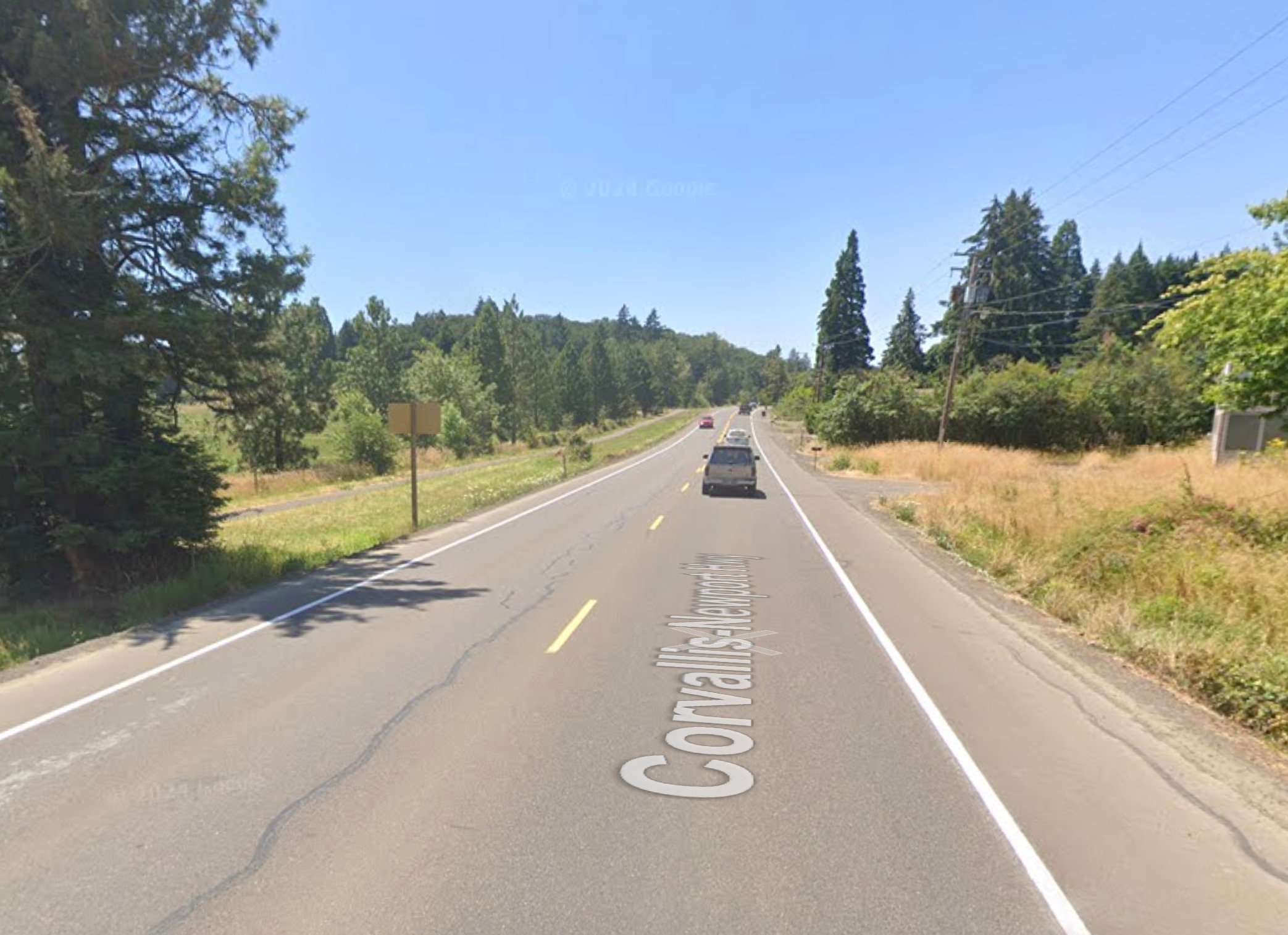
Highway 20 east of Philomath.

Oregon Senator Khanh Pham has planted a flag this legislative session on the idea that repairing and maintaining existing highways is more important than expanding them or building new ones.

On Monday, Senator Pham, a Democrat who represents outer southeast and northeast Portland, was the sole “no” vote on a bill that originally sought to give the Oregon Department of Transportation a blank check to widen a highway. And earlier that morning Pham gave a speech on the Senate floor about the need for more street safety funding.

Senate Bill 564 was proposed by Senator Dick Anderson, a Republican who represents a coastal district between Salem and Eugene. The bill called on ODOT to, “widen and increase the capacity of motor vehicle travel” on a three mile stretch of Highway 20 between Corvallis and Philomath. The bill called for funding through the General Fund, but left the specific amount blank.

Advertisement

In a public hearing for the bill on February 11th, Sen. Anderson, the Mayor of Philomath, and a local county commissioner, all spoke in support. They said folks who live in Philomath have complained to them about bumper-to-bumper traffic when they try to drive to jobs and events in Corvallis (home to Oregon State University). They talked about how “easing congestion” would improve safety and allow more growth and economic development. 

Philomath Mayor Christopher McMorran said, “We are not trying to cause any environmental damage. We are trying to find all solutions we can to get folks to work, to get folks to school, to make sure that highway is working for residents.”

The bill was ultimately amended to remove the project appropriation and make it just a “study bill.” Legislative staff estimates the study, which would give lawmakers, “recommendations for increasing the capacity of motor vehicle travel,” would cost about $300,000.

The Joint Committee on Transportation voted on the bill Monday evening. It passed 10-1, with Sen. Pham the only person voting against it.

Advertisement
Rep. Pham on Senate Floor Monday morning.

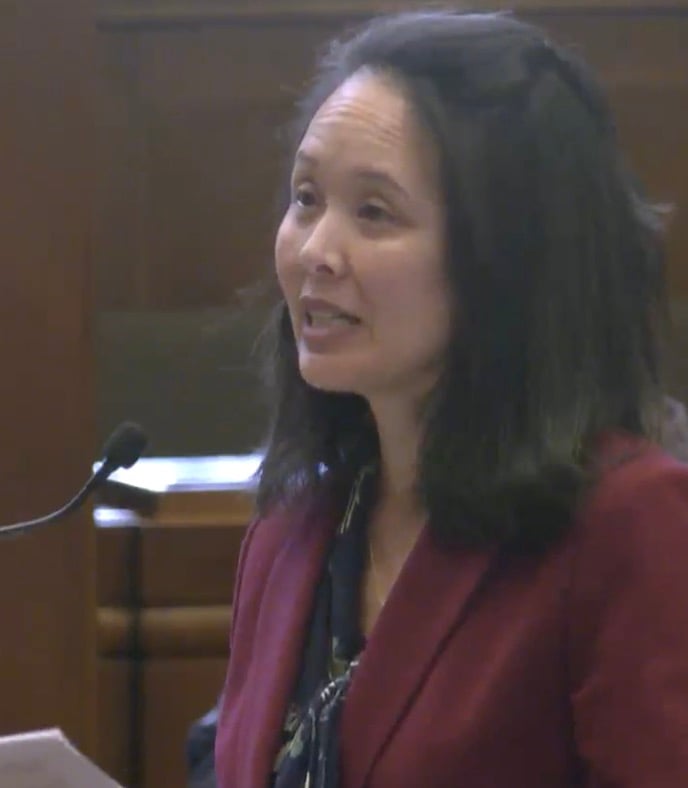
“I am worried about advancing legislation that’s calling out specific highway widening projects for study,” Pham said in comments before casting her vote, “As opposed to taking a total systems approach looking at our entire transportation system… I just worry about the precedent it sets as we’re gearing up for the 2025 package, especially with so many of the projects with cost overruns that we’re navigating, I think we really need to be focusing on maintaining our existing system.”

Those comments lined up with a speech Pham gave on the Senate Floor that same morning. “Community members are angry, and they have a right to be. This was preventable,” Pham shared as she recounted the death of Roger Lee, who was killed by a driver as he walked across SE Powell Blvd on March 9th. “Many legacy highways currently owned by the Oregon Department of Transportation were designed for cars, but are, of course, used by all modes and are more deadly for all road users, particularly people walking and biking.” “Our state highways are old and outdated and unsafe and suffering from disinvestment,” she continued. “As we discuss how best to use our limited state transportation funds, we need to prioritize investments that make our current system safer, like fully funding our Great Streets program, Safe Routes to School and supporting jurisdictional transfer of some of these roads — whether it’s a logging truck on Highway 30 near Clatskanie, or middle-schooler trying to bike to school across SE Powell Blvd, we must make Oregon streets safer for everyone.”
Pham is also gaining support from across the aisle. Senator Suzanne Weber, a Republican who represents coastal Tillamook County, also spoke on the Senate Floor Monday about the need to, “Address the dire safety situation facing our transportation infrastructure.”

TriMet wants to know if they should go bigger for transit on 82nd

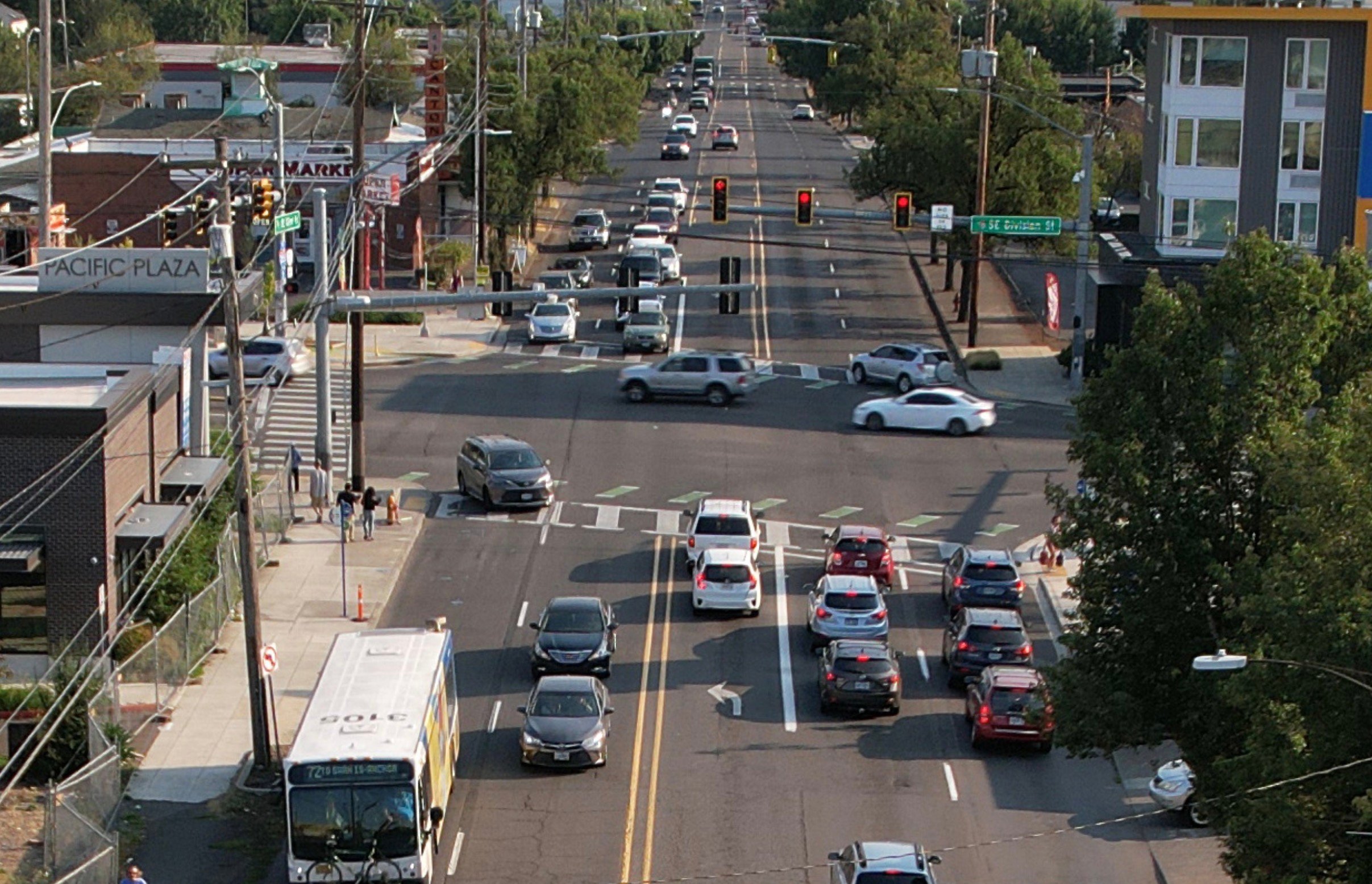
Aerial view of SE 82nd Avenue at Division. (Photo: TriMet)

Because TriMet and the City of Portland won’t do more to prevent people from driving cars on 82nd Avenue in the future, a $320 million transit upgrade might not be enough to significantly improve bus service.

TriMet 82nd Avenue Transit Project will bring their high-capacity FX bus service to 10 miles of 82nd Avenue between Clackamas Town Center and northeast Portland. To speed up service on the busiest bus corridor in the state, they’ll consolidate stops, improve stations, make safer pedestrian connections, update signals, and more. But even with these investments, “It may be harder for buses to stay on schedule as traffic congestion grows in the future,” TriMet says.

That’s largely because project leaders feel they must maintain ample access for car drivers, instead of devoting more space to more efficient lanes for buses and bikes. Since bicycle access on 82nd has already been ruled out, and the political support does not appear to exist for reducing automobile access, TriMet is now exploring additional investments they say will be needed to keep buses moving.

Advertisement
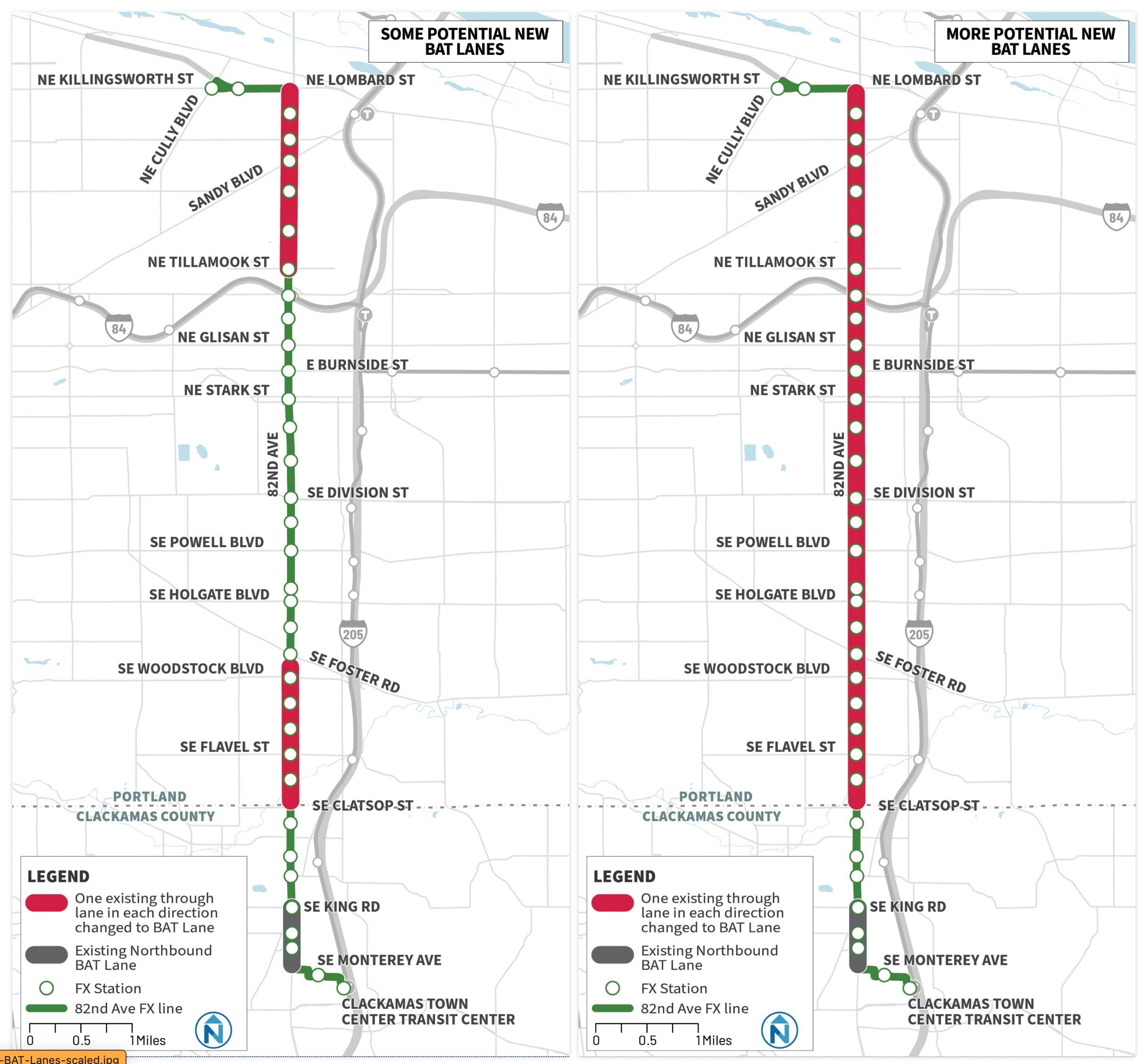
The “Some BAT Lanes” and “More BAT Lanes” concepts.

TriMet released an online open house today that asks the public to weigh in on three options under consideration:

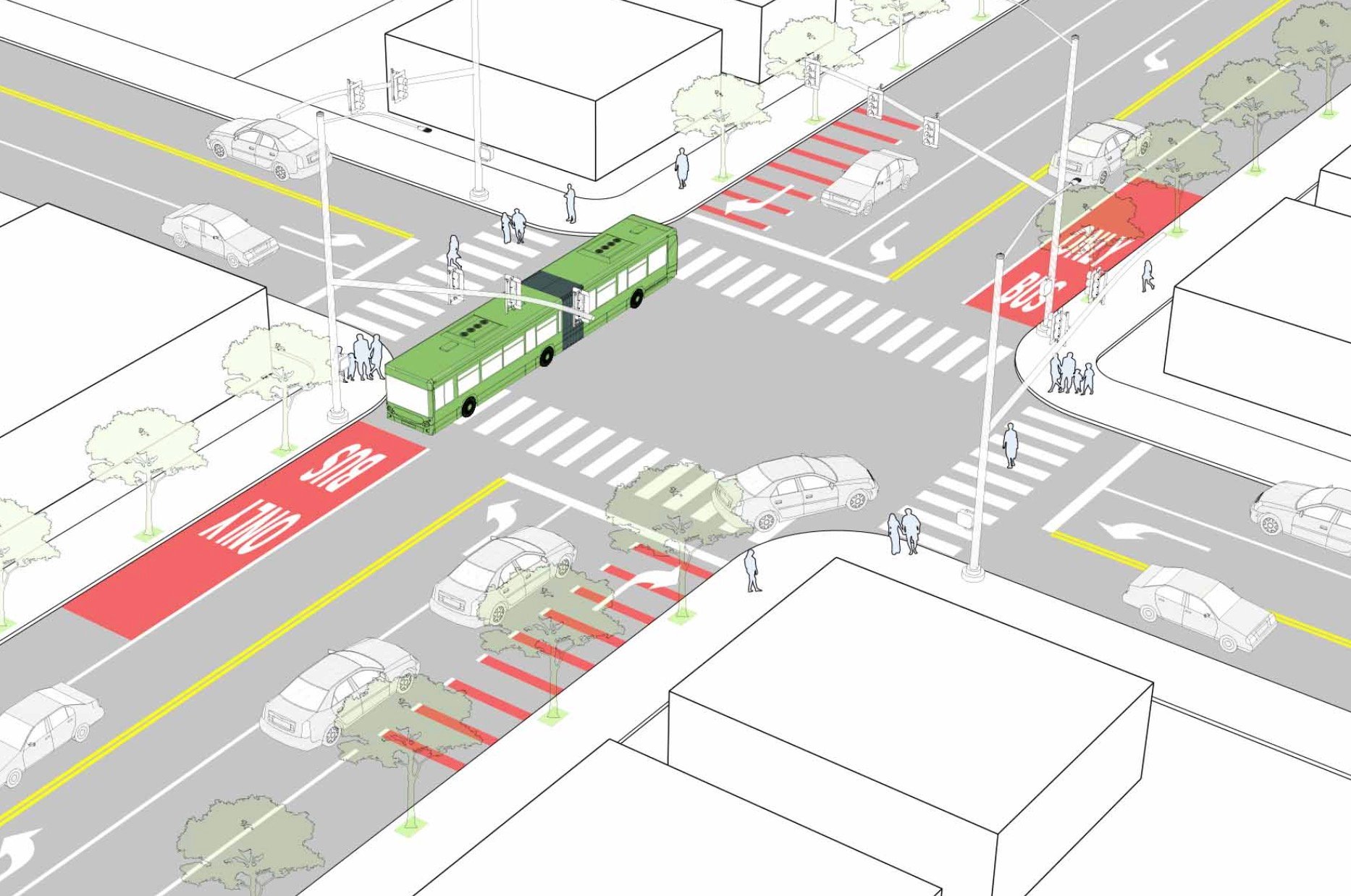
  • Option One – “Some BAT Lanes”: Three miles of new transit-priority, a.k.a. “business access to transit” BAT lanes (see graphic below), in each direction.
  • Option Two – “More BAT Lanes”: Seven miles of BAT lanes in each direction.
  • Option Three – Intersection Widening: Widening 82nd Ave at three intersections — Powell, Holgate, and Foster — to make room for more transit lanes. (Note that the widening is being considered because they aren’t willing to reduce driving lanes beyond what’s already proposed.)
Business Access to Transit (BAT) lanes design. (Source: PBOT)

TriMet hasn’t revealed pricing for each option, but Option One would be the cheapest. Option Two, More BAT Lanes, would be at least twice the cost of Option One. And the intersection widening proposal would cost four times as much as Option One.

TriMet says these new options “could exceed project funding” and will require more study and analysis before moving forward.

Take the short survey online and/or visit an in-person open house scheduled for Wednesday, April 23rd from 4-6:30 pm at PCC Southeast.

Avalos: Public safety and police accountability needs more transportation voices

Portland City Councilor Candace Avalos at Midland Library. April 4th, 2025. (Photo: Jonathan Maus/BikePortland)

Portland City Councilor Candace Avalos says a new City of Portland governing body with strong police oversight needs representation from transportation advocates. And with applications to serve on the Community Board for Police Accountability due before April 15th, Councilor Avalos believes now is a golden opportunity to make sure Portland’s definition of public safety includes safe streets.

On Friday I sat down with Avalos in a conference room in Midland Library to talk about policing and transportation. Avalos, who represents an area east of I-205 including Lents in southeast and the Portland Airport, is a first time member of city council, but she’s no stranger to local politics. She was chair of the Citizen Review Committee, where she served for six years and became a well-known advocate for police accountability.

The impetus for our conversation was the CBPA, a new, high-profile venue for oversight of the Portland Police Bureau. The 21-member governing body will have its own budget, will hire its own investigators, and will issue binding decisions regarding police practices, policies, and directives with a primary focus on community concerns.

It’s crucial that this new CBPA have at least one member who understands how transportation issues relate to public safety and policing. It’s my hope my interview with Councilor Avalos encourages someone in our audience to apply for one of the positions.

Listen to our conversation in the player above or wherever you get your podcasts. You can also read an edited version of the interview below.

Advertisement

How do you connect the dots between transportation and policing?

“When we think about policing and public safety, we tend to limit it to things like crime or gun violence and things like that. But as we know, in east Portland in particular, which has 28 out of 30 high crash corridors, transportation safety is a huge part of public safety.

As we’re making decisions about improving [transportation] it needs to include the fact that many of our communities are dying needlessly on the streets and are being hit by cars. And in east Portland, it’s particularly harsh.”

How do you feel about using automated cameras to enforce traffic laws?

“I am open to the discussion. I think that it’s definitely in a tool that we should explore… In general, about traffic cameras, I feel that they have good intentions. I worry about where we decide to put them, and how that affects certain populations.

[On the campaign trail] I heard a lot from east Portlanders that they felt that the streets were just kind of reckless, that people were driving very quickly. I had a lot of complaints when I was knocking on doors about people driving quickly through the neighborhoods too, not just on the main streets. And so, yeah, I feel like I’m open to [speed cameras] and concerned about what the impacts might be disproportionately on a community that you know is already facing so much hardship.”

How would you characterize the current relationship between police and the community?

“The temperatures are down, and I think in all areas it’s less politically-charged that it was, for sure. That definitely doesn’t mean that people aren’t paying attention, but I think the energy is a lot less…

I think that just having a leader [new (since the George Floyd protests) Police Chief Bob Day] that has earned the trust of many different aspects, I think has really shifted the dynamic.

I really do like Chief Day. I think he’s personable, I think he’s reasonable. When I have discussions with him, I see him really trying to come to a decision that is fair. And I think that has shifted the relationship, for sure…

I think right now, the police union sees their relationship with the city is, like, tenuous, right? Because they don’t necessarily have all of the more overt champions that they have tended to have on the council in the past.

… I wouldn’t say we’re in a positive place, but I would say a neutral place, with community.”

Advertisement

Why should transportation reform advocates and people who care about street safety, be paying attention to the Community Body for Police Accountability?

“I think it’s important for people to engage in this new process because we have created a really robust, really unique in the country, type of board, as far as the powers that we gave it.”

How is the CBPA more powerful than what came before?

“That old system has a lot of flaws. I think the main flaw there was the lack of true teeth in that process and everything really was just deference to police… It’s a system that does not have any true accountability because everything was so deferential to police in the first place. So that is the biggest change in this new police board, is that the people on the board actually have a lot more control. The standard of evidence is different.

… So I’m hoping that this new board, with its new teeth, will be able to usher in a new awareness about what we should expect from our police, and what does it mean to hold them accountable?”

What element of the CBPA are you most excited about?

“I’m excited that this board will actually have teeth… We wrote it in [to the bylaws] that the city has to respond to recommendations… We specifically did that so that when community does come and say, ‘Hey, we’re having these issues with these, you know, these police chases [for example], and it’s affecting the streets in this way,’ they’re going to have to respond by charter. So that’s really exciting to me, that the charter really instituted strong protections for the people’s voice in the process.”

Advertisement

With protest season ramping up, how confident are you that the Portland Police have learned lessons from past years and will change how they respond?

“I am very concerned, and I want to see police’s response to the fact that traffic, traffic attacks, car attacks, are on the rise. I was just having dinner with a friend who’s not plugged into politics, and she brought up to me how scared she was that this is the new norm — that protesters on the streets are getting run over…

I think that is a really important transportation justice issue, because I see that is an important place for police to intervene, in my opinion, protecting people’s rights to protest and ensuring that they’re not going to have somebody try to violently attack them with a car. So I would, I would like to see them increase their strategy for how to protect people.”

What can transportation advocates do to get street safety on the radar of the police in a bigger way?

“I think helping us reshape the narrative, like using these advocates to tell these stories and show how they fit into a larger public safety concern. I think that could be a really good place for advocates to start, because it’s not just police not making that connection. It’s also the city and it’s also the average Portlander. So how do we elevate that issue and show its relevance to public safety?”

Do you think now is a good time for transportation advocates to put police accountability on their radar and get involved with this?

“I do. I really think it’s important that transportation advocates elevate the dangers that we face just navigating our streets as non-car users, and that that needs to be again, part of the strategy for how to protect people so that they can move free the freely around the city.

It’s not about protecting them just from gun violence or crime or theft. It’s also to make sure that they can get from A-to-B safely. And that does depend on enforcement. It’s an enforcement thing, it’s a culture thing, it’s an infrastructure thing; but I think transportation advocates should use this opportunity to elevate that so that then the leaders can continue to make it part of our culture and decision making when we’re talking about public safety and when it comes to budget and enforcement and policing.”


Applications for the CBPA are being accepted through April 14th. Apply online here. Read more about the CBPA in the Portland Mercury.

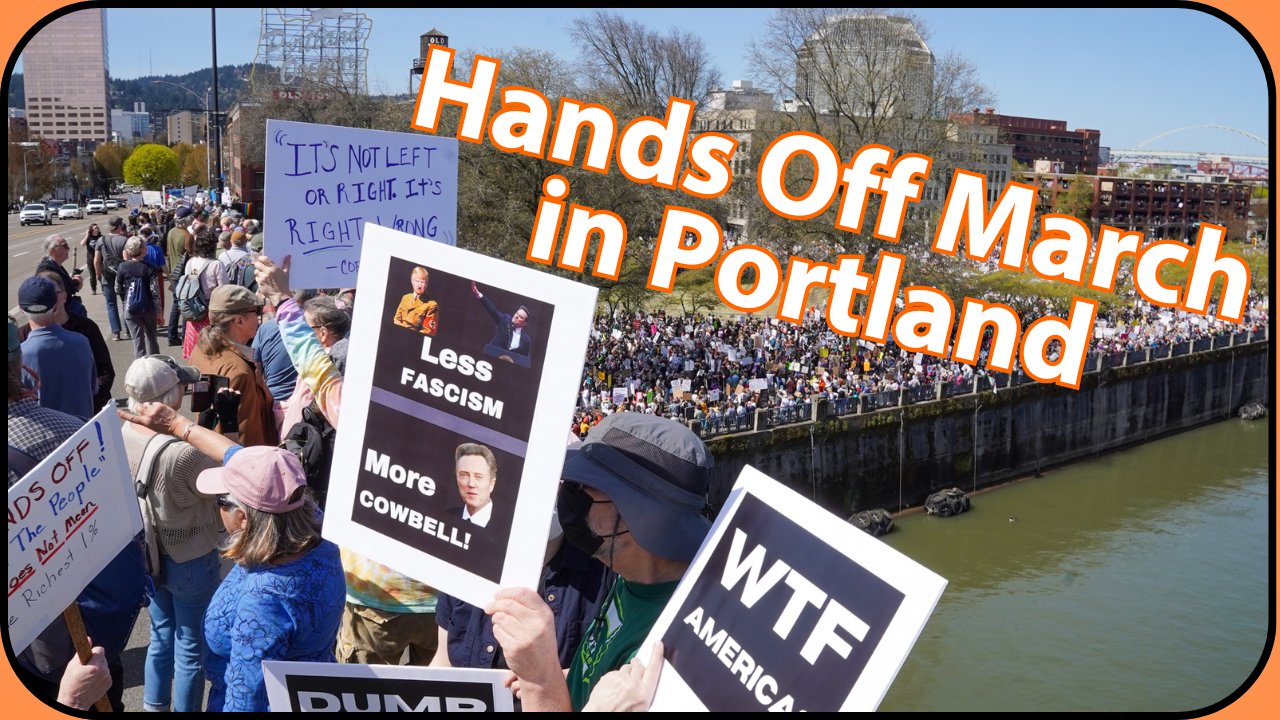
‘Hands Off’ march video and perspective of a volunteer corker

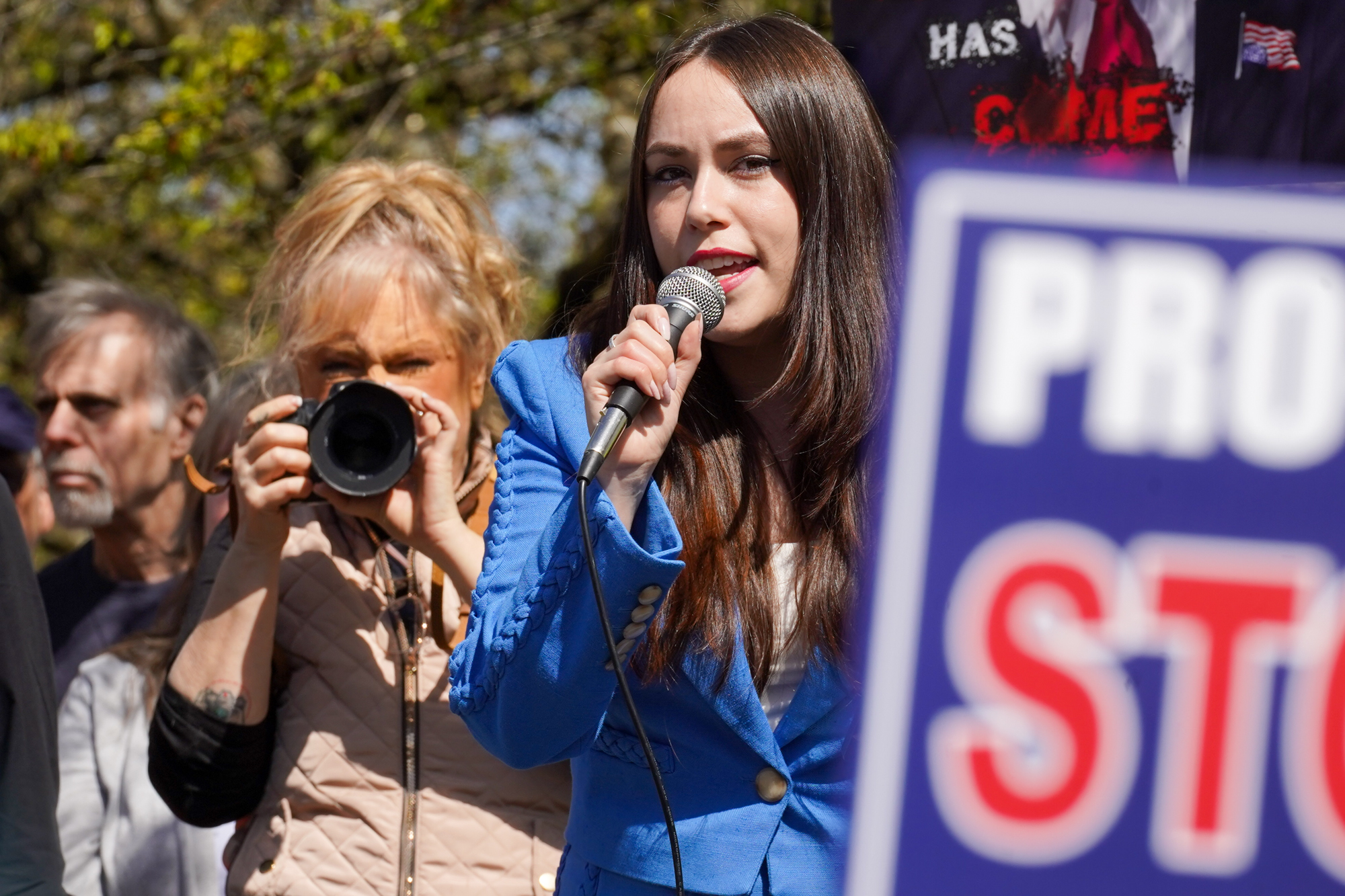
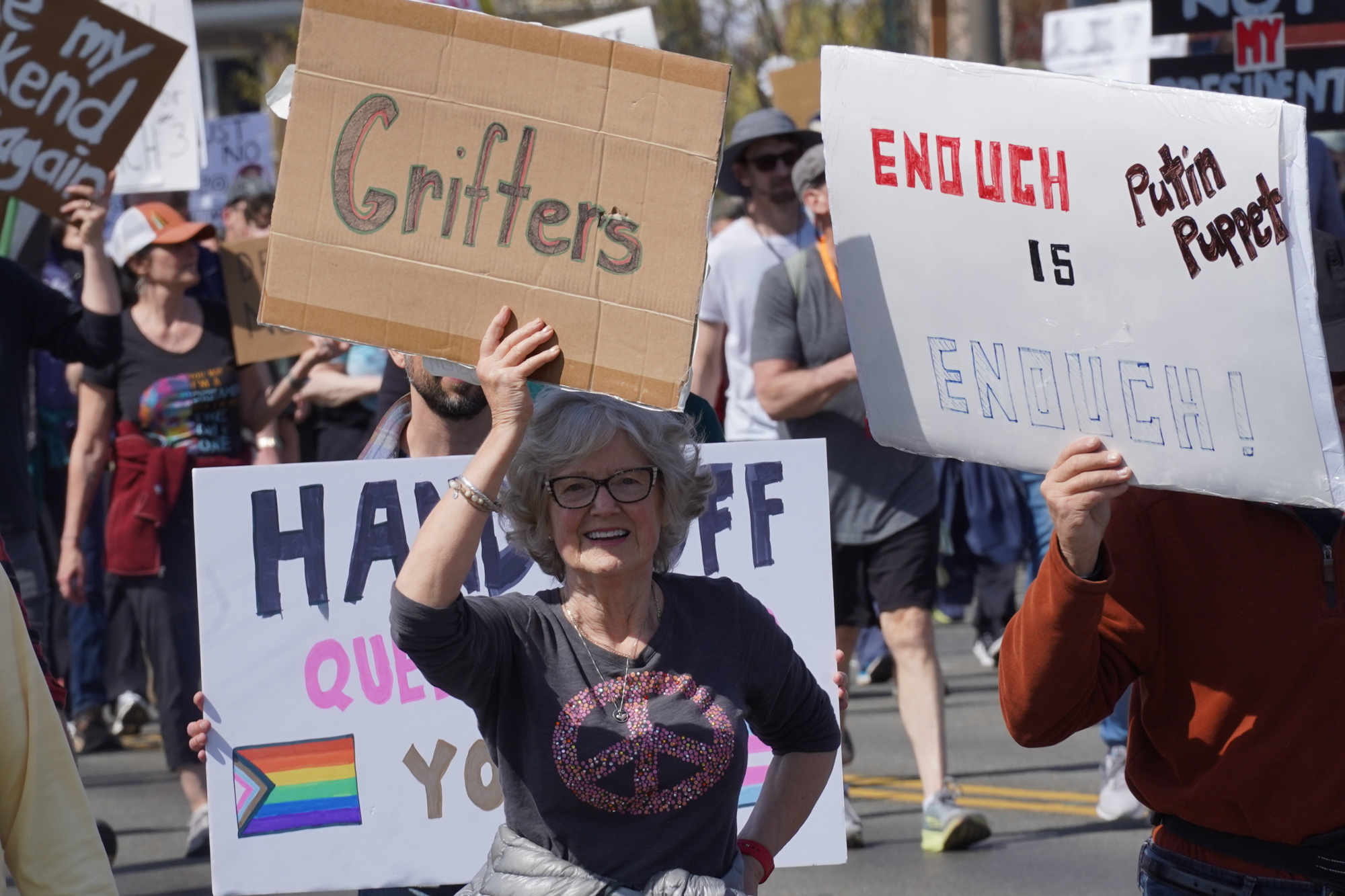
If you saw my photo gallery from Saturday’s “Hands Off” rally and protest and you want a different perspective on the event, check out this video. It’s short and features scenes of the crowd and the march, and is mostly accompanied by audio and video from the speech by Portland City Councilor Angelita Morillo.

*And I need to remind everyone that being featured in a photo or video on BikePortland doesn’t not equal an endorsement. For some reason, a lot of people assume everything I share is politically-motivated or reflective of my personal beliefs and biases — but that is not necessarily the case! I am here to document what I see and pass it along to the community. Obviously everything is biased on some way because I am a human, but it’s exhausting and unfair that some folks are so eager to jump on everything I post as being a sign that I believe x, y, or z.*

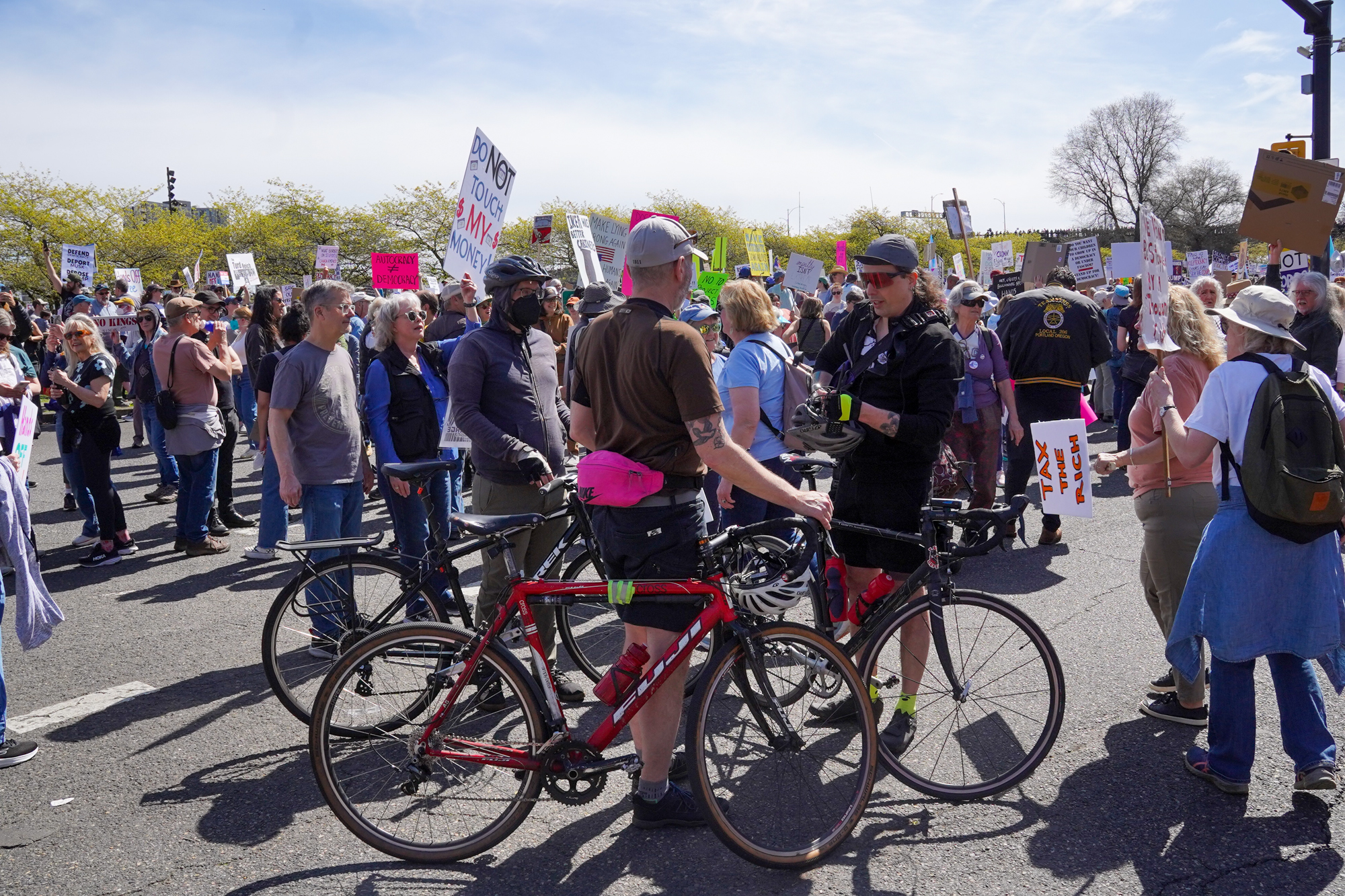
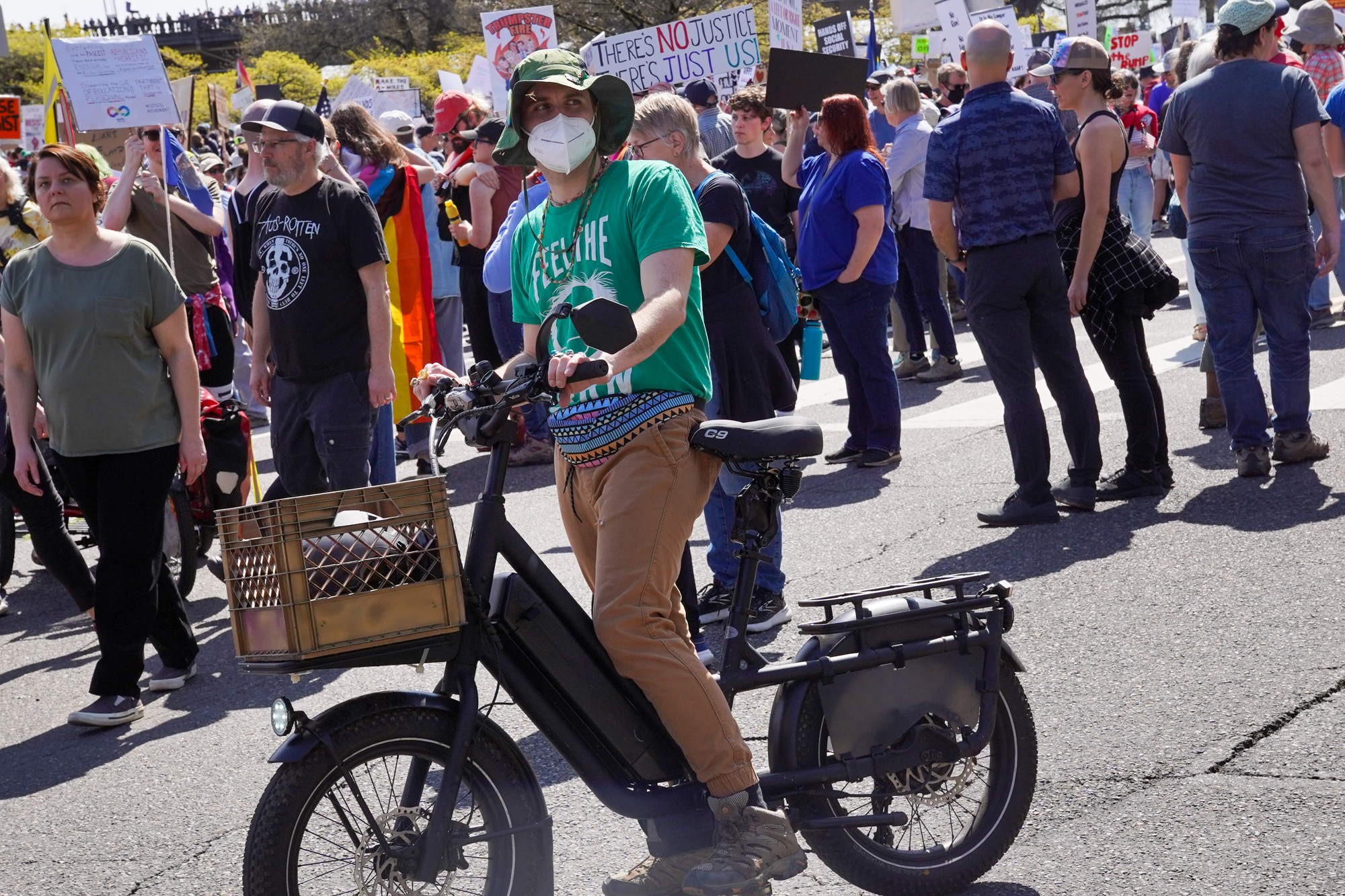
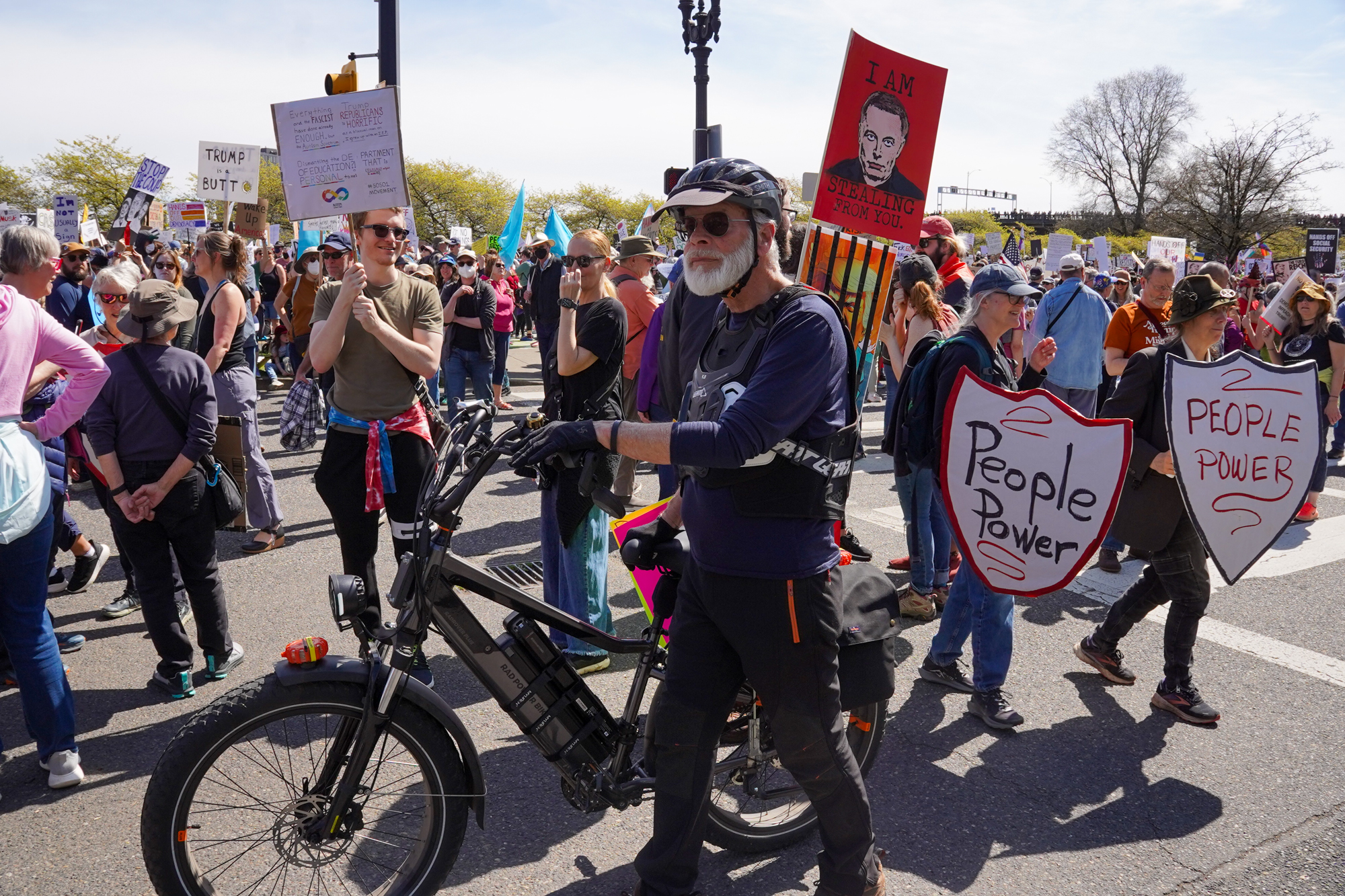
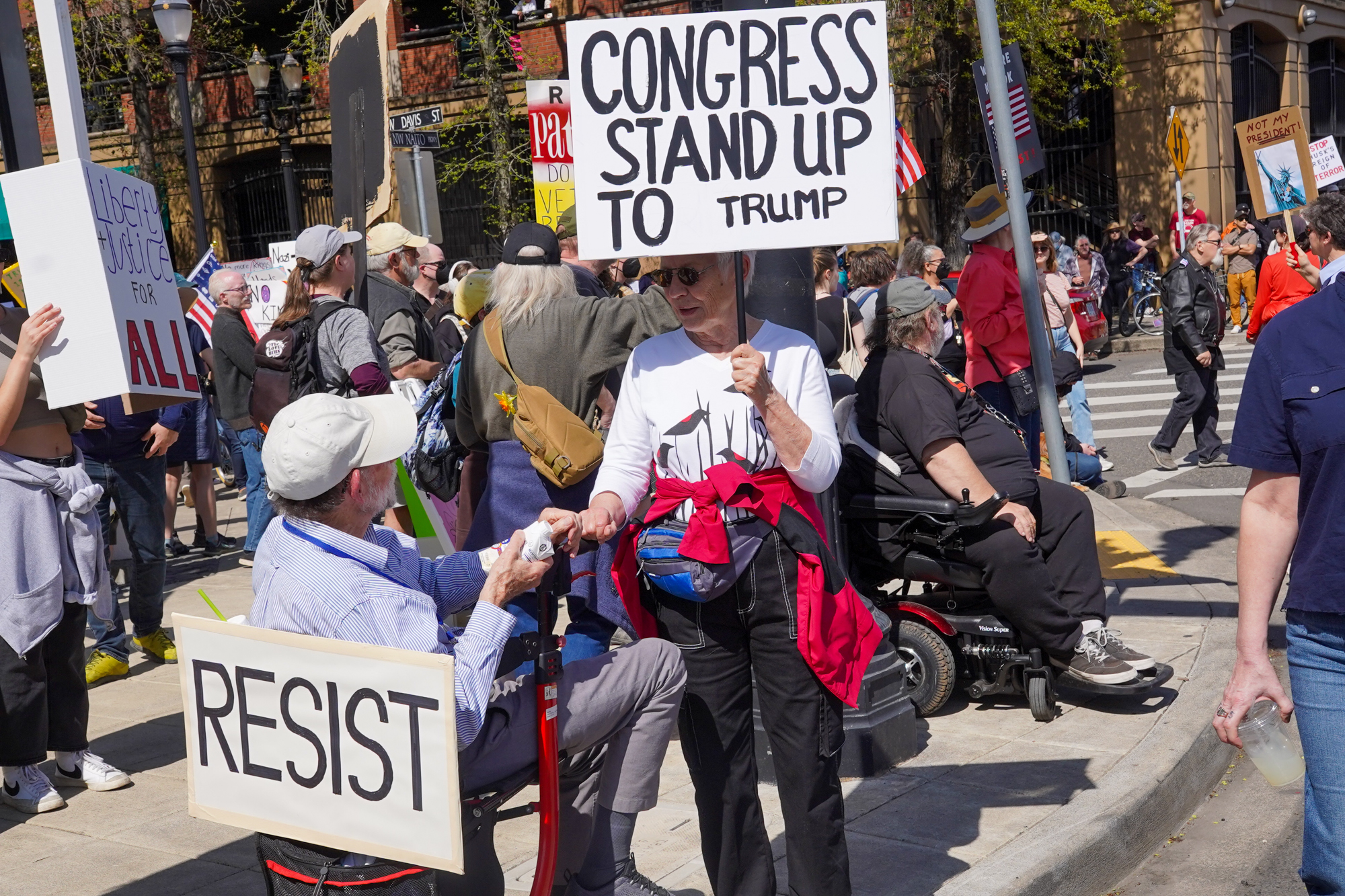
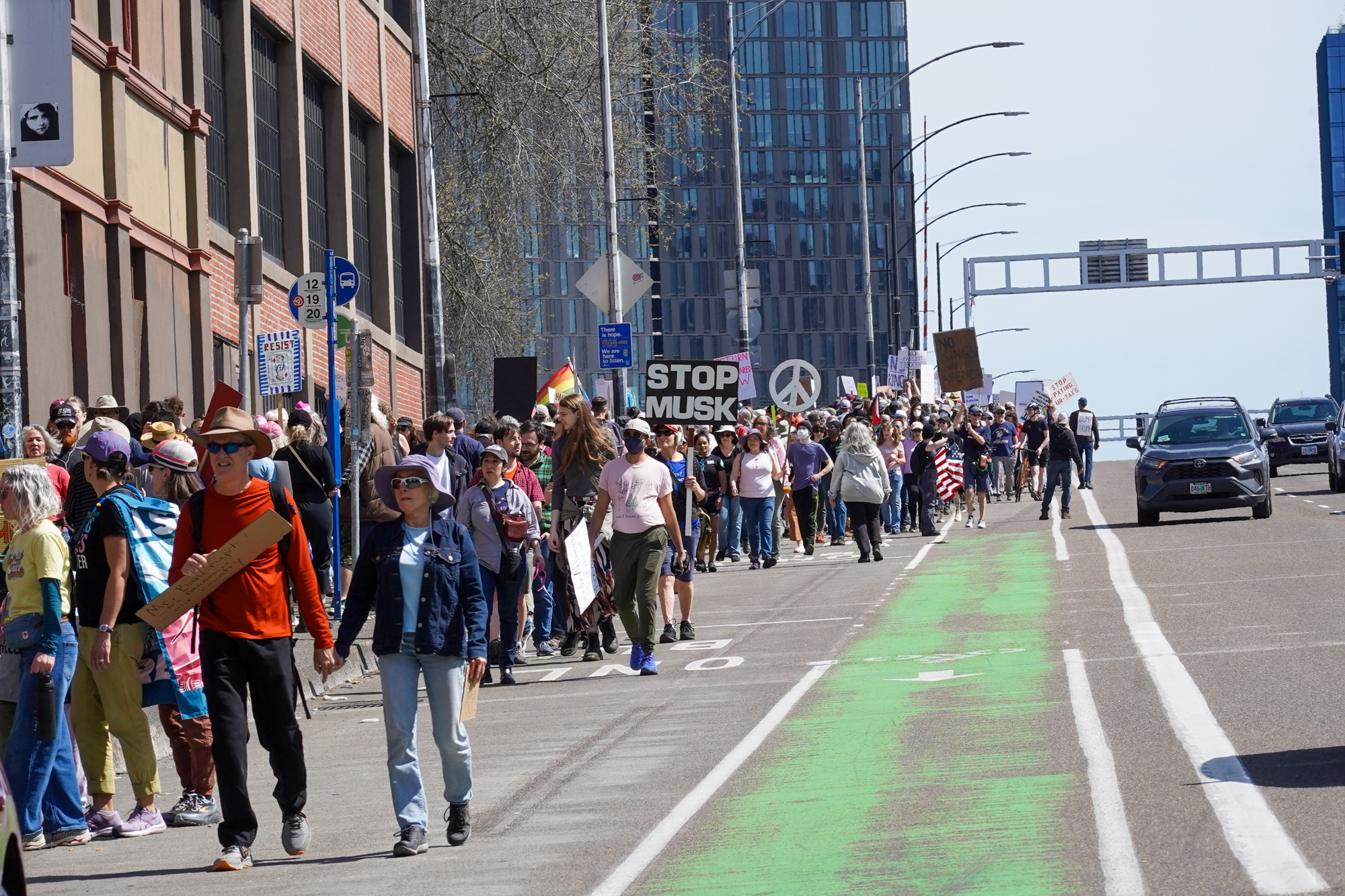
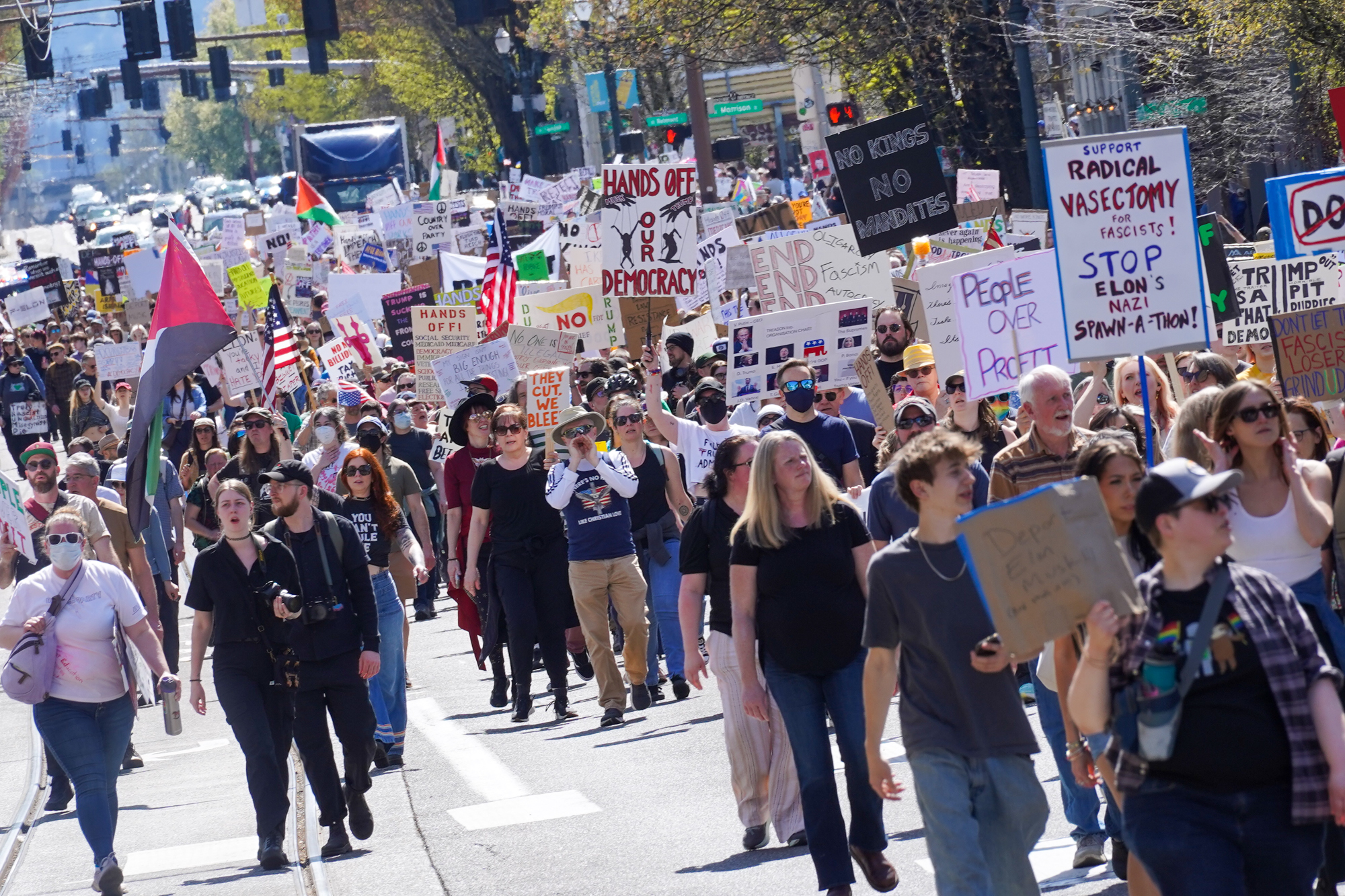
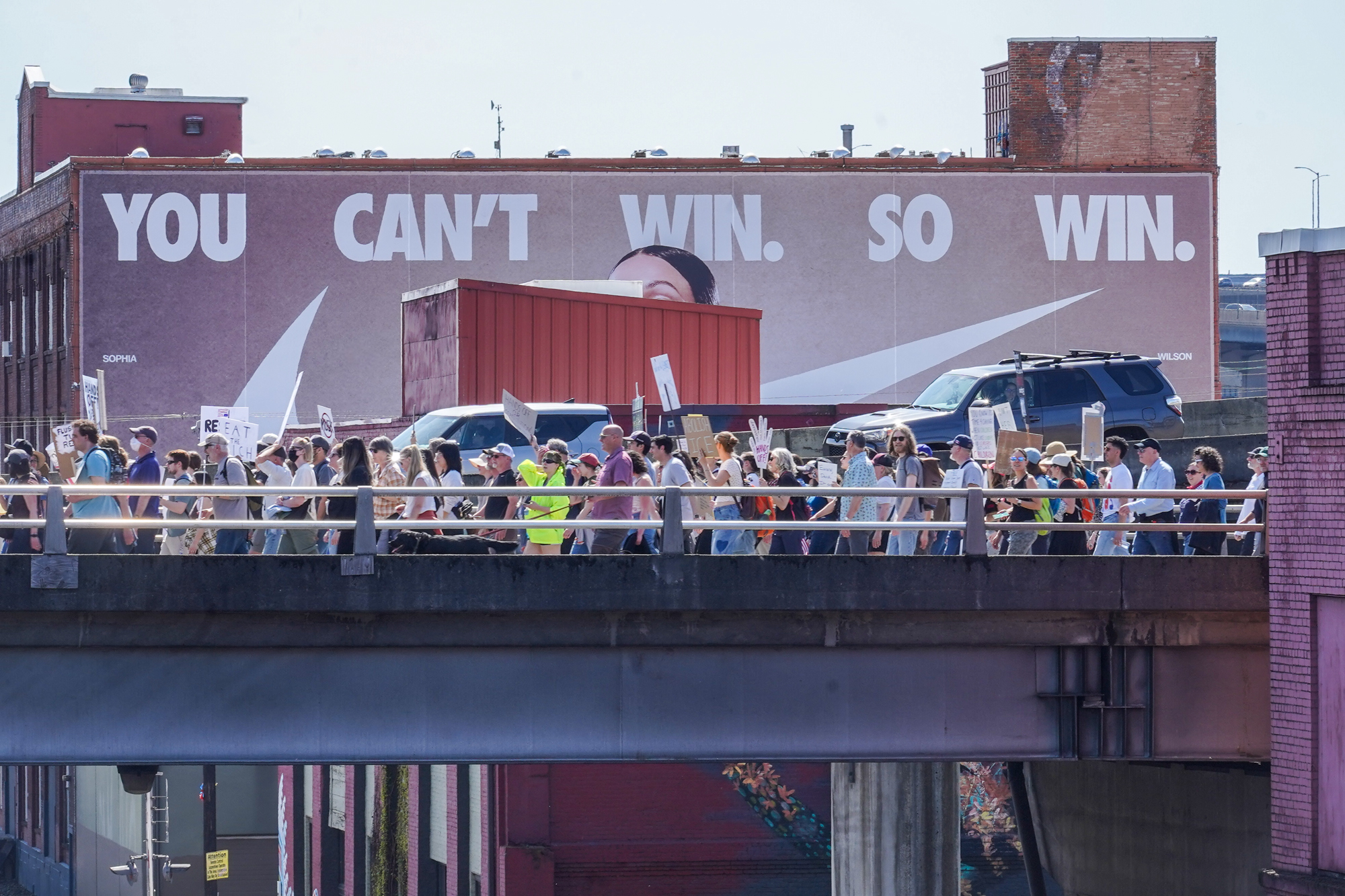
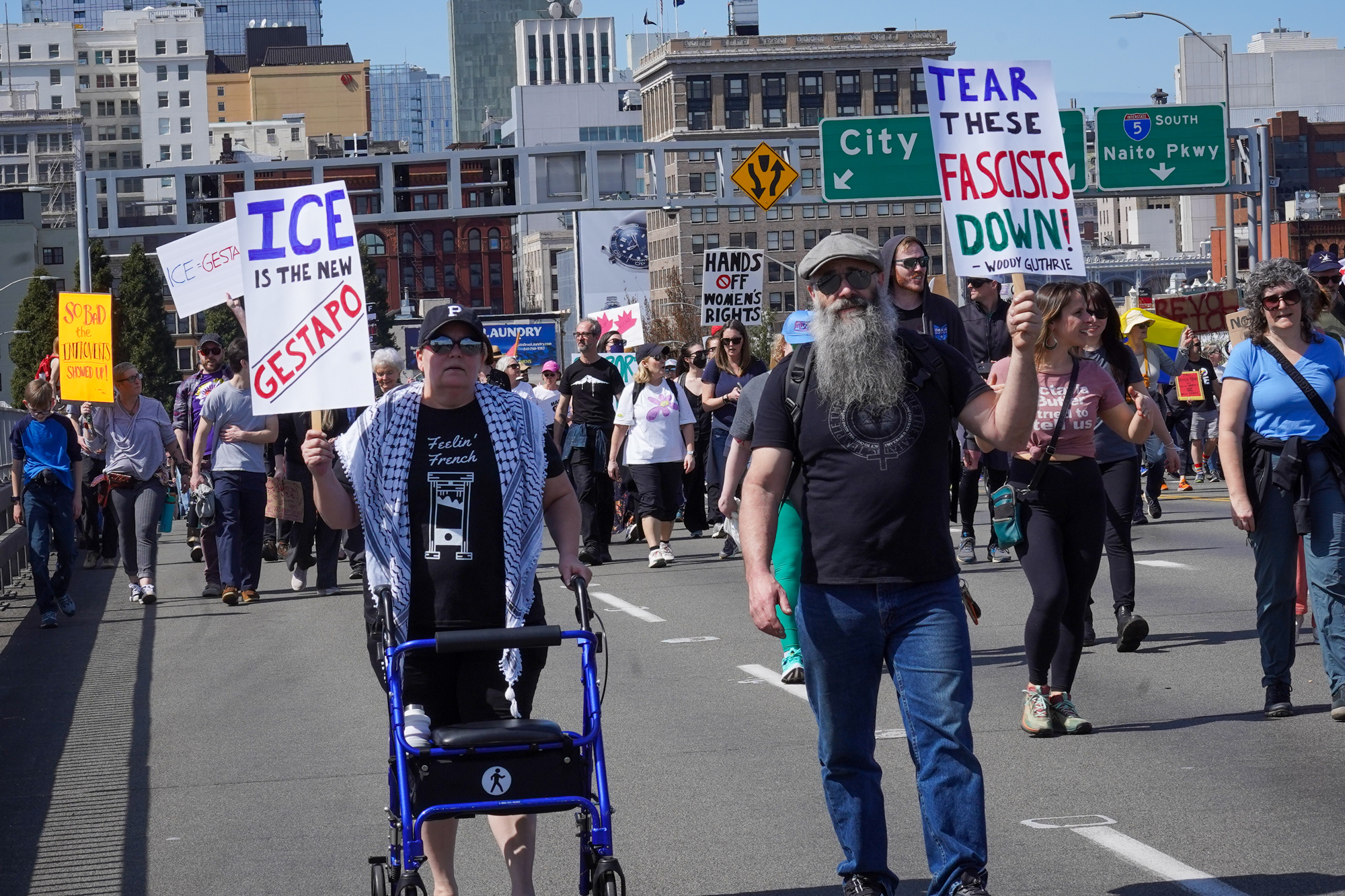
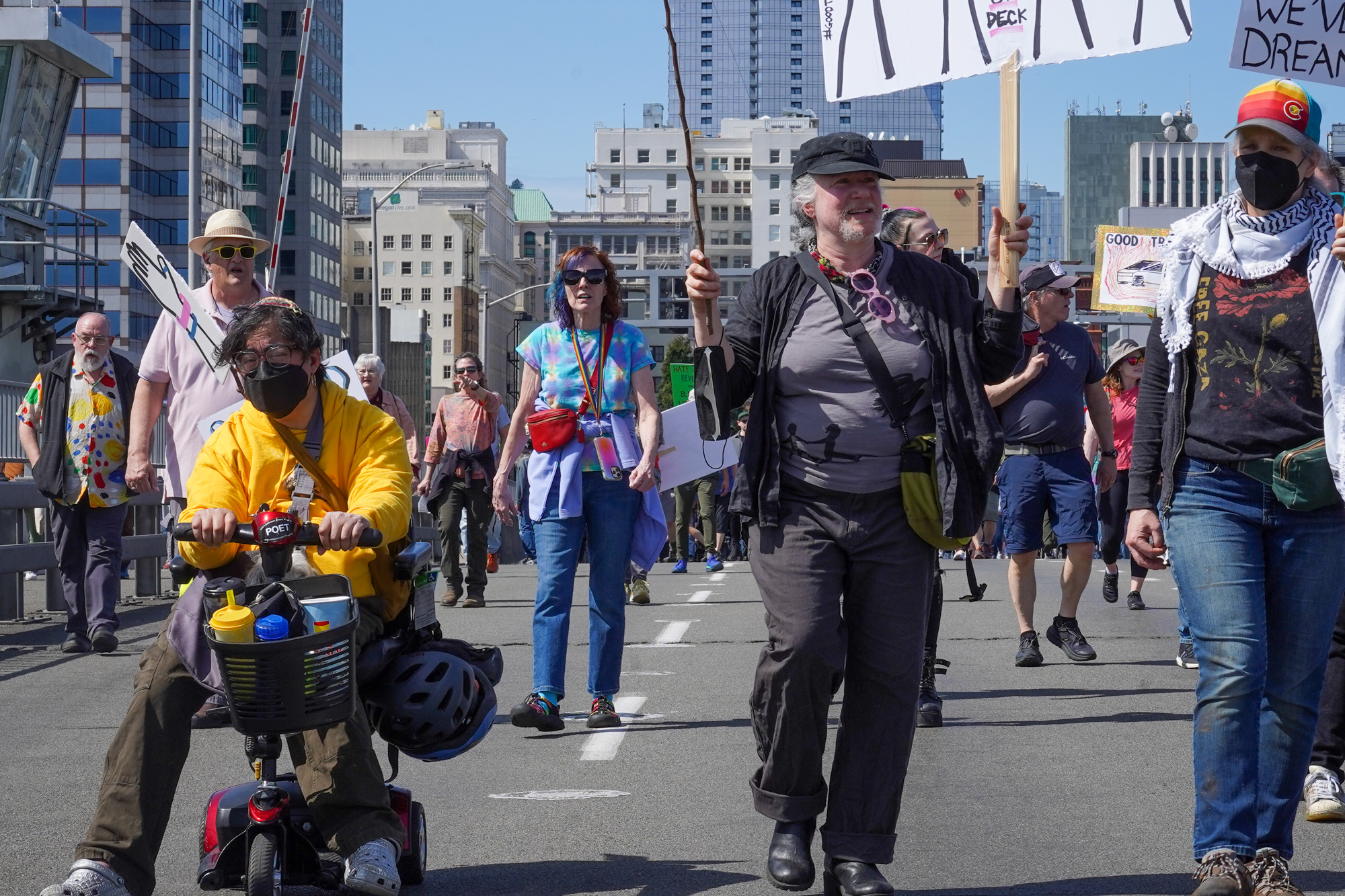
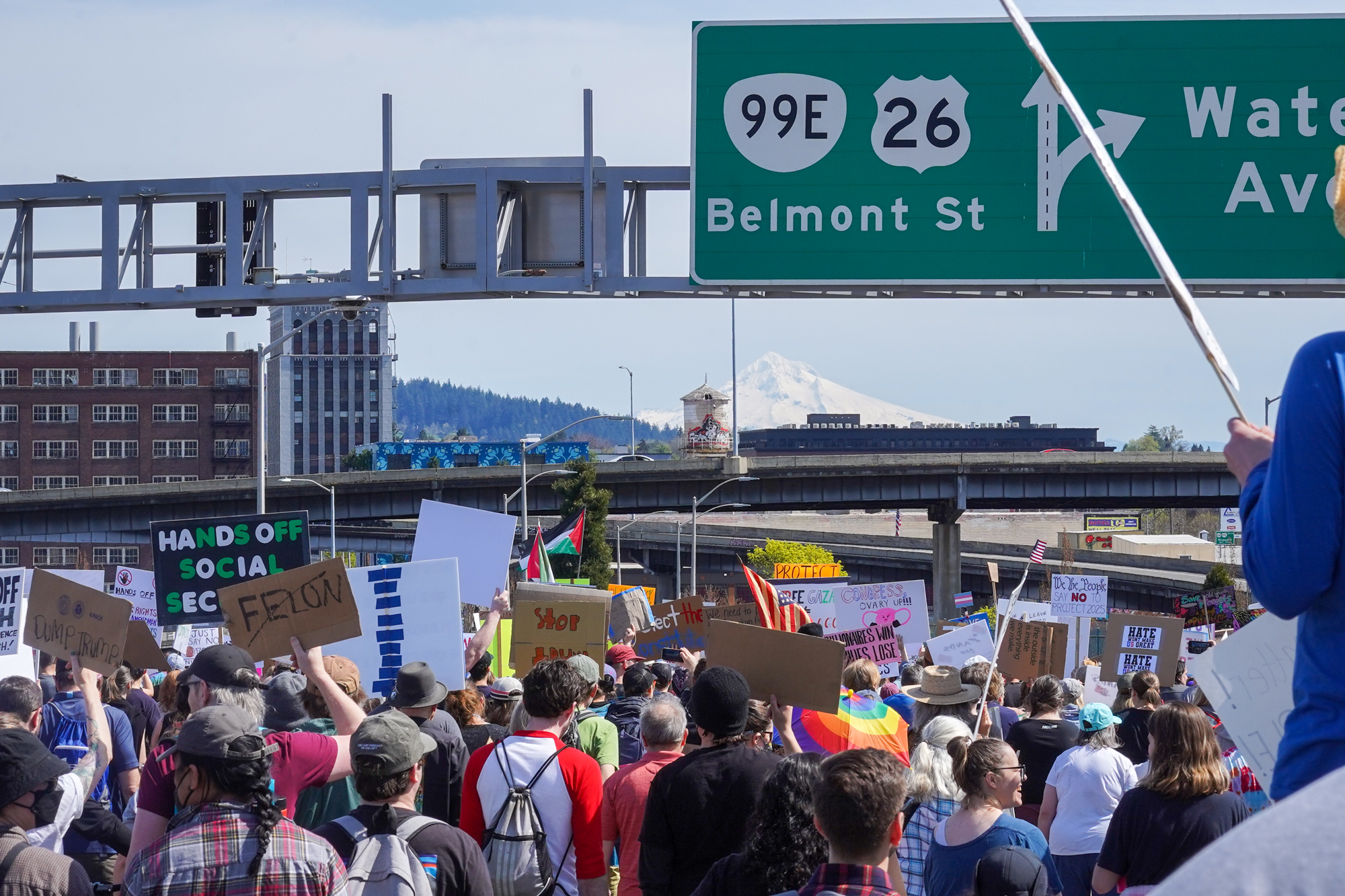
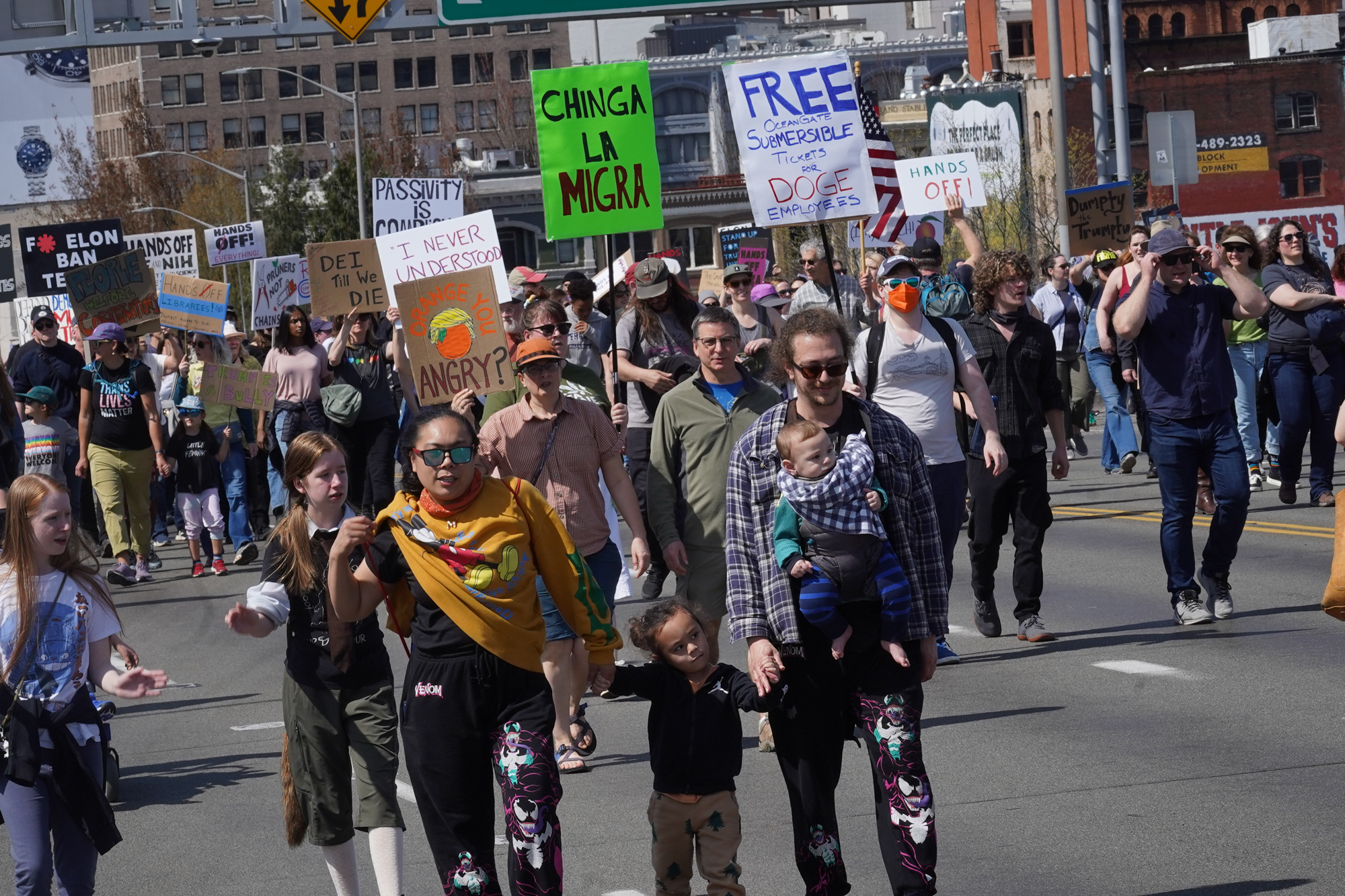
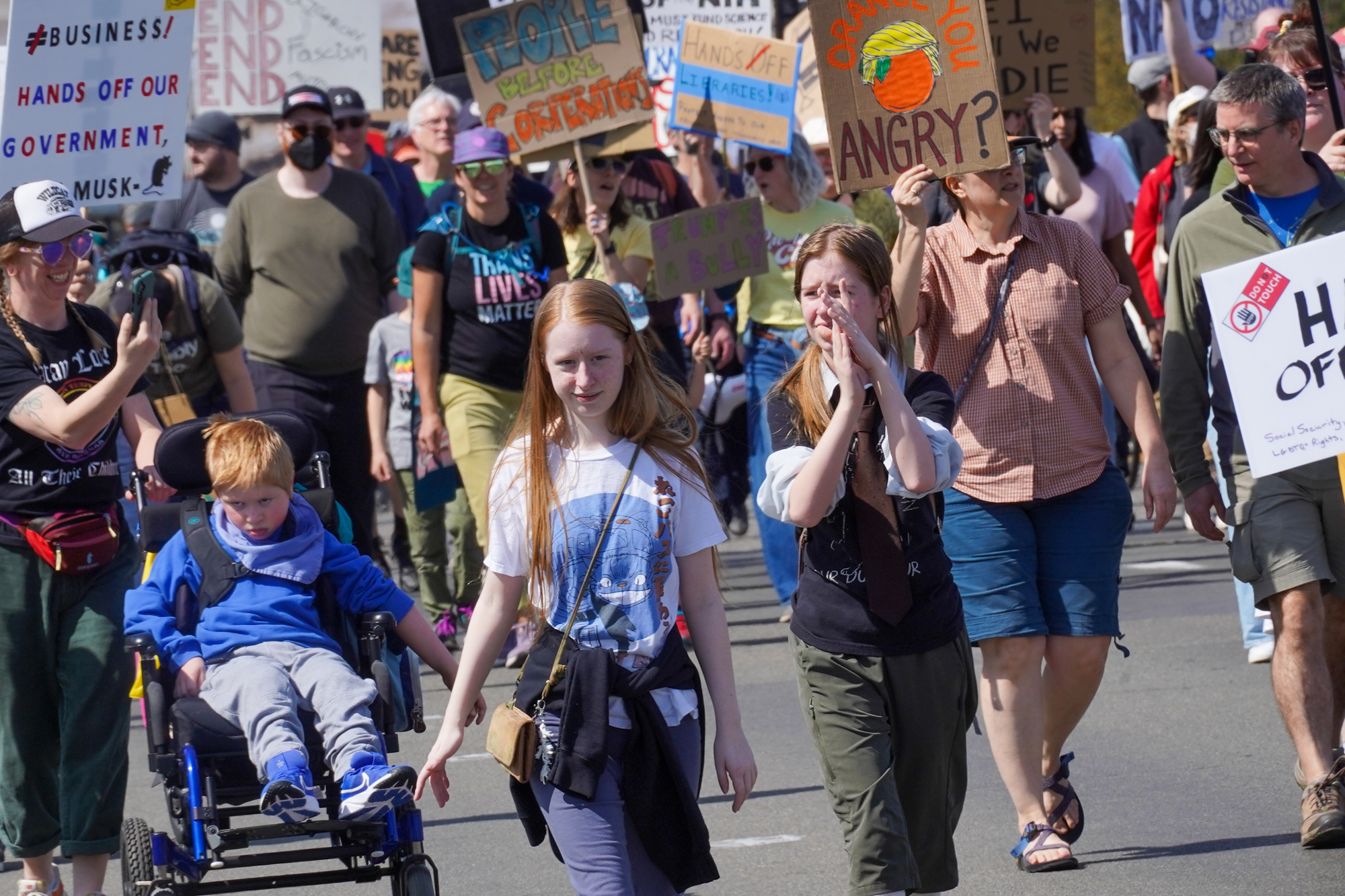
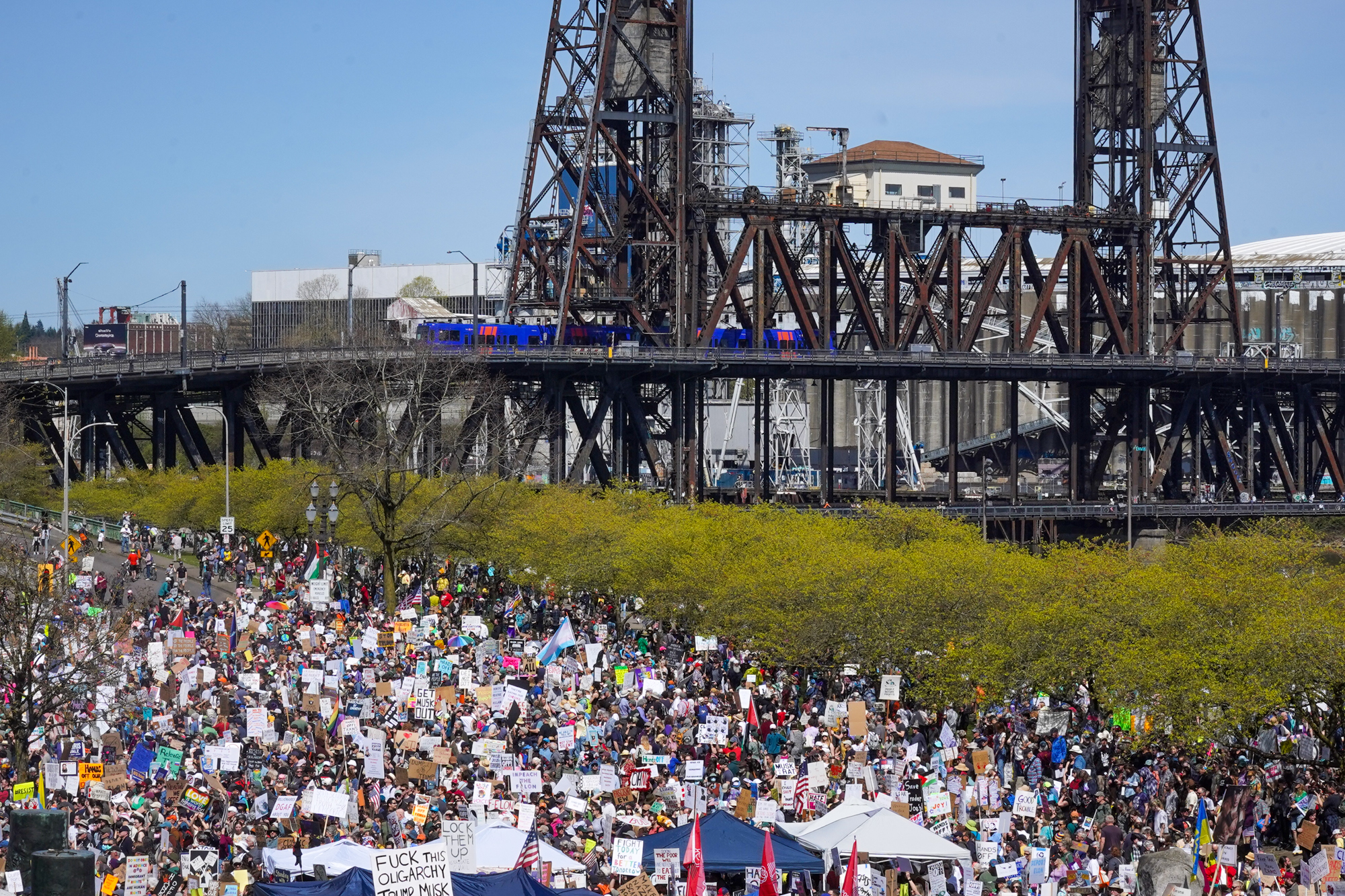
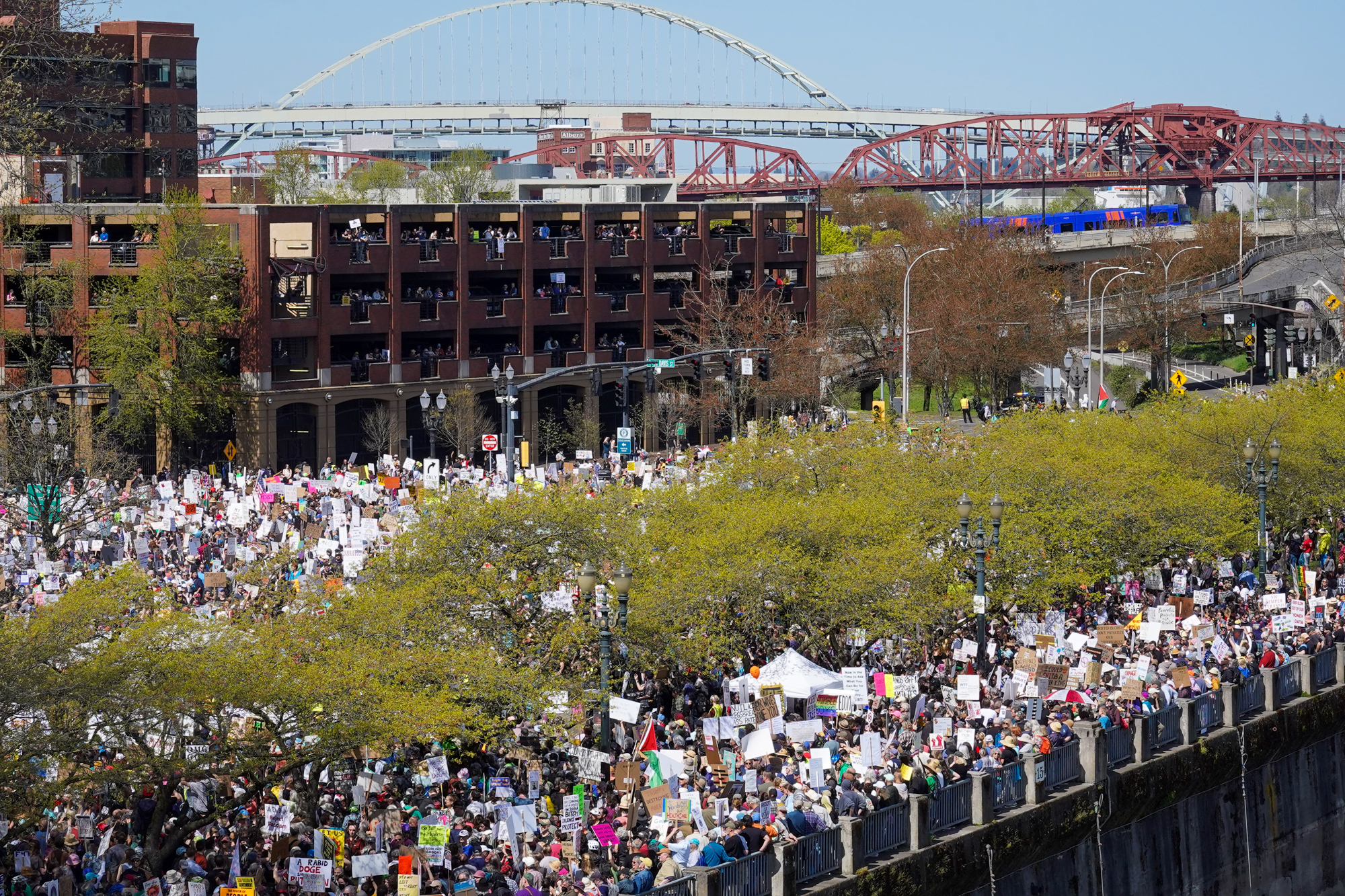
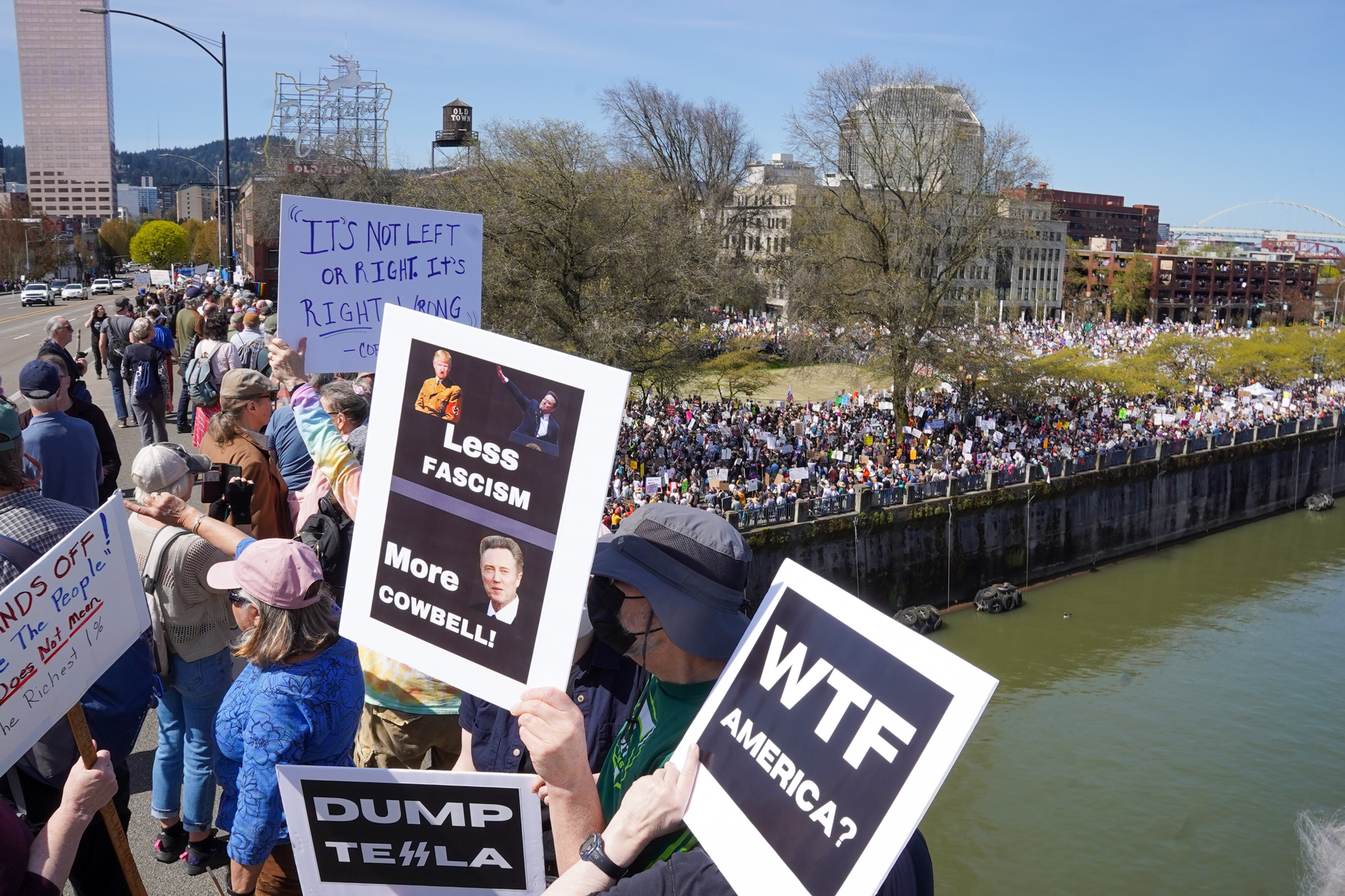
As for the event itself, it was really chill. The crowd I saw was peaceful and seemed very excited to finally be able to express their views about what’s going on in our country. There was a huge turnout of bicycle corkers to help protect participants on the road. I didn’t see any sketchy interactions. In fact, at one point I stood next to a few Portland Police Bureau bike cops on the Morrison Bridge for several minutes. In the short time I was there, probably a dozen marchers walked over to the cops and said “Thank you!”. I think that speaks very broadly to what type of event this was and what type of folks were there.

Advertisement

I don’t know if organizers received a permit or not, but it felt well-organized and orderly from what I saw.

Rob Galanakis was one of the volunteer corkers, and he wrote an email to Portland City Council members sharing his view of the event. That email is below:

Hello Chief Day, Mayor Wilson, and Community and Public Safety Committee Members,

My name is Rob Galanakis. I am a District 3 resident. I am the Glencoe PTA President, Mt Tabor NA Board Member, PYSA coach, Bike Bus PDX organizer, and candidate for PPS board.

I have “corked” (kept marchers safe from motor vehicles) at dozens of marches and bike rides in Portland over the last 4 years, as I did yesterday at the Hands Off protest march. I want to make clear I am/was not a march or corker leader; just a volunteer. And I’m writing you entirely in a personal capacity.

I want to commend PPB for its behavior at the march yesterday, especially the Bike Squad. Police assistance with corking was viewed with skepticism initially, and there was significant antagonism towards police, based on years of hostile or apathetic interactions. However, your Bike Squad was not discouraged, and continued to show a genuine intent to collaborate. I never sensed arrogance or frustration in the dozen or more interactions I had with officers.

The key moment came when PPB adjusted when the marchers’ planned to proceed on the Morrison Bridge to Grand Ave, rather than the Esplanade. This required closing down the I-5 ramp onto Morrison (stranding drivers), and Grand, and Burnside westbound. The police worked to keep everyone safe and the march, which was far, far too large to use the Esplanade, was able to adjust its route without incident.

Corking a dynamic march is different from normal police traffic control. All along the route, officers never interfered with me when I was doing my job. I saw Bike Squad officers take direction from corkers and a TriMet supervisor. There was an aspect of humility and collaboration I did not expect.

There was some sore behavior from non-Bike Squad officers, but for the most part, PPB and the Bike Squad helped pull off a safe event. Trust won’t come after one protest, and there are many other concerns with police behavior including towards the councilors on this email, but I do feel it is worth calling out successes when they happen.

Thank you,
Rob Galanakis

Monday Roundup: Tariffs, abundance, reckless policing, and more

Welcome to the week. Here are the most notable news items our community has come across in the past seven days…

Stunning finish: With three of four men in the winning break from the same team, what happened at the Dwars door Vlaanderen race was unbelievable. (Cycling Weekly)

Police chases kill innocent people: A large investigation by a media organization found that the majority of people killed as a result of police chases are innocent bystanders. (SF Chronicle)

USB-C?!: Imagine charging your new e-bike with the same cable you use to charge your headlight. That’s the promise of Ampler Bikes, a company that allows riders to charge with a USB-C cable. (Electrek)

An abundance of caution: We’ve already seen how the “abundance mindset” has influenced local elected officials who are eager to build the I-5 Rose Quarter project. That’s the type of thinking that David Zipper cautions against in his piece of how abundance principles apply to transportation. (Bloomberg)

Advertisement

Love (riding with) yourself: I appreciate this reflection on riding alone (versus ride with a group) because I share many of the same feelings. Or to put it in modern parlance, I feel seen. (Cycling Weekly)

Tern and tariffs: There’s massive uncertainty around what impact Trump’s tariffs will have on the bike industry, but this story about bike maker Tern and a possible $1 million tariff payment illustrates the chaos they’ve already caused. (Bicycle Retailer)

Overpolicing: A Florida man working as a police officer rammed his patrol car into a boy who was riding his bike in the street. The police agency said the boys were an organized group doing unsafe stunts on public roads. (NBC South Florida)

What women want: A British study found that women are more likely then men to ride less (or not ride at all) because of fears that drivers will treat them poorly. (Guardian)


Thanks to everyone who sent in links this week. The Monday Roundup is a community effort, so please feel free to send us any great stories you come across.

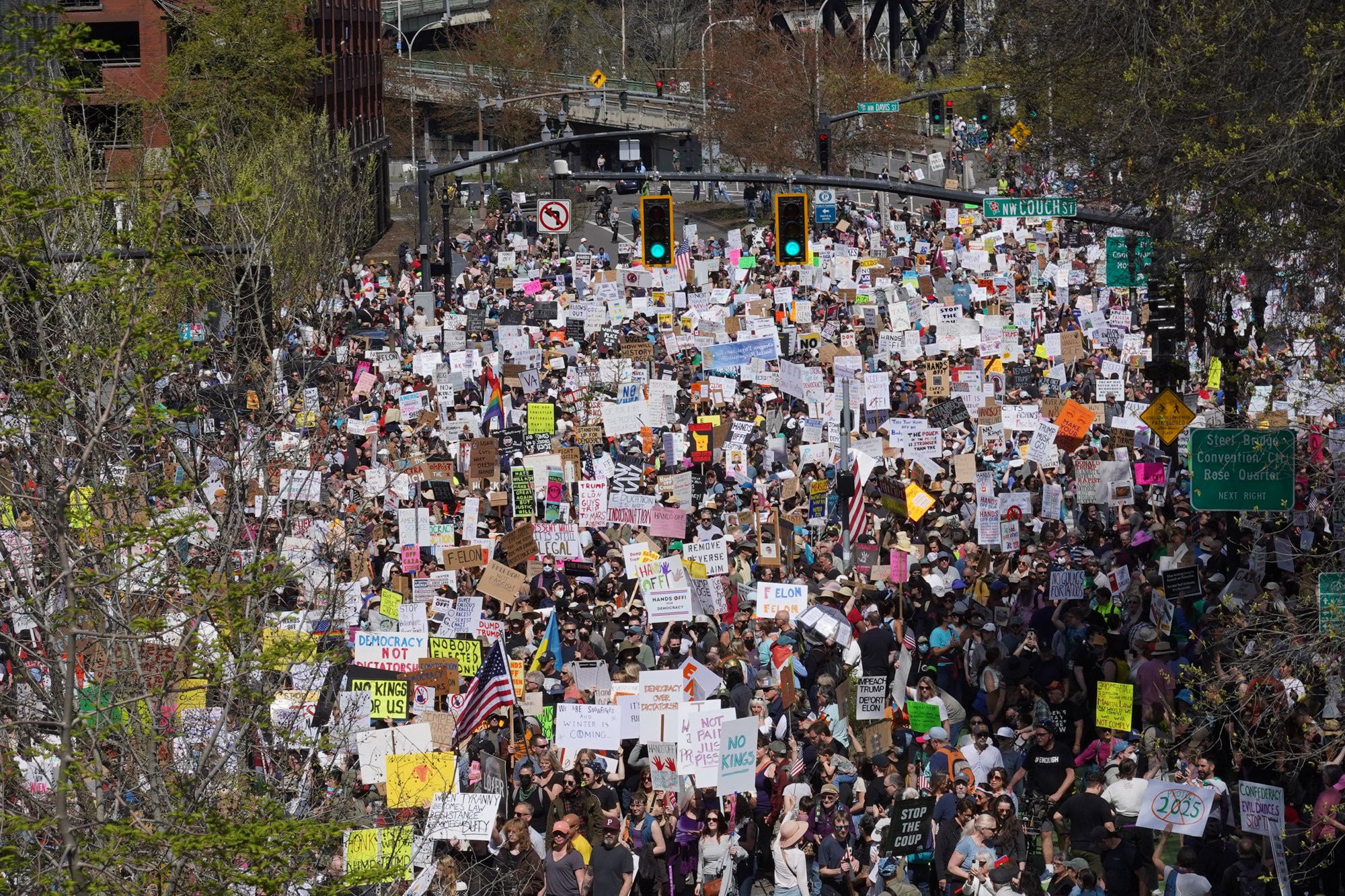
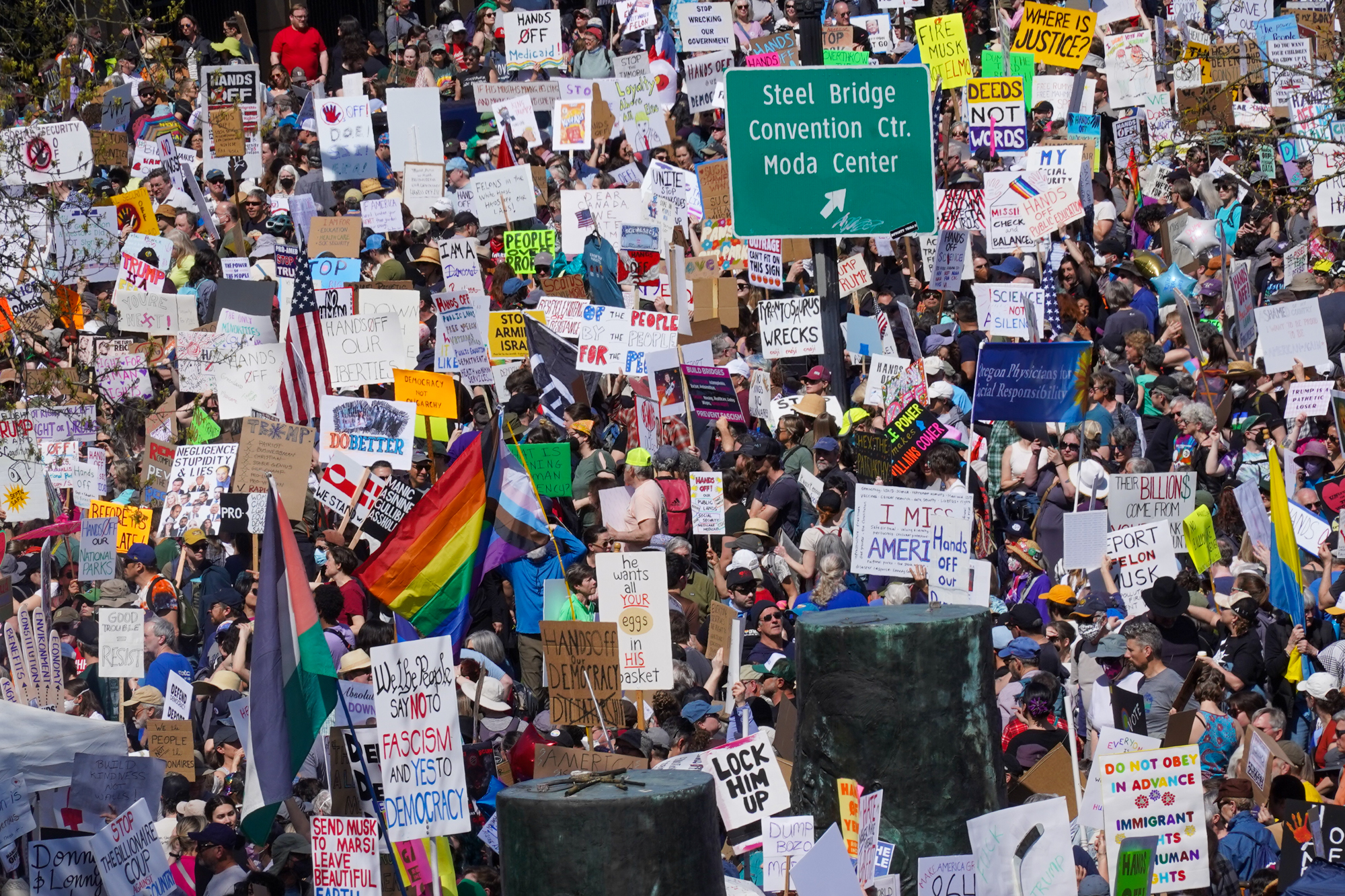
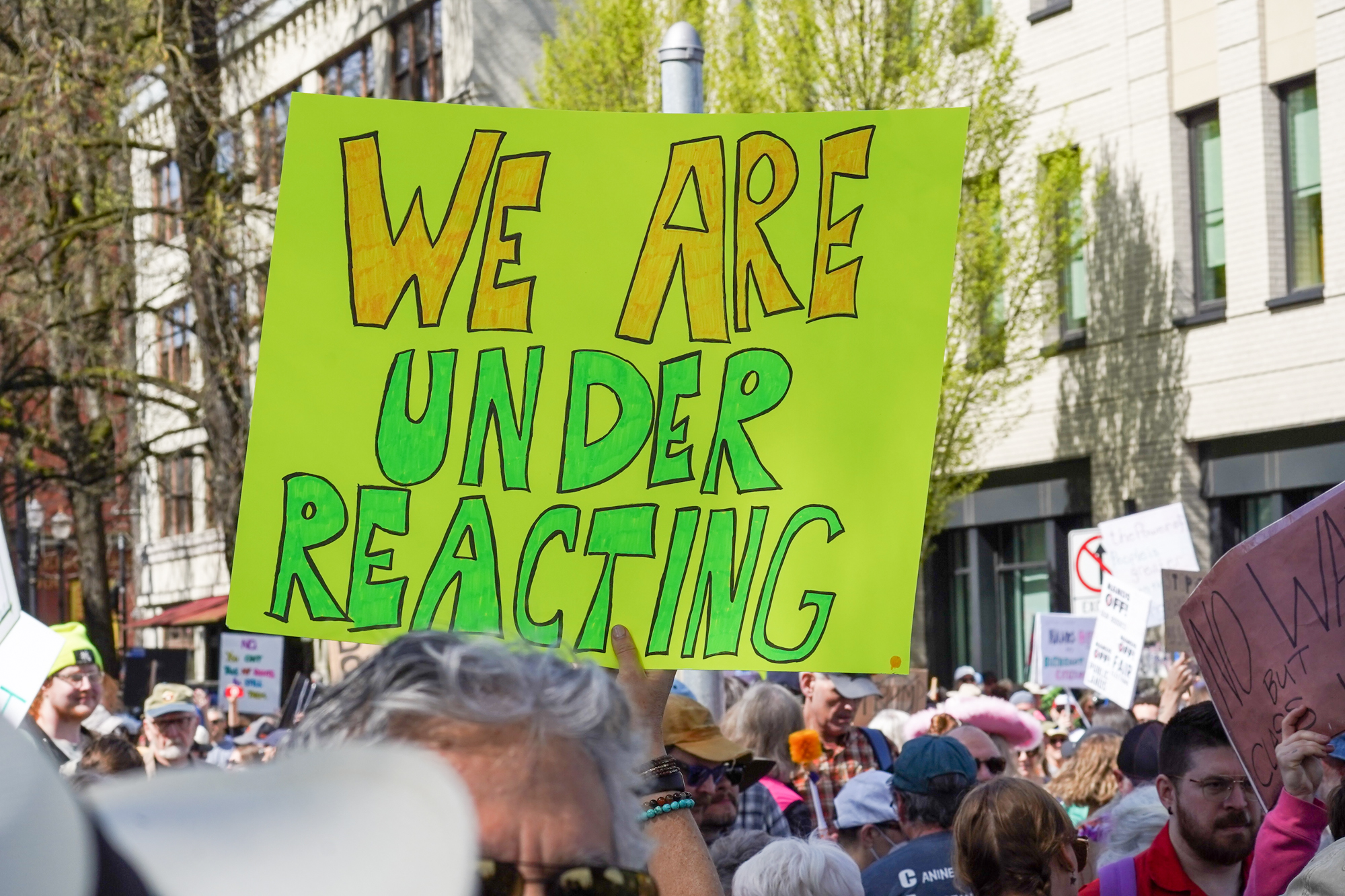
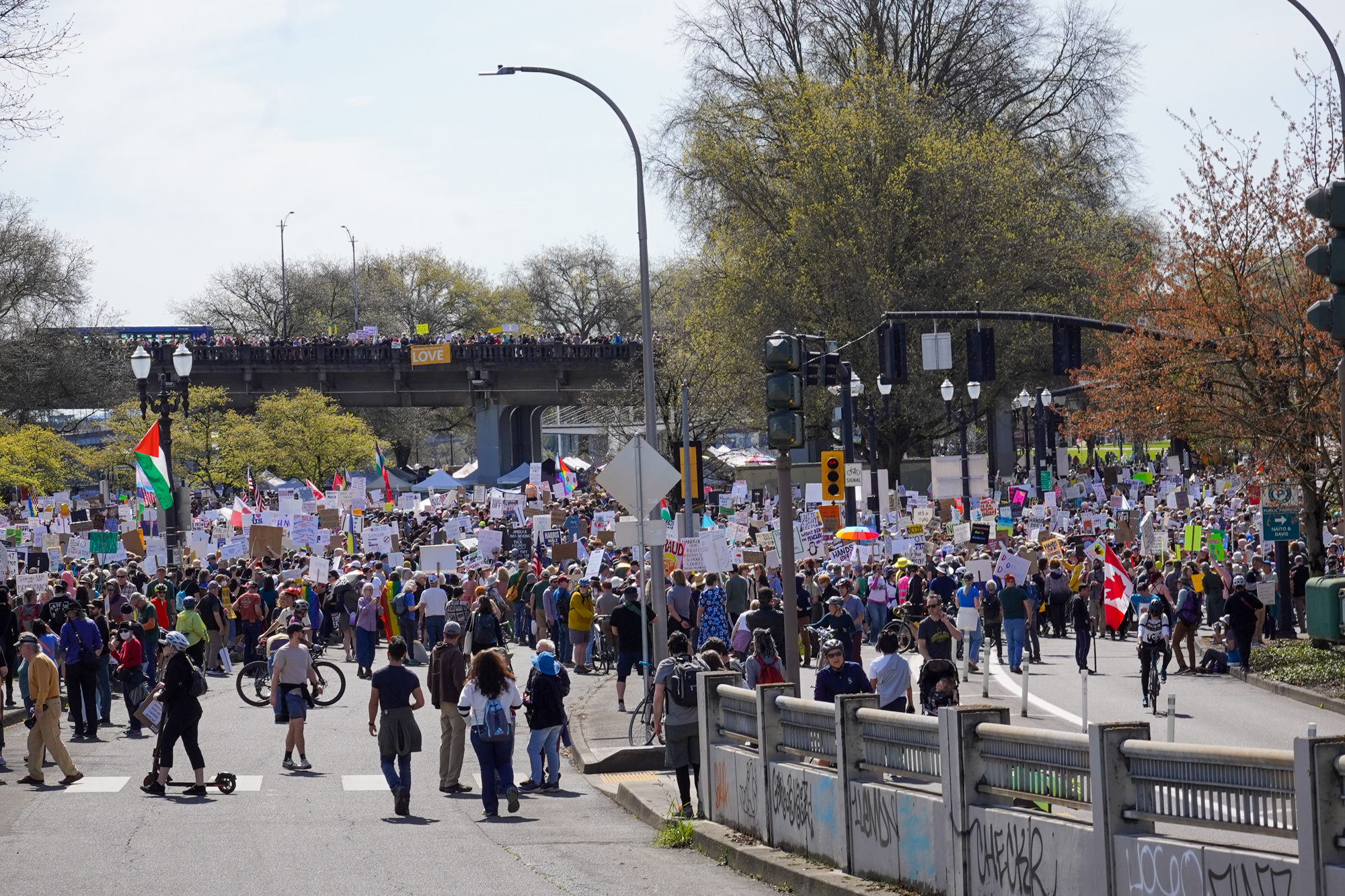
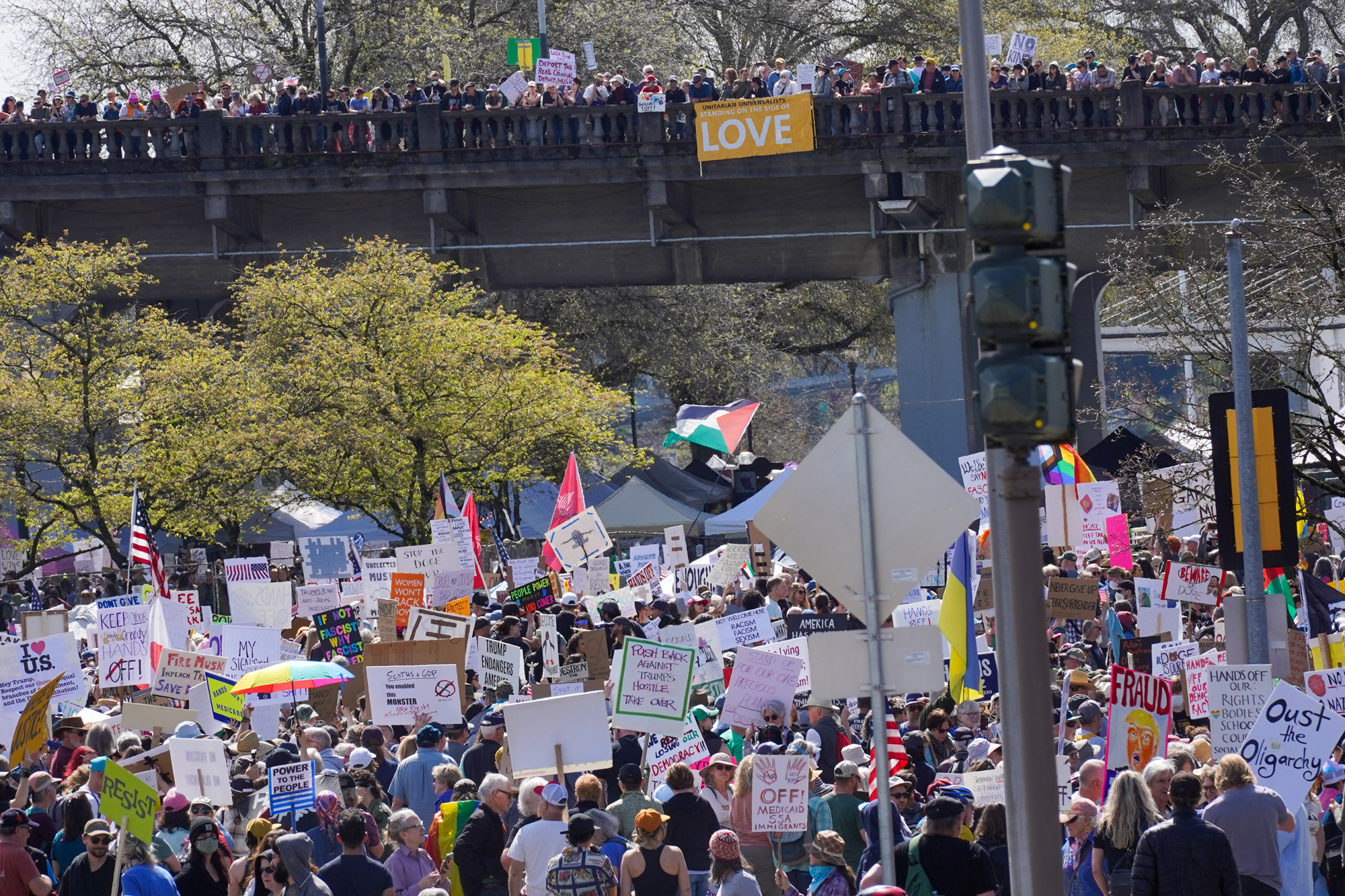
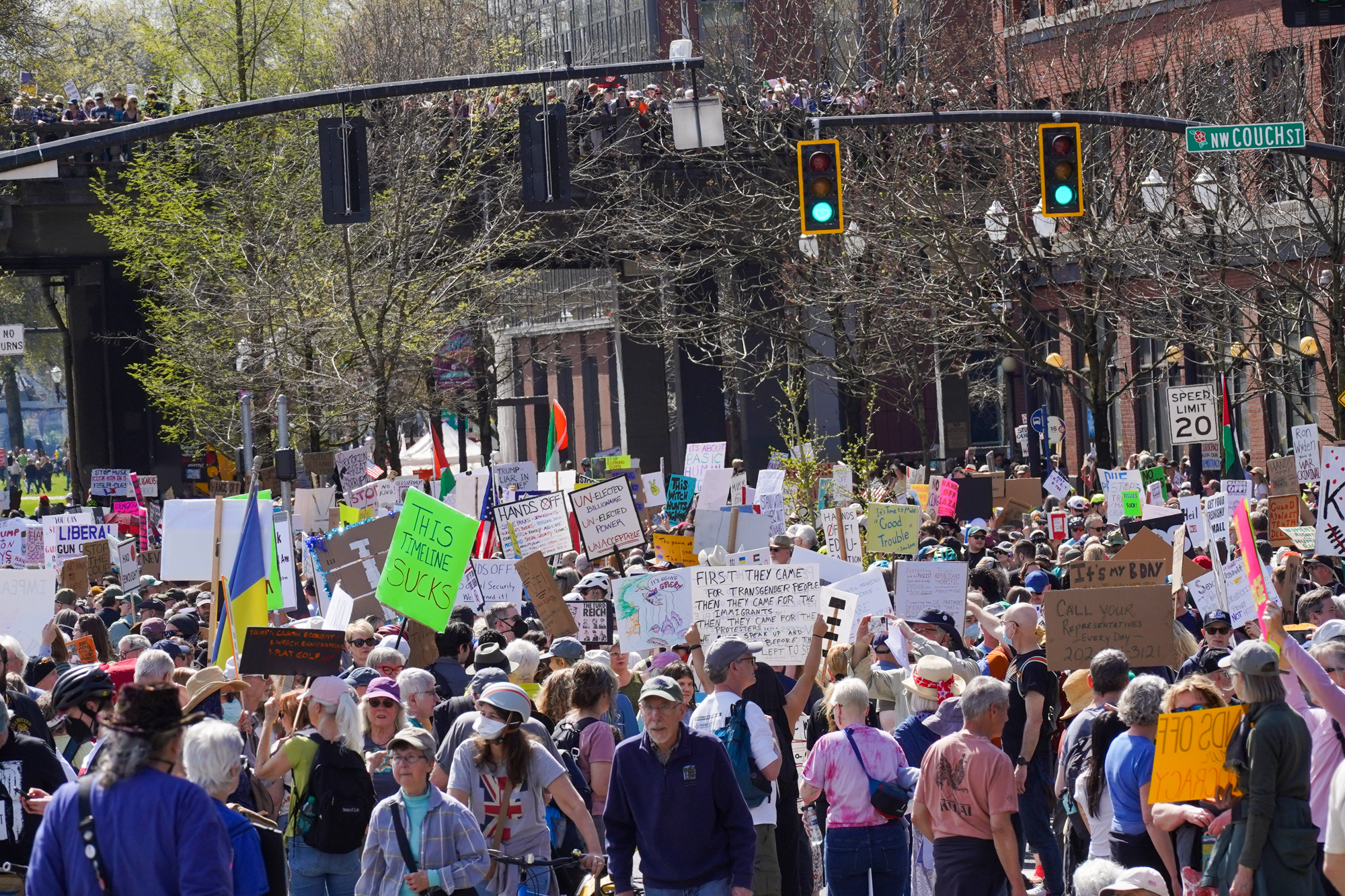
Immense crowd at anti-Trump ‘Hands Off’ rally and march

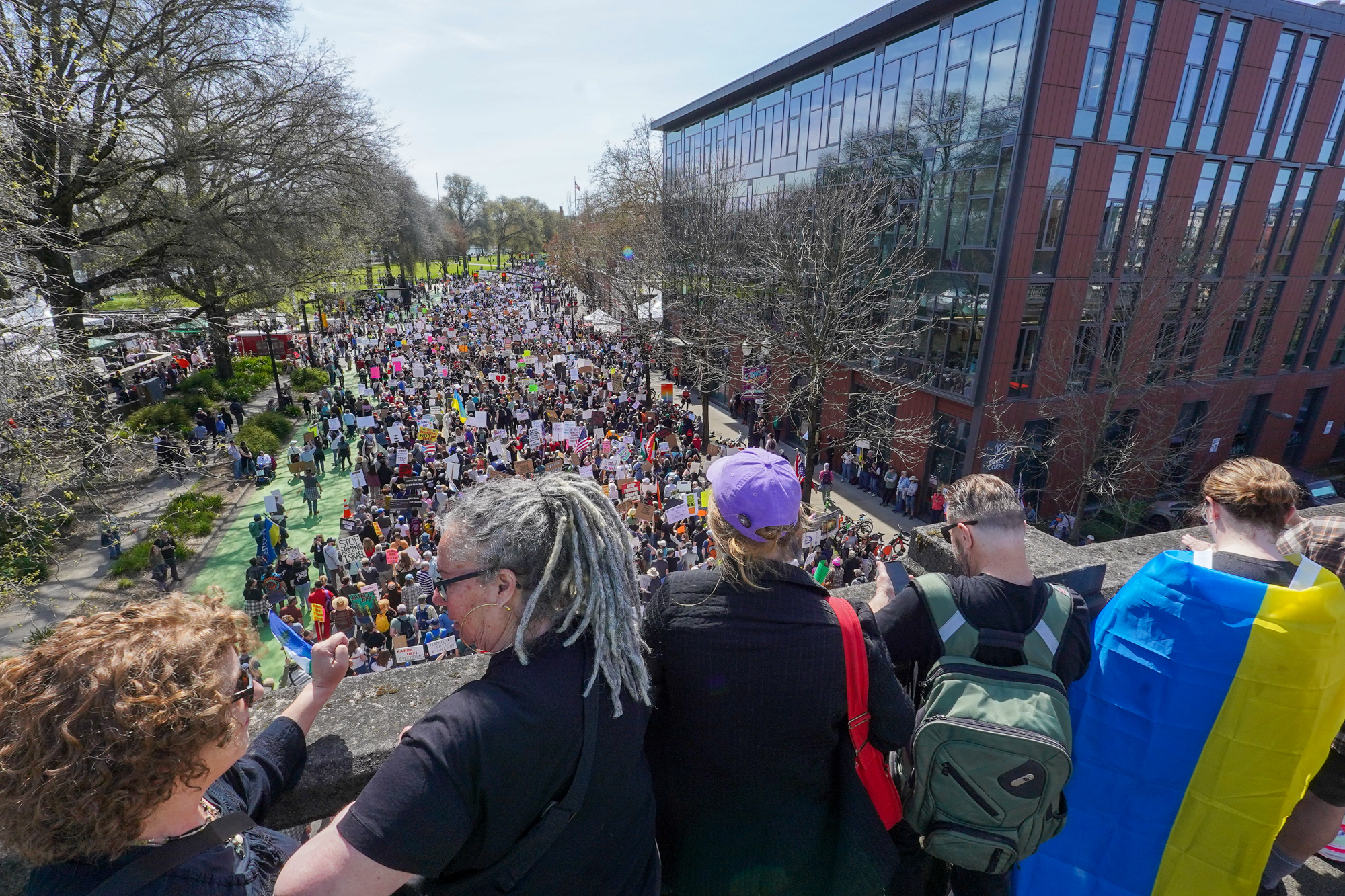
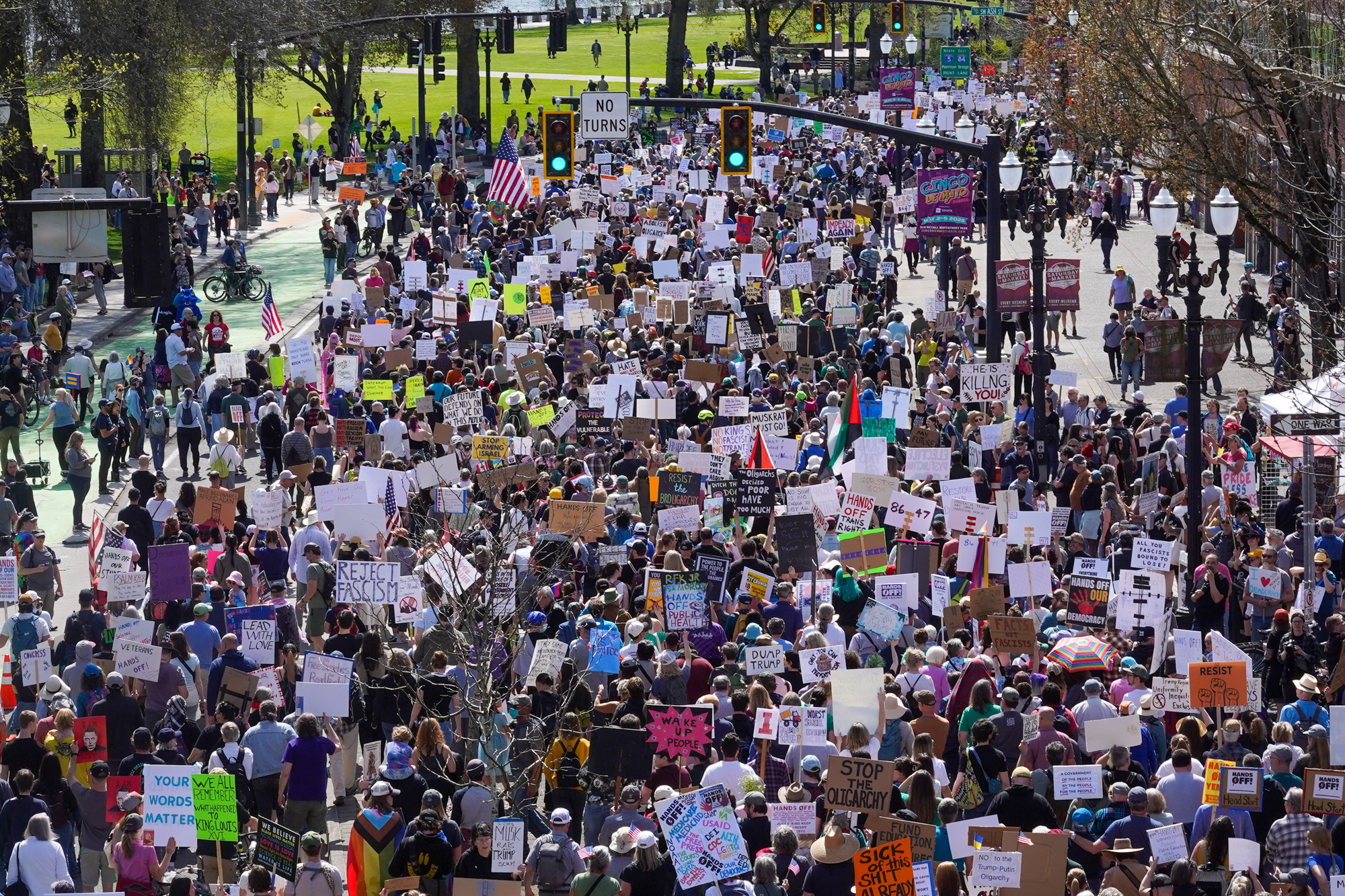
View looking north from Morrison Bridge on Naito Parkway. (Photos: Jonathan Maus/BikePortland)

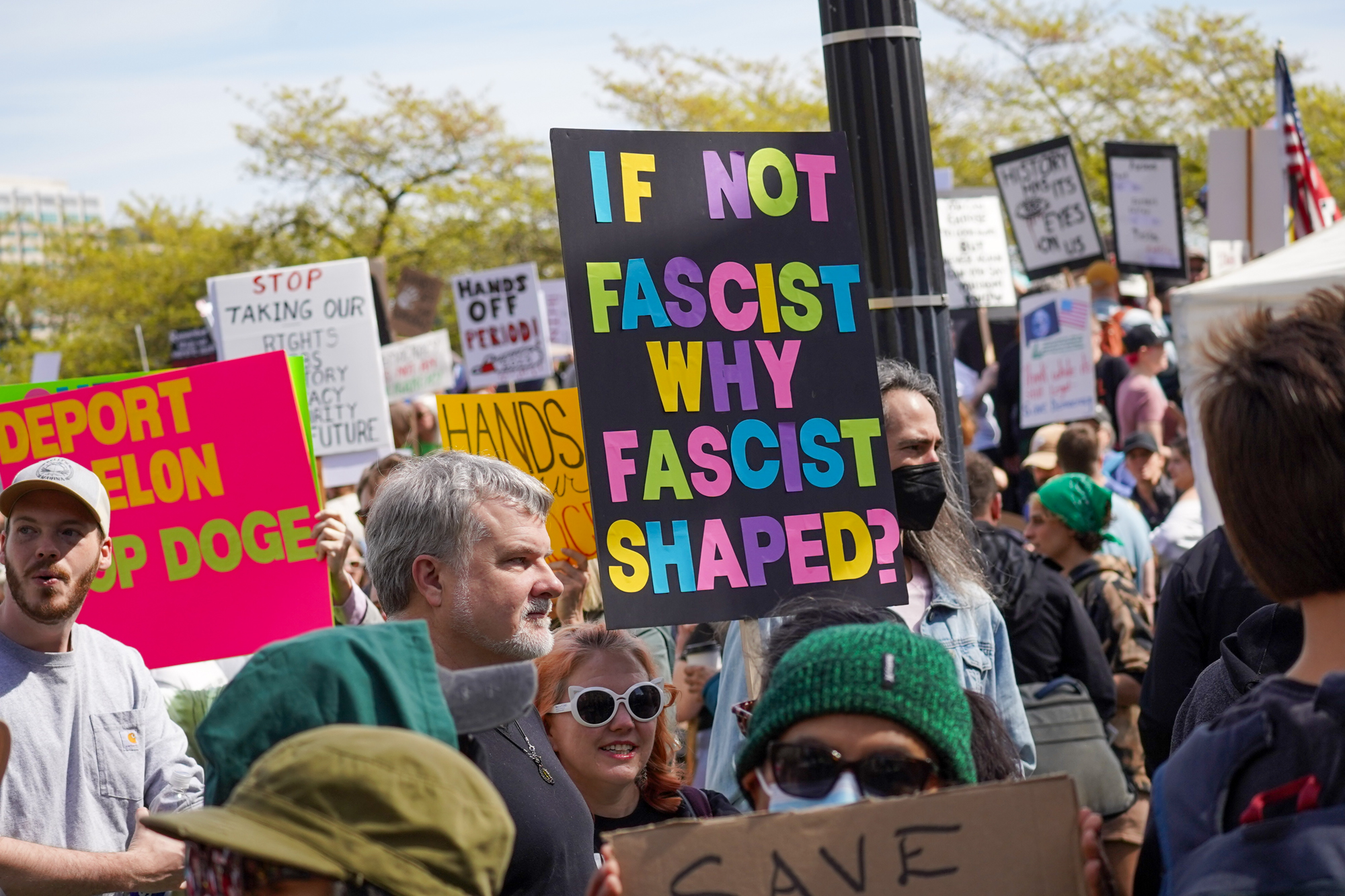
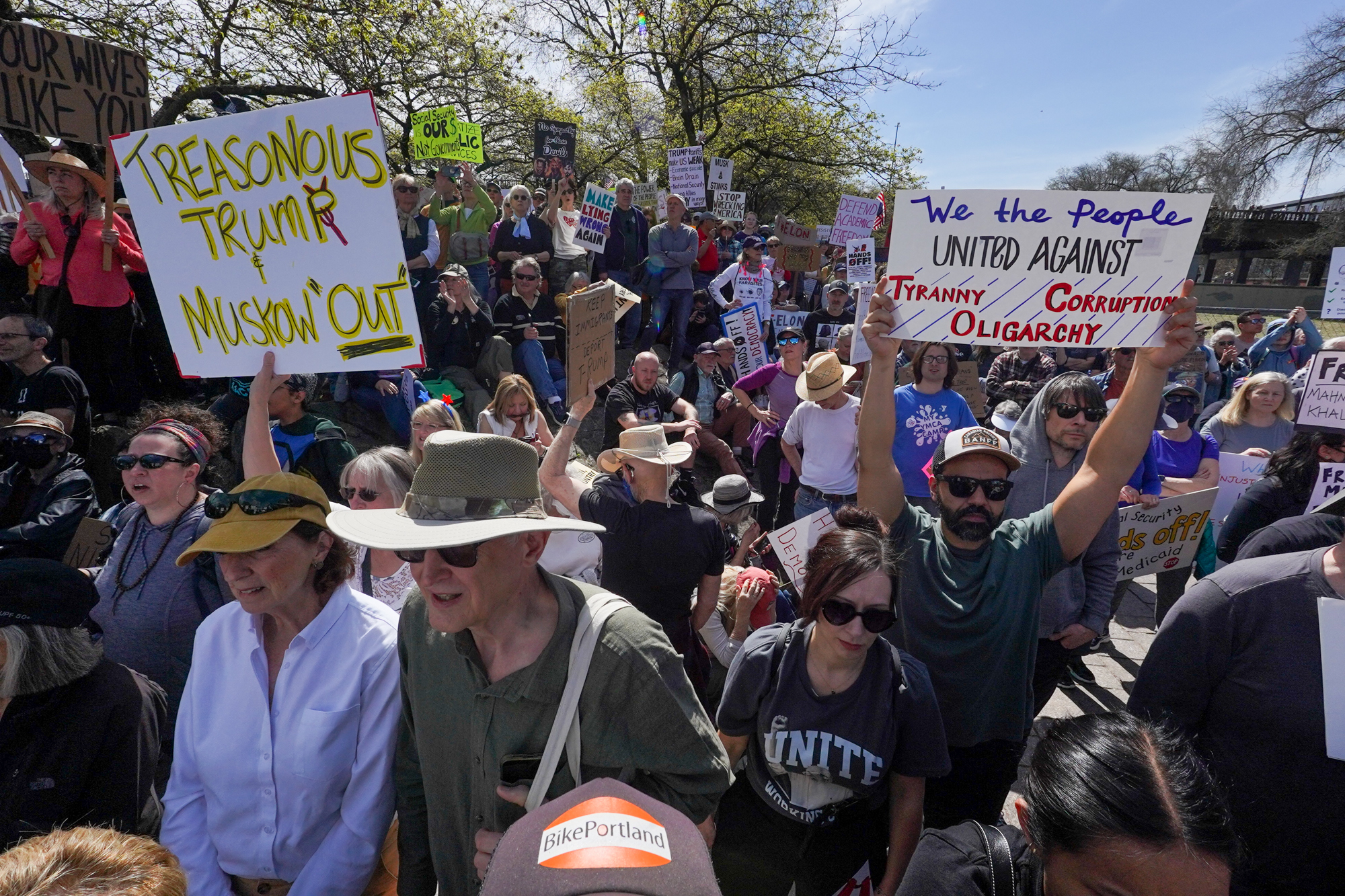
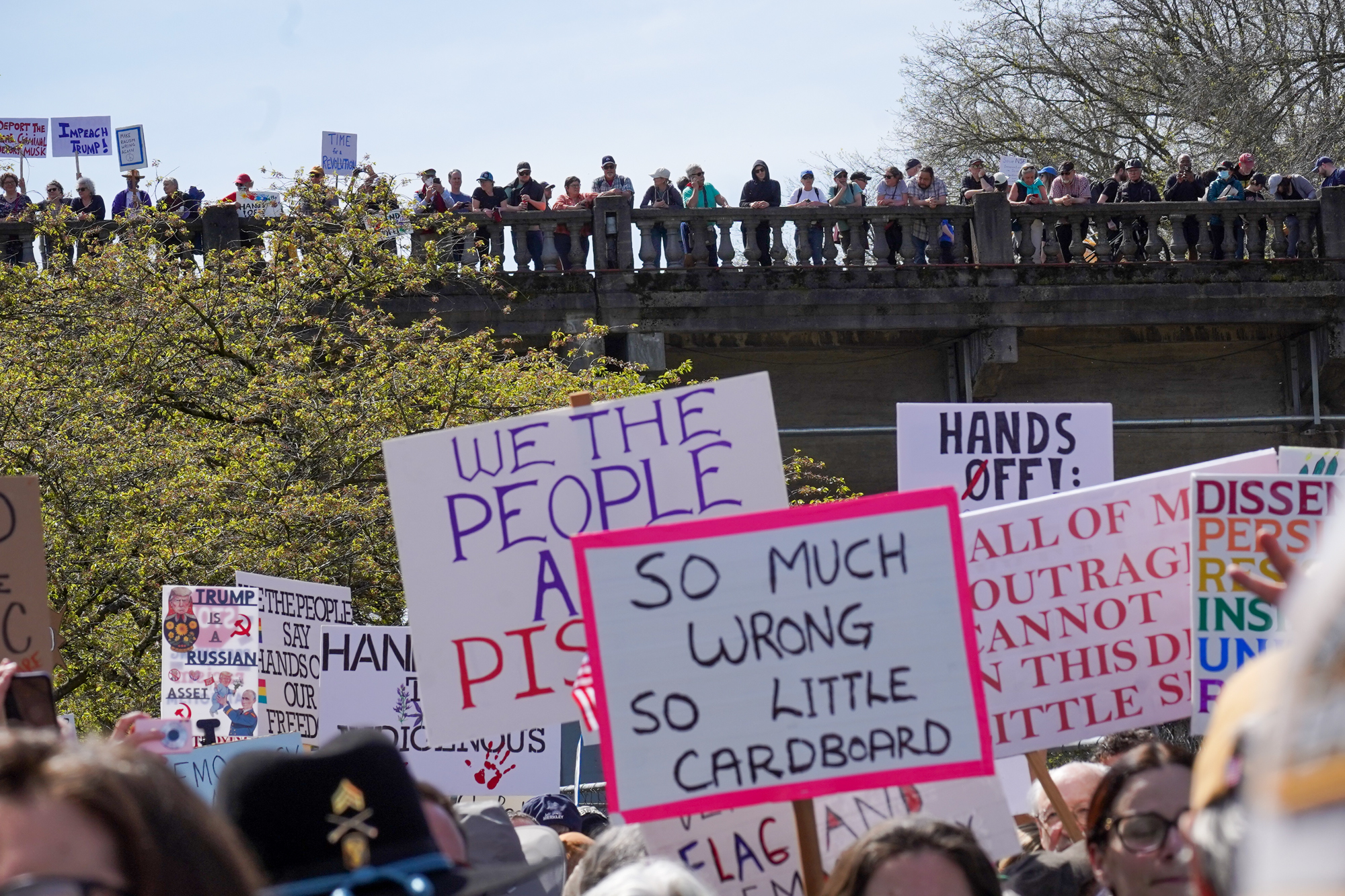
Thousands of people took park in the Hands Off rally and march today. I don’t have time to share thoughts, but wanted to get my full gallery here on the front page as soon as possible.

Podcast: In The Shed Episode 37

Just realized we are both wearing cardigans. Hahaha!


We’re back! Yes we missed a few weeks but we’re back and better than ever (if I do say so myself). This was such a fun conversation. We touched on all types of stuff — from the politics of the I-5 Rose Quarter project, to Eva’s new “Saturdays in May” ride series coming next month. Be sure to listen so you’re not the only one in your friend circle to not know what’s going on.

But first, here’s my cool new Metropolis Cycles tie-dye t-shirt! Thanks Brad!

And here’s a partial list of stuff we talked about and handy-dandy links to follow along with:

Listen in the player above or wherever you get your podcasts.

Lawmakers reveal $1.9 billion transportation funding package framework

A view of SW Barbur Blvd. (Photo: Jonathan Maus/BikePortland)

The co-chairs of the Oregon Legislature’s Joint Committee on Transportation have released a “starting point” for negotiations around a major transportation funding bill. The Oregon Transportation Reinvestment Package (TRIP) seeks to raise about $1.9 billion per biennium (every two years) from a combination of increases to existing fees and taxes and a few new ones. Among them is a 63% increase to Oregon’s bicycle excise tax.

The Oregon Department of Transportation (ODOT) says the “structural revenue issues” they face — a drop in gas tax revenue, high inflation, and restrictions on available funding — have become so severe that they are $354 million short in their current budget. Without new funding this legislative session they’d have to fire nearly 1,000 employees and ODOT says the impacts to Oregon’s roads and people who use them would be “devastating.” Oregon last overhauled its transportation revenue programs in 2017, when lawmakers sought $5.3 billion in revenue over 10 years.

To avoid further cuts, ODOT and its oversight body, the Oregon Transportation Commission have spent two years building their case and garnering feedback from experts and road users. Last summer they organized a statewide tour of town hall-style listening sessions to hear and see first-hand what Oregonians want and need. All that discussion and feedback has brought us to this “starting point.”

Advertisement

Where the money will come from

Of the $2.2 billion funding total, the TRIP proposal (full text here) would raise $1.5 billion (note that all numbers in this story are per biennium, which means every two years, because that’s how ODOT budgets) through increases to the fuels tax and various vehicle registration fees. It seeks to raise the existing, 40-cents per gallon fuel tax to 60-cents per gallon. The 20-cent increase would begin with an eight cent increase in 2026 and would be staggered in four cent increments every two years through 2032. The TRIP also seeks to index the fuels tax to inflation, “to ensure future solvency of the revenue stream.”

The motor vehicle registration fee (currently starts at $126) would go up by $66 dollars and the cost of a title ($101) would go up $90. The weight-mile tax, paid by freight haulers and based on a percentage of the weight of their truck, would increase by 16.9%.

The TRIP also seeks to increase the existing Vehicle Privilege Tax (currently 0.5% of vehicle price) by 0.3% (for a total tax of 0.8%) and invest the funds into the Connect Oregon program that funds rail, aviation, and marine projects. (Revenue estimates are $44.8 million per biennium.)

The most significant new source of revenue in the package is what lawmakers are calling a “one-time system use fee” that would raise an estimated $486 million be levied on all vehicles at the time of purchase and be based on 1% of the sale price.

A new “tire pollution tax” would place a 3% increase on car and truck tire purchases (they say “vehicle tires” but “vehicle” can sometimes apply to bicycles and in this case they aren’t taxing bicycle tires) and is estimated to raise $50 million.

Another new revenue stream proposed in the package is a mandatory Road Usage Charge (RUC), also known as a pay-per-mile system. This would be a phased-in mandate that would apply to all existing electric cars in July 2026 and all new e-cars in 2027. It would hit plug-in hybrids in July 2028 and all new vehicles with 30 mile-per-gallon or greater in July 2029. Vehicle owners could enroll with the RUC program — which is already in place and known as OreGo — or pay a flat annual fee. (To learn more about this program, listen to a recent interview with ODOT’s finance director on Oregon Public Broadcasting.)

Advertisement

To fund transit, the TRIP would increase the payroll tax that funds ODOT’s Statewide Transportation Improvement Fund (STIF) from its current rate of 0.1% to 0.18%. This 0.08% would raise about $268.6 million. This increase is much lower than some lawmakers and transit advocates have asked for. In a letter sent March 28th to Oregon Senate and House leadership and members of the Joint Committee on Transportation, ten lawmakers asked for a 0.5% increase.

And last but not least, the TRIP proposes a 63% increase to the Bicycle Excise Tax. That $15 tax, which applies to new bicycles that sell for $200 or more, went into effect in 2018. Lawmakers want to add $9.50 per bike for a total new bike tax of $24.50 in order to raise about $1 million in revenue that would go directly toward ODOT’s Community Paths Program. Back in December I reported that some lawmakers felt it was a mistake to rush into the bike tax in 2017 and would seek to take a more nuanced approach this time around. So far, that’s not the case, and advocates have work to do on this front.

Where the money will go

As for how the funds will be distributed, about 90% of the newly proposed revenue would go into the State Highway Fund and be dedicated to maintenance and operations of the existing system.

Of the $1.9 billion the package raises from the fuel tax and vehicle registration fee increases, $1.7 billion of that will be distributed via the traditional “50/30/20” State Highway Fund formula that sends 50% of revenue to the state (about $850 million), 30% to counties (about $510 million) and 20% (about $340 million) to cities.

Advertisement

$250 million of the new one-time system use fee will be set-aside and spent on finishing highway expansion projects identified but not yet completed in the 2017 package (known as House Bill (HB) 2017. This is the “unfinished business” lawmakers have been talking about and includes megaprojects like the I-5 Rose Quarter, the Abernethy Bridge project, and so on. One source referred to this as a ” freeway project slush fund.”

While the TRIP dedicates $125 million per year to highway expansion projects, it makes no such promise for ODOT’s complete streets or Safe Routes to Schools programs. The package mentions those programs but does not specify any funding amount for them.

When it comes to passenger rail, the package would send $17 million to maintain Amtrak service levels. Half of the tire pollution tax revenue (about $25 million) will go to rail operations. The tire tax will also fund wildlife crossings and salmon restoration efforts to, “negate the harmful impacts of pollution runoff into Oregon waterways.”

Advocates with Move Oregon Forward (a coalition of climate, transportation safety, and environmental justice nonprofits) applauded the framework released today, saying it “provides a solid foundation.” Executive Director of The Street Trust Sarah Iannarone said, “We deeply appreciate the mentions of key safety programs.” Cassie Wilson, the transportation policy manager at 1000 Friends of Oregon, was a bit more pointed. “The money must match the mission,” Wilson said, referring to transit funding. “Now is the time to double down on popular but underfunded programs that benefit all Oregonians now and in the long term.”

With these proposals finally out in the open, the debates can start in earnest. This is just an opening salvo and it’s widely understood that what ends up being passed will be very different that what we have now. What parts change and how much they change depends on who’s able to influence lawmakers the most and bend the politics in their favor.

Stay tuned for more coverage and analysis. Read the text of the proposal here.

Bike lanes on Prescott and a road diet on Glisan among ‘flexible funding’ project candidates

My son riding on NE Prescott where PBOT has finally proposed swapping that damn parking lane with a bike lane. (Photo: Jonathan Maus/BikePortland)

Metro has opened up the public comment period for a project funding process that could result in some very exciting new additions to the region’s bicycling network — including finally striping a bike lane on Northeast Prescott Street to help it connect to the I-205 path. But if you want these projects to become a reality, you’ve got to comment!

There’s $42 million in federal funding up for grabs through Metro’s regional flexible funding “Step 2” allocation. The process identifies a list of projects to be built over a three-year period and covers federal fiscal years 2028 through 2030. Agencies across the Portland region have submitted 24 applications for projects worth a total of $140 million. With less than one-third of that amount available, and with local budgets very tight, there’s steep competition for the funding.

The City of Portland has submitted six project applications and seeks $36 million to pay for them. The projects include:

  • a host of traffic signal upgrades on outer NE Halsey (from 82nd Ave to 148th) and SE Foster (82nd to SE Jenne Rd);
  • new signalized crossings and lighting to NE Martin Luther King Jr Blvd between NE Hancock and Lombard;
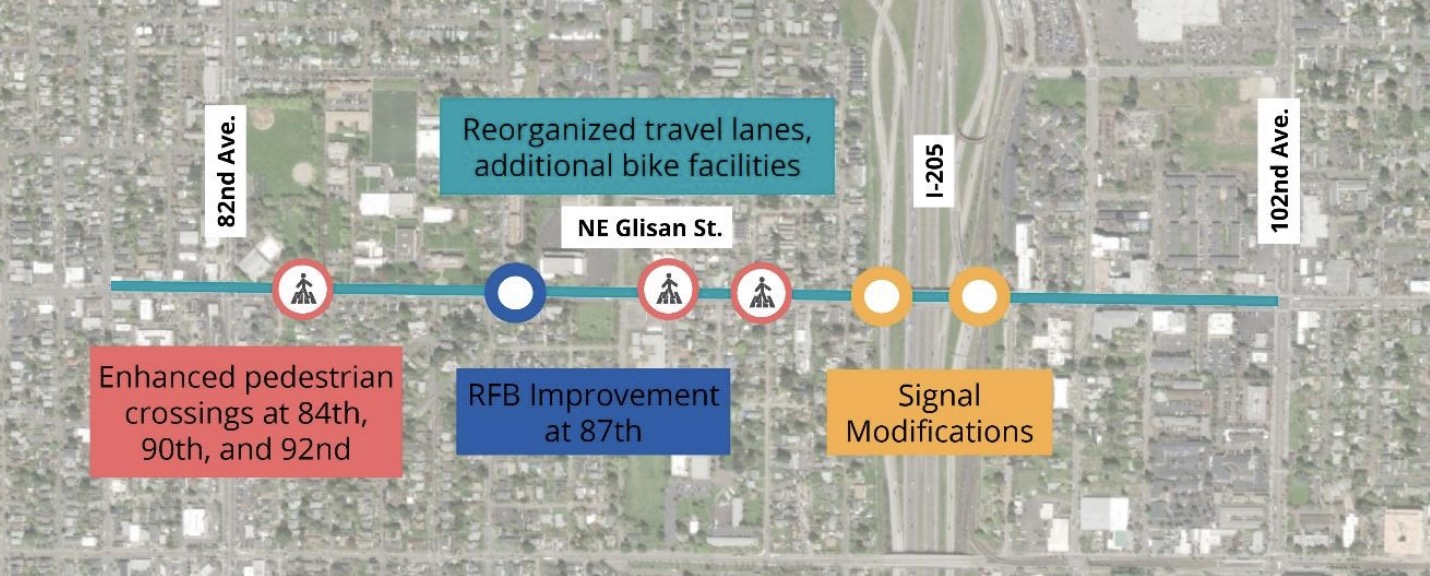
  • a road diet, new bike lanes, safer crossings and signal upgrades on NE Glisan from NE 82nd to 102nd Ave;
  • a new crossing of W Burnside and Park, along with a shared bike/bus lane on W Burnside from Park Ave to 3rd to connect to the Burnside Bridge (and bike lane on 3rd);
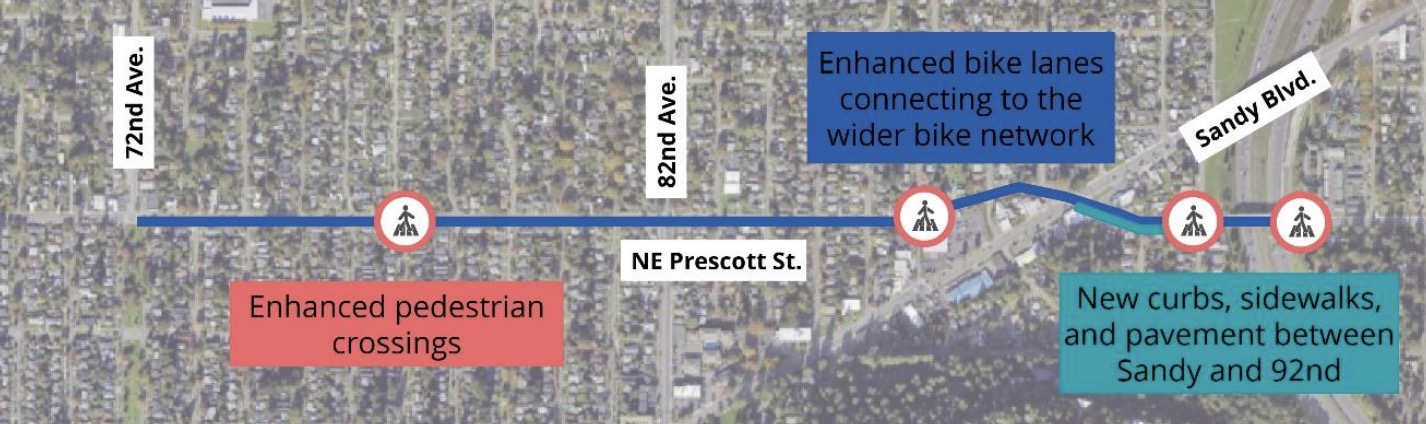
  • new bike lanes, crossings and other safety updates to NE Prescott St. between 72nd and the I-205 path; and
  • a new segment of the Red Electric Trail running parallel to SW Beaverton-Hillsdale Hwy, from SW Shattuck Rd (east of Alpenrose Dairy parcel) to SW Fairvale Ct.
Advertisement

PBOT Project Manager Zef Wagner presented the projects at a meeting of the Portland Freight Committee today.

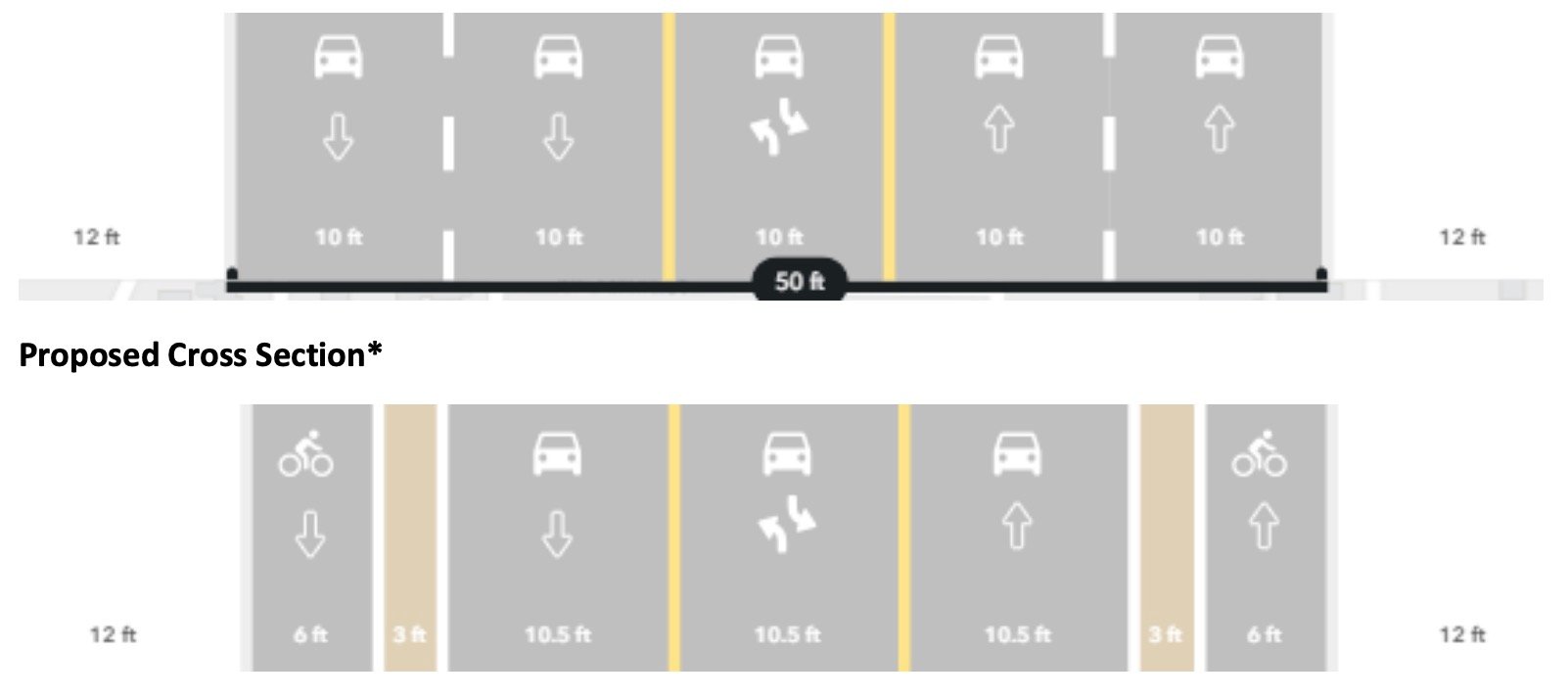
Wagner said the $8.4 million NE Glisan project is part of PBOT’s strategy to improve bikeways parallel to 82nd Avenue, since a major investment in that major street will not include bike facilities. PBOT’s plan is to reduce the space for car users on Glisan St. by 37% because Wagner said their analysis shows the design offers more capacity than what’s being used. PBOT wants to redesign the 50-foot cross-section from five general travel lanes to three general travel lanes and two, nine-foot wide “separated” bike lanes (unclear if they’ll be protected with concrete, plastic wands, just paint, or what). The project will also improve crossings at 84th, 87th, 90th, and 92nd — including signals upgrades at I-205 to make it easier to cross the freeway.

By reducing the number of driving lanes on Glisan, PBOT hopes to address what they call a crash hot spot. “There have been very high speeds and road departure crashes,” Wagner said at the meeting, “and people have even crashed into the playground at Montavilla Park so there’s been a lot of concerns.”

The Glisan project earned a top ranking in a Metro project scoring process, “So I think it’s looking pretty good [to win funding],” Wagner said.

Advertisement

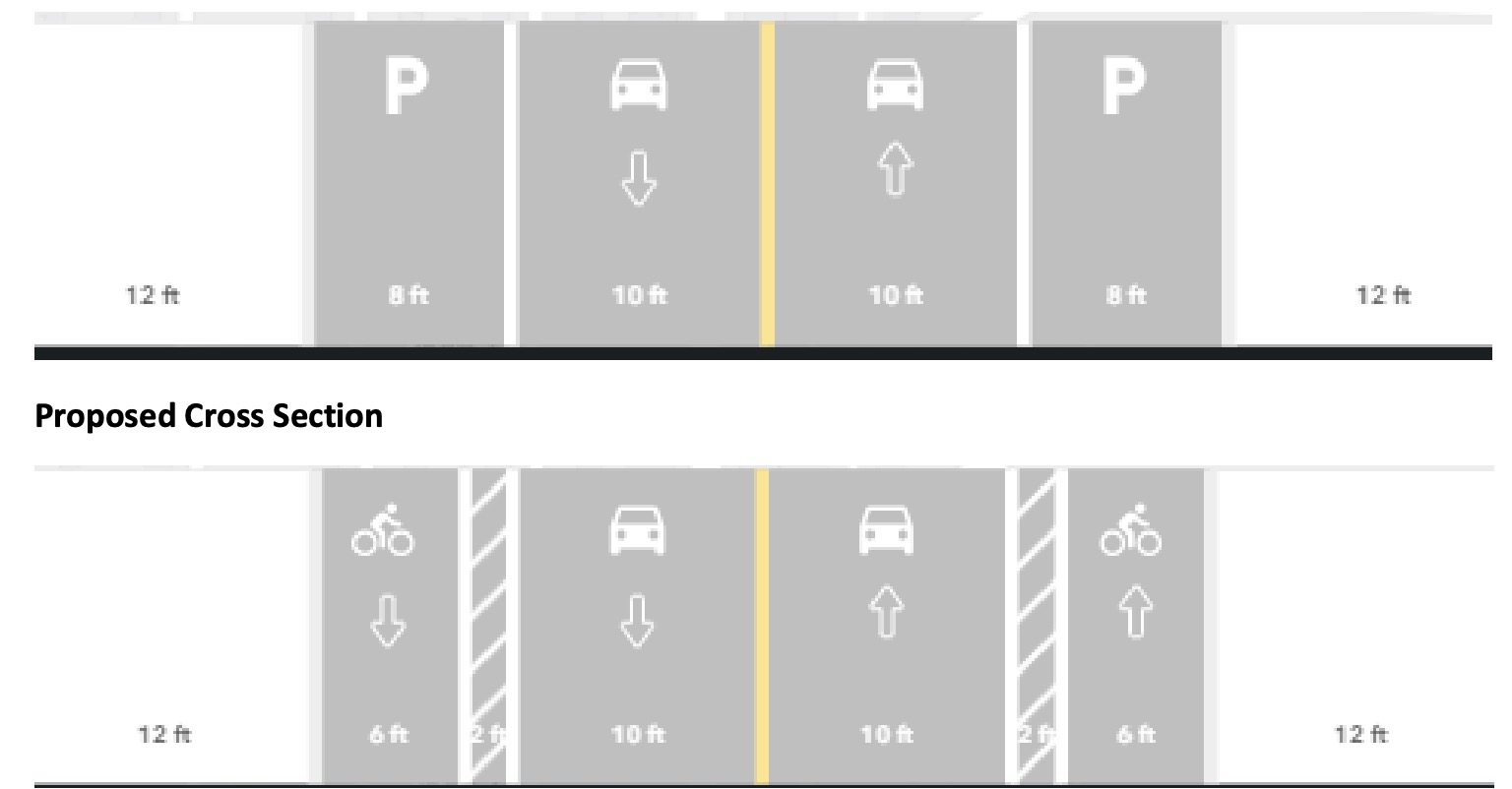
Another notable project on the list that scored well is one that would invest $8.6 million into NE Prescott Street to add bike lanes and other updates. I’m very excited about this one because I ride Prescott often to reach the I-205 path en route to Gateway Green (and elsewhere). PBOT wants to swap two, eight-food wide on-street parking lanes for buffered bike lanes. Wagner said this is a very important project for connectivity in the area. “There’s really no east-west connection across I-205 for biking and walking and it’s hard for people to get to the I-205 path,” he told freight committee members.

You can read the full project descriptions here.

The public comment period runs through April 30th. You can take a survey, learn more and leave a comment on Metro’s website. The final list of projects will be adopted by Metro Council in July. If you want to testify on any of the projects in person, you can sign up for a spot at the April 17th meeting of Metro’s Joint Policy Advisory Committee on Transportation (JPACT).

Weekend Event Guide: Bike polo, greenway adventures, costume ride, and more

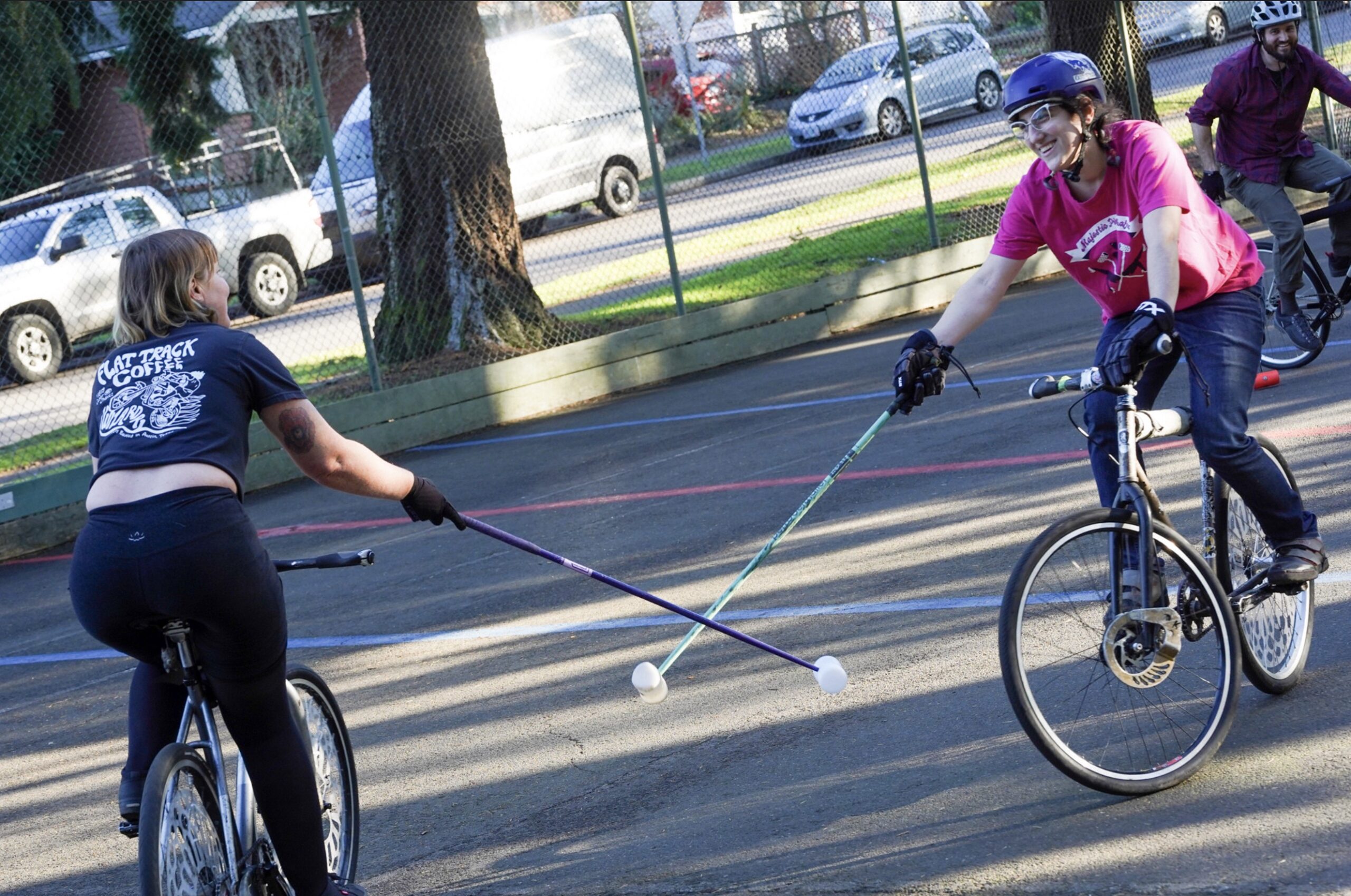
Alberta Park is the place to be this weekend as bike polo takes over the courts. (Photo: Jonathan Maus/BikePortland)

Hope you’re doing well and have avoided the wild downpours these last few days (or if you love rain, I hope you’ve gotten soaked). Below are some suggestions for weekend fun…

Friday, April 4th

Bike Bus Park Crawl – 1:00 pm at Creston Park
Leaders of bike buses at Creston and Woodstock elementary schools welcome everyone to this short loop ride between their schools. Route ends at Creston School where they’re having a biking and walking fair. Should be great for families with kids. More info here.

Saturday, April 5th

Rose City Royal Rumble – All day Saturday and Sunday at Alberta Park (NE)
Major bike polo competition returns to Portland with this 60-team tourney that will be fun for players and spectators alike. Bike polo is played on pavement and teams of three use mallets and a plastic puck to score points. It’s really cool! More info here.

Ride to ‘Hands Off’ Rally – 11:30 am at Colonel Summers Park (SE)
Join the Revolutionary Bicycle Club for a group ride to a big protest and rally against facism that will take place in Waterfront Park. More info here.

Advertisement

Ugliest Ride of the Year – 12:00 noon at Kenilworth Park (SE)
Someone named Banana Martinez is not taking the lack of the annual Worst Day of the Year Ride this year sitting down. They want to get together in silly costumes and ride, so come out and join them if you’ve got a hankerin’ for dressin’ up! More info here.

Star Trek First Contact Day Ride – 6:00 pm at Kenilworth Park (SE)
From the organizer: “April 5 is Star Trek’s high holy First Contact Day, when aliens first greet us. Celebrated by making new friends with beings radically different from yourself.” Sounds like a perfect excuse for a bike ride! More info here.

Sunday, April 6th

Cycle Sundays – 10:00 am at Portland Opera/Tilikum (SE)
The Cycle Homies are meeting up for what should be a chill, 10-15 mile loop at a “coffee cruise” pace. More info here.

Reach the Beach Training Ride – 10:00 am at Sellwood Park (SE)
If you need to log some miles and want folks to ride with, consider joining Cary Fisher from Portland Bicycling Club on this group jaunt that will roll south into rural Clackamas County. Expect nearly 70 miles on the pavement! More info here.

Know Your Greenways – 11:30 am at Mt. Tabor Park (SE)
Join Tom Howe for the latest ride in his series that will familiarize you with new bike infrastructure and routes. This ride will focus on the 60s Greenway. More info here.


— Did I miss your event? Please let me know by filling out our contact form, or just email me at maus.jonathan@gmail.com.

Rider forced off bike path by driver in large SUV

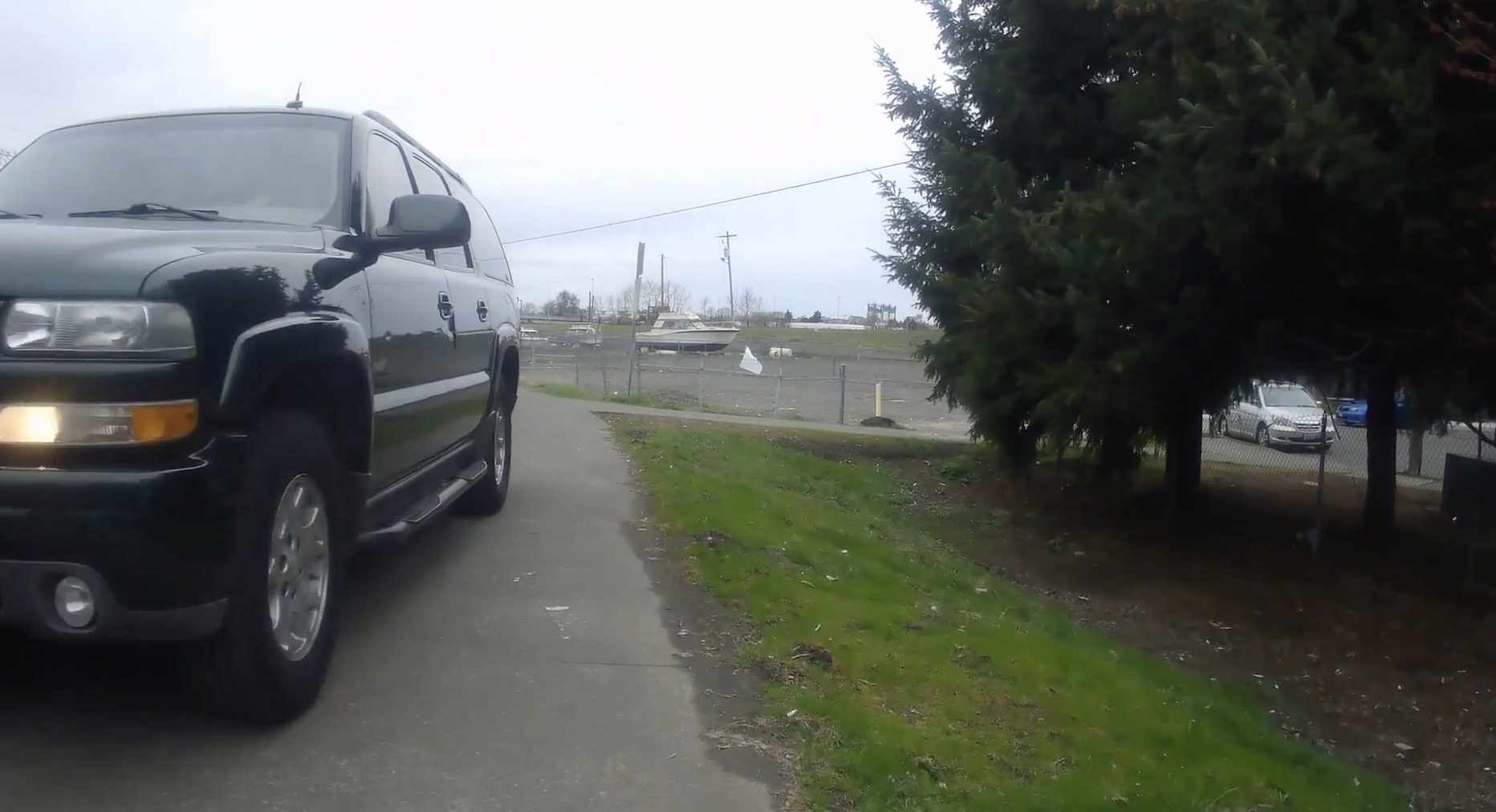
Still from on-bike video camera. (Photo: Reader Joe R.)
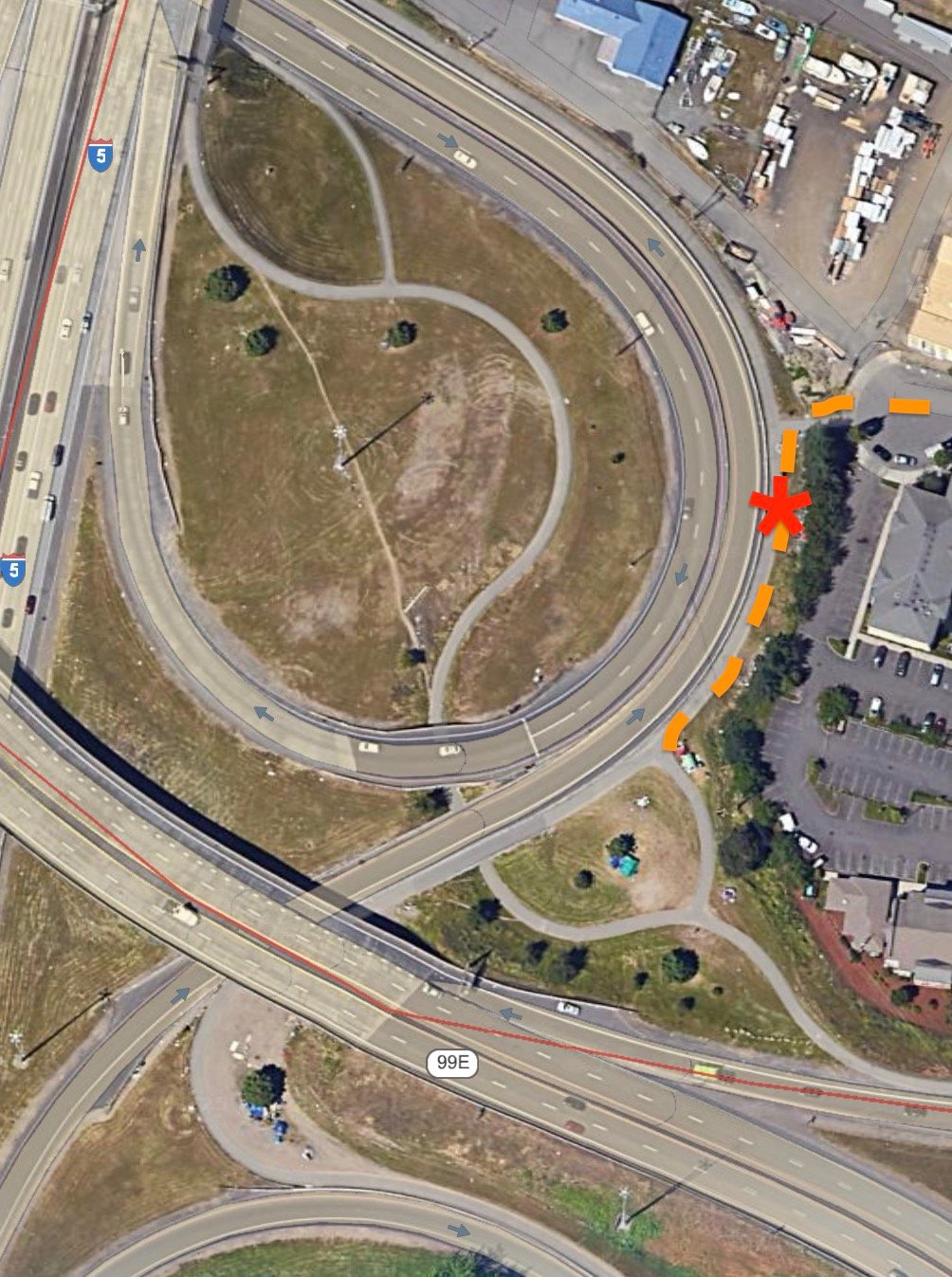
Red star marks spot where the SUV passed Joe. Orange line is how the driver entered the path.

The Portland area has a big problem with people driving cars where they’re not supposed to. On March 19th, BikePortland reader Joe R. faced that reality head-on when someone driving a large SUV entered a bike path he was riding on and nearly forced him off the pavement.

It happened just after four o’clock as Joe was heading northbound on the bike path located in between I-5 bridge on-ramps and the Residence Inn hotel just north of N Marine Drive. “I was enjoying my ride and began to accelerate when I saw the large black vehicle pulling onto the path,” Joe shared in an email with BikePortland. The driver turned onto the path at the culdesac of N Anchor Way.

Back in July, Joe read an article on BikePortland about this exact location. In that article, I reported that the Oregon Department of Transportation has been aware of “ongoing issues with bollards being stolen or ran over” as far back as spring 2023. Despite this acknowledgment of the problem however, a representative from Ask ODOT said, “Staff is exploring options for better bollards or a fix to the problem and do not have plans to reinstall them at this time.”

It appears ODOT has done nothing to improve the situation. In fact, when I shared a video about Joe’s run-in with a driver, several folks said they routinely see people driving on the path at and around this same location. “I see it a lot,” said one person in an Instagram comment. “Same has happened to me there… it nearly took me out,” said someone else.

Advertisement

Thankfully, Joe was riding carefully and managed to stay safe. “I realized there was nowhere for me to go except off the path if I didn’t want to be killed,” he recalled.

After the close call, Joe pedaled over to the opening in the path the driver used. He saw no bollards or other preventative measures in place. Joe  frustrated and he sees this problem as another example of the “destruction of Portland” that “horrible leadership” has let go for far too long.

Hopefully the actions taken by ODOT on the I-205 path several miles away will be expanded the entire path network. ODOT, Portland Parks, and PBOT need a coordinated strategy to defend and protect these spaces. Until then, we cannot let this type of driving behavior become normalized. These drivers — and other illegal activities like blocking the path with tents and other personal belongings, dumping trash, starting small fires, and unsafe behaviors — endanger individuals and also send a chill through the entire region that results in many folks giving up on using them altogether.