"We're all in this together": A Q & A with transit activist Jonathan Ostar
Friday, February 10th, 2012
(Photos © J. Maus/BikePortland)
This guest post is by Michael Andersen of Portland Afoot, a "10-minute newsmagazine" and wiki about low-car life in Portland.
How much do various types of transportation projects cost taxpayers? Here's an imperfect, but startling, hint:

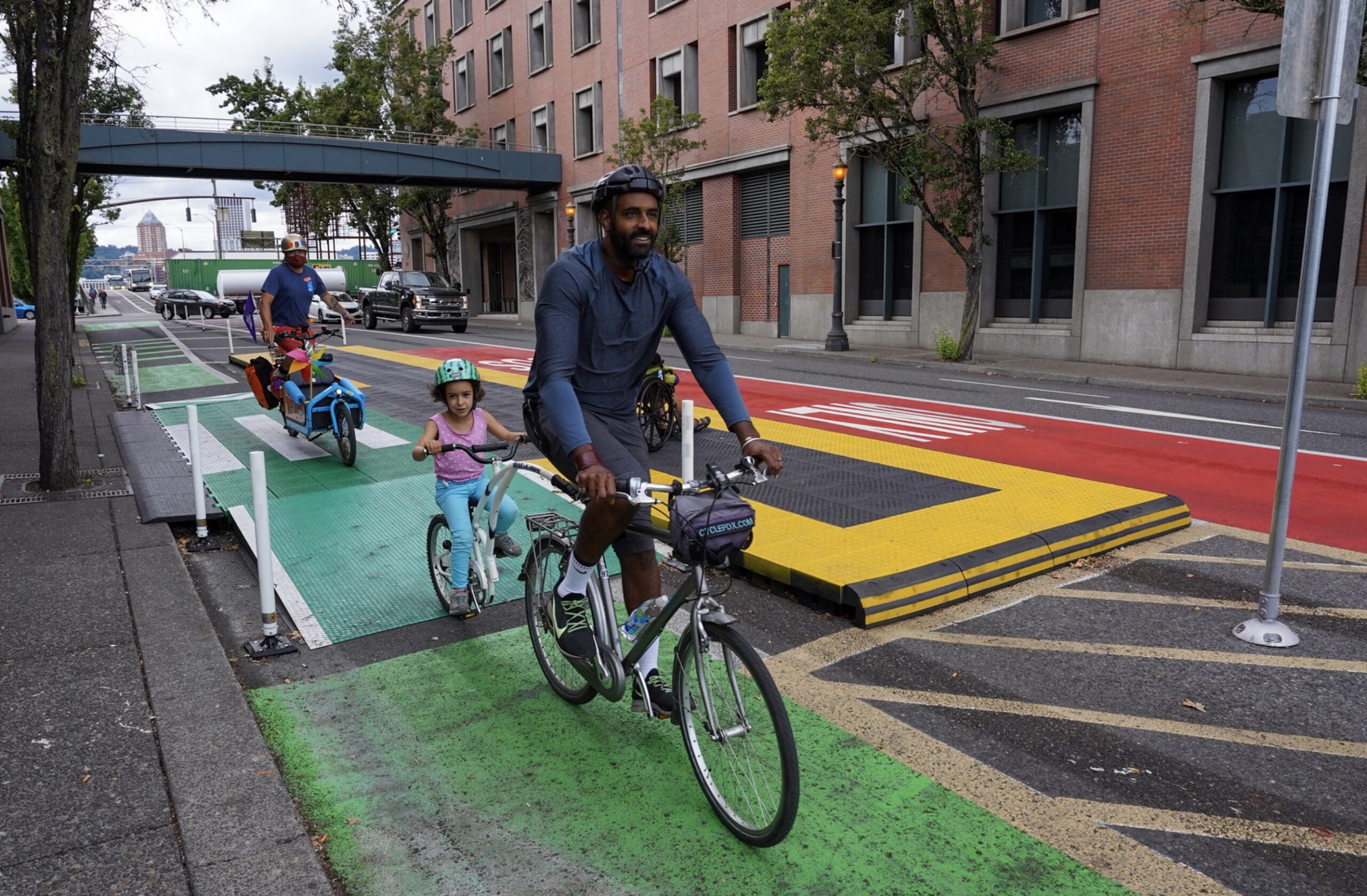
From 1995 to 2010, our state and federal government spent $5,538 per new bike or foot commuter in the Portland metro area; $18,072 per new auto commuter; and $84,790 per new transit commuter. (more...)
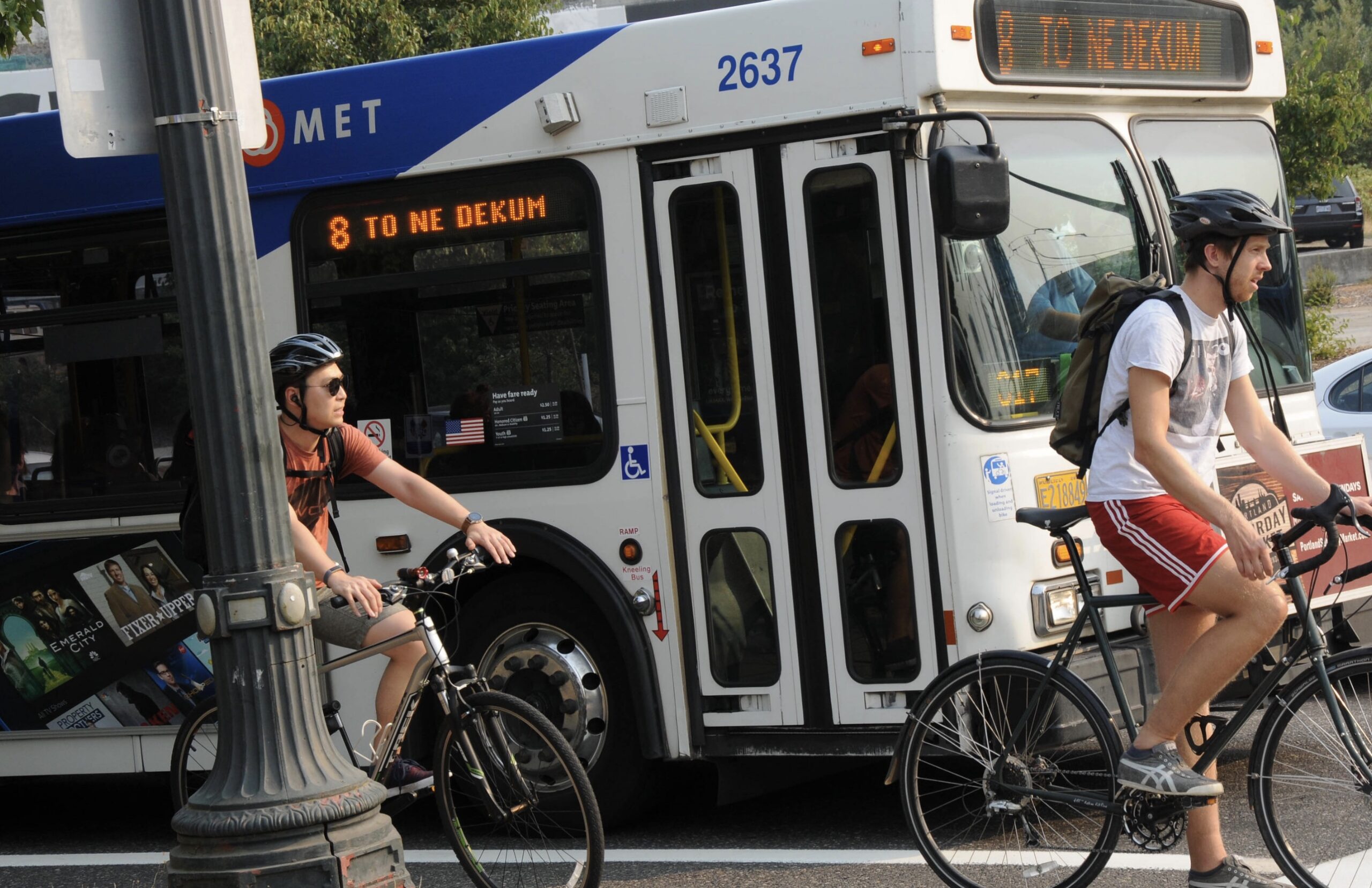
Our regional transit agency, TriMet, is a national leader at data-sharing and they embrace open-source tools. One such tool that they've recently added to their App Center is the nifty Portland Bike to Transit Map.
According to the map's creator, Melelani Sax-Barnett, "It can display bike routes, transit stops, and transit routes at the same time, so you can find the best way to bike to your transit stop." (more...)
The Federal Transit Administration (FTA) has announced that Metro has won a $2 million grant to do an analysis of the "Southwest Corridor" project. The corridor would run from downtown Portland south via Barbur Blvd (99W) to Sherwood. This could bring major changes to Barbur Blvd and help tame the motor vehicle traffic on that street that has led to two high profile fatalities this year.
Below is a short blurb on the project: (more...)
"To insure that the City of Damascus is open as much as possible to the free flow of vehicular traffic and citizen travel within the city..."
-- Text from a ballot measure that would prohibit public mass transit in Damascus
A ballot measure to be voted on in March in the city of Damascus, Oregon -- a small town just 20 miles southeast of Portland -- seeks to prohibit public mass transit.
Measure 3-350 (full text below) would amend the Damascus city charter in two important ways: It would direct the City to not "grant monopoly status" to any agency that wants to operate "public mass transit" in the city, and it would directly prohibit public mass transit within the Damascus city limits.
According to the text of the measure, prohibiting transit is necessary, "To insure that the City of Damascus is open as much as possible to the free flow of vehicular traffic and citizen travel within the city..." (more...)