I took some daytime video of the Steel Bridge homeless camp today. I’ll share some stills from the video, then the video itself.
There’s garbage falling into Naito:


🚨 Please note: BikePortland is currently on hiatus and only publishing guest articles. Learn more here. Thank you. - Jonathan 🙏
I took some daytime video of the Steel Bridge homeless camp today. I’ll share some stills from the video, then the video itself.
There’s garbage falling into Naito:
This week’s Monday Roundup is sponsored by the 15th annual Worst Day of the Year Ride, coming your way on February 14th.
Here are the bike-related links from around the world that caught our eyes this week:
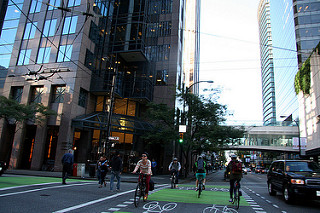
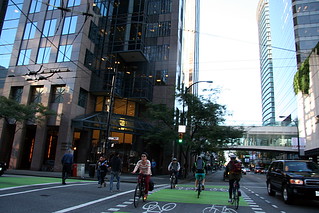
Business turnaround: Five years after Vancouver BC’s downtown business group spoke against removing parking for a protected bike lane network, the group’s executive director has reversed his position, saying “it’s obvious that separated bike lanes [are] working.”
“Mechanical doping”: Hidden electric motors are the latest way to cheat in a bike race, apparently.
Job Title *
Mechanic & Sales Cooperator
Company/Organization *
Citybikes Cooperative
Job Description *
Qualifications:
Excellent Customer Service skills a must
2 years of shop experience preferred (Sales, service)
Willingness to learn new and old technologies & share knowledge
Willingness to accept guidance and feedback related to job duties
Preferred skills:
Desire to be apart of a Worker Owner Cooperative
Strong interpersonal skills and engagement in coop structure
Marketing and design skills a plus
Social Media savvy skills a plus
Flexible schedule
Desire for Cooperative Ownership
Multiple languages
Key Duties and Responsibilities:
Contribute to a warm and welcoming atmosphere for workers and customers
Intake, assess, repair, and check over bicycles
Assist in daily shop operations
Attend cooperative meetings and learn the cooperative process
Ability to work weekends
Strong attention to detail and follow thru
Hours: Flexible
Benefits:
Competitive wages based on experience
Generous employee rates on purchases
Health stipend and sick leave
No traditional bosses
Ownership track options/off-season potential
Ability to learn different areas of a bike shop rather than stick to one role
Citybikes strives to have an environment in which any cooperator can work in a safe and accepting environment, free from prejudice and/or discrimination of a person’s race, color, ancestry, place of origin, political beliefs, religion, martial status, family status, physical disability including HIV and AIDS, mental disability, sex, gender, sexual orientation, or age, or otherwise. People of color, women, trans, and non-binary gendered individuals are strongly encouraged to apply.
How to Apply *
Please drop off a resume and cover letter at either location the 1914 SE Ankeny, or 734 SE Ankeny location. Questions may be directed to Bob, Bryce, or Ash.

I often wonder how many activists have ever really struggled with poverty or even personally know anyone who has.
We talk a lot about infrastructure at BikePortland, because it matters to people who bike. But it’s very far from the only thing that matters.
In a comment beneath Monday’s post about the driving habits of rich and poor people, BikePortland reader Ellie wrote about a time in her life when she was too poor to drive but when her life was too fragmented and unpredictable for her to bike.
Both the argument against gas taxes and increased parking fees use the added burden on poor people as a reason not to increase associated costs, but it is mostly a red herring, an excuse to avoid extra taxes and fees for higher income earners. However, bike activist and urban planning activists due similar things. I often wonder how many activists have ever really struggled with poverty or even personally know anyone who has. One of my biggest frustrations with a certain sort of bicyclist is that they seem to think that since they do not find public transit useful, it isn’t important.


Portland’s regional transit agency expects to add new locked “Bike and Ride” facilities this year to its Goose Hollow, Beaverton Creek and Orenco Station MAX stops, greatly increasing the west side’s capacity for bike-to-transit commuting.
It’s especially welcome news for MAX commuters through the crowded Robertson Tunnel between Portland and Washington County. Job and residential growth in Central Portland and urban Washington County have been leading to more and more people looking to reach those stations by bike.
At at least one of the facilities, there’s even room being set aside specifically for cargo bikes.
What a week! In addition to all our regular news and feature stories we shined a light on bikeway gaps. Places where — for maddening and often inexplicable reasons — a perfectly fine bike lane vanishes for just a few short blocks.
Because if we want to fill these bikeway gaps we must first fill the knowledge gap.
Before I share your submissions and some thoughts on this topic, I want to say thanks to our business sponsors and subscribers. We need your continued financial support to keep doing this work. If you haven’t stepped up to subscribe or to become an advertising partner, please sign up (and join 200+ fellow readers!) or drop me a line today.
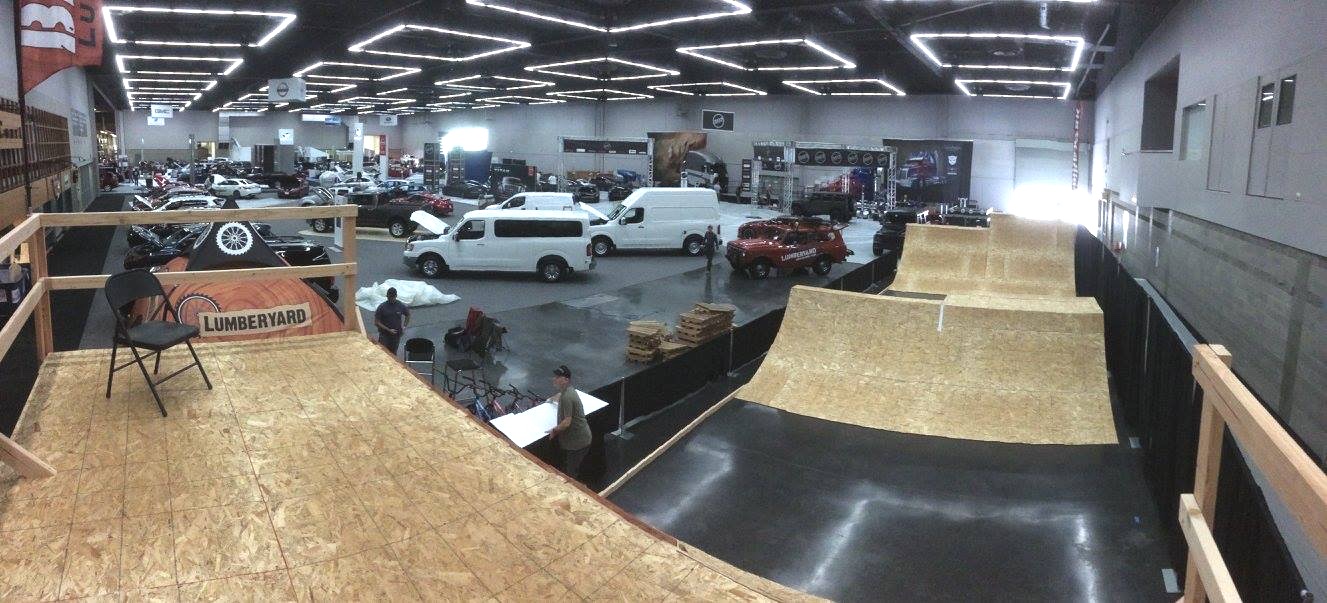
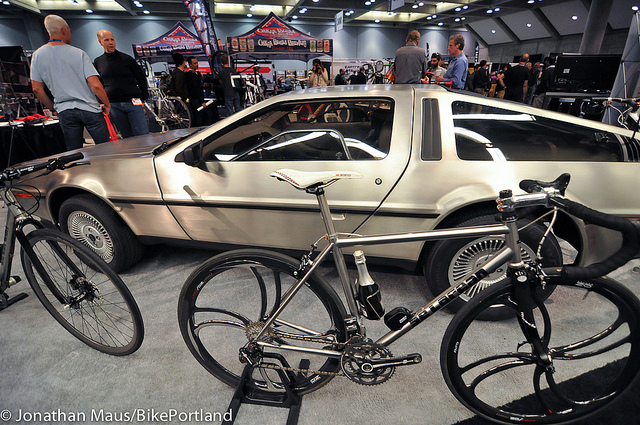
When the biking-est city in America hosts a big auto show, it should come as no surprise that bikes find their way into the mix. Such is the case with the Portland Auto Show, the big motoring to-do happening now through Sunday at the Oregon Convention Center — a location bordered by a streetcar line, a light rail line, and bike paths.
This post is part of Gap Week, a special series made possible by our sponsors and subscribers.
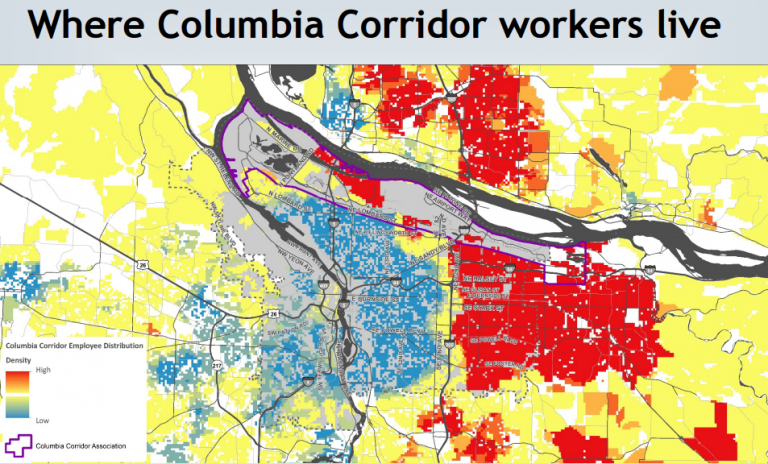
Portland has a problem: like most U.S. cities, it’s been losing middle-wage jobs, especially the kind you can get without a fancy degree.
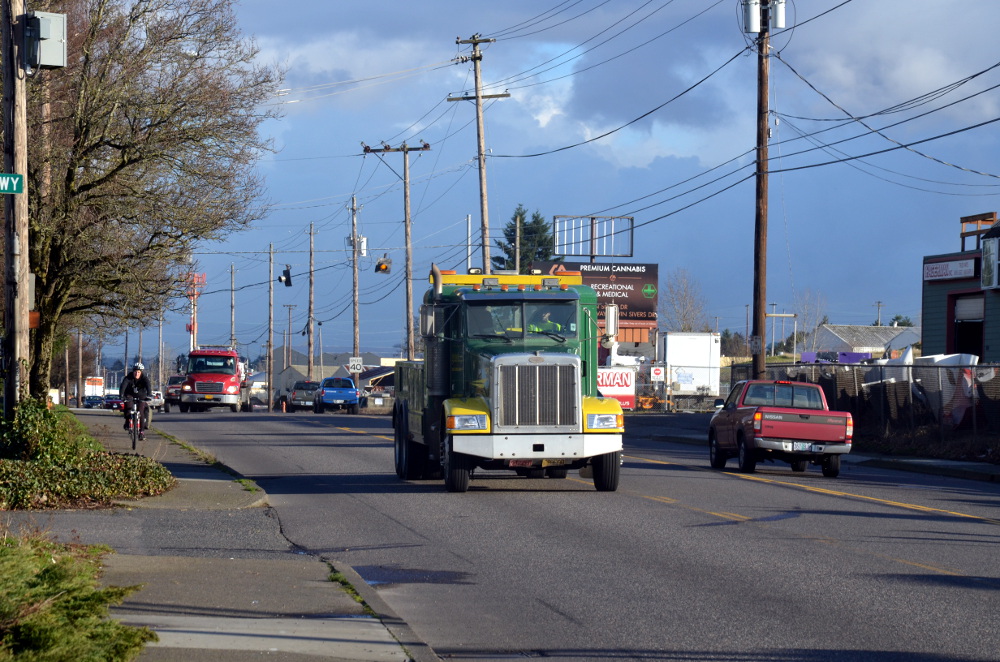
Many of the middle-wage, blue-collar jobs that remain are spread in industrial centers along the rivers with limited public transit access. And one of the most important clusters is one in Northeast Portland that many Portlanders know well: Portland International Airport.

If at first you don’t succeed, try try again.
That could be the motto for the City of Portland’s attempts to address the glaring lack of off-road cycling opportunities within city limits. But tonight the city took a big step forward on an unprecedented effort to solve that problem when the Bureau of Planning and Sustainability convened its first project advisory committee meeting for the Off Road Cycling Master Plan.
If all goes according to plan, 12 months from now Portland will have its first-ever citywide plan on not just how to provide bike access in parks but where it should be allowed. To be clear, this plan won’t put any lines on a map. BPS Project Manager Michelle Kunec-North made that clear at the outset of the meeting. “This plan alone doesn’t get something built. This will get us to a citywide understanding on where off-road cycling is appropriate and what type of facility is appropriate on that site.”
Make no mistake though, this plan will have the potential to be the guide for how Portland implements all future mountain bike trails — that means everything from singletrack, fire roads, pump tracks, skills parks, and so on.
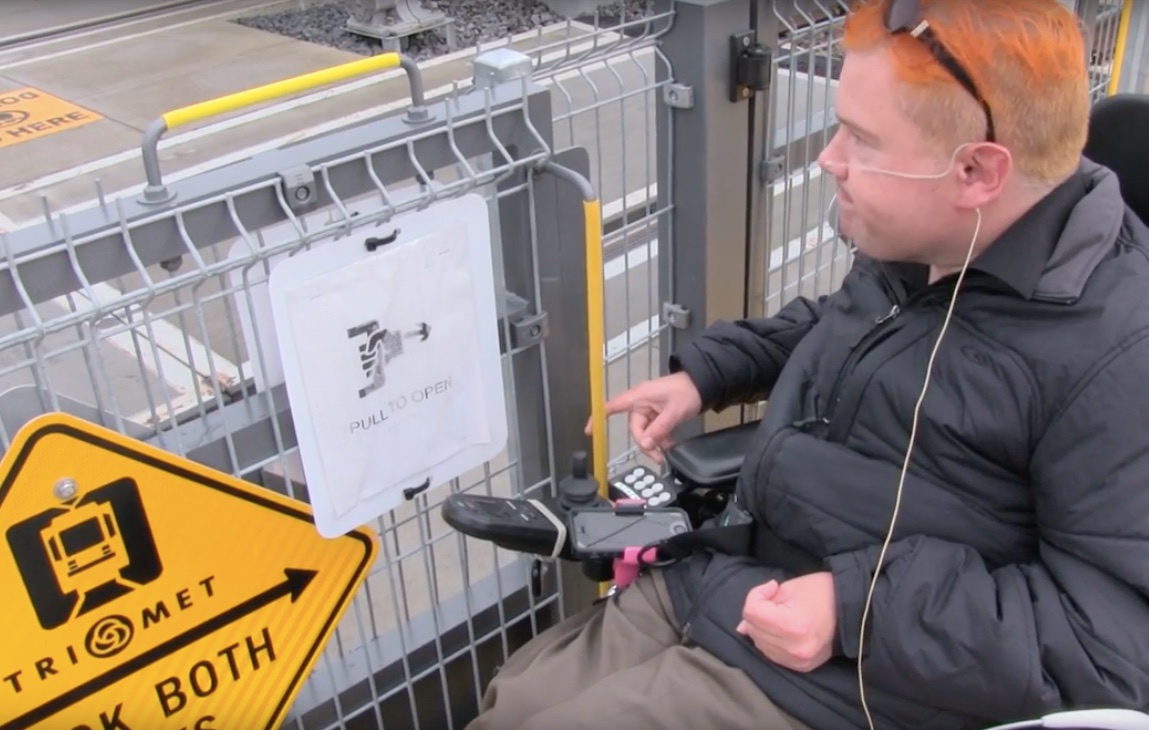
A new video just released by veteran transportation reform advocate Doug Klotz (we profiled him back in November) shows that the new swing gates installed by TriMet along the Orange Line in inner southeast Portland pose a significant barrier to people in motorized wheelchairs.

Advocates of a 10-cent local gas tax joined up to form quite a list of endorsers Wednesday for a midafternoon hearing at Portland City Council. Council heard a presentation and testimony about the idea ahead of adopting a resolution to send the tax to the ballot.
“I feel like a possum on I-5 during rush hour right now,” said Paul Romain, a lobbyist for Oregon gas retailers who was one of only two people to speak clearly against the measure.
Offering support was everyone from a freight advocate to a business advocate to an environmental justice advocate from East Portland to a frequent City Hall testifier who goes by the name of “Lightning.” While almost everyone seemed to like the idea, a close look at their testimony reveals mixed feelings that could offer clues to future debates.