(Photo © Bob Huff Photo 2019)

🚨 Please note: BikePortland is currently on hiatus and only publishing guest articles. Learn more here. Thank you. - Jonathan 🙏

Shipping Specialist
Velotech, Inc.
Velotech, Inc. is a locally owned business that has operated in Portland since 2002. Velotech is the parent company of BikeTiresDirect, Western Bikeworks, and Trisports.
This position is responsible for picking, packing and shipping customer orders. Qualified Shipping Specialists also execute product put-away, clean their work area, execute physical counts, and available for general physical and/or minor administrative labor.
ESSENTIAL FUNCTIONS INCLUDE BUT ARE NOT LIMITED TO:
Pick incoming web orders and warehouse pick up orders
Pack and ship orders according to supervisor’s guidelines
Maintain accurate inventory through regular cycle counting
Assist receiving department with put away of new items
Maintain a clean and organized workspace
Assist with any projects, or assist in other departments as instructed by supervisor
Perform all duties in a safe manner and report all safety concerns immediately to supervisor
MINIMUM JOB REQUIREMENTS:
Wear closed toe shoes at all times in warehouse
Be able to lift 25lbs above your head without assistance
Stand for long periods of time
Be able to lift 50lbs without assistance
KNOWLEDGE, SKILLS, & ABILITIES:
Excellent communication and organizational skills
Solid knowledge of cycling products
Ability to work in a high volume, fast-paced environment
Ability to work independently or with others to manage multiple task with minimal supervision.
BENEFITS:
Generous Employee Discounts
Health Insurance
Paid Time Off
If you are interested in this position, please click on the link to apply:
https://www.paycomonline.net/v4/ats/web.php/jobs/ViewJobDetails?job=4367&clientkey=F102FCECFB43ED66CAD0C8276CB962A9

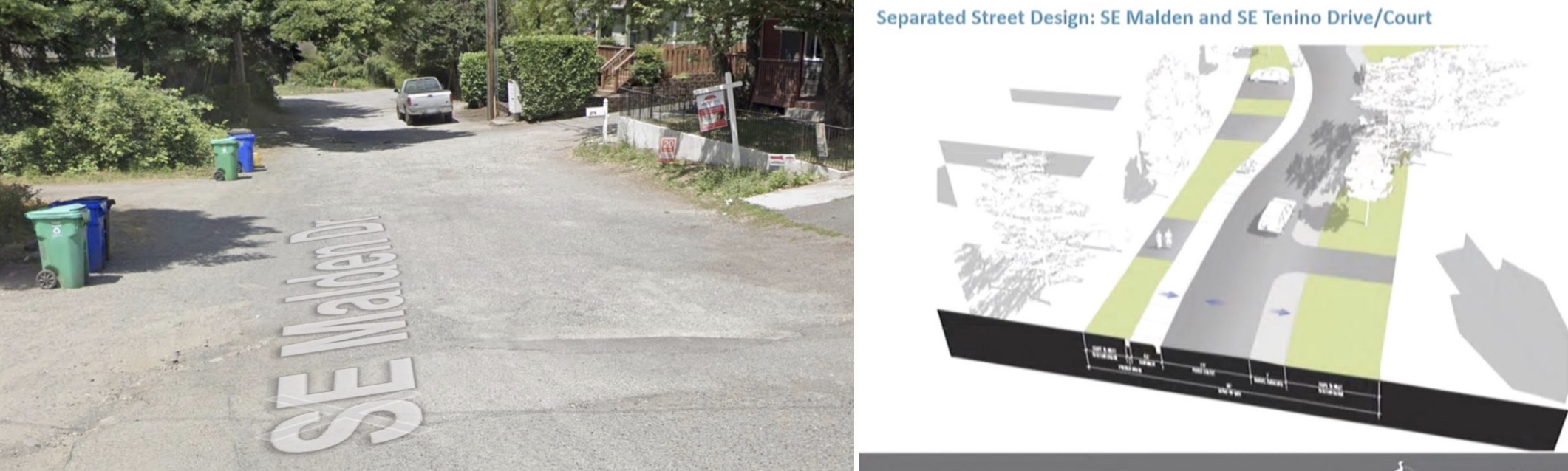

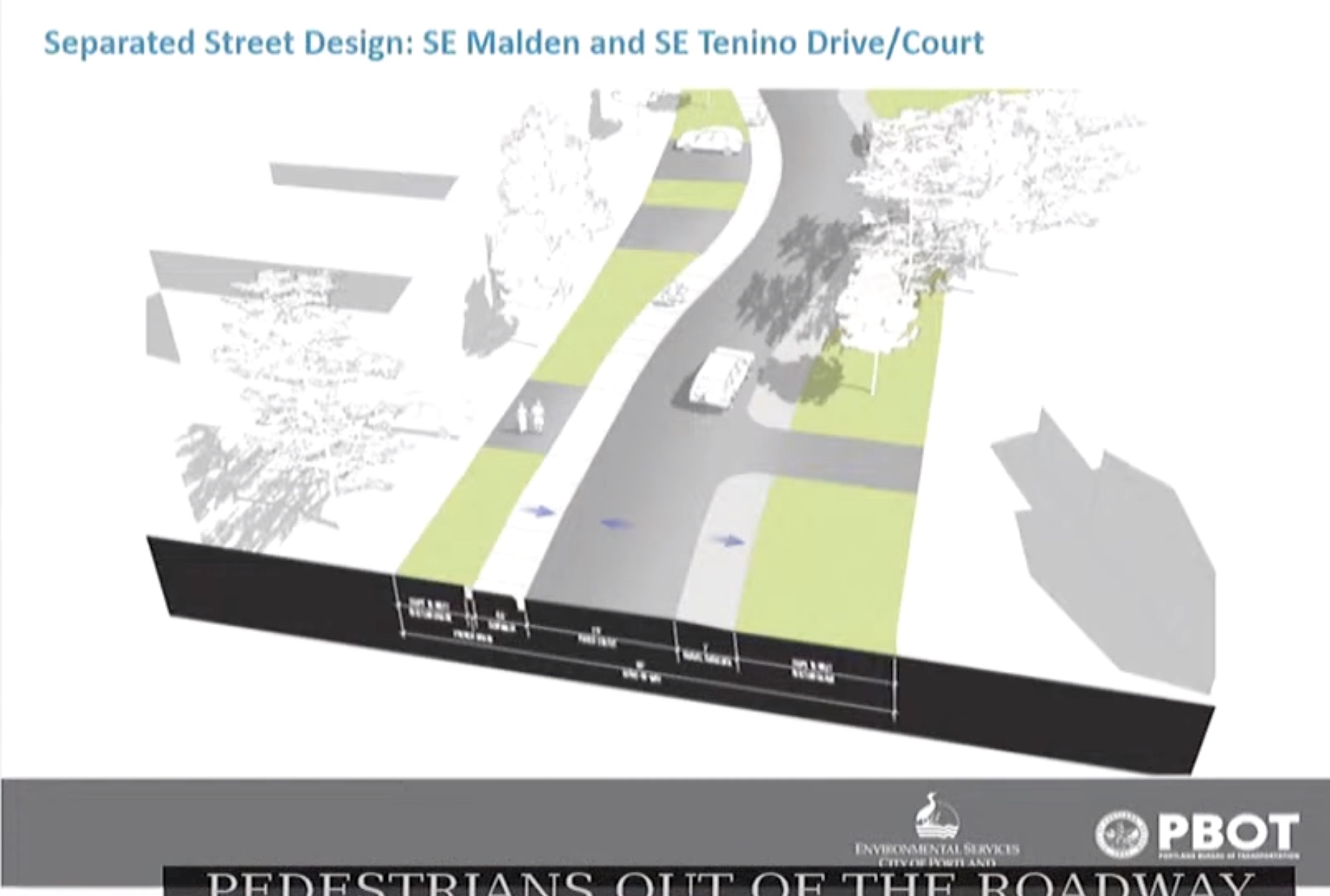
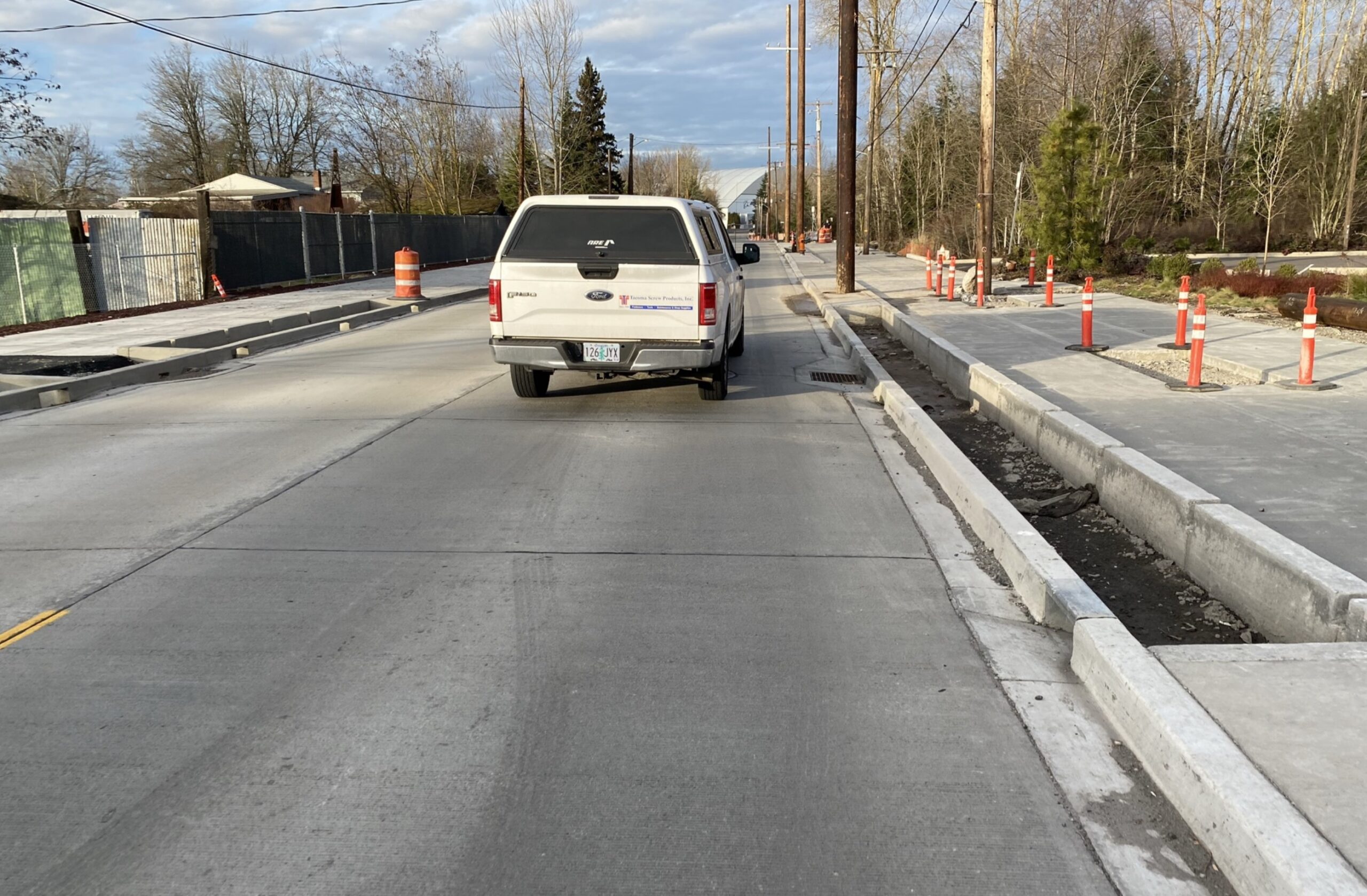
With the help of 116 property owners who agreed to pay their share, the Portland Bureau of Transportation is ready to build the long-awaited Errol Heights Street Improvement Project. First envisioned in 2008, the $9.4 million project will pave 1.2 miles of gravel and dirt roads in a neighborhood just north of the Springwater Corridor path between SE 45th and 52nd avenues.

This morning I was on the XRAY in the Morning radio show and had a nice conversation with host DJ Ambush. He asked how I’m making sense of the intentional vehicular assault in Portland on January 25th and what we should do in response. I expected it would be a short exchange, but was pleasantly surprised that it went longer. DJ Ambush asked thoughtful questions and wanted to delve into the issue.
We talked for over 20 minutes. There is a short section in the middle where we talked about Congressman Earl Blumenauer’s new bike-related bills, but most of the conversation was about traffic violence, our dangerous car culture, and what we can do about.
You can check out the interview below:
Sorry, this job has been filled. Browse more great jobs here.
Development Director
Community Cycling Center
START DATE: As soon as available
REPORTS TO: Executive Director
STATUS: Salary, FT
LOCATION: Portland, OR
SALARY: $60,000
BENEFITS: Includes health & dental
ORGANIZATIONAL OVERVIEW
We love Portland and bikes. So we put our two loves together over 25 years ago, creating a nonprofit organization on a mission to broaden access to bicycling and its benefits.
Our vision is to help build a vibrant community where people of all backgrounds use bicycles to stay healthy and connected. We believe that all Portlanders—regardless of income or background—should have the opportunity to experience the joy, freedom, and health benefits of bicycling. This is the motivation behind everything we do.
In addition to delivering dynamic programs that benefit under-served communities, we operate a full-service bike shop in NE Portland that is staffed by highly experienced mechanics from diverse cycling backgrounds. Our programs and shop services combined help riders build their skills and confidence; empower young people to ride to school and adults to ride to work; offer educational opportunities for teens to earn school credit; and support everyone in riding for health and recreation. We also collaborate with numerous community partners to generate pathways to employment and engagement within the growing bicycle movement by training new educators, leaders, advocates, and mechanics.
Our goal is to help create a healthy, sustainable Portland for all community members.
The Community Cycling Center is an equal opportunity employer and strongly values diversity, equity, and inclusion. Individuals with diverse backgrounds, abilities, and experiences are encouraged to apply.
JOB SUMMARY
The Development Director at the Community Cycling Center plays an integral role in ensuring the strategic direction and financial health of a multi-faceted, community-based nonprofit organization. The Development Director reports to the Executive Director and maintains overarching leadership and accountability for prospecting, cultivating, soliciting, and stewarding diverse revenue streams. They directly supervise the development team, participate in annual budgeting, and help lead strategic long-range planning efforts.
ESSENTIAL FUNCTIONS
Please note that the percentage indicators below represent an estimate of how much time each week will be spent fulfilling these functions. In terms of importance, all areas are valued equally.
Community Mobilization & Development (15%)
• In collaboration with the ED and development team, cultivate exceptional, transparent, and trusted relationships with supporters in order to elevate the organization’s work and fundraising potential.
• Actively work to bring people together around the Principles of Community-Centric Fundraising and an understanding of diversity, equity, and inclusion. Strive to support and uplift all people within the communities we serve, inclusive of a diversity of ethnicities, national origins, genders, sexual orientations, classes, disabilities, ages, and other factors that contribute to a vibrant and thriving region.
• Actively work to diversify our donor and volunteer base so that it reflects broad-based community support for our work and our mission.
Leadership & Management (25%)
• Facilitate a successful, evolving development department that upholds the mission of the Community Cycling Center. Provide a strong leadership presence while fostering a dynamic, innovative, values-driven work environment for all.
• Supervise a team that currently includes a Development Manager, Grants Manager, a Communications and Marketing Coordinator, and at times one or more contractors. Conduct timely and useful annual performance evaluations for staff on your team and contribute to organization-wide evaluation processes. When needed, lead hiring of new team members consistent with organizational values.
• Provide and/or support ongoing training for team members, both in development skills and in diversity, equity, and inclusion frameworks.
• Provide necessary support and expertise in streamlining processes, improving efficiency, and identifying opportunities that support strategic revenue growth.
• Ensure open communication between the Development Department and other arms of the organization.
• Work with Finance Director to reconcile donor database with financial records.
• Work as part of the Organizational Leadership Team to develop and enhance strategic plans and participate in organization-wide work planning and decision making.
Strategic Fund Development (60%)
• Provide leadership and direction for all revenue-generating activities related to individual donors, foundation/government grants, corporate sponsors, special fundraising events, and strategic partnerships.
• Be available to support other departments to maximize and optimize revenue received.
• Strategically identify major donor prospects and corporate partners. Assume primary responsibility for designing and executing strategies to secure gifts of significant value ($10K-$50K) and for cultivating and stewarding relationships with those donors.
• Work with the Development, Volunteer, and Communications teams to plan and conduct the Cycling Center’s annual fundraising events. Lead the development team in securing corporate and individual event sponsors.
• Work as part of the Organizational Leadership Team, and with the Director of Finance, ED, and Board of Directors to design the organization’s annual budget.
• Utilize the Community Cycling Center’s Salesforce database. Ensure donor and constituent records are maintained accurately. Input and track specific cultivation, solicitation, and stewardship actions related to major donors and campaign sponsors in a timely manner.
• Provide support to the Board of Directors and ED in planning, developing, and achieving Board-led fundraising activities and goals.
QUALIFICATIONS & CHARACTERISTICS
REQUIRED
• A deep appreciation for the mission and values of the Community Cycling Center, as well as an understanding of the unique and complex community development and social justice issues facing Portland residents.
• At least four years of successful and progressively responsible nonprofit fundraising and resource development experience, including a demonstrated understanding of fee-for-service and social venture revenue models. Familiarity with local, regional, private, and public funding sources.
• Demonstrated willingness, ability, and success in identifying, cultivating, soliciting, and stewarding major donors. Must have a proven track record making direct individual “asks.”
• Innovative, values-driven, self-directed, confident, and action-oriented personality.
• Exceptional, culturally proficient communication skills. Adaptable, accessible, compassionate, and professional demeanor.
• Demonstrated ability to work independently and responsibly, and also to collaborate effectively.
• High level of proficiency using Microsoft Office programs, constituent management databases, and time management platforms.
• Experience living in or working in low-income communities and an understanding of barriers to bicycling faced by people living on a low income.
PREFERRED
• Experience using Salesforce, including Moves Management expertise.
• Knowledge and/or personal experience of how Portlanders use bicycles to meet their daily needs.
• Coursework or training in nonprofit management, fundraising, marketing, event planning, and/or other related fields.
• Fluency in one or more languages spoken in Portland’s marginalized communities (e.g., Spanish, Vietnamese, Somali).
• Lived experience as a member of a marginalized community.
• Experience using QuickBooks or a retail Point of Sale system.
HOW TO APPLY
Please submit a cover letter and resume by email with “Development Director” as the subject line to jobs@communitycyclingcenter.org.
Sales and Customer Service Associate
Sugar Wheel Works
Sugar Wheel Works is currently seeking a full-time, year-round Sales and Customer Service Associate at our Portland, Oregon workshop. We make custom handbuilt bicycle wheels, tuned specifically for the rider, the bike, riding style, and dreams of where these wheels can take you.
Responsibilities:
-Create an exceptional customer experience throughout the entire sales process. Be engaging, positive and personable.
-Respond to all sales leads quickly and professionally using various types of effective communication channels, often communicating with many customers simultaneously.
-Generate quotes, send and track invoices.
-Track precise details of orders, schedule wheel builds and delivery.
-Provide customers with regular updates and manage expectations throughout the wheel building process.
-Order and receive parts.
-Cultivate and maintain positive relationships with vendors.
-Able to work as part of a team. Must be reliable, flexible, and accurate.
-Able to handle customer concerns appropriately and timely.
-Be a trusted subject matter expert and enthusiast of cycling culture, bike and wheel technology.
-Use Lightspeed point-of-sale system
Our ideal candidate will have worked in bicycle sales and have an above average familiarity with bicycles, and bike parts — especially wheels. They will have sales experience, deep product knowledge, mechanical experience and a desire to grow with our company. Excellence with customers and coworkers in a diverse team environment are the main priority.
At Sugar Wheel Works our mission is to message about, design, and build fine bicycle wheels. Sugar exists to enhance the riding experience, eliminate headaches, and provide unmatched expertise to riders seeking wheels that match their bikes, rides, and style.
We are inspired by a diverse, fanatical group of riders from around the world and strive to reflect them in our team at the shop. Sugar Wheel Works is committed to creating a diverse environment and is proud to be an equitable employment shop. Please contact us to apply.
Experience:
Bicycle and bicycle accessory knowledge: 3+ years
Mechanical experience: 1 year (Preferred)
Wheel building experience is a plus but not required. The candidate will be offered opportunities to learn the nuances of wheel building by exposure and instruction.
Please submit your resume and cover letter to info@breadwinnercyles.com by Feb. 10th, 2021.
We will do our best to acknowledge each applicant.
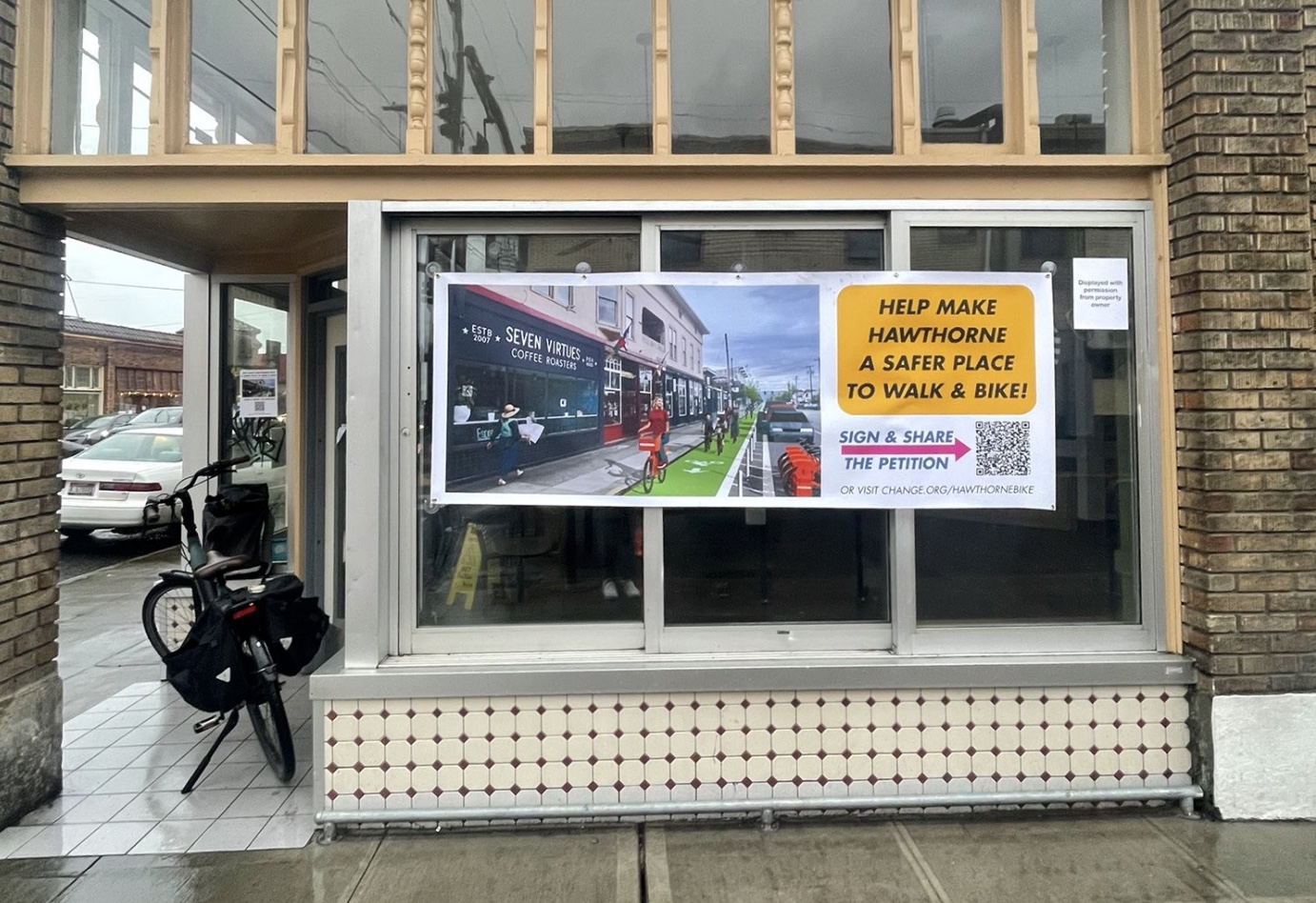
A grassroots campaign to build support for protected bike lanes on Southeast Hawthorne Blvd has reached a fever pitch ahead of an expected release of a design recommendation by the Portland Bureau of Transportation.


For Portland City Commissioner Mingus Mapps, last week’s intentional vehicular violence in southeast Portland hit very close to home.