
Looking back at yet another eventful week here on BikePortland, I was struck by how many solid comments we had. I couldn’t pick one, so I’ve decided to highlight three.



Looking back at yet another eventful week here on BikePortland, I was struck by how many solid comments we had. I couldn’t pick one, so I’ve decided to highlight three.

Oregon’s largest active transportation advocacy group is the latest to request that the Oregon Department of Transportation complete a full Environmental Impact Statement (EIS) for their I-5 Rose Quarter project.
In a letter dated today, The Street Trust’s Executive Director Jillian Detweiler says an EIS is needed, “So that project impacts and mitigation can be better developed and understood by the public.”
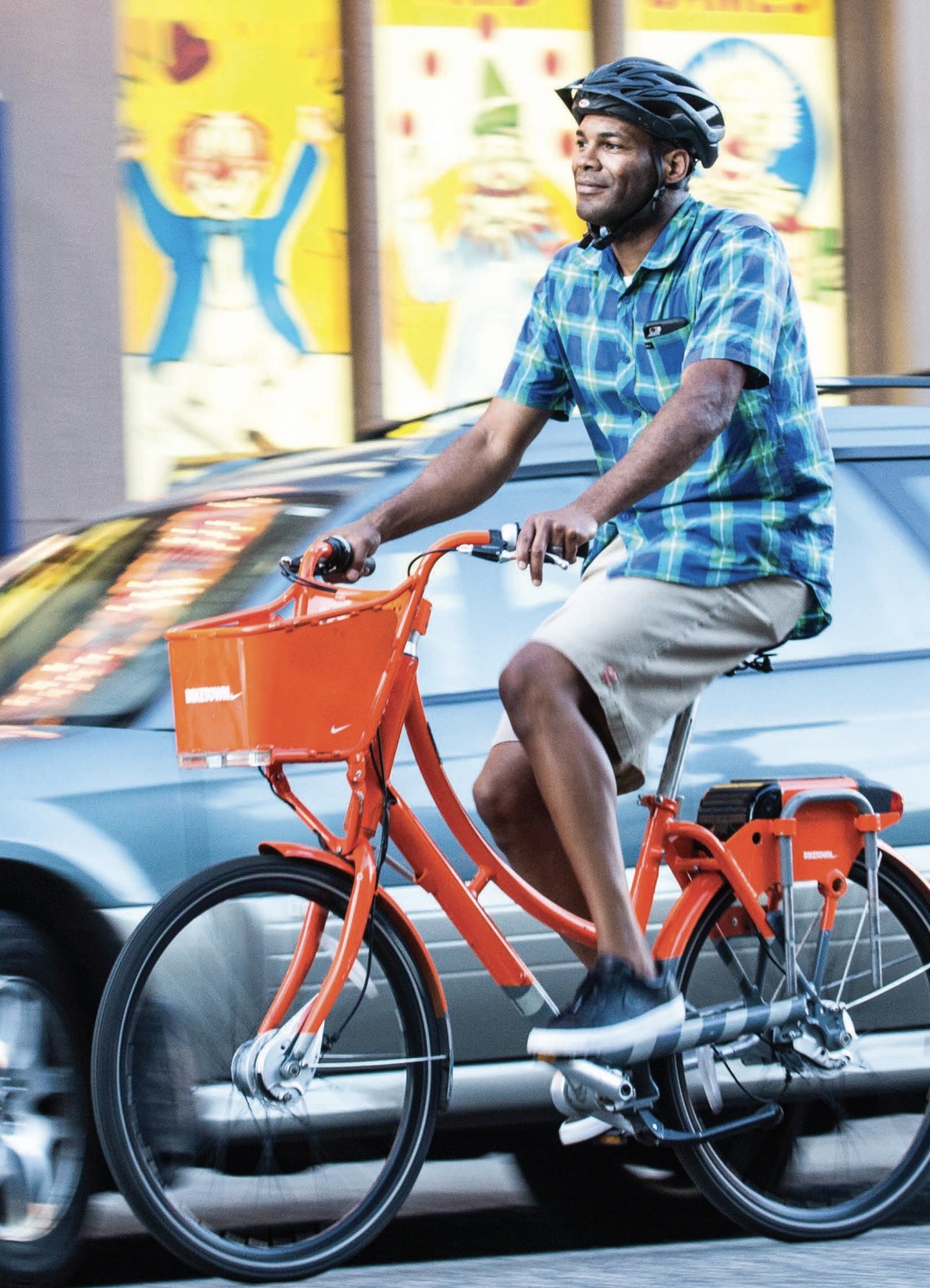
So far, Biketown hasn’t turned out to be the ubiquitous presence or dominant travel mode I hoped it would be. Instead it’s a (mostly) reliable, well-run, affordable and accessible transportation option for people who need it most.
That’s what I came away thinking after I read the 2018 Biketown Annual Report (PDF) recently adopted by Portland City Council.
When Biketown launched in July 2016, I was eager to finally have a bike share system. Even though Portland was late to the party, I assumed the orange bikes would a vast impact on how we get around. Inspired by the systems I’d used and seen flourish in Washington D.C. and New York City, I envisioned orange bikes everywhere. And with bikes everywhere we’d have bike riders everywhere and we’d have bike infrastructure everywhere and my dreams of a cycling city would finally be realized.
But that’s not how things have gone.
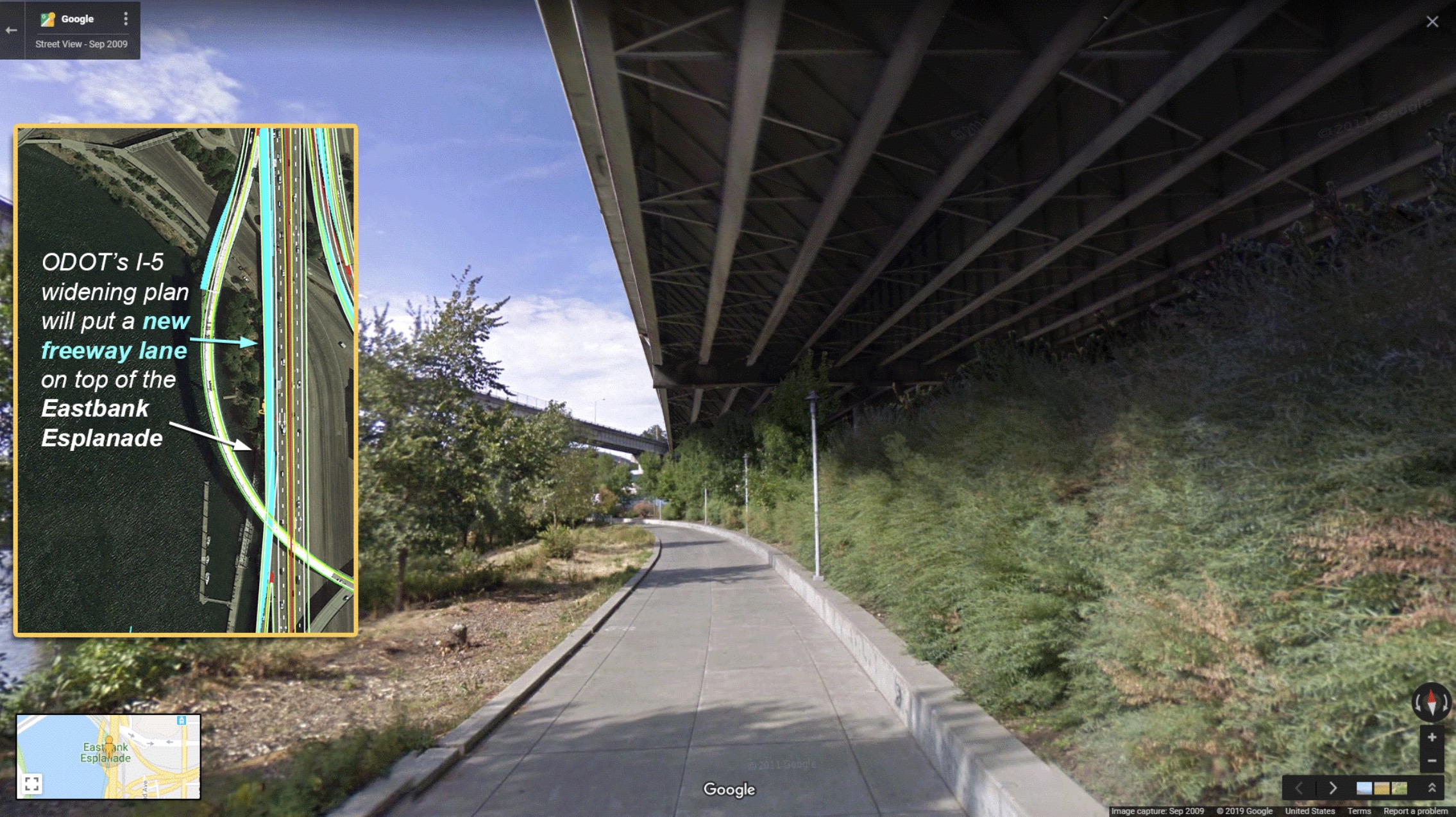
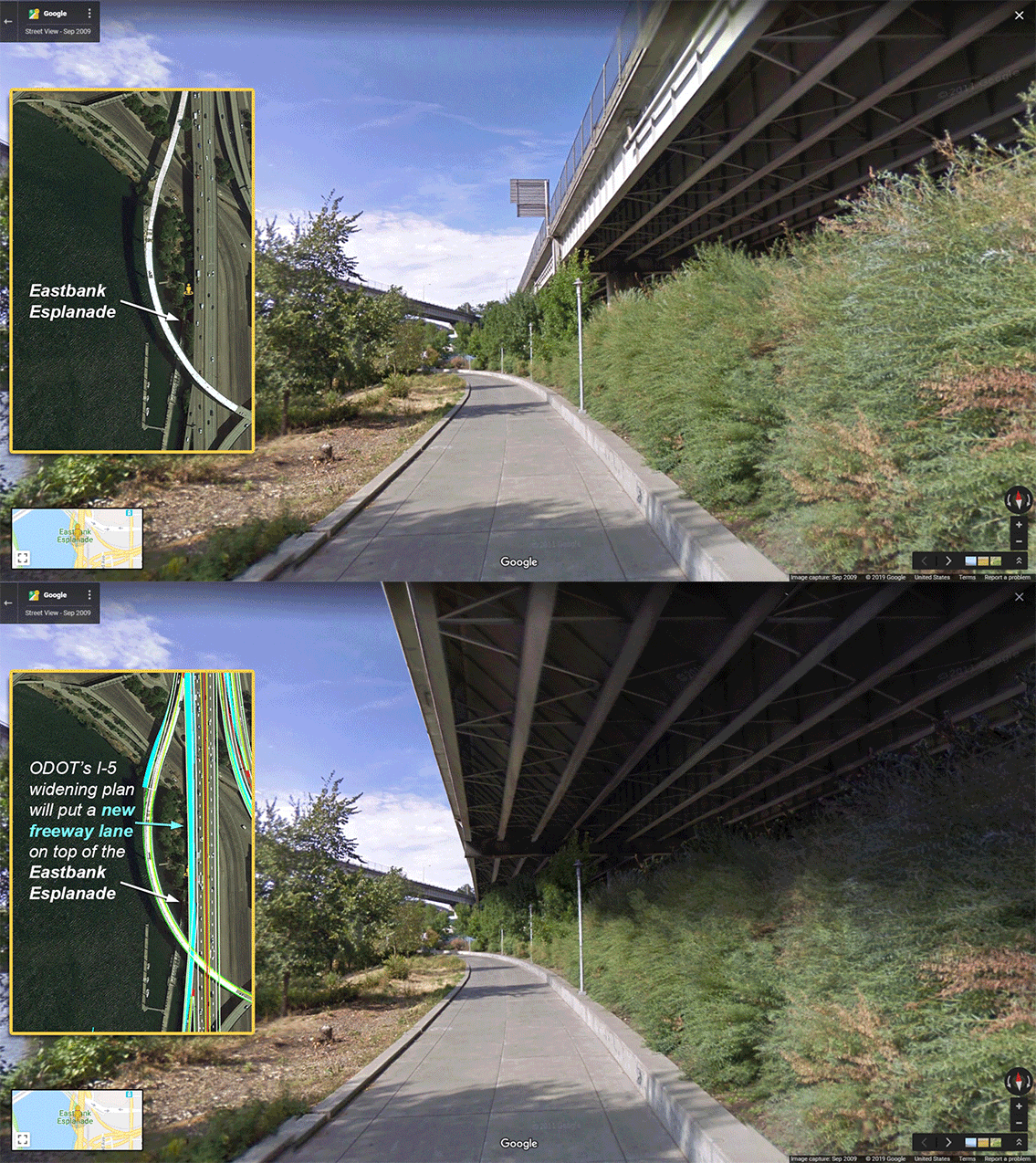
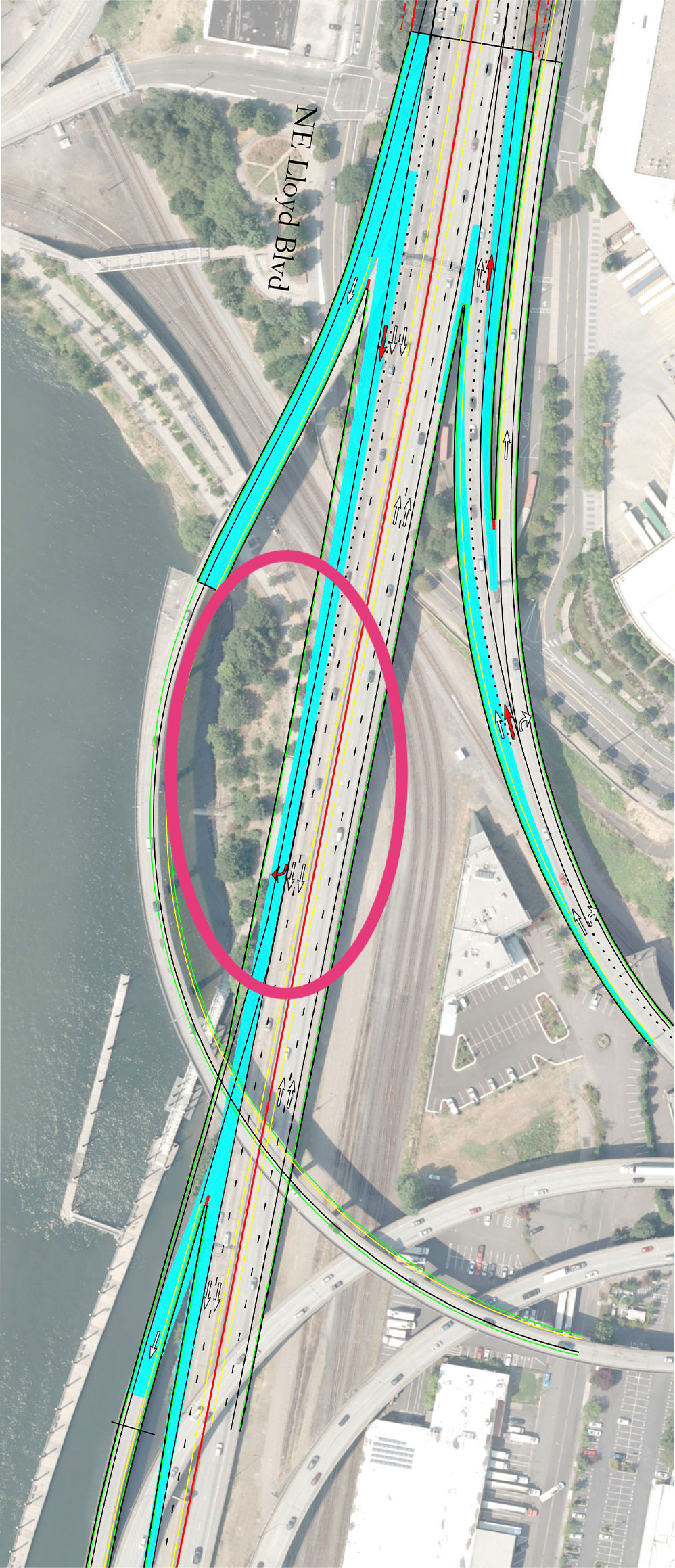
With so many inconvenient truths brought to light recently about the Oregon Department of Transportation’s plans to expand the I-5 freeway, one of the most disturbing is the fact that it would cast an even larger shadow over the Eastbank Esplanade.
Spring hiring season is upon us! If you’re looking for a new gig, peruse the opportunities below…
— Bike Mechanic – Community Cycling Center
— Customer service / Mechanic – North Portland Bikeworks


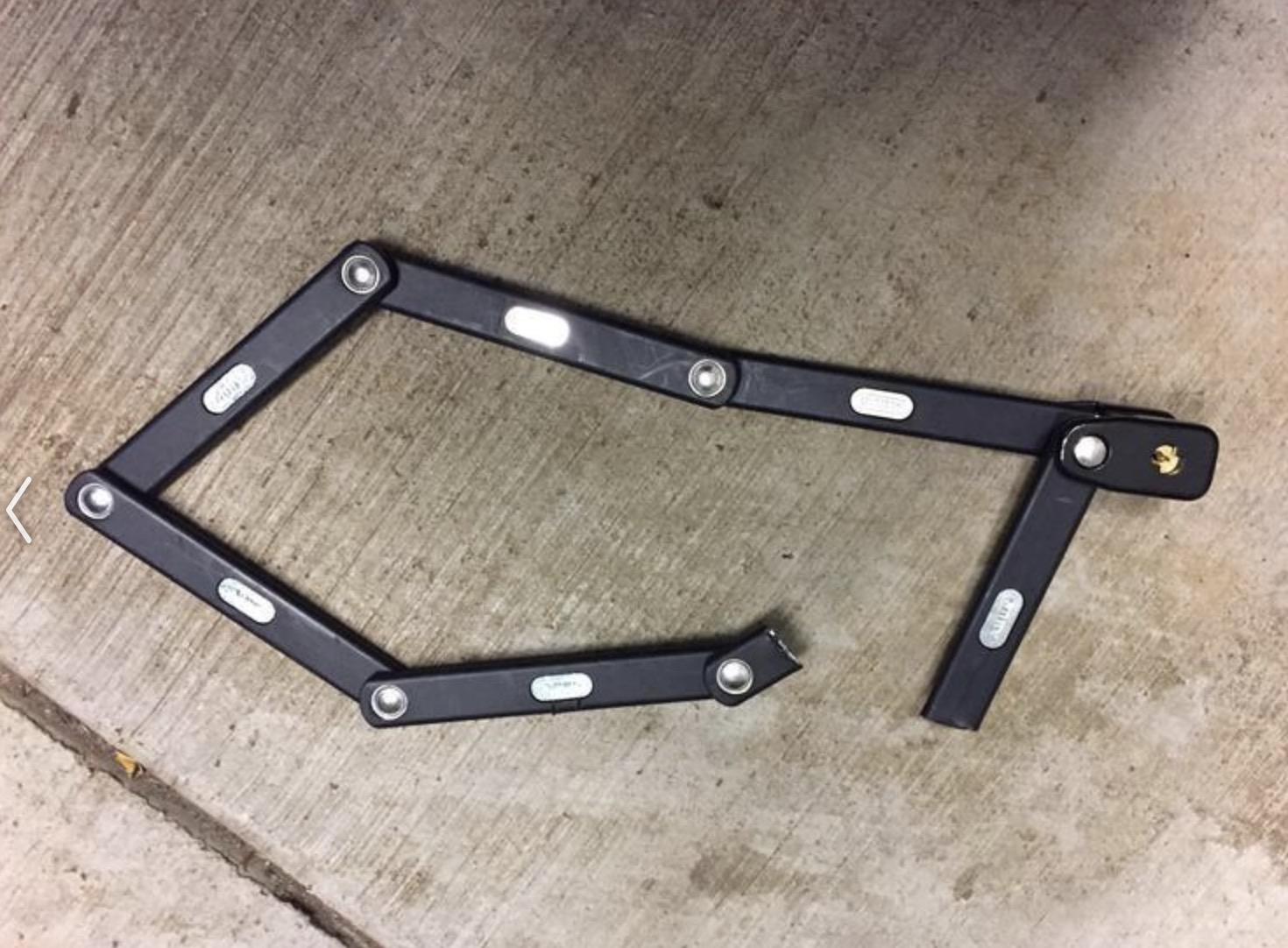
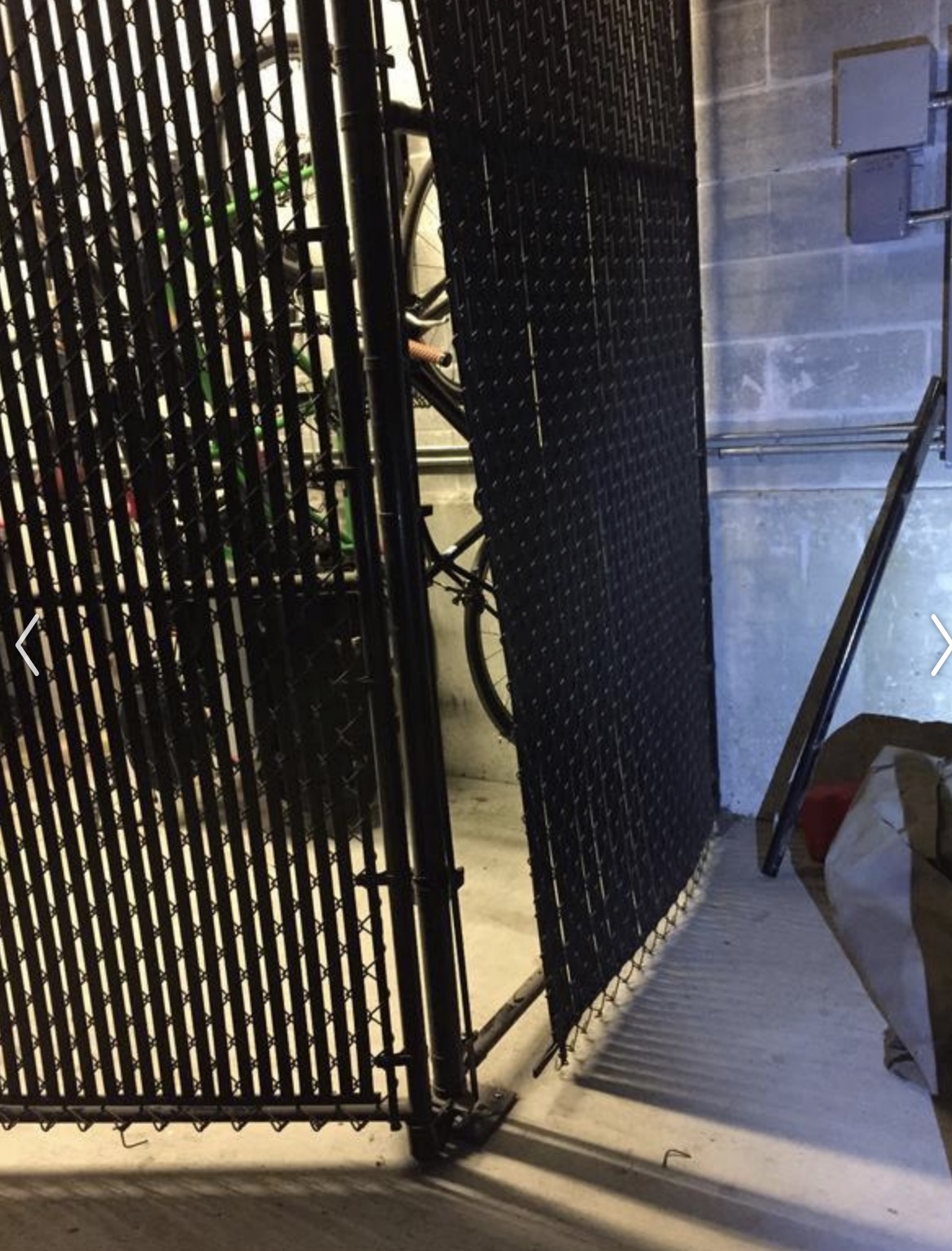
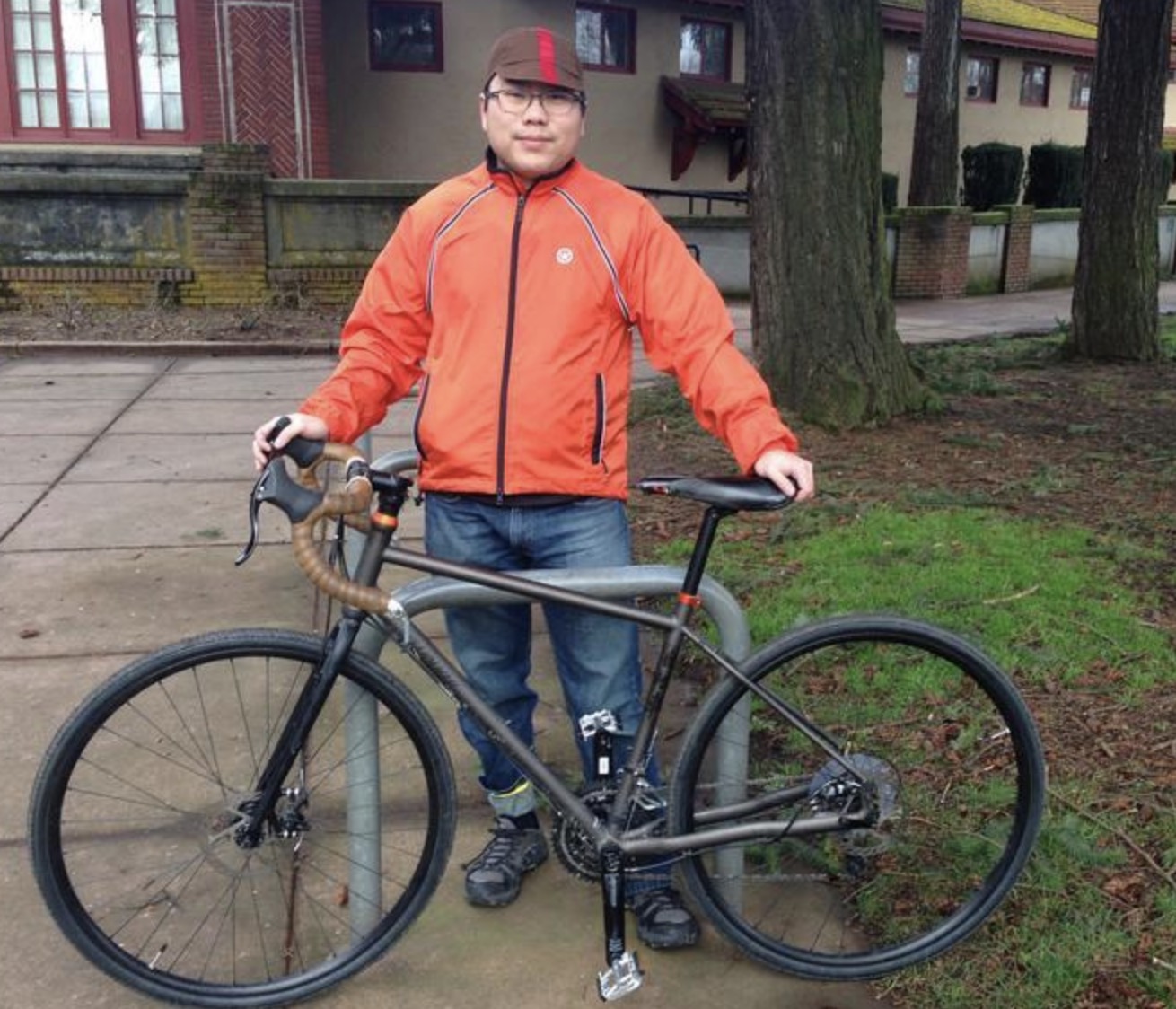
North Portland resident and friend of BikePortland, Patrick Mok, had his bike stolen from his apartment building Monday night. What makes this theft notable is that he had it locked with a high-quality lock and it was inside a designated, fenced-in bike room.
Getting a bike stolen is bad enough. Getting one stolen from a place you expected to be secure is even harder to swallow. I wanted to share Patrick’s experience for two main reasons: To remind people that bike theft remains a major issue in Portland (and a barrier to biking for many), and in hopes that his story will lead building owners to invest more to make bike parking facilities as secure as possible.
Patrick says whoever stole his gray, Specialized AWOL road bike planned ahead and knew what they were doing. The bike room it was parked in is located on the first floor of a relatively new, four-story apartment building on North Interstate Avenue. The bike parking room is in the back of a fenced-off parking garage and it’s enclosed by a chain-link fence of its own. Patrick said his recent theft was not the first one they’ve had.
Story by Chris Smith, a member of the Portland Planning & Sustainability Commission. He previously wrote about how bicycles and streetcars can co-exist.
After a supportive vote from the Portland Planning & Sustainability Commission (PSC) at their meeting last month, the first full overhaul of Portland’s Bicycle Parking zoning code in two decades is now headed to City Council.
The package is largely similar to the output of a stakeholder committee last year, as refined in the proposed draft (PDF) sent to the PSC, with one big exception: something we’re calling “bike nooks”.
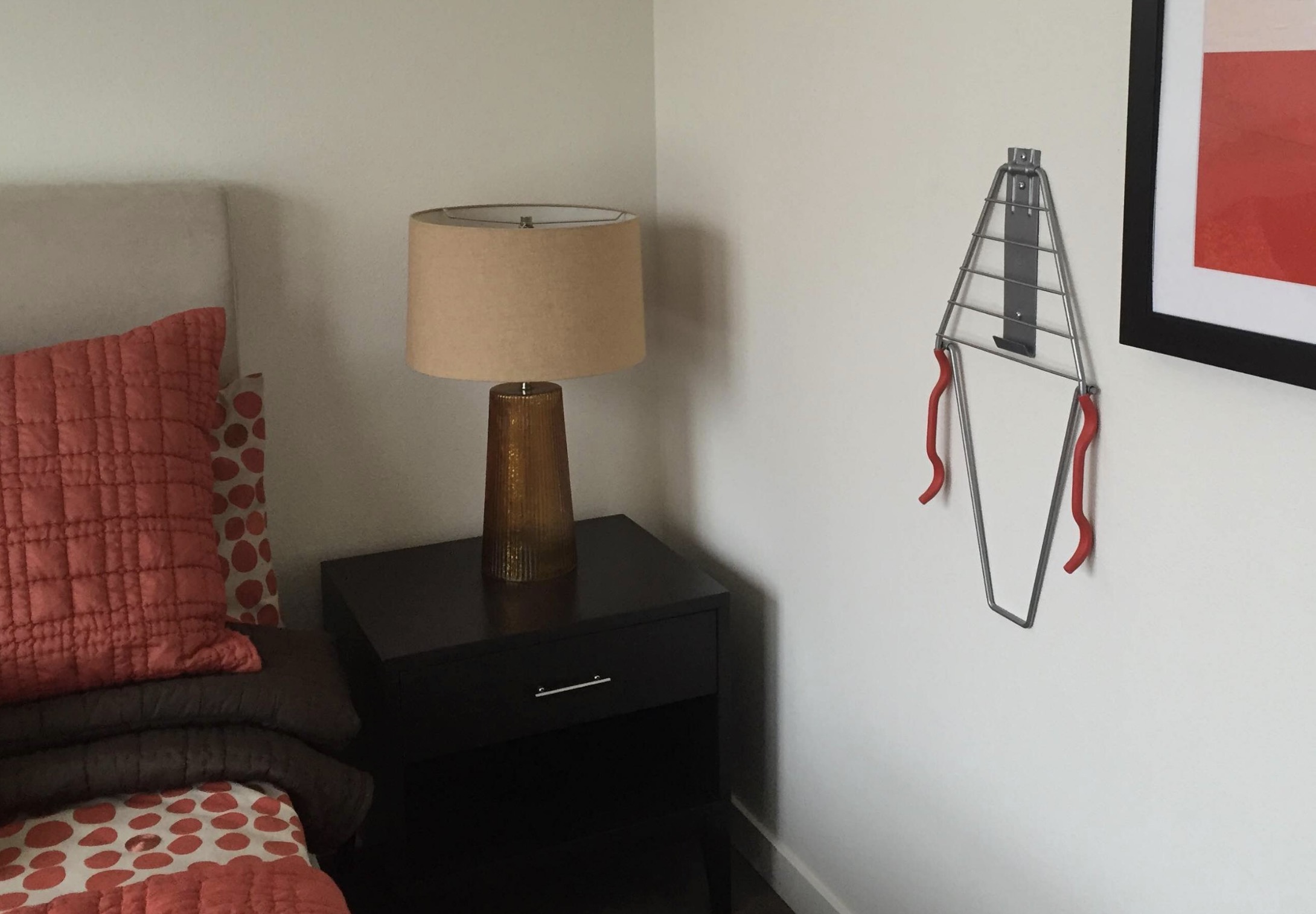
Our current parking code (from last century) allowed bike parking to be located in an apartment or condo, something no other major city allows. Despite efforts to refine this code in 2010, we still saw horror stories like bike racks above beds or couches (see photo).
The weekend is almost here and it looks like we might stay dry. We could even have some sun and temps into the 60s!
We’ve got a great mix of offerings in the Guide this week — whether you’re an experienced racer or just starting out on two wheels.
By the way, we need to find a sponsor for this and our awesome Calendar. If you want some great exposure for your business or product that also helps support our community and local journalism at the same time, get in touch!
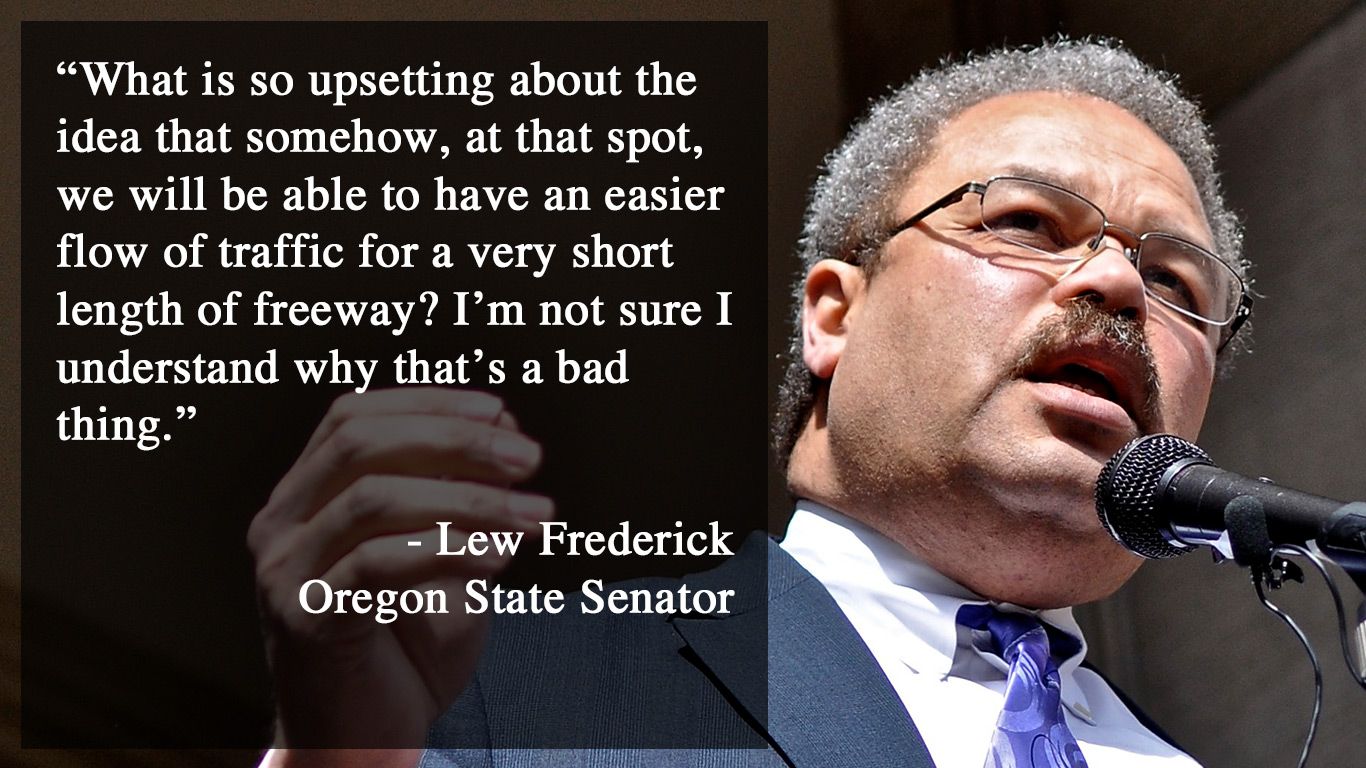
The I-5 Rose Quarter project being planned by the Oregon Department of Transportation lies squarely in the district of Oregon State Senator Lew Frederick. With an official biography that says his legislative focus is on, “justice in public safety, education, and ‘quality of life’ issues,” some readers were surprised to find out he supports a project that will significantly widen Interstate 5 to accommodate more auto traffic in Portland’s central city.
I interviewed Sen. Frederick last week to learn more about his position. Below is a version of our conversation that’s been slightly edited for clarity.
Why do you support this project?

One of the main points the Oregon Department of Transportation is using to sell their I-5 Rose Quarter project is that it will vastly improve cycling and walking conditions on the surface streets above the freeway.
Turns out that’s not exactly the case. The two official committees that advise the City of Portland on cycling and walking strongly oppose the project and recommend a “No Build”. That’s awkward because the Portland Bureau of Transportation is a key ODOT partner and has staked their support on the quality of surface street upgrades.

After sharing my initial impressions two weeks ago, I’m ready to share a full review of Surly’s new Big Easy electric cargo bike (retail price $5,000).
I rode the bike for two and a half weeks and found myself enamored with it. Read on as I delve into the wonders of the e-assist, the useful accessories, what I’d add to make it perfect, and what I like to change.