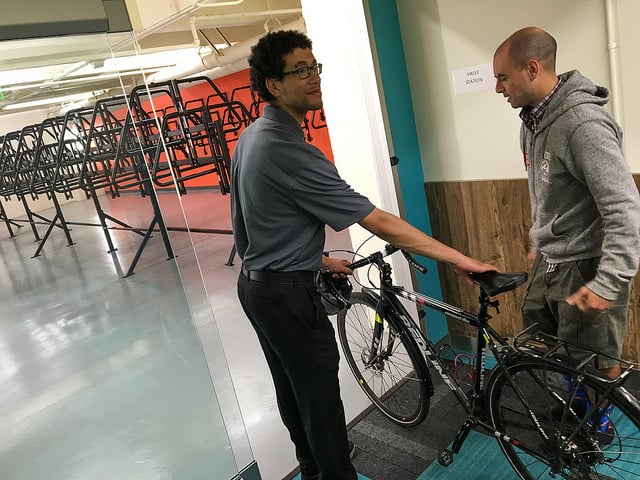
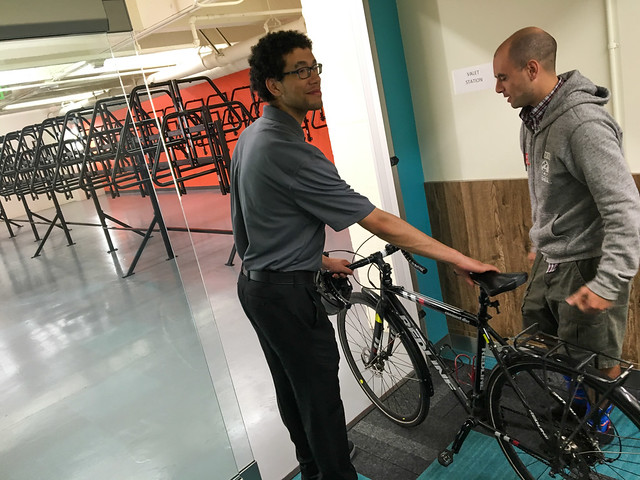
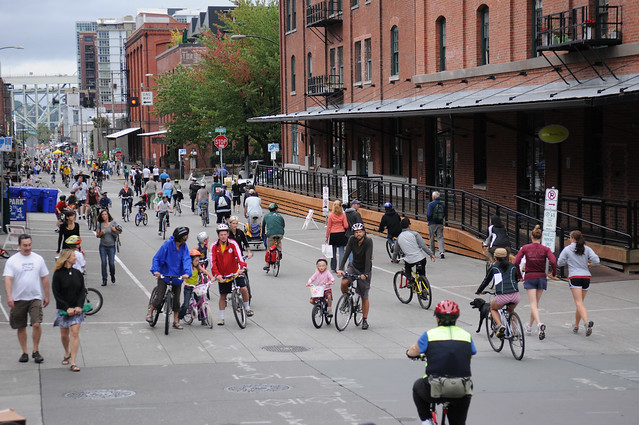
The Lloyd Cycle Station is open for business. (Photos: J. Maus/BikePortland)
A key piece of the decades-long vision for the Lloyd District came into focus this morning when the Lloyd Cycle Station – and its 600 secure bike parking spaces – opened to the public.
We shared the lowdown on the the Cycle Station earlier this month and today I attended the grand opening. To refresh your memory this facility is part of the Hassalo on Eighth development that has arisen on a former surface parking lot on the 700 block of NE Multnomah. There are three new buildings in this development and they all strongly encourage a low-car lifestyle among their tenants. Along with an adjacent MAX light rail line and one of Portland’s best protected bike lanes (on NE Multnomah), Hassalo residents now have their choice of 1,200 bike parking spaces. Compare that to just 328 auto parking spaces and you can see why car ownership is only optional here.
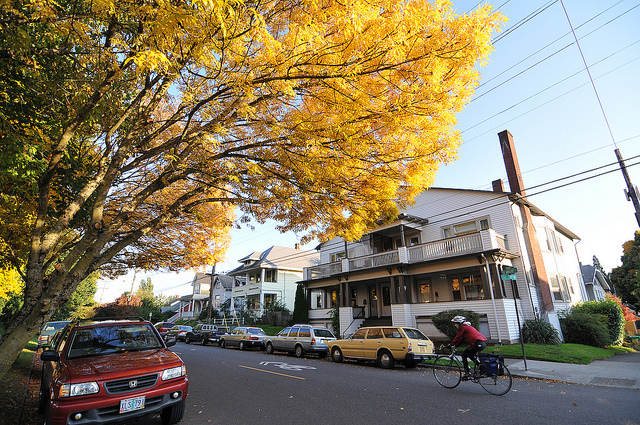
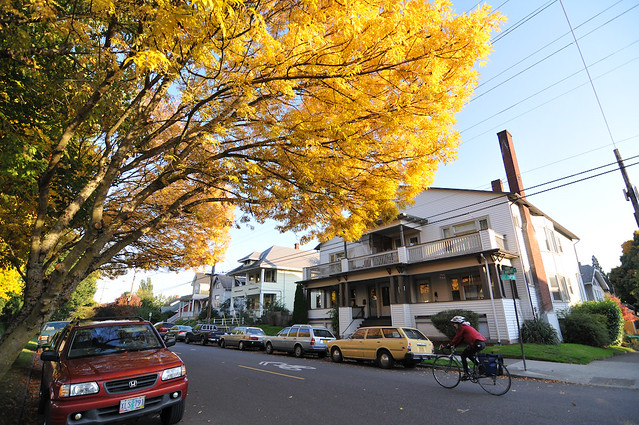
An illegal neighborhood in southeast Portland. (Photo: J.Maus/BikePortland)
This post is written by Neil Heller, a Portland-based planning consultant.
I recently visited a shop to get a new bike. I was shown two options: a gorgeous, yet expensive, custom-built single-speed cruiser and a massive cargo bike with all sorts of gleaming add-ons including an electric assist.
I like both of these bikes but they don’t quite fit my riding style — short commutes but also a bit of recreational road cycling on the weekends. I asked about a more versatile bike, one in between the two I was being shown, but was told road bikes are illegal.
Certainly I had seen some road bikes being ridden on my way over? These types are all an older style, I was informed, and can only be purchased used. No new road bikes are being built right now. Sorry.
By now it’s likely that you already see the metaphor and realize I never visited such a shop. I think this metaphor for housing choice is a good one because it highlights how laughable having such limited options can be.
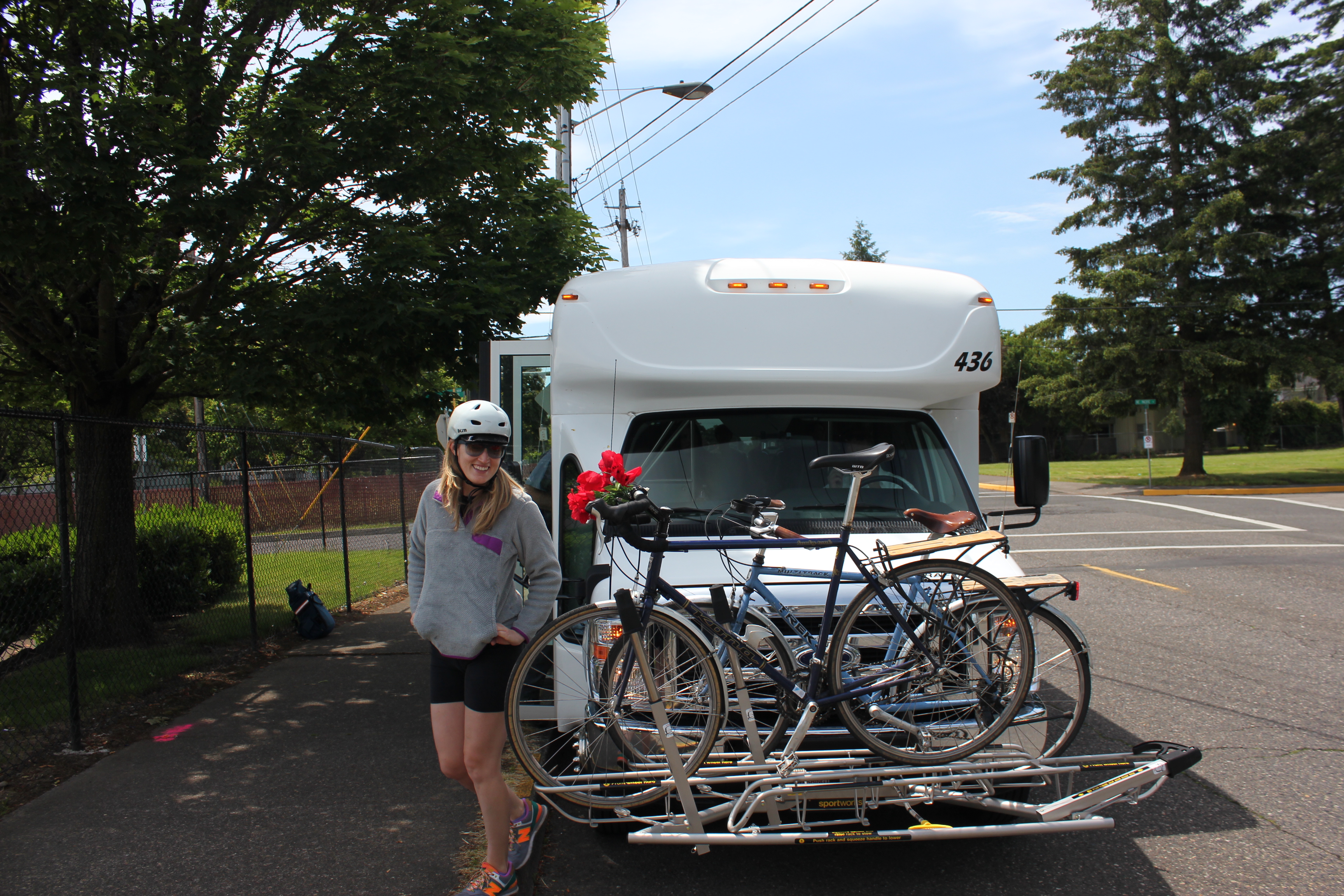
My bike and my ride to the Gorge – all ready to roll! (Photos by Kiel Johnson and Kate Laudermilk)
Our Gal by Bike columnist Kate Laudermilk was one of the first people to ride the Columbia Gorge Express — a new transit option with service between Portland and Multnomah Falls.
One of the arguments I made as I desperately tried to convince myself that I needed to buy a new car after parting ways with my partner (and our car) four years ago was that I needed a car to fully experience all of the natural wonders surrounding Portland.
I felt like I was going to be trapped in Portland until the end of my days.
Little did I know that, when you don’t have a car, you get creative. You use the old noggin. I no longer feel trapped in any way.
Oregon has a new statewide plan for bicycling and walking
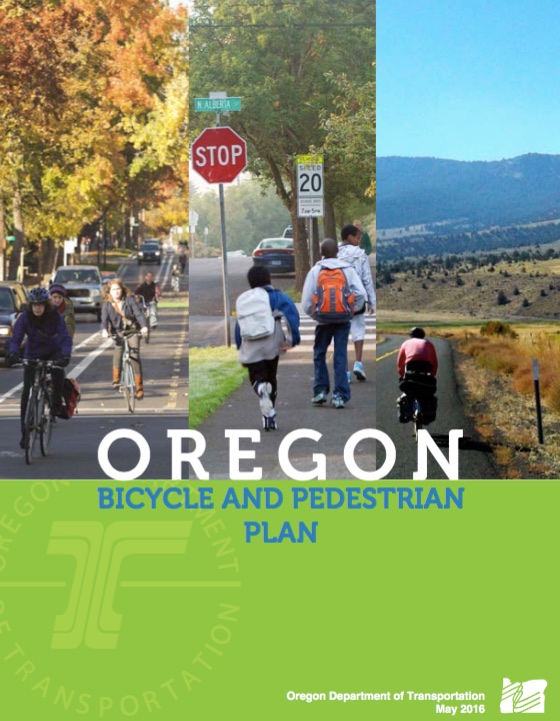
A two-year planning process culminated at a meeting of the Oregon Transportation Commission on May 19th when commissioners voted to adopt the Oregon Bicycle and Pedestrian Plan (PDF).
The 80-page plan is one of four modal plans that set policy and strategy for the Oregon Department of Transportation. The old plan was adopted in 1995 and it was only a staff-level document. Now the plan is on the same internal level within ODOT as the state’s plans for rail, highway, and freight. “This raises the prominence and importance of biking and walking travel options with other modes and topics,” read a statement from ODOT last week. “Requiring explicit consideration and integration of biking and walking needs into transportation decisions across Oregon.”
Job Description *
Mechanic:
We are looking to fill several long term positions. Must have extensive mechanic experience and must be willing to work weekends/nights.
Bartender:
We are looking for bike/beer nerds to run the bar and help with various things around the shop. Bar experience isn’t necessary but bike shop experience is a plus. We are open 10am to 10pm daily so you must be willing to work nights and weekends.
How to Apply *
Email your resume to velocultjobs@gmail.com
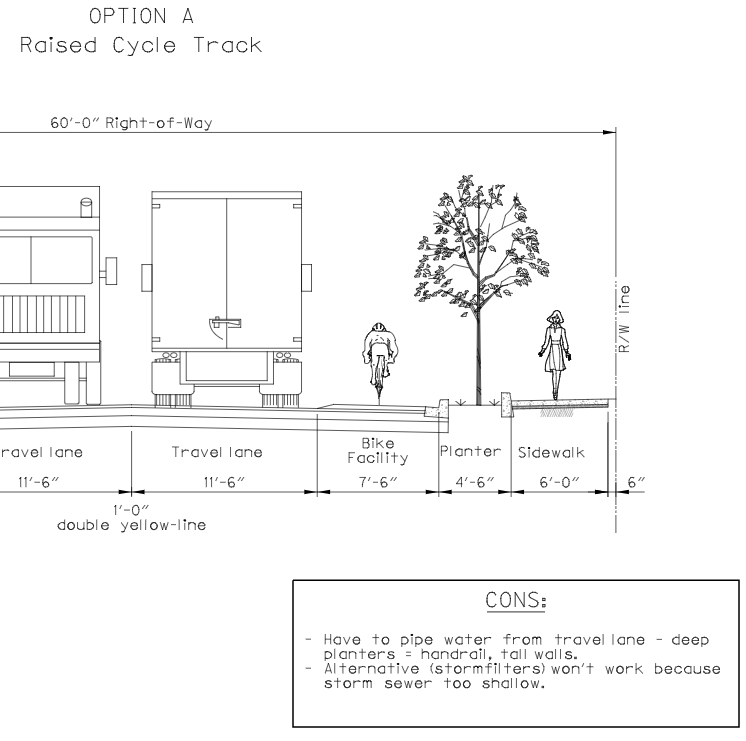
Cross-section of one approach to protected bike lanes on NE 47th Avenue. (Image: City of Portland)
After almost 10 years of talking about building networks of physically separated bike lanes on busy streets, Portland seems more or less ready to move.
All of which means that a city memo about the various obstacles to protected bike lanes is revealing reading.
Advertisement
Barriers to protection
Some issues cited in PBOT memo:
Fire truck access
Stormwater/runoff requirements
Auto parking space buffer zone
Truck and bus turning radius requirements
The 75-page “technical memo” by Portland Bicycle Planning Coordinator Roger Geller and colleagues, posted to the city’s website this spring, is at once a trove of good ideas — almost all of it consists of diagrams showing how to fit buffered and protected bike lanes on streets of various widths and uses — and a tally of the hoops Portland requires a comfortable bike lane to jump through.
For example, there’s the 26 feet of open space requested by the Fire Bureau on any street adjacent to a building of at least three stories. That’s enough room for a 10-foot-wide fire truck with an eight-foot outrigger on each side, needed to provide stability for a ladder.
Could one or both of the outriggers straddle a curb or other obstacle that separates bike and auto traffic? Maybe. But it can’t straddle a parked car, which has prevented parking-protected bike lanes on narrow streets like Stark and Oak downtown.
Another obstacle: stormwater. Rain that runs off city streets warms rivers and kills habitats there, so the federal and state governments require cities to add drainage swales and other features to reduce runoff on “projects that develop or redevelop over 500 square feet of impervious surface.” That gets expensive fast.
But as Geller’s memo notes, the city’s storm bureau cuts slack for walking projects like new curb extensions — it waives the requirement for better storm drainage in part because the city doesn’t want to create an “undue burden” on a walking project.
There’s no such waiver practice for biking projects, the memo says.
Advertisement
Another issue: the “step out” area the city generally provides next to a new parking space, for people who move from a parked car to a mobility device such as a wheelchair. As the memo notes, federal standards don’t actually require those extra three feet next to every parking space, only next to spaces set aside for people with disabilities. But Portland’s preference is to provide it on all on-street spaces, potentially reducing the space available for a curb-separated bikeway.
There are many other issues embedded in the diagrams, like turning radiuses for trucks, lane widths for buses and adequate separation between biking and walking traffic.
As we weigh these issues, let’s not forget the power and purpose of politics. With the right chemistry and leadership at City Hall a lot of these barriers could magically disappear, or be resolved in ways that accept or correct for the legitimate tradeoffs.
This memo is a useful reminder of how unfamiliar these designs remain for most city employees — and also of the fact that meaningful changes to Portland’s streets will require a sense of purpose not only within the city’s transportation bureau but the other bureaus, too. That means that ultimately, it’s up to the elected city council to decide if these new designs are worthwhile — and if they are, to tell the public’s employees that they need to take the time to work these issues out.
Good morning! Starting today it’s summer vacation season on BikePortland, with first me and then Jonathan taking a little time to decoil. So expect slightly slower posting than usual for the next month or so — though you’ll usually be able to count on at least two posts almost every weekday.
(If you’ve been yearning for a chance to put together a guest post, this means it’s a golden opportunity. Get in touch!)
This week’s Monday Roundup is sponsored by Western Bikeworks. Check out their big 5-year anniversary sale going on now through June 5th.
Here are the bike-related links from around the world that caught our eyes this week:
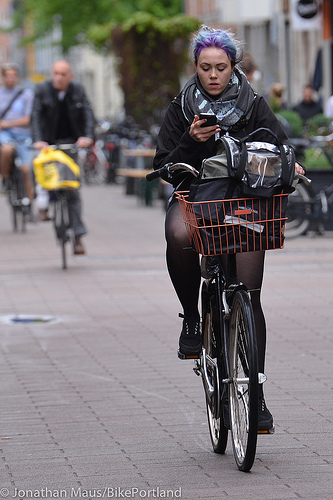
Distracted biking: Even the Dutch are considering a mobile-phone ban.
Straddle bus: The thing about China’s new bus that drives over congestion is that you could achieve basically the same thing with a dedicated bus lane, says Canaan Merchant.
Sleeping driver: A camera caught a man dozing behind the wheel of an “autopiloted” Tesla Model S.
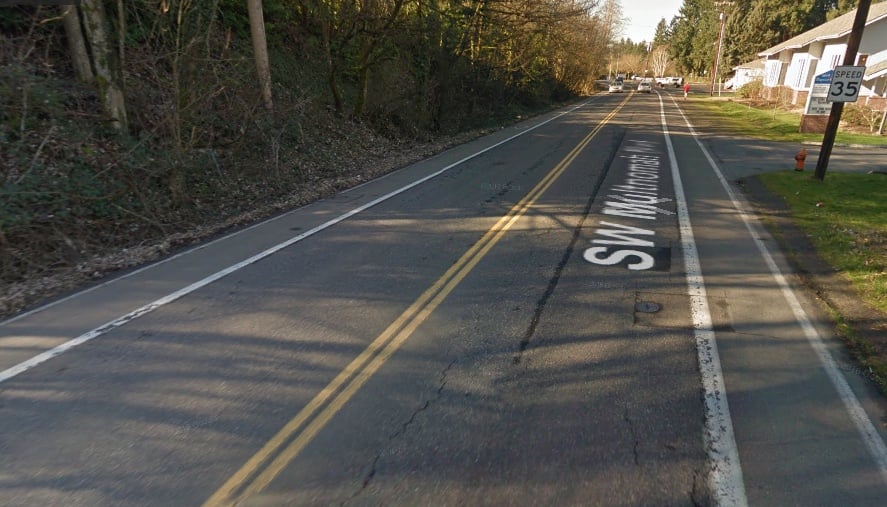
There was a fatal collision on SW Multnomah Blvd today that involved a person who was riding a bicycle.
According to the Portland Police Bureau the collision happened at 4:00 pm on the 6300 block of Multnomah — just a few tenths of a mile east of where it splits with Garden Home. Both the bicycle rider and the automobile driver were going east prior to the collision.
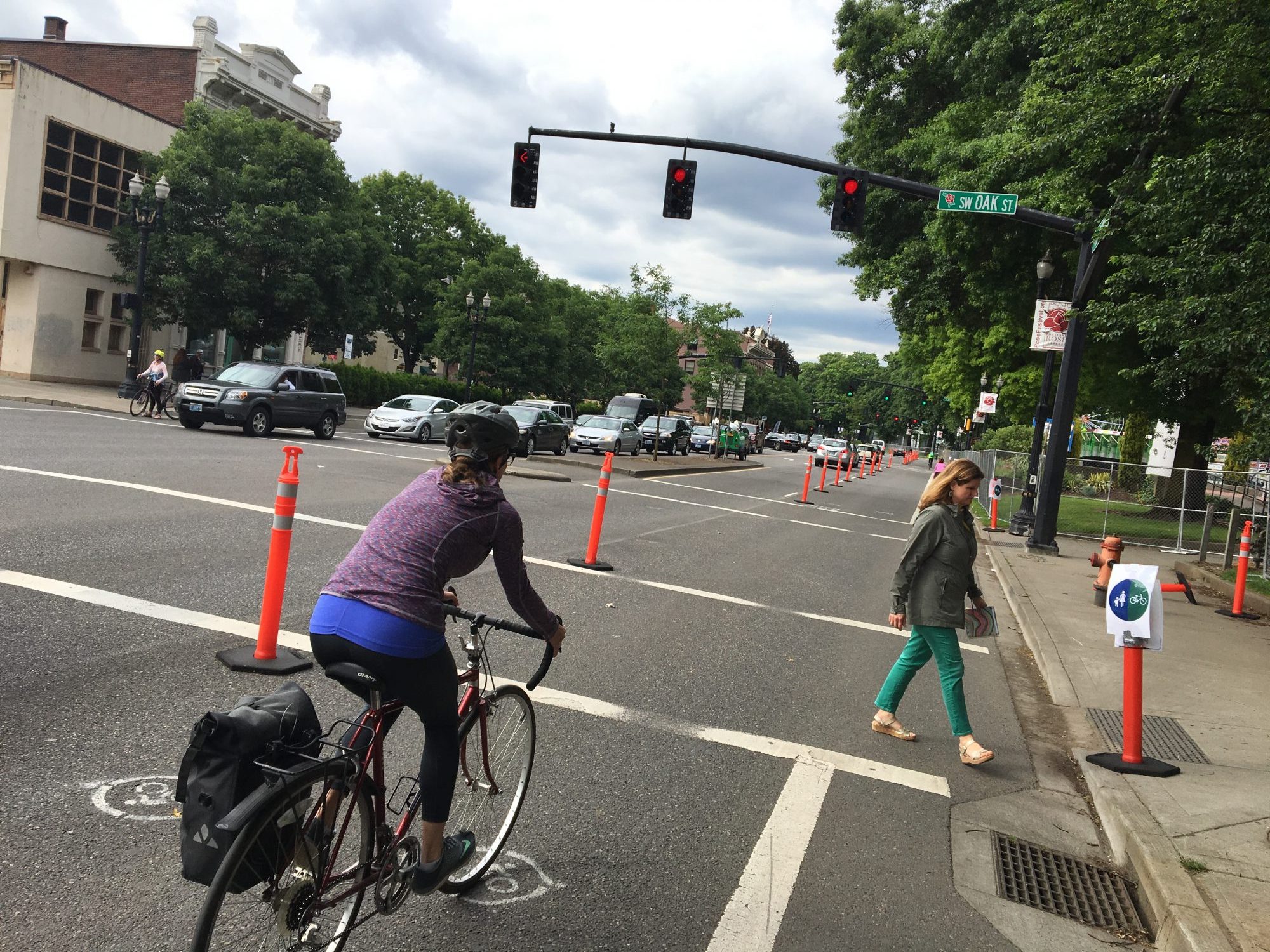
The cones and wide bike lane are temporary, the legal requirement to stop at lights is not. (Photo: J. Maus/BikePortland)
Ask BikePortland is a regular column. Browse the archives or drop us a line if you have a question you’d like us to answer.
Today’s question is about Better Naito, the temporary project that has created a two-way, 15-foot lane for biking and walking on Naito Parkway.
Reader Skip Winters lives in West Linn and commutes into northeast Portland (thanks to an electric bike he says). His favorite part of the ride is Naito Parkway, especially now with the generous amount of space and safety afforded by the new alignment. But he’s confused about the signals.
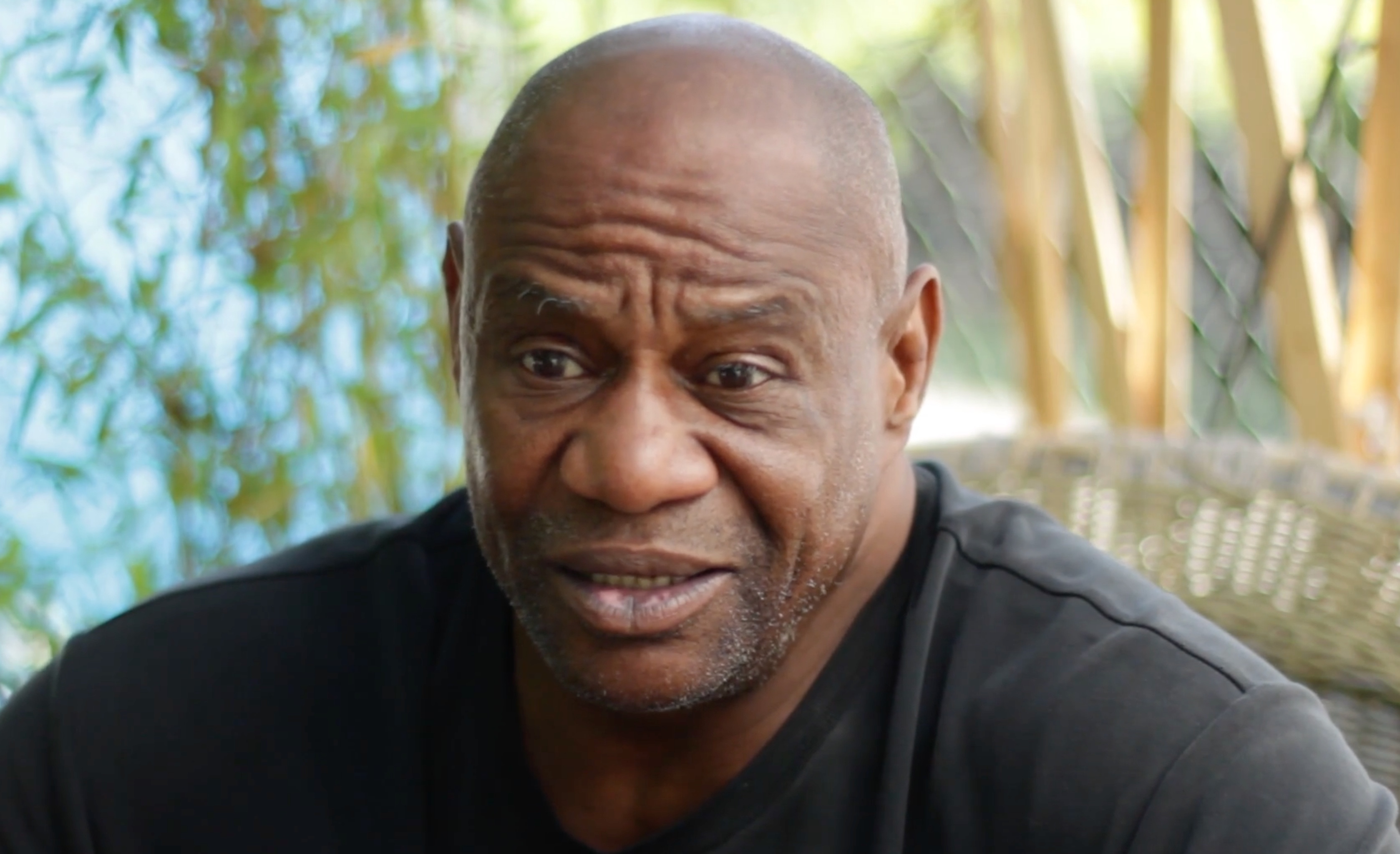
Still from Hazelnut Grove, a short film by Kevin Neidorf.
I want to share two videos that I think will help broaden your understanding of the homelessness crisis and give you some new perspective on it. And here’s why I’m doing it:
Over the past few months I’ve gotten many emails from people who bike by homeless camps and then write in to say: “The homeless situation is out of hand and something needs to be done about it.” In part because of emails like that we’ve covered the topic several times recently.
This might make you wonder: Why are bicycle riders talking about the local homelessness crisis? Why am I reading about this on a bike blog?
Part of the answer is that when you experience a city by bike, you are physically and mentally much more a part of your surroundings than people who drive or use transit. Bicycle riders experience the street environment in a very direct way, so it’s no surprise that all this camping — much of it happening directly adjacent to multi-use paths — is on many people’s minds at the end of their commute.
The scene this morning on the Esplanade at the Steel Bridge. (Photos: J. Maus/BikePortland)
If you’re new to biking in Portland you might notice something afoot on the last Friday of every month as you pedal into downtown: A bunch of happy-looking people standing around with coffee and donuts in their hands.
Next time you see this, consider stopping: It’s for you!
What you’re seeing is an old Portland tradition known as Breakfast on the Bridges. For the past 14 years (14!) a hardy bunch of volunteers affiliated with Shift have been serving food and drinks and smiles on downtown bridges from 7:00 to 9:00 am. It currently happens on the Hawthorne (west end), Steel (east end), and the Tillikum (east end). The selection of eats varies from month-to-month. I’ve seen everything from bagels and bacon to made-to-order pancakes. This morning on the Tillikum Lilian Karabaic and friends offered chocolate peanut butter oatmeal cookies and banana muffins.
If you’re wary of stopping because you think you’ll have to sign up for something or listen to someone’s political or product pitch, don’t worry. “B on B” (as the locals call it) has no agenda (although politicians have been known to show up). Like everything Shift makes happen (Pedalpalooza and the World Naked Bike Ride included), the goal is simply to have fun and meet people.