(Photos: M.Andersen/BikePortland)
The one-of-a-kind free transportation class funded by the Portland Bureau of Transportation is celebrating a quarter century of enlightened change.

The one-of-a-kind free transportation class funded by the Portland Bureau of Transportation is celebrating a quarter century of enlightened change.
Yes I’m very biased, but I honestly think Portland has the most creative and interesting bike shop owners in the country.
I mean, seriously: We’ve got a bike shop that runs out of a converted yellow school bus (that’s been painted purple); a shop that actually promotes other bike shops and will issue you a library card to checkout saddles before you buy one; a shop that was the first in America to import dutch cargo bikes (thus sparking a nationwide craze); a shop that has created a following for their brilliant newspaper ads, and a shop that has become famous worldwide for its unique blend of welcoming attitude, bar offerings, and bike collection. And I could go on and on.
And now the trend continues thanks to two shops who have mastered video marketing: 21st Avenue Bicycles and Well Tuned Fast (WTF) Bikes.
Job Title *
Customer Sales Representative
Company/Organization *
Chris King Precision Components
Job Description *
Chris King Precision Components™, manufacturer of bicycle components and Cielo Cycles, is seeking qualified applicants for a Customer Service Representative position in dealer sales.
This position provides customer service to dealers within a predetermined region and/or dealer type through regular inbound and outbound telephone and email communication. Reaches out to all dealers as assigned in an effort to nurture relations and, thereby, increase sales. Processes orders through data entry and inventory tracking procedures.
Must have a proven track record of 2+ years of delivering superior customer experience, through utilization of technical product knowledge and inventory systems. Must be well versed in discussing product installation, routine maintenance and some technical problem solving. Excellent verbal and written communication skills are required. Bicycle industry experience is not necessary but personal excitement, experience and passion about bicycles is.
The successful applicant will be team-oriented, eager to learn, enthusiastic & have a strong commitment to community, the environment & excellence in general.
How to Apply *
Please furnish letter of interest & resume by e-mail to jobs@chrisking.com (No attachments accepted). A drug free environment & EOE. Visit our website at www.chrisking.com.

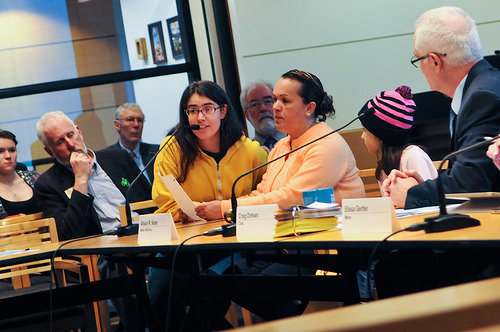
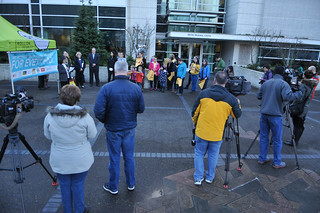
For Every Kid, a regional coalition that wants more money for biking and walking infrastructure around schools, made their strongest statement yet when they brought their message to Metro’s regional headquarters this morning.
At their monthly meeting in April, Metro’s Joint Policy Advisory Committee on Transportation (JPACT) will decide how to spend an estimated $125 million in regional flexible funds. This coalition — which includes the Bicycle Transportation Alliance, the American Heart Association, the Community Alliance of Tenants, the Community Cycling Center, Oregon Walks, Upstream Public Health, and others — is asking JPACT to allocate $15 million of those funds to spread the Safe Routes to School program across the region.
The $15 million ask is a bold move because competition for these flexible funds (so named because they come from federal sources not tied the Highway Trust Fund and can therefore be spent on anything) is fierce. The For Every Kid coalition has support from several state legislators and hundreds of families and kids from all over the region. The Bicycle Transportation Alliance has made expansion of the Safe Routes program one of their five main advocacy campaigns and they’ve tapped into partnerships at schools throughout Portland for support.
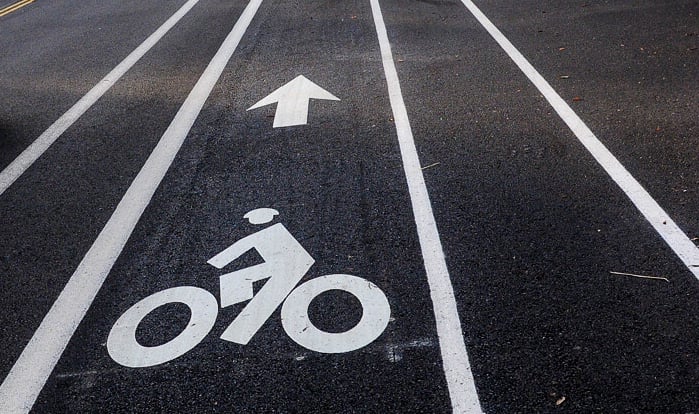
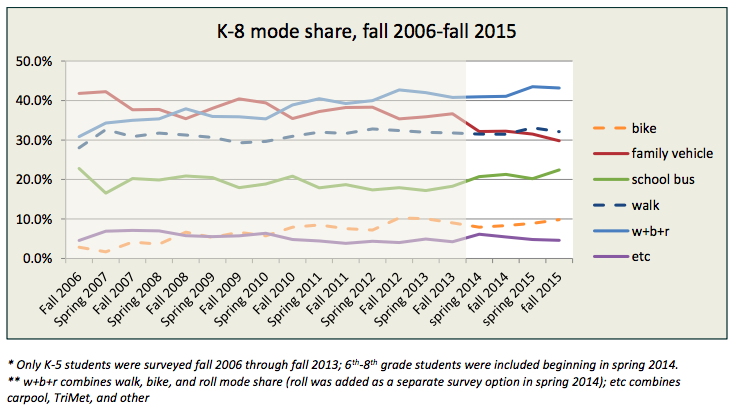
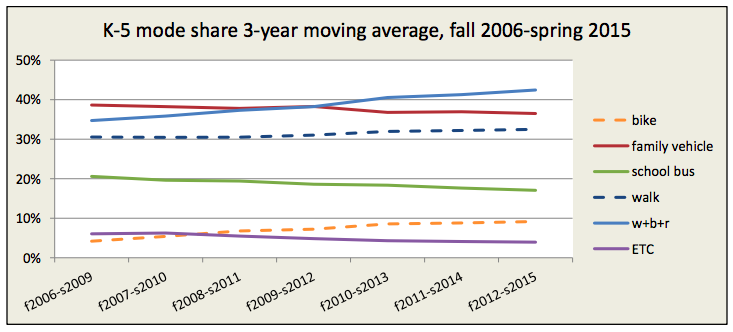
Portland pupils keep riding cars to school less, and walking and biking more.
Survey data released by the city Wednesday show a continuing upward climb in active transportation to school. Among Portlanders in kindergarten through fifth grade, walking, biking and otherwise rolling to school became more common than traveling in the family vehicle sometime around 2010 and has more or less kept climbing since.