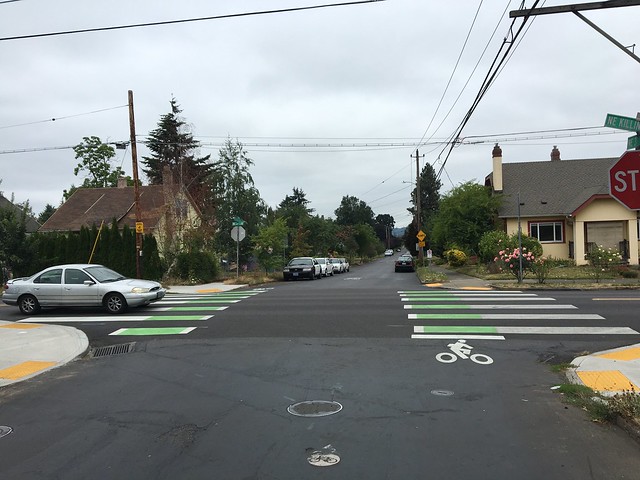
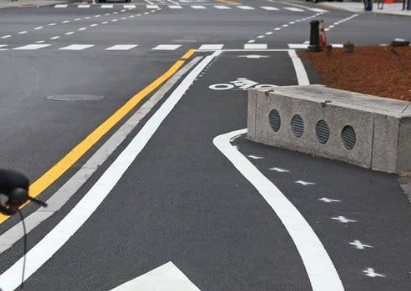
One of the new crossbikes at NE 37th and Killingsworth. (Photo: J. Maus/BikePortland)
It’s been eight years since Portland proudly proclaimed the color green as its go-to hue for bikes. Now, following in the footsteps of bike boxes and green lanes that have sprouted up all over town, it’s time to say hello to “crossbikes.”
Not included in this listicle: always listen to Jim Howell. (Photos: J.Maus/BikePortland)
Three years ago, when Jonathan and I were drafting the blog posts in which we’d talk about my joining BikePortland, he offered one of his many lessons that have stuck with me.
Don’t write about BikePortland as if it’s a thing I control, he said. Write about it like it’s a community.
My boss for the last three years isn’t always right. (Just ask him.) But that was one of the many times when he is.
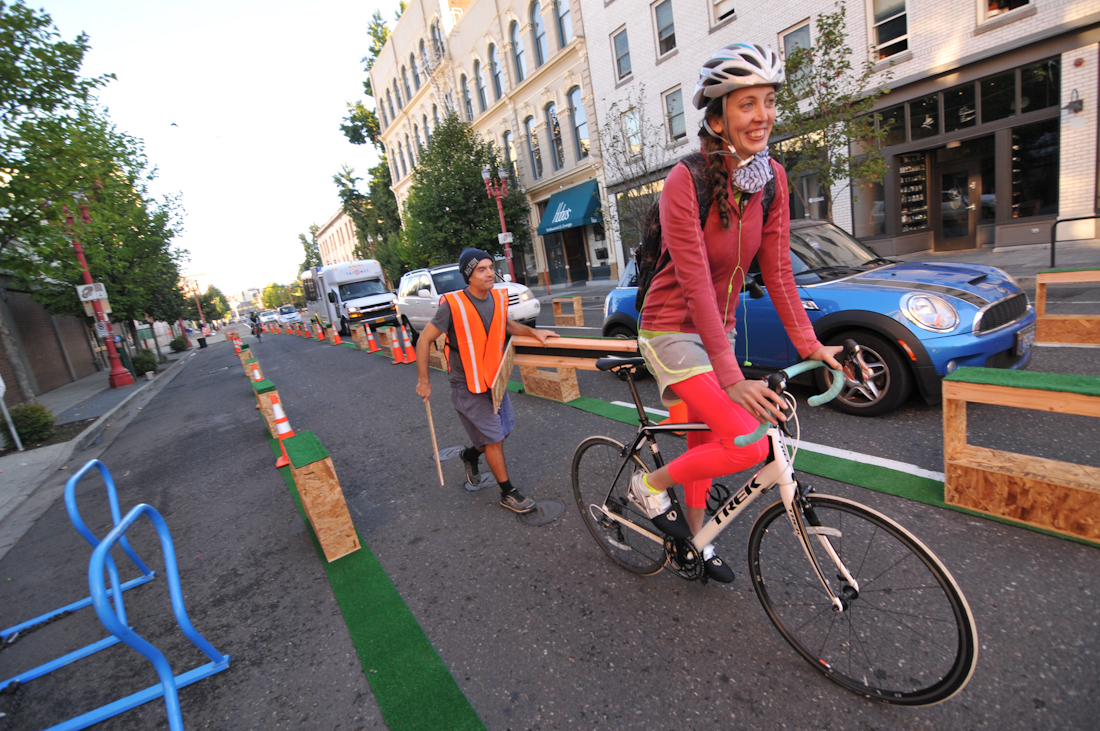
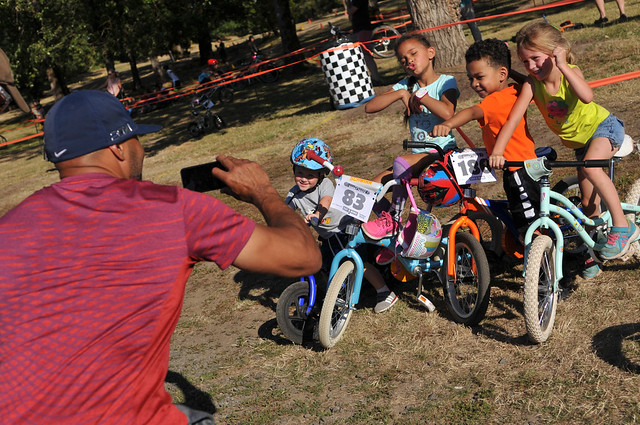
Kids love short track. (Photos by J. Maus/BikePortland)
Last night was the end to another great season of “Short Track” mountain bike racing out at PIR (Portland International Raceway, adjacent to Delta Park and north of the Kenton neighborhood). About 300 people of all ages and abilities found their way to the venue for some good, old-fashioned, elbow-to-elbow racing action.
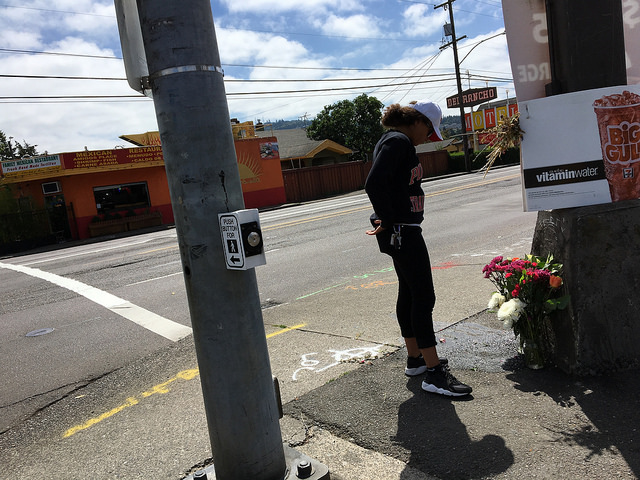
A friend of Lydia Johnson’s pays her respects at the corner of Flavel and 82nd in Southeast Portland. (Photos: J. Maus/BikePortland)
I spent the morning at Southeast 82nd and Flavel, where just 48 hours earlier 25-year-old Lydia Johnson was killed in a traffic collision while riding her bike.
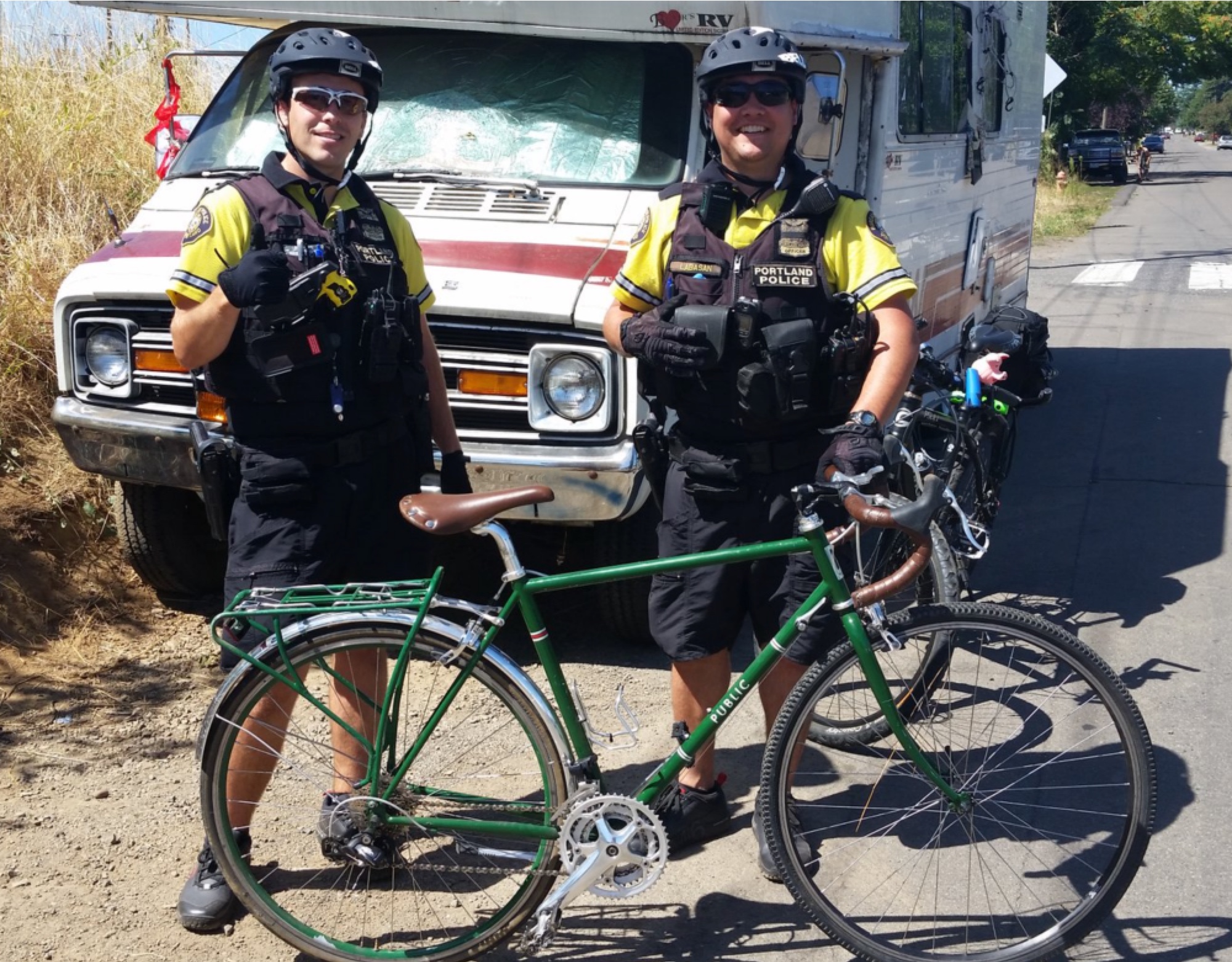
PPB Officers Dave Sanders (right) and Ben Labasan on the Springwater Path Saturday. (Photos: Portland Police Bureau)
Leaders of the Portland Police Bureau’s Bike Theft Task Force did a ride-along on the Springwater Corridor path on Saturday.
The ride was a spontaneous event that founder of the Task Force, PPB Officer Dave Sanders, posted to Twitter just a few hours before he set out. He was joined by fellow Officer Ben Labasan and the two of them were joined by a handful of citizens who showed up to ride with them. It was all part of the Bike Theft Task Force’s ongoing effort to involve the community in the work they are doing to prevent bike theft and recover stolen bikes.
Why the Springwater? “I’ve been wanting to see the issues along the Springwater firsthand and have been wanting to address some of the ongoing tips and complaints that we have received regarding bike theft in this area,” Ofcr Sanders said via email this morning.
Come on Cambridge. You can do better than this. (Photo: Boston Globe)
This week’s Monday Roundup is sponsored by The Portland Century, coming this weekend August 6th and 7th!
Happy Monday everyone. Here are the stories that caught our eye this past week.
Safety city: Portland is a national leader in teaching kids to ride bikes. So when are we going to build an entire play city for them to learn in?
Mobility panic in NYC:18-month shutdown of major New York City subway line will be, “one of the largest transportation shifts in New York history.” Hope CitiBike is ready for the extra 200,000 trips per day.
UPDATE, 9:45 am on August 1st: Police have identified the woman as 25-year-old Lydia Anne Johnson. See end of post for details on how the crash happened.
A woman died this morning as the result of a traffic collision in southeast Portland.
According to the Portland Police Bureau, it happened around 8:00 am this morning at the intersection of SE 82nd and Flavel.
Here’s a snip from the official police statement:
Officers and medical personnel arrived and located the adult female bicycle rider who was critically injured. Life-saving efforts were not successful and she died at the scene.
The adult male driver in a box truck remained at the scene and has been cooperating with investigators.
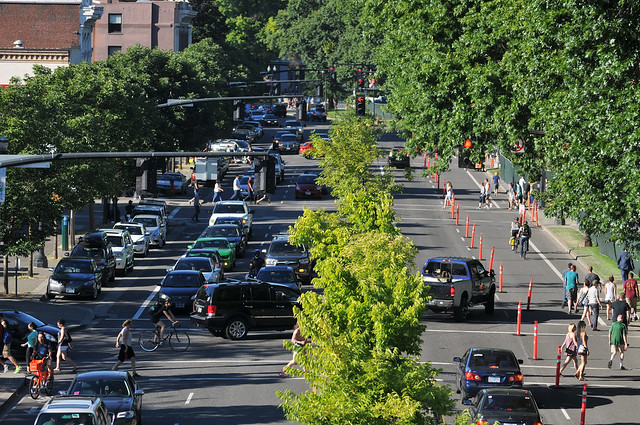
Naito Parkway on Thursday afternoon as seen looking north from the Morrison Bridge. (Photo: J. Maus/BikePortland)
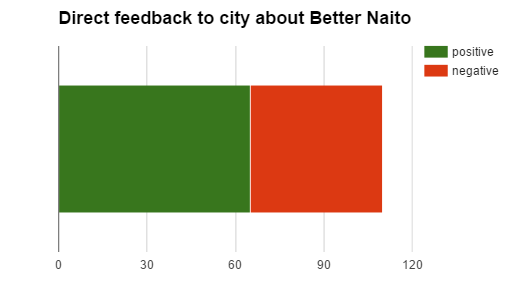
This weekend, the City of Portland plans to remove the temporary multi-use path from the eastern side of Naito Parkway so the space can be used by cars instead.
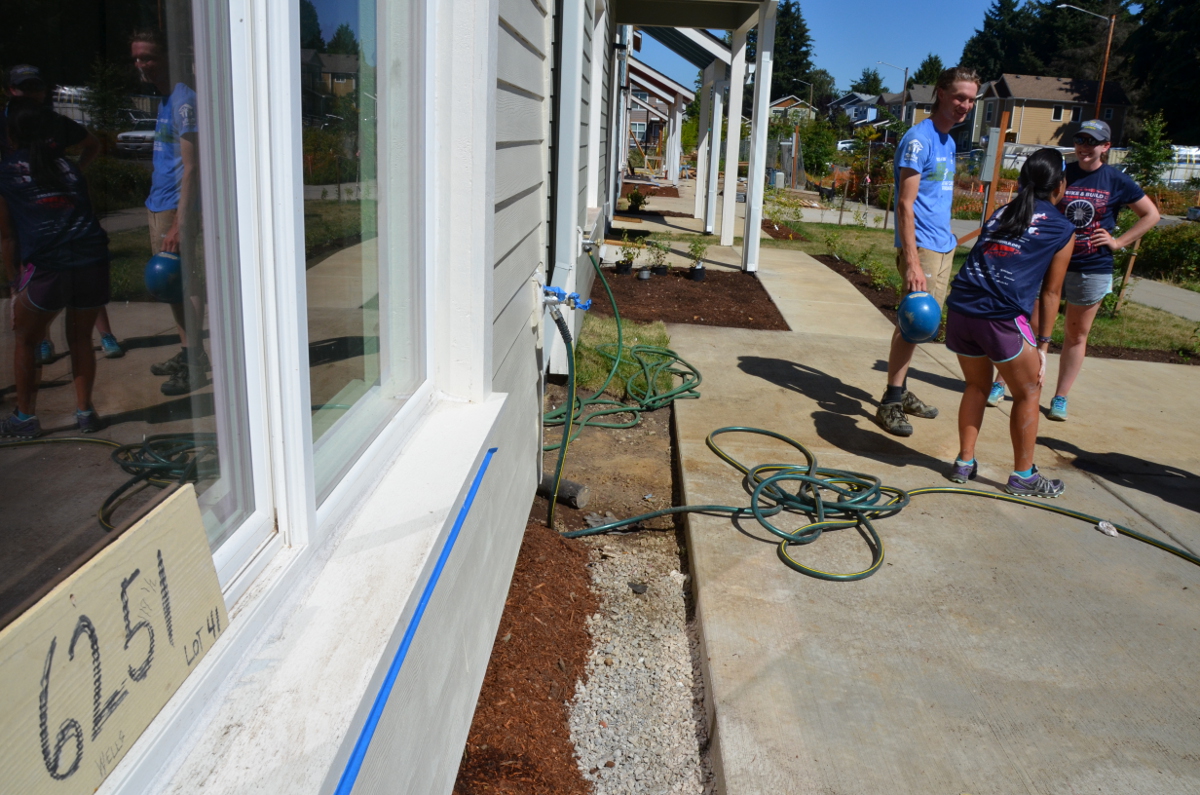
2016 Bike and Build riders Carmen Kuan and Kelsey Oesmann with local Habitat for Humanity worker Jake Antles at their work site in Cully Thursday. (Photos: M.Andersen/BikePortland)
For the 15th year in a row, a crew of young adults on bikes pulled into Portland Wednesday almost ready to finish a cross-country bike trip designed to change the way they see their country.
Thursday’s time painting part of a new Habitat for Humanity house in the Cully neighborhood was one of 10 “build days” for the 24-person crew affiliated with the national organization Bike and Build. Part charity bike tour and part Americorps, Bike and Build’s mission is to “benefit affordable housing and empower young adults for a lifetime of service and civic engagement.”
City’s rendering for the new Ankeny Plaza, a prototype of their new Livable Streets Strategy.
The City of Portland’s transportation bureau got past a key milestone on Wednesday when City Council voted to move forward with their Livable Streets Strategy.
Specifically, council supported the city’s $149,158 contract with consulting firm Nelson/Nygaard to come up with the framework of the strategy and set into motion what we’ve called “a new era of open streets.”
But during Wednesday’s otherwise uneventful council session we got a unexpected preview of the political debate that might lie ahead.
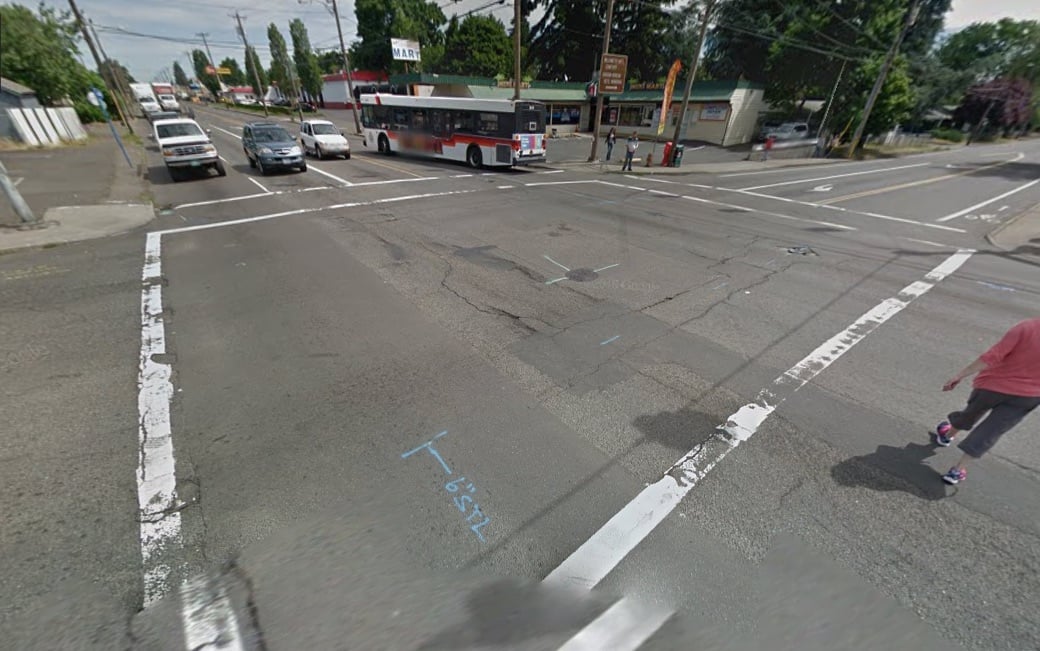
SE Powell near 125th. The state’s current plan is to add sidewalks and a center turn lane but potentially no vertical separation between bike and car traffic. (Image: Google Street View)
East Portland’s most prominent advocacy group is unanimously opposed to the state’s current plan for outer Powell Boulevard, its top staffer said Thursday.
“Every one of our transportation advocates — from pedestrian to bicycle to transit to overall transportation — was in disagreement with their decision and they want a separated bike lane on Powell,” said Lore Wintergreen, advocate for the East Portland Action Plan.