
This story comes from Portlander Kevin O’Connor. Kevin blends his professional experience in IT and manufacturing with his passion for cycling and the outdoors to tell digital stories under the name CheeseSlice. In a world where we feel more disconnected from each other than ever, Kevin attempts to bridge that gap one article, video or post at a time.
***
Spotty cell service, washboard gravel roads, and loads of huckleberries. Hidden in the hills of the Washington/Oregon border just north of Carson (WA) is the Fire and Ice Cave Loop popularized by Bikepacking.com. Consisting of roughly 50 miles and 4,500 ft of elevation through the Gifford Pinchot National Forest this route is a perfect intro to bikepacking.
The trip first came onto my radar when Nic, the owner of Portland bike shop Something Cycles, posted about an overnight adventure ride and said it’d be great for people new to bikepacking. He was right! Camping is something I love doing and have done since I was really young but always with a car (or motorcycle). Because of that I always packed more than I needed, with bikepacking that is less of an option. My main objective was to try to find the middle ground between having what I need to be safe/comfortable while also being light enough to not feel like a tractor. There were definitely some things in hindsight I wish I did differently (like my food/cooking system and my sleep setup) but I will get into that later.
Here’s how it all went down…
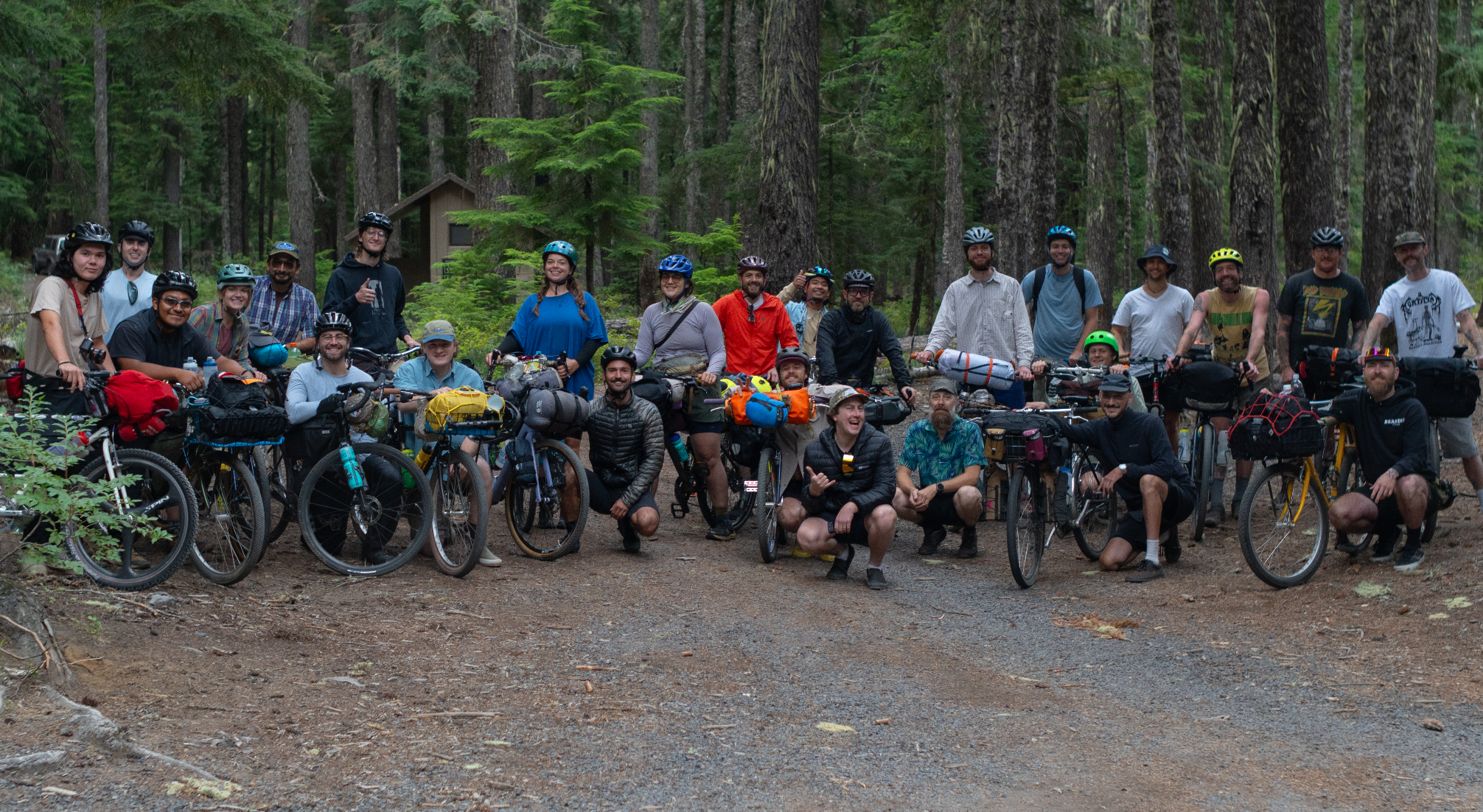
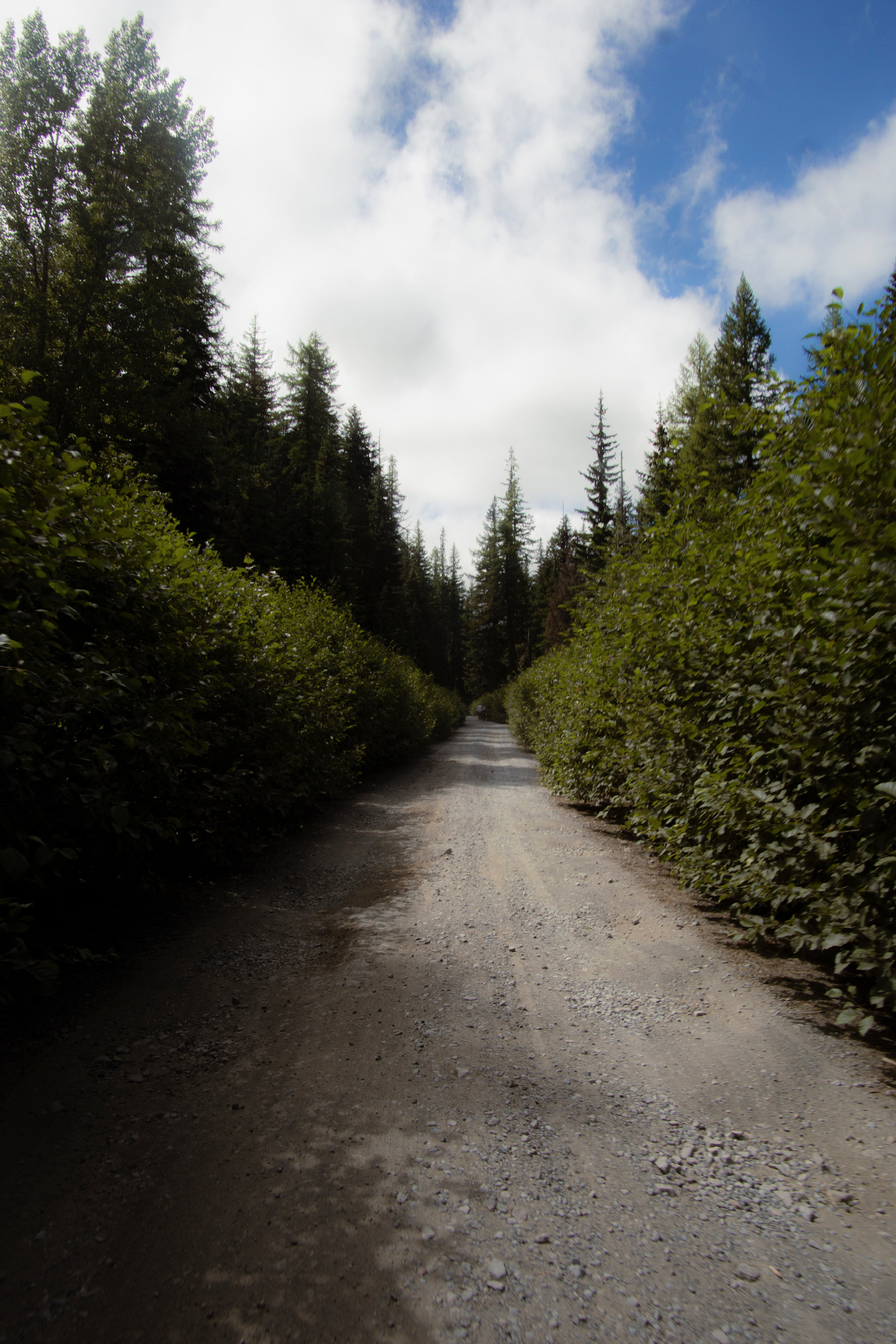
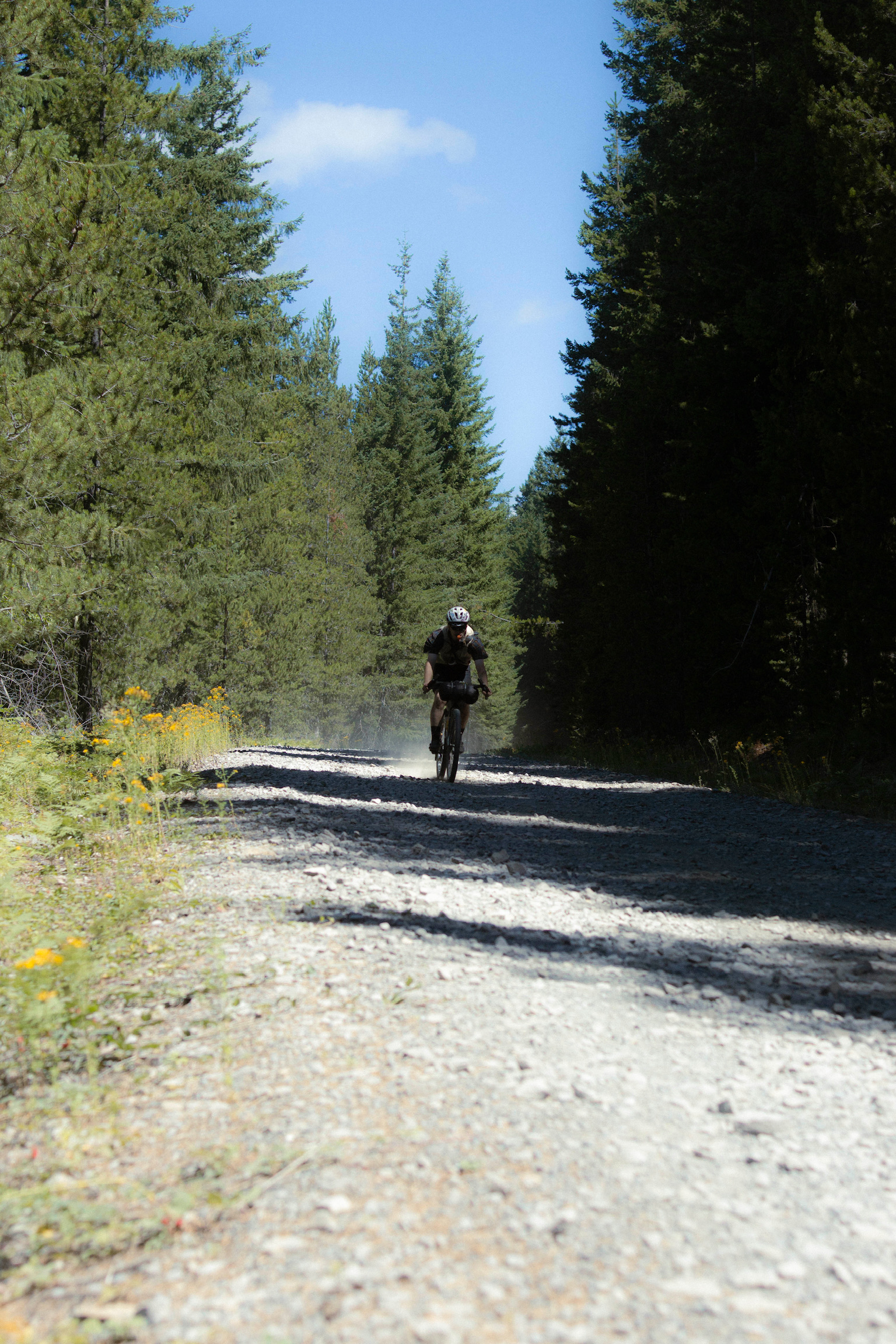
Around 9:00 am on Saturday (7/25) near a Pacific Crest Trail trailhead in the Indian Heaven Wilderness west of Trout Lake, about 30 of us gathered with our bikes packed and ready for adventure. The bikes ranged from my custom Primos Cycles Super Dame to a 90s Shasta Pachanga with a Crust Clydesdale fork. After a quick talk from Nic we headed off. The route started with a mellow 2-3 miles of flat gravel fire roads before starting one of many fast mildly technical descents. A common theme in this route is a healthy balance of climbing and descending, with over 4,500 feet of climbing that means there are multiple descents that are a couple miles or more!
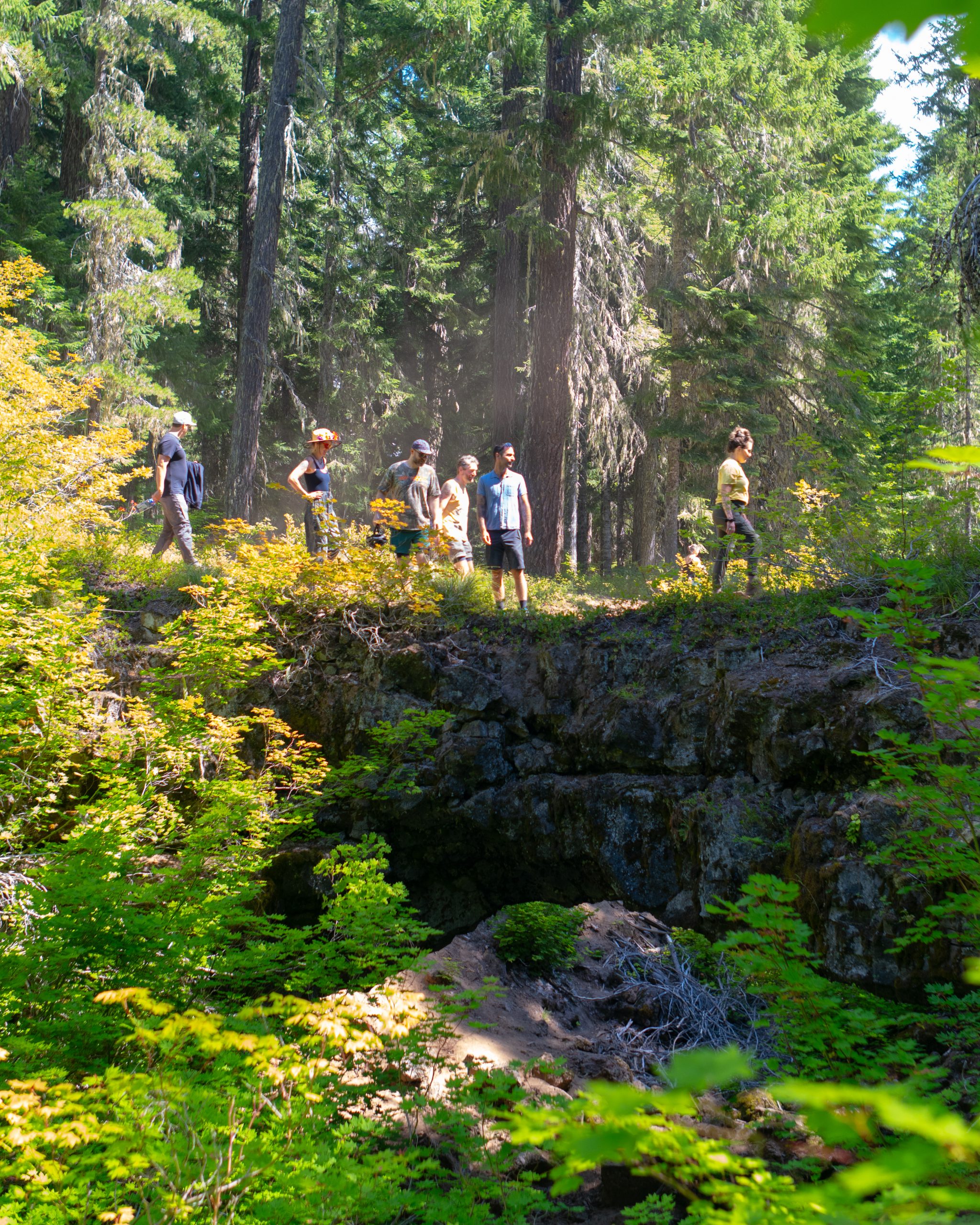
By noon we had a couple breaks under our belt (and snacks) and made it to the first location our route is named after – a series of rock bridges connecting either side of a small ravine. These were once lava flows that cooled into hollowed-out rock carved into canyons and tunnels by years of erosion. There is also at the end of the ravine a cave you can walk through that takes about 5-10 minutes. We stayed here and explored for a while as everyone regrouped.
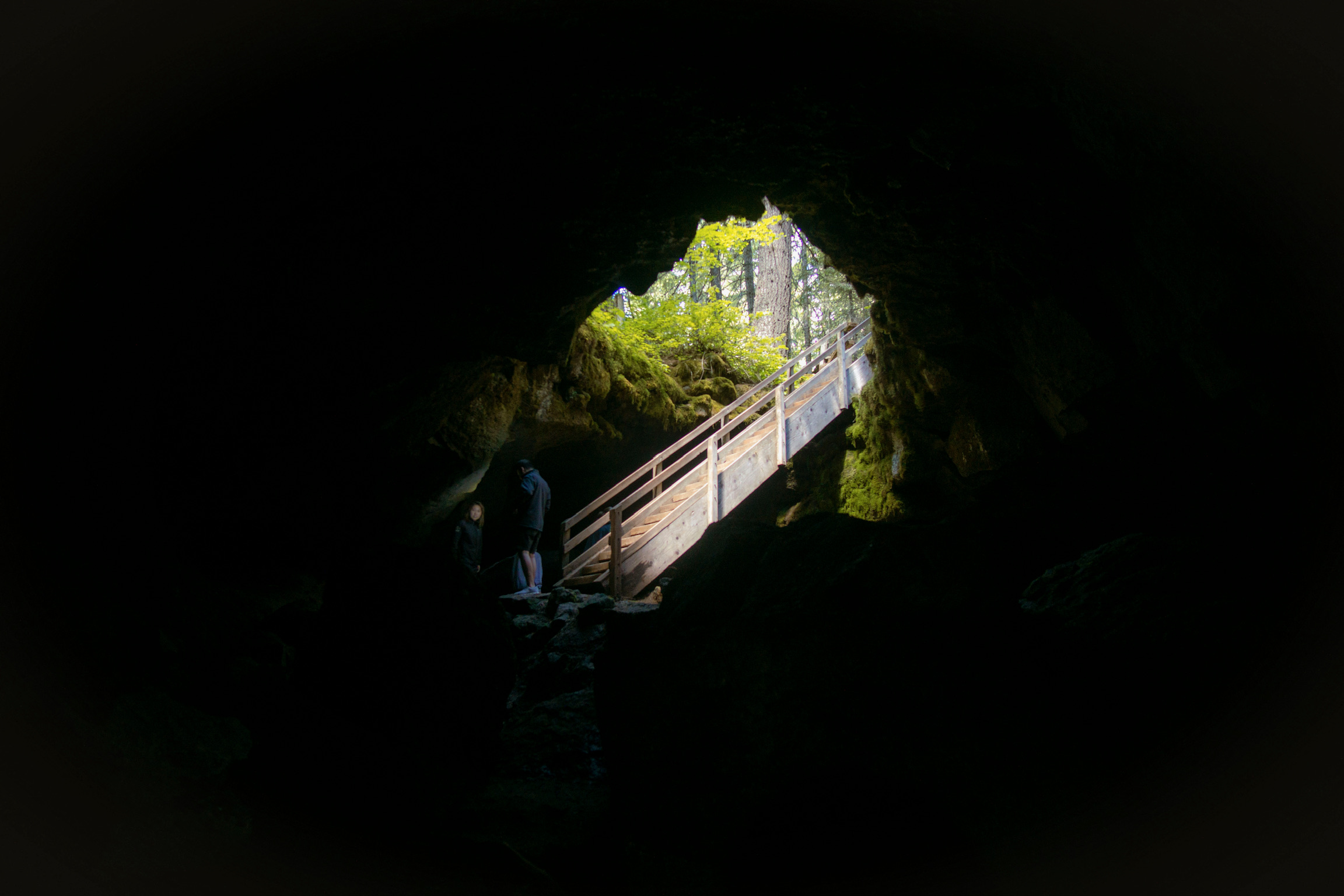
Once regrouped we biked a short distance over to the other namesake of the route – the Guler Ice Caves (below). This incredible cave served as an ice supply to Hood River and The Dalles in the pioneer days. I admittedly have a slight aversion to closed spaces and/or caves so I wasn’t willing to venture too deep but even coming down the stairs onto the floor of the cave is enough for you to experience the extreme shift in temperature. I always love to imagine the people who came before and how they used the cave (and its ice) and how incredibly vital it probably was to make life a little more bearable 100+ years ago.
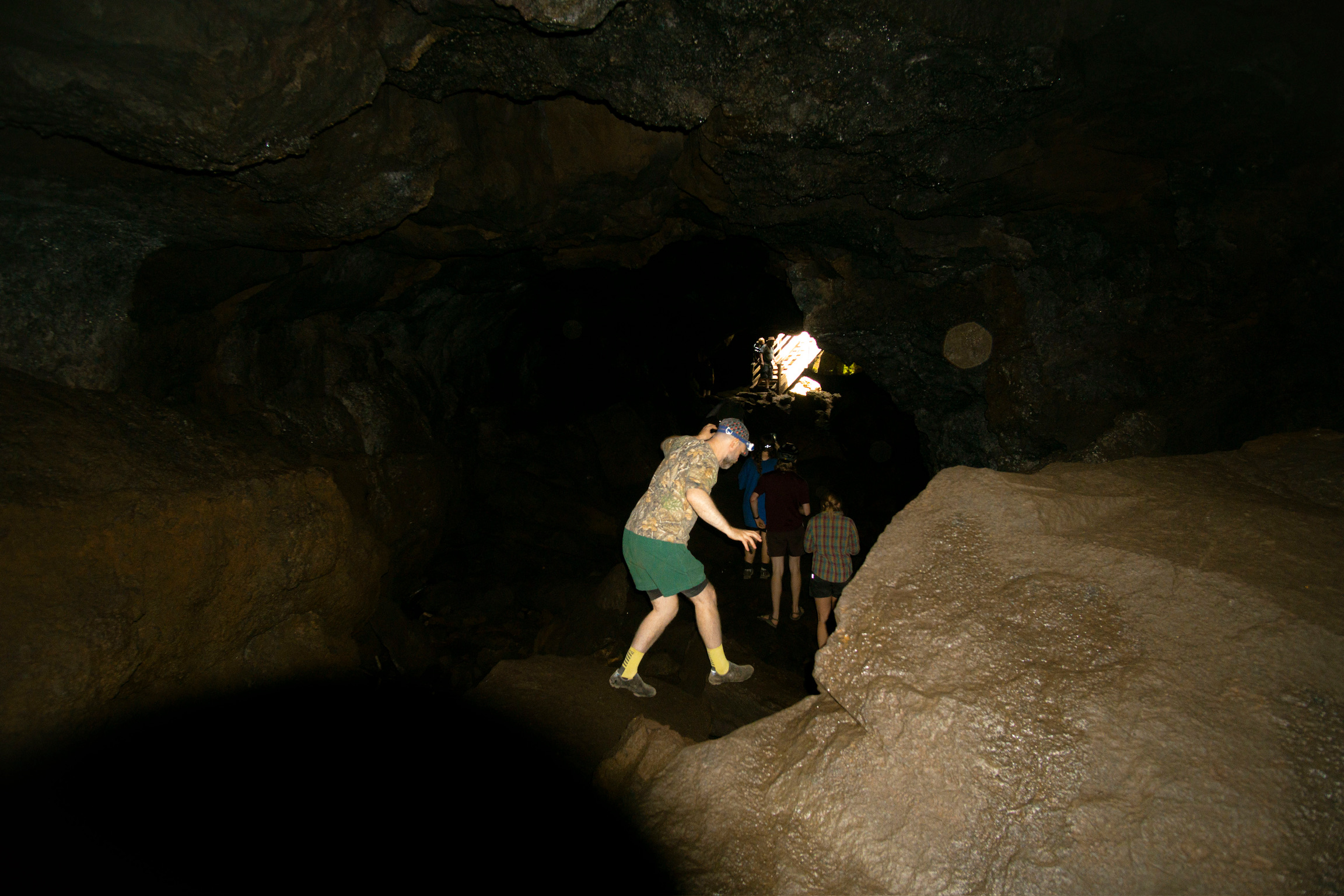
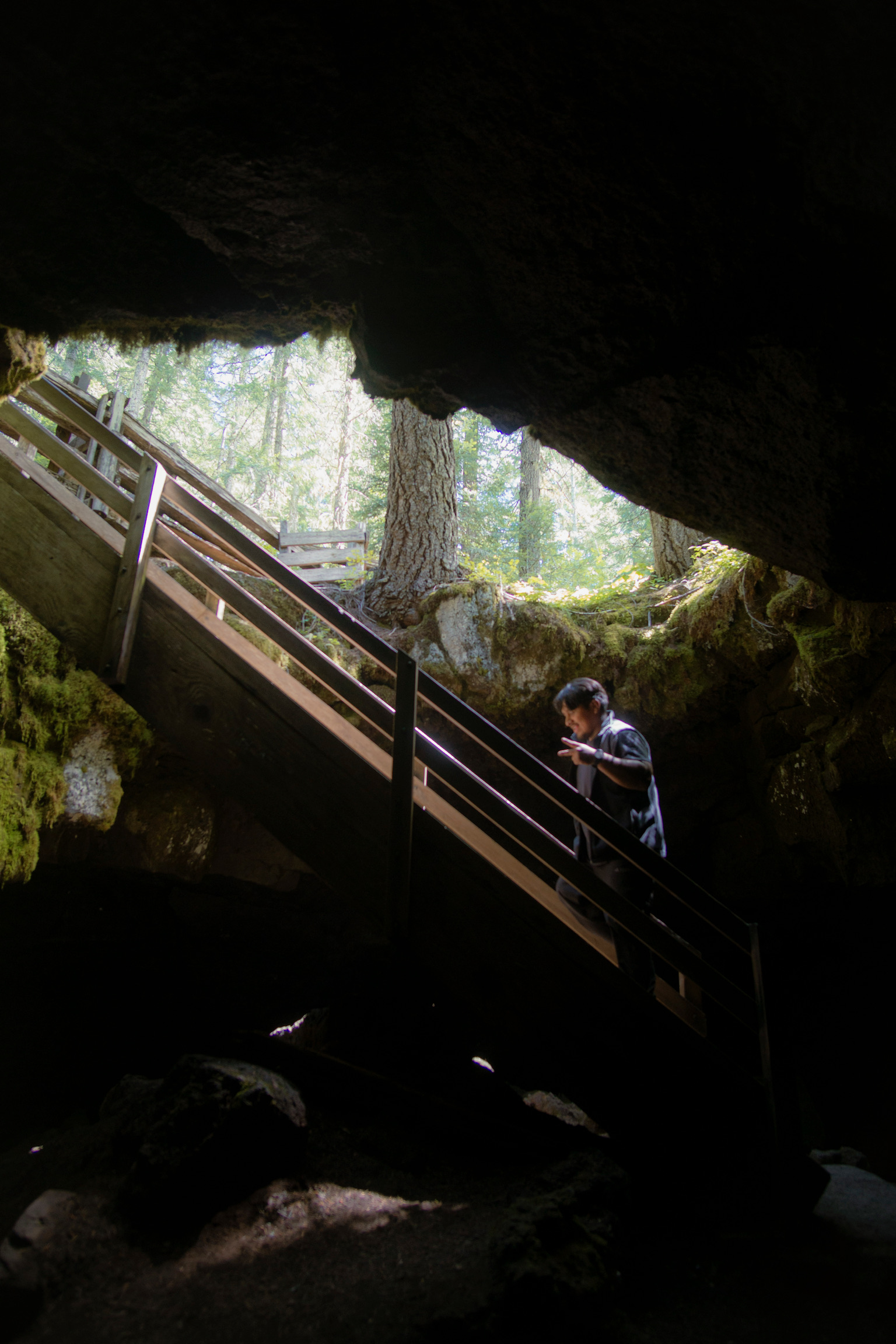
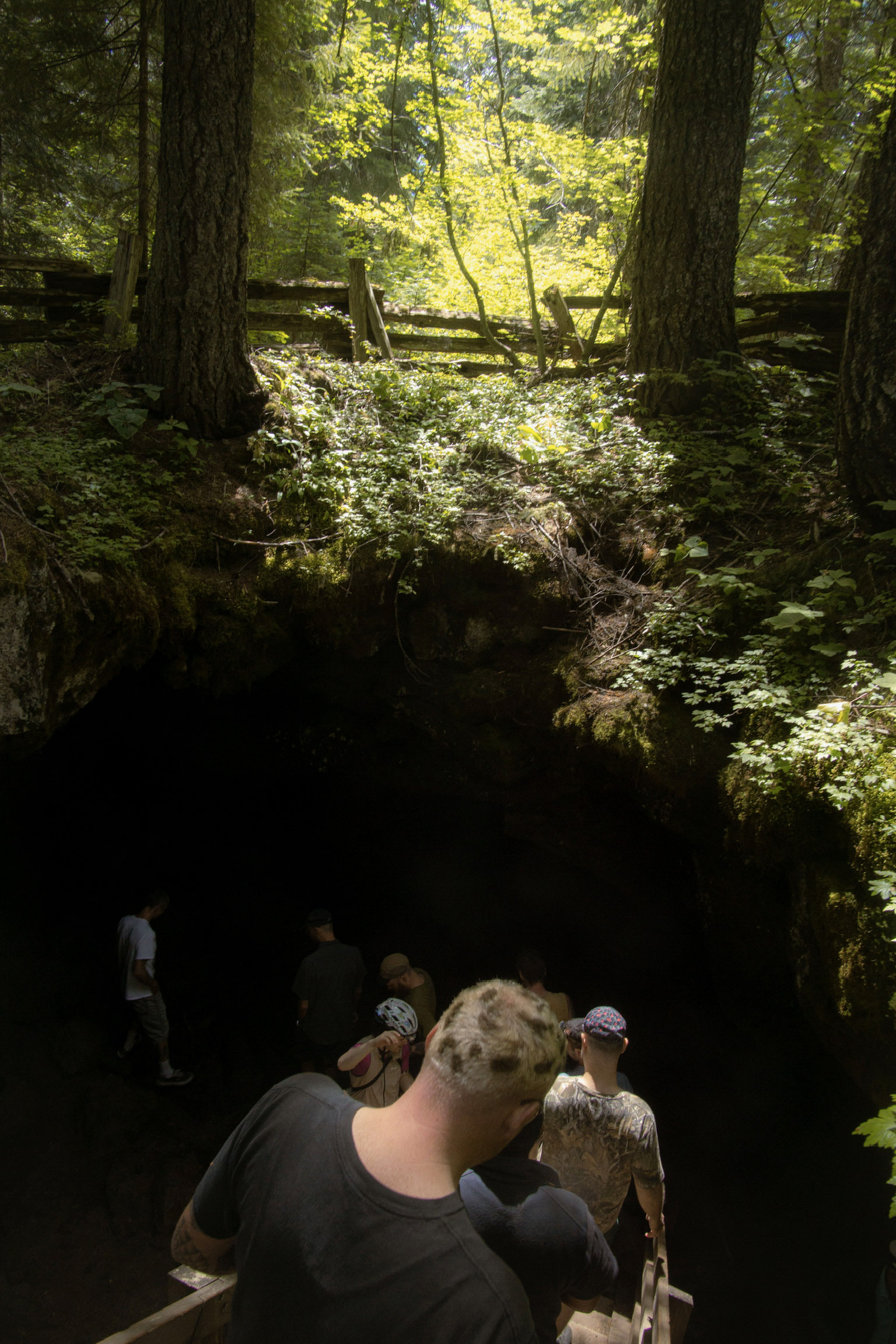
I noticed my first minor problem when I went to put my headlamps for the cave back and looked into my saddle bag. For my food I decided to make avocado wraps, so I brought two XL avocados, and a red onion (judge me later). At the time I thought “I don’t need to break down the avocado, it has its own packaging…”. Wrong! Most likely from retightening the bag during rest stops caused me to make guacamole all over my other food. I was at least thankful the other food I brought had real packaging and therefore was slimy on the outside but didn’t compromise the food inside. Don’t get me wrong, most of the avocado was still edible and tasted wonderful, just took the fun out of prepping it and made me wish I brought some kind of napkin.
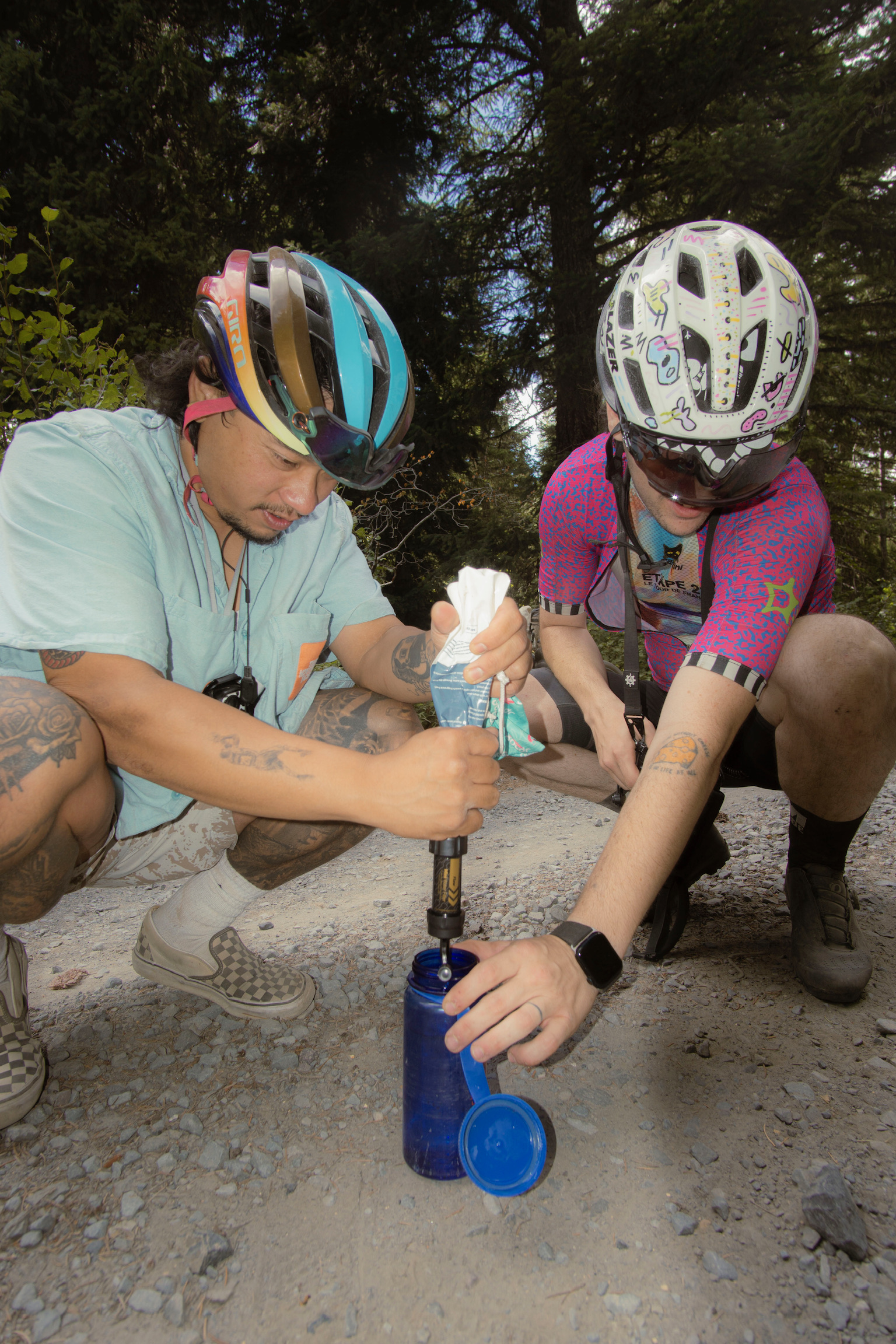
After playing tourist for a bit we packed our snacks up and headed off for camp which was still about 12 miles and 1,500 feet of elevation away. The climb(s) to camp were a bit grueling but like I mentioned previously a fair trade off for the mind-boggling fast and long descents. During one of the climbs we stopped for water fill-ups. I was able to use my Sawyer Mini Water Filter for the first time and was really impressed with how easy it is to use. For $29 it was more than worth its value as the only way to safely refill water that deep in the backcountry is with a filter and/or boiling it. It can take a little bit to fill up multiple bottles of water or if more than one person needs to use it but thankfully when out in nature you’re typically not in a rush.
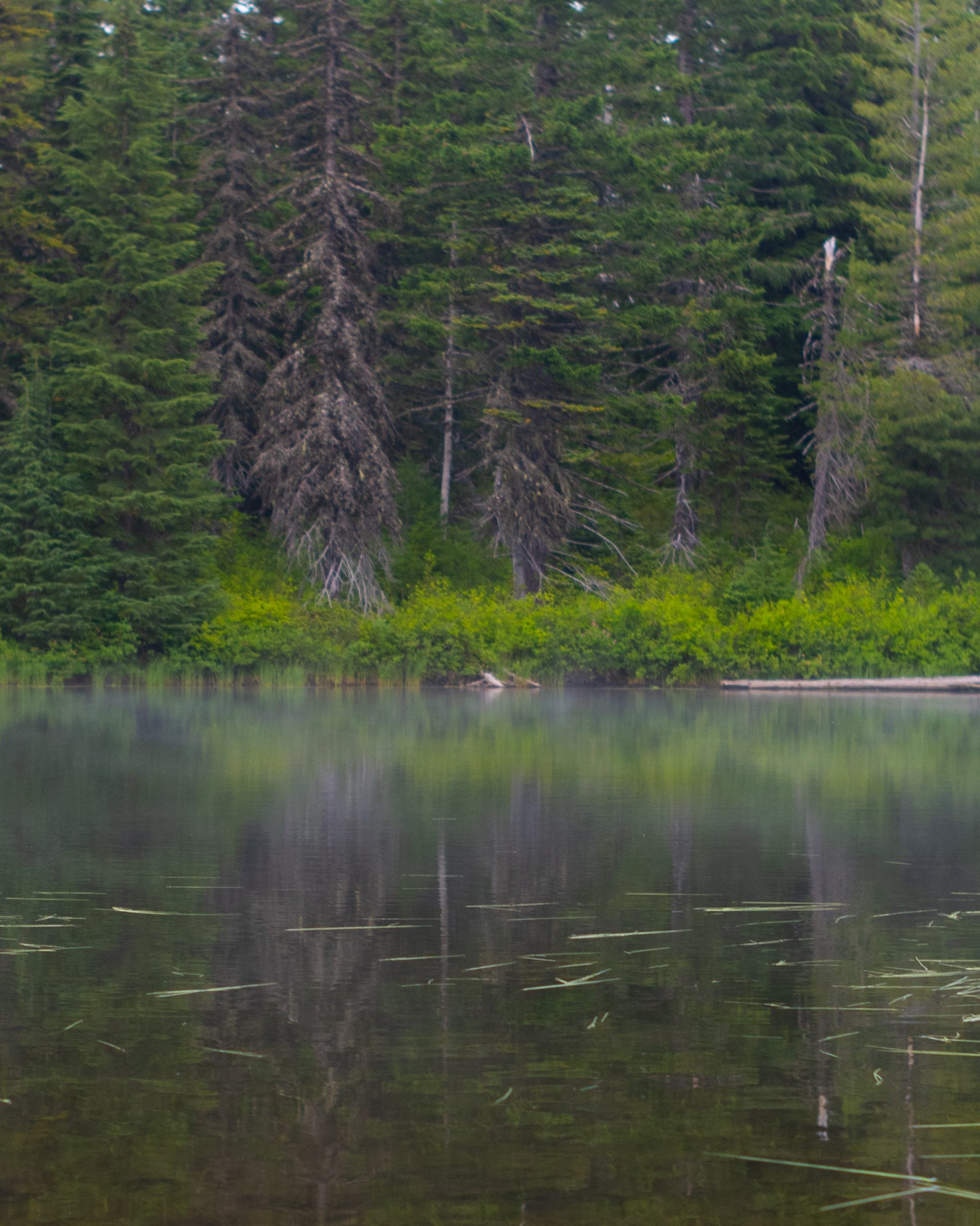
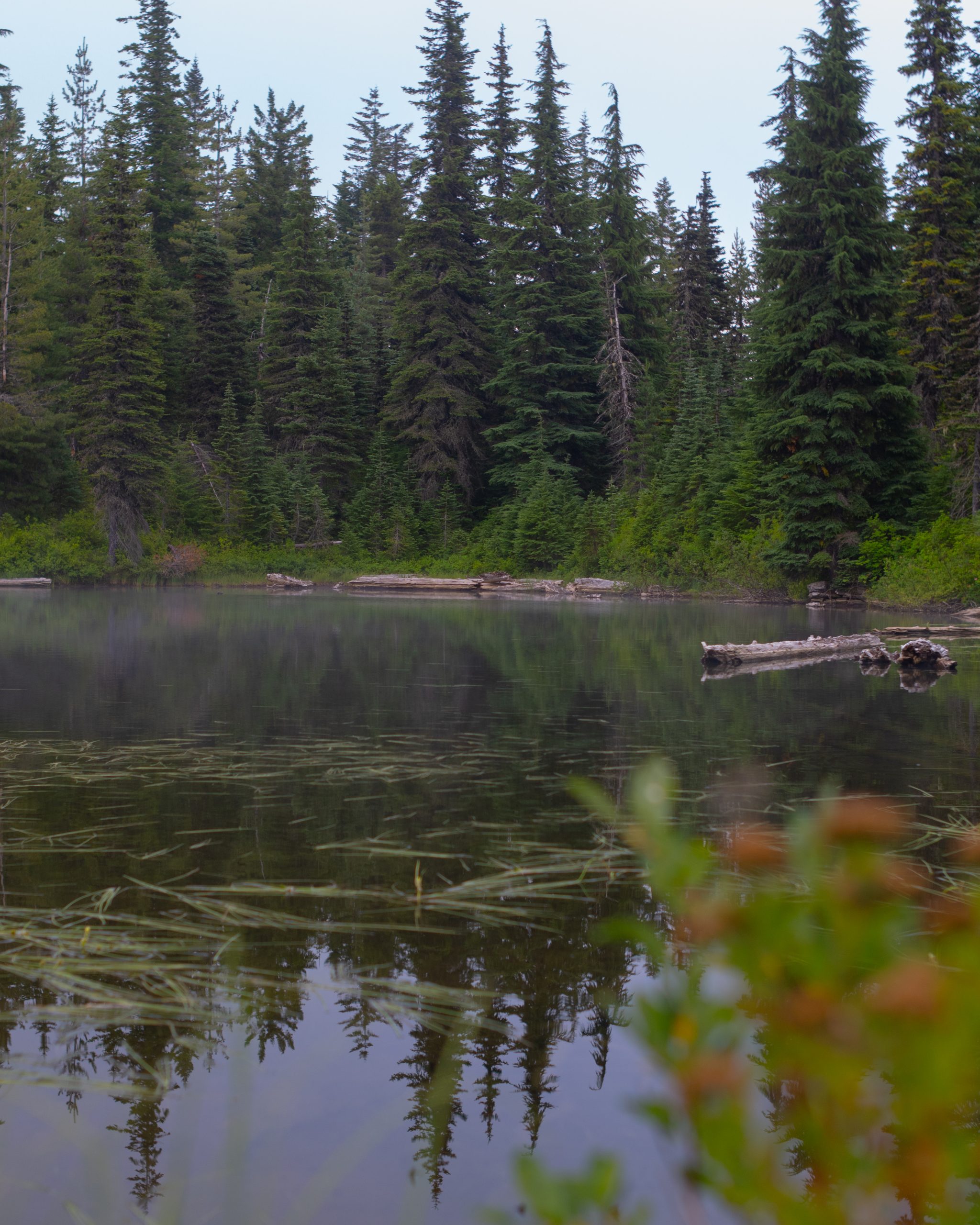
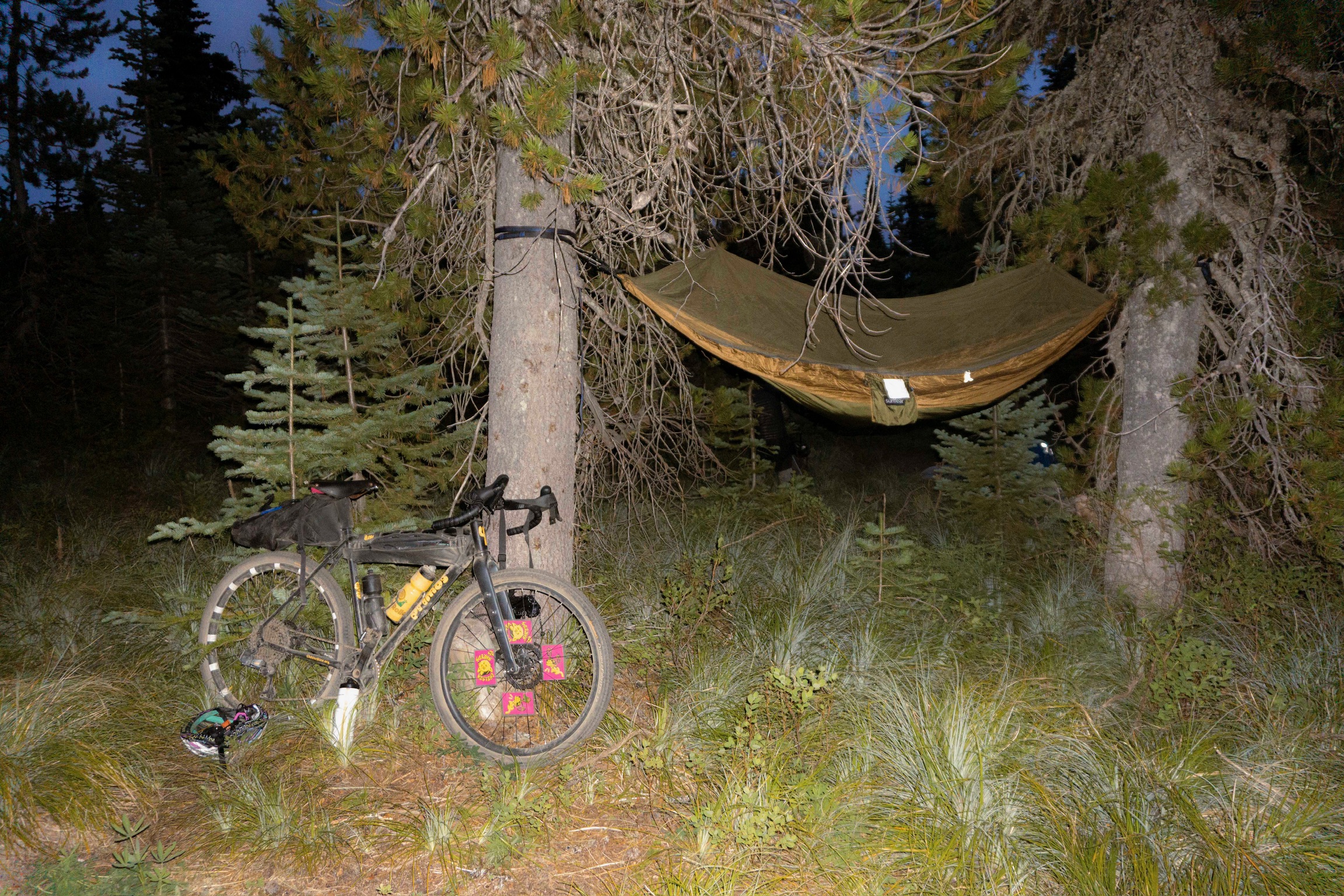
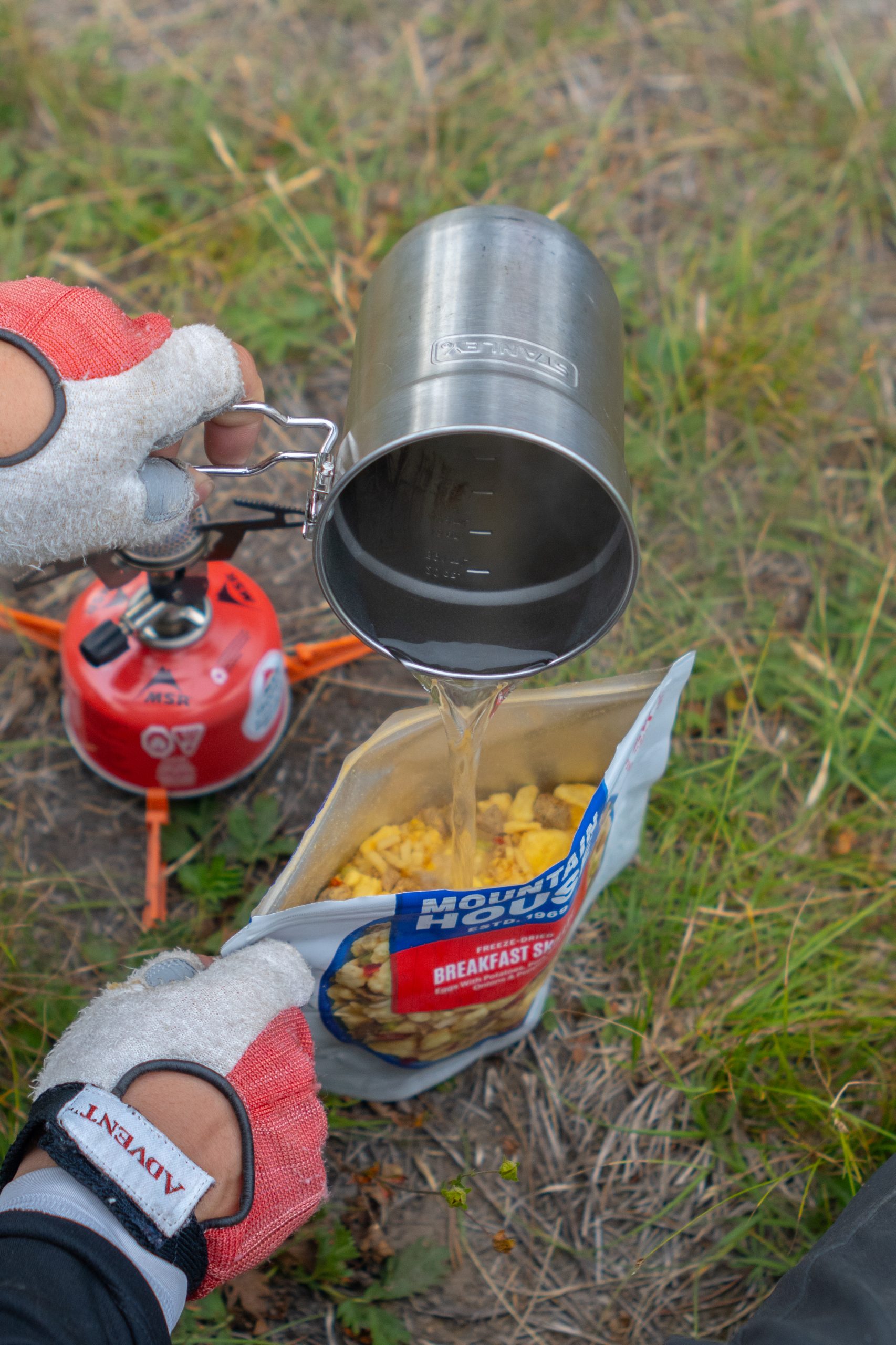
We decided to camp in a couple different clusters around Surprise Lakes. The water of the lakes (because of their size and depth) was surprisingly (no pun intended) warm. Although I and others brought swim trunks no one made the bold plunge. Once tents were pitched and hammocks strung, food started to be “cooked”. With a fire ban in effect most people opted for a portable cook stove heating up water for ramen or freeze dried meals. Before heading off to bed I was pleasantly surprised to see I had cell service so I was able to call my partner and daughter and say goodnight.
As the sun crested the trees we all shuffled out of our beds and started our own personal morning routines. A common experience in camping (at least for me) is that slight feeling of dread the morning you need to packup and head home. Just wanting to throw it all together as quickly and haphazardly as possible and be back to our creature comforts we have become so accustomed to. The catch this time (and with bikepacking in general) is knowing I have to pack and then ride another 20 miles before being able to drive back home. Once the legs started spinning it wasn’t so bad but it was a new experience newbies should be aware of.
The biggest part of day two was a potential creek crossing that would save us 1,000 feet of climbing over less than 5 miles (a.k.a. a lot of climbing). A couple members of the group wanted to head out early and said they would put a marker on the road if it was not safe to cross. Leaving camp we started right away with two hill bombs making a great time to the small climb up to the river crossing. Once at the dry creek bed it was obvious that it was traversable but was still needing to be earned. Single file we made our way across the creek. Funny to think this single 20-minute activity left me more sore than anything else from the trip — lifting a bike loaded with stuff is no joke.
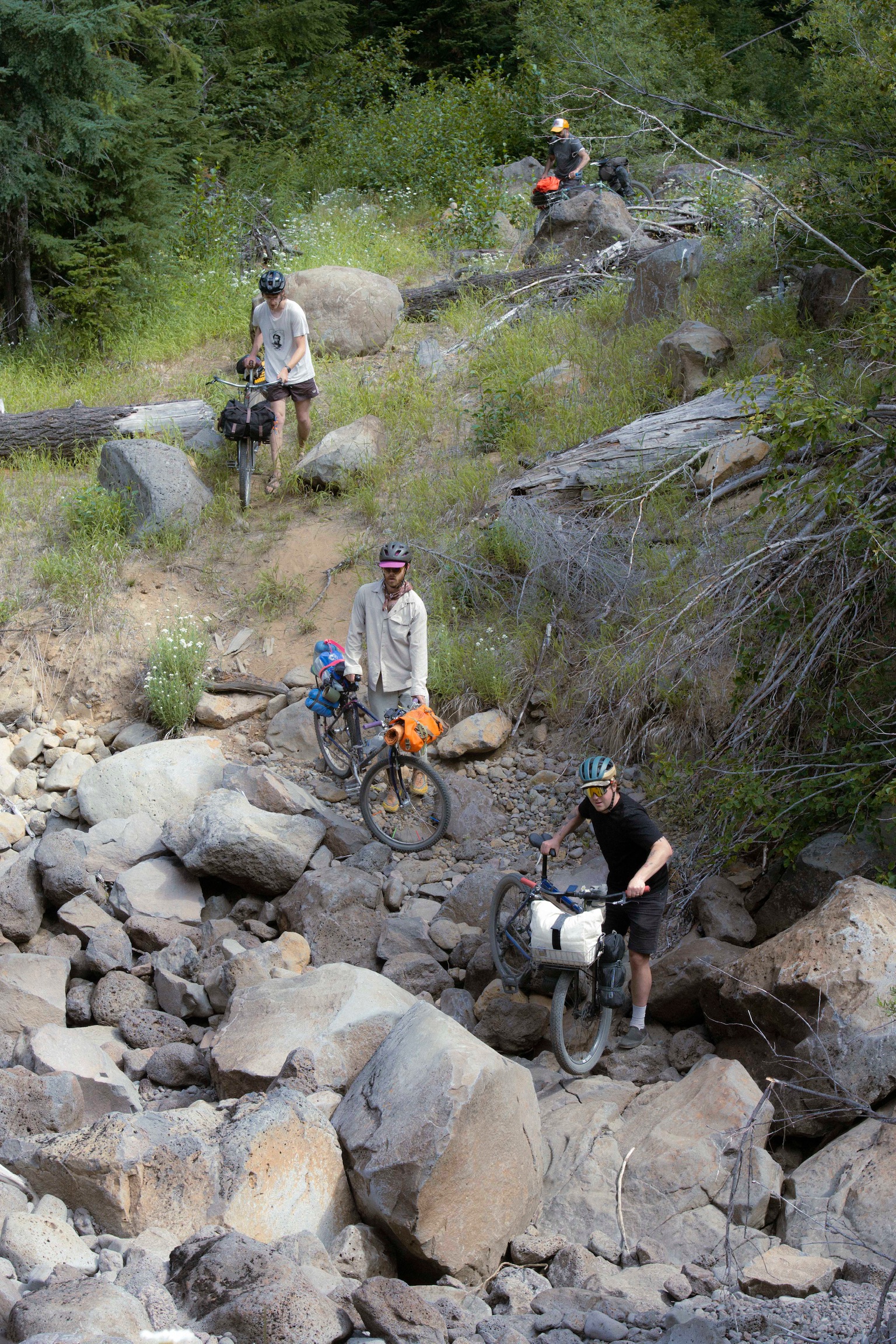
We finished the route with yet another big descent into a big climb. It gave me lots of time to reflect on the trip and think of the things I would have done differently or the things I felt I did really well/enjoyed. The ending was a little cruel because the final climb had multiple curves in it so by the end the group I was with was getting false hope every other turn. I can’t wait to go back to places like Forest Park or Powell Butte and see how the hills feel in comparison.
Bike Setup:
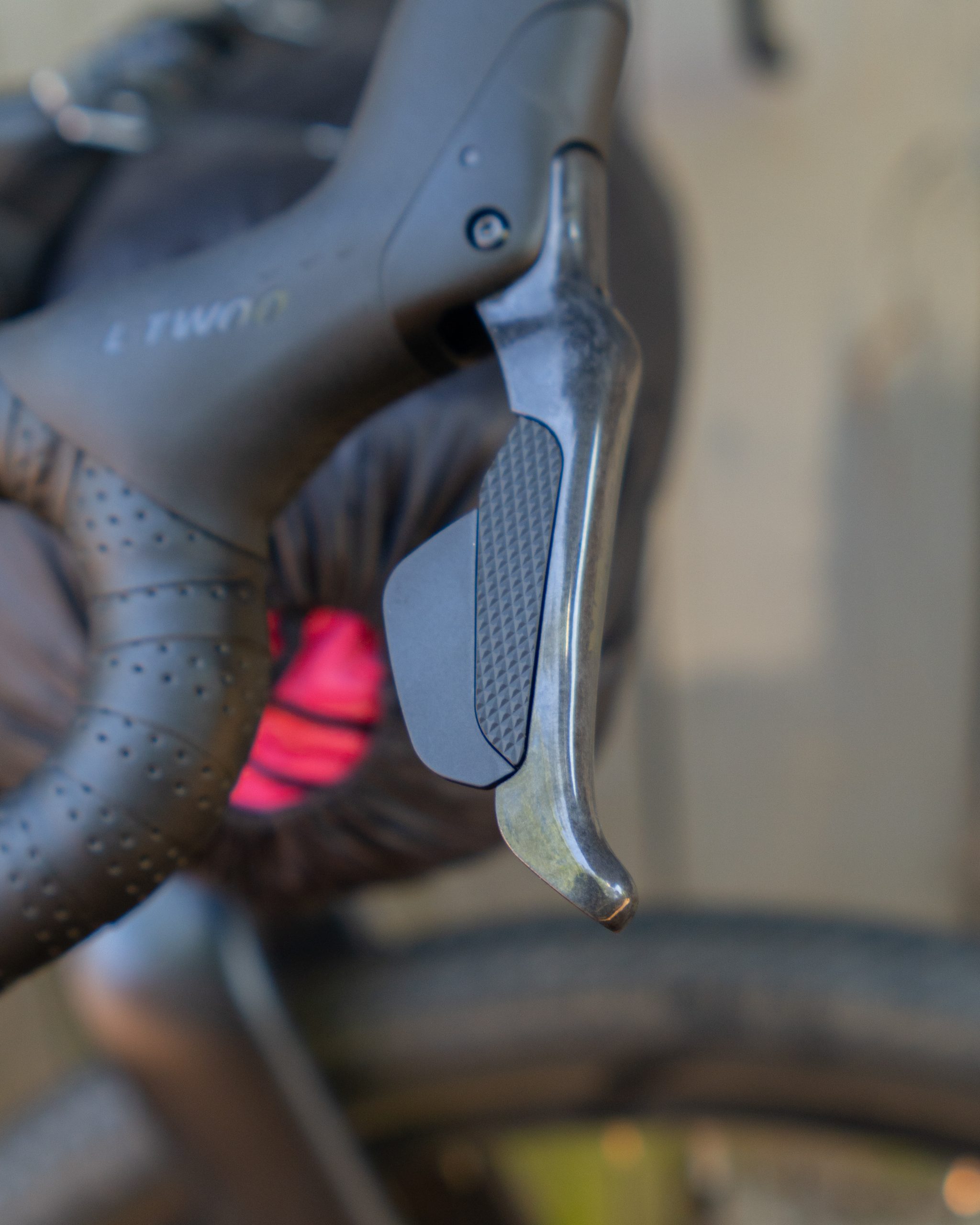
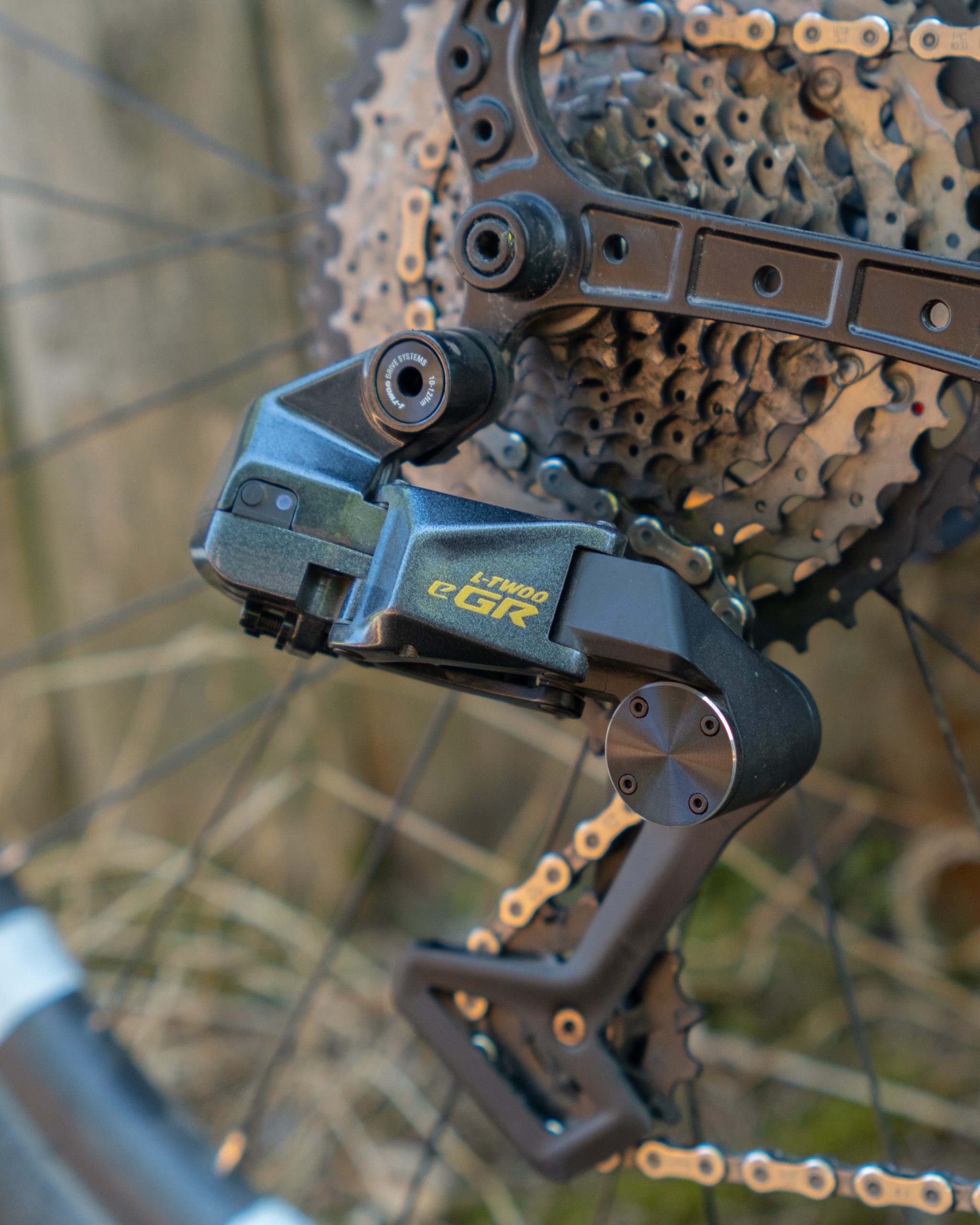
For this trip I brought my custom-painted Primos Cycles Super Dame. Equipped with fresh 50mm Continental Double Fighter III tires and 650b wheels (smaller than standard, 700c road wheels), I felt glued to the road and was really able to push the limit of the tread even with the added weight of my camping gear. If you follow me on Instagram or YouTube you will know I have been testing L-Twoo’s newest electronic wireless groupset — the eGR groupset. This trip was the perfect opportunity for me to really put it to the test and let me tell you… Whether surviving dings from rocks at high speed, never dropping connection between derailleur and shifters, or losing less than 10% of its battery — it has exceeded all expectations!
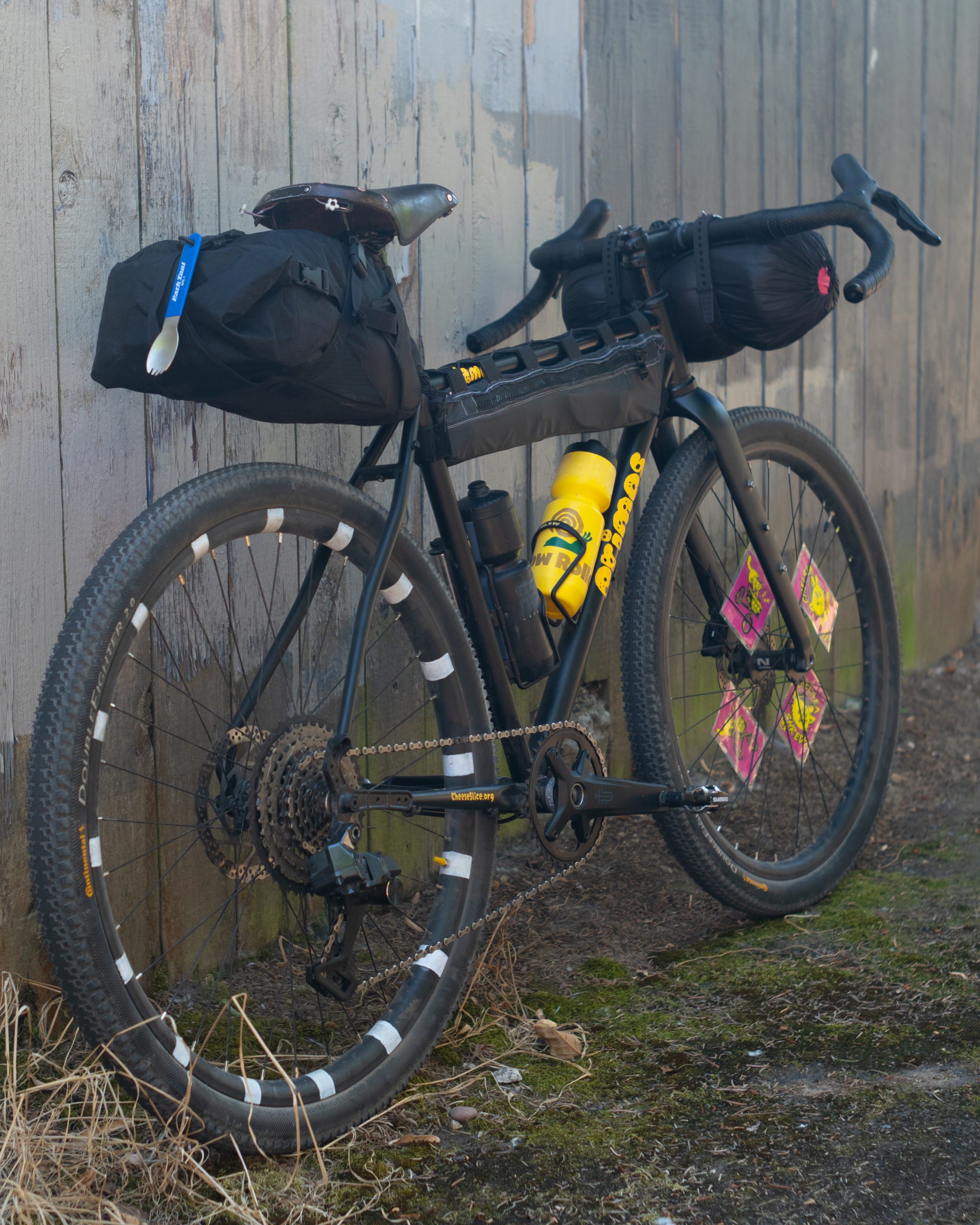

My gear setup consisted of a Revelate Designs Saddle Bag, a half frame bag I made myself and a dry bag voile-strapped to the handlebars. Overall I found this setup to be perfect for weight distribution. If I could add anything to improve the setup it would have been to put mounting brackets on the fork to distribute the weight a little bit better. I also opted to bring a hammock instead of a tent. If you have not used this sleep system before I will warn it can feel a little cramped and be dangerously cold if not set up correctly. If done right it takes half the time to set up and take down, avoids the headache of laying on roots or at a wrong angle, and keeps you off the soggy ground (when that applies). I made the small mistake of bringing a blanket instead of the underquilt (basically a blanket for the outside of your hammock). Don’t be me. Bring the underquilt.
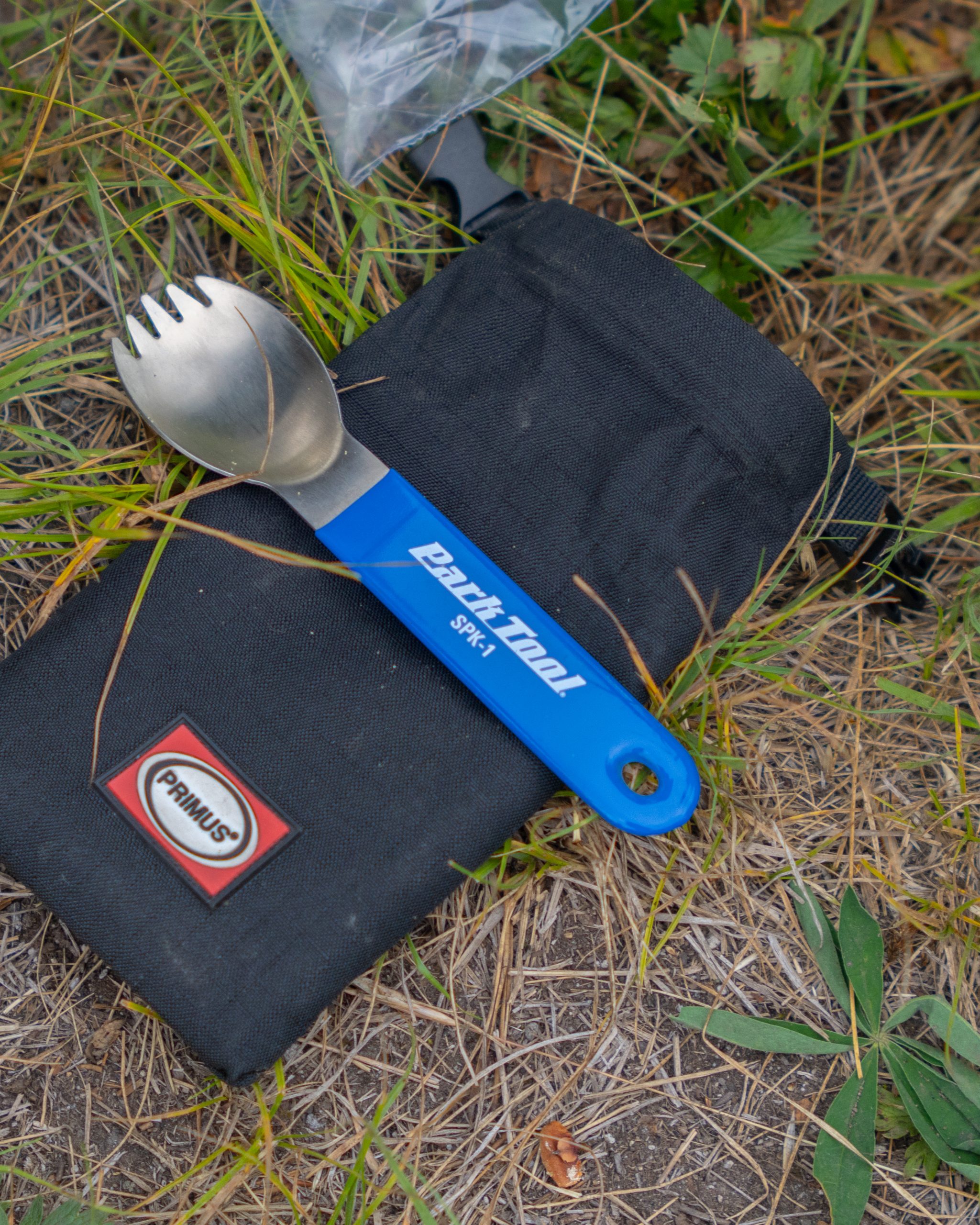
Food was a simple lesson. Don’t over complicate it. Get freeze dried food or ramen-type food, use portable gas stove and call it a day. Plus warm food hits the spot after a long day of exercise, especially when it’s a bit chilly.
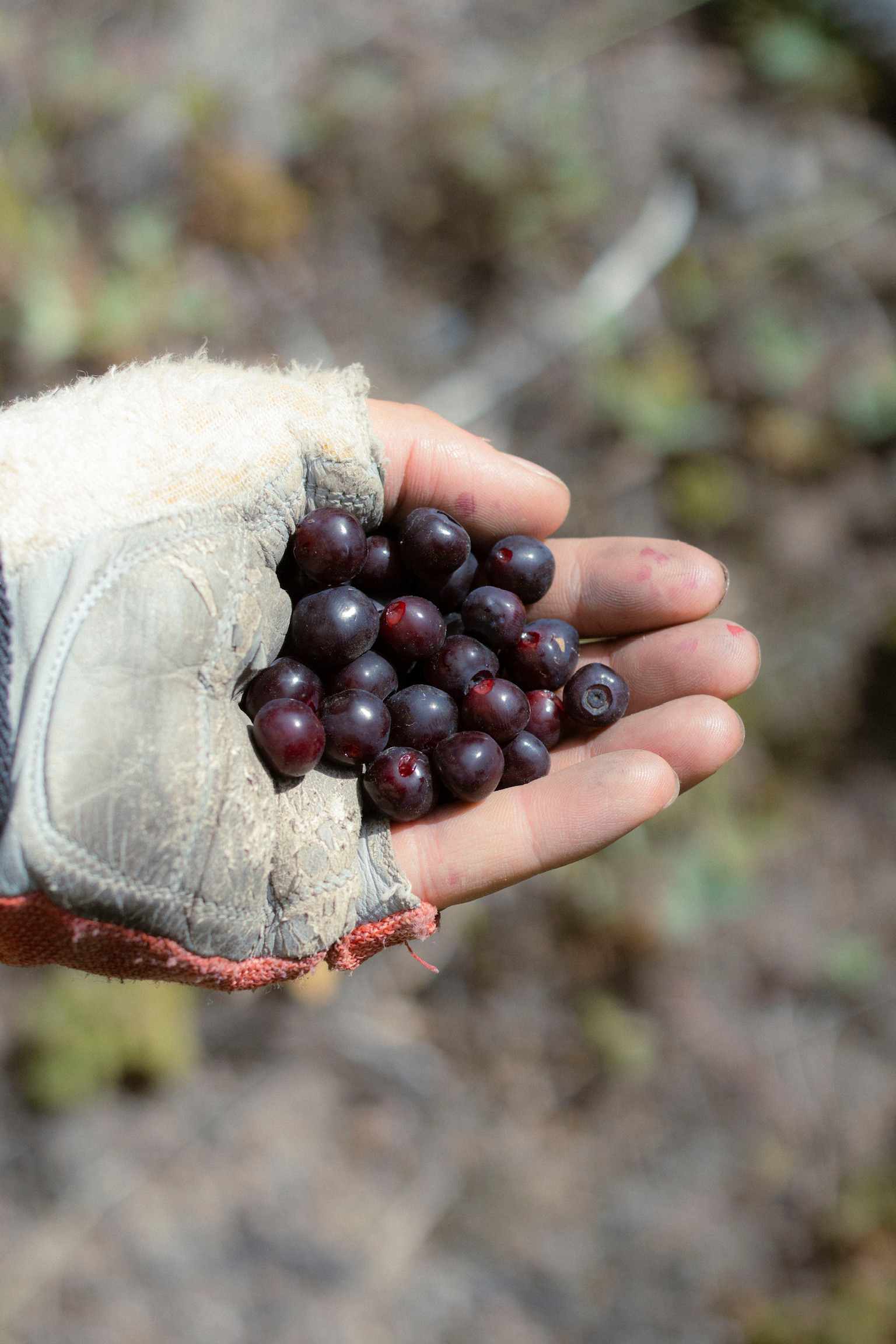
Overall I think my opening statement about the Fire and Ice route being perfect for beginners bikepackers or campers is true. We did this route in two days and one night, going roughly 30 miles the first day and 20 miles the second day which I felt was the perfect pace. I never felt like any climb had a grade that was torturous or insurmountable and none of the descents were treacherous but did have quite a few washouts (piles of loose rocks) and washboards so if you like pushing the speed also have some caution. There were so many huckleberries everywhere you looked to the point it’s a little silly I haven’t brought it up till now! As a little piece of mind we never went more than 3-5 miles without seeing another campsite or a car drive by. If you get lost or injured you can rest easy knowing you will bump into someone who can help!
I had such an amazing time riding my bike and enjoying the beauty of nature with like-minded people. There is something so cathartic about being out in nature with others and even more so when we are all so disconnected from the grasp of social media. I would highly recommend if you have not gone bikepacking to give it a shot with some friends. You need far less than you think and anything you don’t have can probably be borrowed from friends or family, and worse case bought for cheap from someplace like Facebook marketplace. It is such a great way to step away from the constant madness and pressure we all feel in today’s society. If this route feels like too much then try a segment with friends – park one car at the end (that’s capable of bringing all bikes back) and everyone else parks at the start. Then you can ride the section you feel comfortable in and then hop in the car and head home. If you’re able to make the drive it will be worth it for the ride!
Thanks so much for reading (and BikePortland for letting me share)! To learn more about the route, check out RideWithGPS. I also made a long form video of my experience on YouTube that’s out now, feel free to check it out.

Thanks for reading.
BikePortland has served this community with independent community journalism since 2005. We rely on subscriptions from readers like you to survive. Your financial support is vital in keeping this valuable resource alive and well.
Please subscribe today to strengthen and expand our work.
Thanks for the writeup!
Hey, thank you for this report!
I love this route, we did it last year!
However, I wish that in this article, that there was a mention of this being on the traditional huckleberry picking sites for several Pacific Northwest Tribes. Especially around Surprise Lakes.
I think that in my group, we didn’t do our best on our trip last year as we didn’t know beforehand. We learned that there are areas where non-Native Americans should avoid during the berry picking season.
Over harvesting and trampling on traditional camping grounds is a real problem. Like, what does the Handshake Agreement really mean to the people that hold those lands scared? How do visitors understand the rules and how to show respect?
I want to acknowledge that a lot of white and non-Native Americans swarming a special area without care, sucks. And that also that it’s hard to discern what best practice is and how/if/when to enjoy that area.
Would love to hear what others have to say. Thank you
Were you all friends or was this posted somewhere? I have wanted to join groups like this ever since Cycle Wild ended what feels like a lifetime ago. If this group does more of these time of rides, count me in!