
Portland cargo trike delivery company saved nearly 40,000 gallons of gas last year

A B-line delivery trike in action.
(Photo: J. Maus/BikePortland)

Portland-based B-Line has stood the test of time. And they also stand as an excellent illustration of how pedal-powered cargo trikes can have a positive, climate-friendly impact on urban freight delivery.

In 2020, the B-Line crew pedaled their fleet of electric-assisted trikes a total of 573,160 miles. That’s just one of the eye-popping stats in the company’s just-released annual impact report (PDF). The company launched in 2009 and moved their headquarters to the central eastside in 2015. Over the past decade, co-founder and current CEO Franklin Jones has stayed true to the company’s mission. They don’t just deliver freight (everything from bread to sports drinks), they’ve expanded to benefit the community in many other ways.
Read more

Oregon e-bike advocacy group looks to host rides to educate policymakers

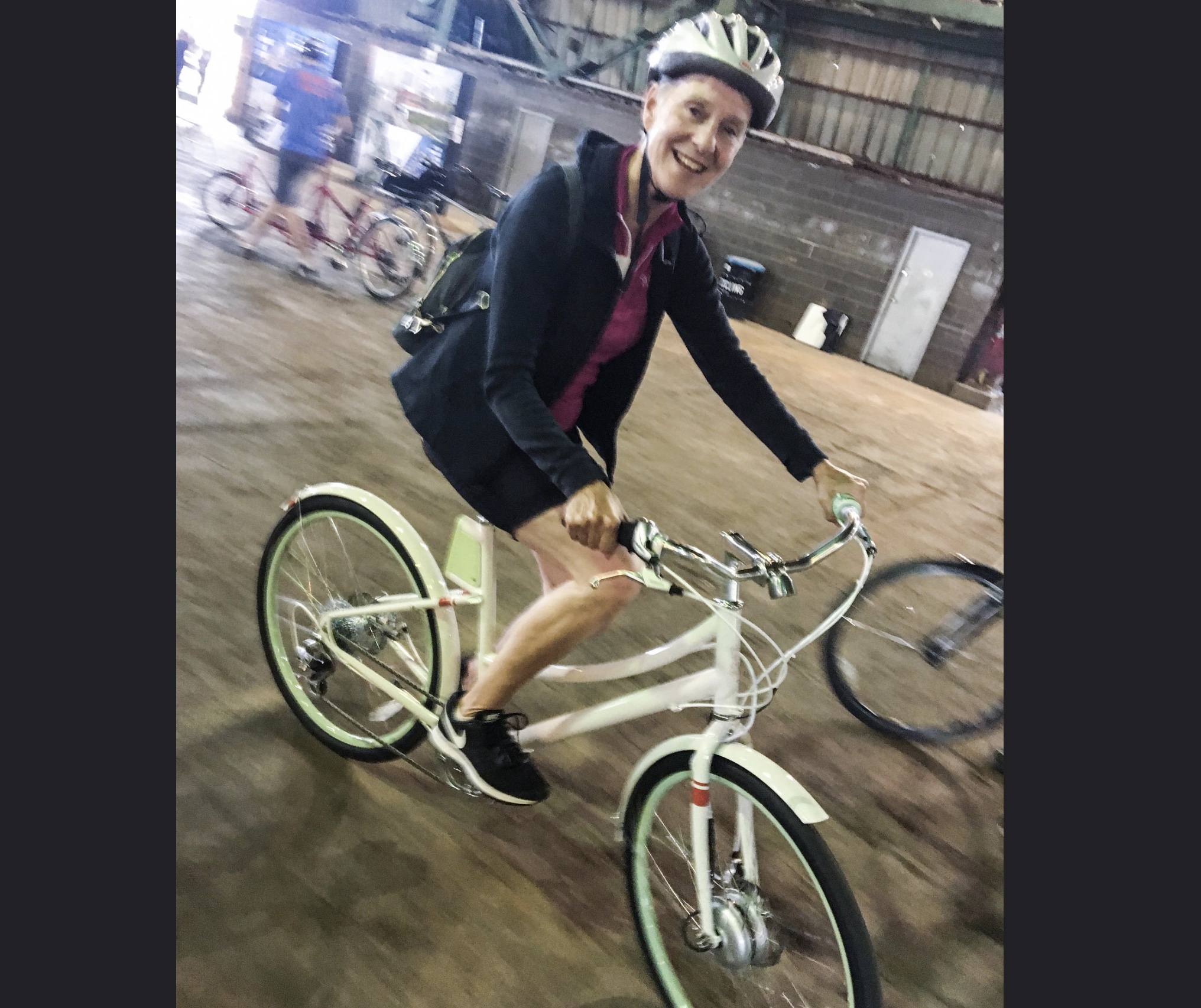
Metro Councilor Shirley Craddick and her e-bike at a 2017 ride.
(Photo: J. Maus/BikePortland)

Oregon is home to many electric bike businesses and believers. But so far, the revolutionary vehicles have failed to crack into the mainstream political discourse. Now a group of e-bike advocates will take concrete steps to change that by getting legislators and policymakers into the saddle.

Electric Bikes For All (EB4A) is a group that’s been meeting since 2019. It started informally thanks to leadership from Joseph Wachunas, program manager for Forth, a nonprofit working to boost electric vehicle use and policy in Oregon. Wachunas shared with BikePortland that EB4A first got together to plan an electric bike expo event. Portland hosted a successful e-bike expo in 2016, but it was cancelled in 2017 when “solar eclipse mania” swept the region and organizers had trouble finding necessary equipment to host the event.

Read more

‘Climate framework’ language for Interstate Bridge Replacement project is too weak, regional officials say

Slide from presentation shared at IBR Program July meeting.

Will the Columbia River Crossing project’s multibillion dollar successor fully integrate climate change into its design and construction? Or will climate change merely be a box that is checked on the way to a wider I-5 that encourages more driving and more emissions? That question took center stage at the July meeting of the Interstate Bridge Replacement project’s Executive Steering Group.

Read more