(Data: PBOT. Image: BikePortland)
For more than a year, as advocates and activists have worked to build public support for traffic diverters on Southeast Clinton Street, a question has hovered: are car volumes really worse than they used to be?
🚨 Please note that BikePortland slows down during this time of year as I have family in town and just need a break! Please don't expect typical volume of news stories and content. I'll be back in regular form after the new year. Thanks. - Jonathan 🙏
For more than a year, as advocates and activists have worked to build public support for traffic diverters on Southeast Clinton Street, a question has hovered: are car volumes really worse than they used to be?
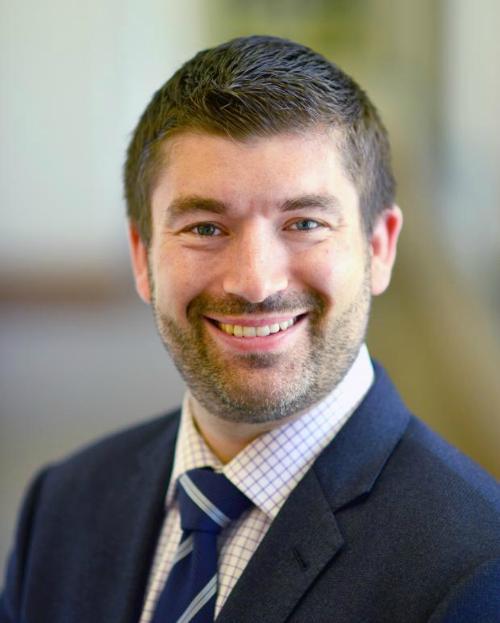
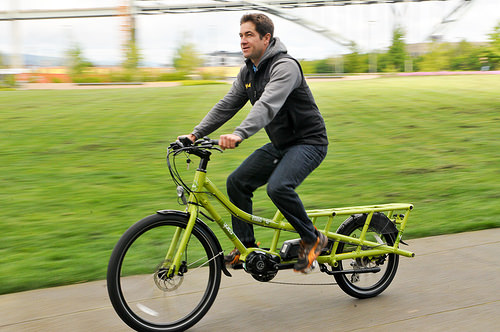
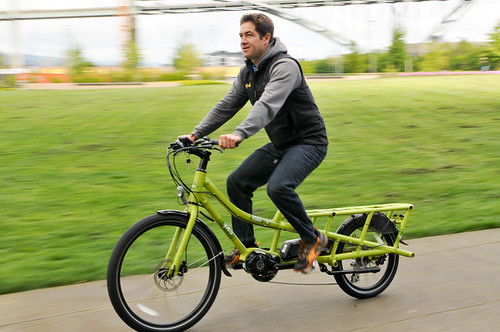
This article was written by Reuben Deumling, a Portland resident, active participant in the local cargo biking scene, and frequent commenter who some of you may know as “9watts.” You might also recall the cool, DIY wooden child seat he shared with us back in 2010.
——
I often read here on BikePortland about $5,000 singlespeeds and $6,000 cargo bikes, and I think about a lifetime of used or discarded bikes I’ve fixed up and ridden or resold. I enjoy the lines of a Vanilla or Ahearne or Bullitt as much as the next person, but choosing to live lower on the pecuniary totem pole, that is just not my market.
I’d like to share what the economics of bicycling looks like from my perspective.
Part of the fun of not owning a car is that you avoid all the bills — gas, oil, insurance, parking, and repairs, (not to mention buying the car itself and eventually replacing it) — that come with it. For me, that statistic you read about that suggests the average car-owning household spends around $9,000 per year in car-related expenses, is inconceivable given how our household has chosen to spend money.
It’s not the $25 million that would have been wrapped inside last month’s ill-fated bipartisan transportation bill, but Powell Boulevard is lined up for a long-awaited improvement.
The state-run road is lined up to get $17 million to add sidewalks, pedestrian-friendly crossings and bike lane upgrades — which, as we reported last month, could come in the form of protected bike lanes. Another $3 million pledged by the City of Portland Friday would bring the project’s funding to $20 million for the blocks between SE 122nd and 136th avenues.
The rebuild “will break ground in 2018,” according to Rep. Shemia Fagan (D-Clackamas) a second-term legislator in a swing district who has been a dogged champion for better walking and biking in the area.
Joining Fagan in support for this funding was a chorus of other local legislators, including Rep. Jessica Vega Pederson (D-East Portland), Sen. Chuck Thomsen (R-Hood River), Sen. Rod Monroe (D-East Portland), Sen. Michael Dembrow (D-NE Portland), Rep. Jeff Reardon (D-Happy Valley/East Portland), and Rep. Alissa Keny-Guyer (D-Portland).
(Jonathan Maus contributed reporting to this story.)
After more than a year of focused activism that included guerrilla installations, a month-long celebration and numerous rush-hour rides, one of Portland’s highest-traffic neighborhood greenways has been chosen as the site of a traffic calming pilot project.
After many people had already begun their holiday weekend, the Portland Bureau of Transportation chalked up a major legislative victory.
HB 2621, which will allow PBOT to operate fixed photo radar cameras on Portland’s deadliest major streets, passed the Oregon Senate on Friday afternoon by a vote of 17-12. The bill now heads to the desk of Governor Kate Brown for signing.
PBOT Director Leah Treat said via email today that she’s “very happy” the bill passed. “As the City is implementing Vision Zero,” she wrote, “automated speed enforcement should prove a critical tool in getting drivers to slow down.”
Friday’s vote capped a dizzying week of activity for the bill. On Monday morning it hadn’t even pass out of committee in the House.
The bill allows the City of Portland to install photo radar camera units (a pair of cameras, one for each direction) only on High Crash Corridors. Here’s how the bill defines them:
“urban high crash corridor” means a segment of highway that has an incidence rate of reported traffic crashes resulting in fatalities or serious injuries that is at least 25 percent higher than the rate for highways with the same speed limit or designated speed within the jurisdiction on average between January 1, 2006, and January 1, 2016, and for which the governing body of the city makes a finding that speeding has had a negative impact on traffic safety.
This week’s Monday Roundup is brought to you by the first annual Bike Peace Music Festival, a full weekend (July 17-18) of biking, food and live music in the Columbia River Gorge!
Here are the bike links from around the world that caught our eyes this past week:
Fatbiking the coast: Oregon’s, that is. The Path Less Pedaled has seven tips for the trip.
Protected intersections: American bike plans of the early 1970s called for pseudo-Dutch treatments of bike lanes and intersections, but the Federal Highway Administration was persuaded (with no evidence) that Americans wouldn’t understand them.
Sometime in the 1920s, the American auto industry worked very hard and very consciously to achieve a great victory: they successfully associated their product with freedom.
A machine that had been developed to power farm implements and long-distance travel became a way for the wealthy, and gradually for the less wealthy, to zoom and roar right through the middle of cities.
As documented by history professor Peter Norton’s 2008 book Fighting Traffic (and many links over the years in BikePortland’s Monday Roundup), many Americans — maybe most of them — didn’t see this as a blow in favor of freedom; just the opposite. They saw it as a takeover of city streets. Even in a world where many more people died of disease and violence than they do today, the public was shocked by the notion that a person’s freedom to zoom down a street could be more important than a child’s freedom to play in it.
Portland’s Disaster Relief Trials are back for the fourth year and there are some exciting changes in store.
We’ve had three great jobs and one volunteer opportunity listed this week. Learn more about them via the links below…
The Portland area’s public transit agency has given itself the power to seize and discard bicycles abandoned at its stations for more than a few days.
As part of a general code overhaul approved last February and effective Wednesday with the start of TriMet’s fiscal year, the TriMet board of directors approved a new code provision allowing for “a bicycle left on any property of the District Transit System for more than 72 hours may be impounded.”
This menu of delicious rides and events is brought to you by our friends at Hopworks Urban Brewery. Their support makes BikePortland possible.
With the heat we’ve been having it’s probably just as well that our calendar of rides isn’t nearly as full as it has been. And the weekend after Pedalpalooza always feels a bit quiet — as if the community takes a collective rest and needs time to recover after three weeks of riding and partying.
That being said, it’s still summer and there’s never a bad day for a ride (and don’t forget to check out our stay-cool tips when you head out).
One note of caution, if you plan to head out to the Gorge through Corbett via the Historic Highway on Saturday (the 4th), remember that the road is closed for a parade from 9:30 am to about noon.
What could be better than a weekend “celebrating peace and good health” while riding bikes, camping, and listening to live music in a festival atmosphere in the Columbia River Gorge? And to top it all off, the organizers are encouraging everyone to get their by bike.
The first annual Bike Peace Music Festival is set for July 17th and 18th in Cascade Locks. 200 campsites have been reserved on Thunder Island exclusively for people who bike to the event with their own camping gear.
“This encourages festival attendees to abandon the car and ride to the festival,” says the event’s organizer Marcus Nobel, “Imagine that getting to the festival is part of the festival.”