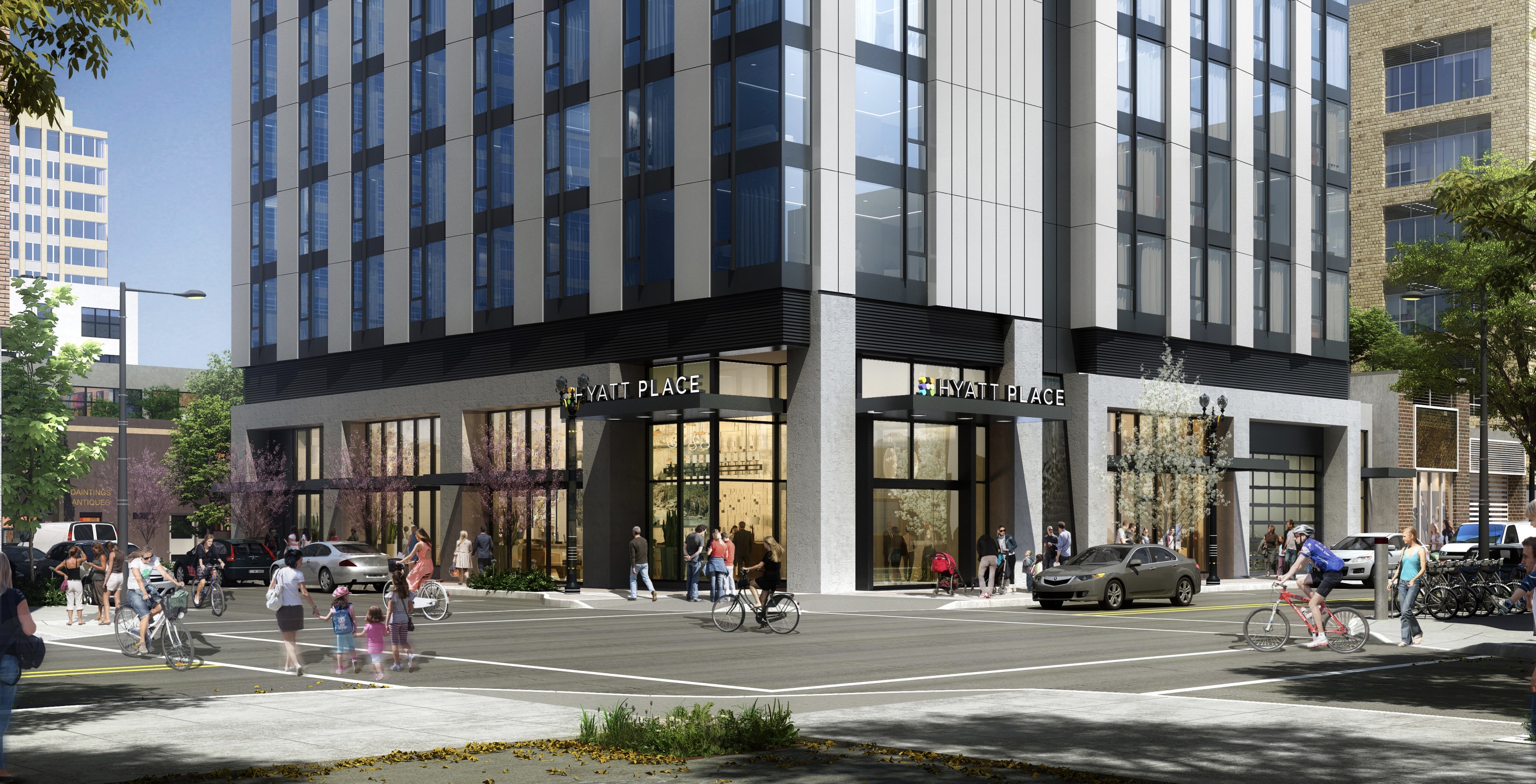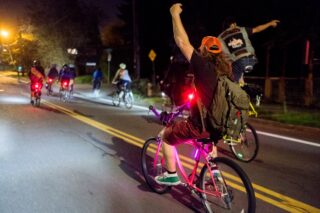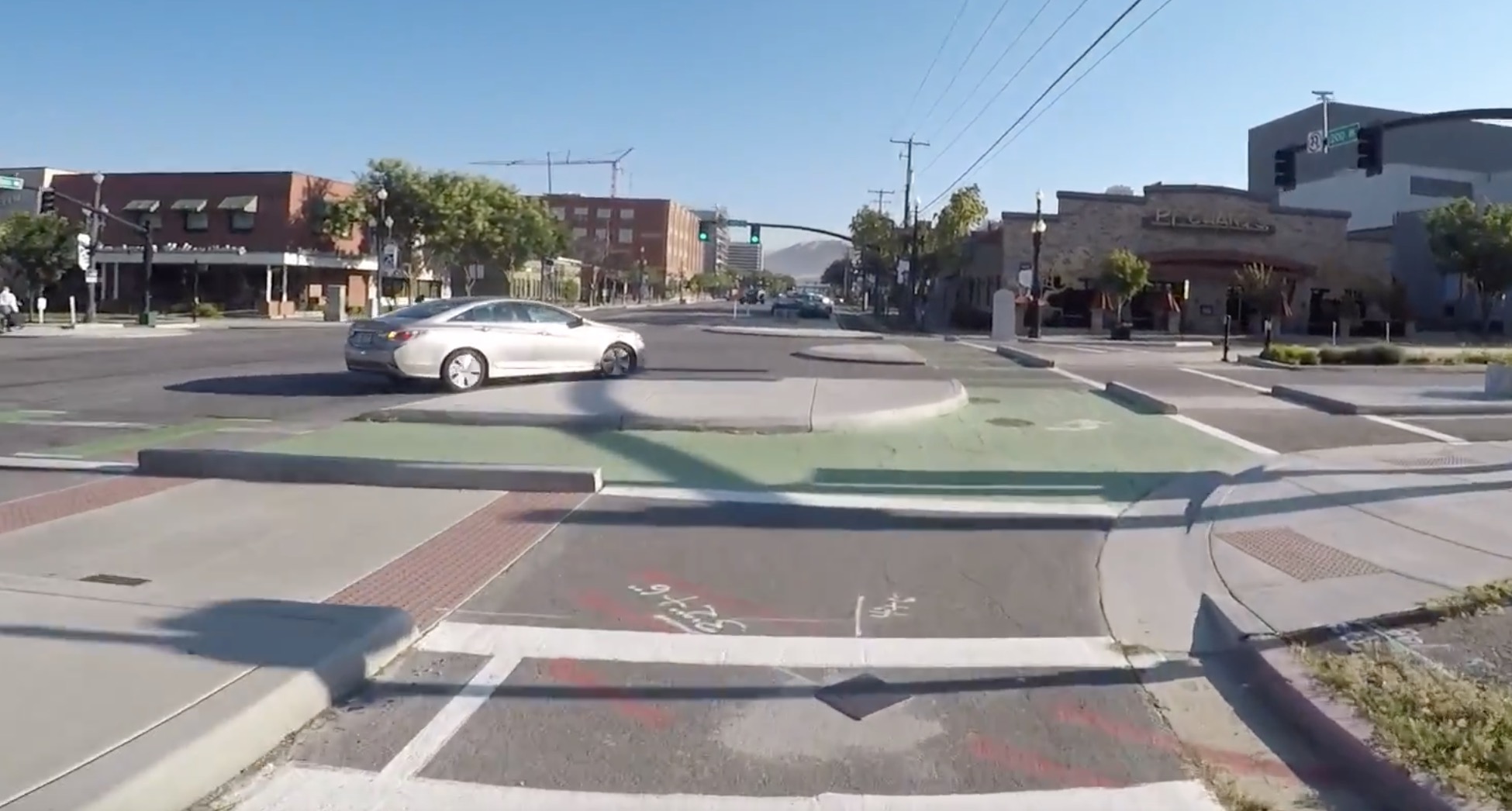
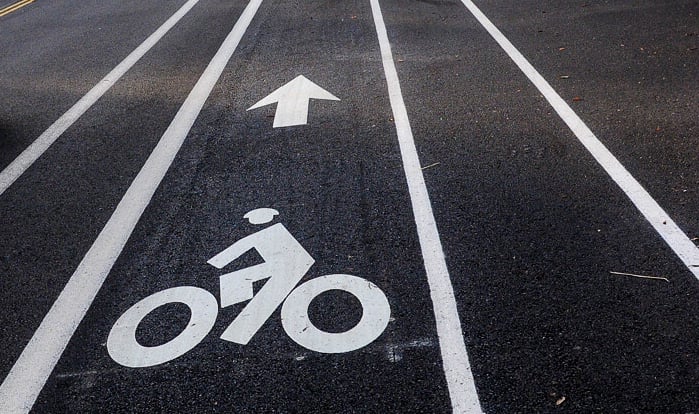
This protected intersection in Salt Lake City, Utah was rated comfortable by the largest number of respondents. (Photo: TREC at PSU Researchers)
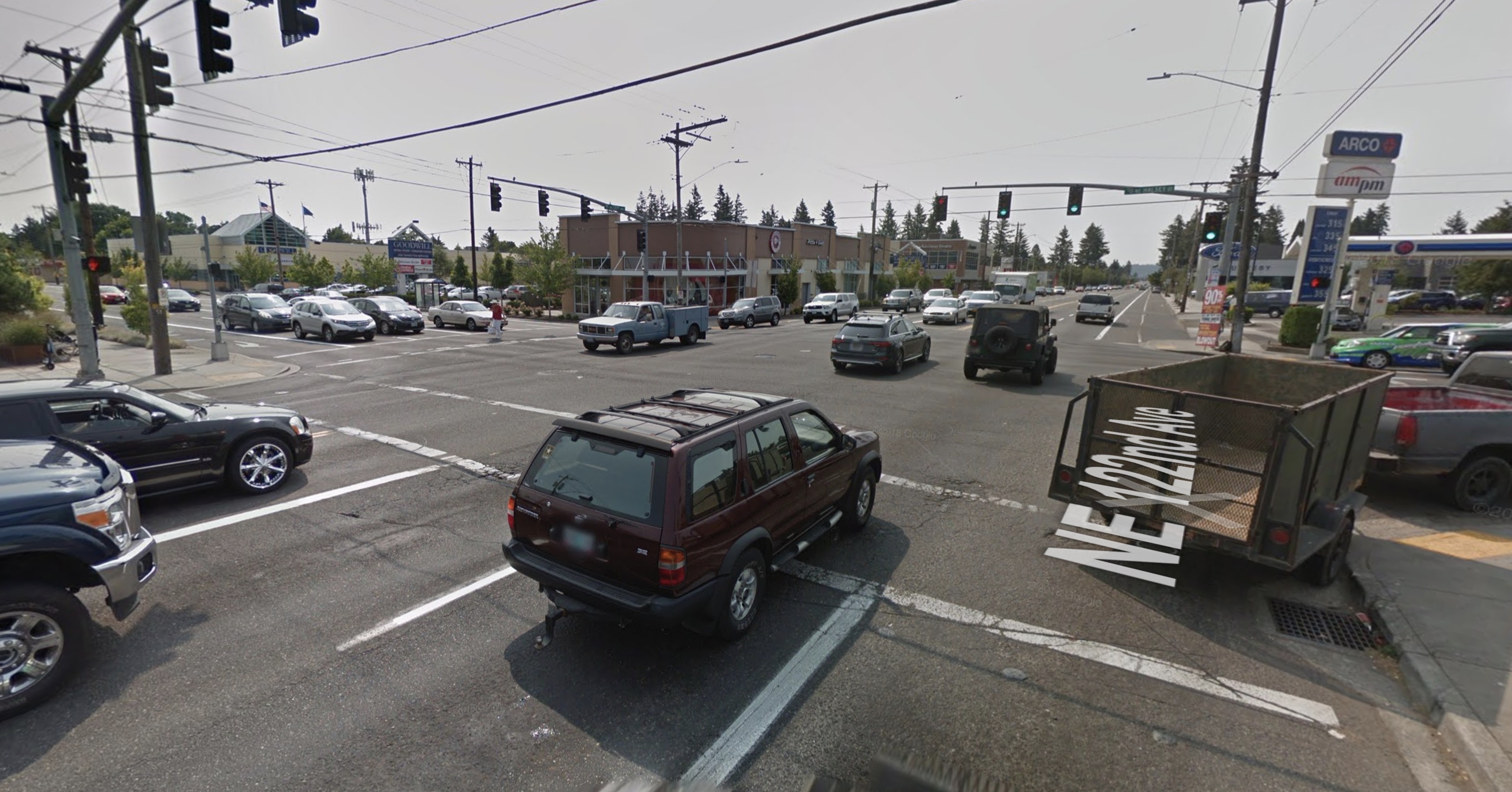
With protected bike lanes all the rage in Portland and throughout the U.S., a big question remains: What about intersections? After all, protection on the blockface doesn’t mean much when you come face-to-face with a drivers’ car at the intersection.
The Oregonian reported earlier this week that a jury has awarded more than $9 million to a couple who were hit by a truck driver while biking on I-84 in the Columbia River Gorge.
According to The O, the collision happened in 2016 when Eric Moutal and Andrea Newman (both from Vancouver, BC) were biking to Portland on the westbound shoulder of the Interstate about seven miles east of Cascade Locks (near Wyeth Trailhead at mile post 52). Eric suffered severe injuries to his leg.
When I read about this case, two big things stood out to me.
A very sad sharrow in a stressful riding environment. The least ODOT can do is lower the speed limit. (And just FYI, that sidewalk is very narrow and is not technically wide enough for bicycle users and walkers to share.)
I have good news to share regarding a little advocacy effort in St. Johns.
Remember how the Oregon Department of Transportation lowered the speed limit on the St. Johns Bridge to 25 mph during a recent construction project? They told me the rationale was to protect vulnerable work crews who were walking on the bridge sidewalk.
It struck me that everyone who uses the St. Johns Bridge outside of a car is just as vulnerable as a construction worker, so why not keep make that speed limit reduction permanent?
As I shared in October, I made a request to ODOT through their public input portal to do just that. ODOT told me the request would have to come from the City of Portland. So I made a similar request to the Bureau of Transportation (PBOT) via the 823-SAFE hotline.
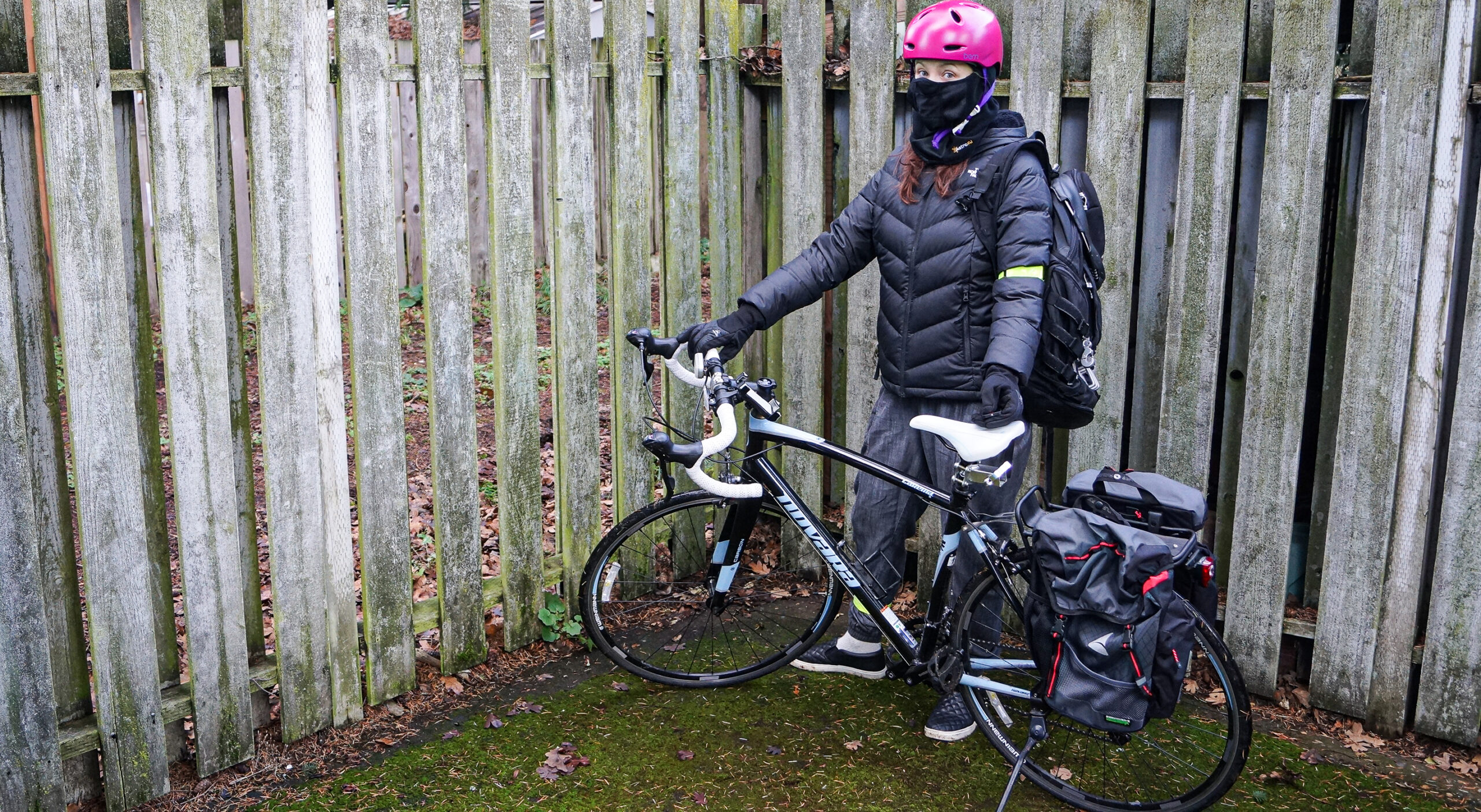
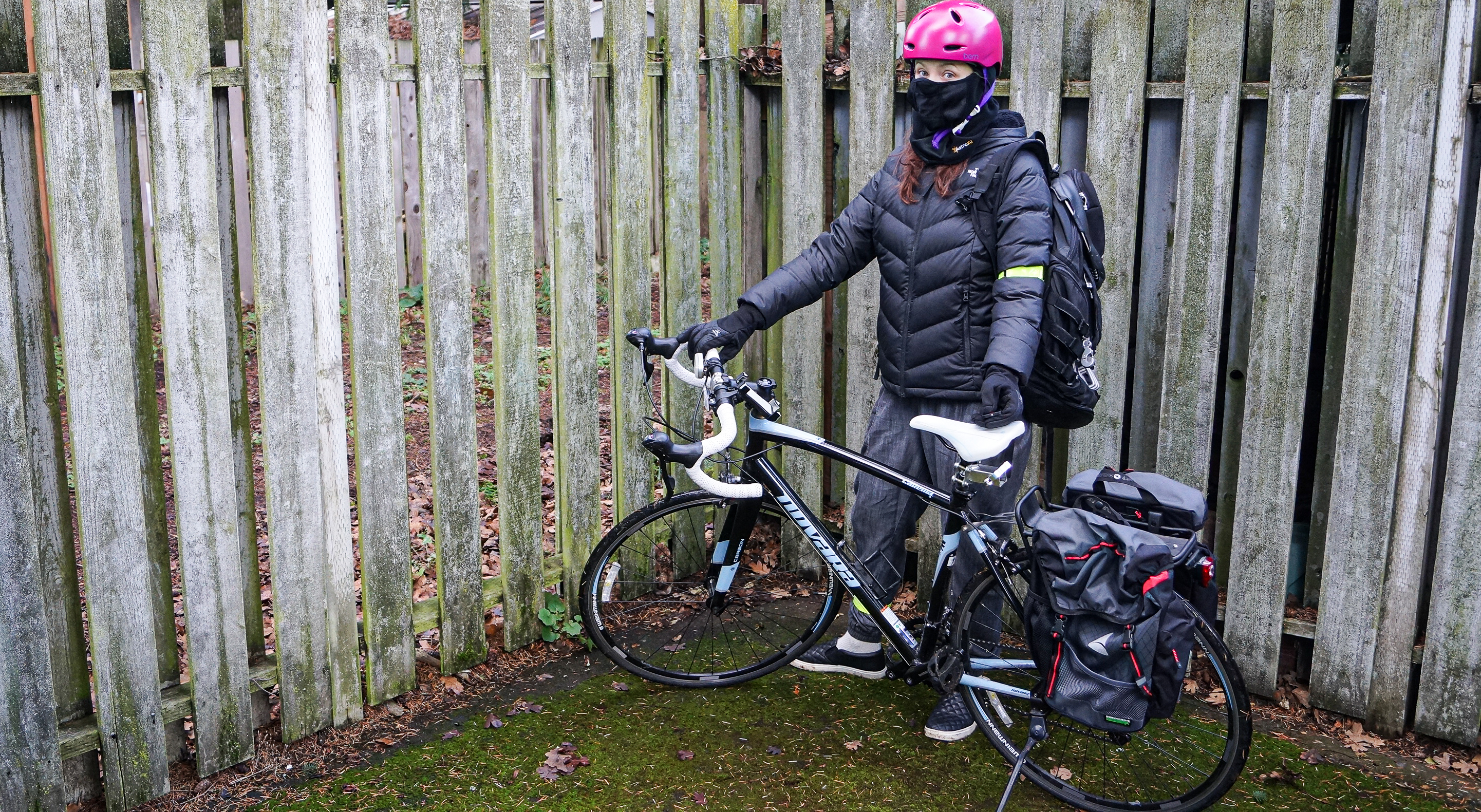
My 2nd grander and I when first trying out our new SUV. (Photos: Becky Jo)
(Publisher’s Note: I’m excited to introduce our new Family Biking columnist Becky Jo. You can expect her posts every Tuesday. Enjoy! – Jonathan)
Hi, I’m new here.
Funny story, or at least I hope I’m able to laugh at it someday. My family has gone completely carfree. It seemed like a logical plan at the time. See, our family consists of two parental units, one kid down at PSU in the dorms, one kid in high school, one kid in middle school, and one kid in elementary. (Don’t worry, that factory is closed.)
We had one car for all of us, and if you didn’t have access to said one car, you either waited, took the bus, walked, or biked.
The latest receipts from Oregon’s bicycle excise tax show that revenue is still lower than lawmakers hoped for.
The $15 tax on new bicycles was one of several taxes passed by the Oregon Legislature in 2017 to raise revenue for transportation projects and programs. It went into effect on January 1st, 2018 and is collected at retail shops at the point of sale. It applies to all bicycles with a value of $200 and over. As part of the law, retailers must file quarterly returns with the Department of Revenue (DOR).
According to DOR, they collected about $500,000 in bike tax revenue during the 2018 calendar year. As of October 2019, they report payments so far this year of about $724,000.
These numbers show an uptick, but the totals fall short of the $1.2 million per year figure lawmakers were given prior to voting on the tax.
Oregon Transportation Commission members at their meeting on Monday. (L to R: Sharon Smith, Alando Simpson (Vice Chair), Robert Van Brocklin (Chair), Martin Callery, Julie Brown)
There was a big surprise at the Oregon Transportation Commission (OTC) meeting on Monday: Governor Kate Brown finally weighed on the controversial I-5 Rose Quarter project via a letter that calls for a pause on a key decision and more analysis of congestion pricing.
The driver of this car ran into a light pole, a business, and a person on the sidewalk near SE Morrison and Grand on Friday night before she was arrested for DUI and other charges. (Photos: PPB)