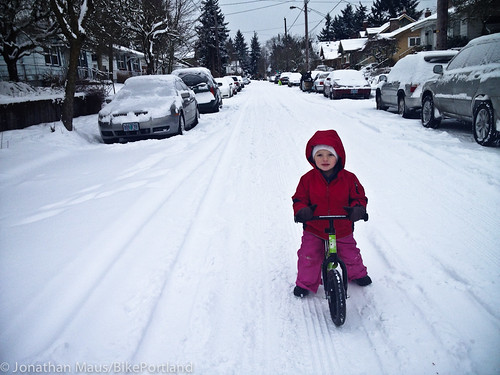
City’s new snow and ice plan still doesn’t include greenway plowing

Whose streets?

No plows coming soon.
(Photo: J. Maus/BikePortland)

After severe storms unleashed havoc on our roads and heaps of criticism on the City of Portland’s response, Bureau of Transportation Commissioner Dan Saltzman laid out a new plan at a city hall press conference a few hours ago.

PBOT Director Leah Treat told us last week the City was, “Specifically going to look at expanding our de-icing and plow routes to include neighborhood greenways.”

Unfortunately, this new plan doesn’t do that. Instead of plowing residential streets that are the backbone of our biking network, Commissioner Saltzman announced two other changes to the City’s storm response plan. After resisting the use of salt due to environmental concerns, PBOT now says they plan to use up to 100 tons of it on at least three major roads during upcoming storms. This “largest use of road salt in the modern history of Portland,” will be a test to see how effective salt is at keeping roads free of ice and snow. In addition, they’ve announced an 30 percent expansion in the number of lane miles that will be plowed.

We knew the salt decision was coming; but it’s the plow route we were most curious about going into today’s press conference. As we reported last week, not only were bike lanes and bikeways left piled with snow during the storm, they’ve been covered in gravel for weeks.
Read more

The legislative session, The Street Trust, and you (a three-part series)

For Every Kid Coalition.jpg

The Street Trust is part of a large coalition of nonprofits working to make sure the upcoming transportation package gets passed with adequate funding for biking, walking and transit. Safe Routes to School funding will be a major focus.
(Photo: J. Maus/BikePortland)

(Note: This article is written by Gerik Kransky, policy director for The Street Trust (formerly the Bicycle Transportation Alliance). It’s the first in a three-part series about their work on a major funding package that will be debated during the 2017 Oregon legislative session.)

Read more

Guest opinion: ODOT management audit misleads, omits key facts

A day in Salem-3

We deserve a better ODOT before we hand them new revenue.
(Photo: J. Maus/BikePortland)

This guest essay was written by Joe Cortright, an urban economist with Impresa Consulting who also runs CityObservatory.org.

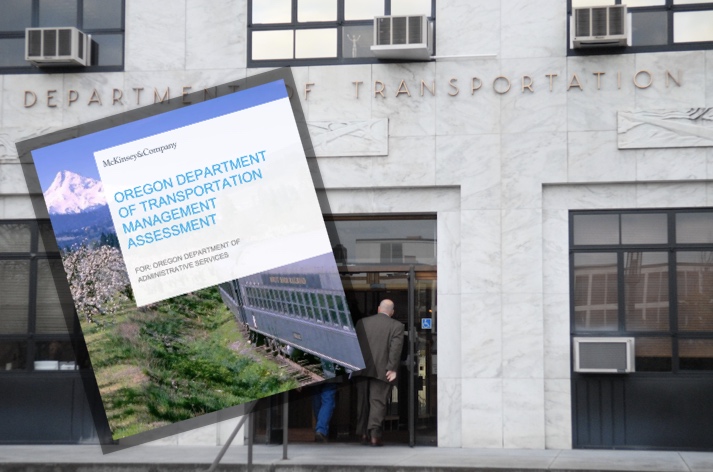
There are a lot of big questions about the Oregon Department of Transportation’s (ODOT) competence and capability. Unfortunately the new $1 million audit undertaken by McKinsey and Company answers none of them.

The audit is misleading, inaccurate and omits key facts about ODOT’s substantive management problems. In effect, the audit actually conceals some of ODOT’s most expensive blunders.

An audit that doesn’t acknowledge, much less analyze, obvious problems can’t provide meaningful solutions. For example, auditors who can’t even correctly identify the cost of the agency’s largest construction project—and who purposely omit it from their one statistical chart showing cost overruns—aren’t worth the money they’re being paid, because they haven’t done their jobs.

Why does this matter? Because the Oregon legislature is about to begin a debate over transportation funding that could result in hundreds of millions of dollars flowing through ODOT’s hands.

Read more

PBOT wants your input on apartment bike parking

bike parking at Central Eastside Lofts-4

New city code could require developers to build better bike parking.
(Photo: J. Maus/BikePortland)

Do you live in an apartment? If so, where and how do you park your bike?

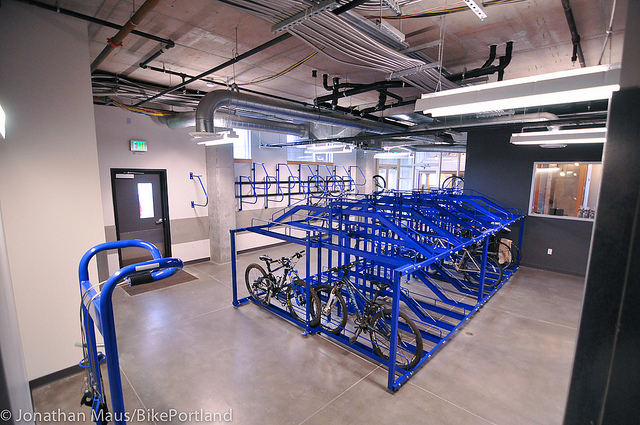
The Bureau of Transportation (PBOT) is refining and updating the portion of our city code that regulates bicycle parking in residential buildings and they want your input. Because this is Portland, they’ve also assembled a stakeholder advisory committee that’s grappling with code revisions that could dictate a new number of new policies such as: whether or not a fee should be charged for bike parking rooms; how high bike racks should be installed; what type of security and signage should be used in bike rooms; the quality of access routes to bike rooms, and more.

Read more