
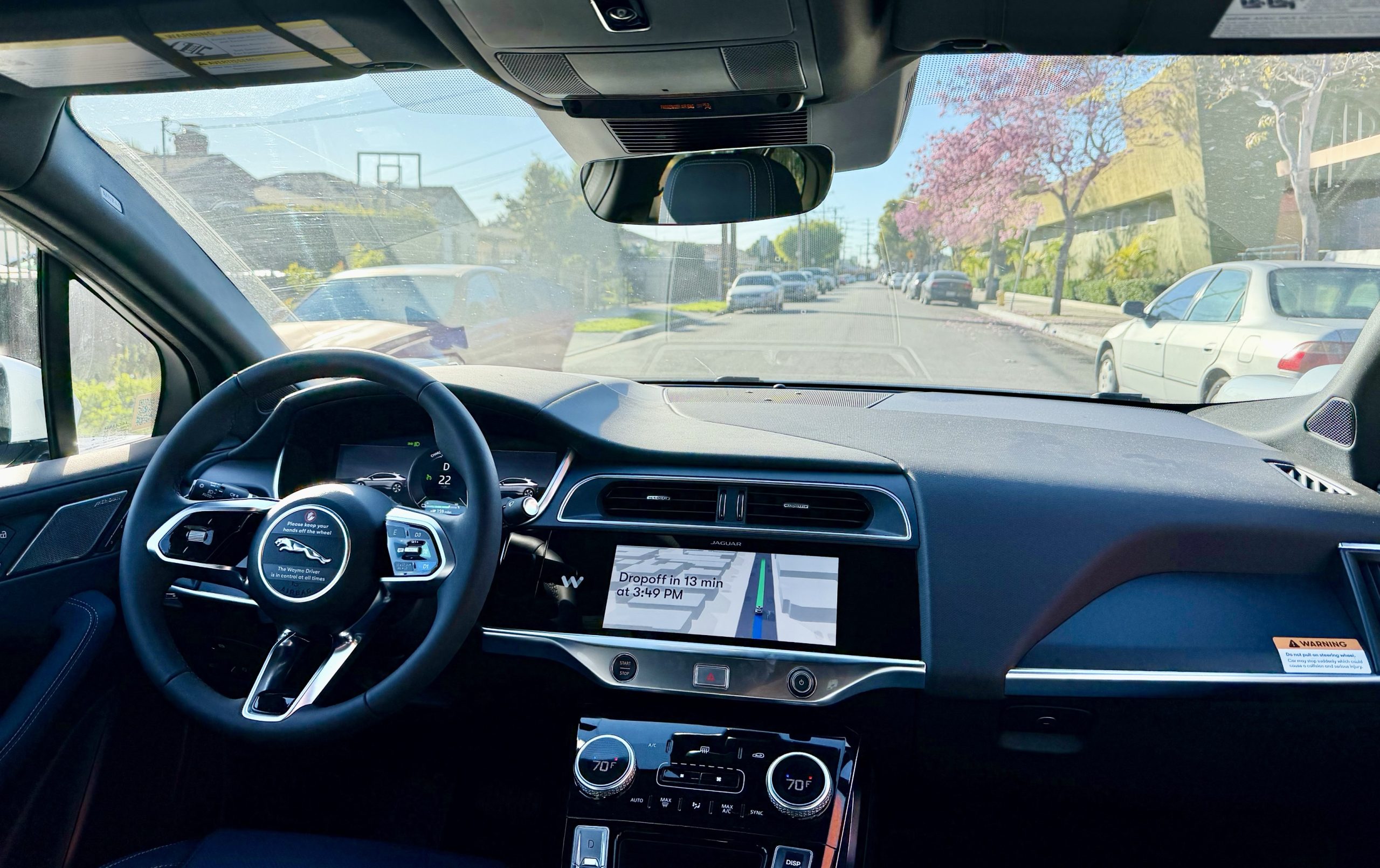
The Portland Bureau of Transportation wants to be ready for Waymo and the potential onslaught of autonomous vehicles. After the Google-owned company approached city officials last fall to share their desire to operate on our streets, PBOT realized it was time to update their administrative rules that govern the new form of transportation.
PBOT last dug into AVs in 2017 with the passage of their Smart Autonomous Vehicle Initiative, but a lot has changed in the industry since then. And with Waymo’s aggressive expansion plans — they recently raised $16 billion in venture capital and want to launch in 20 more cities this year — PBOT officials want strong local regulations that balance innovation with public safety. And simmering under all these conversations are Portlanders with strong feelings about AVs and city council members who are skeptical to say the least.
PBOT Mobility Innovations Section Manager Jacob Sherman (formerly the city’s e-scooter program manager) stopped by the Bicycle Advisory Committee last night to share the city’s stance on Waymo and hear from members what they think of AVs in general. He was joined by PBOT Transportation Planner Hannah Morrison.
“We see automated vehicles as just the next evolution of this broader industry [of rideshare companies like Uber and Lyft], and we think that we need to get ready for it and have a conversation about what it could mean for Portland,” Sherman shared at the BAC meeting last night. Sherman said he was relieved a state bill that would have preempted local control of AVs died in the state legislature last month.
“We think these [AVs] should be regulated as for-hire vehicles — just like taxis and just like Uber and Lyft. And we need to maintain our local control to be able to do that,” Sherman said.
Like students getting ready for a big test, PBOT has been studying-up on AVs. In the past few months, PBOT officials have talked to over a dozen other cities to better understand the pros and cons that come with robotaxi services like Waymo. “We took pieces from other cities and tried to do this in a Portland way,” said Morrison, when explaining PBOT’s new draft rules.
Sherman describe the “Portland way” as, “Trying to propose a thoughtful, collaborative approach that could let companies come to market, but also do so in a way that kind of protects the broader public good.”
To be clear, PBOT isn’t anti-AVs. The benefits they see include: safety, more efficient traffic flow, a good option for folks who can’t drive themselves, and the fact that AVs give riders more time to themselves. But the perils loom large as well. PBOT is concerned about: how robotaxis will interact with other road users, the impacts on the job market, increased congestion (in California, about 40% of AV miles are without a passenger), who has access to the videos and photos the cars take, how AVs could induce sprawl, and so on.
To stay in the driver’s seat when it comes to regulating AVs, Portland’s plan is to set a strong set of ground rules before any testing or operations begin. Here’s a general outline of the draft rule PBOT is seeking comment on (taken from a PBOT presentation to the BAC last night).
To understand companies’ intended operations, they must provide a description of the conditions they will operate under, including: time of day; environmental conditions (e.g. weather); and a description of restrictions on operations, including: speed of travel, roadway type, and a map of their intended operating area.
To ensure that the City permits safe companies and not possible bad actors, companies must: provide a statement of testing or deployment experience, comply with robust insurance and liability requirements, comply with all state and local laws (including traffic laws and parking regulations).
To ensure widespread access, AV companies must: provide reasonable accommodations to passengers with disabilities and host at least two public outreach events annually.
To ensure companies are supporting the City’s Vision Zero goal, they must: provide a Passenger Safety Plan; provide a First Responder Interaction and Disengagement Plan and host at least one in-person training annually; provide PBOT with copies of NHTSA collision reports; comply with all federal, state and local laws (including traffic laws and parking regulations); do not pick-up or drop-off passengers in a vehicle or bicycle lane; comply with federal AV requirements; submit documentation on annual vehicle inspections.
To ensure that companies are committed to data privacy and data sharing, they must: share trip level data with the City (like taxis, Uber and Lyft, BIKETOWN, e-scooters, and car-share); comply with the Oregon Consumer Privacy Act; submit a privacy policy showing how they will safeguard passengers’ information. AV companies should also work with the city to integrate our data about street closures, school zones, work zones, and first responder conflicts.
To ensure that AVs contribute to the City’s decarbonization goals: all AVs must be fully battery electric vehicles.
Standard private for-hire permit and per-trip fees will apply to for-hire AVs, just like taxis, Uber and Lyft. These fees support administration and maintenance and operations of transportation system.
Addition of a for-hire AV permit. To receive a permit for commercial operations, AV companies must either:
- A) Start with a Portland AV Testing Permit and complete at least 500,000 automated miles across their fleet without their permit being suspended or revoked OR
- B) Have tested/deployed in at least 5 other U.S. cities, have completed at least 500,000 automated miles, and have no permit suspensions or terminations in the U.S. in the last three years
Permits can limit fleet size. Permits can be suspended or revoked for noncompliance.
The response from BAC members was mixed. One member, Alon Raab expressed serious concerns — both about basic things like safety (he doesn’t like that you can’t look robotaxi drivers in the eye when negotiating an intersection) and deeper societal issues the vehicles represent. “I find this technology alarming,” Raab said. “Six companies own the market. I don’t feel comfortable in a world where six companies own a market. It’s a philosophical issue.”
“This is a big question of what kind of world we want,” Raab continued. “And I don’t feel comfortable with this world where machines drive and don’t have any responsibility and where a few people make all the decisions.”
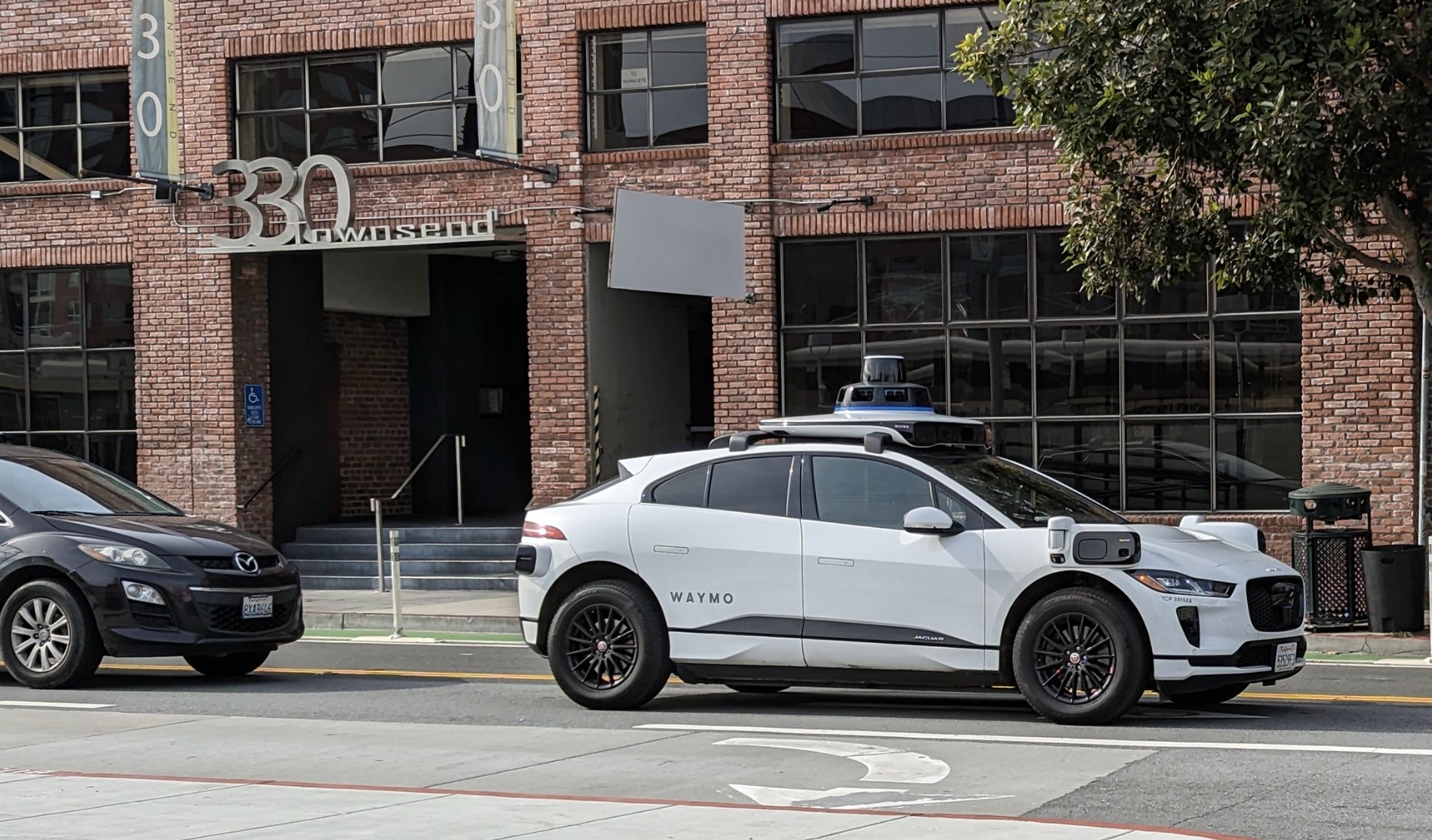
BAC member Sabrina Freewynn had a much different take. “I am a total supporter of autonomous vehicles. Absolutely love them,” she said. Freewynn, who’s ridden in a Waymo in Phoenix, said people need to get more familiar with them, “So I like that idea of having them tested in Portland.”
The issue of traffic law enforcement came up several times during the meeting. If a police officer wanted to issue a citation to an AV, how would that even work since there’s no driver to cite? Sherman with PBOT said, “Oregon law doesn’t answer that question right now. That’s a piece of law that needs to be clarified at some point.”
There remain many questions surrounding the future of AVs in Portland. That’s why you should pay attention and consider sharing your comments with PBOT. The comment period will be open through April 4th and there’s a public hearing today (Weds, March 11th) from 6:00 to 7:30 pm at the Portland Building downtown (Zoom also available). Learn more about the draft rule change and opportunities for feedback on PBOT’s website.