

On Wednesday morning, Portland City Council will vote on Mayor Keith Wilson’s pick for City Administrator: former city manager of Greeley, Colorado, Raymond Lee. Lee, 41, was announced as Wilson’s choice on December 2nd. If confirmed he would become the first (non interim) person to ever hold the position of city administrator in Portland’s history.
The city administrator plays a very important and powerful role in our new form of government. It will be Lee’s job (along with his team of deputy administrators) to execute the mayor’s visions and city council’s legislative actions. Among his powers will be the ability appoint, reassign, discipline, and remove bureau directors. According to Rose City Reform, the city administrator will be the, “mayor’s trusted advisor.” and is likely to function as a bridge between the executive (Mayor’s Office) and legislative (City Council) branches.
What’s he likely to do with that power when it comes to shaping our transportation system? I honestly couldn’t tell you. I don’t know enough yet. But I spent a few hours looking at Greeley and Lee’s past work experience to find out what we might expect when it comes to his mobility-related mindset. Let’s dive in….

Lee’s former town is much smaller than Portland. While he made it clear in just about every video I watched that, “Greeley is one of the fastest growing cities in the state,” it still has a population of about 116,000. That’s one-sixth the size of Portland (pop. 630,000). It’s represented by Democrats in the U.S. Senate, but the county it’s located in (Weld County) voted 61% for Trump and only 39% for Harris in the 2024 presidential election and several residents on Reddit described it as “conservative.” Greeley is on the plains just east of the Rocky Mountains and about an hour drive north of Denver. It’s home to a large meat-packing plant, a mid-sized public university and a community college.


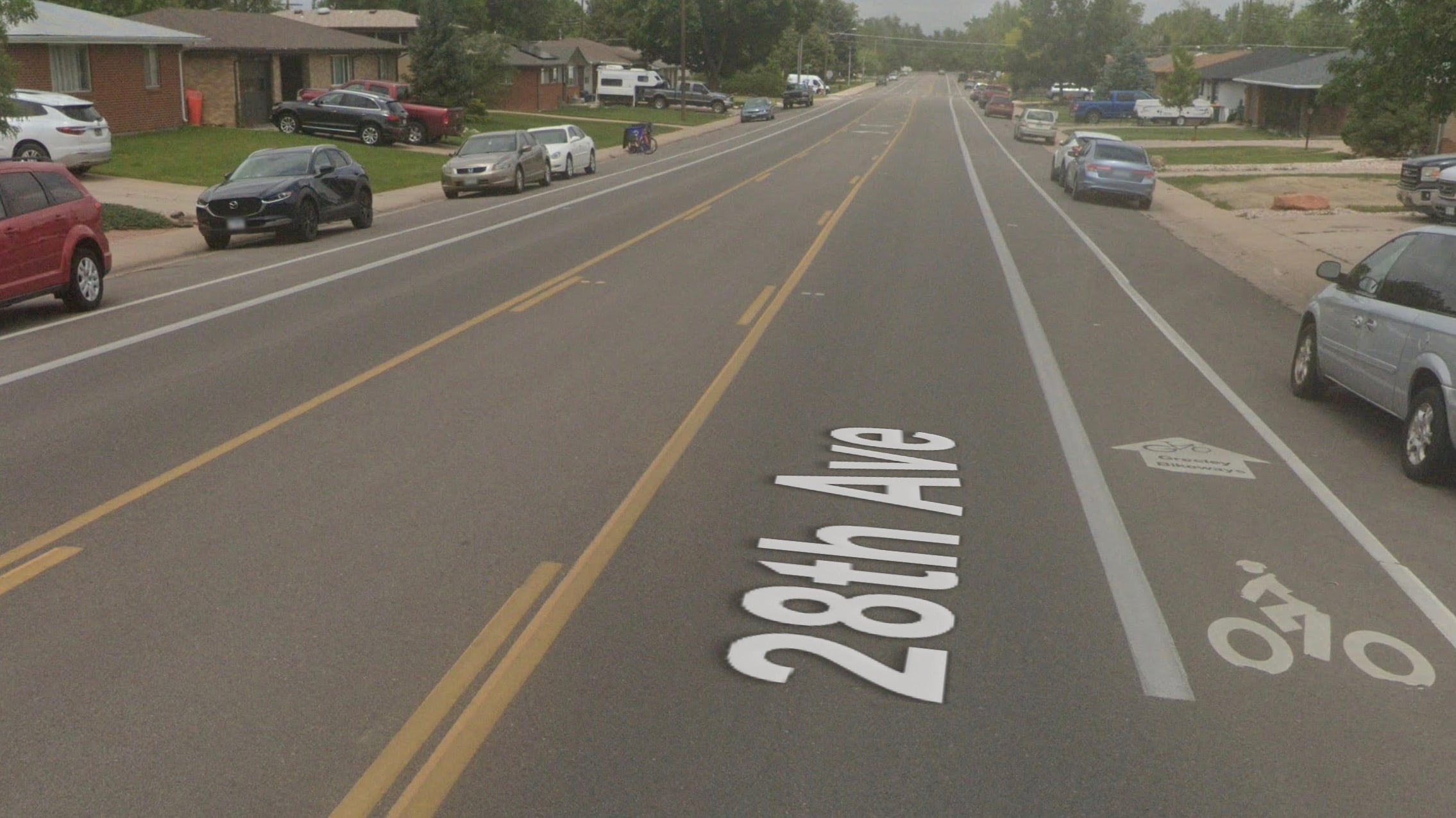
From a bicycling perspective, there’s not a lot to write about. The League of American Bicyclist gave Greeley a Bronze award for its bicycle friendliness, but from what I can tell the city’s 85 miles of bike lanes are most just standard, painted lanes — often next to high-speed car traffic. To Lee’s credit, Greeley has recently made more noise for transportation reform: They launched a bike share system in October 2024 and by the following spring they’d deployed 250 bikes along with 80 shared electric scooters (about 25% of all bike share use is on the local college campus).
Greeley declared a goal in January of this year to reach zero traffic deaths by 2045 — and kicked off their effort with a $9.9 million federal safe streets grant. The city had 11 total traffic deaths in 2024, and they even hosted a World Day of Remembrance event to raise awareness about it.
Greeley is currently rebuilding a major downtown corridor into a more human-centric environment with public art, roundabouts, less driving space, and wide sidewalks. In the concept drawings I saw however, there was no dedicated space for bicycling.
Lee will have had some experience with free bus service, an idea that pops up in Portland from time-to-time and is getting a life lately because it’s an idea championed by New York City’s mayor-elect Zohran Mamdani. Greeley’s transit system has implemented a free transit pilot for two months in the summer through a state program to improve air quality.
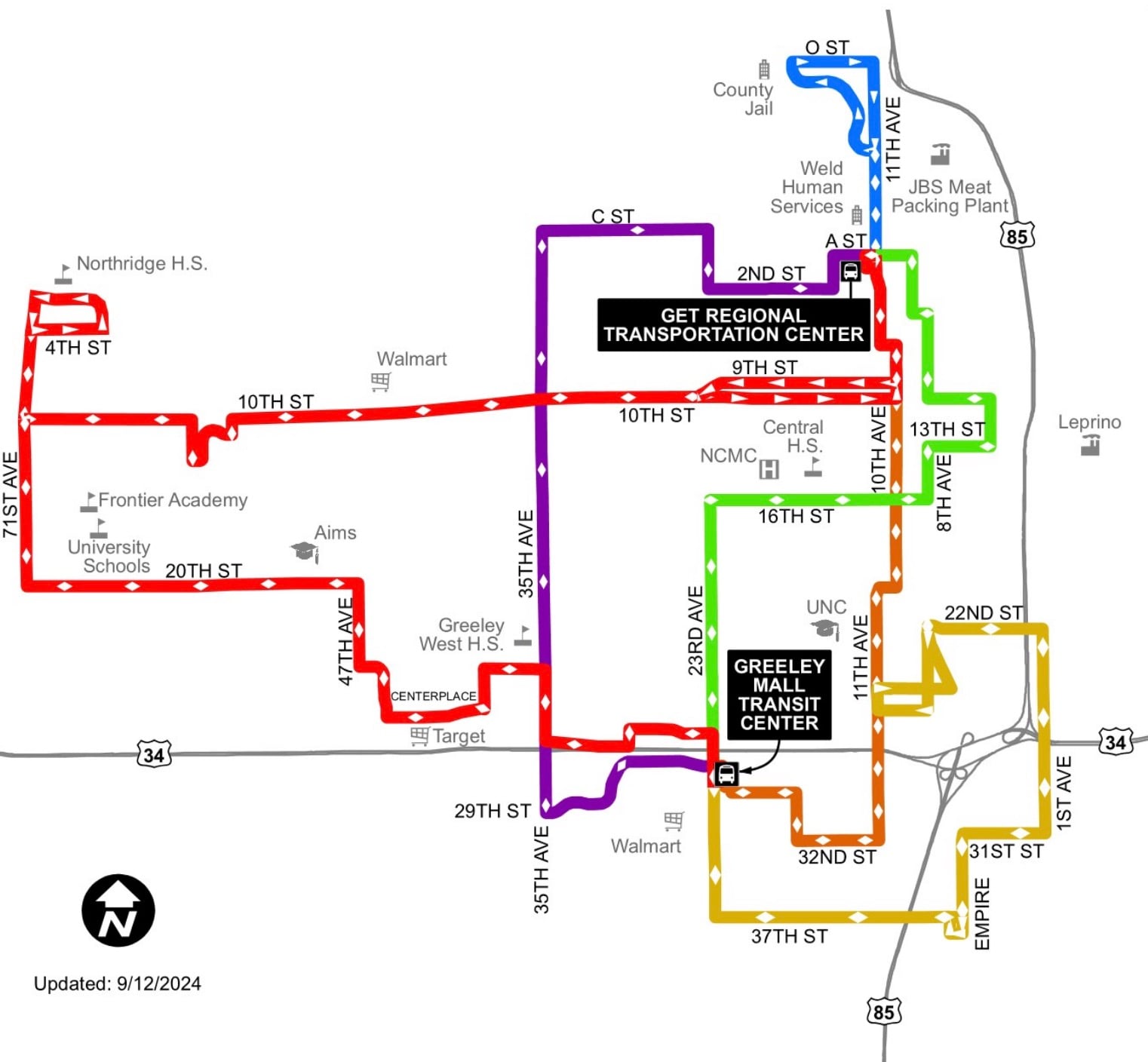
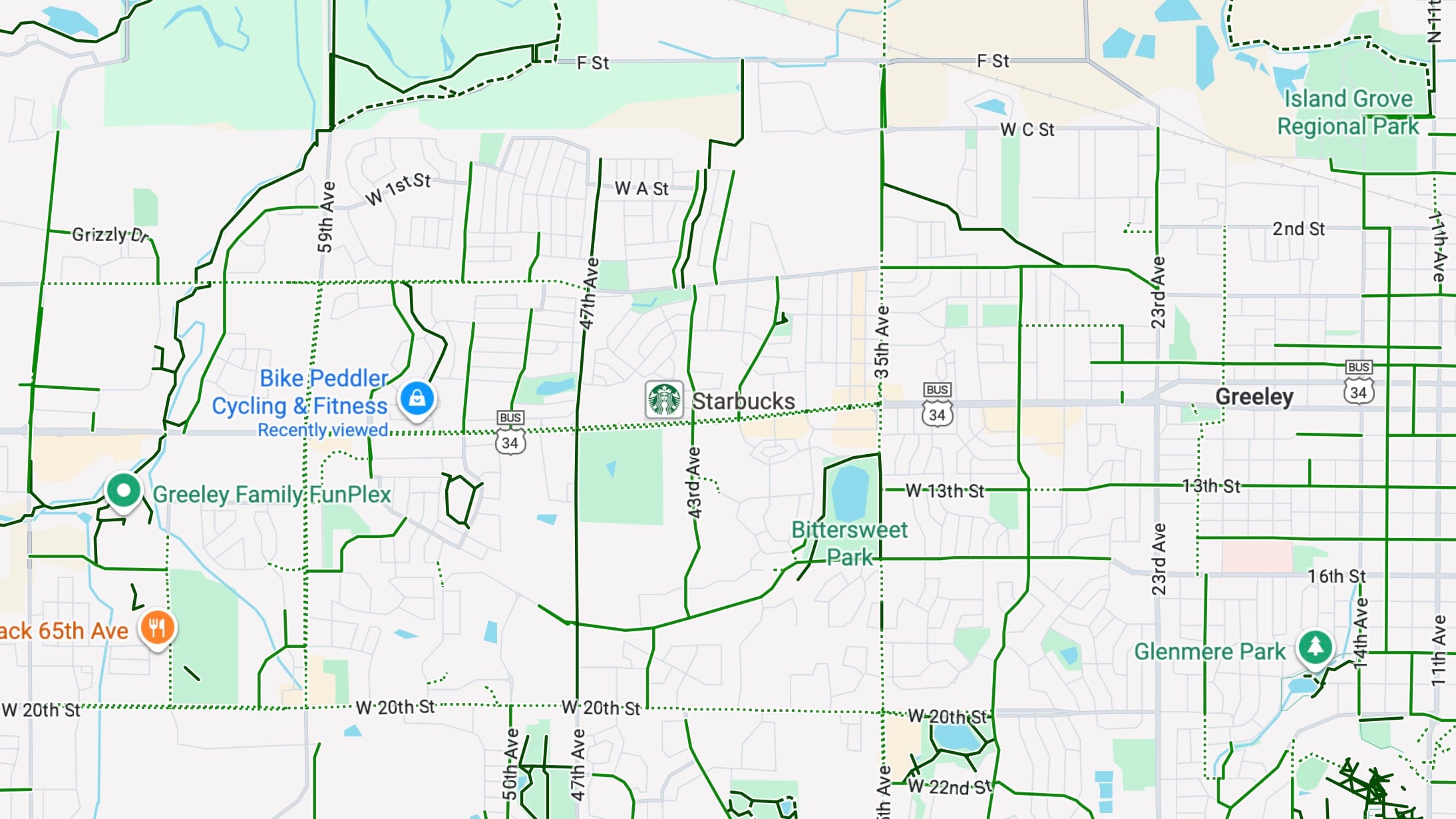
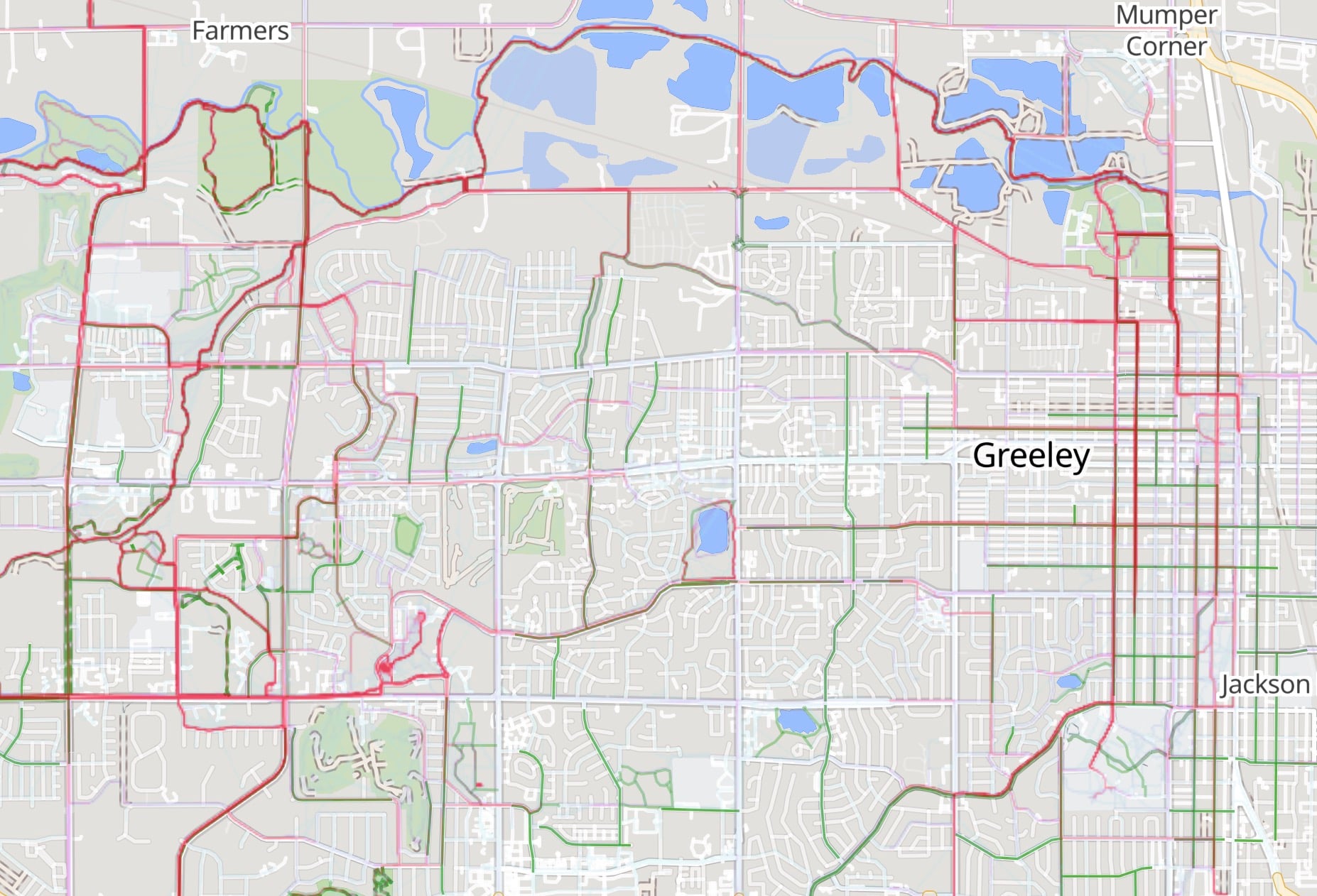
When it comes to Lee’s professional experience, he doesn’t talk about transportation much. In his 12-page resume, Lee shares a long bullet list of accomplishments, yet none of them are transportation-related. The largest transportation project he’s overseen is a $132 million investment into Greeley’s biggest highway — US 34 — which bisects the city. The Mobility Enhancements for Regional Growth & Equity (MERGE) Project will build two interchanges for the freeway in order to reduce crashes and will develop transit hubs where folks can safely connect to transit and other modes.
The highest profile project Lee has been involved in is a major redevelopment project known as Catalyst (or Cascadia), a public-private partnership estimated to cost around $1 billion that would build an arena and related amenities for a local hockey team. According to the Greeley Tribune, a community group that’s skeptical about the project ran a successful petition campaign that will put a repeal of the zoning for the project in front of voters. A public vote is coming in late February.
Here’s more from the Tribune:
Residents who oppose the project have remained doubtful the project will deliver the promised economic boom. More concerns arose once the city issued certificates of participation, one of the primary funding mechanisms for the early stages of the project, which temporarily leased city buildings to secure a loan.
Another group, Greeley Deserves Better, petitioned to put the city council’s approval of the certificates of participation issuance on November’s ballot. After a city-appointed arbiter ruled that such an action was not within the residents’ power, Greeley Demands Better gathered more than 5,000 signatures in an effort to repeal zoning for the project that was approved in September.
Before his tenure in Greeley, Lee served a four-year stint as public works director for the city of Amarillo, Texas.
I’ve reached out to a few transportation advocates in Greeley to see if they have anything to add about Lee, but I’ve yet to hear back. If you know anything about his views on transportation, please share them in the comments. I’ll get to see and hear from Lee in person on Wednesday morning, so stay tuned for more about this man who will play a pivotal role in the future of Portland.
UPDATE, 12/10: After posting this story, I learned that Greeley’s Public Works Director Paul Trombino (their point person for major transportation projects) also resigned shortly after Lee did. I’m trying to learn more. For now, check out the stories about this from local blogger Jack Bogdanski.
UPDATE, 12/10: I asked the City of Greeley Mobility Manager Michelle Johnson to tell me more about Lee’s work/position on transportation. Here’s what Johnson shared:
“During his time here, City Manager Lee supported several projects that helped move Greeley forward on mobility. He backed the work on our Mobility Development plan, which focused on improving safety and connections for people walking, biking, driving and using transit. You can see an overview of that work here: speakupgreeley.com/mobility-development-plan.
We are currently working on year 1 activities based on this plan, which will include route improvements, the introduction of a transit app, and expanding regional transportation with a new line between Loveland and Greeley.
Also under his leadership, we launched our first micromobility pilot, which gave residents more short-trip options and helped us learn how shared scooters and similar tools could fit into our system. Details on that pilot are here: speakupgreeley.com/micromobility-pilot.
Overall, we have worked hard to expand mobility options, trying new (to us) approaches to give people more ways to get around our city.“
Update, 12/10: Jim Riesberg, founder of nonprofit advocacy group Greeley Walks and organizer of events like Week Without Driving and World Day of Remembrance for Traffic Victims, said he thinks Greeley is on a solid trajectory when it comes to transportation reform. “I think Greeley is way ahead of many other cities, particularly of its size and the attention that they’re paying to transportation, mobility, safe streets, improving public transportation and making it easier for people to get around,” Riesberg shared with me in an interview this morning.
During Lee’s tenure as city manager, the Greeley Public Works Department has been busy with traffic calming initiatives, Riesberg says. “A number of what were four-lane streets have now been reduced to two-lane streets by painting medians and things in them.” Riesberg also added that Lee hasn’t attended any meetings or forums he has hosted and he’s never seen Lee at a meeting of the city’s Citizens Transportation Advisory Board.
As for the quality of bike infrastructure? Riesberg said Greeley has 27 miles of bike lanes and the majority of them are of the unprotected, door zone variety.
“The city has increased the number of bike lanes getting into the downtown area,” Riesberg shared, “But we don’t have any good bike parking stations in downtown yet. We’re working on that.”
Riesberg also said he was “shocked” by the resignation of former Public Works Director Paul Trombino, who left his post shortly after Lee resigned. “I had high praise for [Trombineo],” Riesberg shared. “And [his resignation] really shocked me because I thought he was just moving Greeley in a very important direction — and quite rapidly. So I’m not sure what happened there.”
When Riesberg asked city council members about why Trombino resigned, they didn’t tell. “They won’t share anything,” he says. “They just said, ‘I can’t get into that.'”